عيادات جراحة أروح الإبهام في إسبانيا


تمت مراجعة المقالة طبيا من قبل
فهد مولود
كيف نعمل؟
ما هي تكلفة جراحة أروح الإبهام في إسبانيا؟ اكتشف الآن
من $6,600. يعتمد السعر النهائي على التقنية الجراحية، ومستوى العيادة، ومدى تعقيد التشوه. تشمل الباقات عادةً الفحوصات الأولية، ورسوم الجراحة، والتخدير، وتكاليف المستشفى، والمتابعة في مراكز رئيسية مثل برشلونة ومدريد.
- إجراء 3D Lapidus: من $6,700 لإعادة محاذاة العظام بدقة عالية.
- العلاج الجراحي للتشوه: من $10,100 ويغطي تقنيات قطع العظم الأساسية.
- الخيارات طفيفة التوغل: تقل تكلفتها غالباً بنسبة 15-20% عن العمليات المفتوحة المعقدة.
- الاختلافات الإقليمية: تظل الأسعار في فالنسيا وأليكانتي عادةً أقل منها في برشلونة.
رأي خبراء Bookimed: يتيح اختيار مراكز متخصصة في برشلونة الوصول إلى تقنيات نخبوية للجهاز الحركي. يستخدم مستشفى إتش إم نو ديلفوس تقنية التصوير عالية الدقة EOS لتحسين المحاذاة. يعد هذا أمراً جوهرياً للحالات المعقدة. للحصول على رعاية متميزة، يُعد مركز تكنون الطبي معتمداً من JCI ويعالج رياضيين عالميين. ومع وصول تكلفة جراحاتهم المتقدمة إلى 12,000 $، تظل خبرتهم في تقويم العظام من بين الأعلى في أوروبا.
اكتشف أفضل جراحة أروح الإبهام العيادات في إسبانيا: 10 خيارات معتمدة والأسعار









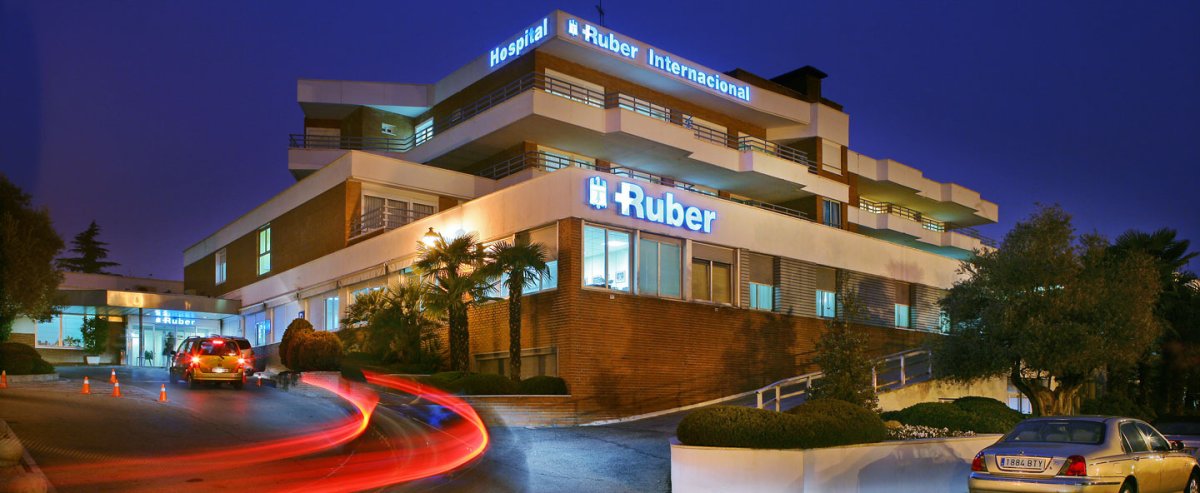






Policlinica Ntra. Sra. del Rosario


نظرة عامة على جراحة أروح الإبهام في إسبانيا
- العلاج الجراحي لتشوه الأروح - من $10,100
تعمل العملية على تصحيح اختلال الورم ، بما في ذلك تقطيع العظام وإعادة تنظيمها بدقة ، مما يؤدي إلى تخفيف الآلام وتحسين وظائف القدم.
- جراحة أروح الإبهام - من $6,600
يصحح هذا الإجراء الأورام عن طريق إعادة تنظيم إصبع القدم وتخفيف الألم وتحسين مظهر القدم.
يعمل هذا الإجراء على إعادة تنظيم عظام القدم المنحرفة ، ومعالجة السبب الجذري للأورام مع الحد الأدنى من مخاطر تكرارها.
تعمل هذه العملية على تصحيح تشوهات الورم عن طريق إعادة تنظيم العظام ثلاثية الأبعاد ، مما يؤدي إلى نتائج دائمة خالية من الألم.
اليوم الأول - الوصول
- الوصول إلى البلاد.
- نقل الشخصيات المهمة من المطار إلى المستشفى.
- تحقق في المستشفى.
- التشاور مع جراح العظام.
اليوم 2 - ما قبل العملية
- الفحوصات الطبية حسب توجيهات جراح العظام.
- التشاور النهائي مع الجراح.
- التحضير للجراحة.
اليوم الثالث - يوم الجراحة
- يتم إجراء جراحة إبهام القدم الأروح تحت التخدير الموضعي.
- تستغرق العملية الجراحية حوالي ساعة إلى ساعتين.
- بعد الجراحة ، ستنتقل إلى غرفة الإنعاش.
اليوم 4 - بعد العملية
- تقييم ما بعد الجراحة من قبل جراح العظام.
- تعليمات الرعاية المنزلية وإعادة التأهيل المقدمة.
- نقل إلى الفندق للشفاء.
الأسبوع 1-2 - إعادة التأهيل
- استرح وارفع القدم لتقليل التورم.
- احضر جلسات العلاج الطبيعي كما هو موصى به.
الأسبوع 3-4 - إعادة التأهيل
- العودة التدريجية إلى الأنشطة اليومية حسب نصيحة الطبيب.
- استمر في حضور جلسات العلاج الطبيعي.
الأسبوع 5-6 - إعادة التأهيل
- العودة إلى العمل حسب طبيعة عملك.
- تواصل مع العلاج الطبيعي.
الأسبوع 7-8 - إعادة التأهيل
- العودة التدريجية لممارسة الرياضة والأنشطة الشاقة الأخرى.
- الفحص النهائي بعد الجراحة مع جراح العظام.
يرجى ملاحظة أن الجدول الزمني للتعافي لكل مريض قد يختلف ، اعتمادًا على صحته العامة ومدى تعقيد الجراحة.
- إيداع Bookimed: 200 دولار أو 200 يورو.
- وديعة العيادة: ادفع نسبة محددة مقدمًا.
احصل على تقييم طبي لـ جراحة أروح الإبهام في إسبانيا: اختر أخصائيك من بين الأفضل في هذا المجال
عرض جميع الأطباء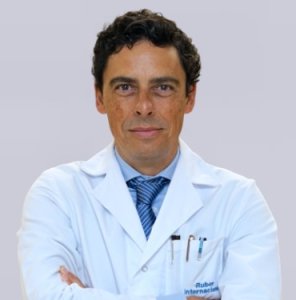
Pablo De La Cuadra
أكثر من 25 عاماً من التخصص في جراحة العظام – يقود الدكتور بابلو دي لا كوادرا فريقاً متخصصاً في الإصابات في مستشفى روبر الدولي (Hospital Ruber Internacional).
- خبير في تقنيات تنظير المفاصل طفيفة التوغل
- متخصص في الإصابات الرياضية وإعادة بناء المفاصل
- أستاذ مشارك في جامعة مدريد المستقلة
- يركز على التعافي السريع والنتائج الوظيفية المثلى

Inmaculada Gómez Arrayás
تُعد الدكتورة إنماكولادا غوميز أراياس واحدة من أفضل 100 طبيب في إسبانيا وفقاً لمجلة فوربس. تشغل منصب رئيس قسم جراحة العظام في مستشفى روبر الدولي في مدريد. تُعتبر الدكتورة أراياس رائدة في استخدام أنظمة الملاحة لإجراء جراحات دقيقة لاستبدال المفاصل. وهي متخصصة في الإجراءات طفيفة التوغل للورك والركبة وبروتوكولات التعافي السريع.
- حاصلة على شهادة ISO 9001 للجودة في جراحات استبدال الورك والركبة.
- تُجري عمليات تنظير الركبة والورك بالإضافة إلى عمليات إعادة بناء المفاصل المعقدة والمراج

Javier Albiñana
41 سنة متخصص في جراحة العظام – يجمع الدكتور ألبينيانا بين الخبرة في طب الأطفال وتصحيح تشوهات القدم لدى البالغين في مستشفى كيرونسالود مدريد.
- رئيس قسم جراحة عظام الأطفال في مستشفى لا باز
- حاصل على زمالة من جامعة أيوا وأكسفورد
- أبحاث منشورة حول علاجات خلل التنسج الوركي
- أستاذ مشارك في الجامعة المستقلة في مدريد

Pedro Delgado
يقود الدكتور بيدرو ديلغادو قسم جراحة العظام والكسور في مستشفى HM Montepríncipe الجامعي، وهو متخصص في جراحة اليد.
- رئيس قسم جراحة العظام والكسور
- يعمل جنباً إلى جنب مع متخصصين ذوي تدريب دولي في جراحة اليد
- جزء من فريق حاصل على الدبلوم الأوروبي في جراحة اليد
المراجعات
جميع المراجعات
مشاركة المحتوى
قصص فيديو من مرضى Bookimed
 Anna Leonova
أسئلة متكررة حول جراحة أروح الإبهام في إسبانيا
ما هي أفضل المستشفيات لجراحة إبهام القدم الأروح (الوكعة) في إسبانيا؟
تشمل أفضل المستشفيات لجراحة إبهام القدم الأروح في إسبانيا مركز تيكنون الطبي (Centro Medico Teknon)، ومستشفى روبر الدولي (Hospital Ruber Internacional)، وعيادة جامعة نافارا (Clinica Universidad de Navarra). تستخدم هذه المرافق معايير معتمدة من قبل اللجنة الدولية المشتركة (JCI) وتقنيات متقدمة مثل الجراحة الجلدية طفيفة التوغل وتصحيح لابيدوس ثلاثي الأبعاد لضمان التعافي الأمثل.
- تقنيات متخصصة: تقدم العيادات الجراحة الجلدية (MIS) وإجراءات إعادة محاذاة العظام بتقنية لابيدوس ثلاثية الأبعاد.
- معايير الاعتماد: تحافظ المراكز الرائدة على شهادات الجودة من اللجنة الدولية المشتركة (JCI) و ISO 9001.
- التصوير عالي الدقة: تستخدم مرافق مثل مستشفى HM Nou Delfos تصوير EOS للمحاذاة العضلية الهيكلية.
- فرق جراحية خبيرة: غالبًا ما يحمل الجراحون زمالات دولية ويقودون وحدات متخصصة للقدم والكاحل.
رؤية خبير Bookimed: تقدم إسبانيا مستوى فريداً من الرعاية الطبية حيث تخدم العيادات الخاصة مثل مركز تيكنون الطبي رياضيين من الطراز العالمي. دفع هذا التركيز على الأداء العالي جراحي العظام الإسبان إلى إتقان التقنيات طفيفة التوغل. على عكس العيادات العامة، توفر هذه المراكز غالباً وحدات متخصصة للقدم والكاحل تدير أكثر من 200 عملية جراحية أولية لمقدمة القدم سنوياً، مما يضمن مستويات عالية من الكفاءة.
إجماع المرضى: يؤكد المرضى على إعطاء الأولوية للجراحين الذين يجرون أكثر من 100 حالة وكعة سنوياً بدلاً من التركيز فقط على العلامة التجارية للمستشفى. يوصي الكثيرون بطلب
ما هو معدل النجاح الموثق لجراحة إبهام القدم الأروح (الوكعة)؟
تحافظ جراحة إبهام القدم الأروح على معدل نجاح موثق يتراوح بين 85% و95%، بناءً على تخفيف الألم والتحسن الوظيفي. تظهر البيانات السريرية معدل بقاء خالٍ من المراجعة بنسبة 93.1% على مدى 20 عاماً. تعمل عمليات دمج المفاصل ثلاثية الأبعاد الحديثة مثل إجراء لابيدوس على تقليل معدلات التكرار بشكل كبير مقارنة بالطرق التقليدية.
- قياس النجاح: يبلغ معظم المرضى عن تحسن بنسبة 78-81% في مقاييس الألم في غضون 4 سنوات.
- خطر التكرار: تظهر التصحيحات ثلاثية الأبعاد المتقدمة معدل تكرار منخفض بنسبة 0.8-3% مقارنة بجراحة قطع العظم التقليدية.
- رضا المريض: يقيم حوالي 89.4% من المرضى نتائج جراحتهم بأنها ناجحة.
- الاستقرار على المدى الطويل: يحتاج أقل من 7% من المرضى إلى جراحة متكررة على مدى فترة 20 عاماً.
رؤية خبير Bookimed: على الرغم من ارتفاع معدلات النجاح، هناك فجوة جودة واضحة بين التقنيات. تظهر بيانات Bookimed أن العيادات الإسبانية مثل مستشفى HM Nou Delfos تستخدم تصوير EOS عالي الدقة لتخطيط هذه التصحيحات بشكل أفضل. يعد اختيار عيادة ذات أدوات تشخيصية متقدمة أمراً ضرورياً لأن إحصائيات المحاذاة الخام تهم المرضى أقل من الراحة طويلة المدى في الأحذية والحركة.
إجماع المرضى: يبلغ العديد من المرضى عن شعورهم بتحسن بنسبة 80% لكنهم يشيرون إلى أن التعافي بنسبة 100% دون تصلب أمر نادر. تؤكد النصائح العملية على الانتظار حتى تتجاوز زاوية الوكعة 20 درجة قبل التفكير في الجراحة للحصول على أفضل رضا.
متى تكون الجراحة ضرورية طبياً لعلاج إبهام القدم الأروح (الورم الملتهب)؟
تكون الجراحة ضرورية طبياً عندما يعيق ألم الورم المزمن المشي أو الأنشطة اليومية بشكل كبير على الرغم من 6 إلى 12 شهراً من العلاج التحفظي. تشمل المؤشرات السريرية زاوية إبهام القدم الأروح التي تتجاوز 20 درجة، وتداخل أصابع القدم التدريجي، والتهاب المفاصل المستمر الذي يقاوم التدخلات غير الجراحية.
- فشل الرعاية التحفظية: استمرار الألم بعد استخدام تقويم العظام المخصص والأحذية ذات المقدمة العريضة.
- تشوه القدم الشديد: انحراف إصبع القدم الكبير مما يسبب مشاكل ثانوية مثل أصابع القدم المطرقة أو ألم مشط القدم.
- القيود الوظيفية: عدم القدرة على المشي لمسافات روتينية أو العمل على الرغم من ارتداء أحذية داعمة.
- صحة المفاصل: ظهور التهاب المفاصل أو فقدان الحركة في مفصل إصبع القدم الكبير.
رؤية خبير Bookimed: على الرغم من شيوع الجراحة التقليدية، فإن المراكز الإسبانية مثل Centro Médico Teknon تقود في تقنيات الجلد طفيفة التوغل. غالباً ما تسمح هذه الطرق بحركة أسرع من الجراحة المفتوحة القياسية. تظهر البيانات أن المرضى الذين يختارون العيادات المعتمدة من JCI في برشلونة أو مدريد غالباً ما يعطون الأولوية لبروتوكولات التصحيح ثلاثية الأبعاد المتقدمة هذه لتقليل خطر التكرار بنسبة 10% إلى 20% الذي يظهر مع الطرق القديمة.
إجماع المرضى: يذكر معظم المرضى أن الجراحة تصبح المسار الوحيد القابل للتطبيق عندما يملي ألم الورم اختيارهم للأحذية ويحد من ممارسة الرياضة. ويؤكدون أنه على الرغم من أن التعافي يتطلب الصبر، فإن تحسن الحركة يفوق بكثير مخاطر التيبس المزمن.
كم تستغرق العملية الجراحية؟
تستغرق جراحة إبهام القدم الأروح (Hallux valgus) في إسبانيا عادةً ما بين 45 دقيقة إلى ساعتين ونصف، اعتمادًا على شدة التشوه. تنتهي معظم الإجراءات البسيطة في غضون ساعة ونصف داخل غرفة العمليات. قد تؤدي الحالات المعقدة أو الجراحات الثنائية إلى تمديد الإطار الزمني حيث يعطي الجراحون الأولوية لإعادة محاذاة العظام بدقة وتثبيتها.
- مدة الإجراء: تستغرق معظم الجراحات القياسية من 45 دقيقة إلى ساعة ونصف.
- الحالات المعقدة: قد تتطلب التشوهات الشديدة أو جراحات المراجعة ما يصل إلى ساعتين ونصف.
- التقنية الجراحية: غالبًا ما تكون الأساليب طفيفة التوغل أسرع من الجراحة المفتوحة التقليدية.
- إجمالي الوقت في المنشأة: توقع قضاء من 3 إلى 4 ساعات بما في ذلك التحضير قبل الجراحة والتعافي.
رؤية خبير Bookimed: تحتل إسبانيا المرتبة الخامسة عالميًا من حيث الطلبات الطبية على Bookimed، ويرجع ذلك إلى حد كبير إلى المراكز ذات القدرة العالية مثل Centro Médico Teknon. مع إجراء 23,500 عملية سنويًا، غالبًا ما يؤدي حجم الجراحات المرتفع لديهم إلى تبسيط سير العمليات الجراحية. تضمن هذه الكفاءة الإجرائية قضاء المرضى وقتًا أقل تحت التخدير مع الحفاظ على معايير سريرية عالية.
إجماع المرضى: يشير المرضى إلى أنه على الرغم من أن الجراحة الفعلية سريعة، إلا أن مرحلة التحضير تضيف وقتًا كبيرًا. يؤكد معظمهم أن ساعة واحدة هي الواقع الجراحي القياسي لتصحيحات القدم الواحدة.
هل التخدير العام ضروري لجراحة إبهام القدم الأروح (الوكعة)؟
لا يعد التخدير العام ضرورياً لمعظم جراحات إبهام القدم الأروح. يقوم الجراحون في إسبانيا عادةً بإجراء عمليات استئصال الوكعة كإجراءات خارجية باستخدام التخدير الموضعي، أو كتل الكاحل الإقليمية، أو التخدير النخاعي. تسمح هذه الطرق بالخروج في نفس اليوم وتقلل بشكل كبير من المخاطر بعد الجراحة مقارنة بالتخدير العام.
- التخدير الموضعي: يقوم الجراحون بحقن مواد مخدرة مباشرة حول موقع الجراحة لتصحيح خالٍ من الألم.
- الكتل الإقليمية: تعمل كتل الكاحل أو العصب الوركي المأبضي على تخدير القدم بالكامل أثناء الإجراء.
- التخدير الوريدي: تحافظ المهدئات الوريدية على استرخاء المرضى ونعاسهم بينما يتنفسون بشكل مستقل.
- التخدير النخاعي: تحجب هذه التقنية الإحساس من الخصر إلى الأسفل لإجراء عمليات إعادة محاذاة أكثر تعقيداً.
رؤية خبير Bookimed: غالباً ما تعطي مراكز العظام الإسبانية مثل مستشفى روبر الدولي (Hospital Ruber Internacional) ومركز تكنون الطبي (Centro Médico Teknon) الأولوية للكتل الإقليمية على التخدير العام لتسهيل بروتوكولات التعافي السريع. من $6,600.
إجماع المرضى: يفضل العديد من المرضى التخدير الموضعي مع التهدئة لأنه يسمح بعودة أسرع للحركة ويتجنب الشعور بالخمو
ما هو الجدول الزمني المتوقع للتعافي بعد جراحة إبهام القدم الأروح (hallux valgus)؟
عادةً ما يستغرق التعافي بعد جراحة إبهام القدم الأروح في إسبانيا 6 أسابيع للحركة الأساسية و6 أشهر للرياضات الخفيفة. يستخدم المرضى أحذية تقويمية متخصصة على الفور، وينتقلون إلى أحذية رياضية داعمة بحلول الأسبوع السادس. قد يستغرق التئام العظام الكامل وزوال كل التورم 12 شهراً.
- الشفاء الأولي: تتم إزالة الغرز خلال الأسبوعين الأول والثاني مع إعطاء الأولوية لرفع القدم لتقليل التورم.
- مرحلة الانتقال: يبدأ معظم المرضى في المشي بحذاء واقٍ بدون عكازات بحلول الأسبوع الثالث.
- التئام العظام: يؤكد الجراحون نجاح الاندماج عبر تصوير الأشعة السينية عادةً في الأسبوع السادس تقريباً.
- أنشطة التأثير: تتطلب العودة إلى الجري أو الرياضات عالية التأثير عادةً من 4 إلى 6 أشهر.
رؤية خبير Bookimed: اختيار الجراحة الجلدية طفيفة التوغل في مراكز مثل Centro Médico Teknon غالباً ما يسرع الجدول الزمني بشكل كبير. تشير البيانات إلى أن هذه التقنيات تسمح بالعودة إلى الأحذية العادية في غضون 6 أسابيع. غالباً ما تتطلب الجراحة المفتوحة التقليدية 3 أشهر للوصول إلى نفس المرحلة.
إجماع المرضى: توقع أن تكون الأسبوعان الأولان هما الأكثر تحدياً لإدارة الألم. وجد العديد من المرضى أن بدء العلاج الطبيعي بحلول الأسبوع الرابع كان ضرورياً لاستعادة مشية طبيعية.