علاج قيلة معدية في إسبانيا: 6 مستشفيات


تمت مراجعة المقالة طبيا من قبل
فهد مولود
كيف نعمل؟
ما هي تكلفة قيلة معدية إجراءات التشخيص والعلاج في إسبانيا؟ اعرف الآن
اكتشف أفضل قيلة معدية العيادات في إسبانيا: 6 خيارات معتمدة والأسعار














احصلوا على تقييم طبي لـ قيلة معدية في إسبانيا: استشيروا أطباء ذوي خبرة الآن
عرض جميع الأطباء
Michel Blé

Miquel Sans Cuffí
أخصائي في أمراض الأمعاء الالتهابية (IBD) مع أكثر من 38 سنة من الخبرة – يجمع الدكتور سانس كوفي بين الممارسة السريرية والأبحاث المتطورة في مركز تكنون الطبي (Centro Médico Teknon).
- حاصل على درجة الدكتوراه من جامعة برشلونة بتقدير «امتياز بإجماع الآراء»
- أجرى أبحاثاً حول أمراض الأمعاء الالتهابية في جامعة كيس وسترن ريسرف في الولايات المتحدة الأمريكية
- مؤلف لأكثر من 150 منشوراً وأكثر من 500 عرض تقديمي في المؤتمرات
- منسق سابق للمشروع الأوروبي 'IBDChip'
- عضو في العديد من الجمعيات الدولية لأمراض الجهاز الهضمي
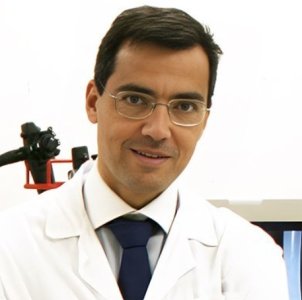
José Miguel Esteban Lopez-jamar
الدكتور خوسيه ميغيل إستيبان لوبيث-خامار طبيب أمراض الجهاز الهضمي. يتولى رئاسة وحدتي التنظير الهضمي وأمراض الجهاز الهضمي في مستشفى روبر إنترناسيونال منذ عام 2007. يمتلك خبرة تزيد على 20 عامًا، ويعد من الرواد الإسبان في التصوير بالموجات فوق الصوتية بالتنظير الداخلي (EUS). يشمل عمله التنظير التشخيصي والتداخلي، ويستخدم تقنيات مبتكرة طفيفة التوغل لعلاج أمراض الجهاز الهضمي المعقدة.
شغل منصب رئيس قسم التنظير (2008–2012) ورئيس الابتكار في مجال التنظير (2012–2014) في مستشفى كلينيكو سان كارلوس.

Dr Sanchez Yague
رائد في إسبانيا في مجال الاستئصال بالمنظار تحت المخاطية – قدم الدكتور سانشيز ياغي هذه التقنية في الأندلس عام 2011.
- أول من استخدم في العالم دعامة AXIOS مقاس 15 مم لتصريف السوائل البنكرياسية
- أكثر من _doctor_8312_ سنوات من الخبرة في أمراض الجهاز الهضمي وتقنيات التنظير المتقدمة
- زميل الكلية الأمريكية لأمراض الجهاز الهضمي والجمعية الأمريكية لتنظير الجهاز الهضمي
- حاصل على الميدالية الذهبية من الجمعية الأندلسية لأمراض الجهاز الهضمي
مشاركة المحتوى
قصص فيديو من مرضى Bookimed
 Anna Leonova
أسئلة متكررة حول علاج قيلة معدية في إسبانيا
ما هو فتق المعدة (Gastrocele)، وكيف أعرف ما إذا كنت بحاجة إلى علاج؟
فتق المعدة هو حالة يبرز فيها جزء من المعدة عبر جدار عضلة الحجاب الحاجز. يكون العلاج ضرورياً إذا كنت تعاني من ارتجاع حمضي مستمر، أو ألم في الصدر، أو صعوبة في البلع. عادةً ما تتطلب حالات الفتق الصغيرة التي لا تظهر عليها أعراض المراقبة فقط وإجراء تعديلات على نمط الحياة.
- ضرورة العلاج: تتطلب حالات الفتق الكبيرة التي تسبب حرقة المعدة المزمنة أو الارتجاع تقييماً من قبل متخصص.
- أعراض تحذيرية: اطلب الرعاية العاجلة في حال حدوث ألم مفاجئ في البطن أو عدم القدرة على إخراج الغازات.
- طرق التشخيص: يستخدم المتخصصون الإسبان تنظير المعدة واختبارات البلع بالباريوم لتحديد مرحلة الحالة بدقة.
- الرعاية المتخصصة: اطلب استشارة طبية في حال استمرار الأعراض أو الاشتباه في التواء المعدة.
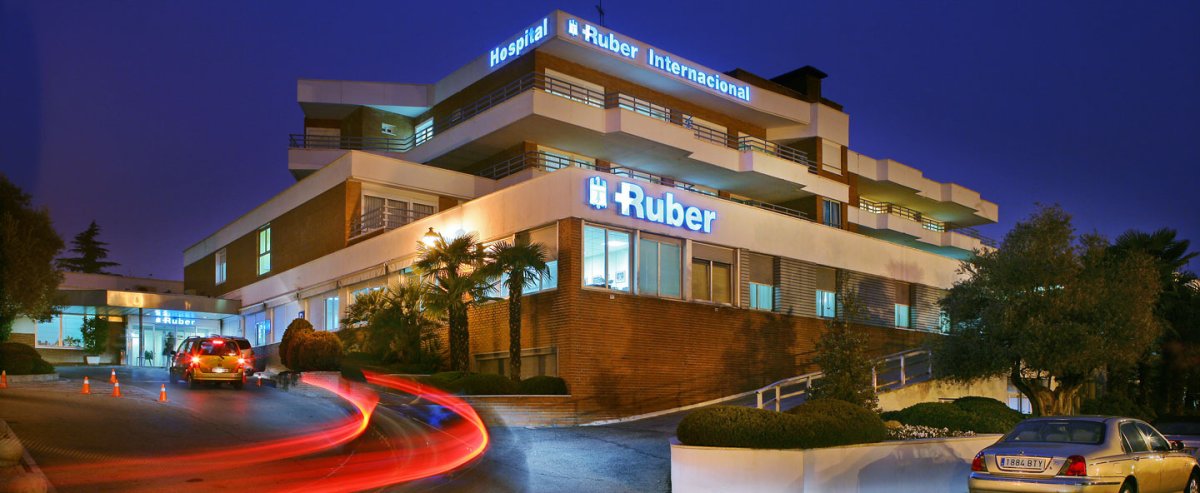
رؤية خبراء Bookimed: توفر مراكز الجهاز الهضمي الإسبانية خبرة كبيرة في الحالات المعقدة، حيث يجري مستشفى روبير الدولي (Hospital Ruber Internacional) أكثر من 6,000 عملية جراحية سنوياً. يُعد الدكتور خوسيه ميغيل إستيبان لوبيز-جامار رائداً بارزاً في تنظير الجهاز الهضمي المتقدم في مدريد. يمكن للمرضى الاستفادة من المرافق المعتمدة من قبل اللجنة الدولية المشتركة (JCI) مثل مركز تكنون الطبي (Centro Médico Teknon)، الذي يعالج 10,000 مريض كل عام.
إجماع المرضى: يلاحظ العديد من المرضى أن أعراض الفتق لديهم ظهرت على شكل سعال مزمن أو تهيج في الحلق بدلاً من الألم الحاد. وغالباً ما يجدون أنه على الرغم من أن الدواء هو الخطوة الأولى، إلا أن الجراحة تصبح ضرورة واقعية عندما لا يعود الار
ما هي الاختبارات التشخيصية التي سأخضع لها في إسبانيا؟
تركز بروتوكولات التشخيص لفتق المعدة (Gastrocele) في إسبانيا على التقييم السريري والتصوير المتقدم. يخضع المرضى عادةً لاستشارة شاملة مع أخصائي أمراض الجهاز الهضمي وفحص حوض يدوي مفصل. تضمن طرق التشخيص عالية الدقة مثل تنظير المعدة والرنين المغناطيسي الديناميكي للجراحين تحديد موقع التدلي بدقة للتخطيط الجراحي.
- استشارة الأخصائي: يقوم خبراء مثل الدكتور سانشيز ياغي بإجراء تقييم بدني للأعراض.
- تنظير المعدة: يقوم الأخصائيون بإجراء هذا الفحص البصري لفحص الجهاز الهضمي العلوي.
- التصوير الديناميكي: يُظهر تصوير التغوط أو الرنين المغناطيسي للحوض حركة الأمعاء أثناء الإجهاد لتقييم شدة الحالة.
- الموجات فوق الصوتية بالمنظار: يستخدم رواد مثل الدكتور إستيبان لوبيز-جامار هذا للحصول على تصوير تشخيصي عالي الدقة.
رؤية خبير Bookimed: ريادة إسبانيا في طب الأورام والجهاز الهضمي مدفوعة بأعداد المرضى الكبيرة. يخدم مستشفى روبر الدولي أكثر من 25,000 مريض سنوياً، بينما تدير عيادة جامعة نافارا 140,000 مريض. يساعد هذا الحجم الهائل من الحالات المتخصصين مثل الدكتور إستيبان لوبيز-جامار على تطوير الخبرة اللازمة لإنشاء إرشادات تشخيصية دولية.
إجماع المرضى: غالباً ما يشير المرضى إلى أن خطوات التشخيص تبدأ بفحص يدوي. ويؤكدون أن التصوير المتقدم مثل الرنين المغناطيسي الديناميكي ضروري لاختيار النهج الجراحي الصحيح.
ما هي طرق العلاج الرئيسية المتاحة في إسبانيا؟
توفر إسبانيا علاجات متقدمة لفتق المعدة والفتق الحجابي داخل مرافق معتمدة من قبل اللجنة الدولية المشتركة (JCI). يعطي المتخصصون الأولوية لتنظير المعدة التشخيصي واستشارات الجهاز الهضمي الشخصية. تشمل الطرق الأساسية الإدارة الدوائية لأعراض الارتجاع والإصلاح الجراحي النهائي للحالات المستمرة. تستخدم المراكز الرائدة تقنيات روبوتية وتنظيرية طفيفة التوغل.
- الدقة التشخيصية: تجري العيادات تنظير المعدة عالي الدقة والتصوير بالرنين المغناطيسي 3 تسلا لتحديد المرحلة.
- التدخل الجراحي: يتخصص الجراحون في تنظير البطن وربط القاع الروبوتي للإصلاح.
- التنظير المتقدم: رواد مثل الدكتور سانشيز ياغي يبتكرون تقنيات الاستئصال التنظيري تحت المخاطية.
- رعاية المتخصصين: يدير الخبراء في Centro Médico Teknon التهابات الأمعاء المزمنة المعقدة.
رؤية خبير Bookimed: بينما يختار الكثيرون مدريد بسبب حجمها، توفر مراكز برشلونة مثل Centro Médico Teknon وصولاً فريداً إلى خبرة مشهورة عالمياً. تدير هذه العيادة أكثر من 10,000 مريض سنوياً وتخدم شخصيات بارزة. غالباً ما يتمتع أطباؤهم بأكثر من 25 عاماً من الخبرة وحصلوا على تدريب في الولايات المتحدة. هذا يجعل إسبانيا خياراً أولياً للحالات المعقدة التي تتطلب دقة جراحية ومتابعة متخصصة.
إجماع المرضى: يجد المرضى أن العيادات الخاصة توفر وصولاً أسرع بكثير إلى التصوير والتنظير الأساسي. يشير الكثيرون إلى أنه من الضروري التأكد مما إذا كان الإجراء يتضمن ربط القاع لضمان تخفيف الارتجاع على المدى الطويل.
هل الجراحة بالمنظار أو الجراحة الروبوتية متاحة على نطاق واسع في إسبانيا؟
تتوفر الجراحات بالمنظار والجراحات الروبوتية على نطاق واسع في إسبانيا. يعتبر تنظير البطن التقليدي هو المعيار الوطني للرعاية في إجراءات البطن. المنصات الروبوتية مثل Da Vinci Xi راسخة بقوة في المراكز الحضرية الكبرى. وتقود المراكز ذات القدرة العالية في مدريد وبرشلونة عملية تبني التقنيات الروبوتية.
- توافر النظام: يتوفر تنظير البطن في جميع المستشفيات البلدية والإقليمية الإسبانية تقريبًا.
- مراكز الروبوتات: تتركز الجراحة بمساعدة الروبوت في مدريد وبرشلونة وفالنسيا وبامبلونا.
- التقنيات الرائدة: تستخدم المرافق منصات متقدمة بما في ذلك Da Vinci Xi و Medtronic HUGO RAS.
- خبرة المتخصصين: غالبًا ما يتمتع الجراحون في المراكز المعتمدة من JCI بخبرة تزيد عن 20 عامًا.
رؤية خبير Bookimed: على الرغم من أن إسبانيا تحتل المرتبة الثامنة عالميًا من حيث الطلبات الطبية، إلا أن الجراحة الروبوتية تظل عرضًا متخصصًا وليست عرضًا عالميًا. تخدم المرافق الرائدة مثل مستشفى Ruber Internacional و Clinica Universidad de Navarra ما يصل إلى 140,000 مريض سنويًا وتعطي الأولوية للأنظمة الروبوتية للحالات المعقدة. بالنسبة لإصلاحات البطن، اختر العيادات في المدن الكبرى لضمان استخدام الفريق الجراحي لهذه المنصات يوميًا.
إجماع المرضى: يشير المرضى إلى أنه على الرغم من أن الخيارات الروبوتية تبدو شائعة، إلا أنها توجد في الغالب في المستشفيات الخاصة لتجنب فترات الانتظار الطويلة في القطاع العام. يؤكد الكثيرون أن الجراح الذي يتمتع بمهارة عالية في تنظير البطن اليدوي غالبًا ما
هل تتحدث الفرق الطبية الإسبانية الإنجليزية؟
تعد الكفاءة في اللغة الإنجليزية عالية بين كبار المتخصصين في المستشفيات الإسبانية الخاصة. غالبًا ما يتدرب الجراحون في الولايات المتحدة أو المملكة المتحدة. ومع ذلك، قد تكون طلاقة طاقم التمريض والإدارة محدودة. توفر المرافق في مدريد وبرشلونة بشكل متكرر أقسامًا دولية مخصصة لسد فجوات التواصل للمرضى.
- التدريب المتخصص: أكمل الدكتور سانشيز ياغي تدريبًا متقدمًا في سان فرانسيسكو، الولايات المتحدة الأمريكية.
- الخبرة الأكاديمية: أجرى الدكتور ميكيل سانس كوفي أبحاثًا للدراسات العليا في كيس ويسترن ريزيرف.
- الخدمات الدولية: يقدم مركز تكنون الطبي (Centro Médico Teknon) منسقين ذوي خبرة للمرضى الدوليين.
- اعتماد المرافق: تحافظ المراكز المعتمدة من اللجنة الدولية المشتركة (JCI) مثل مستشفى روبر الدولي (Hospital Ruber Internacional) على معايير تواصل عالمية.
رؤية خبير Bookimed: غالبًا ما تعتمد الكفاءة اللغوية على الحجم الدولي للعيادة وليس فقط على حجم المدينة. عالجت عيادة جامعة نافارا (Clinica Universidad de Navarra) أكثر من 700,000 مريض من 70 دولة. فرقهم أكثر اعتيادًا على سير العمل باللغة الإنجليزية من العيادات الخاصة المحلية الأصغر. إذا كنت بحاجة إلى علاج معقد لفتق المعدة (gastrocele)، فامنح الأولوية للمراكز الحاصلة على اعتماد JCI لأنها يجب أن تلتزم ببروتوكولات تواصل صارمة.
إجماع المرضى: يلاحظ المرضى أنه على الرغم من أن الجراحين يتحدثون الإنجليزية جيدًا، إلا أن طاقم الرعاية اليومية غالبًا ما يعتمد على عبارات أساسية. يساعد وجود ملخص مكتوب لتا
كيف يبدو التعافي الغذائي بعد الجراحة؟
يتبع التعافي الغذائي بعد جراحة الفتق المعدي (gastrocele) في إسبانيا تقدمًا تدريجيًا. يبدأ المرضى بالسوائل الصافية قبل الانتقال إلى الأطعمة اللينة على مدار عدة أسابيع. ينصب التركيز على الترطيب وتناول وجبات صغيرة ومتكررة. هذا يقلل من الضغط على موقع الإصلاح ويمنع عدم الراحة عند البلع أثناء التئام الأنسجة.
- مرحلة السوائل الصافية: تبدأ السوائل مثل المرق وعصير التفاح فور زوال مفعول التخدير.
- الانتقال إلى الأطعمة اللينة: يتم إدخال العصائر (سموذي) والأطعمة المهروسة بمجرد تحمل السوائل جيدًا.
- تقسيم الوجبات: تناول وجبات صغيرة ومتكررة يمنع ضغط الصدر المؤلم والغثيان أثناء التعافي.
- القيود الغذائية: يجب على المرضى تجنب المشروبات الغازية، واللحوم الجافة، والأطعمة اللزجة مثل الأرز أو الخبز.
رؤية خبير Bookimed: بينما يستغرق التعافي العام 4 أسابيع، تستعين المراكز ذات الكثافة العالية مثل Centro Médico Teknon أو Hospital Ruber Internacional بأطباء جهاز هضمي متخصصين مثل الدكتور خوسيه ميغيل إستيبان لوبيز-جامار. غالبًا ما يقوم هؤلاء الخبراء بتخصيص الجداول الزمنية الغذائية بناءً على نتائج تنظير المعدة. تظهر البيانات أن هذه العيادات الإسبانية رفيعة المستوى تقدم بروتوكولات تغذية مفصلة لإدارة الانتفاخ الشائع في عمليات إصلاح الفتق المعدي.
إجماع المرضى: يلاحظ المرضى أن القوام الفاتر والرطب أسهل في البلع من الوجبات الساخنة أو الباردة. يؤكد الكثيرون أن شرب الماء ببطء طوال اليوم أمر بالغ الأهمية للبقاء رطبًا دون الشعور بالامتلاء المزعج.