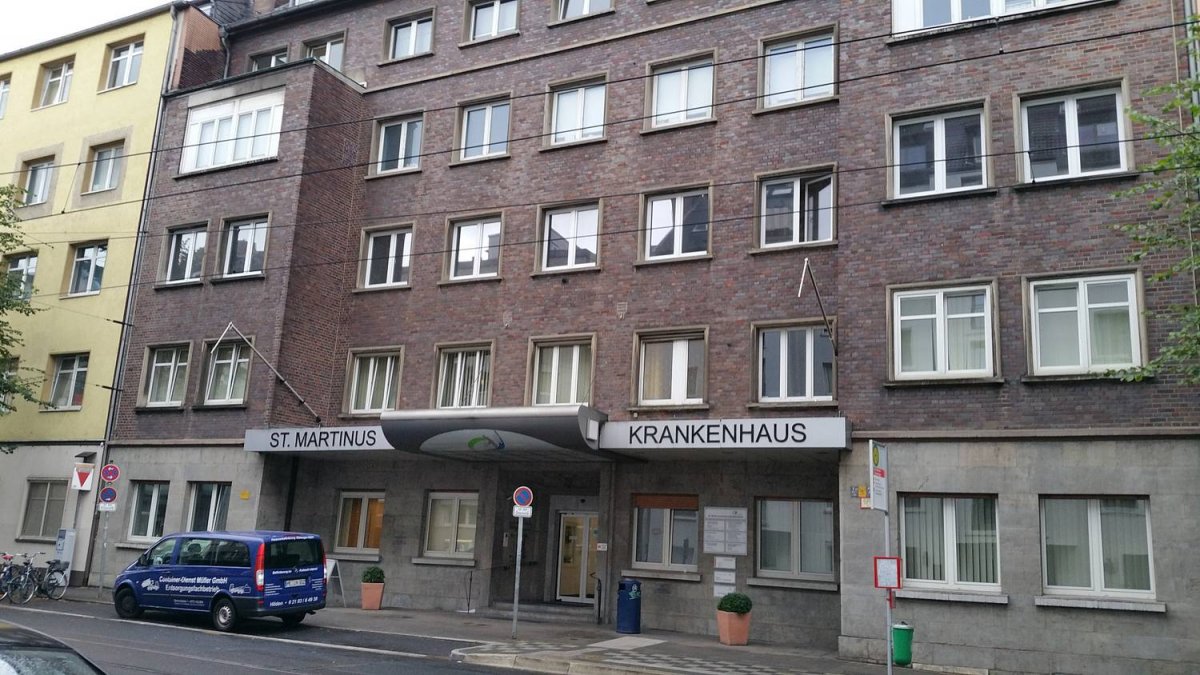
St. Martinus-Krankenhaus Düsseldorf
ألمانيا, دوسلدورف


تمت مراجعة المقالة طبيا من قبل
فهد مولود
تختلف التكلفة الإجمالية لعلاج الفتق المعدي في ألمانيا بناءً على الإجراءات والتشخيصات المحددة المطلوبة. تتراوح تكلفة التشخيصات الأولية، بما في ذلك التنظير المعدي، وتنظير القولون، وإيلاستوجرافيا الكبد، من $3,200 إلى $7,300. تبلغ تكلفة العلاج حوالي $4,100. للحصول على رعاية أكثر شمولاً، يمكن أن تتراوح حزمة العلاج من $22,900 إلى $27,500. يتم تخصيص كل خطة علاجية بعد تقييم تشخيصي مفصل واستشارة.

البروفيسور شينكر هو كبير الجراحين في قسم الجراحة في مستشفى زولينجن الأكاديمي، ومتخصص في علاج فتق المعدة طفيف التوغل.

يقود الدكتور كرول كلاً من قسم أمراض الجهاز الهضمي ومركز علاج السمنة في مستشفى سانت مارتينوس، حيث يجمع بين خبرة الطب الباطني والنهج الجراحي المتخصص.

بفضل خبرة مركزة تمتد لـ 36 سنة، يُعد الدكتور روسول طبيب جهاز هضمي عالي الخبرة في عيادة نوردويست، متخصص في الإجراءات التداخلية.

صُنف ضمن أفضل 100 طبيب في ألمانيا لعلاج آفات الجهاز الهضمي من قبل مجلة Focus. يساهم البروفيسور بورشين في تطوير الإرشادات الوطنية لعلاج سرطان المريء.
 Anna Leonova
فتق المعدة هو فتق في المعدة حيث تبرز أنسجة المعدة من خلال خلل في العضلات. في ألمانيا، يستخدم المتخصصون جراحة المناظير طفيفة التوغل لإصلاح هذه العيوب. وهم يركزون على الأساليب التي تحافظ على الأعضاء باستخدام شبكات متوافقة حيوياً للتعزيز في المرافق المعتمدة من قبل اللجنة الدولية المشتركة (JCI) في دوسلدورف وفرانكفورت.
رؤية خبراء Bookimed: تخدم العيادات الألمانية مثل مستشفى سانت مارتينوس في دوسلدورف وعيادة نوردويست أكثر من 60,000 مريض سنوياً. ترتبط أحجام المرضى الكبيرة بتخصص عالٍ في جراحة الأحشاء ومشاكل المعدة المتعلقة بالسمنة. يسمح هذا التركيز في الحالات للجراحين بالحفاظ على مستويات مهارة فائقة في الإصلاحات الدقيقة التي تحافظ على الأنسجة.
إجماع المرضى: يشير المرضى إلى أن الأطباء غالباً ما يسمون هذا فتقاً حجابياً بدلاً من فتق المعدة. ويؤكدون أن التغييرات الغذائية عادة ما يتم تجربتها أولاً قبل مناقشة الجراحة.
تستخدم العيادات الألمانية الجراحة بمساعدة الروبوت وتقنيات تنظير البطن ثلاثية الأبعاد لإصلاح فتق المعدة. تعطي هذه الطرق الأولوية للوصول بأقل تدخل جراحي لتقليل تلف الأنسجة. تستخدم المراكز المتخصصة تصوير الفلورة بـ ICG وشبكات خالية من التوتر. تضمن هذه الأدوات معدلات نجاح عالية وتعافياً أسرع أثناء عمليات إعادة بناء البطن المعقدة.
رؤية خبير Bookimed: تظهر البيانات أن العيادات الألمانية مثل المركز الطبي في سولينغن وعيادة نوردويست تعالج أكثر من 60,000 مريض سنوياً. على الرغم من توفر أدوات عالية التقنية، يؤكد كبار الجراحين مثل الدكتور بيتر شينكر على أهمية اعتماد المركز المتخصص أكثر من سمعة العيادة الأساسية. غالباً ما تقدم المراكز المعتمدة الأصغر خبرة أكثر تركيزاً في جراحة الجهاز الهضمي مقارنة بالشبكات متعددة التخصصات الضخمة.
إجماع المرضى: يشير المرضى إلى أن النتائج تعتمد بشكل كبير على حجم الحالات السنوي للجراح في الإصلاحات المعقدة. ويؤكدون على اتباع قيود صارمة على رفع الأثقال بعد الجراحة حتى بعد الإجراءات طفيفة التوغل لضمان النج
يؤكد الأطباء الألمان تشخيص القيلة المعدية باستخدام تنظير المعدة والتصوير الإشعاعي المتقدم. تتبع مراكز أمراض الجهاز الهضمي المتخصصة في فرانكفورت ودوسلدورف بروتوكولات موحدة. تؤكد هذه الأدوات الأولية بصرياً الإزاحة الهيكلية وتقيم وظيفة العضلة العاصرة بينما يكون المريض تحت التخدير.
رؤية خبير Bookimed: يجب على المرضى ملاحظة أن عمق التشخيص في ألمانيا يعتمد غالباً على تخصص العيادة. في حين يخدم المركز الطبي في سولينغن وعيادة نوردويست أكثر من 60,000 مريض سنوياً، فإن الإحالة إلى مركز سمنة معتمد مثل مستشفى سانت مارتينوس في دوسلدورف قد توفر اختبارات وظيفية أكثر دقة. وذلك لأن مراكز التمثيل الغذائي المتخصصة غالباً ما تستخدم قياس الضغط عالي الدقة لتخطيط إصلاحات المعدة طفيفة التوغل.
إجماع المرضى: يؤكد المرضى أن الدليل المرئي في التصوير إلزامي قبل مناقشة الجراحة. يقترح الكثيرون إحضار صور لأي نتوءات متقطعة إلى الاستشارة الأولية مع أخصائي الجهاز الهضمي.
تتطلب جراحة القيلة المعدية في ألمانيا عادةً إقامة في المستشفى تتراوح بين 3 إلى 7 أيام. يستغرق التعافي الكامل عادةً من 4 إلى 8 أسابيع. تستخدم المراكز المتقدمة تقنيات تنظير البطن والتقنيات الروبوتية لتسريع الشفاء. غالبًا ما تستخدم العيادات الألمانية بروتوكولات التعافي المحسنة لضمان مشي المرضى في غضون 24 ساعة.
رؤية خبراء Bookimed: تدير المراكز الطبية الألمانية مثل المركز الطبي في سولينغن وعيادة ليبي ديتمولد أكثر من 150,000 مريض سنويًا. يسمح هذا الحجم الكبير للجراحين بتحسين بروتوكولات المسار السريع. غالبًا ما تعطي المرافق ذات السعة العالية الأولوية لأنظمة المساعدة الروبوتية لتقليل الصدمات. يضمن اختيار مستشفى متعدد التخصصات الوصول الفوري إلى إعادة التأهيل المتخصصة إذا كان التعافي يتطلب دعمًا إضافيًا.
إجماع المرضى: غالبًا ما يجد المرضى أن الانتفاخ والتعب بعد الجراحة أكثر وضوحًا من ألم الشق الجراحي. يلاحظ الكثيرون أن النهوض من السرير والعودة إليه هو التحدي الرئيسي خلال
يتحدث الأطباء والمتخصصون الألمان عمومًا الإنجليزية بطلاقة. يتم إجراء معظم التدريب الطبي والأبحاث في ألمانيا باللغة الإنجليزية. في حين أن جراحين مثل الدكتور سيغبرت روسول يتمتعون بكفاءة عالية، قد يكون لدى طاقم التمريض والإدارة مستويات طلاقة أقل. غالبًا ما تضم المستشفيات الجامعية الكبرى أقسامًا مخصصة للمرضى الدوليين.
رؤية خبير Bookimed: بينما غالبًا ما يحصل الجراحون الألمان على زمالات دولية، فإن حاجز اللغة الحقيقي موجود في التوثيق بعد الجراحة. تخدم عيادات مثل عيادة نوردويست (Krankenhaus) والمركز الطبي في سولينجن أكثر من 60,000 مريض سنويًا. لديهم البنية التحتية لسد هذه الفجوات. نجد أن المراكز متعددة التخصصات ذات أحجام المرضى الكبيرة هي الأكثر احتمالًا لتوفير تقارير طبية مترجمة. هذا أمر حيوي لرعايتك اللاحقة بمجرد عودتك إلى المنزل.
إجماع المرضى: يشير المرضى إلى أنه على الرغم من أن الجراحين يتواصلون بوضوح باللغة الإنجليزية، إلا أن التفاعلات اليومية مع طاقم الدعم قد تكون صعبة. يوصي الكثيرون باستخدام تطبيقات الترجمة للاحتياجات غير الطبية مثل طلب الوجبات أو طلب المساعدة الأساسية أثناء التعافي.
تضم ألمانيا بعضًا من أرقى أقسام جراحة الأعصاب في العالم، بقيادة مستشفى شاريتيه الجامعي في برلين ومستشفى جامعة هايدلبرغ. وتتميز هذه المراكز بخبرتها الواسعة في علاج أورام الدماغ المعقدة وأمراض الأوعية الدموية الدماغية. ولتحقيق أقصى قدر من الفعالية في عملياتها، تستخدم هذه المراكز أحدث التقنيات، مثل التصوير بالرنين المغناطيسي أثناء الجراحة والتوجيه العصبي بمساعدة الحاسوب.
رأي خبراء بوكيمد: تشير البيانات إلى أن اختيار المراكز ذات الحجم الجراحي الكبير غالبًا ما يؤدي إلى توصيات علاجية أكثر تحفظًا. ففي مركز سولينجن الطبي، الذي يعالج أكثر من 60,000 مريض
في ألمانيا، تتميز العمليات الجراحية العصبية بالغة التعقيد بمستوى أمان استثنائي. تصل نسبة نجاح عمليات دمج الفقرات إلى 99%، بينما تبلغ نسبة النجاة بعد استئصال أورام الدماغ الأولية 97%. كما يتمتع المرضى بقدرة عالية على الاعتماد على أنفسهم في أداء وظائفهم اليومية، حيث يغادر أكثر من 82% منهم المستشفى مباشرةً بعد العلاج. وتولي المراكز الألمانية اهتماماً بالغاً بالحفاظ على الوظائف العصبية باستخدام أحدث تقنيات التخطيط العصبي.
رأي خبراء بوكيمد: يُجري جراحون ذوو خبرة، مثل الدكتور أوفه كولر من عيادة أسكليبيوس ألتونا، أكثر من 2000 عملية جراحية سنويًا. تُشير البيانات إلى أن هؤلاء المتخصصين يحافظون على معدلات نجاح تصل إلى 90%، حتى
تُدخل عيادات جراحة الأعصاب الألمانية بانتظام أدوات رقمية عالية الدقة وتقنيات تصوير فوري في الممارسة الجراحية. تشمل التقنيات الرئيسية الملاحة العصبية الحاسوبية لجراحات الدماغ والحبل الشوكي. تستخدم مؤسسات مثل عيادة أسكليبيوس نورد التصوير بالرنين المغناطيسي أثناء الجراحة للتحقق من استئصال الورم في الوقت الفعلي. توفر هذه الأنظمة للجراحين نظام ملاحة ثلاثي الأبعاد.
رأي خبراء بوكيمد: تُجري مراكز طبية كبيرة، مثل مستشفى شاريتيه الج
في ألمانيا، يتعين على جراحي الأعصاب إكمال برنامج إقامة تخصصي لمدة ست سنوات بعد التخرج من كلية الطب. يشمل هذا البرنامج المنظم العناية المركزة، والتدريب السريري، وكتابة مقالات في مجلة جراحية إلزامية. بعد ذلك، يجتاز المرشحون امتحانًا حكوميًا للحصول على لقب طبيب مقيم (Facharzt für Neurochirurgie).
رأي خبراء بوكيميد: يركز التدريب الألماني في جراحة الأعصاب على الخبرة الجراحية الواسعة. فعلى سبيل المثال، أجرى الدكتور رالف بول من المركز الطبي في سولينجن أكثر من 4000 عملية جراحية. ويتمتع الدكتور يورغن كيويت من مستشفى ميوكلينيك بخبرة تزيد عن 25 عامًا. يضمن هذا النظام الدقيق أن يتعامل المتخصصون في المراكز الكبرى مع الحالات المعقدة بدقة مثبتة.
آراء المرضى: يشع
يجب على جراحي الأعصاب الأجانب استيفاء متطلبات لغوية وترخيصية صارمة للالتحاق بالتدريب أو فترة التدريب العملي في ألمانيا. يتطلب التدريب رخصة طبية سارية أو تصريحًا مؤقتًا. أما المتدربون، فيجب عليهم الحصول على إذن من مستشفى محدد. ويتطلب كلا الخيارين إتقانًا عاليًا للغة الألمانية للمشاركة في المناقشات السريرية وإجراء العمليات الجراحية المعقدة بأمان.
رأي خبراء بوكيمد: غالبًا ما تُعطي العيادات الألمانية ذات الأعداد الكبيرة من المرضى، مثل عيادة نوردويست أو أسكليبيوس نورد، الأولوية للمرشحين الذين خضعوا بالفعل لتقييم أولي للوثائق. تُظهر بياناتنا أن أساتذة مثل الدكتور أوفه كولر والدكتور