عيادات ربط القرنية (CCL) (عين واحدة) في كوريا الجنوبية


تمت مراجعة المقالة طبيا من قبل
فهد مولود
ما هي تكلفة ربط القرنية (CCL) (عين واحدة) في كوريا الجنوبية؟ اكتشف الآن
تبلغ تكلفة عملية الربط المتصالب للقرنية (CCL) لعين واحدة في جمهورية كوريا ما بين $1,100 و $2,000. يعتمد السعر النهائي على التقنية المختارة، مثل Epi-on أو Epi-off، وموقع العيادة في المراكز الطبية مثل سيول أو إنتشون. تشمل التكلفة عادةً فحوصات العين الأولية وزيارات المتابعة.
- تنوع التقنيات: قد تختلف أسعار طريقتي Epi-on و Epi-off بناءً على المعدات الطبية المستخدمة.
- مراكز سيول الطبية: غالباً ما تكون الأسعار في منطقة جانجنام أعلى بنسبة 15-20 % مقارنة بالمناطق الأخرى.
- الإجراءات المدمجة: قد يؤدي دمج CCL مع إجراءات مثل SMILE Pro أو LASIK إلى الحصول على خصومات كبيرة.
- مستوى العيادة: تفرض المستشفيات الجامعية ذات الاعتمادات العالية رسوماً أكثر من عيادات العيون المحلية المتخصصة.
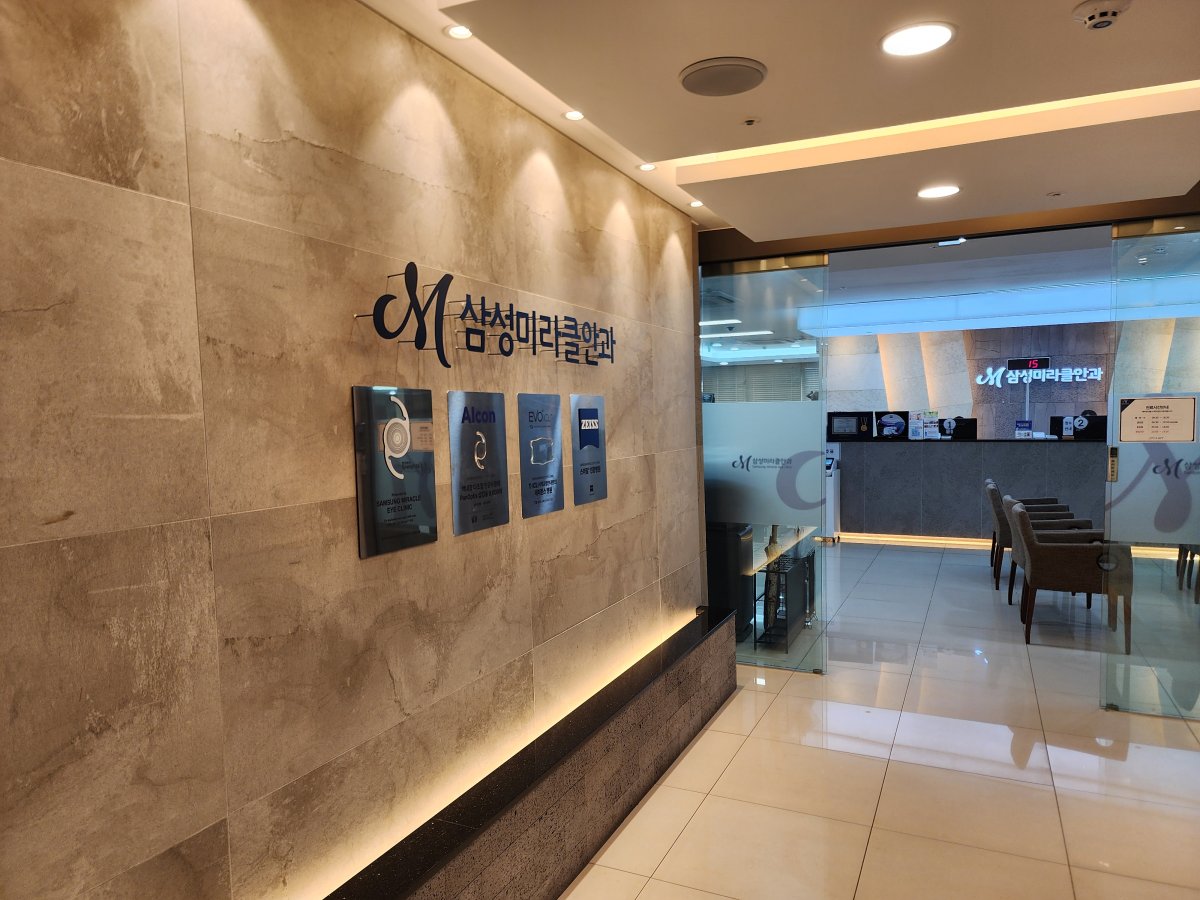
رأي خبراء Bookimed: يوفر اختيار عيادة متخصصة مثل مركز سامسونج ميراكل للعيون قيمة ممتازة. يعالج المركز 6,000 مريض سنوياً مع التركيز على الرعاية الدولية. بينما تتمتع المستشفيات الجامعية مثل SNUBH بتصنيفات نيوزويك، تقدم العيادات الصغيرة تخطيطاً جراحياً فردياً ومخصصاً. يضمن الأطباء المتحدثون بالإنجليزية، ممن أجروا أكثر من 15,000 جراحة في مركز جانجنام جراند للعيون، خبرة عالية بأسعار تنافسية.
مزاياك وضماناتك مع Bookimed
أسعار مباشرة
Bookimed لا يضيف رسوماً إضافية على أسعار ربط القرنية (CCL) (عين واحدة). الأسعار مأخوذة من قوائم الأسعار الرسمية للعيادات. تدفع مباشرة في العيادة مقابل ربط القرنية (CCL) (عين واحدة) عند وصولك.
عيادات وأطباء معتمدون فقط
Bookimed ملتزم بسلامتك. نحن نعمل فقط مع المؤسسات الطبية التي تحافظ على معايير دولية عالية في ربط القرنية (CCL) (عين واحدة) ولديها التراخيص اللازمة لخدمة المرضى الدوليين في جميع أنحاء العالم.
مساعدة مجانية على مدار الساعة
Bookimed يقدم مساعدة خبراء مجانية. منسق طبي شخصي يدعمك قبل وأثناء وبعد العلاج، ويحل أي مشاكل. لن تكون وحيداً أبداً في رحلة ربط القرنية (CCL) (عين واحدة).

منسقك الطبي الشخصي في Bookimed
- يدعمك في كل مرحلة
- المساعدة في اختيار العيادة الطبية المناسبة والطبيب المناسب
- يضمن الوصول السريع والمريح إلى المعلومات
اكتشف أفضل ربط القرنية (CCL) (عين واحدة) العيادات في كوريا الجنوبية: 3 خيارات معتمدة والأسعار




نظرة عامة على ربط القرنية (CCL) (عين واحدة) في كوريا الجنوبية
- ربط القرنية (CCL) (عين واحدة) - من $1,100
يقوي العلاج القرنية من خلال الأشعة فوق البنفسجية والريبوفلافين ، مما يمنع حالات العين التقدمية.
- رأب القرنية - من $4,500
تُزرع هذه الجراحة أنسجة القرنية ، مما يحسن الرؤية أو يخفف الألم ، وغالبًا ما يتميز بالشفاء السريع مع الحد الأدنى من التندب.
- زرع القرنية - من $7,500
تستبدل هذه الجراحة سطح العين التالف بأنسجة متبرع صحية لتحسين الرؤية أو تخفيف الألم.
- زرع حلقات ضمن القرنية - من $2,200
يتضمن الإجراء وضع حلقات صغيرة في العين لإعادة تشكيل القرنية وتحسين الرؤية والراحة.
اليوم الأول - الوصول
- الوصول إلى البلاد.
- تحقق في مكان إقامتك.
اليوم 2 - ما قبل العملية
- استشارة طبيب عيون.
- قم بإجراء فحوصات العين اللازمة.
- استكمل تفاصيل العملية.
اليوم الثالث - ربط القرنية المتقاطع (CCL)
- يبدأ الإجراء بالتخدير الموضعي.
- تستغرق عملية CCL حوالي ساعة إلى ساعتين.
- فحص ما بعد الجراحة من قبل طبيب العيون.
اليوم 4 - بعد العملية
- البقاء في العيادة للمراقبة.
- احضر استشارة ما بعد العملية.
الأسبوع الأول - إعادة التأهيل
- استرح وتجنب الأنشطة الشاقة.
- حضور مواعيد المتابعة إذا لزم الأمر.
الأسبوع 2
- العودة التدريجية إلى الأنشطة العادية.
- استمر في تجنب النشاط البدني الشاق.
الأسبوع 3 - النتيجة النهائية
- فحص مع طبيب العيون.
- انظر النتيجة النهائية للعملية.
يرجى ملاحظة أن العملية قد تختلف حسب حالة الفرد ونصيحة الطبيب.
- إيداع Bookimed: 200 دولار أو 200 يورو.
- وديعة العيادة: ادفع نسبة محددة مقدمًا.
احصل على تقييم طبي لـ ربط القرنية (CCL) (عين واحدة) في كوريا الجنوبية: اختر أخصائيك من بين الأفضل في هذا المجال
عرض جميع الأطباء
Sungwon Cho
جراح معتمد من ZEISS SMILE Excellent – يتخصص الدكتور تشو في إجراءات تصحيح الرؤية المتقدمة في عيادة Samsung Miracle Eye Clinic.
- طبيب عيون معتمد من المجلس مع ريادة في جراحة تصحيح الإبصار
- تدرب في كل من الولايات المتحدة وكوريا
- عضو في العديد من جمعيات طب العيون الدولية
- يتقن اللغة الإنجليزية لرعاية المرضى الدوليين

Yoonjung Jo
مدير عيادة سامسونج ميركل للعيون – الدكتور جو متخصص في جراحة الانكسار وتصحيح الإبصار المخصص.
- جراح متميز في تقنية ZEISS SMILE – معتمد للدقة
- عضو في جمعيات طب العيون الكبرى بما في ذلك AAO و ESCRS
- أستاذ زائر في المركز الطبي بجامعة هاليوم
- خبير في التخطيط الجراحي المخصص 1:1
قصص فيديو من مرضى Bookimed
المراجعات
جميع المراجعات

مشاركة المحتوى
 Anna Leonova
حقائق سريعة عن ربط القرنية (CCL) (عين واحدة)
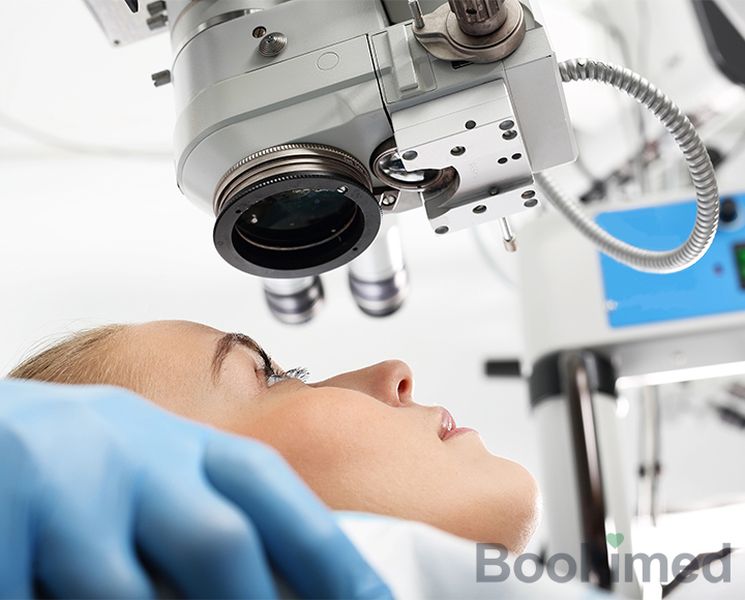
الربط المتقاطع للقرنية (CCL) (عين واحدة)
يعمل هذا الإجراء على تقوية القرنية باستخدام الأشعة فوق البنفسجية وقطرات الريبوفلافين لوقف تطور القرنية المخروطية.
أسئلة متكررة حول ربط القرنية (CCL) (عين واحدة) في كوريا الجنوبية
هل يعمل علاج تثبيت القرنية (CXL) على تحسين الرؤية أم يكتفي بمنع تدهورها؟
يعمل علاج تثبيت القرنية (CXL) بشكل أساسي على إيقاف تقدم القرنية المخروطية عن طريق تقوية أنسجة القرنية، مما يؤدي فعلياً إلى تجميد الحالة في أكثر من 95% من الحالات. وعلى الرغم من أنه ليس جراحة انكسارية، إلا أن 60-81% من المرضى يلاحظون تحسناً في الرؤية مع استقرار القرنية وتسطح البروز بمقدار 1-2 ديوبتر.
- معدل النجاح: يوقف تقدم المرض لدى أكثر من 95% من المرضى لمنع فقدان البصر.
- تحسين الرؤية: يلاحظ حوالي 60-81% من المرضى تحسناً في حدة البصر مع استقرار القرنية.
- تغيرات الوصفة الطبية: يمكن أن يقلل تسطح القرنية من حدة الوصفة الطبية ويحسن ملاءمة العدسات اللاصقة المتخصصة.
- جدول التعافي: من الشائع حدوث ضبابية أولية، مع استمرار الاستقرار والمكاسب البصرية لمدة 3-12 شهراً.
رؤية خبير Bookimed: بينما الهدف هو الاستقرار، تقوم العيادات الكورية مثل عيادة Samsung Miracle Eye Clinic بإجراء عدد كبير من العمليات الانكسارية، حيث تخدم 6000 مريض سنوياً. تشير البيانات إلى اتجاه يوصي فيه الجراحون في كوريا الجنوبية غالباً بدمج CXL مع PRK أو TCAT. يهدف هذا النهج `plus` إلى تصحيح أخطاء الرؤية الموجودة مع تثبيت القرنية في مكانها للحصول على نتائج متفوقة.
إجماع المرضى: غالباً ما يبلغ المرضى عن انخفاض مؤقت في الوضوح لمدة تصل إلى 6 أشهر بسبب ضبابية القرنية. يؤكد معظمهم أن النجاح يُقاس بخرائط طبوغرافية مستقرة بدلاً من الوصول إلى رؤية مثالية 20/20.
هل توجد قيود محددة بعد الإجراء؟
تركز القيود بعد العملية الجراحية لربط القرنية (CCL) في جمهورية كوريا بشكل أساسي على منع العدوى وحماية العين المعالجة خلال مرحلة الشفاء الأولية. يجب على المرضى تجنب التعرض للماء، وفرك العين، والأنشطة الشاقة لمدة أسبوع إلى أسبوعين على الأقل لضمان استقرار سطح القرنية بشكل صحيح.
- التعرض للماء: تجنب وصول مياه الصنبور أو الصابون أو العرق إلى العين لمدة أسبوع واحد.
- النشاط البدني: استأنف التمارين الخفيفة بعد 7 أيام؛ وتجنب رياضات التلامس لمدة شهر واحد.
- حماية العين: ارتدِ نظارات شمسية في الداخل والخارج لمدة 1 إلى 4 أسابيع بسبب الحساسية للضوء.
- المكياج والعدسات: امتنع عن استخدام مكياج العيون أو العدسات اللاصقة التجميلية لمدة 30 يوماً.
رؤية خبير Bookimed: تخدم عيادات مثل عيادة Samsung Miracle Eye Clinic 6000 مريض سنوياً باستخدام بروتوكولات انكسارية متقدمة. تُظهر البيانات أن الجراحين الكوريين غالباً ما يفضلون نهجاً مخصصاً 1:1 لعملية CCL للعين الواحدة لإدارة عدم التماثل البصري. يساعد هذا التخطيط الدقيق المرضى على العودة إلى العمل المكتبي في غضون 2 إلى 5 أيام على الرغم من ضبابية القرنية المؤقتة.
إجماع المرضى: يوصي العديد من المرضى باستخدام أقنعة العين للراحة ويؤكدون على أهمية إبقاء العدسات اللاصقة العلاجية في مكانها لمدة 3 إلى 7 أيام كاملة. يجد معظمهم أن القيادة مستحيلة خلال الأسبوع الأول بسبب الرؤية الضبابية الشديدة والحساسية للضوء.
ما هو الجدول الزمني للتعافي لعين واحدة؟
يتضمن التعافي لعين واحدة بعد إجراء الربط المتقاطع للقرنية (CCL) في كوريا الجنوبية عادةً من 3 إلى 5 أيام من الانزعاج الأولي، تليها 3 إلى 6 أشهر من الاستقرار البصري. في حين أن الحساسية للضوء وتشوش الرؤية أمران شائعان في البداية، يستأنف معظم المرضى الأنشطة غير المجهدة في غضون أسبوع واحد.
- الشفاء الأولي: عادة ما يزول الشعور بالحرقان الشديد والحساسية للضوء في غضون 48 إلى 72 ساعة.
- عدسة الضمادة: يقوم الجراحون عادةً بإزالة عدسة لاصقة واقية بعد 5 إلى 7 أيام.
- استقرار الرؤية: غالبًا ما تستمر التقلبات البصرية والهالات لمدة 4 إلى 8 أسابيع قبل أن تختفي.
- قيود النشاط: يجب على المرضى تجنب السباحة وفرك العين لمدة شهر واحد على الأقل بعد الإجراء.
رؤية خبير Bookimed: غالبًا ما توفر عيادات العيون ذات الحجم الكبير في كوريا، مثل عيادة Samsung Miracle Eye التي تخدم 6000 مريض سنويًا، تخطيطًا جراحيًا مخصصًا بنظام 1:1. يسمح هذا التكرار العالي للحالات للمديرين الطبيين مثل Lee Young Seob بتحسين بروتوكولات ما بعد الجراحة التي تعالج اختلال توازن إدراك العمق الشائع الذي يحدث عند علاج عين واحدة فقط.
إجماع المرضى: يصف المرضى الأيام الثلاثة الأولى بأنها الأكثر صعوبة بسبب الشعور بوجود `رمل في العين`. يشعر معظمهم بالراحة للعودة إلى العمل بعد أسبوع واحد، لكنهم ينصحون بالحد من وقت الشاشة في البداية لتجنب الصداع.
هل يمكن علاج كلتا العينين في نفس اليوم؟
يمكن للجراحين علاج كلتا العينين في نفس اليوم، لكن أطباء العيون الكوريين يوصون عادةً بفصل جلسات الربط المتقاطع للقرنية (Corneal Cross Linking) بمدة تتراوح من 4 إلى 6 أسابيع. يضمن هذا النهج المتسلسل السلامة، ويسمح لعين واحدة بالحفاظ على الرؤية الوظيفية أثناء التعافي، ويقلل من خطر الإصابة بالعدوى الثنائية.
- فترة العلاج: تتطلب معظم العيادات في كوريا الجنوبية فجوة تتراوح بين 4 إلى 6 أسابيع بين العينين.
- التركيز على السلامة: تقلل الجراحة المتسلسلة من مخاطر العدوى الثنائية المتزامنة أو المضاعفات.
- الوظيفة البصرية: علاج عين واحدة في كل مرة يسمح بالعودة للقيادة بشكل أسرع.
- استثناءات الأطفال: يقتصر العلاج الثنائي في نفس اليوم في الغالب على الأطفال تحت التخدير.
رؤية خبير Bookimed: بينما تستضيف كوريا الجنوبية مراكز ذات حجم كبير مثل عيادة Samsung Miracle Eye، يفضل الجراحون هنا بروتوكولاً متحفظاً للبالغين. يعد اختيار العلاج المتسلسل خطوة استراتيجية للمرضى الدوليين لأنه يمنع ضبابية الرؤية الكاملة والحساسية الشديدة للضوء التي تحدث عند تضميد كلتا العينين في وقت واحد لمدة 48 ساعة.
إجماع المرضى: أفاد المرضى أن علاج العينين بشكل منفصل جعل فترة التعافي المكثفة قابلة للإدارة. يقدر معظمهم القدرة على البقاء مستقلين والعودة إلى الأنشطة اليومية في وقت أقرب من خلال الحفاظ على الرؤية في عين واحدة.
ما هي أفضل العيادات لعملية تثبيت القرنية (CXL) في كوريا؟
تشمل أفضل العيادات لعملية تثبيت القرنية (CXL) في كوريا مراكز متخصصة مثل عيادة Samsung Miracle Eye Clinic وعيادة Gangnam Grand Eye Clinic، إلى جانب مرافق معتمدة من اللجنة الدولية المشتركة (JCI) مثل مستشفى جامعة سيول الوطنية في بوندانغ. تستخدم هذه المراكز تقنية Avedro KXL المتقدمة وأنظمة السلامة الرقمية لتثبيت القرنية المخروطية وتوسع القرنية بعد جراحات تصحيح النظر.
- عيادة Samsung Miracle Eye Clinic: تتميز بتقنية Samsung Miracle لربط القرنية تحت إشراف الدكتور سونغ وون تشو.
- عيادة Gangnam Grand Eye Clinic: مركز ذو حجم عمليات كبير مع جراحين مثل الدكتور لي يونغ سيوب الذي أجرى أكثر من 30,000 عملية.
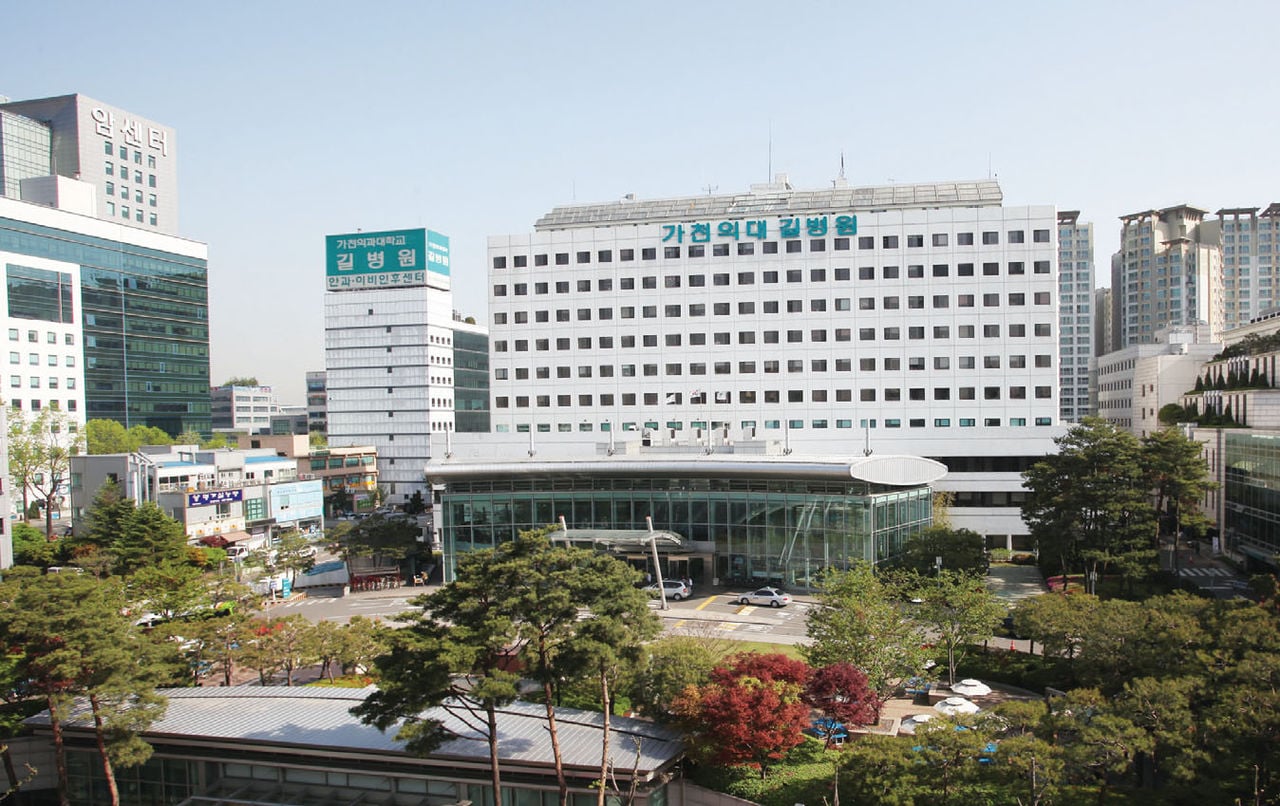
- مستشفى بوندانغ (SNUBH): يستخدم النظام الرقمي BESTcare لزيادة دقة الجراحة وسلامة المرضى إلى أقصى حد.
- جامعة غاشون جيل: مركز متعدد التخصصات بالقرب من مطار إنتشون يعالج 38,000 مريض سنوياً وحاصل على تقدير من مجلة نيوزويك.
رؤية خبير Bookimed: بينما تتصدر المستشفيات الجامعية مثل SNUBH الأبحاث السريرية المعقدة، غالباً ما تقدم العيادات المتخصصة في غانغنام تخطيطاً جراحياً شخصياً (1:1) أكثر دقة. تعين بعض العيادات مدراء مثل الدكتورة يونجونغ جو خصيصاً للمرضى الدوليين. يقدم هؤلاء المتخصصون غالباً استشارات باللغة الإنجليزية مما يسهل عمليات تصحيح الاستجماتيزم المخصصة عالية التقنية جنباً إلى جنب مع إجراء تثبيت القرنية.
إجماع المرضى: يؤكد المرضى على ضرورة التحقق من أن الجراحين قد تعاملوا مع 100 حالة على الأقل قبل الحجز. يبلغ الكثيرون عن تعافٍ سل