علاج هبوط الرحم في كوريا الجنوبية: 9 مستشفيات


تمت مراجعة المقالة طبيا من قبل
فهد مولود
كيف نعمل؟
ما هي تكلفة هبوط الرحم إجراءات التشخيص والعلاج في كوريا الجنوبية؟ اعرف الآن
تتأثر تكلفة علاج هبوط الرحم في جمهورية كوريا بالنهج الجراحي المتبع، حيث يتراوح سعر فحص الحوض بالموجات فوق الصوتية عادةً بين $90 و $190. من $10,000. تعتمد النفقات على مستوى المستشفى ومدى تعقيد عملية إصلاح قاع الحوض، مما يوفر وفورات تتراوح بين 40-60% مقارنة بالولايات المتحدة. وتشمل أفضل المدن لهذا العلاج سيول وإنشيون.
تكاليف علاج هبوط الرحم النموذجية في جمهورية كوريا
- فحص الحوض بالموجات فوق الصوتية: $90 – $190
- استئصال الرحم باستخدام روبوت "دا فينشي": من $12,000
- جراحة تثبيت الرحم العجزية باستخدام "دا فينشي" لهبوط الرحم: من $10,000
رؤية خبراء Bookimed: يجب على المرضى الذين يسعون للحصول على جراحة تحافظ على الأعضاء إعطاء الأولوية للمراكز المتخصصة في جراحة تثبيت الرحم العجزية الروبوتية. يركز مركز إيهوا الطبي الجامعي (Ewha Womans University Medical Center)، وهو مرفق معتمد من اللجنة الدولية المشتركة (JCI)، بشكل خاص على صحة المرأة والنتائج الجراحية التجميلية. بالنسبة للحالات المعقدة، يوفر مركز آسان الطبي (Asan Medical Center) رعاية متعددة التخصصات عالية المستوى مع أنظمة روبوتية متقدمة. أما أولئك الذين يحتاجون إلى إصلاحات مهبلية فعالة من حيث التكلفة، فيمكنهم التفكير في مستشفى سيول ميز (Seoul Miz Hospital)، الذي أجرى أكثر من 5,000 عملية جراحية للشريط المهبلي الخالي من التوتر.
| كوريا الجنوبية | تركيا | إسبانيا | |
|---|---|---|---|
| عملية تثبيت الرحم العجزي دافنشي لعلاج هبوط الرحم | من $10,000 | من $3,400 | ≈ $9,500 |
| استئصال الرحم بواسطة روبوت دا فنشي | من $12,000 | من $11,700 | من $21,600 |
اكتشف أفضل هبوط الرحم العيادات في كوريا الجنوبية: 9 خيارات معتمدة والأسعار

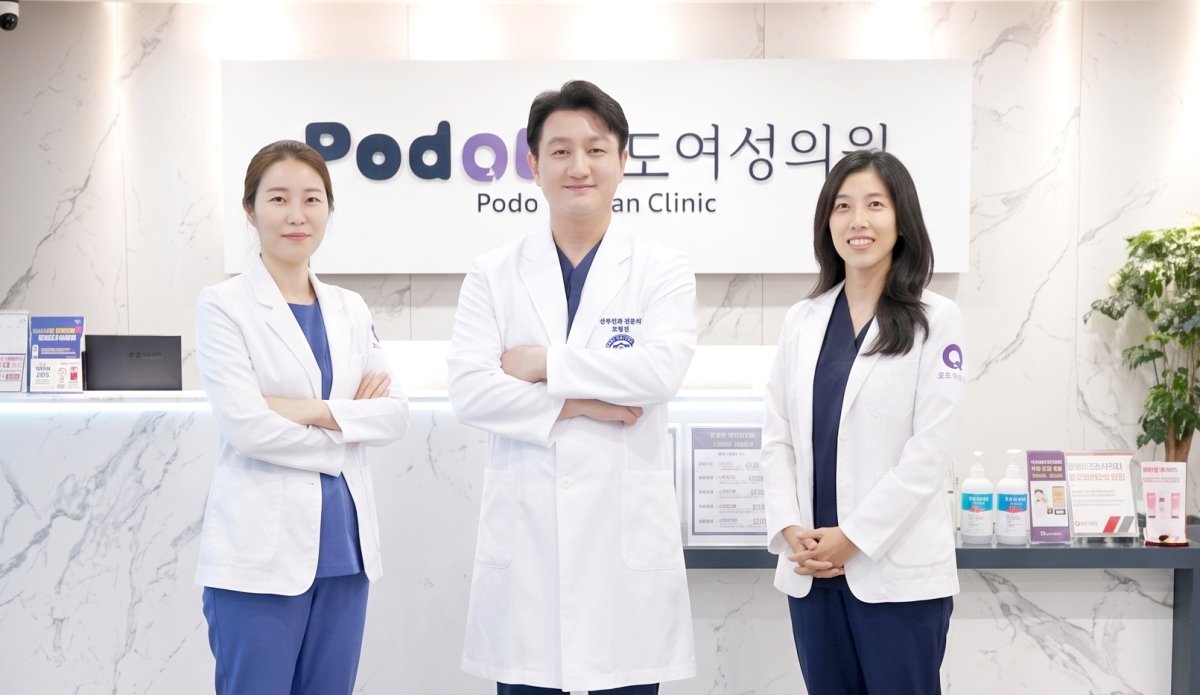














MizMedi Women`s hospital

احصل على تقييم طبي لـ في كوريا الجنوبية. استشر الآن 9 أطباء ذوي الخبرة.
عرض جميع الأطباء
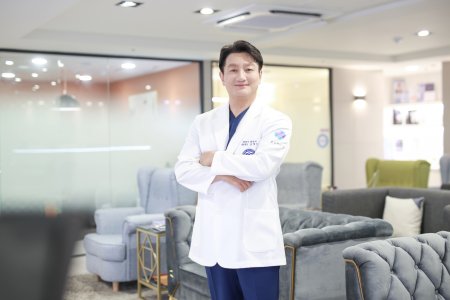
Yeoun E Park
كبير المسؤولين الطبيين في مستشفى سيول ميز، يتمتع بخبرة واسعة في العمليات الجراحية النسائية. يتخصص الدكتور بارك في التقنيات طفيفة التوغل لعلاج تدلي الرحم.
- أستاذ مساعد في العديد من الجامعات الطبية الكورية المرموقة
- عضو الجمعية الكورية لأمراض النساء والتوليد
- متخصص في جراحة المناظير للحالات النسائية
- المدير العام لمستشفى جانغدونغ ميز
Mo Hyung-jin

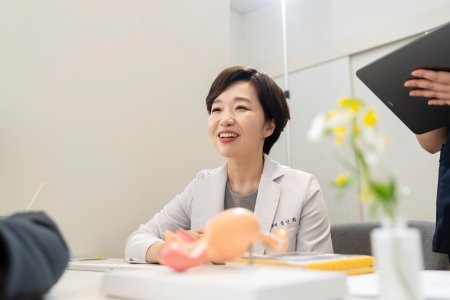
Yang Ki Yeol
الدكتورة كي يول يانغ، MD، PhD، هي المؤسسة والمديرة الممثلة لعيادة ترينيتي للنساء. تُعدّ متخصصة في سن اليأس ورائدة في الجراحة النسائية طفيفة التوغل مع الحفاظ على الرحم. تحمل البورد الكوري في التوليد وأمراض النساء، وهي أخصائية معتمدة في سن اليأس (الجمعية الكورية لسن اليأس). تستند ممارستها، المستفادة من عشرات الآلاف من الحالات السريرية، إلى تقديم علاج هرموني تعويضي مُفصَّل ورعاية دقيقة.
لديها خبرة في العلاج بالموجات فوق الصوتية المركزة عالية الشدة (HIFU) والاستئصال بالترددات الراديوية (RF
Jung Nan Hee
المؤسس لعيادة ترينيتي للنساء. حاصل على اعتماد Master Surgeon في طب أمراض النساء طفيفة التوغّل وجراحة التجميل النسائية. رائد في رعاية محافظة على الرحم وخالية من الندوب باستخدام RFA (الاستئصال بالترددات الراديوية)، وHIFU (الموجات فوق الصوتية المركزة عالية الكثافة)، والعلاج بالتصليب للمبيض.
أستاذ جراحة التجميل النسائية غير الجراحية في IFAAS. يقود دورات Master Class دولية في RFA في تايوان ومنغوليا. مدير الشؤون العامة في الجمعية الكورية لـ HIFU. يشغل مناصب مدير في KMPA وKCOG والجمعية الكوري
مشاركة المحتوى
قصص فيديو من مرضى Bookimed
 Anna Leonova
أسئلة متكررة حول علاج هبوط الرحم في كوريا الجنوبية
ما هي خيارات العلاج الرئيسية لهبوط الرحم في كوريا الجنوبية؟
يركز علاج هبوط الرحم في كوريا الجنوبية على تثبيت الرحم بالعجز آليًا (الروبوت) والترميم بالمنظار لدعم قاع الحوض. تعطي المراكز المتخصصة مثل مستشفى Seoul Miz الأولوية للحفاظ على الرحم باستخدام أنظمة الجراحة Da Vinci. تستخدم العيادات عادةً طرقًا طفيفة التوغل لتقليل الندبات وضمان التعافي في غضون 4 أيام.
- تثبيت الرحم بالعجز آليًا: ترميم عالي الدقة لقاع الحوض باستخدام تقنية Da Vinci لدعم الأعضاء.
- جراحة المنظار: نهج بأقل قدر من الندبات لإجراء تثبيت المهبل بالعجز أو تعليق الرحم لعلاج الهبوط.
- الحفاظ على الرحم: تقنيات متخصصة تعالج الهبوط مع الحفاظ على الرحم سليماً للمريضات.
- ترميم المهبل: طرق تقليدية أو بمساعدة الروبوت لإصلاح جدران الحوض واستعادة التشريح الطبيعي.
رؤية خبير Bookimed: البنية التحتية في كوريا لصحة المرأة مركزة للغاية. يدير مستشفى Seoul Miz وحده 200,000 مريضة سنويًا ويضم 8 أقسام متخصصة. يسمح هذا الحجم للجراحين مثل الدكتور Yeoun E Park بإجراء أكثر من 10,000 إجراء نسائي. غالبًا ما يؤدي هذا التدفق العالي إلى بروتوكولات جراحية دقيقة ونتائج متسقة في المراكز الكبرى في سيول.
إجماع المريضات: تذكر المريضات البدء باستخدام الفرزجة (pessaries) لتأجيل الجراحة ولكن في النهاية يختارن الترميم الآلي للراحة على المدى الطويل. تؤكد الكثيرات أن رؤية أخصائي أمراض المسالك البولية النسائية أفضل من زيارة طبيب أمراض النساء العام لمشاكل قاع الحوض.
هل من الممكن إجراء جراحة هبوط الرحم في كوريا دون إزالة الرحم (الحفاظ على الرحم)؟
جراحة هبوط الرحم دون إزالة الرحم متاحة على نطاق واسع في كوريا الجنوبية. تستخدم المراكز المتخصصة في سيول تقنيات التعليق الروبوتية والتنظيرية لإعادة وضع الأعضاء في مكانها. تحافظ هذه الإجراءات التي تحفظ الرحم على الخصوبة والسلامة التشريحية من خلال تكنولوجيا متقدمة طفيفة التوغل مثل نظام دافنشي.
- تعليق الرحم بالعجز باستخدام دافنشي: تعليق بمساعدة الروبوت يثبت الرحم بالعجز من أجل الاستقرار.
- تنظير البطن بفتحة واحدة: جراحة متقدمة تُجرى من خلال شق واحد صغير لتقليل الندبات المرئية.
- التثبيت بالعجز الشوكي: نهج مهبلي يربط الرحم بأربطة الحوض دون شقوق في البطن.
- خبرة المركز: أجرى مستشفى سيول ميز (Seoul Miz Hospital) أكثر من 5,000 إجراء ناجح لقاع الحوض.
رؤية خبير بوكيميد (Bookimed): اختيار عيادة مخصصة للحفاظ على الرحم، مثل تلك التي يديرها الدكتور هيسوك كانغ، يضمن الوصول إلى أخصائيي قاع الحوض. غالباً ما تجمع هذه المراكز ذات الكثافة العالية من الحالات بين الجراحة الروبوتية والعلاج بالأكسجين عالي الضغط لتسريع التئام الأنسجة بعد عمليات التعليق المعقدة. هذا المزيج المحدد هو سمة فريدة لمستشفيات النساء الرائدة في سيول.
إجماع المرضى: يشير المرضى إلى أن الحفاظ على الرحم كان حيوياً لرفاههم العاطفي وتعافيهم. تؤكد العديد من النساء أن الشقوق الصغيرة الناتجة عن الجراحة الروبوتية سمحت لهن بالمشي براحة في غضون أيام.
ما هي فترة التعافي بعد جراحة هبوط الأعضاء بالروبوت في كوريا؟
تتطلب جراحة هبوط الأعضاء بالروبوت في كوريا عادةً إقامة في المستشفى لمدة تتراوح بين ليلة واحدة إلى 4 ليالٍ، وفترة تعافي كاملة من 6 إلى 8 أسابيع. يستأنف المرضى عادةً الأنشطة اليومية الخفيفة في غضون أسبوع إلى أسبوعين. وتُقيد التمارين الشاقة ورفع الأثقال لمدة شهرين تقريباً.
- الإقامة في المستشفى: يبقى المرضى ما بين يوم واحد إلى 4 أيام حسب النهج الجراحي المستخدم.
- الحركة الأولية: يتم تشجيع معظم المرضى على المشي في غضون 24 ساعة بعد الإجراء الروبوتي.
- قيود النشاط: يُمنع رفع أثقال تزيد عن 4.5 كجم (10 أرطال) لمدة 6 إلى 8 أسابيع.
- الالتئام الداخلي: يستغرق التئام الأنسجة بالكامل واستئناف النشاط الجنسي عادةً 8 أسابيع.
رؤية خبير بوكيميد (Bookimed): غالباً ما توفر مراكز الجراحة الروبوتية في كوريا دعماً مكثفاً بعد الجراحة يتجاوز الرعاية القياسية. على سبيل المثال، يدرج مستشفى سيول ميز (Seoul Miz Hospital) العلاج بالأكسجين عالي الضغط وأخصائيي التغذية ضمن باقات VVIP الخاصة بهم. يساعد هذا المزيج الفريد في تسريع إصلاح الخلايا وإدارة التعب بعد الجراحة بشكل أكثر فعالية من التعافي التقليدي في المنزل.
إجماع المرضى: يشير المرضى إلى أنه من السهل إجهاد النفس لأن مستويات الألم منخفضة مع شقوق الجراحة الروبوتية. ويؤكدون أنه على الرغم من إمكانية المشي بسرعة، يجب تجنب الإجهاد وحمل الأمتعة بدقة عند العودة إلى المنزل.
ما هي أفضل المستشفيات لعلاج هبوط الرحم في كوريا الجنوبية؟
تتصدر مستشفيات سيول رفيعة المستوى مثل SNUBH ومركز أسان الطبي (Asan Medical Center) ومستشفى سيفيرانس (Severance Hospital) مجال علاج هبوط الرحم. تستخدم هذه المرافق أنظمة روبوتية دافنشي (Da Vinci) وتقنيات تنظير البطن المتقدمة. وهي تحافظ على معايير سلامة عالية من خلال اعتمادات JCI وKOIHA ومراكز متخصصة في طب المسالك البولية النسائية.
- التخصص في الروبوتات: يستخدم مستشفى سيول ميز (Seoul Miz Hospital) أنظمة دافنشي لإعادة بناء قاع الحوض بدقة.
- اعتمادات رائدة: تحمل مستشفيات سيفيرانس وSNUBH اعتمادات JCI وتصنيفات عالمية لأفضل المستشفيات حسب مجلة نيوزويك.
- حجم كبير من الحالات: يعالج مركز أسان الطبي أكثر من 2500 مريض داخلي يومياً بمعدلات نجاح تصل إلى 90%.
- التركيز على الرعاية: يوفر مركز جامعة إيهوا النسائية الطبي بيئات مخصصة للنساء فقط لإجراءات الحوض.
رؤية خبير بوكيميد (Bookimed): بينما تقدم المستشفيات الجامعية الكبيرة رعاية عالية التقنية، يوفر مستشفى سيول ميز قيمة فريدة من خلال باقات VVIP بتكلفة تبلغ حوالي 20,000 دولار. تشمل هذه الباقات العلاج بالأكسجين عالي الضغط وخدمات التمريض على مدار 24 ساعة. هذا المزيج من تكنولوجيا الشفاء المتقدمة والرعاية المكثفة غالباً ما يكون مفقوداً في المرافق الحكومية الأكبر.
إجماع المرضى: يؤكد المرضى على أهمية العثور على أخصائي متخصص في قاع الحوض بدلاً من مجرد طبيب نساء عام. ويقترحون التأكد من توافر خيارات الإصلاح بدون شبكة (non-mesh) قبل الالتزام بالجراحة.
هل يوجد أطباء نساء يتحدثون الإنجليزية ومتخصصون في اضطرابات قاع الحوض في سيول؟
يتخصص أطباء النساء الذين يتحدثون الإنجليزية في سيول في اضطرابات قاع الحوض في المراكز الطبية الكبرى والمستشفيات المخصصة للنساء. توفر منشآت مثل مستشفى سيول ميز (Seoul Miz Hospital) ومركز جامعة إيهوا النسائية الطبي خدمات للمرضى الدوليين. يركز متخصصون مثل الدكتور هيسيوك كانغ بشكل خاص على تدلي الرحم (Hysterocele) وإعادة بناء الحوض.
- خبرة متخصصة: يعالج الدكتور هيسيوك كانغ في مستشفى سيول ميز تدلي الرحم واضطرابات قاع الحوض.
- دعم اللغة: توفر المستشفيات الكبرى مثل سيفيرانس (Severance) وSNUBH موظفين دوليين مخصصين يتحدثون الإنجليزية.
- تكنولوجيا متقدمة: يستخدم الجراحون منصة Da Vinci SP الروبوتية لإصلاح تدلي الأعضاء طفيف التوغل.
- حجم الحالات السريرية: أكمل مستشفى سيول ميز أكثر من 5000 إجراء لسلس البول باستخدام طريقة TOT.
رؤية خبراء Bookimed: بينما تركز العديد من عيادات سيول على الخصوبة، فإن البحث عن متخصصين في أمراض المسالك البولية النسائية (urogynecology) يكشف عن خبرة أعمق. تظهر البيانات أن مستشفى سيول ميز يدمج العلاج بالأكسجين عالي الضغط في التعافي من جراحات الحوض المعقدة. يشير سجلهم الذي يتضمن أكثر من 10,000 إجراء في الجراحة النسائية إلى كفاءة قائمة على حجم الحالات التي قد تفتقر إليها العيادات العامة.
إجماع المرضى: يشير المرضى إلى أن العثور على رعاية لقاع الحوض يتطلب طلب تخصص المسالك البولية النسائية تحديداً بدلاً من التوليد العام. غالباً ما يتم الإشادة بالمستشفيات الجامعية الرائدة لكونها تمتلك أكثر العيادات الدولية موثوقية الت