علاج هبوط الرحم في اليونان: 1 مستشفى


تمت مراجعة المقالة طبيا من قبل
فهد مولود
ما هي تكلفة هبوط الرحم إجراءات التشخيص والعلاج في اليونان؟ اعرف الآن
| تركيا | إسبانيا | |
|---|---|---|
| عملية تثبيت الرحم العجزي دافنشي لعلاج هبوط الرحم | من $3,400 | ≈ $9,500 |
| استئصال الرحم بواسطة روبوت دا فنشي | من $11,600 | من $21,600 |
مزاياك وضماناتك مع Bookimed
أسعار مباشرة
Bookimed لا يضيف رسوماً إضافية على أسعار علاج هبوط الرحم. الأسعار مأخوذة من قوائم الأسعار الرسمية للعيادات. تدفع مباشرة في العيادة مقابل علاجك عند وصولك إلى البلد.
عيادات وأطباء معتمدون فقط
Bookimed ملتزم بسلامتك. نحن نعمل فقط مع المؤسسات الطبية التي تحافظ على معايير دولية عالية في علاج هبوط الرحم ولديها التراخيص اللازمة لخدمة المرضى الدوليين في جميع أنحاء العالم.
مساعدة مجانية على مدار الساعة
Bookimed يقدم مساعدة خبراء مجانية. منسق طبي شخصي يدعمك قبل وأثناء وبعد العلاج، ويحل أي مشاكل. لن تكون وحيداً أبداً في رحلة علاج هبوط الرحم.

منسقك الطبي الشخصي في Bookimed
- يدعمك في كل مرحلة
- المساعدة في اختيار العيادة الطبية المناسبة والطبيب المناسب
- يضمن الوصول السريع والمريح إلى المعلومات
اكتشف أفضل هبوط الرحم العيادات في اليونان: 1 خيار معتمدة والأسعار



احصلوا على تقييم طبي لـ هبوط الرحم في اليونان: استشيروا أطباء ذوي خبرة الآن
عرض جميع الأطباء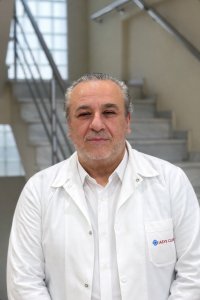
Ioannis Kakaidis
إيوانيس كاكايديس، دكتور في الطب، اختصاصي أمراض النساء والتوليد وجراح بالمنظار. وهو مدير قسم أمراض النساء في عيادة IASYS.
تخرّج في كلية الطب بجامعة أثينا الوطنية والكابوديسترية. أتمّ تدريبه التخصّصي في العيادة الجامعية بمستشفى ألكسندرا العام. ثم تدرب على الجراحة بالمنظار في مستشفى رويال فري التابع لجامعة كوليدج لندن (UCL)، في وحدة العلاج طفيفة التوغل ومركز تدريب المناظير.
يشارك في مؤتمرات وندوات وورش عمل علمية وطنية ودولية. يركّز عمله على التقنيات طفيفة التوغل ورعاية المرضى المخص
Nikolaos Plevris
مشاركة المحتوى
قصص فيديو من مرضى Bookimed
 Anna Leonova
أسئلة متكررة حول علاج هبوط الرحم في اليونان
ما هي العلاجات غير الجراحية المتاحة في اليونان لهبوط الرحم؟
تشمل العلاجات غير الجراحية لهبوط الرحم في اليونان الفرزجة المهبلية، والعلاج الطبيعي لقاع الحوض، والإستروجين الموضعي. يستخدم المتخصصون تعديلات نمط الحياة لإدارة الضغط داخل البطن. تعمل هذه الخيارات التحفظية على تقليل الأعراض بفعالية وتثبيت الهبوط في مراحله المبكرة. يقدم أطباء أمراض النساء المعتمدون تركيبات مخصصة لأجهزة الدعم الميكانيكي.
- الفرزجة المهبلية: أجهزة سيليكون تدعم أعضاء الحوض النازلة جسديًا لتخفيف الضغط.
- العلاج الطبيعي: يستخدم المتخصصون الارتجاع البيولوجي لضمان التنشيط الصحيح لعضلات قاع الحوض.
- علاج الإستروجين: كريمات أو حلقات موضعية تقوي أنسجة المهبل لدى مريضات ما بعد انقطاع الطمث.
- تغييرات نمط الحياة: إدارة الوزن والأنظمة الغذائية الغنية بالألياف تقلل من الإجهاد أثناء الأنشطة اليومية.
- إدارة الضغط: تقنيات التنفس والوضعية تمنع القوة المفرطة على هياكل الحوض.
رؤية خبير Bookimed: تعتمد جودة الرعاية التحفظية في اليونان بشكل كبير على العيادة. يحافظ المركز الطبي الأوروبي Interbalkan في سالونيك على معايير عالية من خلال اعتمادات دولية مثل Temos. وهذا يضمن رعاية تمريضية متخصصة لإدارة الفرزجة على المدى الطويل. غالبًا ما تجد المريضات نتائج تحفظية أفضل في المراكز التي تضم أقسامًا مخصصة لأمراض النساء. يؤكد الدكتور يوانيس كاكيديس في عيادة IASYS على الرعاية الشخصية لصحة الحوض. يساعد اختيار عيادة بها أدوات تشخيص حديثة في تتبع ما إذا كانت التدابير التحفظية فعالة.
إجماع المريضات: تؤكد المريضات أن الف
ما هي الخيارات الجراحية الأساسية لهبوط الرحم في اليونان؟
تشمل الخيارات الجراحية الأساسية في اليونان استئصال الرحم بمساعدة الروبوت وتثبيت الرحم بالعجز. تستخدم المراكز المتخصصة اليونانية تقنية دافنشي لهذه الإجراءات. يقوم الجراحون بإجراء جراحات ترميمية لاستعادة تشريح الحوض. تعالج هذه الخيارات هبوط الرحم المتوسط إلى الشديد بفعالية. تضمن التقنيات طفيفة التوغل أوقات تعافي أسرع للمريضات.
- استئصال الرحم الروبوتي: إزالة دقيقة للرحم باستخدام أنظمة دافنشي المساعدة بالروبوت.
- تثبيت الرحم بالعجز: إجراء للحفاظ على الرحم حيث يتم تثبيت العضو بالعجز باستخدام شبكة أو خيط.
- تثبيت المهبل بالعجز: جراحة ترميمية تُجرى عادةً لهبوط قبة المهبل بعد استئصال الرحم.
- إغلاق المهبل: جراحة استئصالية لتضييق القناة المهبلية للمريضات المسنات اللاتي يعانين من مخاطر صحية.
رؤية خبير Bookimed: تحمل المراكز الطبية اليونانية مثل مركز إنتربالكان الطبي الأوروبي اعتمادات مرموقة من Tengo وGlobal Healthcare. تُظهر هذه الاعتمادات تركيزاً قوياً على معايير سلامة المرضى الدولية. تُظهر بياناتنا أن الوحدات المتخصصة تتعاون غالباً مع مؤسسات أمريكية كبرى مثل جامعة هارفارد. هذه الخبرة العالمية مفيدة بشكل خاص للمريضات اللاتي يبحثن عن عمليات ترميم قاع الحوض بمساعدة روبوت دافنشي.
إجماع المريضات: غالباً ما تؤكد المريضات أن استئصال الرحم وحده قد لا يحل جميع المشكلات. ويشرن إلى أن الإصلاح المتخصص لدعم الحوض ضروري لمنع عودة الأعراض. تفضل العديد من الأفراد الإصلاح بالأنسجة الطبيعية بدلاً من الشبكة الاصطناعية بسبب المخاوف بشأن الراحة على
هل يمكن تصحيح هبوط الرحم دون استئصال الرحم في اليونان؟
يمكن تصحيح هبوط الرحم دون استئصال الرحم في اليونان. يستخدم الجراحون المتخصصون تقنيات الحفاظ على الرحم مثل تثبيت الرحم بالعجز (sacrohysteropexy) باستخدام نظام دا فينشي، وتثبيت الرحم بالمنظار (laparoscopic pectopexy). تعيد هذه الإجراءات الوضع التشريحي للأعضاء. توفر المرافق عالية التقنية في أثينا وسالونيك هذه الخيارات طفيفة التوغل.
- تثبيت الرحم بالعجز الروبوتي: تتيح أذرع روبوت دا فينشي دقة عالية أثناء تعليق الرحم.
- تثبيت الرحم بالمنظار: تعمل هذه التقنية الحديثة على تثبيت الرحم باستخدام شبكة حوضية متخصصة.
- التعليق المهبلي: يستخدم الجراحون غرزاً دائمة لربط الرحم بالأربطة الداخلية.
- خبرة الجراح: الدكتور يوانيس كاكايديس في عيادة IASYS متخصص في الجراحة التنظيرية المتقدمة.
رؤية خبراء Bookimed: يتميز المركز الطبي الأوروبي Interbalkan في سالونيك من خلال شراكات أكاديمية دولية استراتيجية. يضمن تعاونه مع جامعة هارفارد ومستشفى ماساتشوستس العام اتباع المتخصصين المحليين للبروتوكولات العالمية. يجب على المرضى الذين يبحثون عن جراحة الحفاظ على الرحم اختيار المراكز التي لديها اعتماد الرعاية الصحية العالمي وأقسام الجراحة الروبوتية. غالباً ما يشير هذا المزيج إلى حجم أكبر من الإجراءات المعقدة للحفاظ على الأعضاء مقارنة بالمستشفيات العامة.
إجماع المرضى: يلاحظ المرضى أن أطباء النساء العامين غالباً ما يقترحون استئصال الرحم كخيار افتراضي للهبوط. من المهم أن تطلبي تحديداً أخصائي قاع الحوض الذي يقوم بإجراء عمليات إصلاح الحفاظ على الرحم بشكل روتيني.
كيف يمكن للمرضى الدوليين التحقق من مؤهلات طبيب أمراض النساء لجراحة قاع الحوض في اليونان؟
يمكن للمرضى التحقق من طبيب أمراض النساء في اليونان عن طريق فحص السجل الوطني للأطباء عبر Gov.gr. يجب أن يحمل الجراحون لقب تخصص في التوليد وأمراض النساء. غالبًا ما يمتلك المتخصصون النخبة زمالات دولية وشهادات من هيئات عالمية مثل الجمعية الدولية لأمراض المسالك البولية النسائية.
- التسجيل الوطني: تأكد من الترخيص النشط من خلال الجمعية الطبية اليونانية (PIS).
- التركيز على التخصص الفرعي: ابحث عن أطباء لديهم تدريب محدد في طب المسالك البولية النسائية وإعادة بناء قاع الحوض.
- التدريب الدولي: غالبًا ما يكمل كبار الجراحين زمالات سريرية في المملكة المتحدة أو ألمانيا أو بلجيكا.
- اعتماد المنشأة: اختر مراكز حاصلة على اعتماد الرعاية الصحية العالمي (GHA) أو شهادة Temos International.
رؤية خبير Bookimed: ابحث عن مراكز مثل مركز Interbalkan European Medical Center التي تحافظ على روابط أكاديمية رسمية مع مؤسسات أمريكية. غالبًا ما يضمن هذا التعاون أن الجراحين يتقنون المنصات الروبوتية مثل نظام da Vinci. تظهر بياناتنا أن هذه المرافق تعطي الأولوية للرعاية متعددة التخصصات، وتجمع بين الخبرة في المسالك البولية وأمراض النساء في فريق جراحي واحد.
إجماع المرضى: يؤكد المرضى على أهمية سؤال الجراح عن حجم حالاتهم المحددة لإصلاحات تدلي الأعضاء المتكررة مقابل المرة الأولى. كما يقترحون طلب خطة متابعة مكتوبة لإدارة التعافي بعد العودة إلى المنزل.