هبوط الرحم العلاج في ليتوانيا - التكاليف 2026


تمت مراجعة المقالة طبيا من قبل
فهد مولود
ما هي تكلفة هبوط الرحم إجراءات التشخيص والعلاج في ليتوانيا؟ اعرف الآن
| تركيا | إسبانيا | |
|---|---|---|
| عملية تثبيت الرحم العجزي دافنشي لعلاج هبوط الرحم | من $3,400 | ≈ $9,500 |
| استئصال الرحم بواسطة روبوت دا فنشي | من $11,600 | من $21,600 |
مزاياك وضماناتك مع Bookimed
أسعار مباشرة
Bookimed لا يضيف رسوماً إضافية على أسعار علاج هبوط الرحم. الأسعار مأخوذة من قوائم الأسعار الرسمية للعيادات. تدفع مباشرة في العيادة مقابل علاجك عند وصولك إلى البلد.
عيادات وأطباء معتمدون فقط
Bookimed ملتزم بسلامتك. نحن نعمل فقط مع المؤسسات الطبية التي تحافظ على معايير دولية عالية في علاج هبوط الرحم ولديها التراخيص اللازمة لخدمة المرضى الدوليين في جميع أنحاء العالم.
مساعدة مجانية على مدار الساعة
Bookimed يقدم مساعدة خبراء مجانية. منسق طبي شخصي يدعمك قبل وأثناء وبعد العلاج، ويحل أي مشاكل. لن تكون وحيداً أبداً في رحلة علاج هبوط الرحم.

منسقك الطبي الشخصي في Bookimed
- يدعمك في كل مرحلة
- المساعدة في اختيار العيادة الطبية المناسبة والطبيب المناسب
- يضمن الوصول السريع والمريح إلى المعلومات
اكتشف أفضل هبوط الرحم العيادات في ليتوانيا: 2 خيارات معتمدة والأسعار



مشاركة المحتوى
قصص فيديو من مرضى Bookimed
 Anna Leonova
أسئلة متكررة حول علاج هبوط الرحم في ليتوانيا
ما هي خيارات العلاج غير الجراحي لهبوط الرحم في ليتوانيا؟
تشمل العلاجات غير الجراحية لهبوط الرحم في ليتوانيا تدريب عضلات قاع الحوض، والفرزجات المهبلية (pessaries)، والعلاج بالليزر. تتخصص العيادات الليتوانية في الإدارة التحفظية للحالات الخفيفة. توفر المراكز المعتمدة من قبل اللجنة الدولية المشتركة (JCI) في فيلنيوس هذه الخيارات غير الغازية لتقوية دعم الحوض دون تدخل جراحي.
- الفرزجات المهبلية: توفر أجهزة السيليكون دعمًا ميكانيكيًا لمنع هبوط الرحم.
- تدريب العضلات: يستخدم العلاج الطبيعي المتخصص الارتجاع البيولوجي لضمان تقنية التمرين الصحيحة.
- العلاج بالليزر: تساعد الإجراءات طفيفة التوغل في تحفيز الكولاجين وشد أنسجة المهبل.
- التحفيز الكهرومغناطيسي: تعمل التكنولوجيا عالية الكثافة على تحفيز انقباضات عميقة لعضلات قاع الحوض تلقائيًا.
رؤية خبير Bookimed: تظهر بيانات المرضى ميزة واضحة في زيارة مراكز متعددة التخصصات مثل المركز الطبي للتشخيص والعلاج. تدمج هذه المرافق التشخيص مع أقسام إعادة التأهيل. يضمن العثور على عيادة تضم أكثر من 50 قسمًا وصولًا سلسًا إلى كل من أطباء أمراض النساء والمسالك البولية وأخصائيي العلاج الطبيعي. وهذا يمنع المشكلة الشائعة المتمثلة في الحاجة إلى مواعيد منفصلة متعددة لتركيب الفرزجة والعلاج بالتمارين الموجهة.
إجماع المرضى: يؤكد المرضى أن الحجم المناسب للفرزجة ضروري لتجنب الانزعاج أو الإزاحة أثناء الحركة. يجد الكثيرون أن البدء المبكر في علاج قاع الحوض هو المفتاح لإدارة الأعراض قبل أن تتطلب جراحة.
ما هي أنواع جراحات هبوط الأعضاء المتاحة في المستشفيات الليتوانية؟
توفر المستشفيات الليتوانية مجموعة واسعة من جراحات هبوط الأعضاء، بما في ذلك الإصلاحات المهبلية التقليدية والتدخلات الروبوتية المتقدمة. تستخدم المرافق في فيلنيوس وكاوناس أنظمة دافنشي الروبوتية لإجراء عمليات تثبيت الرحم بالعجز واستئصال الرحم. تقوم أقسام طب المسالك البولية النسائية المتخصصة بإجراء عمليات التعليق القمي وإصلاح الأنسجة الطبيعية لاستعادة وظيفة الحوض.
- تثبيت الرحم بالعجز الروبوتي: جراحة طفيفة التوغل بمساعدة الروبوت تقوم بتثبيت الرحم في العجز.
- الإصلاح المهبلي: يقوم الجراحون بتقوية جدران المهبل من خلال تقنيات رأب المهبل الأمامي أو الخلفي.
- بدائل الحفاظ على الرحم: تقنيات مثل تثبيت الرباط العجزي الشوكي تحافظ على الرحم دون الحاجة إلى استئصال الرحم.
- المرافق المعتمدة من JCI: تحافظ المستشفيات الكبرى في فيلنيوس على معايير JCI لسلامة الجراحة النسائية.
رؤية خبراء Bookimed: بينما تركز معظم العيادات على الإصلاحات التقليدية، يتميز مستشفى ميليفا كارديوليتا ومركز التشخيص والعلاج الطبي بإدارة أعداد كبيرة من المرضى. يخدم كارديوليتا وحده 298,000 مريض سنوياً. يشير هذا المعدل الجراحي المرتفع غالباً إلى وجود فرق متخصصة مدربة تحديداً على بروتوكولات دافنشي الروبوتية لحالات هبوط الأعضاء القمي المعقدة.
إجماع المرضى: يؤكد المرضى على أهمية العثور على جراحين يقدمون خيارات الحفاظ على الرحم. يلاحظ الكثيرون أن الحصول على رأي ثانٍ يكشف غالباً عن بدائل لاستئصال الرحم التقليدي لإصلاح هبوط الأعضاء.
ما هي المرافق الطبية في ليتوانيا التي تجري إجراءات هبوط الرحم؟
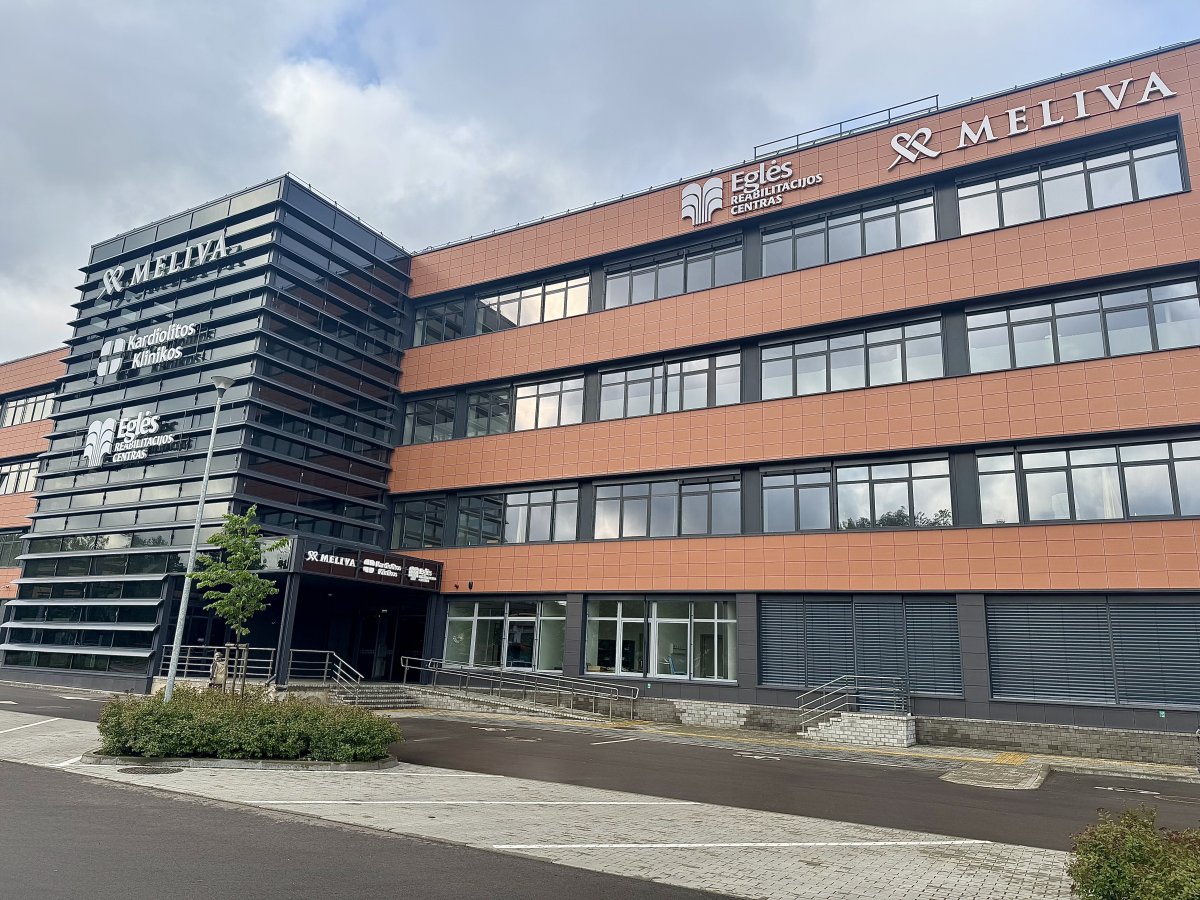
تقدم ليتوانيا إجراءات هبوط الرحم في المراكز الطبية الرئيسية في فيلنيوس وكاوناس. توفر مرافق مثل مستشفى ميليفا كارديوليتا ومركز التشخيص والعلاج الطبي تعليقاً بالمنظار وجراحة تجميلية مهبلية. تحمل هذه المستشفيات اعتماد اللجنة الدولية المشتركة وتتبع بروتوكولات السلامة الأوروبية الصارمة لإعادة بناء قاع الحوض.
- الإجراءات المتاحة: يقوم الجراحون بإجراء إصلاح قبة المهبل وتعليق بالمنظار طفيف التوغل.
- معايير الاعتماد: تحافظ المرافق الرائدة على شهادات اللجنة الدولية المشتركة (JCI) وTemos International.
- سعة المرضى: يعالج مستشفى ميليفا كارديوليتا حوالي 298,000 مريض بالغ سنوياً.
- الخبرة المتخصصة: تتعامل المراكز الرئيسية بشكل روتيني مع أمراض المسالك البولية النسائية المتقدمة وجراحات قبة المهبل المعقدة.
رؤية خبير Bookimed: بينما تشير العيادات الخاصة مثل مركز التشخيص والعلاج الطبي إلى أن مريضاً واحداً من كل 10 مرضى يأتي من الخارج، فإن أفضل النتائج تعتمد غالباً على حجم العمليات الجراحية. يحتفظ مستشفى ميليفا كارديوليتا بطاقم ضخم يضم أكثر من 510 أطباء. يضمن هذا النطاق أن يتم التعامل مع إصلاحات قاع الحوض المتخصصة من قبل متخصصين ذوي خبرة جراحية عالية التردد بدلاً من الممارسين العامين.
إجماع المرضى: يؤكد المرضى على أهمية العثور على طبيب مسالك بولية نسائية متخصص بدلاً من جراح عام. يقترحون التحقق مما إذا كان المرفق يقدم خيارات الحفاظ على الرحم وإعادة تأهيل قاع الحوض بعد الجراحة قبل الحجز.
ما هي أوقات التعافي المعتادة ومدة الإقامة في المستشفى بعد جراحة هبوط الأعضاء في ليتوانيا؟
تتراوح فترات الإقامة في المستشفى لجراحة هبوط الأعضاء في ليتوانيا عادةً من يوم واحد إلى 4 أيام. غالبًا ما تتطلب الإجراءات طفيفة التوغل ليلة واحدة أو ليلتين فقط. يستغرق التعافي البدني الكامل عمومًا من 6 إلى 8 أسابيع. تحافظ المراكز الليتوانية على معايير عالية مع شهادات مثل JCI و Temos.
- مدة الإقامة في المستشفى: تتطلب المراكز الخاصة مثل المركز الطبي للتشخيص والعلاج عادةً يومًا أو يومين.
- التعافي الأولي: التعب الشديد والتشنجات الخفيفة شائعة خلال الأيام السبعة الأولى.
- السفر المحلي: يستأنف المرضى عادةً القيادة لمسافات قصيرة في غضون أسبوعين إلى 3 أسابيع.
- القيود البدنية: تجنب رفع أكثر من 5 كجم خلال الأسابيع الستة الأولى بعد الجراحة.
رؤية خبير Bookimed: بينما قد تبقي العيادات العامة المرضى لمدة تصل إلى 8 أيام، تعطي المرافق الخاصة في فيلنيوس الأولوية لبروتوكولات التعافي السريع. يستخدم المركز الطبي للتشخيص والعلاج إعادة تأهيل متخصصة لتقصير فترات الإقامة في المستشفى بشكل كبير. يعالج هذا المركز ذو الحجم الكبير 60,000 مريض سنويًا، مما يضمن أن الجراحين لديهم خبرة واسعة في مختلف الأساليب الجراحية.
إجماع المرضى: يشير المرضى إلى أن الأسبوعين الأولين هما الأكثر تحديًا بسبب التعب وعدم الراحة في المثانة. يؤكد الكثيرون أن الحصول على المساعدة في المنزل أكثر أهمية من طول الإقامة في المستشفى نفسه.
هل تستوعب العيادات الليتوانية المرضى الدوليين الناطقين بالإنجليزية؟
تستوعب العيادات الخاصة الليتوانية المرضى الناطقين بالإنجليزية على نطاق واسع. توظف مرافق مثل مستشفى Meliva Kardiolita ومركز التشخيص والعلاج الطبي موظفين يتحدثون الإنجليزية بطلاقة. يتحدث معظم الجراحين والمنسقين الدوليين اللغة الإنجليزية. وهم يوفرون وثائق طبية مترجمة لعلاج هبوط الرحم. عادة ما يتولى الدعم الإداري إدارة التواصل باللغة الإنجليزية منذ لحظة الوصول.
- المهارات اللغوية للموظفين: يحافظ الجراحون والمديرون الشخصيون عادةً على مستوى عالٍ من إتقان اللغة الإنجليزية.
- الوثائق الطبية: يتلقى المرضى نسخاً باللغة الإنجليزية من ملخصات الخروج وتعليمات الأدوية.
- الأقسام الدولية: تتعامل مكاتب مخصصة مع الخدمات اللوجستية، وجدولة المواعيد، وتوفير وسائل النقل من وإلى المطار.
- معايير الاعتماد: تتبع المرافق الحاصلة على اعتماد اللجنة الدولية المشتركة (JCI) بروتوكولات عالمية للتواصل مع المرضى.
رؤية خبير Bookimed: تظهر المستشفيات الخاصة في فيلنيوس كثافة عالية من الخبرة الدولية. يستقبل مركز التشخيص والعلاج الطبي مريضاً واحداً من كل 10 مرضى من الخارج. يدير مستشفى Meliva Kardiolita ما يقرب من 300,000 مريض سنوياً عبر 33 قسماً. هذا الحجم الكبير يبني خبرة متخصصة في تنسيق إجراءات أمراض النساء والمسالك البولية المعقدة للزوار الأجانب.
إجماع المرضى: يشير المرضى إلى أن وجود منسق مخصص يجعل العملية أسهل. ويؤكدون على أهمية الحصول على جميع السجلات المكتوبة ونتائج الفحوصات المرضية باللغة الإنجليزية قبل السفر إلى الوطن.
ما هي طرق تعليق الرحم مع الحفاظ عليه المتاحة في المراكز الليتوانية؟
تقدم المراكز الطبية الليتوانية طرق تعليق الرحم مع الحفاظ عليه، بما في ذلك تثبيت الرحم بالعجز بالمنظار، والجراحة بمساعدة الروبوت، وإصلاحات الأنسجة الأصلية المهبلية. تعالج هذه التقنيات المتقدمة تدلي أعضاء الحوض مع الحفاظ على الصحة الإنجابية. توفر المرافق المعتمدة من JCI في فيلنيوس إجراءات دعم قمي تعتمد على الشبكة وغير المعتمدة عليها.
- تثبيت الرحم بالعجز بالمنظار: يستخدم الجراحون شبكة اصطناعية لتثبيت عنق الرحم بالأربطة العجزية.
- تثبيت الرحم بالشوكة العجزية: نهج مهبلي للأنسجة الأصلية يثبت الرحم بأربطة الحوض.
- التعليق بمساعدة الروبوت: تستخدم المراكز المتخصصة أنظمة DaVinci لتثبيت الرحم بدقة وبأقل تدخل جراحي.
- التعليق بالأنسجة الأصلية: يقوم الجراحون بتقصير الأربطة الرحمية العجزية باستخدام خيوط جراحية متينة بدون مواد اصطناعية.
رؤية خبراء Bookimed: بينما تتخصص العديد من المراكز الأوروبية في أمراض النساء القياسية، تركز المراكز الليتوانية مثل مستشفى Meliva Kardiolita ومركز التشخيص والعلاج الطبي على دقة التشخيص عالية الحجم. تخدم هذه المرافق أكثر من 340,000 مريض مجتمعين كل عام. يسمح هذا الحجم للجراحين بالحفاظ على الكفاءة في تقنيات الحفاظ على الأعضاء المعقدة التي قد تستبدلها العيادات العامة باستئصال الرحم.
إجماع المرضى: يؤكد المرضى على ضرورة طلب تثبيت الرحم (hysteropexy) بشكل خاص، حيث قد يلجأ بعض الأطباء افتراضيًا إلى استئصال الرحم. كما يلاحظون أن الإصلاحات بالمنظار توفر عمومًا دعمًا طويل الأمد أكثر قوة من الخيارات المهبلية.
ما هي المضاعفات الجراحية المعترف بها وكيف يتم التعامل معها في ليتوانيا؟
تدير المستشفيات الليتوانية مضاعفات هبوط الرحم باستخدام بروتوكولات قائمة على الأدلة وتصنيف Clavien-Dindo الدولي. تشمل المخاطر المعترف بها احتباس البول، والالتهابات، والمشاكل المتعلقة بالشبكة الجراحية. يعطي الأخصائيون الأولوية للتحريك المبكر وإعادة تأهيل قاع الحوض المتخصصة لضمان معدلات نجاح عالية وسلامة المرضى.
- إدارة احتباس البول: استخدام التبول الموقوت أو القسطرة قصيرة المدى لتفريغ المثانة.
- مكافحة العدوى: علاج التهابات المسالك البولية بعد الجراحة بالمضادات الحيوية المحددة حسب المزرعة.
- رعاية مضاعفات الشبكة: معالجة تآكل الأنسجة أو الانزعاج من خلال الإستروجين الموضعي أو التشذيب.
- الوقاية من الانصمام الخثاري: الاستخدام الإلزامي لجوارب الضغط والهيبارين منخفض الوزن الجزيئي (LMWH).
رؤية خبير Bookimed: تؤكد المراكز الخاصة مثل مستشفى Meliva Kardiolita ومركز التشخيص والعلاج الطبي في فيلنيوس على نهج متعدد التخصصات. تظهر البيانات أن هذه العيادات تدمج أقسام التشخيص مباشرة مع أجنحة الجراحة. وهذا يسمح بإجراء فحوصات دوبلر أو اختبارات معملية سريعة في حالة ظهور مضاعفات. عادة ما يؤدي هذا القرب إلى تسريع أوقات التدخل لأكثر من 60,000 مريض سنوياً.
إجماع المرضى: يشير المرضى إلى أهمية اتباع أنظمة معوية صارمة لمنع الإجهاد بعد الإصلاح. يؤكد الكثيرون أن وجود خطة متابعة واضحة لأعراض الصحة البولية والجنسية يؤدي إلى نتائج أفضل بكثير.