عملية تثبيت الرحم العجزي دافنشي لعلاج هبوط الرحم في كوريا الجنوبية — احصل على 3 عيادات مطابقة مع التكاليف


تمت مراجعة المقالة طبيا من قبل
فهد مولود
ما هي تكلفة عملية تثبيت الرحم العجزي دافنشي لعلاج هبوط الرحم في كوريا الجنوبية؟ اكتشف الآن
| كوريا الجنوبية | تركيا | إسبانيا | |
|---|---|---|---|
| عملية تثبيت الرحم العجزي دافنشي لعلاج هبوط الرحم | من $10,000 | من $3,400 | ≈ $9,500 |
مزاياك وضماناتك مع Bookimed
أسعار مباشرة
Bookimed لا يضيف رسوماً إضافية على أسعار عملية تثبيت الرحم العجزي دافنشي لعلاج هبوط الرحم. الأسعار مأخوذة من قوائم الأسعار الرسمية للعيادات. تدفع مباشرة في العيادة مقابل عملية تثبيت الرحم العجزي دافنشي لعلاج هبوط الرحم عند وصولك.
عيادات وأطباء معتمدون فقط
Bookimed ملتزم بسلامتك. نحن نعمل فقط مع المؤسسات الطبية التي تحافظ على معايير دولية عالية في عملية تثبيت الرحم العجزي دافنشي لعلاج هبوط الرحم ولديها التراخيص اللازمة لخدمة المرضى الدوليين في جميع أنحاء العالم.
مساعدة مجانية على مدار الساعة
Bookimed يقدم مساعدة خبراء مجانية. منسق طبي شخصي يدعمك قبل وأثناء وبعد العلاج، ويحل أي مشاكل. لن تكون وحيداً أبداً في رحلة عملية تثبيت الرحم العجزي دافنشي لعلاج هبوط الرحم.

منسقك الطبي الشخصي في Bookimed
- يدعمك في كل مرحلة
- المساعدة في اختيار العيادة الطبية المناسبة والطبيب المناسب
- يضمن الوصول السريع والمريح إلى المعلومات
اكتشف أفضل عملية تثبيت الرحم العجزي دافنشي لعلاج هبوط الرحم العيادات في كوريا الجنوبية: 2 خيارات معتمدة والأسعار

نظرة عامة على عملية تثبيت الرحم العجزي دافنشي لعلاج هبوط الرحم في كوريا الجنوبية
- إيداع Bookimed: 200 دولار أو 200 يورو.
- وديعة العيادة: ادفع نسبة محددة مقدمًا.
احصل على تقييم طبي لـ عملية تثبيت الرحم العجزي دافنشي لعلاج هبوط الرحم في كوريا الجنوبية: اختر أخصائيك من بين الأفضل في هذا المجال
عرض جميع الأطباء
Yeoun E Park
أستاذ مساعد في العديد من الجامعات المرموقة - يقود الدكتور بارك الرعاية النسائية في مستشفى سيول ميز.
- أخصائي في التوليد وأمراض النساء بخبرة واسعة
- كبير المسؤولين الطبيين في مستشفى سيول ميز
- عضو الجمعية الكورية لأمراض النساء والتوليد

Heeseok Kang
تتخصص الدكتورة كانغ في العمليات الجراحية النسائية طفيفة التوغل، بما في ذلك تثبيت الرحم بالعجز باستخدام نظام دافنشي، وتتمتع بخبرة واسعة في مركز سامسونج الطبي.
- أستاذ مساعد في مركز سامسونج الطبي
- نشرت العديد من الدراسات حول جراحات النساء بالمنظار والجراحة الروبوتية
- حاصلة على جائزة الأطروحة المتميزة من الجمعية الكورية لأورام النساء
- خبير في NAVER KnowledgeiN

Na Young Bae
تتخصص نا يونغ باي في الإجراءات النسائية طفيفة التوغل، بما في ذلك تثبيت الرحم بالعجز باستخدام نظام دافنشي، في مستشفى سيول ميز. تجمع خبرتها بين الجراحة الروبوتية والتركيز على الحفاظ على سلامة الرحم.
- تدربت في المركز الطبي بجامعة كوريا وجامعة كاليفورنيا، بيركلي
- عضو في الجمعية الكورية لتنظير أمراض النساء
- خبيرة في تقنيات الجراحة بالمنظار والجراحة الروبوتية
- تركيز خاص على الحفاظ على الرحم أثناء إصلاح تدلي الأعضاء
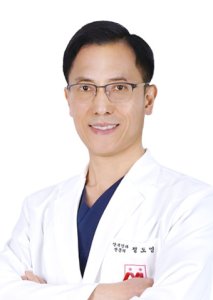
Doyoung Jeong
د. دو-يونغ جونغ اختصاصي طب النساء والتوليد يركز على الجراحات طفيفة التوغل وأحادية المنفذ والروبوتية. أنهى د. جونغ فترة الامتياز في مستشفى جامعة سيول الوطنية، وأكمل برنامج الإقامة والدراسات العليا في جامعة كوريا. ثم أكمل زمالة في أورام أمراض النساء في المركز الوطني للسرطان مع تركيز على أمراض الرحم والمبيض. شغل منصب المدير والرئيس الطبي في مستشفى ميزميدي ومستشفى إنتشون سيجونغ، ثم شغل منصب نائب الرئيس في مستشفى دونغتان جييل. يشغل حالياً منصب أستاذ سريري في مستشفى جامعة كيونغ هي في غانغدونغ وأستا
قصص فيديو من مرضى Bookimed
المراجعات
جميع المراجعاتمشاركة المحتوى
 Anna Leonova
أسئلة متكررة حول عملية تثبيت الرحم العجزي دافنشي لعلاج هبوط الرحم في كوريا الجنوبية
هل أحتاج إلى تأشيرة لكوريا الجنوبية؟
ما هو مستوى الطب في كوريا الجنوبية؟
الرعاية الصحية هي قطاع التنمية الرئيسي للحكومة الكورية. السلطات الكورية مقتنعة بأن رعاية صحة المواطنين يجب أن تكون أولوية غير مشروطة لسياسة الدولة ، وتنفق سنويًا حوالي مليار دولار لجذب السياح الطبيين.
وفقًا لمارك بريتنيل ، تهيمن المستشفيات على نظام الرعاية الصحية. 94٪ من المستشفيات مملوكة للقطاع الخاص.
ما هي أشهر جراحات التجميل؟
وفقًا لإحصاءات ASPS ، تم إجراء 17.7 مليون عملية تجميل و 5.8 مليون عملية ترميمية في عام 2018. تشمل الإجراءات التجميلية الأكثر شيوعًا ما يلي:
- تكبير الثدي
- شفط الدهون
- عملية تجميل الأنف
- جراحة الجفن
- شد البطن.
تعد إزالة الورم ، والتئام الدموع ، وجراحة الوجه والفكين ، ومراجعة الندبات ، وجراحة اليد من أكثر العمليات شيوعًا في سياق الجراحة الترميمية.
ما هي المستندات المطلوبة لتقديم طلب تأشيرة لكوريا الجنوبية للعلاج؟
تتطلب تأشيرات السفر إلى كوريا الجنوبية عددًا من المستندات . يمكن تقديم الأوراق اللازمة قبل 90 يومًا من المغادرة المخطط لها. قائمة الوثائق تشمل:
- بطاقة الهوية
- تأكيد التسجيل عبر الإنترنت وملء الاستبيان
- شهادة الدخل وتوافر الأموال
- بوليصة تأمين للإقامة في كوريا الجنوبية (أصلية ونسخة)
- صورتان (5x6)
- الحصول على تأشيرة
- حجز الطيران والفنادق
- رأي الطبيب في الحاجة للعلاج.
ما الذي تريد معرفته عن كوريا الجنوبية قبل السفر؟
عملة | وون كوري جنوبي (الدفع مقابل الخدمات ممكن أيضًا بالدولار) |
أفضل فترة للسفر | أبريل ومايو ويونيو أو سبتمبر وأكتوبر ونوفمبر. |
لغة | الكورية (معظم الطاقم الطبي يتحدث الإنجليزية بطلاقة) |
تأشيرة | غير مطلوب للإقامة لمدة تصل إلى 90 يومًا أو أقل |
فارق التوقيت مع أوروبا | الساعة 9 |
فارق التوقيت من الولايات المتحدة الأمريكية | الساعة 9 |
عاصمة | سيول |
في كوريا الجنوبية ، توجد فنادق ذات نطاقات أسعار ومستويات خدمة مختلفة. يختار معظم السياح فنادق 4 و 5 نجوم مع وجبات شاملة كليًا. تحتوي هذه الفنادق على كل شيء لإقامة مريحة: طعام متنوع ، منطقة كبيرة جيدة الإعداد ، رسوم متحركة للأطفال والكبار. تحتوي بعض الفنادق على حديقة مائية خاصة بها ، والتي يمكن للضيوف استخدامها مجانًا. يمكن للمسافرين ذوي الميزانية المحدودة حجز فندق اقتصادي من فئة 3 نجوم مع إقامة مع وجبتي طعام أو بدون وجبات على الإطلاق. |