علاج مرحلة سرطان الكبد 3 في إسبانيا — احصل على 3 عيادات مختارة خصيصاً لك


تمت مراجعة المقالة طبيا من قبل
فهد مولود
كيف نعمل؟
ما هي تكلفة مرحلة سرطان الكبد 3 إجراءات التشخيص والعلاج في إسبانيا؟ اعرف الآن
تتضمن تكلفة علاج سرطان الكبد في المرحلة الثالثة في إسبانيا عادةً تشخيصات أساسية مثل استشارة طبيب الأورام والتي تتراوح بين $280 و $450. من $1,700. تعتمد النفقات الإجمالية على مزيج العلاج، وتعقيد الجراحة، واختيار المنشأة الخاصة. يمكن للمرضى توفير ما يقرب من 30-50% مقارنة بالولايات المتحدة. تشمل أفضل المدن لرعاية الأورام المتقدمة برشلونة ومدريد وبامبلونا.
تكاليف علاج سرطان الكبد في المرحلة الثالثة المعتادة في إسبانيا
- استشارة طبيب الأورام: $280 – $450
- العلاج الكيميائي لسرطان الثدي: من $1,700
- العلاج الإشعاعي لسرطان القولون والمستقيم: من $7,500
رؤية خبير Bookimed: يستفيد المرضى الذين يعانون من سرطانات البطن المتقدمة من الخبرة الجراحية المتخصصة المتاحة في المراكز المعتمدة من قبل اللجنة الدولية المشتركة (JCI). بالنسبة للحالات المعقدة في المرحلة الثالثة، يقدم جراحون مثل الدكتور دومينيكو سابيا في مركز تيكنون الطبي (Centro Médico Teknon) خبرة تمتد لـ 15 عاماً في جراحة الكبد والقنوات الصفراوية والجراحة الروبوتية. الرعاية متعددة التخصصات ضرورية. توفر المؤسسات الرائدة مثل عيادة جامعة نافارا (Clinica Universidad de Navarra) أو مستشفى إتش إم سانشينارو (HM Sanchinarro) برامج أورام متكاملة، مما يضمن الوصول المنسق إلى العلاج الكيميائي والإشعاعي. يفضل الرياضيون والمشاهير الدوليون المراكز ذات الكثافة العالية في برشلونة ومدريد لما تتمتع به من تصوير رقمي متقدم وتكنولوجيا روبوتية.
| تركيا | إسبانيا | ألمانيا | |
|---|---|---|---|
| العلاج الكيميائي لسرطان الثدي | من $3,000 | من $1,700 | من $2,200 |
| العلاج الإشعاعي لسرطان القولون والمستقيم | من $5,000 | من $7,500 | من $10,000 |
اكتشف أفضل مرحلة سرطان الكبد 3 العيادات في إسبانيا: 5 خيارات معتمدة والأسعار




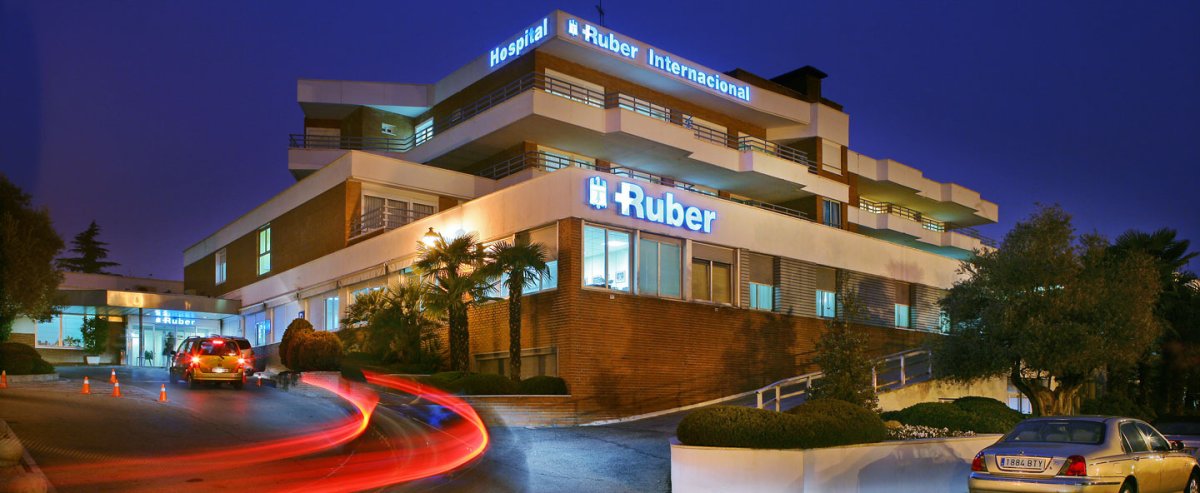







Hospital HM Sanchinarro
Antonio Cubillo Gracián



احصلوا على تقييم طبي لـ مرحلة سرطان الكبد 3 في إسبانيا: استشيروا أطباء ذوي خبرة الآن
عرض جميع الأطباء
Elvira Buxó

Domenico Sabia
متخصص في جراحة سرطان الكبد والبنكرياس المتقدمة في مركز تكنون الطبي (Centro Médico Teknon)، مع خبرة واسعة في أورام البطن المعقدة.
- أكثر من 24 سنة في جراحة الأورام
- يجري جراحات الكبد الروبوتية وبالمنظار
- باحث نشط في علاجات السرطان المتقدمة
- عضو الجمعية الأوروبية لجراحة الأورام
- مدرب على زراعة الكبد والجراحة الروبوتية

Lopez Ibor
يتمتع الدكتور لوبيز إيبور بأكثر من _doctor_3339_ عاماً من الخبرة المركزة في طب أورام الأطفال، ويشغل حالياً منصب رئيس وحدة أمراض الدم والأورام لدى الأطفال في مستشفى HM Monteprincipe.
- تخصص في أمراض الدم والأورام لدى الأطفال في جامعة ميريلاند
- خبير في علاج أورام العظام والدماغ، وسرطان الدم، وأمراض الدم
- مؤلف للعديد من المنشورات العلمية الوطنية والدولية
- رأس سابقاً نفس الوحدة في مستشفى Clinica San Rafael
Antonio Cubillo Gracián
خبير في علم الأورام مع التركيز على أمراض الجهاز الهضمي – يقوم الدكتور كوبيلو غراسيان بتدريس دورات متقدمة في علم الأورام في HM CIOCC.
- مدير أبحاث الدراسات العليا في علم الأورام السريري
- متخصص في أورام الجهاز الهضمي والرعاية التلطيفية
- قام بتدريب طلاب الطب والأطباء المقيمين في ممارسات علم الأورام
- أستاذ مشارك في نشأة الأورام والأخلاقيات الحيوية
مشاركة المحتوى
قصص فيديو من مرضى Bookimed
 Anna Leonova
أسئلة متكررة حول علاج مرحلة سرطان الكبد 3 في إسبانيا
ما هو نظام التصنيف الذي يستخدمه أطباء الأورام الإسبان لتقييم سرطان الكبد في المرحلة الثالثة؟
يعطي أطباء الأورام الإسبان الأولوية لنظام برشلونة لسرطان الكبد (BCLC) لتقييم سرطان الكبد في المرحلة الثالثة. يدمج هذا الإطار حجم الورم مع وظائف الكبد واللياقة البدنية للمريض. بينما يستخدم الجراحون أيضًا نظام TNM للتصنيف التشريحي، يوجه نظام BCLC جميع قرارات العلاج الأولية.
- فئة BCLC: تتوافق المرحلة الثالثة عادةً مع تصنيفات BCLC المتوسطة (B) أو المتقدمة (C).
- وظائف الكبد: يستخدم الأطباء درجات Child-Pugh لتقييم ما إذا كان الكبد قادرًا على تحمل العلاج.
- حالة الأداء: يقيس مقياس ECOG اللياقة البدنية لضمان تأهل المرضى للعلاج.
- التشخيص المتكامل: تستخدم مراكز مثل Centro Médico Teknon الأشعة المقطعية على البطن والصدر.
رؤية خبير Bookimed: غالبًا ما تقدم مراكز الأورام الإسبانية رعاية متخصصة من خلال مراكز متعددة الأقسام. على سبيل المثال، يدير مستشفى Hospital Universitario HM Madrid 4 مراكز أورام شاملة لمعالجة أكثر من 2.3 مليون مريض خارجي سنويًا. يسمح هذا الحجم الكبير للمتخصصين بتحسين دقة تصنيف BCLC، وهو أمر بالغ الأهمية لأن تشخيص المرحلة B قد يؤدي إلى العلاج الكيميائي الموضعي، بينما تتطلب المرحلة C العلاج المناعي الجهازي.
إجماع المرضى: يشير المرضى إلى أن مصطلح المرحلة الثالثة غالبًا ما يُستخدم بشكل فضفاض أثناء المحادثات الأولية. ويؤكدون على أهمية سؤال الأطباء تحديدًا عن درجات BCLC و Child-Pugh لفهم سبب كون بعض العلاجات، مثل الجراحة، خيارًا متاحًا أو غير متاح.
هل الجراحة أو زراعة الكبد ممكنة في المرحلة الثالثة من تصنيف BCLC؟
تعد الجراحة أو زراعة الكبد ممكنة لحالات محددة في المرحلة الثالثة من خلال بروتوكولات خفض المرحلة (downstaging) أو التحويل. يقوم المتخصصون بتقييم عبء الورم ووظائف الكبد والمشاركة الوعائية. قد يستعيد المرضى الذين يستوفون معايير خفض المرحلة بعد العلاج الموضعي مثل الكيماوي الانصمامي أهليتهم للزراعة في مراكز الأورام الإسبانية المتخصصة.
- علاج خفض المرحلة: تعمل علاجات مثل الكيماوي الانصمامي على تقليص الأورام لتلبية معايير الزراعة.
- التقييم الوظيفي: تتطلب الجراحة وظائف كبد من الفئة A وفق تصنيف تشايلد-بو (Child-Pugh) لضمان التعافي الآمن.
- المشاركة الوعائية: قد يسمح الغزو الوعائي الموضعي بإجراء جراحة تحويلية في المراكز ذات الحجم الكبير.
- الانتشار خارج الكبد: تقتصر الإجراءات عمومًا على السرطان المحصور داخل الكبد.
رؤية خبير Bookimed: تظهر وحدات الكبد الإسبانية نمطًا من القدرة على التكيف الجراحي. تُعرف عيادة جامعة نافارا (Clinica Universidad de Navarra) بأنها رائدة في زراعة الأعضاء والأورام المعقدة. تشير البيانات إلى أن المراكز ذات الحجم الكبير مثل مركز تكنون الطبي (Centro Médico Teknon)، الذي يجري أكثر من 23,000 عملية سنويًا، غالبًا ما تقبل الحالات المتقدمة للمراجعة متعددة التخصصات. تستخدم هذه المؤسسات مجالس الأورام لتحديد المرشحين للاستئصال الذين كانوا يعتبرون سابقًا غير مؤهلين في المرافق الأصغر.
إجماع المرضى: يؤكد المرضى أن تصنيفات المراحل قد تكون مضللة. أفاد الكثيرون أن طلب رأي ثانٍ في مركز كبد كبير غير خطة علاجهم وخياراتهم ال
ما هي العلاجات الموضعية الإقليمية المتاحة بشكل روتيني في إسبانيا لسرطان الكبد في المرحلة الثالثة؟
توفر مراكز الأورام الإسبانية بشكل روتيني علاجات موضعية إقليمية مثل الانصمام الإشعاعي (TARE)، والانصمام الكيميائي (TACE)، والإشعاع التجسيمي (SBRT) لسرطان الكبد في المرحلة الثالثة. تعالج هذه العلاجات خثار الوريد البابي وعبء الورم الكبدي المرتفع إلى جانب العلاج المناعي الجهازي لتحسين البقاء على قيد الحياة.
- الانصمام الإشعاعي (TARE): يوصل كريات الإيتريوم-90 المجهرية إلى الأورام، خاصة عند وجود خثار في الوريد البابي.
- الانصمام الكيميائي (TACE): معيار متاح للغاية للسيطرة على الآفات الموضعية وإدارة نزيف الورم المحدد.
- الإشعاع التجسيمي: تستخدم الوحدات المتقدمة CyberKnife لاستهداف خثرات الأوردة والحفاظ على وظائف الكبد.
- التسريب الكبدي: يعالج التوصيل المباشر للعلاج الكيميائي (HAIC) عبء الورم المرتفع في المستشفيات الأكاديمية.
رؤية خبير Bookimed: يتم توجيه رعاية سرطان الكبد في إسبانيا من خلال بروتوكول برشلونة لسرطان الكبد (BCLC). تسمح المراكز ذات الحجم الكبير مثل Clinica Universidad de Navarra وCentro Médico Teknon بمراجعات سريعة من قبل لجان متعددة التخصصات. تظهر البيانات أن هذه المراكز تدمج فرق الأشعة التداخلية والأورام لتقديم TARE حيث قد توفر المستشفيات الأصغر علاجًا كيميائيًا قياسيًا فقط. يمكن أن يؤدي الوصول المباشر إلى هذه الوحدات المتخصصة إلى توسيع خيارات العلاج الموضعي لديك بشكل كبير.
إجماع المرضى: يشير المرضى إلى أن تلقي العلاج في المستشفيات الثالثية الكبيرة أمر حيوي لأن العيادات الأصغر غالبًا ما تفتقر إلى معدات الأشعة الت
ما هي مجموعات العلاج الجهازي أو المناعي الموصوفة كعلاج خط أول في إسبانيا؟
يستخدم العلاج الجهازي كخط أول في إسبانيا لسرطان الكبد في المرحلة الثالثة بشكل أساسي عقار أتيزوليزوماب مقترناً ببيفاسيزوماب. تتبع هذه المجموعة إرشادات الجمعية الأوروبية لعلم الأورام الطبي (ESMO). توفر مراكز متخصصة مثل عيادة جامعة نافارا ومركز تكنون الطبي بروتوكولات العلاج المناعي هذه لاستهداف الخلايا الورمية المتقدمة بفعالية.
- النظام القياسي: أتيزوليزوماب وبيفاسيزوماب هو الخيار الأساسي لسرطان الخلايا الكبدية المتقدم.
- العلاج المناعي البديل: يُستخدم دورفالوماب بالإضافة إلى تريميليموماب عندما لا تكون علاجات مضادات عامل نمو بطانة الأوعية الدموية (anti-VEGF) مناسبة.
- التحقق السريري: تقوم شبكات الأورام الإسبانية مثل GEICO بالتحقق من هذه البروتوكولات عبر المرافق المعتمدة من قبل اللجنة الدولية المشتركة (JCI).
- الدعم الجراحي المتخصص: الدكتور دومينيكو سابيا في تكنون متخصص في حالات أورام الكبد والقنوات الصفراوية المعقدة.
رؤية خبير Bookimed: يعني النهج الإسباني المكثف في البحث أن المراكز الكبرى غالباً ما تعطي الأولوية للمجموعات الجهازية على العلاج الكيميائي التقليدي. تظهر بياناتنا أن عيادة جامعة نافارا كانت الأولى في إسبانيا التي حصلت على اعتماد JCI. وهي تحتفظ بوحدات أورام متخصصة تدمج العلاج المناعي مع التصوير المتقدم. بالنسبة لحالات المرحلة الثالثة، يقوم أطباء الأورام الإسبان بإعادة تقييم المرضى بشكل متكرر لإجراء استئصال ثانوي بعد العلاج الجهازي. وهذا يوفر ميزة واضحة للمرضى الذين يبحثون عن خيارات علاجية بدلاً من مجرد الإدارة.
إجماع المر
ما هي المستشفيات الإسبانية المعترف بها لبرامج سرطان الكبد المتخصصة؟
تعتبر المستشفيات الإسبانية مثل Clinica Universidad de Navarra وCentro Médico Teknon رائدة في رعاية سرطان الكبد المتخصصة. تستخدم هذه المراكز نظام تصنيف سرطان الكبد في عيادة برشلونة (BCLC) لتوجيه العلاج. تمتلك المرافق اعتماد اللجنة الدولية المشتركة (JCI) وتوفر جراحات متقدمة وعلاجاً بالإشعاع المجهري.
- وحدات الأورام المتخصصة: يوفر HM CIOCC تشخيصات الخزعة السائلة وجراحة Da Vinci بمساعدة الروبوت.
- تكنولوجيا الكبد المتقدمة: يقدم Centro Médico Teknon جراحة إشعاعية موجهة CyberKnife وعلاجاً كيميائياً مخصصاً.
- خبرة المتخصصين: الدكتور دومينيكو سابيا متخصص في جراحة الأورام الكبدية الصفراوية والبريتونية المعقدة.
- الابتكارات العلاجية: يوفر Quirónsalud Pozuelo علاجاً بالبروتون للأورام القريبة من الهياكل الحيوية.
رؤية خبير Bookimed: بينما تحظى المراكز الكبرى في مدريد وبرشلونة بشعبية، تبرز Clinica Universidad de Navarra بفضل وضعها الطويل الأمد مع اللجنة الدولية المشتركة (JCI) واعتماد ESMO. هذا المزيج نادر ويشير إلى تركيز عالٍ على أبحاث الأورام وسلامة المرضى. بالنسبة لحالات المرحلة الثالثة، غالباً ما يعني هذا الاعتماد المزدوج وصولاً أفضل إلى مجالس الأورام متعددة التخصصات والعلاجات الجهازية الناشئة.
إجماع المرضى: يؤكد المرضى على أهمية العثور على مراكز جامعية كبيرة تضم فرقاً كبدية صفراوية ذات حجم كبير للحالات المعقدة. وغالباً ما يوصون بطلب رأي ثانٍ في هذه المرافق الكبرى قبل بدء العلاج لضمان استكشاف كل خيار جراحي أو خيار زراعة.