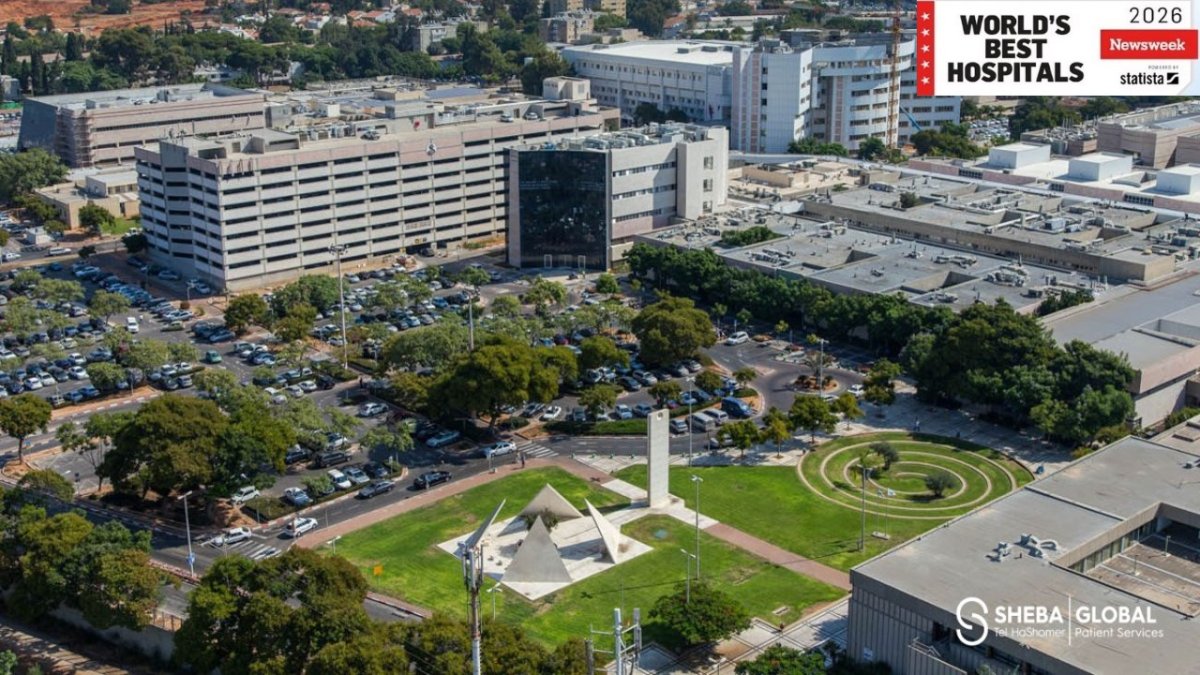
Sourasky Medical Center (Ichilov)
إسرائيل, Tel Aviv
Ofer Merimsky
41سنة خبره ١٦ سنة

الاعتمادات : 
العيادة معتمدة من قبل : 





تمت مراجعة المقالة طبيا من قبل
فهد مولود
| إسرائيل | تركيا | إسبانيا | |
|---|---|---|---|
| العلاج الكيميائي لسرطان الثدي | ≈ $22,500 | من $3,000 | من $1,700 |
| العلاج الإشعاعي لسرطان القولون والمستقيم | ≈ $14,000 | من $5,000 | من $7,500 |

تتخصص الدكتورة بيليس شارون في علاجات سرطان الكبد المتقدمة في مركز سوراسكي الطبي، بما في ذلك استئصال الكبد والانصمام الكيميائي.
يرأس البروفيسور ميريمسكي وحدة أورام الأنسجة الرخوة والعظام في مركز سوراسكي الطبي، وهو متخصص في حالات السرطان المعقدة.

يرأس البروفيسور نادير أربر المركز المتكامل للوقاية من السرطان في مركز سوراسكي الطبي في إسرائيل، وهو متخصص في أورام الجهاز الهضمي.

الدكتور أرنون ناجلر هو طبيب أمراض دم في مركز شيبا الطبي في إسرائيل. وهو أستاذ في جامعة تل أبيب وخبير مشهور في زراعة الأعضاء. أسس الدكتور ناجلر أول بنك عام لدم الحبل السري في إسرائيل. كما أجرى أول عمليات زراعة لدم الحبل السري في البلاد. أكمل تدريبه بعد الدكتوراه في جامعة ستانفورد وهو حاصل على شهادة البورد في أمراض الدم.
 Anna Leonova
يمكن علاج سرطان الكبد في المرحلة الثالثة بالجراحة في إسرائيل إذا كان الورم قابلاً للاستئصال وظلت وظائف الكبد مستقرة. يستخدم المتخصصون إجراءات متقدمة مثل استئصال الكبد الجزئي أو الاستئصال خارج الجسم (ex-vivo). تعتمد الأهلية على التورط الوعائي وغياب النقائل البعيدة.
رؤية خبير Bookimed: تظهر البيانات أن اختيار مراكز ذات حجم كبير مثل شيبا أو سوراسكي أمر حيوي للمراحل المعقدة. تجري هذه المرافق أكثر من 34,000 إلى 45,000 عملية سنوياً. يسمح هذا التكرار العالي للجراحين بالحفاظ على خبرتهم في الإجراءات النادرة مثل الاستئصال خارج الجسم. يستفيد المرضى من فرق متعددة التخصصات تعيد تقييم الحالات التي تم تصنيفها في البداية على أنها غير قابلة للجراحة في أماكن أخرى.
إجماع المرضى: يشير المرضى إلى أن الحصول على رأي ثانٍ أمر ضروري لأن تقييمات قابلية الجراحة تختلف بين الجراحين. ويؤكدون على أهمية السؤال بدقة عن سبب عدم التوصية بالجراحة لاستكشاف خيارات تقليل المرحلة.
توفر المستشفيات الإسرائيلية علاجات موضعية متقدمة غير جراحية بما في ذلك الانصمام الكيميائي عبر الشرايين (TACE)، والعلاج الإشعاعي الداخلي الانتقائي (SIRT)، والاستئصال بالموجات الدقيقة. تستهدف هذه الإجراءات طفيفة التوغل أورام المرحلة الثالثة عندما لا تكون الجراحة ممكنة. تستخدم المراكز المتخصصة المعتمدة من قبل JCI هذه التقنيات لوقف تطور المرض.
رؤية خبير Bookimed: تظهر البيانات أن المتخصصين الإسرائيليين مثل الدكتور بيليس شارون في مركز سوراسكي الطبي غالبًا ما يجمعون بين SIRT والعلاج المناعي. هذا النهج المزدوج شائع في العيادات ذات الحجم الكبير مثل شيبا، التي تعالج أكثر من 1,900,000 مريض سنويًا. في حين أن الاستئصال هو المعيار للعقيدات الصغيرة، يستخدم أطباء الأورام الإسرائيليون بشكل متكرر الاستئصال بالموجات الدقيقة للكتل الأكبر في المرحلة الثالثة. هذا ممكن بسبب الكثافة العالية للتقنيات الروبوتية والتصوير الرقمي في هذه المراكز الأكاديمية.
إجماع المرضى: يشير المرضى إلى أن TACE هو علاج
تتوفر العلاجات المتقدمة والتجريبية على نطاق واسع في إسرائيل للسرطان غير القابل للجراحة. يحصل المرضى على بروتوكولات متطورة من خلال التجارب السريرية الدولية وبرامج الاستخدام الرحيم. تتخصص المراكز الأكاديمية الرائدة في العلاجات المناعية الخلوية، والتقنيات الدقيقة المشعة، والأنظمة البيولوجية الموجهة جزيئيًا للأورام التي لا يمكن استئصالها.
رؤية خبير Bookimed: غالبًا ما تنجح مراكز الأورام الإسرائيلية مثل مركز شيبا الطبي وسوراسكي (إيخيلوف) في تقليل مرحلة الأورام التي كانت توصف سابقًا بأنها غير قابلة للجراحة. على سبيل المثال، يستخدم البروفيسور ألموج بن يعقوب في شيبا الاستئصال بالموجات الدقيقة للكبد والتكنولوجيا المساعدة بالروبوت لعلاج الحالات المعقدة. يشير الحجم الكبير للتجارب السريرية ومعدلات النجاح في علاج الأورام التي تصل إلى 90% في إيخيلوف إلى أن المراجعات متعددة التخصصات تجد في كثير من الأحيان مسارات جراحية أو جهازية جديدة.
إجماع المرضى: يؤك
تقود المراكز الطبية الإسرائيلية مثل شيبا وسوراسكي علاج سرطان الكبد في المرحلة الثالثة من خلال مجالس الأورام متعددة التخصصات. توفر هذه المرافق المعتمدة من قبل اللجنة الدولية المشتركة (JCI) علاجات متقدمة بما في ذلك الانصمام الإشعاعي SIRT واستئصال الكبد المعقد. يتم تحقيق معدلات بقاء عالية باستخدام الأورام الجراحية المتكاملة وبروتوكولات العلاج المناعي الشخصية.
رؤية خبير Bookimed: تُظهر مراكز الأورام الإسرائيلية خبرة عالية من خلال أدوار قيادية متخصصة. كان الدكتور يوري غولدس في شيبا رائداً في أولى عمليات الاستئصال الأورامي الروبوتية في إسرائيل. يسمح هذا العمق التقني بنهج طفيفة التوغل حتى في حالات المرحلة الثالثة المعقدة. يستفيد المرضى من جراحين يجرون أكثر من 200 إجراء متخصص مثل HIPEC سنوياً.
إجماع المرضى: يؤكد المرضى أن النتائج من الدرجة الأولى تأتي من المستشفيات التي تستخدم مجالس كاملة لأورام الكبد. يوصون بالحصول على آراء ثانية من المراكز الأكاديمية الكبرى لتأكيد أفضل مزيج علاجي.
يمكن للمرضى الدوليين بدء علاج سرطان الكبد في إسرائيل في غضون 3 إلى 5 أيام من الوصول. يبدأ التقييم فورًا بعد مراجعة الملف الطبي عبر الإنترنت. إذا كانت فحوصات التشخيص حديثة، يمكن للمتخصصين تأكيد خطة العلاج في غضون 48 إلى 72 ساعة من الاستشارة الأولى.
رؤية خبير Bookimed: تعطي مراكز الأورام الإسرائيلية مثل مركز شيبا الطبي وسوراسكي الأولوية لمراجعات مجالس الأورام متعددة التخصصات لحالات المرحلة الثالثة. وهذا يضمن أن يقوم الجراحون وأخصائيو الكبد وأخصائيو الأشعة التداخلية بتقييم إمكانية الاستئصال معًا. عادةً ما يؤدي اختيار مركز به وحدات متخصصة في الكبد والقنوات الصفراوية إلى تقصير المسار من الفحص الأولي إلى الإجراء الأول بما لا يقل عن 48 ساعة.
إجماع المرضى: يشير المرضى إلى أن الوصول بتقارير علم الأمراض الكاملة وفحوصات PET-CT الحديثة يتجنب تأخيرات الاختبارات الزائدة. ويؤكدون أنه على الرغم من أن الاستشارات تتم بسرعة، فإن المفتاح الحقيقي للسرعة هو وجود منسق مخصص يتولى الترجمات الطبية قبل الوصول.
تُعدّ إسرائيل مركزًا رائدًا في جراحة الأعصاب بفضل مزيجها من التطورات الطبية عالية التقنية والخبرات الجراحية المتميزة. وتستخدم مرافق متطورة مثل مركز شيبا الطبي أنظمة ملاحة تعتمد على الذكاء الاصطناعي والتصوير بالرنين المغناطيسي أثناء الجراحة في الوقت الفعلي. وتشير المراكز المتخصصة إلى نسبة نجاح تصل إلى 98% في العمليات الجراحية المعقدة، بما في ذلك جراحة الدماغ مع اليقظة وعلاج اضطرابات الحركة.
رأي خبراء بوكيمد: تُظهر البيانات فرقًا واضحًا بين خيارات العلاج في القطاعين العام والخاص في إسرائيل. تُجري المراكز الخاصة، مثل مركز أسوتا الطبي، أكثر من 92,000 عملية جراحية سنويًا، وتتيح للمرضى اختيار جراح را
يعالج جراحو الأعصاب الإسرائيليون طيفاً واسعاً من الحالات، بدءاً من أورام الدماغ والحبل الشوكي وصولاً إلى الاضطرابات الوظيفية المعقدة. وتستخدم المراكز المتخصصة أحدث التقنيات، مثل جهاز جاما نايف، والتحفيز العميق للدماغ، والتصوير بالرنين المغناطيسي أثناء الجراحة، لتشخيص دقيق للغاية لحالات الصرع، ومرض باركنسون، وأمراض الأوعية الدموية الدماغية.
رأي خبراء بوكيمد: غالبًا ما تجمع المستشفيات الإسرائيلية بين تخصصات طبية متعددة لمعالجة الحالات المعقدة. ففي مركز سوراسكي ا
تضم إسرائيل مراكز جراحة أعصاب عالمية المستوى، مثل مركز سوراسكي الطبي، ومركز شيبا الطبي، ومركز هداسا الطبي. وتُعدّ هذه المؤسسات رائدة عالميًا في علاج أورام الدماغ المعقدة، وأمراض العمود الفقري، واضطرابات الحركة. وتستخدم أحدث التقنيات، مثل جهاز جاما نايف، والأنظمة الروبوتية، والتصوير بالرنين المغناطيسي أثناء الجراحة.
رأي خبراء بوكيمد: تُظهر بياناتنا أنه بينما يلجأ معظم المرضى للعلاج في تل أبيب، يُقدّم مركز رامبام الطبي في حيفا رعايةً فريدةً لإصابات الدماغ. فهو يضم وحدةً متخصصةً للعناية المركزة العصبية تُعالج ما يقارب مليون مريض سنويًا. وهذا ما يجعله
من بين أبرز جراحي الأعصاب الإسرائيليين البروفيسور تسفي رام، والبروفيسور شلومي كونستانتيني، والبروفيسور إسحاق فريد من مركز سوراسكي الطبي. ويشغل هؤلاء المتخصصون مناصب قيادية في الجمعية الأوروبية لجمعيات جراحة الأعصاب (EANS) والجمعية العالمية لجراحة الأعصاب التجسيمية والوظيفية (WSSFN). ويستخدمون تقنيات رسم الخرائط المتقدمة أثناء الجراحة وأنظمة الروبوتات.
رأي خبراء بوكيمد: تشير بيانات مركز سوراسكي وشيبا إلى وجود علاقة وثيقة بين ارتفاع عدد العمليات الجراحية وسلامة المرضى. فعلى سبيل المثال، يُجري مركز سوراسكي أكثر من 34,000 عملية جراحية لعلاج الأورام سنويًا بنسبة نجاح تصل إلى 90%. لذا، ينبغي على المرضى الذين يحتاجون إلى استئصال أورام معقدة إعطاء الأولوية لمراكز كهذه، حيث يُجري الجراحون مئات العمليات الجراحية ا
يجب على المرضى الأجانب الذين يحتاجون إلى علاج جراحي للأعصاب في إسرائيل تقديم وثائق طبية كاملة، بما في ذلك نتائج التصوير بالرنين المغناطيسي أو التصوير المقطعي المحوسب الحديثة، مترجمة إلى اللغة الإنجليزية. يتطلب دخول المستشفى فحصًا سريريًا من قبل أخصائيين للتأكد من ملاءمة المريض للعلاج. غالبًا ما تطلب المستشفيات دفعًا مسبقًا كاملًا أو دفعة مقدمة كبيرة قبل تأكيد مواعيد الجراحة أو إصدار وثائق التأشيرة.
رأي خبراء بوكيمد: تُظهر البيانات أن المؤسسات الطبية الإسرائيلية الرائدة، مثل مركز شيبا الطبي ومركز هداسا الطبي، تستقبل عددًا هائلًا من المرضى، يتجاوز مليون مريض سنويًا. هذا الطلب المرتفع يعني أن العيادات تُعطي الأول