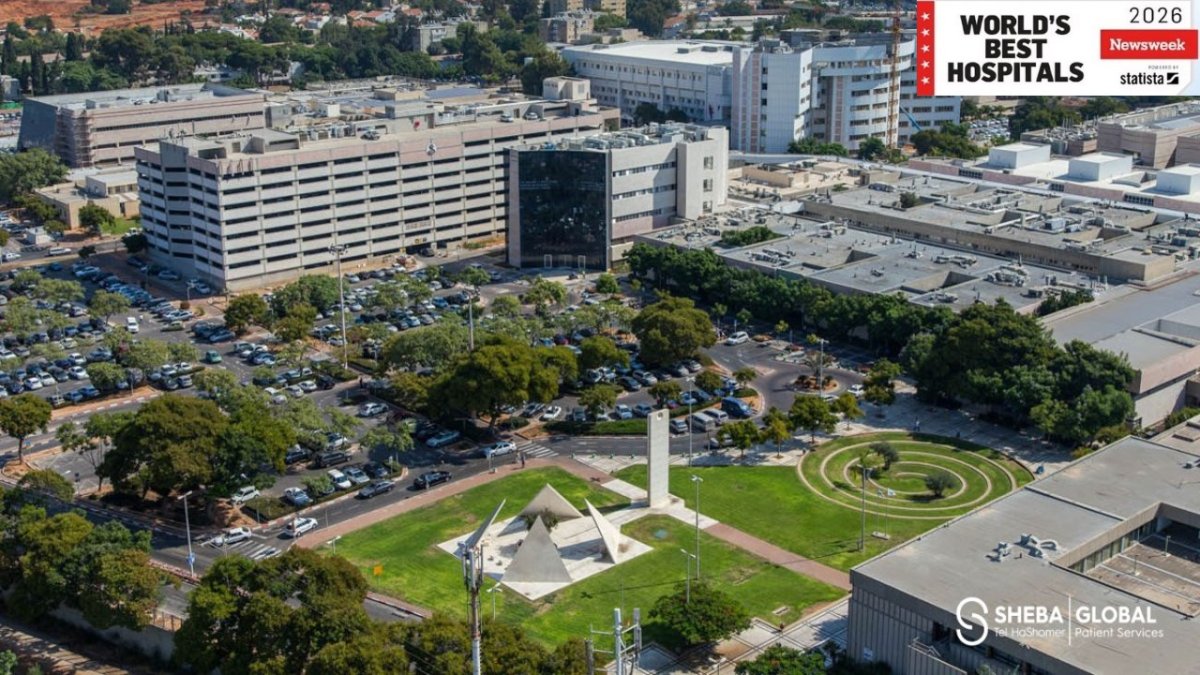
Sourasky Medical Center (Ichilov)
إسرائيل, Tel Aviv
Ofer Merimsky
41سنة خبره ١٦ سنة

الاعتمادات : 
العيادة معتمدة من قبل : 





تمت مراجعة المقالة طبيا من قبل
فهد مولود
| إسرائيل | تركيا | إسبانيا | |
|---|---|---|---|
| العلاج الكيميائي لسرطان الثدي | ≈ $22,500 | من $3,000 | من $1,700 |
| العلاج الإشعاعي لسرطان القولون والمستقيم | ≈ $14,000 | من $5,000 | من $7,500 |

تتخصص الدكتورة بيليس شارون في علاجات سرطان الكبد المعقدة، بما في ذلك التقنيات المتقدمة مثل علاج SIRT واستئصال الكبد في مركز سوراسكي الطبي.
يرأس البروفيسور ميريمسكي وحدة أورام الأنسجة الرخوة والعظام في مركز سوراسكي الطبي - أحد أفضل مستشفيات علاج السرطان في إسرائيل.

أكثر من _doctor_45_عاماً_ من الخبرة في مجال سرطانات الجهاز الهضمي. يرأس مركز الوقاية من السرطان في مركز سوراسكي الطبي (إيخيلوف).

الدكتور أرنون ناجلر هو طبيب أمراض دم في مركز شيبا الطبي في إسرائيل. وهو أستاذ في جامعة تل أبيب وخبير مشهور في زراعة الأعضاء. أسس الدكتور ناجلر أول بنك عام لدم الحبل السري في إسرائيل. كما أجرى أول عمليات زراعة لدم الحبل السري في البلاد. أكمل تدريبه بعد الدكتوراه في جامعة ستانفورد وهو حاصل على شهادة البورد في أمراض الدم.
 Anna Leonova
سرطان الكبد في المرحلة الثانية قابل للشفاء في إسرائيل من خلال الاستئصال الجراحي أو الزرع للمرضى المؤهلين. يعتمد النجاح على قابلية استئصال الورم ووظيفة الكبد السليمة. تبلغ مراكز طبية إسرائيلية مثل مركز سوراسكي الطبي عن معدلات نجاح في العلاج الأورامي تصل إلى 90% للأورام الموضعية في مراحلها المبكرة.
رؤية خبير Bookimed: غالبًا ما تستخدم المراكز الطبية الإسرائيلية أنظمة روبوتية متقدمة لاستئصال الكبد لتقليل أوقات التعافي. كان الدكتور إيدو ناخماني في مركز شيبا الطبي رائدًا في عمليات الاستئصال الروبوتية في المنطقة. يجب أن يلاحظ المرضى أن شيبا يعالج أكثر من 2 مليون فرد سنويًا. غالبًا ما يؤدي هذا الحجم الكبير إلى نتائج أفضل في جراحات الكبد والبنكرياس والقنوات الصفراوية المعقدة.
إجماع المرضى: يؤكد المرضى أن الجراحة توفر أفضل فرصة للسيطرة على المدى الطويل بدلاً من الشفاء المضمون. يقترحون التأكد من أن جراح الكبد والقنوات الصفراوية يؤكد أن الورم قابل للاستئصال بهوامش واضحة قبل السفر.
تشمل العلاجات البؤرية غير الجراحية في إسرائيل الاستئصال بالترددات الراديوية، والاستئصال بالموجات الدقيقة، والتحلل الكهربائي غير القابل للانعكاس باستخدام NanoKnife. تدمر هذه التقنيات طفيفة التوغل أورام الكبد من المرحلة الثانية دون الحاجة إلى شقوق كبيرة. تستخدم المراكز المتخصصة في تل أبيب وحيفا تصويراً متقدماً لاستهداف الآفات مع الحفاظ على أنسجة الكبد السليمة المحيطة.
رؤية خبير Bookimed: تتميز مراكز الأورام الإسرائيلية مثل شيبا وسوراسكي بالتخصص. الدكتور ألموج بن يعقوب في مركز شيبا الطبي مدرب خصيصاً على كل من NanoKnife والاستئصال بالموجات الدقيقة. هذه الخبرة المزدوجة حيوية لأن الاستئصال بالموجات الدقيقة يعالج مناطق أكبر بشكل أسرع. NanoKnife أكثر أماناً للأورام القريبة من الأوعية الدموية. اختيار طبيب حاصل على شهادات متعددة يضمن تطابق التكنولوجيا تماماً مع تشريح الورم.
إجماع المرضى: يشير المرضى إلى أنه من الضروري أن يقوم أخصائي الأشعة التداخلية بمراجعة الفحوصات بدلاً من الجراح فقط. وغالباً ما يذكرون أن الخطط المشترك
يُستخدم العلاج الإشعاعي الداخلي الانتقائي (SIRT) لسرطان الكبد في المرحلة الثانية لعلاج الأورام التي لا تستجيب للجراحة. يتضمن ذلك توصيل كريات مجهرية مشعة من نوع Y-90 مباشرة إلى الكبد عبر الأشعة التداخلية. يتم إجراء العمليات في مراكز معتمدة من قبل اللجنة الدولية المشتركة (JCI) في إسرائيل، بما في ذلك شيبا وسوراسكي.
رؤية خبير Bookimed: غالبًا ما تدمج مراكز الأورام الإسرائيلية علاج SIRT في الحالات المعقدة التي قد يتم رفضها في أماكن أخرى. يحافظ مركز سوراسكي الطبي على معدل نجاح في الأورام بنسبة 90% من خلال وحدات متخصصة. تتعامل المؤسسات الكبيرة مثل مركز شيبا الطبي مع أكثر من 1,900,000 مريض سنويًا. يسمح هذا الحجم الكبير للأطباء بتحسين معايير SIRT للمرضى في المراحل المبكرة. اختيار منشأة تجري أكثر من 30,000 عملية سنويًا يضمن الوصول إلى أحدث بروتوكولات تصوير الأوعية الدموية.
إجماع المرضى: يلاحظ المرضى أن SIRT غالبًا ما يتم تقديمه بعد مراجعة مجلس الأورام عندما لا تكون الجراحة خيارًا مباشرًا. على الرغم من أن التعافي قد يتضمن التعب والغثيان، إلا أن الكثيرين يقدرون وج
تشمل أفضل المستشفيات تقييماً في إسرائيل لعلاج سرطان الكبد مركز سوراسكي الطبي، ومركز شيبا الطبي، ومركز هداسا الطبي. توفر هذه المرافق المعتمدة من قبل اللجنة الدولية المشتركة (JCI) جراحة متقدمة للكبد والقنوات الصفراوية وعلاج SIRT. وهي تستخدم مجالس أورام متعددة التخصصات لتخصيص خطط العلاج للحالات الأورام المعقدة في كل مرحلة.
رؤية خبير Bookimed: بينما يختار الكثيرون المستشفيات بناءً على السمعة العامة، يتميز مركز شيبا الطبي بحجم العمليات الجراحية. أجرى الدكتور إيدو ناخماني في شيبا أول عمليات استئصال أورام روبوتية للمعدة والبنكرياس في إسرائيل. غالباً ما ترتبط أحجام العمليات الجراحية العالية في مثل هذه المراكز الأكاديمية الكبرى بنتائج أفضل في عمليات استئصال الكبد المعقدة.
إجماع المرضى: يؤكد المرضى على أهمية إعادة مراجعة التصوير من قبل أخصائي كبد. كما يوصون بالتأكد من أن المركز يوفر عمليات الاستئصال، والاستئصال بالتردد الحراري، والانصمام تحت سقف واحد.
من بين كبار المتخصصين في إسرائيل في علاج سرطان الكبد البروفيسور إيدو وولف والدكتور بيليس شارون في مركز سوراسكي الطبي. يتخصص كبار الجراحين مثل البروفيسور إيدو ناخماني في مركز شيبا الطبي في عمليات استئصال الكبد الروبوتية. يعمل هؤلاء الخبراء داخل مرافق معتمدة من اللجنة الدولية المشتركة (JCI) باستخدام بروتوكولات متقدمة للعلاج الإشعاعي الداخلي الانتقائي (SIRT).
رؤية خبير Bookimed: تُظهر البيانات تركيزًا عاليًا للأطباء المدرجين في قائمة فوربس في مركزي شيبا وهداسا. تدير هذه المراكز أكثر من 1,000,000 مريض سنويًا. كان كل من المتخصص الدكتور يوري غولدس والبروفيسور إيدو ناخماني رائدين في عمليات استئصال الكبد الروبوتية. يشير هذا إلى أن المرضى الذين يبحثون عن علاج للمرحلة الثانية يجب عليهم التحقق مما إذا كانت الخيارات الروبوتية متاحة لتعافي أسرع.
إجماع المرضى: يلاحظ المرضى أن اختيار جراحي الكبد والقنوات الصفراوية المتخصصين يؤدي إلى نتائج أفضل من اختيار أطباء الأورام العامين. يؤكد الكثيرو
تُعدّ إسرائيل مركزًا رائدًا في جراحة الأعصاب بفضل مزيجها من التطورات الطبية عالية التقنية والخبرات الجراحية المتميزة. وتستخدم مرافق متطورة مثل مركز شيبا الطبي أنظمة ملاحة تعتمد على الذكاء الاصطناعي والتصوير بالرنين المغناطيسي أثناء الجراحة في الوقت الفعلي. وتشير المراكز المتخصصة إلى نسبة نجاح تصل إلى 98% في العمليات الجراحية المعقدة، بما في ذلك جراحة الدماغ مع اليقظة وعلاج اضطرابات الحركة.
رأي خبراء بوكيمد: تُظهر البيانات فرقًا واضحًا بين خيارات العلاج في القطاعين العام والخاص في إسرائيل. تُجري المراكز الخاصة، مثل مركز أسوتا الطبي، أكثر من 92,000 عملية جراحية سنويًا، وتتيح للمرضى اختيار جراح را
يعالج جراحو الأعصاب الإسرائيليون طيفاً واسعاً من الحالات، بدءاً من أورام الدماغ والحبل الشوكي وصولاً إلى الاضطرابات الوظيفية المعقدة. وتستخدم المراكز المتخصصة أحدث التقنيات، مثل جهاز جاما نايف، والتحفيز العميق للدماغ، والتصوير بالرنين المغناطيسي أثناء الجراحة، لتشخيص دقيق للغاية لحالات الصرع، ومرض باركنسون، وأمراض الأوعية الدموية الدماغية.
رأي خبراء بوكيمد: غالبًا ما تجمع المستشفيات الإسرائيلية بين تخصصات طبية متعددة لمعالجة الحالات المعقدة. ففي مركز سوراسكي ا
تضم إسرائيل مراكز جراحة أعصاب عالمية المستوى، مثل مركز سوراسكي الطبي، ومركز شيبا الطبي، ومركز هداسا الطبي. وتُعدّ هذه المؤسسات رائدة عالميًا في علاج أورام الدماغ المعقدة، وأمراض العمود الفقري، واضطرابات الحركة. وتستخدم أحدث التقنيات، مثل جهاز جاما نايف، والأنظمة الروبوتية، والتصوير بالرنين المغناطيسي أثناء الجراحة.
رأي خبراء بوكيمد: تُظهر بياناتنا أنه بينما يلجأ معظم المرضى للعلاج في تل أبيب، يُقدّم مركز رامبام الطبي في حيفا رعايةً فريدةً لإصابات الدماغ. فهو يضم وحدةً متخصصةً للعناية المركزة العصبية تُعالج ما يقارب مليون مريض سنويًا. وهذا ما يجعله
من بين أبرز جراحي الأعصاب الإسرائيليين البروفيسور تسفي رام، والبروفيسور شلومي كونستانتيني، والبروفيسور إسحاق فريد من مركز سوراسكي الطبي. ويشغل هؤلاء المتخصصون مناصب قيادية في الجمعية الأوروبية لجمعيات جراحة الأعصاب (EANS) والجمعية العالمية لجراحة الأعصاب التجسيمية والوظيفية (WSSFN). ويستخدمون تقنيات رسم الخرائط المتقدمة أثناء الجراحة وأنظمة الروبوتات.
رأي خبراء بوكيمد: تشير بيانات مركز سوراسكي وشيبا إلى وجود علاقة وثيقة بين ارتفاع عدد العمليات الجراحية وسلامة المرضى. فعلى سبيل المثال، يُجري مركز سوراسكي أكثر من 34,000 عملية جراحية لعلاج الأورام سنويًا بنسبة نجاح تصل إلى 90%. لذا، ينبغي على المرضى الذين يحتاجون إلى استئصال أورام معقدة إعطاء الأولوية لمراكز كهذه، حيث يُجري الجراحون مئات العمليات الجراحية ا
يجب على المرضى الأجانب الذين يحتاجون إلى علاج جراحي للأعصاب في إسرائيل تقديم وثائق طبية كاملة، بما في ذلك نتائج التصوير بالرنين المغناطيسي أو التصوير المقطعي المحوسب الحديثة، مترجمة إلى اللغة الإنجليزية. يتطلب دخول المستشفى فحصًا سريريًا من قبل أخصائيين للتأكد من ملاءمة المريض للعلاج. غالبًا ما تطلب المستشفيات دفعًا مسبقًا كاملًا أو دفعة مقدمة كبيرة قبل تأكيد مواعيد الجراحة أو إصدار وثائق التأشيرة.
رأي خبراء بوكيمد: تُظهر البيانات أن المؤسسات الطبية الإسرائيلية الرائدة، مثل مركز شيبا الطبي ومركز هداسا الطبي، تستقبل عددًا هائلًا من المرضى، يتجاوز مليون مريض سنويًا. هذا الطلب المرتفع يعني أن العيادات تُعطي الأول