علاج مرحلة سرطان الكبد 2 في إسبانيا — احصل على 3 عيادات مختارة خصيصاً لك


تمت مراجعة المقالة طبيا من قبل
فهد مولود
كيف نعمل؟
ما هي تكلفة مرحلة سرطان الكبد 2 إجراءات التشخيص والعلاج في إسبانيا؟ اعرف الآن
تبدأ تكلفة علاج سرطان الكبد في المرحلة الثانية في إسبانيا عادةً باستشارة طبيب الأورام، والتي تتراوح ما بين $280 إلى $450. من $1,700. تعتمد النفقات على مستوى المستشفى، وتعقيد الورم، ومدة الإقامة. غالباً ما يجد المرضى توفيراً بنسبة 40-60% مقارنة بالولايات المتحدة. تعد برشلونة ومدريد المركزين الرئيسيين لهذا العلاج.
تكاليف علاج سرطان الكبد في المرحلة الثانية في إسبانيا
- استشارة طبيب الأورام: $280 – $450
- العلاج الكيميائي لسرطان الثدي: من $1,700
- العلاج الإشعاعي لسرطان القولون والمستقيم: من $7,500
رؤية خبراء Bookimed: يجب على مرضى المراحل المبكرة الذين يحتاجون إلى جراحة معقدة التفكير في المراكز المعتمدة من اللجنة الدولية المشتركة (JCI) مثل Centro Médico Teknon. يقدم الدكتور دومينيكو سابيا هناك خبرة تمتد لـ 15 عاماً في الجراحة الروبوتية وجراحة الكبد والقنوات الصفراوية. بالنسبة لأولئك الذين يحتاجون إلى علاج إشعاعي متقدم، توفر عيادات GenesisCare تقنيات متخصصة مثل CyberKnife. تعد الرعاية متعددة التخصصات في HM Sanchinarro الأفضل للمرضى الذين يبحثون عن برامج رائدة للخزعة السائلة وخدمات الأورام المتكاملة.
| تركيا | إسبانيا | ألمانيا | |
|---|---|---|---|
| العلاج الكيميائي لسرطان الثدي | من $3,000 | من $1,700 | من $2,200 |
| العلاج الإشعاعي لسرطان القولون والمستقيم | من $5,000 | من $7,500 | من $10,000 |
اكتشف أفضل مرحلة سرطان الكبد 2 العيادات في إسبانيا: 6 خيارات معتمدة والأسعار










GenesisCare Clinics

Hospital HM Sanchinarro
Antonio Cubillo Gracián



احصلوا على تقييم طبي لـ مرحلة سرطان الكبد 2 في إسبانيا: استشيروا أطباء ذوي خبرة الآن
عرض جميع الأطباء
Domenico Sabia
يتخصص الدكتور سابيا في جراحات الكبد والبطن المعقدة في مركز تكنون الطبي (Centro Médico Teknon)، حيث يدمج تقنيات تنظير البطن والجراحة الروبوتية المتقدمة لعلاج سرطان الكبد.
- يجري جراحات لسرطان الكبد والبنكرياس في مستشفيات جامعية كبرى
- خبير في جراحة الكبد المتقدمة بالمنظار والجراحة الروبوتية
- باحث رئيسي في التجارب السريرية الوطنية والدولية في مجال جراحة الأورام
- عضو نشط في الجمعيات الأوروبية والدولية لجراحة سرطان الصفاق
- مؤلف لمنشورات علمية هامة حول جراحة سرطان البطن المتقدمة

Lopez Ibor
تتخصص الدكتورة لوبيز-إيبور في طب أورام الأطفال مع أكثر من 32 سنة من الخبرة، وتترأس حالياً وحدة أمراض الدم والأورام لدى الأطفال في مستشفى HM Montepríncipe.
- خبير في علاج أورام العظام والدماغ
- متخصصة في سرطان الدم وأمراض الدم
- تدربت في جامعة ميريلاند في تخصص أمراض الدم والأورام لدى الأطفال
- مؤلفة للعديد من المنشورات العلمية الوطنية والدولية
Antonio Cubillo Gracián
يدير البروفيسور كوبيلو غراسيان أبحاث الدراسات العليا في علم الأورام في HM CIOCC، مع التركيز على سرطانات الجهاز الهضمي والكبد.
- يدرس علم الأورام وعلم الأمراض في جامعة USP CEU
- يقود دورات دولية حول أورام الجهاز الهضمي
- تدرب في مركز إم دي أندرسون للسرطان في مجال التغذية والسرطان
- يشرف على طلاب الطب والمقيمين في علم الأورام
- متخصص في البحوث السريرية والتطبيقية في علم الأورام
مشاركة المحتوى
قصص فيديو من مرضى Bookimed
 Anna Leonova
أسئلة متكررة حول علاج مرحلة سرطان الكبد 2 في إسبانيا
ماذا يعني سرطان الكبد في المرحلة الثانية بالضبط بالنسبة لخيارات علاجي؟
يتضمن سرطان الكبد في المرحلة الثانية ورماً واحداً يغزو الأوعية الدموية أو أوراماً متعددة يقل حجمها عن 5 سنتيمترات. توفر مراكز الأورام الإسبانية خيارات علاجية مثل الاستئصال الجراحي أو زراعة الكبد. تشمل البدائل غير الجراحية علاجات موضعية مستهدفة مثل الاستئصال بالموجات الدقيقة أو الانصمام الكيميائي عبر الشرايين (TACE) للتحكم في نمو الورم بفعالية.
- الاستئصال الجراحي: يقوم الجراحون بإزالة الورم والحواف السليمة للقضاء على السرطان الموضعي.
- زراعة الكبد: تقوم مراكز متخصصة بإجراء عمليات الزراعة إذا كان تليف الكبد يمنع الإزالة الجراحية الآمنة للورم.
- استئصال الورم: يستخدم الأطباء الحرارة أو البرودة عبر الإبر لتدمير الخلايا السرطانية مباشرة.
- علاج الانصمام: تعمل إجراءات TACE أو TARE على سد إمدادات الدم لتجويع الورم.
رؤية خبير Bookimed: بينما يركز الكثيرون فقط على الجراحة، تستخدم المراكز الرائدة في إسبانيا مثل Centro Médico Teknon وClinica Universidad de Navarra مجالس أورام متعددة التخصصات. غالباً ما تجمع هذه الفرق بين الجراحة الروبوتية والاستئصال المتقدم لحالات المرحلة الثانية. يساعد هذا النهج المزدوج في الحفاظ على أنسجة كبد سليمة أكثر من الجراحة التقليدية وحدها. تدير العيادات الحاصلة على اعتماد JCI في إسبانيا أكثر من 10,000 حالة أورام سنوياً، مما يوفر قاعدة خبرة عميقة للحالات المعقدة.
إجماع المرضى: يؤكد المرضى أن وظائف الكبد غالباً ما تملي العلاج أكثر من المرحلة نفسها. يوصون بتأكيد الأهلية للزراعة في وقت مبكر وطلب آراء ثانية ف
هل يمكن علاج سرطان الكبد في المرحلة الثانية بدون زراعة كبد كاملة؟
يمكن علاج سرطان الكبد في المرحلة الثانية بدون زراعة كاملة من خلال استئصال الكبد الجزئي. يقوم الجراحون بإزالة الورم الموضعي والهامش المحيط به. يوفر هذا علاجاً نهائياً إذا كان باقي الكبد سليماً. تقدم المراكز الإسبانية أيضاً الاستئصال والتحصين لتحقيق هدوء طويل الأمد.
- استئصال الكبد الجزئي: يقوم الجراحون بإزالة الورم جسدياً مع الحفاظ على أجزاء الكبد السليمة.
- الاستئصال الحراري: يستخدم الأطباء الحرارة أو البرودة الشديدة لتدمير الخلايا السرطانية محلياً.
- علاج التحصين: تعمل حبيبات مشعة أو كيميائية على سد إمدادات الدم إلى الورم.
- معايير متخصصة: يتطلب الاستئصال وظائف كبد محفوظة وعدم وجود ارتفاع ضغط وريدي بابي حاد.
رؤية خبير Bookimed: تحتل إسبانيا المرتبة الثالثة عالمياً في الطلبات الطبية في شبكتنا. تظهر البيانات أن المراكز الرائدة مثل Clínica Universidad de Navarra وCentro Médico Teknon تدمج جراحة الأورام مع أقسام زراعة الأعضاء. يسمح هذا للجراحين بالتبديل بين استراتيجيات الاستئصال والزراعة بناءً على تقييمات وظائف الكبد في الوقت الفعلي أثناء تقييمك الأولي.
إجماع المرضى: يشير المرضى إلى أن المرحلة الثانية لا تعني تلقائياً ضرورة إجراء زراعة. يؤكد الكثيرون على أهمية العثور على فرق تتمتع بخبرة جراحية وخبرة في زراعة الأعضاء لضمان استكشاف جميع الخيارات العلاجية.
ماذا يحدث إذا لم أكن مرشحاً للجراحة المفتوحة؟
ينتقل المرضى غير المؤهلين للجراحة المفتوحة إلى علاجات أقل توغلاً مثل الاستئصال بالموجات الدقيقة أو الاستئصال بالترددات الراديوية. تستخدم مراكز الأورام الإسبانية أيضاً أنظمة روبوتية مثل Da Vinci Xi لإزالة الأورام بدقة. إذا كانت الجراحة المحلية غير آمنة، فقد يقترح المتخصصون الانصمام أو العلاج المناعي الجهازي للسيطرة على تطور المرض.
- خيارات طفيفة التوغل: تقلل الأنظمة الروبوتية أو التنظيرية من الصدمات الجراحية وتسرع التعافي في المستشفى.
- تقنيات الاستئصال: تدمر طاقة الموجات الدقيقة أو الترددات الراديوية الأورام الصغيرة دون الحاجة إلى أي شقوق جراحية.
- العلاجات المعتمدة على القسطرة: تقدم العلاجات الموجهة مثل TACE أو TARE العلاج مباشرة عبر الأوعية الدموية للكبد.
- تقييم الزرع: يقوم المتخصصون بتقييم الأهلية لزراعة الكبد إذا كان عبء الورم ووظائف الكبد متوافقين.
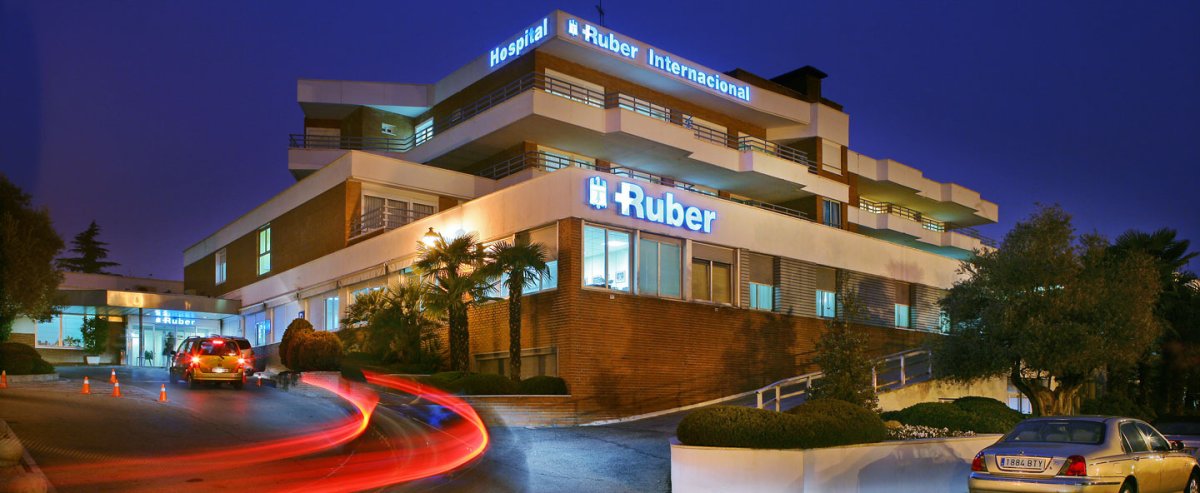
رؤية خبير Bookimed: تركز المراكز الإسبانية مثل مستشفى روبير الدولي (Hospital Ruber Internacional) ومركز تكنون الطبي (Centro Médico Teknon) بشكل كبير على المراجعات متعددة التخصصات. تظهر البيانات أن المراكز ذات الحجم الكبير التي تجري أكثر من 23,000 عملية جراحية سنوياً غالباً ما توفر بدائل روبوتية متخصصة. يجب على المرضى السؤال عما إذا كان تقليص الورم عن طريق العلاج الموجه يمكن أن يجعلهم في النهاية مرشحين للجراحة. هذا النهج المرحلي هو استراتيجية شائعة في المرافق ذات التصنيف العالي في مدريد وبرشلونة.
إجماع المرضى: يشير المرضى إلى أن استبعادهم من الجراحة غالباً ما يفتح الباب أ
لماذا تُعتبر إسبانيا وجهة رائدة لعلاج سرطان الكبد؟
تقود إسبانيا مجال علاج سرطان الكبد من خلال تأسيس نظام تصنيف "برشلونة لسرطان الكبد" (BCLC) المستخدم في جميع أنحاء العالم. وتضمن معدلات التبرع بالأعضاء التي تسجل أرقاماً قياسية عالمية فترات انتظار أقصر لعمليات الزرع. توفر المراكز المعتمدة من قبل اللجنة الدولية المشتركة (JCI) مثل عيادة جامعة نافارا (Clinica Universidad de Navarra) علاجاً متخصصاً بالبروتونات وفرقاً متعددة التخصصات للحالات المعقدة.
- الريادة في التصنيف: طور الخبراء الإسبان نظام BCLC لاختيار العلاج بدقة.
- بنية تحتية للزراعة: تحافظ إسبانيا على أعلى معدلات عالمية للتبرع بالأعضاء لإجراء الجراحات بشكل أسرع.
- تكنولوجيا متقدمة: تستخدم العيادات تقنيات CyberKnife وGamma Knife والعلاج بحزمة البروتونات للأورام.
- فرق جراحية خبيرة: يقوم متخصصون مثل الدكتور دومينيكو سابيا في تكنون (Teknon) بإجراءات تنظيرية متقدمة.
رؤية خبير Bookimed: بينما تقدم العديد من الدول خدمات الأورام، تكمن ميزة إسبانيا في حجم المستشفيات والنطاق التخصصي. تبلغ مستشفيات HM عن 2.3 مليون مريض خارجي سنوياً. يسمح هذا الحجم الهائل من الحالات للمجالس الإسبانية متعددة التخصصات بتحسين البروتوكولات بشكل أسرع من المراكز ذات معدل دوران المرضى الأقل.
إجماع المرضى: يشير المرضى إلى أن المستشفيات الإسبانية تتفوق في تنسيق فرق أمراض الكبد والجراحة بسرعة. يوصي الكثيرون بالحصول على مراجعة ثانية للتصوير في إسبانيا للتأكد مما إذا كان الاستئصال أو الزرع ممكناً.
ما هي أفضل المستشفيات في إسبانيا لعلاج سرطان الكبد في المرحلة الثانية؟
تشمل أفضل المستشفيات الإسبانية لعلاج سرطان الكبد في المرحلة الثانية مركز Centro Médico Teknon، وClínica Universidad de Navarra، وHospital Ruber Internacional. توفر هذه المرافق المعتمدة من قبل JCI رعاية متعددة التخصصات. تستخدم الفرق المتخصصة الاستئصال بالمنظار، والجراحة الروبوتية، والعلاج الإشعاعي الموضعي المتقدم (Y90) لعلاج الأورام الموضعية والغزو الوعائي.
- الدقة الجراحية: يقوم الدكتور دومينيكو سابيا في Teknon بإجراء عمليات استئصال كبد روبوتية وبالمنظار متقدمة.
- التكنولوجيا المتقدمة: يستخدم Ruber Internacional تقنيات CyberKnife وGamma Knife ICON لاستهداف الأورام بطريقة غير جراحية.
- طب الأورام التداخلي: تتخصص Clínica Universidad de Navarra في العلاج الإشعاعي الموضعي Y90 لأورام الكبد الموضعية.
- حجم المرضى: يعالج مستشفى Hospital Universitario HM Madrid أكثر من 2.3 مليون مريض خارجي سنوياً عبر تخصصات الأورام.
رؤية خبير Bookimed: تحتل إسبانيا المرتبة الثالثة عالمياً في شبكتنا للأورام للطلبات المتخصصة. بينما يبحث الكثيرون عن مراكز ذات علامات تجارية معروفة، توفر مجموعات ذات حجم كبير مثل HM Hospitales وصولاً فريداً. فهي تجري أكثر من 26,000 جراحة سنوياً عبر 7 مراكز. يضمن هذا الحجم الهائل احتفاظ الجراحين بالمهارات التقنية المحددة المطلوبة لاستئصال الكبد المعقد.
إجماع المرضى: يؤكد المرضى على أهمية رؤية جراح الكبد والقنوات الصفراوية في وقت مبكر للتأكد مما إذا كان الورم قابلاً للاستئصال. يلاحظ الكثيرون أن إحضار الفحوصات الكاملة وت
ما مدى سرعة الحصول على استشارة وبدء العلاج؟
في إسبانيا، تتم استشارات الأورام الخاصة عادةً في غضون 3 إلى 14 يومًا. يمكن للمراكز المعتمدة من قبل اللجنة الدولية المشتركة (JCI) مثل Centro Médico Teknon أو Clinica Universidad de Navarra تسريع هذه العملية. غالبًا ما يبدأ علاج سرطان الكبد في المرحلة الثانية بعد فترة وجيزة من مراجعة مجلس الأورام متعدد التخصصات لنتائج الفحوصات الخاصة بك.
- الوصول إلى المتخصصين: تتم الاستشارات الخاصة مع أطباء الأورام عادةً في غضون أسبوع إلى أسبوعين.
- سرعة التشخيص: تستخدم عيادات مثل Hospital Ruber Internacional التصوير بالرنين المغناطيسي بقوة 3 تسلا لتحديد المرحلة بدقة وسرعة.
- بدء العلاج: يبدأ العلاج عادةً في غضون أيام بعد تأكيد مجلس الأورام للخطة.
- التأخير الإداري: إحضار تقارير علم الأمراض وأقراص التصوير يمنع أسابيع من الاختبارات المتكررة.
رؤية خبير Bookimed: تدير المستشفيات الإسبانية المعتمدة من JCI أعدادًا هائلة من المرضى، حيث تتعامل HM Hospitales مع 2.3 مليون مريض خارجي سنويًا. يضمن هذا التدفق العالي كفاءة مسارات التشخيص للغاية. يمكنك غالبًا تحديد موعد استشارة في Centro Médico Teknon بينما لا تزال سجلاتك المحلية قيد الرقمنة، مما قد يوفر 10 أيام من وقت الانتظار.
إجماع المرضى: يشير المرضى إلى أن الرعاية الخاصة أسرع بكثير من النظام العام. ويؤكدون على أهمية الوصول مع جميع أقراص التصوير وتقارير علم الأمراض جاهزة لتجنب ضياع أسابيع في اختبارات متكررة.
هل تدعم المستشفيات الإسبانية المرضى الدوليين الذين لا يتحدثون الإسبانية؟
توفر المستشفيات الخاصة الإسبانية دعمًا واسعًا لغير الناطقين بالإسبانية من خلال أقسام دولية مخصصة ومنسقين طبيين محترفين. تعالج مرافق مثل Centro Médico Teknon و Hospital Ruber Internacional المرضى الدوليين بشكل متكرر. وهي توفر موظفين متعددي اللغات وأطباء أورام يتحدثون الإنجليزية لضمان تواصل واضح أثناء العلاجات المعقدة.
- الأقسام الدولية: توفر المراكز الخاصة منسقين مخصصين للمساعدة في الخدمات اللوجستية والترجمة.
- أطباء أورام متخصصون: غالبًا ما يتمتع أطباء مثل الدكتور أنطونيو كوبيلو غراسيان بتدريب دولي.
- مرافق معتمدة: تتبع المستشفيات المعتمدة من قبل JCI المعايير العالمية لتواصل المرضى وسلامتهم.
- المساعدة اللغوية: تستخدم المستشفيات مترجمين فوريين محترفين أو أنظمة عن بعد للتفاعلات الطبية الروتينية.
رؤية خبير Bookimed: غالبًا ما تتمتع المراكز ذات الحجم الكبير مثل Clinica Universidad de Navarra، التي عالجت مرضى من 70 دولة، بدعم لغوي أقوى من العيادات الأصغر. في حين أن المستشفيات العامة تقدم رعاية ممتازة، فإن المرافق الخاصة في مدريد وبرشلونة مجهزة بشكل أفضل لغير الناطقين بالإسبانية. غالبًا ما تشمل هذه المراكز منسقين طبيين يديرون كل شيء بدءًا من جدولة المواعيد وحتى ترجمة تعليمات ما بعد الإجراء.
إجماع المرضى: يلاحظ المرضى أنه على الرغم من أن الأطباء غالبًا ما يفهمون الإنجليزية، إلا أن الموظفين الروتينيين والنماذج الإدارية قد تكون صعبة. يقترح الكثيرون إحضار سجلات طبية مترجمة وإعداد أسئلة مكتوبة لضمان عدم تفويت أي شيء أثناء استشارات