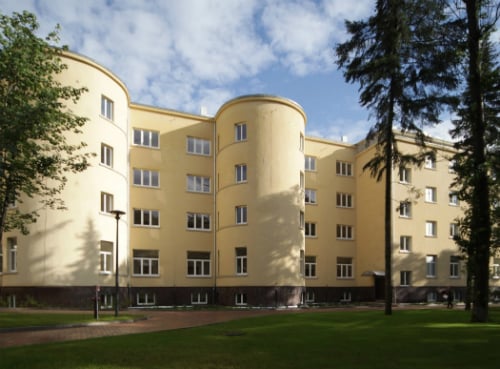
University Hospital in Krakow
بولندا, كراكوف


تمت مراجعة المقالة طبيا من قبل
فهد مولود
تتأثر تكلفة علاج سرطان الحنجرة في بولندا بالنهج الجراحي ومرحلة المرض. من $1,300. وعادة ما تتراوح تكلفة جراحة الليزر الطبيعية لسرطان الحنجرة بين $3,800 و $6,800. وغالباً ما يوفر المرضى ما بين 40-60% مقارنة بالأسعار الطبية في الولايات المتحدة. تقع أفضل مراكز العلاج في كراكوف ووارسو وفيليشيف.
تكاليف علاج سرطان الحنجرة النموذجية في بولندا
رؤية خبراء Bookimed: تتطلب حالات سرطان الحنجرة المتقدمة فرقاً متعددة التخصصات. يوفر المستشفى الجامعي في كراكوف نطاقاً واسعاً من الخدمات من خلال 103 أقسام متخصصة. بالنسبة للمرضى الذين يبحثون عن دقة غير جراحية، يوفر معهد الجراحة السيبرانية تقنية CyberKnife الفريدة. يستفيد المرضى في المراحل المبكرة من المراكز القريبة من وارسو مثل المركز الصحي الأوروبي في أوتفوك، حيث يديرون القسم الوحيد في بولندا لأمراض القلب والأورام متعدد التخصصات لمراقبة العلاج بشكل أكثر أماناً.
| بولندا | تركيا | إسبانيا | |
|---|---|---|---|
| جراحة الليزر لسرطان الحنجرة | ≈ $3,800 | من $6,000 | من $8,000 |
| العلاج بالبروتون (انظر العلاج بحزم البروتون) | ≈ $85,000 | من $25,000 | من $43,300 |
| العلاج الكيميائي لسرطان الحنجرة | ≈ $3,200 | ≈ $2,800 | من $1,600 |
| العلاج الإشعاعي لسرطان الحنجرة | ≈ $6,500 | من $5,000 | من $14,000 |
| استئصال سرطان الحنجرة | ≈ $15,000 | من $10,000 | من $25,000 |
Bookimed لا يضيف رسوماً إضافية على أسعار علاج سرطان الحنجرة. الأسعار مأخوذة من قوائم الأسعار الرسمية للعيادات. تدفع مباشرة في العيادة مقابل علاجك عند وصولك إلى البلد.
Bookimed ملتزم بسلامتك. نحن نعمل فقط مع المؤسسات الطبية التي تحافظ على معايير دولية عالية في علاج سرطان الحنجرة ولديها التراخيص اللازمة لخدمة المرضى الدوليين في جميع أنحاء العالم.
Bookimed يقدم مساعدة خبراء مجانية. منسق طبي شخصي يدعمك قبل وأثناء وبعد العلاج، ويحل أي مشاكل. لن تكون وحيداً أبداً في رحلة علاج سرطان الحنجرة.


 Anna Leonova
يعطي العلاج الأساسي لسرطان الحنجرة في بولندا الأولوية للحفاظ على الأعضاء من خلال رعاية متعددة التخصصات. يستخدم الأطباء استئصال الحبل الصوتي بالليزر CO2 للحالات المبكرة. تتطلب الأورام المتقدمة علاجاً كيميائياً وإشعاعياً متزامناً أو استئصال الحنجرة الكلي. تستخدم المراكز البولندية مثل مستشفى جامعة كراكوف العلاج الإشعاعي المعدل الشدة (IMRT) لتقليل السمية أثناء العلاج.
رؤية خبير Bookimed: تشير البيانات الصادرة عن مستشفى جامعة كراكوف، الذي يخدم 455,000 مريض سنوياً، إلى أن المراكز الأكاديمية ذات الحجم الكبير ضرورية لإدارة حالات الرأس والرقبة المعقدة. توفر هذه المراكز إمكانية الوصول إلى مجموعة واسعة من المتخصصين، بما في ذلك معالجي النطق وأخصائيي التغذية، وهو أمر بالغ الأهمية لأن الرعاية المنسقة تحسن بشكل كبير النتائج الوظيفية مثل البلع والتحدث.
إجماع المرضى: يؤكد المرضى أن الحفاظ على صندوق الصوت يمثل أولوية قصوى، لكنهم غالباً ما يواجهون تحديات غير متوقعة تتعلق بصعوبات البلع على المدى الطويل. ينصح الكثيرون ببدء علاج ا
تقدم العيادات البولندية علاجاً فعالاً لسرطان الحنجرة مع التركيز على بروتوكولات الحفاظ على الصوت. تصل معدلات البقاء على قيد الحياة لحالات المرحلة الأولى إلى 86%، بينما يبلغ متوسط المرحلة الثانية 71%. تستخدم المراكز المتخصصة الجراحة المجهرية بالليزر عبر الفم والأنظمة الروبوتية للحفاظ على وظائف الكلام والبلع أثناء عملية التعافي.
رؤية خبير Bookimed: يفضل مشهد العلاج في بولندا المراكز الكبيرة متعددة التخصصات للحالات المعقدة. يخدم المستشفى الجامعي في كراكوف 455,000 مريض سنوياً، ويقدم خبرة عميقة في طب الأورام عالي الكثافة. غالباً ما يؤدي اختيار مرفق خاص مثل المركز الأوروبي للصحة في أوتفوك إلى تسريع الجدول الزمني للتشخيص. يعد تقليل أوقات الانتظار أمراً بالغ الأهمية لمنع تطور الورم من المراحل الموضعية إلى المراحل المتقدمة.
إجماع المرضى: يؤكد المرضى أن بدء العلاج بسرعة أهم من شهرة المستشفى. يعطي الكثيرون الأولوية للحفاظ على الصوت وجودة الحياة عند البلع أكثر من مجرد إحصائيات البقاء على قيد ا
تضم بولندا العديد من المراكز المعترف بها دوليًا لعلاج سرطان الحنجرة. تشمل المرافق الرائدة المعهد الوطني للبحوث ماريا سكلودوفسكا-كوري والمستشفى الجامعي في كراكوف. تستخدم هذه المؤسسات جراحة الليزر المتقدمة والعلاج بحزمة البروتون. وهي تعطي الأولوية لبروتوكولات الحفاظ على الأعضاء للأورام الخبيثة المعقدة في الرأس والرقبة.
رؤية خبير Bookimed: يعد حجم المرضى مؤشرًا رئيسيًا للجودة في طب الأورام البولندي. يدير المستشفى الجامعي في كراكوف أكثر من 450,000 حالة سنويًا. يضمن هذا النطاق الهائل أن الأطباء قد رأوا حتى أندر أنواع أورام الحنجرة. غالبًا ما يؤدي هذا العمق السريري إلى تخطيط علاج أكثر دقة مقارنة بالعيادات المحلية الأصغر.
إجماع المرضى: يشير المرضى إلى أن اختيار مراكز ذات حجم كبير في المدن الكبرى مثل وارسو أو كراكوف أمر حيوي. ويؤكدون على أهمية التحقق مما إذا كان المرفق يوفر إعادة تأهيل متخصصة للنطق والبلع بعد الجراحة.
يؤثر علاج سرطان الحنجرة في بولندا على الصوت والتنفس والأكل بناءً على نوع الإجراء. يسبب الإشعاع بحة في الصوت أو جفافًا. قد تتطلب الجراحة إعادة توجيه مجرى الهواء من خلال فغرة عنقية دائمة. تستخدم مراكز الأورام البولندية جراحة الليزر والعلاج بالبروتونات للحفاظ على الوظائف كلما أمكن ذلك.
رؤية خبير Bookimed: تظهر البيانات من المراكز البولندية الكبرى مثل مستشفى جامعة كراكوف أن أحجام المرضى الكبيرة - أكثر من 450,000 سنوياً - تدفع نحو التخصص في الرعاية متعددة التخصصات. بالنسبة لحالات الحنجرة، يعني هذا الحجم أن الجراحين غالباً ما يعطون الأولوية للتقنيات المساعدة بالليزر على الإزالة الجذرية. يهدف هذا النهج إلى الحفاظ على القدرة البدنية على البلع والتحدث بشكل طبيعي، وهو ما يعد ميزة رئيسية تميزه عن البروتوكولات الجراحية القياسية.
إجماع المرضى: يشير المرضى إلى أن تغيرات الصوت هي التحدي العاطفي الأكثر صعوبة، لكن التنفس عبر الفغرة يصبح قابلاً للإدارة مع مرور الوقت. يؤكد الكثيرون أن تعلم طرق تواصل جديدة يتط
يضم فريق إعادة التأهيل الخاص بك في بولندا أطباء أورام، وجراحي أنف وأذن وحنجرة، وأخصائيي نطق ولغة متخصصين. يركزون على استعادة وظائف الكلام والبلع بعد إجراءات مثل استئصال الحنجرة. هذه الرعاية متعددة التخصصات هي المعيار في المستشفيات الأكاديمية الكبرى في مدن مثل كراكوف ووارسو.
رؤية خبير Bookimed: على الرغم من وجود مراكز خاصة، إلا أن المرافق الكبرى مثل مستشفى الجامعة في كراكوف توفر تنسيقًا متعدد التخصصات متفوقًا. تخدم هذه العيادة أكثر من 450,000 مريض سنويًا عبر 103 أقسام متنوعة. توفر المراكز الكبيرة وصولاً أفضل إلى استشاريين متخصصين مثل أخصائيي علم نفس الحنجرة. هذه الرعاية الموحدة تقلل من الفجوات في جدول تعافيك.
إجماع المرضى: يؤكد المرضى على أهمية العثور على أخصائي نطق متخصص في وقت مبكر لمنع مشاكل الكلام طويلة المدى. يشير الكثيرون إلى أن الدعم العاطفي حيوي ولكنه غالبًا ما يتطلب طلبًا استباقيًا من الفريق السريري.
انخفضت معدلات استئصال الحنجرة الكلي في بولندا بشكل ملحوظ مع تحول الأطباء نحو بروتوكولات الحفاظ على الأعضاء. تظهر البيانات الوطنية أن الجراحة الجذرية انخفضت من 52.8% إلى 33.7% من الحالات. تستخدم مرافق مثل المستشفى الجامعي في كراكوف معدات تقنية كبدائل طفيفة التوغل للحفاظ على قدرة المريض على الكلام.
رؤية خبير Bookimed: صعدت بولندا إلى المرتبة السابعة عالميًا في شبكتنا الطبية. هذا النمو مدفوع بمراكز متخصصة مثل المركز الأوروبي للصحة في أوتفوك. إنهم يقدمون رعاية متداخلة التخصصات في طب القلب والأورام. يسمح هذا النهج المتخصص بعلاجات معقدة لسرطان الحنجرة للمرضى الذين يعانون من أمراض القلب. تتعامل المستشفيات هنا مع أحجام هائلة، حيث تخدم كراكوف وحدها 455,000 مريض سنويًا.
إجماع المرضى: يشير المرضى إلى أنه على الرغم من تفضيل طرق الإشعاع والليزر الأحدث للمراحل المبكرة، يظل استئصال الحنجرة خيار إنقاذ حيوي للأورام المتقدمة أو المتكررة. ويؤكدون أن اختيار العلاج يعتمد بشكل كبير على مرحلة السرطان وليس فقط على توفر التكنولوجيا.
توفر بولندا خيارات متقدمة طفيفة التوغل ودقيقة لعلاج سرطان الحنجرة. يستخدم الجراحون تقنيات مجهرية حنجرية متخصصة وجراحة الليزر بالمنظار لإزالة الأورام بدقة عالية. تدمج المراكز الرائدة مثل مستشفى جامعة كراكوف ومعاهد الأورام المتخصصة هذه الأساليب للحفاظ على وظائف الكلام والبلع.
رؤية خبراء Bookimed: يُظهر مشهد الأورام في بولندا تركيزاً فريداً للخبرة في المراكز الجامعية. على سبيل المثال، يدير مستشفى جامعة كراكوف أكثر من 450,000 مريض سنوياً عبر 103 أقسام. غالباً ما يؤدي هذا الحجم الكبير إلى نتائج جراحية أفضل في عمليات ترميم الحنجرة المعقدة مقارنة بالعيادات الإقليمية الأصغر. إذا كنت بحاجة إلى علاج بالبروتونات، يرجى ملاحظة أنه على الرغم من أن الإشعاع قياسي في بولندا، إلا أن المرضى الذين يحتاجون إلى علاج بالجسيمات غالباً ما يتم تحويلهم إلى مراكز شريكة في ألمانيا.
إجماع المرضى: يشير المرضى إلى أنه على الرغم من أن الخيارات المتقدمة مثل جراحة الليزر قياسية، إلا أن الوصول إلى أحدث ال
تُقدم جراحة الأعصاب في بولندا رعاية عالية الجودة في مرافق معتمدة من قبل اللجنة الدولية المشتركة (JCI) والمنظمة الدولية للمعايير (ISO). يلتزم جراحو الأعصاب البولنديون بمعايير تدريب صارمة معتمدة من قبل الاتحاد الأوروبي. وقد أكمل العديد منهم زمالات في الولايات المتحدة أو ألمانيا. وتتوفر التقنيات المتقدمة، مثل جهاز سايبر نايف وجهاز جاما نايف والأنظمة الروبوتية، على نطاق واسع في المراكز الخاصة.
رأي خبراء بوكيمد: تُظهر البيانات وجود علاقة وثيقة بين تخصص العيادة وأصول مرضاها. تعالج عيادة KCM أكثر من 700 مريض دولي سنويًا، وهي متخصصة في جراحة العمود الفقري طفيفة التوغل. يُمكّنها هذا الحجم من العمل من تقديم باقات خدمات متخصصة، تشمل غالبًا حواجز تشخيصية وزرعات محددة،
يُعدّ جراحو الأعصاب البولنديون متخصصين ذوي كفاءة عالية، إذ أتموا ما لا يقل عن 13 عامًا من التدريب الطبي المكثف. يشمل ذلك ست سنوات من الدراسة في كلية الطب، و13 شهرًا من التدريب العملي، وست سنوات من الإقامة. ويجب عليهم اجتياز امتحان التخصص الحكومي (PES)، وغالبًا ما يحصلون على شهادة من الجمعية الأوروبية لجمعيات جراحة الأعصاب (EANS).
رأي خبراء بوكيميد: تشير البيانات إلى أن جراحي الأعصاب البولنديين غالبًا ما يتخصصون في تقنيات بالغة التخصص، مثل نظام ApiFix أو نظام SED-YESS لتنظير الفقرات القطنية. ويجمع أخصائيون مثل الدكتور ستانيسواف كويك من عيادة KCM بين أبحاث ما بعد الدكتوراه والممارسة الجراحية النشطة. هذا المزيج من المعرفة الأكاديمية المتعمقة والخبرة الجراحية الوا
من بين أفضل عيادات جراحة الأعصاب في بولندا مستشفى كارولينا، وعيادة KCM، ومراكز أكاديمية رائدة مثل مستشفى جامعة كراكوف. تقدم هذه المؤسسات علاجات متطورة لأمراض العمود الفقري والدماغ، مطابقة لمعايير الجودة ISO، وتضم أخصائيين أعضاء في منظمات دولية مثل AO Spine.
رأي خبراء بوكيمد: بينما يتجه الكثيرون إلى أكبر المستشفيات، تُظهر البيانات أن عيادات مثل مستشفى كارولينا تُقدم كفاءة أعلى في العمليات الجراحية الاختيارية. فمع وجود أكثر من 40 طبيباً متخصصاً في هذه المنشأة التي تضم 30 سريراً، تكون نسبة الأطباء إلى المرضى أعلى بكثير مما هي عليه في المراكز الجامعية الحكومية. وهذا يعني رعاية ما بعد الجراحة أكثر عناية، وجدولة أسرع بكثير لإجراءات مثل علاج الانزلاق الغضروفي