عيادات استئصال سرطان الحنجرة في تركيا


تمت مراجعة المقالة طبيا من قبل
فهد مولود
كيف نعمل؟
ما هي تكلفة استئصال سرطان الحنجرة في تركيا؟ اكتشف الآن
من $10,000. يعتمد السعر النهائي على الأسلوب الجراحي، ومرحلة الورم، والحاجة لإجراء جراحة ترميمية. تشمل الباقات عادةً أتعاب الجراح، والتخدير، والإقامة بالمستشفى، والتنقلات من المطار إلى العيادة.
- استئصال الحنجرة: من $12,000 لإزالة صندوق الصوت جزئياً أو كلياً.
- جراحة الليزر لسرطان الحنجرة: من $6,000 باستخدام تقنيات طفيفة التوغل.
- استئصال ورم الحنجرة: من $18,800 للإزالة الموجهة للنمو السرطاني.
- جراحة سرطان اللسان: من $8,300 إلى $13,800 إذا كان السرطان يشمل قاعدة اللسان.
- الترميم المتطور: قد تضيف الحالات المعقدة التي تتطلب استخدام السدائل النسيجية زيادة بنسبة 50-80 % على السعر الجراحي الأساسي.
رأي خبراء Bookimed: يضمن اختيار مركز ذي شراكات متخصصة في الأورام الحصول على أفضل قيمة. يرتبط مركز أناضولو الطبي بمستشفى جونز هوبكنز، ويقدم بروتوكولات بمستوى أمريكي بأسعار تركية. تبدأ باقة تشريح الرقبة المتقدمة لديهم من حوالي 11,600 $. تشمل الباقة الاستشارات، والجراحة، وخدمات النقل النخبة. تستخدم عيادات عديدة مثل ميموريال شيشلي تقنية TrueBeam STx للعلاج الإشعاعي الدقيق بعد الجراحة عند عدم كفاية الجراحة وحدها.
| تركيا | إسبانيا | ألمانيا | |
|---|---|---|---|
| استئصال سرطان الحنجرة | من $10,000 | من $25,000 | من $18,000 |
| جراحة الليزر لسرطان الحنجرة | من $6,000 | من $8,000 | ≈ $9,500 |
| التدخل في الاورام الحميدة مع الحنجرة المجهرية | من $2,500 | ≈ $3,800 | من $2,300 |
| استئصال ورم الحنجرة | من $18,800 | ≈ $7,500 | من $19,000 |
| استئصال سرطان اللسان | من $8,300 | من $24,000 | من $13,500 |
اكتشف أفضل استئصال سرطان الحنجرة العيادات في تركيا: 34 خيارات معتمدة والأسعار
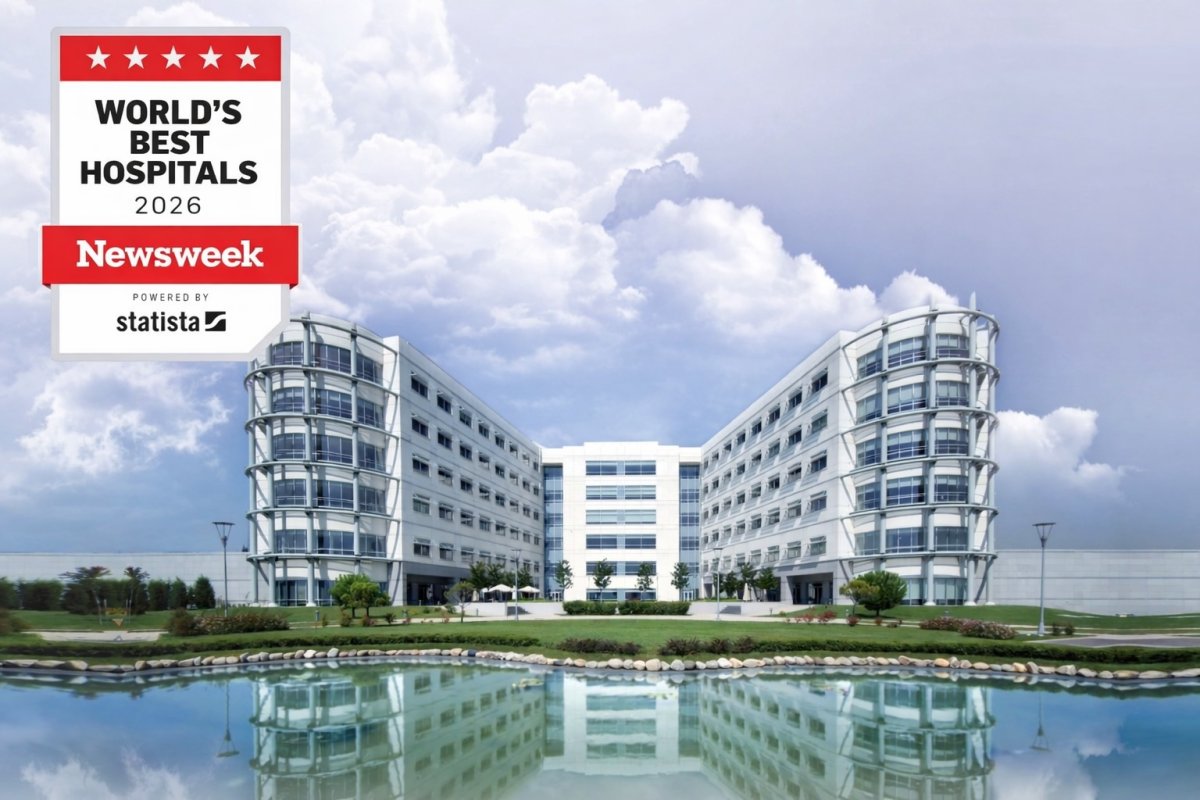








Memorial Ankara Hospital

نظرة عامة على استئصال سرطان الحنجرة في تركيا
- استئصال الحنجرة - من $12,000
يتضمن الإجراء إزالة الحنجرة لعلاج السرطان ، وغالبًا ما يتم الحفاظ على القدرة على التحدث والتنفس.
- جراحة الليزر لسرطان الحنجرة - من $6,000
يستخدم هذا العلاج الضوء المركّز لإزالة سرطان الحلق ، مما يضمن الحد الأدنى من الضرر للأنسجة المجاورة ، مما يوفر شفاءً سريعًا.
- التدخل في الاورام الحميدة مع الحنجرة المجهرية - من $2,500
يستخدم الإجراء أدوات صغيرة لإزالة النتوءات في الحلق ، وتحسين جودة الصوت ، مع تقليل الألم والتعافي السريع.
- استئصال سرطان الحنجرة - من $10,000
تقوم هذه الجراحة بإزالة الخلايا الخبيثة في الحلق وتحسين نوعية الحياة وزيادة فرص البقاء على قيد الحياة.
- استئصال سرطان اللسان - من $8,300
يزيل هذا الإجراء الأورام السرطانية من اللسان ويحسن صحة الفم ويحتمل أن ينقذ الأرواح.
اليوم الأول - الوصول
- تسجيل الوصول في استقبال المستشفى.
- قابل فريق الرعاية والغرفة المخصصة.
اليوم 2 - ما قبل العملية
- استشر طبيب الأورام والجراح.
- اخضع للفحص الجسدي.
- إجراء فحوصات الدم وفحوصات التصوير والخزعات.
- قابل طبيب التخدير لمناقشة خيارات التخدير.
اليوم الثالث - يوم العملية
- اخضع لعملية سرطان الحنجرة تحت التخدير العام.
- يمكن أن تختلف مدة العملية من 2 إلى 5 ساعات.
- بعد العملية ، انتقل إلى غرفة الإنعاش للمراقبة.
اليوم 4 - بعد العملية
- انتقل إلى غرفة عادية بعد الإنعاش.
- إدارة الألم والعناية بالجروح بانتظام.
- ابدأ بنظام غذائي سائل وانتقل ببطء إلى الطعام الصلب.
من اليوم الخامس إلى اليوم العاشر - الإقامة في المستشفى
- مراقبة لأي مضاعفات.
- جلسات علاج طبيعي للتعبئة المبكرة.
- تخطيط الخروج مع فريق الرعاية.
الأسبوع الثاني إلى الأسبوع السادس - إعادة التأهيل
- مواعيد المتابعة المنتظمة مع طبيب الأورام.
- بدء علاج النطق والبلع.
- استأنف العمل وممارسة الأنشطة البدنية الخفيفة من الأسبوع الرابع.
- العودة التدريجية إلى النظام الغذائي المنتظم والأنشطة العادية بحلول الأسبوع السادس.
تختلف عملية الشفاء لكل مريض بناءً على الظروف الصحية الفردية ومدى انتشار المرض.
- إيداع Bookimed: 200 دولار أو 200 يورو.
- وديعة العيادة: ادفع نسبة محددة مقدمًا.
احصل على تقييم طبي لـ استئصال سرطان الحنجرة في تركيا. استشر الآن 12 أطباء ذوي الخبرة.
عرض جميع الأطباء
Bulent Karagoz
الطبيب هو أخصائي أورام طبية تركي ذو خبرة عالية متخصص في الساركوما، الليمفوما، سرطان البنكرياس، سرطان الرئة، وسرطان الثدي. مع أكثر من 20 عامًا من الخبرة، يركز الطبيب على بيولوجيا الأورام، علم المناعة للأورام، العلاج المناعي للسرطان، والعلاجات المستهدفة. منذ عام 2019، يعمل الطبيب كأخصائي أورام طبية في مركز الأناضول الطبي وكان قد شغل سابقًا مناصب قيادية في كلية الطب بجامعة إسطنبول أوكان ومستشفى التدريب غاتا حيدر باشا. قام الطبيب بتأليف أكثر من 40 منشورًا في أبحاث السرطان وهو عضو في جمعية الأورام

Mustafa Solak
متخصص في سرطانات الرأس والرقبة مع تدريب زمالة في معهد السرطان بجامعة حجة تبه - أحد مراكز الأورام الرائدة في تركيا.
- ذو خبرة في علاج أنواع مختلفة من السرطان بما في ذلك سرطان الحلق
- تدرب في مركز إم دي أندرسون للسرطان بجامعة تكساس
- يعمل في مستشفى هيسار إنتركونتيننتال
- أكمل الإقامة في مستشفى إسطنبول شيشلي إتفال للتدريب والبحوث

Mustafa Serkan Alemdar
يتخصص الدكتور علمدار في عمليات سرطان الحلق في مجمع مستشفيات ميديكال بارك أنطاليا، مع تدريب مكثف في طب الأورام.
- حاصل على شهادة البورد في طب الأورام منذ عام 2018
- أكثر من _doctor_9570_ سنوات من الخبرة في الطب الباطني والأورام
- تدرب في جامعة أكدنيز، وهي مؤسسة رائدة في تركيا
- يعمل في مستشفى معتمد من اللجنة الدولية المشتركة (JCI) مع مرافق أورام متقدمة

Tahsin Ozatli
يتخصص الأستاذ المشارك تحسين أوزاتلي في سرطانات الثدي والرئة والجهاز الهضمي في مستشفى جامعة إستينيا ليف.
- أكثر من عقد من الخبرة في علم الأورام
- عمل في عيادة أنقرة للأورام ومستشفى أرضروم الإقليمي للتدريب والبحوث
- تمت ترقيته إلى أستاذ مشارك في عام 2016
- درس الطب في جامعة سلجوق
قصص فيديو من مرضى Bookimed
المراجعات
جميع المراجعاتمشاركة المحتوى
 Anna Leonova
أسئلة متكررة حول استئصال سرطان الحنجرة في تركيا
هل اللغة عائق أمام المرضى الدوليين في تركيا؟
نادراً ما تكون اللغة عائقاً أمام المرضى الدوليين في تركيا بفضل أنظمة الدعم الواسعة في المستشفيات الخاصة. توظف المرافق الرائدة في إسطنبول وأنقرة منسقين ثنائيي اللغة ومترجمين فوريين محترفين. معظم الجراحين في المراكز رفيعة المستوى يتحدثون الإنجليزية بطلاقة وغالباً ما يحملون شهادات دولية.
- منسقون مخصصون: توفر المستشفيات مضيفين شخصيين للعمل كمترجمين ومدافعين عن المرضى يومياً.
- طلاقة الجراحين: غالباً ما يكون لدى كبار المتخصصين مثل الدكتور محمد إمري أوستونداغ تدريب دولي باللغة الإنجليزية.
- معايير الاعتماد: يجب على المستشفيات المعتمدة من قبل اللجنة الدولية المشتركة (JCI) التأكد من أن المرضى يفهمون جميع الإجراءات تماماً.
- خطوط الدعم: تقدم وزارة الصحة خطاً ساخناً للمساعدة الطبية متعدد اللغات على مدار الساعة طوال أيام الأسبوع في جميع أنحاء البلاد.
رؤية خبير Bookimed: يمتد الدعم اللغوي إلى ما هو أبعد من غرفة العمليات ليشمل تنسيقاً لوجستياً كاملاً. تدمج العيادات مثل مركز الأناضول الطبي، التابع لجونز هوبكنز، الترجمة في خدمات النقل من المطار إلى العيادة والعكس. وهذا يضمن تواصلاً سلساً من لحظة وصولك حتى مغادرتك بعد التعافي.
إجماع المرضى: يؤكد المرضى أنه على الرغم من أن المستشفيات الكبرى تتعامل مع الترجمة الطبية بشكل استباقي، إلا أن الوثائق تصل أحياناً باللغة التركية. يقترح الخبراء طلب نسخ إنجليزية من نماذج الموافقة وإرشادات التعافي قبل الوصول لتجنب أي قلق قبل الجراحة.
ما هي معدلات النجاح والبقاء على قيد الحياة لجراحة سرطان الحلق في تركيا؟
تتراوح معدلات نجاح جراحة سرطان الحلق في المراحل المبكرة في تركيا بين 85% و90%، حيث تصل معدلات البقاء على قيد الحياة لمدة خمس سنوات إلى 85.9% للمرضى. تحافظ الحالات المتقدمة على معدلات بقاء تنافسية تتراوح بين 60% و75% من خلال علاجات مشتركة في مرافق معتمدة من اللجنة الدولية المشتركة (JCI) مثل مركز الأناضول الطبي ومستشفى جامعة ميديبول ميجا.
- البقاء على قيد الحياة في المراحل المبكرة: يُظهر المرضى الذين يستخدمون الجراحة المجهرية بالليزر عبر الفم معدل بقاء لمدة خمس سنوات بنسبة 85.9%.
- الحفاظ على الأعضاء: تحقق تقنيات الليزر الحديثة معدلات بقاء بدون استئصال الحنجرة تصل إلى 96.3%.
- نتائج الحالات المتقدمة: تؤدي الجراحة والعلاج الإشعاعي المشترك لحالات المرحلة الثالثة والرابعة إلى معدل بقاء يتراوح بين 60% و75%.
- الدقة الروبوتية: يستخدم الجراحون أنظمة دا فينشي (da Vinci) للحصول على دقة أعلى ومخاطر مضاعفات أقل.
رؤية خبير Bookimed: في حين تقدم العديد من العيادات رعاية أورام قياسية، توفر مؤسسات مثل مركز الأناضول الطبي ميزة فريدة من خلال الانتماء المباشر لمستشفى جونز هوبكنز. تُظهر بياناتنا أن هذه الشراكة تسمح للأساتذة الأتراك بتطبيق بروتوكولات العلاج القياسية الأمريكية بتكاليف أقل بكثير، مما يحسن النتائج غالبًا في عمليات تشريح الرقبة المعقدة.
إجماع المرضى: يؤكد المرضى أنه على الرغم من قوة إحصائيات البقاء على قيد الحياة، فإن اختيار جراح لديه زمالات محددة في أورام الرأس والرقبة أمر حيوي للحفاظ على الصوت. غالبًا ما يعتمد التعافي الناجح ع
هل الأطباء الأتراك مؤهلون وذوو خبرة في جراحة سرطان الحلق؟
الأطباء الأتراك هم متخصصون مؤهلون تأهيلاً عالياً في جراحة سرطان الحلق، حيث يتمتع العديد من كبار الخبراء بخبرة سريرية تتراوح بين 20 إلى 40 عاماً. غالباً ما يحمل الجراحون زمالات من مؤسسات مرموقة مثل مركز إم دي أندرسون للسرطان ويحافظون على عضويات نشطة في الجمعية الأوروبية لعلم الأورام الطبي.
- خبرة متخصصة: أجرى جراحون مثل الدكتور تيفون أبوهان أكثر من 4000 عملية ناجحة لعلاج الرأس والرقبة.
- تدريب دولي: غالباً ما يكمل كبار الأطباء زمالات متقدمة في علم الأورام في الولايات المتحدة أو ألمانيا.
- تكنولوجيا متقدمة: تستخدم المرافق أنظمة دافنشي الروبوتية وTrueBeam STx لإزالة الأورام بدقة.
- اعتماد عالمي: المراكز الكبرى مثل أناضولو وميموريال معتمدة من قبل اللجنة الدولية المشتركة (JCI)، وتلبي معايير سلامة صارمة.
رؤية خبير Bookimed: تُظهر بيانات Bookimed نمطاً قوياً من التعاون المؤسسي الذي يرفع من جودة الجراحين. على سبيل المثال، يحافظ مركز أناضولو الطبي على ارتباط وثيق بمستشفى جونز هوبكنز، مما يعني أن بروتوكولاتهم الجراحية لسرطانات الحلق المعقدة يجب أن تعكس المعايير الأمريكية النخبوية للحفاظ على هذه الشراكة نشطة. وهذا يضمن حصول المرضى على رعاية محلية تتبع مخططاً طبياً معترفاً به عالمياً.
إجماع المرضى: يؤكد المرضى أن المؤهلات في المراكز الكبرى في إسطنبول عالمية المستوى، لكنهم يقترحون الاستعانة بمترجم متخصص للمناقشات الطبية التقنية. كما يوصون بتنسيق رعاية المتابعة مع أطباء البلد الأم قبل السفر لضمان بروتوكولات تعافي سلسة.
ما هي أنواع جراحات سرطان الحلق التي يتم إجراؤها في تركيا؟
تقدم تركيا جراحات متقدمة لسرطان الحلق تتراوح من الجراحة المجهرية بالليزر عبر الفم طفيفة التوغل إلى استئصال الحنجرة الكلي المعقد. تتخصص المراكز المعتمدة من اللجنة الدولية المشتركة (JCI) في إسطنبول في تقنيات الحفاظ على الأعضاء مثل الجراحة بمساعدة الروبوت (TORS) والاستئصال الجزئي للحفاظ على وظائف الكلام والبلع الطبيعية لمرضى الأورام.
- الجراحة المجهرية بالليزر: تزيل ليزرات ثاني أكسيد الكربون أورام الحبال الصوتية في مراحلها المبكرة دون شقوق خارجية.
- الجراحة الروبوتية: تصل أنظمة دافنشي إلى أورام البلعوم العميقة عبر الفم.
- استئصال الحنجرة الجزئي: يزيل الجراحون الأنسجة السرطانية فقط للحفاظ على صوت المريض.
- تشريح الرقبة: يمنع الاستئصال الثنائي للعقد انتشار السرطان مع حماية الأعصاب الحيوية.
- إعادة البناء المعقدة: تستعيد عمليات نقل الأنسجة المجهرية القدرة على البلع بعد إزالة الأورام الكبيرة.
رؤية خبير Bookimed: تخدم المراكز ذات الحجم الكبير مثل Medipol Mega مليون مريض سنوياً لأنها تركز التكنولوجيا المتخصصة في مركز واحد. إن اختيار منشأة تحتوي على كل من الجراحة الروبوتية (TORS) وجهاز جاما نايف يضمن لك الحصول على خيارات احتياطية إذا كانت الحافة الجراحية تتطلب متابعة فورية غير جراحية.
إجماع المرضى: يقدر المرضى سرعة الجدولة في تركيا ويذكرون أن الخيارات الروبوتية تسمح لهم بالعودة إلى تناول الأطعمة الصلبة في غضون أسبوعين. يؤكد الكثيرون على أهمية الحصول على رأي ثانٍ للتأكد مما إذا كانت جراحة الليزر كافية حقاً ل
هل سأتمكن من التحدث بشكل طبيعي بعد جراحة سرطان الحلق؟
يعتمد استعادة الكلام على مدى الجراحة والهياكل الصوتية المحفوظة. بينما تسمح استئصال الحنجرة الجزئي غالبًا بالكلام الوظيفي بنبرة مبحوحة، يتطلب الاستئصال الكامل طرقًا بديلة مثل صمامات ثقب الرغامي المريئي (TEP) أو أجهزة الحنجرة الإلكترونية لاستعادة التواصل من خلال إعادة التأهيل والعلاج المتخصص.
- الجراحة الجزئية: تحافظ على الحبال الصوتية ولكنها تؤدي عادةً إلى كلام أعمق أو أجش أو هامس.
- استئصال الحنجرة الكامل: يزيل صندوق الصوت تمامًا، مما يتطلب صمامات TEP أو مساعدات الكلام الإلكترونية.
- وضع صمام TEP: يخلق صوتًا يشبه صوت الإنسان عن طريق إعادة توجيه الهواء عبر صمام جراحي صغير.
- علاج النطق: يبدأ التدريب الأساسي بعد العملية لإتقان تقنيات جديدة مثل الكلام المريئي.
رؤية خبراء Bookimed: تستخدم المراكز التركية المتقدمة مثل مركز الأناضول الطبي ارتباطها بجونز هوبكنز لتوفير غرسات صمام TEP أثناء الجراحة الأولية. إن دمج الطرف الاصطناعي على الفور بدلاً من مرحلة ثانية يسمح للمرضى ببدء إعادة التأهيل الصوتي قبل أسابيع، مما يقصر بشكل كبير الانتقال الكلي إلى الكلام الوظيفي.
إجماع المرضى: أفاد المرضى أنه على الرغم من أن استئصال الحنجرة الكامل يخلق نبرة آلية، فإن إتقان الحنجرة الإلكترونية غالبًا ما يستغرق أيامًا فقط. تؤدي الممارسة المستمرة مع المعالج عادةً إلى كلام محادثة مفهوم في غضون 6 إلى 12 شهرًا.
كم تستغرق فترة التعافي بعد جراحة سرطان الحلق؟
تختلف فترات التعافي حسب الإجراء، وعادة ما تتطلب من 10 إلى 14 يوماً في المستشفى للعمليات الجراحية الكبرى مثل استئصال الحنجرة. أما عمليات الليزر البسيطة فغالباً ما تحتاج إلى يوم أو يومين فقط. يبدأ التعافي الوظيفي في غضون أسبوعين إلى 6 أسابيع، بينما يشير الخبراء في مركز الأناضول الطبي إلى أن التعافي الكامل يستغرق من 3 إلى 6 أشهر.
- الإقامة في المستشفى: تتطلب عمليات إعادة البناء الكبرى من 10 إلى 14 يوماً للمراقبة والشفاء الأولي.
- الانتقال الغذائي: تُستخدم أنابيب التغذية عادةً لمدة 10 إلى 21 يوماً حتى يصبح البلع آمناً.
- إزالة الغرز: يقوم الجراحون عادةً بإزالة الغرز أو الدبابيس بعد 14 يوماً من العملية.
- التعافي طويل الأمد: يتطلب التكيف مع تغيرات الكلام والتنفس عموماً عدة أشهر من العلاج.
رؤية خبير Bookimed: تُظهر البيانات الواردة من أفضل العيادات في إسطنبول أن المرضى الذين يختارون المراكز التابعة لـ Johns Hopkins، مثل مركز الأناضول الطبي، غالباً ما يستفيدون من إعادة التأهيل المتكاملة. نظراً لأن التعب يستمر لفترة أطول من الألم الجسدي، ابحث عن باقات تشمل 5 ليالٍ أو أكثر من الإقامة في المستشفى. وهذا يضمن المراقبة المهنية خلال الأسبوع الأول من التعافي، وهو الأكثر أهمية.
إجماع المرضى: يجد العديد من المرضى الأسبوع الأول من النظام الغذائي السائل صعباً ويوصون بتحضير مكملات عالية السعرات الحرارية مسبقاً. غالباً ما تبدو تغيرات الصوت مربكة في البداية، لذا فإن التواصل مع معالج النطق مبكراً يساعد في إدارة التوقعات طويلة المدى.
ما هي المستشفيات في تركيا الأعلى تقييماً لعلاج سرطان الحلق؟
تشمل المستشفيات التركية الأعلى تقييماً لعلاج سرطان الحلق مركز الأناضول الطبي (Anadolu Medical Center)، ومستشفى هيسار إنتركونتيننتال (Hisar Hospital Intercontinental)، ومستشفى ميموريال شيشلي (Memorial Şişli). تحافظ هذه المرافق على اعتماد اللجنة الدولية المشتركة (JCI) وتقدم علاجات متقدمة مثل الجراحة المجهرية بالليزر عبر الفم والإجراءات بمساعدة الروبوت. توفر مراكز الأورام المتخصصة في إسطنبول رعاية متعددة التخصصات بقيادة جراحين مدربين دولياً.
- مركز الأناضول الطبي: تابع لـ Johns Hopkins Medicine ومصنف ضمن أفضل 10 مستشفيات عالمية.
- مستشفى هيسار إنتركونتيننتال: يتميز بأجهزة تصوير مقطعي 640 شريحة ورنين مغناطيسي 3T لتشخيص دقيق للرأس والرقبة.
- مستشفى ميموريال شيشلي: أول مستشفى تركي حاصل على اعتماد JCI، متخصص في أورام الليزر طفيفة التوغل.
- إسطنبول فلورنس نايتنجيل: يستخدم تصوير EOS وتكنولوجيا المباني الذكية لجراحات الحلق الترميمية المعقدة.
رؤية خبراء Bookimed: يبرز مركز الأناضول الطبي لأن ارتباطه بـ Johns Hopkins يوفر الوصول إلى بروتوكولات المعايير الأمريكية. بينما تدعي العديد من العيادات الجودة العالية، يعد الأناضول واحداً من القلائل الحاصلين على شهادة Planetree الذهبية. يقيس هذا بشكل خاص جودة تفاعل المريض، وهو أمر حيوي للتعافي طويل الأمد من سرطان الحلق.
إجماع المرضى: يؤكد المرضى أنه على الرغم من انخفاض التكاليف، يجب عليك التحقق من التدريب المحدد للجراح الخاص بك. يوصون بتأمين جميع شرائح علم الأمراض والسجلات الطبية قبل مغادرة تر