علاج سرطان الحنجرة في إسرائيل — احصل على 3 عيادات مختارة خصيصاً لك


تمت مراجعة المقالة طبيا من قبل
فهد مولود
كيف نعمل؟
ما هي تكلفة سرطان الحنجرة إجراءات التشخيص والعلاج في إسرائيل؟ اعرف الآن
Larynx cancer treatment cost in Israel typically involves a comprehensive diagnosis for laryngeal cancer ranging from السعر عند الطلب to السعر عند الطلب. Primary surgical interventions, such as a resection of laryngeal tumor, cost between السعر عند الطلب and السعر عند الطلب. Final expenses depend on the cancer stage, technology used, and hospital choice. Patients often see 20-30% savings compared to the US. Top treatment centers are located in Tel Aviv, Ramat Gan, and Jerusalem.
Typical Larynx Cancer Treatment Costs in Israel
- Comprehensive diagnosis for laryngeal cancer: السعر عند الطلب
- CT scan of the body part: السعر عند الطلب
- Scintigraphy: $450 – $850
- Resection of laryngeal tumor: السعر عند الطلب
- Laser surgery for laryngeal cancer: $12,000 – $19,000
- Laryngectomy: $28,000 – $42,000
- Radiotherapy for throat cancer: $21,000 – $34,000
- Proton-beam therapy: $30,000 – $52,000
- Throat cancer operation: $28,000 – $43,000
- Halcyon: $14,000 – $21,000
Bookimed Expert Insight: Early-stage patients should prioritize organ-preserving laser surgery at JCI-accredited centers. Assuta Medical Center offers specialized private care with 97% success in specific oncological procedures. For advanced cases, Sourasky Medical Center provides high-volume expertise with 34,000 yearly operations. International patients benefit from Sourasky’s free airport transfers and dedicated interpreters. Rabin Medical Center is best for complex cases, treating 20% of Israel's cancer patients.
| إسرائيل | تركيا | إسبانيا | |
|---|---|---|---|
| جراحة الليزر لسرطان الحنجرة | ≈ $12,000 | من $6,000 | من $8,000 |
| العلاج بالبروتون (انظر العلاج بحزم البروتون) | ≈ $30,000 | من $25,000 | من $43,300 |
| العلاج الكيميائي لسرطان الحنجرة | من $600 | ≈ $2,800 | من $1,600 |
| العلاج الإشعاعي لسرطان الحنجرة | ≈ $21,000 | من $5,000 | من $14,000 |
| استئصال سرطان الحنجرة | ≈ $28,000 | من $10,000 | من $25,000 |
اكتشف أفضل سرطان الحنجرة العيادات في إسرائيل: 9 خيارات معتمدة والأسعار












Herzliya Medical Center
State Hospital Edith Wolfson
Ramat Aviv Medical Center
احصل على تقييم طبي لـ في إسرائيل. استشر الآن 9 أطباء ذوي الخبرة.
عرض جميع الأطباء
Ofer Merimsky
رئيس وحدة أورام الأنسجة الرخوة والعظام في مركز سوراسكي الطبي – البروفيسور ميريمسكي متخصص في الساركوما المعقدة وسرطان الحنجرة.
- طبيب أورام معتمد بخبرة تزيد عن 41 سنة
- حاصل على زمالة في الساركوما من معهد غوستاف روسي في باريس
- عضو في هيئة تدريس الساركوما التابعة لـ ESMO وASCO
- نشر أبحاثاً حول مناعة الأورام وأورام العظام الخبيثة
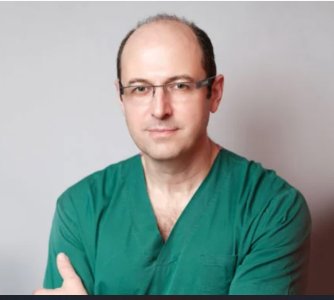
Yuri Goldes
الدكتور يوري غولدس جرّاح عام يتمتع بأكثر من 20 عامًا من الخبرة السريرية. يختص بجراحات الجهاز الهضمي العلوي وجراحة الأورام. يشغل منصب نائب مدير قسم الجراحة العامة وزراعة الأعضاء في مركز شيبا الطبي بتل أبيب، ويرأس وحدة جراحة الجهاز الهضمي العلوي. أُدرِج ضمن قائمة أفضل أطباء فوربس إسرائيل لعام 2025، ومُصنّف ضمن أفضل جراحي الجهاز الهضمي في إسرائيل بحسب فوربس. في 2019، نال جائزة «طبيب العام» من وزارة الصحة الإسرائيلية.
خبير في الجراحة طفيفة التوغل والمتقدمة والروبوتية. يعالج فتق الحجاب الحا

Orit Gutfeld
الدكتورة أوريت غوتفيلد هي أخصائية رائدة في الأورام الخبيثة لأعضاء الأنف والأذن والحنجرة، وتترأس قسم الأورام في معهد العلاج الإشعاعي في مركز سوراسكي الطبي (إيخيلوف).
- أكثر من 27 منشوراً مهنياً في علم الأورام والأشعة
- مؤلفة لما يقرب من 41 تقريراً للمؤتمرات، حيث تشارك خبراتها مع الزملاء
- تعمل كأخصائية أورام وأشعة، وتجمع بين كلا التخصصين لتخطيط العلاج
- تعالج السرطان الذي يصيب الأذن والأنف والحنجرة والرأس والرقبة

Dan Fliss
أستاذ جامعي متخصص في سرطان الحنجرة، يقود البروفيسور دان فليس برنامجاً أورامياً من الطراز الأول في مركز سوراسكي الطبي (إيخيلوف).
- أستاذ الأورام في جامعة تل أبيب – يقوم بتدريب أخصائيي السرطان المستقبليين
- رئيس قسم أورام رائد في إسرائيل
- خبير في علاجات سرطان الرأس والرقبة المعقدة
- يركز على خطط علاج دقيقة ومخصصة لكل مريض
مشاركة المحتوى
قصص فيديو من مرضى Bookimed
 Anna Leonova
أسئلة متكررة حول علاج سرطان الحنجرة في إسرائيل
ما هي خيارات العلاج الرئيسية لسرطان الحنجرة في العيادات الإسرائيلية؟
تتخصص العيادات الإسرائيلية في علاجات سرطان الحنجرة التي تحافظ على الأعضاء. يعطي الجراحون الأولوية للحفاظ على الصوت من خلال الجراحة المجهرية بالليزر عبر الفم (TLM). تتلقى الحالات المتقدمة رعاية متعددة التخصصات. ويشمل ذلك العلاج الإشعاعي IMRT، والعلاجات البيولوجية، والجراحة الروبوتية. تبلغ مرافق مثل مركز سوراسكي الطبي عن معدل نجاح يصل إلى 90% لعلاجات الأورام.
- الجراحة طفيفة التوغل: يستخدم الجراحون الجراحة المجهرية بالليزر عبر الفم (TLM) للأورام في مراحلها المبكرة.
- العلاج الإشعاعي المتقدم: تستخدم المراكز تقنيات IMRT وVMAT لاستهداف الأورام بدقة.
- الدقة الروبوتية: يستخدم مركز شيبا الطبي أنظمة روبوتية لجراحات الرقبة المعقدة.
- الحفاظ على الأعضاء: يساعد العلاج الكيميائي والإشعاعي المشترك العديد من المرضى على تجنب الاستئصال الكامل للحنجرة.
رؤية خبير Bookimed: تعمل مراكز الأورام الإسرائيلية مثل مركز شيبا الطبي وهداسا كمراكز ضخمة متعددة التخصصات. تدير هذه المرافق ما بين 1,000,000 و2,000,000 مريض كل عام. يسمح هذا الحجم الهائل للجراحين مثل الدكتور توماس شبيتزر في أسوتا بالحفاظ على كفاءة عالية في التقنيات النادرة وطفيفة التوغل. يستفيد المرضى من هذه الخبرة الجماعية من خلال بروتوكولات إعادة التأهيل المكررة للغاية واستراتيجيات الحفاظ على الكلام.
إجماع المرضى: يؤكد المرضى على ضرورة مناقشة الحفاظ على الصوت في وقت مبكر. يشير الكثيرون إلى أن علاج النطق والبلع ضروري للتعافي الناجح بعد الجراحة.
هل يمكن الحفاظ على صوتي وحنجرتي أثناء العلاج في إسرائيل؟
تفيد المراكز المتخصصة في إسرائيل بنسبة نجاح تصل إلى 90% في الحفاظ على الحنجرة لدى مرضى الأورام. يعطي الجراحون الأولوية للتقنيات المتقدمة مثل الجراحة المجهرية بالليزر عبر الفم والجراحة الروبوتية. تزيل هذه الطرق الأورام بدقة عالية مع الحفاظ على الأحبال الصوتية والأنسجة السليمة المحيطة للحفاظ على القدرة على الكلام.
- الدقة الجراحية: يستخدم الجراحون الجراحة المجهرية بالليزر عبر الفم (TLM) للأورام الموضعية في مراحلها المبكرة.
- العلاج الإشعاعي المتقدم: تستهدف تقنيات VMAT و IMRT الخلايا السرطانية مع حماية الهياكل الحساسة.
- الحفاظ على الأعضاء: يعمل العلاج الكيميائي والإشعاعي المشترك كبدائل أساسية لاستئصال الحنجرة الكلي.
- إعادة تأهيل النطق: توفر المستشفيات علاجاً قبل وبعد العلاج للتحكم في الصوت والبلع.
رؤية خبير Bookimed: تظهر البيانات أن اختيار المراكز الأكاديمية مثل سوراسكي أو شيبا يوفر ميزة واضحة. تجري هذه المرافق أكثر من 34,000 إلى 45,000 عملية جراحية سنوياً في جميع الأقسام. يسمح هذا الحجم الكبير للجراحين بالحفاظ على خبرة نادرة في عمليات استئصال الحنجرة الجزئي المعقدة. تعتبر هذه الإجراءات حيوية للمرضى الذين لا يستوفون شروط الجراحة بالليزر ولكنهم يرغبون في تجنب الاستئصال الكامل للحنجرة.
إجماع المرضى: يشير المرضى إلى أن التشخيص المبكر هو المفتاح للحصول على نتائج صوتية أفضل. ويؤكدون على أهمية العثور على متخصص يركز بشكل خاص على أورام الرأس والرقبة بدلاً من الجراحة العامة.
ما هي معدلات البقاء على قيد الحياة والنجاح لسرطان الحنجرة الذي يتم علاجه في إسرائيل؟
تُبلغ المستشفيات الإسرائيلية عن معدل نجاح بنسبة 90% للعلاج الإشعاعي والإجراءات الجراحية في علاج سرطان الحنجرة. يصل معدل البقاء على قيد الحياة الإجمالي لمدة 5 سنوات إلى 88% في المرافق التخصصية الكبرى. يظل الكشف المبكر عاملاً حاسماً. يتم تشخيص حوالي 82% من الحالات الإسرائيلية في مراحل موضعية.
- البقاء على قيد الحياة في المرحلة المبكرة: يُظهر المرضى الذين يتم تشخيصهم في مراحل موضعية معدلات بقاء محددة تصل إلى 91%.
- الحفاظ على الأعضاء: تصل معدلات الحفاظ على وظائف الصوت والبلع إلى 83% لمراحل السرطان المؤهلة.
- فعالية العلاج الإشعاعي: تُبلغ مراكز الأورام الإسرائيلية عن معدل نجاح بنسبة 90% لعلاجات الإشعاع الموجهة.
- النتائج الخاصة بالعمر: يحافظ المرضى الذين تقل أعمارهم عن 45 عاماً على معدل بقاء على قيد الحياة لمدة 5 سنوات أعلى بشكل ملحوظ بنسبة 86.3%.
رؤية خبير Bookimed: يحافظ مركز سوراسكي الطبي على معدل نجاح متوسط بنسبة 90% في طب الأورام. يرتبط هذا الأداء العالي بعيادات مثل شيبا وسوراسكي التي تخدم أكثر من 400,000 مريض سنوياً. تسمح أحجام المرضى الكبيرة للجراحين بالتخصص بعمق. على سبيل المثال، يُعرف الدكتور يوري غولدس في شيبا بابتكاراته في الجراحة الروبوتية. غالباً ما توفر المراكز ذات الحجم الكبير نتائج أفضل في جراحات الحفاظ على الأعضاء المعقدة.
إجماع المرضى: يشير المرضى إلى أن المرحلة عند التشخيص هي أقوى مؤشر لنتائج البقاء على قيد الحياة. ويؤكدون على أهمية طلب بيانات محددة حول جودة الصوت والبلع بعد العلاج.
ما هي التقنيات الجراحية المتقدمة المتاحة لعلاج سرطان الحنجرة في إسرائيل؟
توفر المستشفيات الإسرائيلية تقنيات جراحية متقدمة لعلاج سرطان الحنجرة، بما في ذلك الجراحة الروبوتية عبر الفم (TORS) والجراحة المجهرية بالليزر عبر الفم (TLM). تسمح هذه التقنيات للجراحين بإزالة الأورام من خلال الفم. وهذا يتجنب الشقوق الخارجية ويحافظ على الوظائف الصوتية الحيوية. غالبًا ما تبلغ المراكز الرائدة عن معدلات نجاح تصل إلى حوالي 90٪.
- الأنظمة الروبوتية: تستخدم TORS تقنية دافنشي لإزالة الأورام بدقة عالية.
- الجراحة المجهرية بالليزر: تسمح ليزرات ثاني أكسيد الكربون بالاستئصال الدقيق مع الحد الأدنى من الضرر الحراري.
- إعادة البناء المجهري للأوعية الدموية: يستخدم الجراحون نقل الأنسجة الحرة لاستعادة بنية الحلق بفعالية.
- الاستئصال بالمنظار: توفر أدوات الفيديو بالمنظار رؤية واضحة لإزالة الأورام المستهدفة.
رؤية خبير Bookimed: تُظهر مراكز الأورام الإسرائيلية تكاملاً عالياً بين التكنولوجيا الجراحية والتعافي. تُجري مراكز مثل شيبا وسوراسكي أكثر من 30,000 عملية جراحية سنويًا. وهي تجمع بين الدقة الروبوتية وإعادة التأهيل الصوتي الفوري. كان الدكتور يوري غولدس في شيبا رائدًا في عمليات الاستئصال الروبوتية التي تُستخدم الآن في الحالات المعقدة. تضمن هذه الخبرة القائمة على الحجم أن حتى عمليات إعادة البناء المعقدة تحافظ على نتائج وظيفية عالية.
إجماع المرضى: يشير المرضى إلى أنه من المهم اختيار المراكز التي تضم متخصصين في إعادة التأهيل في الموقع. إنهم يقدرون كيف ساعدتهم الأدوات الروبوتية على التحدث بوضوح بعد الجراحة بوقت قصير.
لماذا تُعد إسرائيل واحدة من الوجهات الرائدة في جراحة الأعصاب؟
تُعدّ إسرائيل مركزًا رائدًا في جراحة الأعصاب بفضل مزيجها من التطورات الطبية عالية التقنية والخبرات الجراحية المتميزة. وتستخدم مرافق متطورة مثل مركز شيبا الطبي أنظمة ملاحة تعتمد على الذكاء الاصطناعي والتصوير بالرنين المغناطيسي أثناء الجراحة في الوقت الفعلي. وتشير المراكز المتخصصة إلى نسبة نجاح تصل إلى 98% في العمليات الجراحية المعقدة، بما في ذلك جراحة الدماغ مع اليقظة وعلاج اضطرابات الحركة.
- التكنولوجيا المتقدمة: تستخدم العيادات الموجات فوق الصوتية المركزة الموجهة بالرنين المغناطيسي (MRgFUS) والأنظمة الروبوتية لإجراء الشقوق.
- الخبرة الجراحية: يقود جراحون مثل الدكتور تسفي رام جمعيات دولية بخبرة تزيد عن 25 عامًا.
- الوصول السريع: يمكن للمرضى الدوليين عادةً تحديد مواعيد لإجراء عمليات جراحية معقدة في الدماغ أو العمود الفقري في غضون 2-4 أسابيع.
- الرعاية الطبية المعتمدة: المراكز الكبيرة مثل سوراسكي (إيشيلوف) وأسوتا معتمدة من قبل اللجنة الدولية المشتركة، مما يؤكد سلامتها.
رأي خبراء بوكيمد: تُظهر البيانات فرقًا واضحًا بين خيارات العلاج في القطاعين العام والخاص في إسرائيل. تُجري المراكز الخاصة، مثل مركز أسوتا الطبي، أكثر من 92,000 عملية جراحية سنويًا، وتتيح للمرضى اختيار جراح را
ما هي أنواع الأمراض العصبية التي يتم علاجها في إسرائيل؟
يعالج جراحو الأعصاب الإسرائيليون طيفاً واسعاً من الحالات، بدءاً من أورام الدماغ والحبل الشوكي وصولاً إلى الاضطرابات الوظيفية المعقدة. وتستخدم المراكز المتخصصة أحدث التقنيات، مثل جهاز جاما نايف، والتحفيز العميق للدماغ، والتصوير بالرنين المغناطيسي أثناء الجراحة، لتشخيص دقيق للغاية لحالات الصرع، ومرض باركنسون، وأمراض الأوعية الدموية الدماغية.
- الأمراض السرطانية: علاج الأورام الدبقية والأورام السحائية وأورام الغدة النخامية باستخدام استئصال قاعدة الجمجمة.
- الاضطرابات الوظيفية: علاج مرض باركنسون والرعاش الأساسي باستخدام التحفيز العميق للدماغ.
- أمراض العمود الفقري: تصحيح الجنف، وانزلاق الغضروف، وأورام العمود الفقري باستخدام الأنظمة الروبوتية.
- علاج أمراض الأوعية الدموية الدماغية: العلاج الجراحي لتمدد الأوعية الدموية الدماغية والتشوهات الشريانية الوريدية باستخدام التدخلات داخل الأوعية الدموية.
- جراحة الأعصاب للأطفال: رعاية متخصصة لاستسقاء الرأس والتشوهات الخلقية في مراكز طب الأطفال المتخصصة.
رأي خبراء بوكيمد: غالبًا ما تجمع المستشفيات الإسرائيلية بين تخصصات طبية متعددة لمعالجة الحالات المعقدة. ففي مركز سوراسكي ا
ما هي المستشفيات في إسرائيل التي تشتهر بأقسام جراحة الأعصاب فيها؟
تضم إسرائيل مراكز جراحة أعصاب عالمية المستوى، مثل مركز سوراسكي الطبي، ومركز شيبا الطبي، ومركز هداسا الطبي. وتُعدّ هذه المؤسسات رائدة عالميًا في علاج أورام الدماغ المعقدة، وأمراض العمود الفقري، واضطرابات الحركة. وتستخدم أحدث التقنيات، مثل جهاز جاما نايف، والأنظمة الروبوتية، والتصوير بالرنين المغناطيسي أثناء الجراحة.
- سوراسكي (إيخيلوف): يجري أكثر من 2500 عملية جراحية عصبية سنوياً في تل أبيب بنسبة نجاح تبلغ 98%.
- مركز شيبا الطبي: مصنف ضمن أفضل عشرة مستشفيات في العالم، حيث يعالج 1.9 مليون مريض سنوياً.
- مركز هداسا الطبي: مرشح لجائزة نوبل للسلام. رائد في جراحة الأعصاب للأطفال والعلاج الجيني.
- مركز أسوتا الطبي: أكبر منشأة طبية خاصة في إسرائيل. متخصص في جراحات العمود الفقري والدماغ طفيفة التوغل.
- مستشفى شنايدر للأطفال: مركز رائد في جراحة الأعصاب للأطفال، يعالج 275000 طفل سنوياً.
رأي خبراء بوكيمد: تُظهر بياناتنا أنه بينما يلجأ معظم المرضى للعلاج في تل أبيب، يُقدّم مركز رامبام الطبي في حيفا رعايةً فريدةً لإصابات الدماغ. فهو يضم وحدةً متخصصةً للعناية المركزة العصبية تُعالج ما يقارب مليون مريض سنويًا. وهذا ما يجعله
من هم أبرز جراحي الأعصاب في إسرائيل؟
من بين أبرز جراحي الأعصاب الإسرائيليين البروفيسور تسفي رام، والبروفيسور شلومي كونستانتيني، والبروفيسور إسحاق فريد من مركز سوراسكي الطبي. ويشغل هؤلاء المتخصصون مناصب قيادية في الجمعية الأوروبية لجمعيات جراحة الأعصاب (EANS) والجمعية العالمية لجراحة الأعصاب التجسيمية والوظيفية (WSSFN). ويستخدمون تقنيات رسم الخرائط المتقدمة أثناء الجراحة وأنظمة الروبوتات.
- البروفيسور تسفي رام: خبير في جراحة أورام الدماغ طفيفة التوغل والعلاج الجيني للسرطان.
- الأستاذ شلومي كونستانتيني: متخصص في إجراءات التنظير العصبي المعقدة للأطفال والجراحة المجهرية لأورام الدماغ.
- الأستاذ إسحاق فريد: خبير في جراحة الصرع، ورسم خرائط الدماغ الوظيفية، وتحفيز الدماغ العميق.
- الدكتور إيلي أشكينازي: جراح عظام رائد في مستشفى أسوتا، متخصص في نظام TOPS المبتكر.
رأي خبراء بوكيمد: تشير بيانات مركز سوراسكي وشيبا إلى وجود علاقة وثيقة بين ارتفاع عدد العمليات الجراحية وسلامة المرضى. فعلى سبيل المثال، يُجري مركز سوراسكي أكثر من 34,000 عملية جراحية لعلاج الأورام سنويًا بنسبة نجاح تصل إلى 90%. لذا، ينبغي على المرضى الذين يحتاجون إلى استئصال أورام معقدة إعطاء الأولوية لمراكز كهذه، حيث يُجري الجراحون مئات العمليات الجراحية ا
ما هي متطلبات المرضى الدوليين القادمين الذين يسعون للحصول على رعاية جراحية عصبية؟
يجب على المرضى الأجانب الذين يحتاجون إلى علاج جراحي للأعصاب في إسرائيل تقديم وثائق طبية كاملة، بما في ذلك نتائج التصوير بالرنين المغناطيسي أو التصوير المقطعي المحوسب الحديثة، مترجمة إلى اللغة الإنجليزية. يتطلب دخول المستشفى فحصًا سريريًا من قبل أخصائيين للتأكد من ملاءمة المريض للعلاج. غالبًا ما تطلب المستشفيات دفعًا مسبقًا كاملًا أو دفعة مقدمة كبيرة قبل تأكيد مواعيد الجراحة أو إصدار وثائق التأشيرة.
- السجلات الطبية: تقديم تقارير مفصلة ونتائج التصوير مترجمة إلى اللغة الإنجليزية في غضون 48 ساعة للمراجعة السريرية.
- إثبات القدرة المالية: يرجى تقديم إثبات توفر الأموال بمبلغ تقريبي يتراوح بين $600 و $3,000 لتغطية تكاليف العلاج.
- دعم التأشيرة: تقوم عيادات مثل مركز سوراسكي الطبي (إيخيلوف) بإصدار خطابات رسمية للحصول على تأشيرة طبية من نوع B-2.
- مرحلة الاستشارة: غالبًا ما يتم إجراء التقييم الأولي عبر استشارة عبر الإنترنت مع جراحين مثل الدكتور شتراوس إيدو.
رأي خبراء بوكيمد: تُظهر البيانات أن المؤسسات الطبية الإسرائيلية الرائدة، مثل مركز شيبا الطبي ومركز هداسا الطبي، تستقبل عددًا هائلًا من المرضى، يتجاوز مليون مريض سنويًا. هذا الطلب المرتفع يعني أن العيادات تُعطي الأول
كم من الوقت سأحتاج للبقاء في إسرائيل لإجراء جراحة الأعصاب والمتابعة؟
تتراوح مدة الإقامة المعتادة في قسم جراحة الأعصاب في إسرائيل بين 10 و14 يومًا للحالات غير المعقدة. أما المرضى الذين يخضعون لإجراءات معقدة، مثل استئصال ورم دماغي أو تحفيز الدماغ العميق، فغالبًا ما يحتاجون إلى الإقامة لمدة تتراوح بين 4 و6 أسابيع. تشمل هذه الفترة التشخيص قبل الجراحة، والجراحة نفسها، والمتابعة اللازمة بعد العملية.
- مدة الإقامة في المستشفى: تستغرق الإجراءات طفيفة التوغل من يوم إلى ثلاثة أيام. أما عمليات فتح الجمجمة التقليدية فتستغرق في المتوسط من ثلاثة إلى عشرة أيام.
- التعافي في الموقع: بعد الخروج من المستشفى، البقاء في إسرائيل لمدة 7-14 يومًا لإجراء فحوصات المتابعة الإلزامية.
- سلامة الطيران: يوصي الجراحون بالانتظار من 4 إلى 6 أسابيع قبل السفر جواً للسماح لضغط الجمجمة الداخلي بالاستقرار.
- جدول المتابعة: عادة ما يتم إجراء الفحوصات السريرية الشخصية في الأيام 3 و7 و14 بعد الجراحة.
رأي خبراء بوكيمد: تُظهر بيانات مركز سوراسكي الطبي أنه يعالج أكثر من 400,000 مريض سنويًا بنسب نجاح عالية. غالبًا ما تتميز العيادات التي تستقبل هذا العدد الكبير من المرضى، مثل هاداسا وأسوتا، بإجراءات خروج مبسطة. وهذا يُسهّل على المرضى الدوليين الانتقال بسرعة أكبر إلى إعادة التأهيل في ا