علاج مرض الشريان التاجي في كوريا الجنوبية: 11 مستشفيات


تمت مراجعة المقالة طبيا من قبل
فهد مولود
كيف نعمل؟
ما هي تكلفة مرض الشريان التاجي إجراءات التشخيص والعلاج في كوريا الجنوبية؟ اعرف الآن
تتضمن تكلفة علاج مرض الشريان التاجي في جمهورية كوريا عادةً التشخيصات الأساسية مثل استشارة طبيب القلب والتي تتراوح بين $50 و $55. تعتمد النفقات الإجمالية على شدة انسداد الشرايين، والاختيار بين العلاج الطبي أو التدخل الجراحي، والمستوى التكنولوجي للعيادة. غالباً ما يجد المرضى وفورات تتراوح بين 30-50% مقارنة بالولايات المتحدة. تقع المراكز الطبية الرائدة لرعاية القلب بشكل أساسي في سيول وإنشيون.
تكاليف علاج مرض الشريان التاجي النموذجية في جمهورية كوريا
- استشارة طبيب القلب: $50 – $55
- تخطيط كهربية القلب (ECG): من $30
- تحليل الدم الموسع: من $200
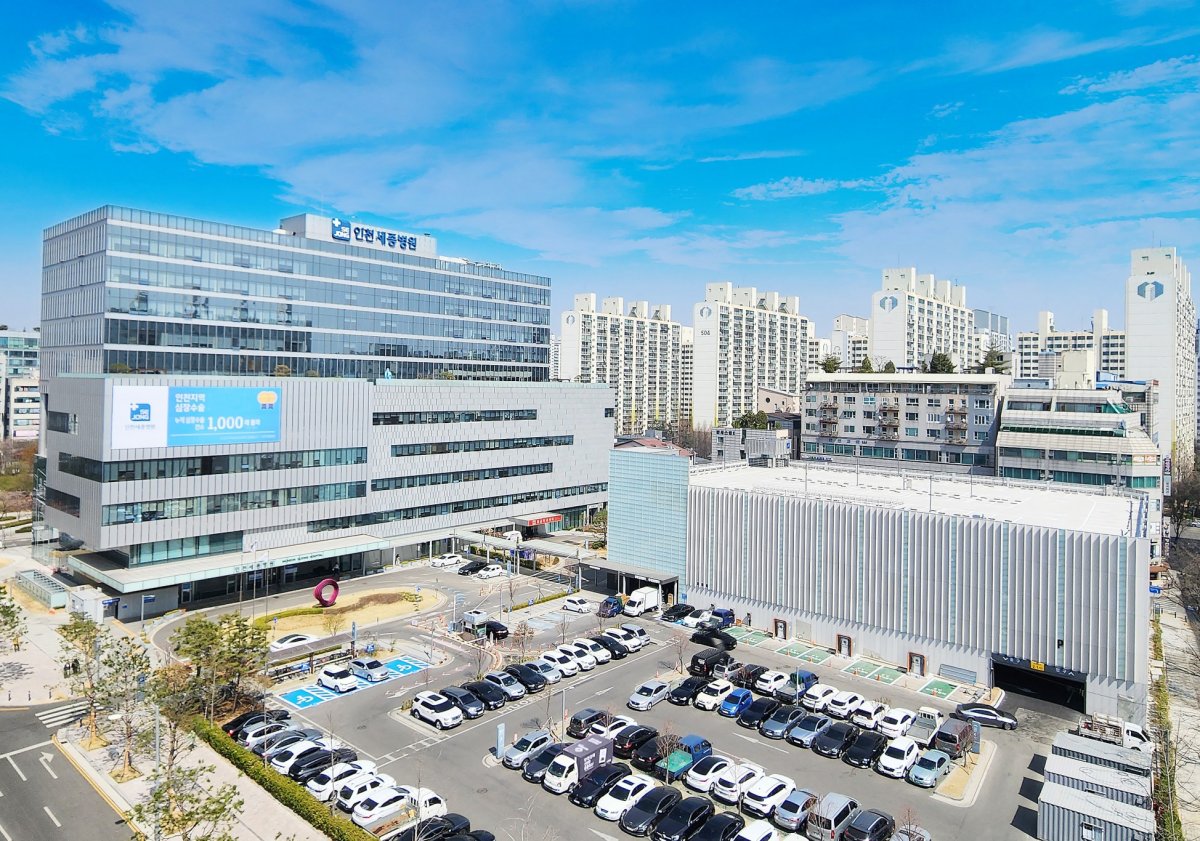
رؤية خبراء Bookimed: بالنسبة للحالات المعقدة التي تتطلب خبرة جراحية عالية المستوى، يعد مركز أسان الطبي (Asan Medical Center) خياراً من الدرجة الأولى. يجري هذا المرفق 45% من جميع عمليات زراعة القلب في كوريا الجنوبية بنسبة نجاح تصل إلى 90%. يجب على المرضى الذين يبحثون عن قادة معترف بهم دولياً التفكير في مستشفى سيجونغ (Sejong Hospital)، حيث يشرف البروفيسور بيونغ هي أوه، الرئيس السابق للجمعية الكورية لأمراض القلب، على الرعاية المتقدمة. يمكن الوصول إلى العلاج الرقمي المتطور بشكل أفضل في مستشفى جامعة سيول الوطنية (Seoul National University Hospital). هذا المستشفى الحكومي يعمل بالكامل بدون أوراق ويدير أكثر من 10,700 مريض يومياً. يتم التعامل مع مخاوف القلب الخاصة بالنساء بخبرة في مركز إيهوا الطبي الجامعي (Ewha Womans University Medical Center)، وهو مرفق معتمد من اللجنة الدولية المشتركة (JCI) ومعترف به من قبل مجلة نيوزويك.
| كوريا الجنوبية | تركيا | إسبانيا | |
|---|---|---|---|
| فصل البروتين الدهني منخفض الكثافة | ≈ $1,100 | ≈ $450 | ≈ $1,100 |
| جراحة مجازة الشريان التاجي | ≈ $22,000 | من $12,500 | ≈ $25,000 |
| الضربات المعاكسة الخارجية المحسنة | ≈ $2,200 | ≈ $1,100 | ≈ $1,500 |
اكتشف أفضل مرض الشريان التاجي العيادات في كوريا الجنوبية: 11 خيارات معتمدة والأسعار













احصل على تقييم طبي لـ في كوريا الجنوبية. استشر الآن 6 أطباء ذوي الخبرة.
عرض جميع الأطباء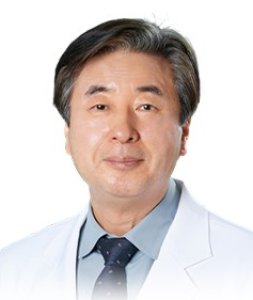
Ahn Taehun
الدكتور آن تايهون طبيب أمراض قلب حاصل على درجتي الطب والدكتوراه، ومدير مركز أمراض القلب والأوعية الدموية. يختص بمرض الشريان التاجي، بما في ذلك الذبحة الصدرية واحتشاء عضلة القلب. ويعالج أيضًا ارتفاع ضغط الدم، وأمراض صمامات القلب، وقصور القلب، وفرط شحميات الدم. تشمل خبرته طب القلب التداخلي، وتخطيط صدى القلب، وتصوير القلب والأوعية الدموية. ويعالج كذلك تصلب الشرايين، وأمراض انسداد الشرايين، واعتلال عضلة القلب التوسعي، والتهاب عضلة القلب.
تولى عدة مناصب قيادية. شغل منصب رئيس مجلس إدارة الجم
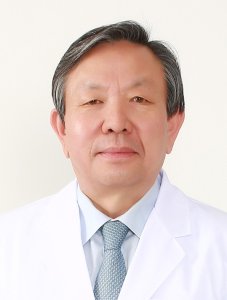
Byung Hee Oh
الأستاذ بيونغ-هي أوه، MD، PhD، طبيب قلب في مستشفى إنتشون سيجونغ. تخرّج في كلية الطب بجامعة سيول الوطنية. أكمل تدريبه في الطب الباطني وطب القلب في مستشفى جامعة سيول الوطنية. يركّز عمله السريري على قصور القلب، ومرض الشريان التاجي، وارتفاع ضغط الدم، والرجفان الأذيني، وطب القلب الوقائي.
شغل منصب أستاذ لطب القلب في جامعة سيول الوطنية. كما تولّى إدارة مركز لأمراض القلب والأوعية الدموية ورئاسة قسم طب القلب. ترأس الجمعية الكورية لأمراض القلب وقاد مجموعات وطنية لقصور القلب وارتفاع ضغط الدم. ألّ
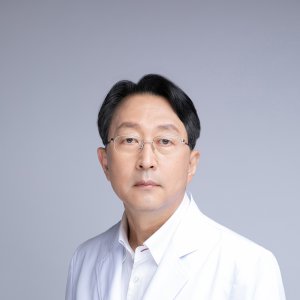
Kim Ki Bong
يتخصص الأستاذ الدكتور كيم كي-بونغ في جراحة مجازة الشريان التاجي (CABG)، وجراحة الصمامات، والرجفان الأذيني، وزراعة القلب. يشغل منصب مدير مراكز جراحة القلب والأوعية الدموية في مستشفى ميونغجي، وقد كان رائدًا في تقنيات جراحة مجازة الشريان التاجي المتقدمة في كوريا. يتمتع بخبرة واسعة في جراحة القلب النابض (OPCAB) ويعمل ضمن فريق جراحة مجازة الشريان التاجي بالمنظار الكامل (TECAB) باستخدام نظام دافنشي إكس آي (da Vinci Xi).
في عام 2025، أجرى فريقه أول عملية جراحية لمجازة الشريان التاجي بالمنظار
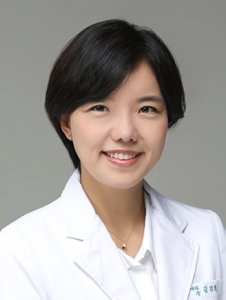
Kyung Hee Kim
الدكتورة كيونغ هي كيم، MD, PhD، مديرة مركز زراعة القلب ورئيسة قسم أمراض القلب في مستشفى إنشيون سيجونغ. حصلت على درجات MD وMS وPhD من كلية الطب بجامعة سيول الوطنية، وأكملت زمالات دولية، منها إجراء أبحاث في مايو كلينك.
تشمل خبرتها فشل القلب المتقدم، تقييم وإدارة الزرع، الدعم الدوري الميكانيكي (VAD، ECMO)، ارتفاع ضغط الدم الرئوي، اعتلالات عضلة القلب المعقدة، وأمراض القلب الوراثية والصمامية وعيوب القلب الخلقية لدى البالغين.
تقود رعاية قلبية متعددة التخصصات، وتطوّر بروتوكولات سريرية
مشاركة المحتوى
قصص فيديو من مرضى Bookimed
 Anna Leonova
أسئلة متكررة حول علاج مرض الشريان التاجي في كوريا الجنوبية
ما مدى أمان جراحة مجازة الشريان التاجي في كوريا، وما هي الاعتمادات التي تؤكد جودة الرعاية؟
تعد جراحة مجازة الشريان التاجي في كوريا آمنة للغاية. تبلغ المستشفيات الرائدة عن معدلات نجاح تتراوح بين 97% و99%. ويصل معدل البقاء على قيد الحياة لمدة عام واحد إلى 92.3%. تحافظ المرافق على معايير صارمة من خلال اعتمادات JCI وKOIHA. تُستخدم تقنيات متقدمة بدون مضخة (off-pump) في 60% من الحالات.
- معدلات النجاح: تبلغ المراكز ذات الحجم الكبير عن نجاح سريري يتراوح بين 97% و99%.
- المعايير الدولية: تحافظ مرافق مثل مركز سامسونج الطبي على اعتماد اللجنة الدولية المشتركة (JCI).
- الجودة المحلية: يؤكد معهد كوريا لاعتماد الرعاية الصحية (KOIHA) معايير السلامة الدولية.
- الرقابة الحكومية: تقوم خدمة مراجعة وتقييم التأمين الصحي بتصنيف المستشفيات حسب الأداء.
رؤية خبير Bookimed: يعد حجم المرضى هو المؤشر الأكثر موثوقية للسلامة في جراحة القلب. يعالج مستشفى سيجونغ أكثر من 400,000 مريض سنوياً ويتمتع بوضع متخصص في أمراض القلب. تُظهر البيانات الوطنية أن المراكز التي تجري أكثر من 224 حالة سنوياً تقلل من مخاطر الوفاة بنسبة 75%. اختيار هذه المراكز ذات القدرة العالية يضمن الوصول إلى الفرق الجراحية الأكثر خبرة.
إجماع المرضى: يلاحظ المرضى أن كفاءة مراكز القلب الكورية رائعة. يشعر الكثيرون بأمان أكبر لمعرفتهم أن الوكالات الحكومية المحلية تصنف كل مستشفى بصرامة بناءً على بيانات نجاحه الفعلية.
ما هي خبرة الجراحين الكوريين في عمليات تحويل مسار الشريان التاجي بدون مضخة أو طفيفة التوغل للسياح الطبيين؟
يُعد الجراحون الكوريون رواداً عالميين في جراحة تحويل مسار الشريان التاجي بدون مضخة (off-pump)، حيث يجرون هذه التقنية على القلب النابض في أكثر من 60% من الحالات. تبلغ المراكز الرائدة عن معدلات نجاح تتراوح بين 95% و98%. وتعمل المستشفيات ذات الحجم الكبير التي تجري أكثر من 224 حالة سنوياً على تحسين نتائج السلامة بشكل كبير لمرض الشريان التاجي المعقد.
- القيادة الجراحية: تحتفظ كوريا بأعلى معدل عالمي لجراحات تحويل مسار الشريان التاجي بدون مضخة.
- خيارات طفيفة التوغل: يستخدم الجراحون روبوتات دا فينشي لجراحات تحويل مسار الشريان التاجي بالمنظار.
- التعافي السريع: غالباً ما يخرج المرضى من المستشفى في غضون 4 إلى 6 أيام.
- سجلات السلامة: تبلغ المراكز رفيعة المستوى عن معدلات بقاء على قيد الحياة لمدة 90 يوماً تصل إلى 99%.
رؤية خبير Bookimed: بينما تركز العديد من المراكز الطبية الكبرى على رعاية القلب العامة، تُظهر بياناتنا أن عيادات مثل مركز آسان الطبي ومستشفى جامعة سيول الوطنية بوندانغ تتعامل مع أحجام هائلة، حيث يخدم مستشفى SNUBH وحده 1,500,000 مريض سنوياً. تسمح بيئة المرضى عالية الكثافة هذه للجراحين بصقل مهارات متخصصة في الإجراءات المساعدة بالروبوت والتي غالباً ما تكون غير متوفرة أو أقل تكراراً في مناطق أخرى.
إجماع المرضى: يلاحظ المرضى أن التعافي أسرع بشكل ملحوظ، حيث يمشي الكثيرون بحلول اليوم الثاني. ويوصون بالتأكد من أن جراحك يجري ما لا يقل عن 50 إجراءً بدون مضخة سنوياً لضمان أعلى مستوى من الخبرة الفنية.
ما هي الاختبارات قبل الجراحة المطلوبة قبل سفري، وكم من الوقت يجب أن أبقى في كوريا لإجراء جراحة مجازة الشريان التاجي؟
عادةً ما يبقى مرضى مجازة الشريان التاجي في كوريا لمدة تتراوح بين 14 إلى 28 يوماً. تشمل متطلبات ما قبل السفر تقديم تخطيط كهربائية القلب (ECG) الحديث، وتحاليل الدم، وصور الأوعية الدموية إلكترونياً. يقوم الجراحون المحليون بإجراء تقييمات نهائية على مدار يومين إلى 4 أيام. يقضي معظم المرضى من 5 إلى 10 أيام في المستشفى قبل الخروج.
- تصوير القلب: تقيم مخططات صدى القلب والأشعة السينية للصدر بنية القلب.
- تحاليل الدم: تتحقق المختبرات من التخثر، ووظائف الكلى، والمؤشرات الحيوية للقلب.
- التصاريح المتخصصة: تتطلب بعض المراكز فحوصات أسنان لمنع العدوى.
- سلامة الطيران: يستغرق التعافي من أسبوعين إلى 4 أسابيع قبل السفر لمسافات طويلة.
رؤية خبير Bookimed: تجري المراكز ذات الحجم الكبير مثل مركز أسان الطبي أكثر من 65,000 عملية سنوياً. غالباً ما تستخدم هذه المؤسسات تقنيات بدون مضخة (off-pump). يمكن لهذا النهج تقليل إقامتك في المستشفى إلى 5 أيام فقط. بالنسبة لأولئك الذين يسافرون من الولايات المتحدة أو أوروبا، خطط لرحلة مدتها شهر. هذا يسمح بإجراء فحوصات الجروح الإلزامية وإعادة تأهيل القلب قبل الطيران.
إجماع المرضى: يشير المرضى إلى أنه من الضروري إرسال النتائج التشخيصية قبل 4 أسابيع من السفر. يوصي الكثيرون بحجز رحلات عودة مرنة لاستيعاب أوقات التعافي المتفاوتة والتصريح النهائي للجراح.
ما هو الجدول الزمني القياسي للتعافي وقيود النشاط بعد جراحة مجازة الشريان التاجي (CABG) في كوريا؟
يتضمن التعافي القياسي بعد جراحة مجازة الشريان التاجي في كوريا عادةً إقامة في المستشفى تتراوح من 5 إلى 10 أيام. يتبع المرضى بروتوكولات المسار السريع التي تعطي الأولوية للتحرك المبكر في غضون 24 ساعة. يتطلب التئام عظمة القص بالكامل من 6 إلى 8 أسابيع. تستخدم المراكز المتخصصة مثل مركز أسان الطبي تقنيات بدون مضخة (off-pump) لتسريع الاستقرار والخروج.
- الإقامة في المستشفى: توقع البقاء من 5 إلى 10 أيام مع إجراء تخطيط كهربائي للقلب (ECG) وفحوصات دم يومية.
- قيود الوزن: تجنب رفع أو دفع أكثر من 5 كجم لمدة 4 إلى 6 أسابيع.
- النشاط البدني: يبدأ المشي الخفيف في اليوم الثالث، ويصل إلى 30 دقيقة يومياً بحلول الشهر الأول.
- المعلم الوظيفي: غالباً ما يتطلب الخروج القدرة على المشي لمسافة 200 متر دون مساعدة لضمان سلامة المريض.
رؤية خبير Bookimed: تحقق مراكز القلب الكورية كفاءة عالية من خلال الحجم السريري الكبير والتخصص. يجري مركز أسان الطبي 45% من عمليات زراعة القلب في كوريا وأكثر من 65,000 عملية جراحية سنوياً. يسمح هذا النطاق الهائل بمسارات تعافي موحدة للغاية. غالباً ما ينتقل المرضى إلى إعادة التأهيل القلبي المكثف بحلول الأسبوع الثاني، وهو وقت أبكر من المتوسطات العالمية.
إجماع المرضى: يلاحظ المرضى أن ألم عظمة القص غالباً ما يصل إلى ذروته حوالي الأسبوع الثالث. يؤكد الكثيرون على اتباع برامج العلاج الطبيعي المكثفة بدقة لتلبية المتطلبات الصارمة للمشي دون مساعدة من أجل الخروج.
هل إجراءات الدعامات الدوائية (PCI) شائعة بنفس القدر في كوريا، ومتى يتم تفضيل مجازة الشريان التاجي (Bypass)؟
تعد الدعامات الدوائية العلاج الأساسي لمرض الشريان التاجي في كوريا الجنوبية. تمثل إجراءات التدخل التاجي عن طريق الجلد (PCI) أكثر من 96% من عمليات إعادة التوعي. هذه الإجراءات شائعة في المراكز المعتمدة من قبل JCI في سيول وإنتشون. تظل جراحة المجازة (Bypass) هي المعيار لأمراض الأوعية المتعددة المعقدة أو مرضى السكري.
- انتشار عالٍ: تشكل الدعامات الدوائية من 90% إلى 99% من الدعامات التاجية المستخدمة.
- التفضيل السريري: يُفضل إجراء المجازة لأمراض الشريان التاجي الأيسر الرئيسي أو درجات SYNTAX العالية.
- التقنية الإجرائية: حوالي 70% من جراحات المجازة الكورية تستخدم تقنيات بدون مضخة (off-pump).
- المعايير الجراحية: تحافظ المراكز الثالثية الرائدة مثل مستشفى سيفيرانس على بروتوكولات سلامة دولية صارمة.
رؤية خبير Bookimed: تظهر البيانات تركيزاً عالياً لخبرات جراحة المجازة في سيول في مراكز مثل مركز أسون الطبي. هذا المرفق وحده يتعامل مع 45% من عمليات زراعة القلب في كوريا. في حين أن المستشفيات الإقليمية غالباً ما تلجأ إلى الدعامات، توفر هذه المراكز الثالثية الكبرى بدائل جراحية متقدمة. يجب على المرضى الذين يعانون من أمراض معقدة إعطاء الأولوية لهذه المراكز ذات الحجم الكبير للاستشارات الجراحية.
إجماع المرضى: يشير المرضى إلى أن الدعامات تُقدم كمعيار حديث لمعظم الحالات. أولئك الذين يحتاجون إلى مجازة غالباً ما يسافرون إلى مستشفيات سيول الكبرى للعثور على فرق جراحية متخصصة.
ما هو مستوى التواصل باللغة الإنجليزية والدعم الثقافي الذي يمكن أن يتوقعه مرضى القلب الدوليون؟
يتلقى مرضى القلب الدوليون في كوريا الجنوبية دعمًا عالي المستوى من خلال المرافق المعتمدة من قبل اللجنة الدولية المشتركة (JCI). توفر المراكز الرئيسية مترجمين طبيين، وخطط رعاية مصممة ثقافيًا، وموظفين ثنائيي اللغة. تستخدم هذه المستشفيات منسقين مخصصين لإدارة الموافقة المستنيرة والشروحات الجراحية المعقدة لإجراءات القلب والأوعية الدموية.
- الدعم اللغوي: توفر المستشفيات الكبرى في سيول مترجمين طبيين محترفين لاستشارات القلب الحرجة.
- التكامل الرقمي: تضمن الأنظمة الرقمية مثل BESTcare تتبعًا دقيقًا للسجلات الطبية المترجمة.
- الموارد الدينية: توفر المرافق المعتمدة خيارات غذائية قائمة على المعتقدات الدينية وإمكانية الوصول إلى مستشارين روحيين.
- الموجهون المتخصصون: تساعد الأقسام الدولية المخصصة في تنسيق التأمين وإصدار الفواتير المفصلة باللغة الإنجليزية.
رؤية خبير Bookimed: تظهر البيانات تمييزًا واضحًا بين الدعم الإداري والتواصل على مستوى الأجنحة. في حين توظف المراكز الكبرى مثل مستشفى سيجونغ أو مركز آسان الطبي رؤساء أقسام قلب يتحدثون الإنجليزية، قد يكون لدى طاقم التمريض في الأجنحة العادية طلاقة محدودة. يبلغ المرضى في مستشفى جامعة سيول الوطنية، الذي يخدم أكثر من 10,000 مريض يوميًا، عن تجارب أفضل عند جدولة استشارات الفيديو قبل العلاج لبناء علاقة مباشرة مع جراحهم.
إجماع المرضى: يشير المرضى إلى أن الاختلافات الثقافية في ساعات الزيارة وإدارة الألم قد تكون أكثر إثارة للدهشة من الفجوات اللغوية. يقترح الكثيرون استئجار مترجم خاص أو استخدام تطبيق
هل سيكون لدي ندوب مرئية بعد جراحة الشريان التاجي طفيفة التوغل في كوريا؟
تترك جراحة الشريان التاجي طفيفة التوغل في كوريا ندوبًا أصغر بكثير من جراحة القلب المفتوح التقليدية. يستخدم الجراحون تقنيات متخصصة لعمل شقوق سرية يتراوح طولها بين 2 إلى 5 سنتيمترات. عادة ما تتلاشى هذه العلامات لتصبح خطوطًا بيضاء باهتة في غضون 12 شهرًا. يجد معظم المرضى أنه يمكن إخفاؤها بسهولة بالملابس.
- حجم الشق: تستخدم الإجراءات المساعدة بالروبوت فتحات صغيرة يتراوح عرضها بين 8 مم إلى 2 سم تقريبًا.
- الموضع الاستراتيجي: غالبًا ما يخفي الجراحون الشقوق تحت الثدي أو بين الضلوع.
- التكنولوجيا المتقدمة: تعمل الأنظمة الروبوتية وتقنيات بضع الصدر الصغيرة على تقليل الصدمات التي تلحق بسطح الجلد.
- نضج الندبة: تتحول الخطوط الوردية الرقيقة عادةً إلى علامات بيضاء بالكاد مرئية بعد عام واحد.
رؤية خبير Bookimed: تجري مراكز القلب الرائدة في كوريا مثل مركز أسان الطبي ومستشفى سيفيرانس آلاف العمليات سنويًا. يسمح هذا الحجم الكبير للجراحين بإتقان شقوق 'خفية' محددة. على سبيل المثال، يسوق المركز الطبي لجامعة إيهوا النسائية تقنيات متخصصة للشقوق الصغيرة. تركز هذه البروتوكولات على النجاح السريري مع ضمان عدم بقاء أي ندوب مرئية تقريبًا.
إجماع المرضى: يلاحظ المرضى أن الخطوط الوردية الرقيقة الأولية تتلاشى بشكل أسرع بكثير مما كان متوقعًا. يشعر الكثيرون بالاطمئنان لأن الأطباء المحليين يؤكدون على صحة القلب والمظهر الجمالي النهائي للجلد.