مرض الشريان التاجي العلاج في الهند - التكاليف 2026


تمت مراجعة المقالة طبيا من قبل
فهد مولود
ما هي تكلفة مرض الشريان التاجي إجراءات التشخيص والعلاج في الهند؟ اعرف الآن
| الهند | تركيا | إسبانيا | |
|---|---|---|---|
| فصل البروتين الدهني منخفض الكثافة | ≈ $700 | ≈ $450 | ≈ $1,100 |
| جراحة مجازة الشريان التاجي | ≈ $6,500 | من $12,500 | ≈ $25,000 |
| الضربات المعاكسة الخارجية المحسنة | ≈ $1,400 | ≈ $1,100 | ≈ $1,500 |
مزاياك وضماناتك مع Bookimed
أسعار مباشرة
Bookimed لا يضيف رسوماً إضافية على أسعار علاج مرض الشريان التاجي. الأسعار مأخوذة من قوائم الأسعار الرسمية للعيادات. تدفع مباشرة في العيادة مقابل علاجك عند وصولك إلى البلد.
عيادات وأطباء معتمدون فقط
Bookimed ملتزم بسلامتك. نحن نعمل فقط مع المؤسسات الطبية التي تحافظ على معايير دولية عالية في علاج مرض الشريان التاجي ولديها التراخيص اللازمة لخدمة المرضى الدوليين في جميع أنحاء العالم.
مساعدة مجانية على مدار الساعة
Bookimed يقدم مساعدة خبراء مجانية. منسق طبي شخصي يدعمك قبل وأثناء وبعد العلاج، ويحل أي مشاكل. لن تكون وحيداً أبداً في رحلة علاج مرض الشريان التاجي.

منسقك الطبي الشخصي في Bookimed
- يدعمك في كل مرحلة
- المساعدة في اختيار العيادة الطبية المناسبة والطبيب المناسب
- يضمن الوصول السريع والمريح إلى المعلومات
اكتشف أفضل مرض الشريان التاجي العيادات في الهند: 19 خيارات معتمدة والأسعار












Dr. Rela Institute & Medical Centre

Fortis Vasant Kunj
احصل على تقييم طبي لـ في الهند. استشر الآن 7 أطباء ذوي الخبرة.
عرض جميع الأطباء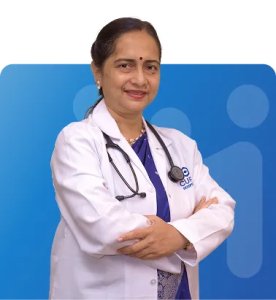
Anindita De Chakraborty
الدكتورة أنينديتا دي تشاكرابورتي هي طبيبة قلب في مستشفيات "كورا" في بنغالور. تقوم بتشخيص وعلاج أمراض الشرايين التاجية. تجري الدكتورة دي تشاكرابورتي إجراءات القلب التداخلية، بما في ذلك قسطرة القلب وتركيب الدعامات. تعمل في فرع "كاماناهالي" ضمن شبكة مستشفيات "كورا".
- تجري تصوير الشرايين التاجية وتخطيط صدى القلب لتقييم حالات القلب.
- تعالج أمراض الشرايين التاجية باستخدام قسطرة الشرايين وتركيب الدعامات.
- حاصلة على المؤهلات الطبية CCEBDM و PGDCC.
- تعمل في مستشفيات "كور

MC Sandeep
الدكتور إم سي سانديب هو طبيب قلب في مستشفيات "كيورا" (Cura Hospitals) في بنغالور. وهو حاصل على درجة الماجستير في العلوم في طب القلب من المملكة المتحدة، وعضو في الكلية الملكية للأطباء في لندن. يجري الطبيب إجراءات تداخلية في هذه المنشأة الحاصلة على شهادة الأيزو.
- يجري عمليات تصوير الأوعية التاجية، ورأب الأوعية مع تركيب الدعامات، وزراعة أجهزة تنظيم ضربات القلب.
- يعالج حالات مثل قصور القلب المزمن وأمراض الشرايين التاجية.
- حاصل على شهادات مهنية تشمل زمالة الجمعية الأوروبية
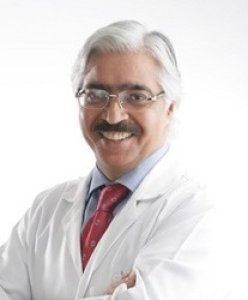
Ashok Seth
Surinder Hansra
مشاركة المحتوى
قصص فيديو من مرضى Bookimed
 Anna Leonova
أسئلة متكررة حول علاج مرض الشريان التاجي في الهند
هل جراحو القلب الهنود مؤهلون لإجراء جراحة مجازة الشريان التاجي أو تركيب الدعامات؟
يتمتع جراحو القلب الهنود بمؤهلات عالية لإجراء جراحات المجازة (الباي باس) مع الحصول على درجة علمية في جراحة القلب والصدر. يقوم أطباء القلب التداخليون بإجراء تركيب الدعامات بعد إكمال تدريب تخصصي في أمراض القلب. يحمل العديد من الخبراء زمالات دولية من مؤسسات مرموقة في الولايات المتحدة أو المملكة المتحدة. عادة ما تتجاوز معدلات نجاح جراحات المجازة في الهند 95%.
- الأدوار التخصصية: يتولى الجراحون إجراء عمليات المجازة بينما يقوم أطباء القلب التداخليون بإجراء تركيب الدعامات طفيف التوغل.
- التدريب الجراحي: يكمل الجراحون إقامة دراسات عليا مكثفة لمدة 6 سنوات في الجراحة العامة وجراحة القلب والصدر.
- المسار التخصصي في القلب: يخضع أطباء القلب لـ 6 سنوات من التدريب الطبي بعد التخرج مع التركيز على تدخلات القلب غير الجراحية.
- معايير الجودة: تمتلك المؤسسات الرائدة مثل مستشفيات أرتميس ومستشفيات مانيبال اعتمادات JCI و NABH.
رؤية خبراء Bookimed: تكشف البيانات السريرية أن البنية التحتية للقلب في الهند مصممة لتحقيق كفاءة عالية في حجم العمليات. يقوم مستشفى جلوبال في تشيناي وحده بإجراء 18,000 عملية سنوياً. يسمح هذا الحجم الهائل من الحالات للجراحين باكتساب الخبرة أسرع بـ 5 مرات من نظرائهم في الغرب. يجب على المرضى إعطاء الأولوية للمستشفيات مثل ميدانتا، التي أسسها متخصصون، حيث تعطي هذه المراكز الأولوية للأنظمة الجراحية المتخصصة على الرعاية العامة.
إجماع المرضى: يلاحظ المرضى أن كبار جراحي القلب الهنود غالباً ما يتعاملون مع حالات أكثر بـ 10 مرات من ا
ما هي العلاجات الرئيسية القائمة على الأدلة المقدمة في الهند لمرض الشريان التاجي؟
تشمل علاجات مرض الشريان التاجي القائمة على الأدلة في الهند الإدارة الطبية، والتدخل التاجي عن طريق الجلد (PCI)، وجراحة مجازة الشريان التاجي (CABG). تستخدم المراكز الهندية تشخيصات متقدمة مثل احتياطي التدفق الجزئي (FFR) والموجات فوق الصوتية داخل الأوعية الدموية (IVUS). تمتلك المرافق الرائدة اعتماد اللجنة الدولية المشتركة (JCI) لضمان معايير السلامة العالمية.
- الإدارة الطبية: تستخدم البروتوكولات القياسية الستاتينات، وحاصرات بيتا، والأدوية المضادة للصفيحات للتحكم في الأعراض.
- الإجراءات التداخلية: يقوم المتخصصون بإجراء رأب الأوعية باستخدام دعامات دوائية لفتح شرايين القلب المسدودة.
- إعادة التروية الجراحية: يقدم الجراحون جراحات مجازة معقدة باستخدام تقنيات القلب النابض وتقنيات القلب والرئة الاصطناعية.
- التشخيص المتقدم: تستخدم العيادات الكبرى التصوير المقطعي للترابط البصري (OCT) للحصول على تصوير دقيق للشرايين.
- الخيارات غير الجراحية: يساعد العداد الخارجي المعزز (EECP) في إدارة الذبحة الصدرية المستقرة المزمنة لبعض المرضى.
رؤية خبير Bookimed: يعد حجم المرضى مؤشرًا رئيسيًا للجودة في الهند. تخدم مستشفيات مانيبال 2,000,000 مريض سنويًا، ويجري مستشفى جلوبال تشيناي 18,000 عملية سنويًا. غالبًا ما توفر هذه المراكز ذات الحجم الكبير تشخيصات متخصصة مثل IVUS وOCT. تسمح هذه الأدوات بوضع دعامة أكثر دقة من تصوير الأوعية القياسي وحده.
إجماع المرضى: يؤكد المرضى على ضرورة الالتزام الصارم بالأدوية بعد الإجراء للحفاظ على بقا
كم من الوقت يجب أن يبقى المريض الطبي في الهند لإجراء جراحة المجازة (bypass) وهل يلزم وجود مرافق؟
يجب على المرضى الطبيين البقاء في الهند لمدة 3 إلى 4 أسابيع لإجراء جراحة المجازة. تشمل هذه الفترة الفحوصات قبل الجراحة و7 إلى 10 أيام من الإقامة في المستشفى. لا يُعد وجود مرافق إلزاميًا بموجب القانون. ومع ذلك، توصي العيادات المتخصصة بشدة بوجود مرافق لرعاية ما بعد الجراحة والخدمات اللوجستية.
- الإقامة في المستشفى: توقع من 7 إلى 12 يومًا بما في ذلك العناية المركزة والتعافي في الجناح.
- مرحلة ما بعد الخروج: خطط لـ 14 إلى 21 يومًا من التعافي المحلي قبل السفر إلى المنزل بأمان.
- تأشيرة المرافق: تسمح اللوائح الهندية بما يصل إلى مرافقين طبيين اثنين لكل تأشيرة مريض.
- تصريح الطيران: عادةً ما يقدم الجراحون شهادات اللياقة للطيران (Fit to Fly) بعد 14 إلى 28 يومًا.
رؤية خبير Bookimed: تدير المراكز ذات السعة العالية مثل مستشفيات مانيبال (Manipal Hospitals) ومستشفى جلوبال تشيناي (Global Hospital Chennai) أكثر من 80,000 مريض سنويًا. تظهر بياناتنا أن أفضل المرافق الهندية غالبًا ما تستخدم دورات أقصر مدتها 10 أيام للمرضى الذين تقل أعمارهم عن 60 عامًا. ومع ذلك، فإن اختيار عيادة بنظام متخصصين بدوام كامل، مثل كوكيلابين ديروبهاي أمباني (Kokilaben Dhirubhai Ambani)، يضمن الوصول المستمر إلى الجراحين خلال ذلك الأسبوع الثاني الحاسم من التعافي.
إجماع المرضى: يشير المرضى إلى أن وجود مرافق أمر ضروري لإدارة الأدوية والتنقل المحلي. يوصي الكثيرون بالبقاء من 3 إلى 5 أيام إضافية بعد الحد الأدنى الذي يحدده الجراح لضمان استقرار عظمة القص لرحلات الطيران الطو
ما هي المضاعفات المحتملة التي يجب أن يكون المرضى على دراية بها وكيف يتم التعامل مع حالات الطوارئ؟
تدير مراكز أمراض القلب الهندية المضاعفات من خلال بروتوكولات طوارئ القلب على مدار الساعة طوال أيام الأسبوع والتدخلات السريرية المتقدمة. تستخدم المرافق المعتمدة من قبل JCI الفرز السريع للتعامل مع المشكلات المحتملة مثل عدم انتظام ضربات القلب، أو التهابات القص، أو جلطات الدم. غالبًا ما تستخدم المستشفيات مراقبة محددة بعد الجراحة لضمان معدلات بقاء عالية للمرضى.
- مراقبة العدوى: يراقب الجراحون جروح القص بحثًا عن الاحمرار أو الحمى، خاصة في المناخات الرطبة.
- الوقاية من التجلط: يصف الأطباء مضادات الصفائح الدموية المزدوجة لمنع التجلط بعد جراحة مجازة الشريان التاجي أو تركيب الدعامات.
- عملية الفرز: تعطي المستشفيات الأولوية للحالات التي تهدد الحياة مثل آلام الصدر أو النزيف لتلقي الرعاية الفورية.
- التدخل المتقدم: تعالج جراحة الطوارئ أو غسيل الكلى العاجل النزيف الداخلي ومشاكل الكلى الناجمة عن مادة التباين.
رؤية خبير Bookimed: تخدم مستشفيات مانيبال ومستشفى جلوبال تشيناي أكثر من 2,000,000 مريض سنويًا مجتمعين. يضمن هذا الحجم الهائل أن فرق الطوارئ لديهم تتعرف على مضاعفات ما بعد المجازة النادرة بشكل أسرع من العيادات الأصغر. يجب على المرضى اختيار مراكز بها مختبرات قسطرة تعمل على مدار الساعة طوال أيام الأسبوع، حيث يتواجد موظفون متخصصون مثل أولئك الموجودين في Artemis أو BLK دائمًا في الموقع للتدخلات الفورية.
إجماع المرضى: يؤكد المرضى على ضرورة الالتزام الصارم بأدوية تسييل الدم لتجنب الجلطات. كما يوصون بطلب الوصول عبر الشريان الكعبري للإجراءا
ما هي المدن والمستشفيات الأكثر تفضيلاً من قبل المرضى الدوليين لإجراء التدخلات التاجية؟
يفضل المرضى الدوليون دلهي ومومباي لإجراء التدخلات التاجية بسبب التركيز العالي لمراكز القلب المعتمدة من قبل اللجنة الدولية المشتركة (JCI). توفر المستشفيات الكبرى مثل ميدانتا ومستشفى جلوبال تشيناي تقنيات متقدمة مثل استئصال العصيدة الدوراني وغرف العمليات الهجينة. توفر هذه المرافق دعامات الشرايين التاجية وجراحات المجازة طفيفة التوغل مع معدلات بقاء ممتازة.
- تكنولوجيا غرف العمليات الهجينة: يتيح مستشفى جلوبال تشيناي إجراء جراحات المجازة التاجية وتركيب الدعامات في نفس اليوم.
- الخبرة المتخصصة: تأسس مستشفى ميدانتا على يد جراح قلب معترف به عالمياً.
- معايير الاعتماد: تمتلك المراكز الرائدة مثل أرتميس وBLK Super Speciality اعتماد JCI.
- حجم كبير من المرضى: تعالج مستشفيات مانيبال أكثر من 2,000,000 مريض سنوياً عبر شبكتها.
رؤية خبير Bookimed: بينما يختار الكثيرون العلامات التجارية الكبرى، غالباً ما تتصدر مراكز تشيناي في التكنولوجيا المتخصصة مثل عمليات زراعة القلب والكلى. أجرى مستشفى جلوبال تشيناي أول عملية زراعة رئة طفيفة التوغل في الهند. هذا العمق التقني يجعل تشيناي خياراً أكثر أماناً للمرضى الذين يعانون من مشاكل معقدة في أعضاء متعددة. ابحث عن العيادات التي تمتلك مختبرات معتمدة من NABL لضمان دقة التشخيص.
إجماع المرضى: يشير المرضى إلى أن اختيار خبير محدد في مختبر القسطرة أكثر أهمية من العلامة التجارية للمستشفى. غالباً ما يقترحون طلب آراء ثانية افتراضياً قبل السفر لتأكيد أفضل خطة علاجية.
ما الذي تتضمنه باقة العلاج النموذجية وما الذي يجب على المرضى إحضاره من المنزل؟
تختلف باقات أمراض الشرايين التاجية في الهند حسب الإجراء، ولكنها تغطي عمومًا إقامة في المستشفى لمدة 3 إلى 5 أيام إلى جانب اختبارات تخطيط القلب والاختبارات المعملية. قد تكلف الخيارات الجراحية مثل جراحة مجازة الشريان التاجي ما يقرب من 4500 إلى 8200 دولار. يتراوح سعر علاج EECP غير الجراحي عادةً بين 900 و 1800 دولار.
- الإقامة في المستشفى: تشمل 3-5 أيام من الاستشفاء والتعافي.
- الخدمات المشمولة: غالبًا ما تشمل الرعاية المنسقة الوصول إلى وحدة العناية المركزة والأساسيات.
- المستلزمات الشخصية: أحضر ملابس فضفاضة تُفتح من الأمام لراحة ما بعد القسطرة.
- المساعدات الصحية: أحضر أجهزة قياس ضغط الدم المنزلية للفحوصات الروتينية.
رؤية خبير Bookimed: بينما تخدم مجموعات كبيرة مثل مستشفيات مانيبال ملايين المرضى، غالبًا ما تستبعد الباقات الأدوية طويلة الأمد. نادرًا ما يتم تجميع أدوية ما بعد الخروج من المستشفى مثل الستاتينات أو مميعات الدم في السعر النهائي. يمكن للمرضى توفير الكثير من المال عن طريق التأكد مما إذا كانت دعامات معينة مطلقة للدواء مشمولة أم تتطلب رسومًا إضافية قبل الوصول.
إجماع المرضى: يلاحظ المرضى أن صيدليات المستشفيات قد تفرض أسعارًا أعلى للأدوية بعد الخروج. إن إحضار أدوات النظافة الشخصية الخاصة بك وشاحن هاتف بسلك طويل يحسن الراحة اليومية خلال فترة التعافي.
متى يكون من الآمن السفر جوًا إلى المنزل بعد تركيب دعامة الشريان التاجي؟
يسافر معظم المرضى بأمان إلى منازلهم بعد 2 إلى 7 أيام من إجراء تركيب دعامة الشريان التاجي الاختياري في الهند. تسمح الإجراءات غير المعقدة عادةً بالسفر للعودة في غضون 48 ساعة للمسافات القصيرة. غالبًا ما تتطلب الرحلات الدولية الطويلة الانتظار من 7 إلى 10 أيام لضمان الاستقرار الوعائي والتعديل المناسب للأدوية.
- الإجراء الروتيني: الرحلات الداخلية القصيرة ممكنة بعد يومين إذا كانت الحالة مستقرة.
- السفر لمسافات طويلة: انتظر من 7 إلى 10 أيام للرحلات التي تزيد مدتها عن 6 ساعات.
- بعد النوبة القلبية: ابقَ لمدة 10 إلى 14 يومًا للتعافي بعد حالات الطوارئ.
- التصريح الطبي: يلزم الحصول على موافقة إلزامية من طبيب القلب وإجراء تخطيط كهربائي للقلب (ECG) قبل المغادرة.
رؤية خبير Bookimed: تستقبل الهند أعدادًا هائلة من حالات القلب، حيث يعالج مستشفى مانيبال وحده 2,000,000 مريض سنويًا. تُظهر بياناتنا أن المراكز الهندية الرائدة مثل ميدانتا، التي أسسها الجراح العالمي الشهير الدكتور ناريش تريان، تستخدم قوائم مراجعة متخصصة للمرضى الدوليين. في حين تشير الإرشادات المحلية إلى 48 ساعة، يوصي أطباء ميدانتا وأرتميس بشكل متكرر بإقامة لمدة 7 أيام لمراقبة الاستجابة للعلاج المضاد للصفيحات قبل السفر الجوي لمسافات طويلة.
إجماع المرضى: يؤكد المرضى على الحاجة إلى متابعة محلية في الهند قبل السفر. يلاحظ الكثيرون أن ضغوط المطار والجفاف هما أكبر التحديات عند السفر بعد 3 إلى 5 أيام من الإجراء.