علاج مرض الشريان التاجي في إسرائيل — احصل على 3 عيادات مختارة خصيصاً لك


تمت مراجعة المقالة طبيا من قبل
فهد مولود
كيف نعمل؟
ما هي تكلفة مرض الشريان التاجي إجراءات التشخيص والعلاج في إسرائيل؟ اعرف الآن
Coronary artery disease treatment cost in Israel varies depending on the medical center and patient needs, with a heart ultrasound ranging from $250 to $400. Major procedures like coronary bypass surgery run from $38,000 to $52,000, while non-invasive options such as Enhanced External Counterpulsation (EECP) cost between $2,600 and $3,900. Total expenses depend on hospital stay length and technology choice, offering 30-50% savings compared to the US. Top cities include Tel Aviv, Jerusalem, and Haifa.
Typical Coronary Artery Disease Treatment Costs in Israel
- Heart ultrasound: $250 – $400
- Coronary bypass surgery: $38,000 – $52,000
- Enhanced External Counterpulsation (EECP): $2,600 – $3,900
Bookimed Expert Insight: Advanced surgical cases benefit from multidisciplinary centers like Sourasky Medical Center. They perform 34,000 operations annually with high success rates. Patients seeking minimally invasive alternatives should consider Assuta Medical Center. Their cardiac surgery department reports a 98.7% success rate. Jerusalem’s Hadassah Medical Center offers top-tier academic expertise for complex reconstructions. Choose private clinics for faster diagnostics, typically completed in 1-3 days.
| إسرائيل | تركيا | إسبانيا | |
|---|---|---|---|
| فصل البروتين الدهني منخفض الكثافة | ≈ $1,600 | ≈ $450 | ≈ $1,100 |
| جراحة مجازة الشريان التاجي | ≈ $38,000 | من $12,500 | ≈ $25,000 |
| الضربات المعاكسة الخارجية المحسنة | ≈ $2,600 | ≈ $1,100 | ≈ $1,500 |
اكتشف أفضل مرض الشريان التاجي العيادات في إسرائيل: 14 خيارات معتمدة والأسعار











Assaf Harofeh Medical Center


Herzliya Medical Center
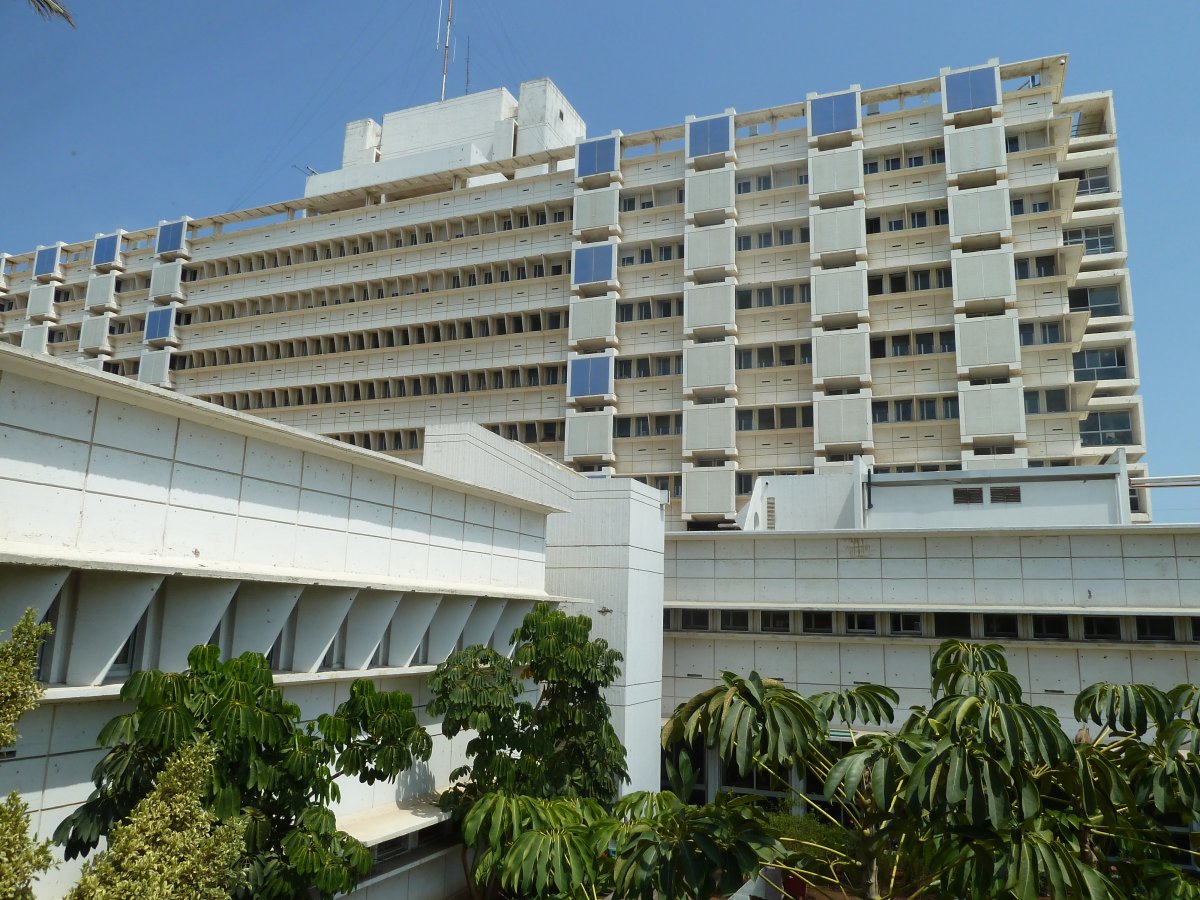
State Hospital Edith Wolfson
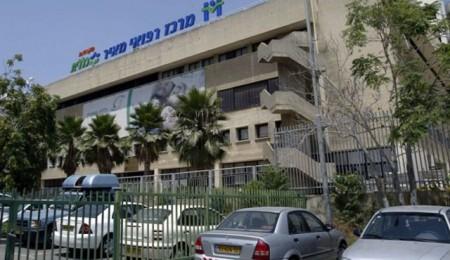
Meir Medical Center

Kaplan Medical Center
احصل على تقييم طبي لـ في إسرائيل. استشر الآن 18 أطباء ذوي الخبرة.
عرض جميع الأطباء
Levi Yehuda
يتخصص الدكتور يهودا في دعامات الشرايين التاجية وزراعة صمامات القلب في مركز سوراسكي الطبي، وهو عضو في جمعيات القلب الرائدة.
- تدرب في العناية المركزة لأمراض القلب في مركز شيبا الطبي
- عضو في الاتحاد الأوروبي لأطباء القلب وجمعية القلب الأمريكية
- خبير في تشخيص وعلاج أمراض القلب والأوعية الدموية
- ماهر في تركيب أجهزة تنظيم ضربات القلب ودعامات الشرايين التاجية

Rosso Raphael
الدكتور رافائيل هو طبيب قلب مدرب خصيصاً على إدارة اضطرابات نظم القلب. يقوم بإجراء علاج الاستئصال وزراعة أجهزة تنظيم ضربات القلب في مركز سوراسكي الطبي.
- أخصائي في أمراض القلب والفيزيولوجيا الكهربائية للقلب
- أكمل زمالة في الفيزيولوجيا الكهربائية في أستراليا في مستشفى رويال ملبورن
- يدرس طلاب الطب ونشر أبحاثاً ومراجعات أصلية
- عضو في الجمعية الإسرائيلية المهنية لأمراض القلب

Helkin Amir
يدير الدكتور أمير خدمة أمراض القلب الهيكلية في المركز الطبي في تل أبيب، وقد تدرب في أفضل برامج طب القلب التداخلي في نيويورك.
- طبيب أول يتمتع بخبرة تزيد عن _doctor_3449_ سنوات في طب القلب التداخلي
- تدرب في مستشفى لينوكس هيل، وهو مركز تميز للتدخلات المعقدة
- يدير مجموعة كاملة من الإجراءات المعتمدة على القسطرة لأمراض الشرايين التاجية
- محاضر في كلية هداسا للطب والجامعة العبرية
- مؤلف لعشرات المنشورات في طب القلب

Bella Koifman
رئيس قسم تخطيط صدى القلب في مستشفى إيخيلوف - يقود الدكتور كويفمان قسماً رائداً لأمراض القلب بينما يعالج حالات الشرايين التاجية المعقدة.
- متخصص في إجراءات دعامات الشرايين التاجية وجراحات تحويل مسار الشرايين
- تدرب في مستشفى رويال برومبتون في لندن - وهو مركز عالمي رائد في رعاية القلب
- يجري أبحاثاً رائدة حول الكشف المبكر عن أمراض القلب
- يدرس أمراض القلب على المستوى الجامعي مع الحفاظ على ممارسته السريرية
مشاركة المحتوى
قصص فيديو من مرضى Bookimed
 Anna Leonova
أسئلة متكررة حول علاج مرض الشريان التاجي في إسرائيل
ما هي خيارات العلاج الرئيسية لمرض الشريان التاجي المتاحة في إسرائيل؟
يتم علاج مرض الشريان التاجي في إسرائيل بشكل أساسي من خلال طب القلب التداخلي، مع التركيز على التدخل التاجي عن طريق الجلد باستخدام الدعامات الدوائية. كما توفر المراكز المتقدمة جراحة مجازة الشريان التاجي طفيفة التوغل للحالات المعقدة. تستخدم هذه المرافق الموجات فوق الصوتية داخل الأوعية والمساعدة الروبوتية لضمان دقة عالية في الإجراءات.
- طب القلب التداخلي: تعد الدعامات الطريقة الأكثر شيوعاً، حيث تفوق جراحات المجازة بنسبة 8:1.
- التشخيص المتقدم: يستخدم المتخصصون الموجات فوق الصوتية داخل الأوعية (IVUS) والتصوير المقطعي للترابط البصري (OCT) للحصول على تصوير دقيق.
- المجازة الجراحية: يوصى بجراحة مجازة الشريان التاجي (CABG) لأمراض الأوعية الثلاثة المعقدة أو أمراض الجذع الرئيسي الأيسر.
- العلاجات البديلة: تشمل الخيارات النبض المضاد الخارجي المعزز (EECP) وفصادة البروتين الدهني منخفض الكثافة (LDL) لإدارة دهون الدم.
رؤية خبير Bookimed: بينما يبحث العديد من المرضى الدوليين عن أكبر المرافق العامة مثل مركز سوراسكي الطبي، توفر المراكز الخاصة مثل أسوتا ميزة فريدة من خلال السماح لك باختيار طبيبك المعالج المحدد. هذا ذو قيمة خاصة عند البحث عن متخصصين مثل الدكتور أمير كرامر، الذي أجرى آلاف العمليات الناجحة ويصنف من بين أفضل جراحي القلب. غالباً ما تقلل الرعاية الخاصة من أوقات الانتظار، والتي يمكن أن تصل إلى 4-8 أسابيع في النظام العام لجراحات المجازة المعقدة.
إجماع المرضى: يشير المرضى إلى أن الدعامات الدوائية هي الخطوة الأولى القياسية، لكنهم يؤك
ما هي المستشفيات والمراكز المتخصصة في إسرائيل المعترف بها دولياً للتدخلات التاجية؟
تضم إسرائيل مراكز معترف بها عالمياً للتدخلات التاجية، بما في ذلك مرافق معتمدة من اللجنة الدولية المشتركة (JCI) مثل مركز سوراسكي الطبي ومركز شيبا الطبي. غالباً ما تُصنف هذه المؤسسات ضمن "أفضل المستشفيات المتخصصة في العالم" وفقاً لمجلة نيوزويك. وهي متخصصة في التدخلات التاجية الجلدية المعقدة، والجراحات بمساعدة الروبوت، واستبدال الصمامات عبر القسطرة بمعدلات نجاح عالية.
- مركز سوراسكي الطبي: يُصنف ضمن أفضل 10 عيادات شعبية للسياح الطبيين على مستوى العالم.
- مركز شيبا الطبي: يجري أكثر من 3000 عملية قسطرة سنوياً، مع التركيز على أمراض القلب التداخلية المعقدة.
- مركز هداسا الطبي: مشهور بالتدخلات القائمة على الأبحاث واستبدال صمامات القلب عبر القسطرة المتقدمة.
- مركز أسوتا الطبي: أكبر مرفق خاص في إسرائيل يقدم رعاية شخصية وتقنية MICRA المبتكرة.
رؤية خبير Bookimed: تُظهر البيانات تمييزاً واضحاً بين المراكز الأكاديمية العامة والمرافق الخاصة. تخدم المراكز الكبيرة مثل هداسا وسوراسكي أكثر من 1,000,000 مريض سنوياً. وهي تركز على الحالات المعقدة التي تتطلب بحثاً مكثفاً. توفر المراكز الخاصة مثل أسوتا وصولاً أسرع إلى تقنيات محددة مثل VenaSeal. وهذا يسمح للمرضى بالاختيار بين الخبرة الأكاديمية ذات الحجم الكبير أو سرعة الرعاية الخاصة المتخصصة.
إجماع المرضى: يلاحظ المرضى أن المراكز الكبرى مثل مركز رابين الطبي لديها أكثر مختبرات القسطرة ازدحاماً. وغالباً ما يقترحون استخدام خطوط المساعدة الناطقة بالإنجليزية للتحقق من أوراق اعتماد الجراحين، ويوصون با
ما هي المؤهلات التي يجب أن يحملها أطباء القلب التداخلي وجراحو القلب الإسرائيليون؟
يجب على أطباء القلب التداخلي وجراحي القلب الإسرائيليين إكمال 10 إلى 15 عاماً من التدريب السريري الصارم. يشمل ذلك كلية الطب، وفترة تدريب إجبارية، وإقامة تخصصية. يجب على المتخصصين اجتياز امتحانات المجلس الوطني التي يديرها المجلس العلمي للجمعية الطبية الإسرائيلية للممارسة بشكل مستقل.
- الأساس الأكاديمي: إكمال 6 سنوات من كلية الطب وسنة واحدة من التدريب في المستشفى.
- إقامة الجراحة: يخضع جراحو القلب لـ 6 إلى 7 سنوات من التدريب المتخصص في جراحة القلب والصدر.
- مسار أمراض القلب: يكمل أطباء التداخل الطب الباطني (3 سنوات) بالإضافة إلى أمراض القلب (3 سنوات).
- التدريب التخصصي الفرعي: سنة إلى سنتين إجباريتين تركزان على الإجراءات الغازية مثل تركيب الدعامات.
رؤية خبير Bookimed: غالباً ما يحمل كبار المتخصصين في مراكز مثل سوراسكي وهداسا زمالات من مؤسسات رفيعة المستوى في الولايات المتحدة أو المملكة المتحدة أو أستراليا. على سبيل المثال، تدرب الدكتور أربيل يارون في تورنتو، بينما أكمل الدكتور هيلكين أمير تدريباً في نيويورك. هذا التعرض الدولي هو مؤشر جودة رئيسي لعلاجات أمراض الشرايين التاجية المعقدة. البحث عن أطباء لديهم أكثر من 20 عاماً من الخبرة، مثل الدكتور كريمر أمير، يضمن الوصول إلى ممارسين أجروا آلاف العمليات الجراحية الناجحة.
إجماع المرضى: غالباً ما يؤكد المرضى على التحقق مما إذا كان المتخصص قد أكمل زمالة في الولايات المتحدة أو المملكة المتحدة لضمان استخدامهم لأحدث التقنيات. يوصي الكثيرون أيضاً بإعطاء الأولوية للمستشفيات التابعة للجا
ما هو الجدول الزمني النموذجي للتعافي والتصريح الطبي للسياح الطبيين بعد إجراء PCI أو CABG؟
تعتمد أوقات التعافي في إسرائيل على مدى تعقيد الإجراء. عادةً ما يغادر مرضى التدخل التاجي عن طريق الجلد (PCI) المستشفى في غضون 24 ساعة. تتطلب جراحة مجازة الشريان التاجي (CABG) من 5 إلى 7 أيام من الرعاية الداخلية. يقدم الأخصائيون خطابات اللياقة للطيران بعد تأكيد الاستقرار السريري والوظيفة البدنية.
- تصريح الطيران لـ PCI: يمكن القيام برحلات الطيران قصيرة المدى في غضون يومين إلى 3 أيام بعد الإجراء.
- نافذة السفر لـ CABG: يوصي معظم الجراحين بالانتظار من 4 إلى 6 أسابيع للسفر لمسافات طويلة.
- النشاط البدني: يستأنف مرضى PCI روتينهم الطبيعي في غضون أسبوعين؛ بينما تتطلب جراحة CABG 12 أسبوعاً.
- الوثائق الطبية: تطلب شركات الطيران خطاباً رسمياً يؤكد عدم وجود تسرب هوائي متبقي أو عدم انتظام ضربات القلب.
رؤية خبير Bookimed: تُظهر المراكز الإسرائيلية مثل مركز سوراسكي الطبي وهداسا حجماً تخصصياً عالياً. أجرى الدكتور موني شوفى وحده أكثر من 2000 إجراء تدخلي. غالباً ما تؤدي هذه الخبرة عالية التردد إلى استقرار أسرع. يجب على المرضى إعطاء الأولوية للعيادات التي تضم مراكز إعادة تأهيل داخلية، مثل أسوتا، لتسريع تصريحهم الطبي للرحلات الدولية.
إجماع المرضى: يؤكد المرضى على ارتداء ملابس الضغط وحجز مقاعد في درجة رجال الأعمال لإدارة مخاطر تجلط الأوردة العميقة. يوصي الكثيرون بفترة انتظار من أسبوع إلى أسبوعين لـ PCI وتجنب رفع أي أثقال لمدة 6 أسابيع بعد جراحة المجازة.
هل يتم استخدام الجراحة بالمنظار أو الجراحة بمساعدة الروبوت لجراحة مجازة الشريان التاجي في إسرائيل، وما هي المزايا؟
تستخدم مراكز القلب الإسرائيلية أنظمة روبوتية وتقنيات طفيفة التوغل لجراحة مجازة الشريان التاجي لتجنب جراحة الصدر المفتوح التقليدية. يستخدم الجراحون في مرافق مثل مركز سوراسكي الطبي وهداسا نظام دا فينشي لحصاد الأوعية بدقة عالية. يسمح هذا النهج بتعافٍ أسرع وشقوق أصغر بكثير.
- الدقة الروبوتية: يستخدم الجراحون تصويرًا ثلاثي الأبعاد عالي الدقة مع تكبير 10 أضعاف لتحقيق دقة فائقة.
- تجنب بضع القص: الوصول إلى القلب من خلال الفراغات بين الضلوع يمنع قطع عظمة الصدر بالكامل.
- سرعة التعافي: غالبًا ما يعود المرضى إلى أنشطتهم اليومية في غضون 1-3 أيام بعد العملية.
- التحكم في العدوى: تقلل الثقوب الصغيرة بحجم 1 سم من مخاطر العدوى المكتسبة في المستشفى وفقدان الدم.
رؤية خبير Bookimed: في حين أن الجراحة الروبوتية تعد عامل جذب رئيسي، فإن المراكز ذات الحجم الكبير مثل مركز سوراسكي الطبي (إيخيلوف)، الذي يجري 34000 عملية سنويًا، غالبًا ما تعطي الأولوية لخبرة الجراح المتخصصة على الأداة المحددة. على سبيل المثال، يُعرف البروفيسور جدعون أوريتسكي بأنه رائد في الجراحات المعقدة طفيفة التوغل. تشير البيانات إلى أن اختيار جراح لديه آلاف العمليات الناجحة في كل من الطرق التقليدية والروبوتية يضمن انتقالًا أكثر أمانًا إذا تطلب حالة معقدة تغيير البروتوكولات في منتصف الجراحة.
إجماع المرضى: يشير المرضى إلى أنه من المهم التأكد مما إذا كانت الخيارات الروبوتية تنطبق على أمراض الأوعية المتعددة، حيث لا تزال الحالات المعقدة تتطلب غالبًا طرقًا تقليدية. يؤكد الكثيرون أنه
ما هي المدن الإسرائيلية الأفضل لإجراءات الشرايين التاجية مع مراعاة الجودة والقرب من أماكن الإقامة؟
توفر تل أبيب والقدس وحيفا أعلى جودة لعلاج الشرايين التاجية في إسرائيل مع قرب ممتاز من أماكن الإقامة. تعد تل أبيب المركز الرئيسي بسبب المرافق المعتمدة من قبل اللجنة الدولية المشتركة (JCI) مثل سوراسكي وأسوتا. تتخصص هذه المراكز في تركيب الدعامات المتقدمة وجراحات المجازة بالقرب من فنادق البحر الأبيض المتوسط الرئيسية.
- تل أبيب: تضم سوراسكي (إيخيلوف) وأسوتا مع وصول فوري إلى فنادق راقية قريبة.
- القدس: يوفر مركز هداسا الطبي خبرة على المستوى الجامعي لحالات القلب المعقدة وعالية الخطورة.
- حيفا: يقدم مركز رمبام الطبي رعاية فائقة الحداثة وإقامة على شاطئ البحر للتعافي.
- رمات غان: يضم مركز شيبا الطبي مركز أولغا وليف ليفيف للقلب المخصص.
رؤية خبير Bookimed: تل أبيب هي الخيار الاستراتيجي للمرضى الدوليين بسبب كثافتها الطبية ولوجستياتها. يقوم مركز سوراسكي الطبي وحده بإجراء 34,000 عملية سنوياً ويعمل به 2,200 طبيب. هذا الحجم الكبير عبر العديد من العيادات القريبة يخلق بيئة تنافسية. غالباً ما يمكن للمرضى اختيار جراحين محددين، وهي مرونة نادرة في الأنظمة العامة الكبيرة، مع البقاء على بعد 10 دقائق من منشأتهم.
إجماع المرضى: يلاحظ المرضى أن مراكز تل أبيب مثل إيخيلوف توفر بيئة تعافي متفوقة مع طاقم يتحدث الإنجليزية. ويؤكدون أنه على الرغم من أن القدس أفضل للجراحات عالية الخطورة، إلا أن فنادق تل أبيب توفر وصولاً أسهل سيراً على الأقدام إلى أراضي المستشفى.
لماذا تُعد إسرائيل واحدة من الوجهات الرائدة في جراحة الأعصاب؟
تُعدّ إسرائيل مركزًا رائدًا في جراحة الأعصاب بفضل مزيجها من التطورات الطبية عالية التقنية والخبرات الجراحية المتميزة. وتستخدم مرافق متطورة مثل مركز شيبا الطبي أنظمة ملاحة تعتمد على الذكاء الاصطناعي والتصوير بالرنين المغناطيسي أثناء الجراحة في الوقت الفعلي. وتشير المراكز المتخصصة إلى نسبة نجاح تصل إلى 98% في العمليات الجراحية المعقدة، بما في ذلك جراحة الدماغ مع اليقظة وعلاج اضطرابات الحركة.
- التكنولوجيا المتقدمة: تستخدم العيادات الموجات فوق الصوتية المركزة الموجهة بالرنين المغناطيسي (MRgFUS) والأنظمة الروبوتية لإجراء الشقوق.
- الخبرة الجراحية: يقود جراحون مثل الدكتور تسفي رام جمعيات دولية بخبرة تزيد عن 25 عامًا.
- الوصول السريع: يمكن للمرضى الدوليين عادةً تحديد مواعيد لإجراء عمليات جراحية معقدة في الدماغ أو العمود الفقري في غضون 2-4 أسابيع.
- الرعاية الطبية المعتمدة: المراكز الكبيرة مثل سوراسكي (إيشيلوف) وأسوتا معتمدة من قبل اللجنة الدولية المشتركة، مما يؤكد سلامتها.
رأي خبراء بوكيمد: تُظهر البيانات فرقًا واضحًا بين خيارات العلاج في القطاعين العام والخاص في إسرائيل. تُجري المراكز الخاصة، مثل مركز أسوتا الطبي، أكثر من 92,000 عملية جراحية سنويًا، وتتيح للمرضى اختيار جراح را
ما هي أنواع الأمراض العصبية التي يتم علاجها في إسرائيل؟
يعالج جراحو الأعصاب الإسرائيليون طيفاً واسعاً من الحالات، بدءاً من أورام الدماغ والحبل الشوكي وصولاً إلى الاضطرابات الوظيفية المعقدة. وتستخدم المراكز المتخصصة أحدث التقنيات، مثل جهاز جاما نايف، والتحفيز العميق للدماغ، والتصوير بالرنين المغناطيسي أثناء الجراحة، لتشخيص دقيق للغاية لحالات الصرع، ومرض باركنسون، وأمراض الأوعية الدموية الدماغية.
- الأمراض السرطانية: علاج الأورام الدبقية والأورام السحائية وأورام الغدة النخامية باستخدام استئصال قاعدة الجمجمة.
- الاضطرابات الوظيفية: علاج مرض باركنسون والرعاش الأساسي باستخدام التحفيز العميق للدماغ.
- أمراض العمود الفقري: تصحيح الجنف، وانزلاق الغضروف، وأورام العمود الفقري باستخدام الأنظمة الروبوتية.
- علاج أمراض الأوعية الدموية الدماغية: العلاج الجراحي لتمدد الأوعية الدموية الدماغية والتشوهات الشريانية الوريدية باستخدام التدخلات داخل الأوعية الدموية.
- جراحة الأعصاب للأطفال: رعاية متخصصة لاستسقاء الرأس والتشوهات الخلقية في مراكز طب الأطفال المتخصصة.
رأي خبراء بوكيمد: غالبًا ما تجمع المستشفيات الإسرائيلية بين تخصصات طبية متعددة لمعالجة الحالات المعقدة. ففي مركز سوراسكي ا
ما هي المستشفيات في إسرائيل التي تشتهر بأقسام جراحة الأعصاب فيها؟
تضم إسرائيل مراكز جراحة أعصاب عالمية المستوى، مثل مركز سوراسكي الطبي، ومركز شيبا الطبي، ومركز هداسا الطبي. وتُعدّ هذه المؤسسات رائدة عالميًا في علاج أورام الدماغ المعقدة، وأمراض العمود الفقري، واضطرابات الحركة. وتستخدم أحدث التقنيات، مثل جهاز جاما نايف، والأنظمة الروبوتية، والتصوير بالرنين المغناطيسي أثناء الجراحة.
- سوراسكي (إيخيلوف): يجري أكثر من 2500 عملية جراحية عصبية سنوياً في تل أبيب بنسبة نجاح تبلغ 98%.
- مركز شيبا الطبي: مصنف ضمن أفضل عشرة مستشفيات في العالم، حيث يعالج 1.9 مليون مريض سنوياً.
- مركز هداسا الطبي: مرشح لجائزة نوبل للسلام. رائد في جراحة الأعصاب للأطفال والعلاج الجيني.
- مركز أسوتا الطبي: أكبر منشأة طبية خاصة في إسرائيل. متخصص في جراحات العمود الفقري والدماغ طفيفة التوغل.
- مستشفى شنايدر للأطفال: مركز رائد في جراحة الأعصاب للأطفال، يعالج 275000 طفل سنوياً.
رأي خبراء بوكيمد: تُظهر بياناتنا أنه بينما يلجأ معظم المرضى للعلاج في تل أبيب، يُقدّم مركز رامبام الطبي في حيفا رعايةً فريدةً لإصابات الدماغ. فهو يضم وحدةً متخصصةً للعناية المركزة العصبية تُعالج ما يقارب مليون مريض سنويًا. وهذا ما يجعله
من هم أبرز جراحي الأعصاب في إسرائيل؟
من بين أبرز جراحي الأعصاب الإسرائيليين البروفيسور تسفي رام، والبروفيسور شلومي كونستانتيني، والبروفيسور إسحاق فريد من مركز سوراسكي الطبي. ويشغل هؤلاء المتخصصون مناصب قيادية في الجمعية الأوروبية لجمعيات جراحة الأعصاب (EANS) والجمعية العالمية لجراحة الأعصاب التجسيمية والوظيفية (WSSFN). ويستخدمون تقنيات رسم الخرائط المتقدمة أثناء الجراحة وأنظمة الروبوتات.
- البروفيسور تسفي رام: خبير في جراحة أورام الدماغ طفيفة التوغل والعلاج الجيني للسرطان.
- الأستاذ شلومي كونستانتيني: متخصص في إجراءات التنظير العصبي المعقدة للأطفال والجراحة المجهرية لأورام الدماغ.
- الأستاذ إسحاق فريد: خبير في جراحة الصرع، ورسم خرائط الدماغ الوظيفية، وتحفيز الدماغ العميق.
- الدكتور إيلي أشكينازي: جراح عظام رائد في مستشفى أسوتا، متخصص في نظام TOPS المبتكر.
رأي خبراء بوكيمد: تشير بيانات مركز سوراسكي وشيبا إلى وجود علاقة وثيقة بين ارتفاع عدد العمليات الجراحية وسلامة المرضى. فعلى سبيل المثال، يُجري مركز سوراسكي أكثر من 34,000 عملية جراحية لعلاج الأورام سنويًا بنسبة نجاح تصل إلى 90%. لذا، ينبغي على المرضى الذين يحتاجون إلى استئصال أورام معقدة إعطاء الأولوية لمراكز كهذه، حيث يُجري الجراحون مئات العمليات الجراحية ا