علاج مرض الشريان التاجي في النمسا: 6 مستشفيات


تمت مراجعة المقالة طبيا من قبل
فهد مولود
كيف نعمل؟
ما هي تكلفة مرض الشريان التاجي إجراءات التشخيص والعلاج في النمسا؟ اعرف الآن
من $150. تعتمد النفقات الإجمالية على مستوى العيادة، ومدة إقامتك في العناية المركزة، ومدى تعقيد التدخل الجراحي. غالبًا ما يجد المرضى توفيرًا بنسبة 15-25% مقارنة بالولايات المتحدة. تقع مراكز القلب الرئيسية بشكل أساسي في فيينا وغراتس.
تكاليف علاج مرض الشريان التاجي النموذجية في النمسا
- استشارة طبيب قلب: $190 – $340
- تصوير القلب بالموجات فوق الصوتية: من $150
- تخطيط كهربية القلب (ECG): من $60
- تحليل الدم الكيميائي الحيوي: $70 – $160
- تحليل دم موسع: $150 – $400
- جراحة مجازة الشريان التاجي: $28,000 – $39,000
- النبض الخارجي المعزز (EECP): $3,000 – $4,500
رؤية خبير Bookimed: يستفيد المرضى ذوو المخاطر العالية الذين يحتاجون إلى تدخلات معقدة من المراكز التابعة للجامعات مثل مستشفى فيينا العام (AKH). حيث يستقبل المستشفى 595,000 مريض سنويًا ويعمل به 1,600 طبيب متخصص. وللحصول على تجربة خاصة ومتميزة، توفر عيادة فيينا الخاصة (Wiener Privatklinik) إمكانية الوصول إلى أساتذة مشهورين من جامعة فيينا الطبية. ويجد المرضى الدوليون الذين يبحثون عن تشخيصات متقدمة قيمة ممتازة في عيادة ليتش الخاصة (Leech Private Clinic) في غراتس، والتي تتميز بمختبرات متخصصة لنوم القلب والأوعية الدموية وتصوير مقطعي حديث.
| النمسا | تركيا | إسبانيا | |
|---|---|---|---|
| فصل البروتين الدهني منخفض الكثافة | ≈ $1,100 | ≈ $450 | ≈ $1,100 |
| جراحة مجازة الشريان التاجي | ≈ $28,000 | من $12,500 | ≈ $25,000 |
| الضربات المعاكسة الخارجية المحسنة | ≈ $3,000 | ≈ $1,100 | ≈ $1,500 |
اكتشف أفضل مرض الشريان التاجي العيادات في النمسا: 6 خيارات معتمدة والأسعار
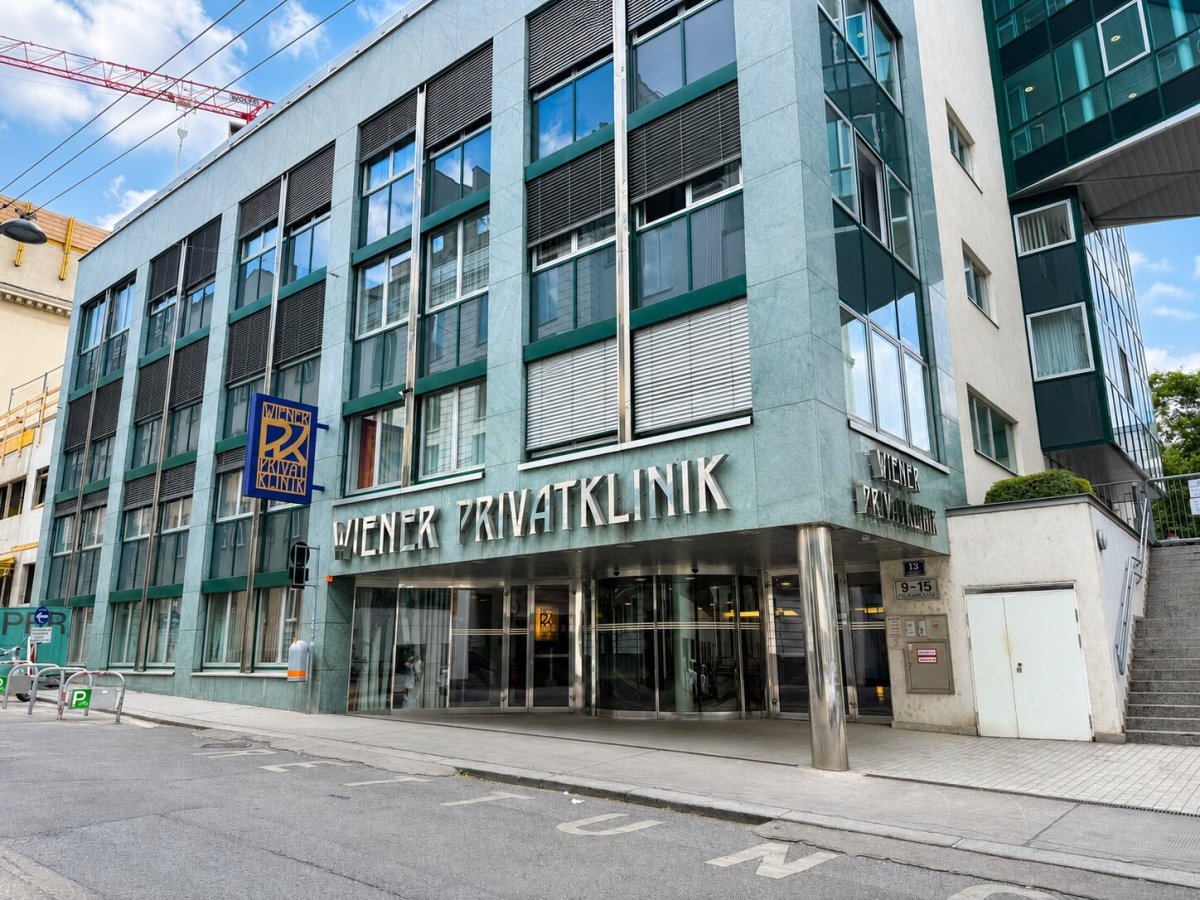


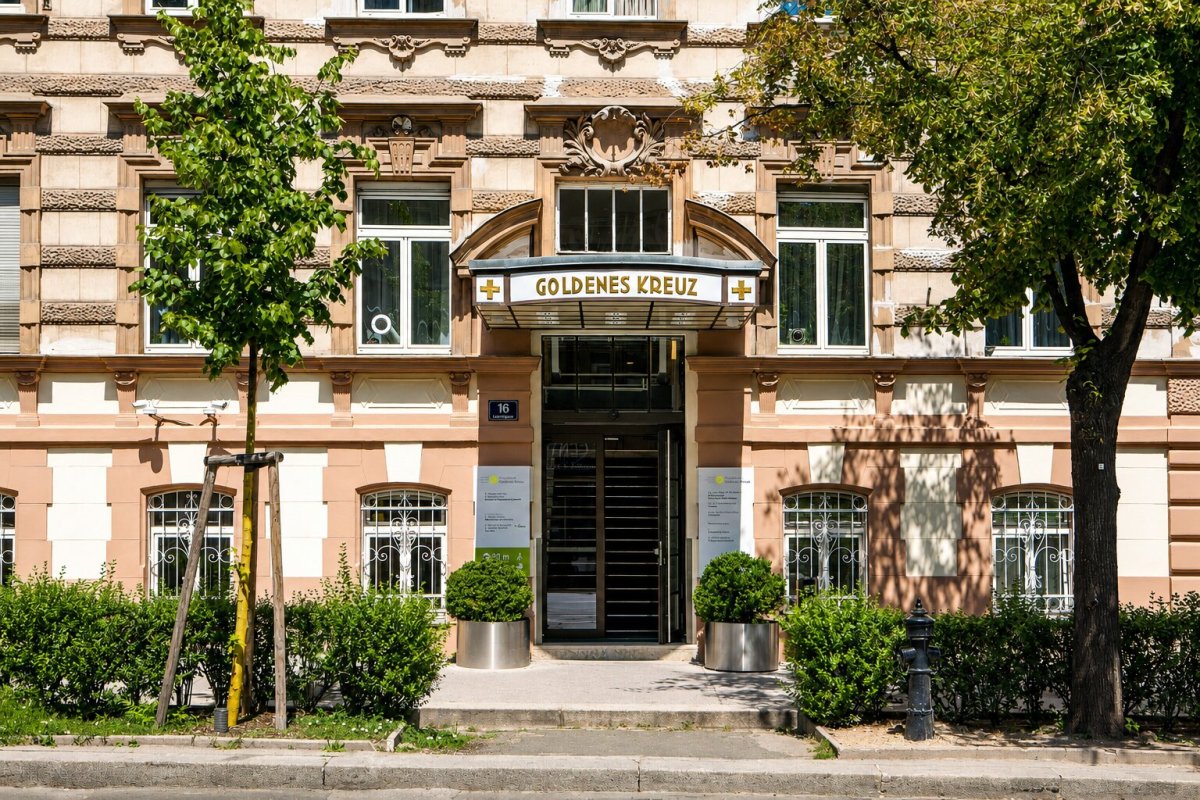
Confraternitaet Private Hospital
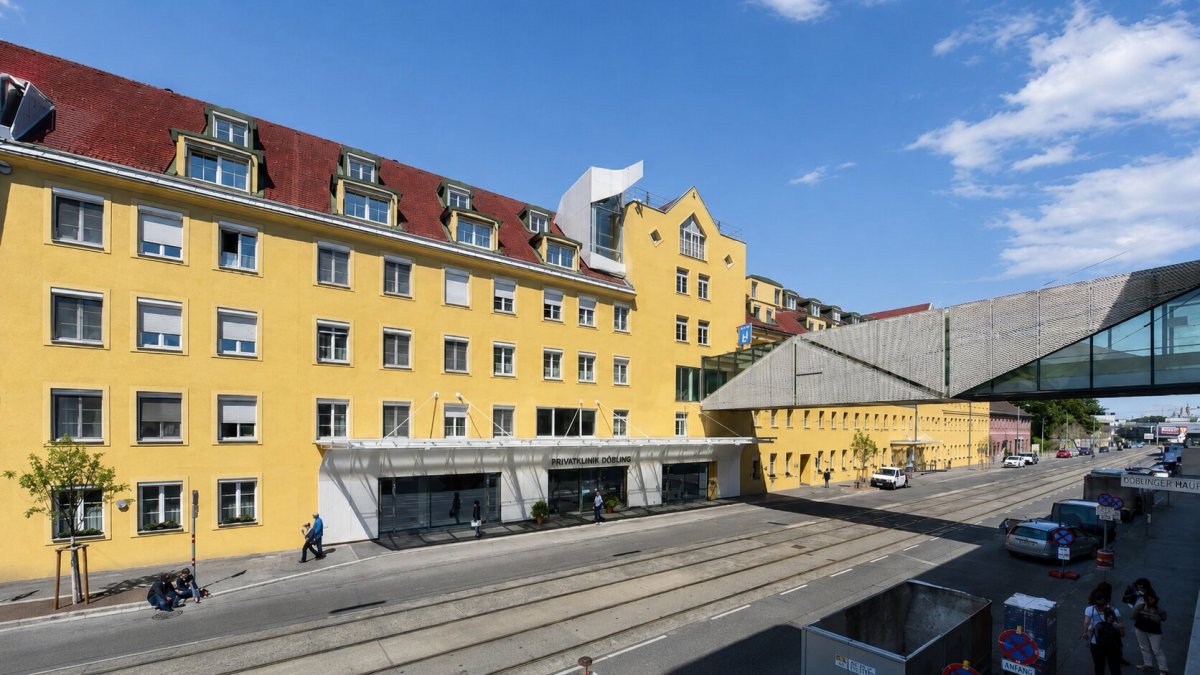


Leech Private Clinic
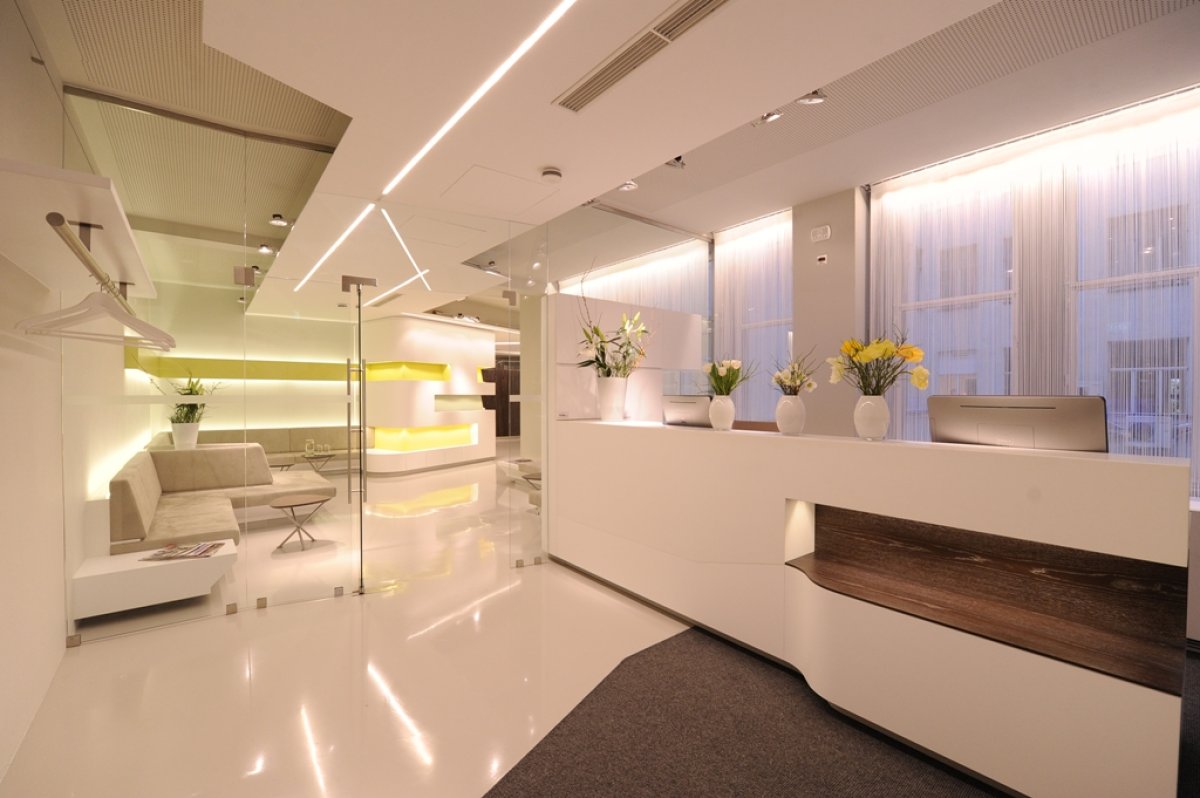
JUVENIS
احصل على تقييم طبي لـ في النمسا. استشر الآن 6 أطباء ذوي الخبرة.
عرض جميع الأطباء
Christoph Kopp
يتخصص الدكتور كريستوف كوب في أمراض القلب الوقائية والإجراءات التداخلية، مع عقود من الخبرة في مستشفى فيينا العام (AKH).
- خبير في أمراض الشرايين التاجية، وارتفاع ضغط الدم، وإدارة عدم انتظام ضربات القلب
- تدرب في الطب الباطني وأمراض القلب في جامعة فيينا الطبية
- يستخدم تشخيصات القلب المتقدمة مثل تخطيط صدى القلب والأشعة المقطعية للشرايين التاجية
- استشاري أمراض القلب في عيادة فيينا الخاصة (Wiener Privatklinik)
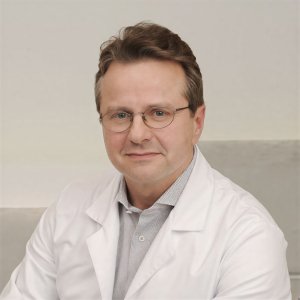
Christoph Kopp
الأستاذ الجامعي المشارك الدكتور كريستوف كوب متخصص في الطب الباطني، ويحمل أيضًا مؤهلات اختصاص في أمراض القلب وطب الأوعية الدموية. يزاول عمله في مركز JUVENIS الطبي في فيينا، وهو طبيب أوّل في جامعة فيينا الطبية.
نال درجة الدكتوراه في الطب البشري من جامعة فيينا عام 1992. وكان زميلًا باحثًا في كلية طب هارفارد/بيث إسرائيل ديكونس بين 1993 و1996. أكمل تدريب الاختصاص في الطب الباطني بين 1997 و2004. حصل على إجازة التدريس الجامعي (venia docendi) وعُيّن أستاذًا جامعيًا مشاركًا عام 2004. أكمل تدريب
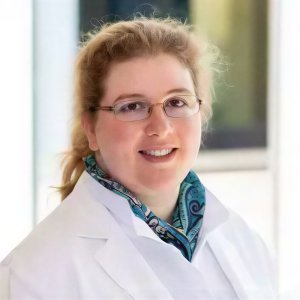
Patricia Wadowski
الأستاذة المشاركة، د. باتريشيا بي. وادوفسكي، الحاصلة على الدكتوراه (PhD)، هي أخصائية في الطب الباطني والأوعية الدموية في مركز JUVENIS الطبي في فيينا. تشغل منصب طبيب أول في القسم السريري للأوعية الدموية، كما أنها أستاذ مشارك في جامعة فيينا الطبية. تقدم الاستشارات الطبية باللغات الألمانية والإنجليزية والبولندية.
تشمل محطات مسيرتها المهنية الرئيسية برنامج التميز للدكتوراه في الطب (MD-PhD) عام 2013، والتدريب التخصصي مع دورات في أمراض الأوعية الدموية، وأمراض القلب/العناية المركزة، وأمراض ال

Dr Irene Marthe Lang
كانت البروفيسورة لانغ رائدة في الطريقة النمساوية لتوسيع الأوعية الرئوية الضيقة، وهي حاصلة على وسام فخري لمساهماتها في طب القلب.
- أستاذة في جامعة فيينا الطبية مع عقود من الخبرة في أمراض القلب والرئة
- متخصصة في التدخلات الوعائية واختبارات الديناميكا الدموية
- تقود فرق بحثية في ارتفاع ضغط الشريان الرئوي وبيولوجيا الأوعية الدموية
- إمكانية الوصول إلى مختبر القسطرة المجهز بالكامل في أكبر مستشفى في أوروبا
المراجعات
جميع المراجعاتمشاركة المحتوى
قصص فيديو من مرضى Bookimed
 Anna Leonova
أسئلة متكررة حول علاج مرض الشريان التاجي في النمسا
ما هي مراكز القلب النمساوية المعتمدة دوليًا لإجراء التدخلات التاجية، وما هي الوثائق التي يجب عليّ التحقق منها؟
تحظى مراكز طب القلب النمساوية، مثل عيادة فينر الخاصة وعيادة ليتش الخاصة، بشهادات اعتماد مرموقة من المنظمة الدولية للمعايير (ISO) ومجلة نيوزويك (Newsweek) لإجراءات التدخل التاجي. ينبغي على المرضى التحقق من اعتماد اللجنة الدولية المشتركة (JCI)، وشهادات الجمعية الأوروبية للتدخل التاجي عن طريق الجلد (EAPCI) لكبار أطباء القلب، والمشاركة في السجل الوطني ANCALAR. تضمن هذه الوثائق الامتثال لمعايير السلامة الأوروبية الصارمة.
- اعتماد المستشفيات: ابحث عن المراكز الحاصلة على شهادة ISO 9001 أو JCI لضمان السلامة الموحدة.
- المؤهلات التخصصية: التأكد من أن الجراحين حاصلون على شهادة EAPCI أو EECC لإجراء العمليات القائمة على القسطرة.
- مراقبة النتائج: التأكد من مشاركة العيادة في سجل ANCALAR لإجراء عمليات تدقيق الجودة.
- الخبرة السريرية: ستُعطى الأولوية للأطباء البارزين الذين لديهم أكثر من 25 عامًا من الخبرة في الإجراءات التدخلية المتخصصة.
رأي خبراء بوكيمد: العديد من الأخصائيين في عيادة فيينا الخاصة هم أيضاً أساتذة في جامعة فيينا الطبية. هذه الصلة المباشرة بالبحث العلمي تتيح للمرضى غالباً إمكانية الوصول إلى إجراءات جراحية هجينة. تجمع هذه المرافق الحديثة بين الخيارات الجراحية والقسطرة لعلاج
ما هي بروتوكولات السلامة وإجراءات مراقبة الجودة المستخدمة في النمسا لإجراء التدخل التاجي عن طريق الجلد (PCI) وجراحة تحويل مسار الشريان التاجي (CABG)؟
تضمن النمسا جودة جراحة القلب من خلال السجل الوطني النمساوي لأمراض القلب والسجل الوطني النمساوي لمختبرات القسطرة القلبية. يتتبع هذان النظامان نتائج كل إجراء. وتلتزم العيادات باتباع توصيات الجمعية الأوروبية لأمراض القلب. ويقوم فريق متعدد التخصصات من أطباء القلب بمراجعة كل حالة لتحديد النهج الجراحي الأكثر أمانًا.
- مراقبة السجلات: تقوم قواعد البيانات الوطنية بتتبع معدلات المضاعفات في 100% من مختبرات القسطرة النمساوية.
- مجموعات الخبراء: يتخذ أطباء القلب والجراحون قرارًا مشتركًا بين تركيب الدعامات وجراحة تحويل مسار الشريان التاجي.
- معايير السلامة المؤسسية: تقوم مراكز مثل مستشفى دوبلينغ الخاص بتطبيق أهداف السلامة الدولية للمرضى لضمان السلامة.
- حجم العمل الكبير: يتم ضمان السلامة من قبل جراحين مثل الدكتور كريستوف كوب، الذين يقومون بعمليات جراحية متكررة.
رأي خبراء بوكيمد: في النمسا، ترتبط بروتوكولات العلاج عالية الجودة بكثرة الأخصائيين العاملين في الجامعات. كما يمتلك أخصائيون مثل الدكتور ماريك إيرليخ من مستشفى فيينا العام عيادات خاصة. ويستفيد المرضى من اختيار هؤلاء الأطباء، الذين يجمعون بين الخبرة الأكاديمية والبروتوكولات العلاجية المثبتة علميًا في بيئة مريحة ضمن عيادة خاصة.
ما هي فترة التعافي النموذجية بعد عملية رأب الأوعية التاجية عن طريق الجلد الاختيارية (PCA) أو عملية ترقيع الشريان التاجي طفيفة التوغل (CABG) في النمسا؟
يستغرق التعافي بعد رأب الأوعية التاجية عن طريق الجلد (PCA) الاختياري في النمسا عادةً أسبوعًا واحدًا، وغالبًا ما يعود المرضى إلى منازلهم في غضون 24 ساعة. أما التعافي التام بعد جراحة تحويل مسار الشريان التاجي طفيفة التوغل (CABG) فيستغرق من 6 إلى 12 أسبوعًا، وتتراوح مدة الإقامة في المستشفى بعد هذه الجراحة من يومين إلى 5 أيام. ويعود معظم المرضى إلى العمل على الحاسوب في غضون 3 أسابيع.
- مدة الإقامة في المستشفى: تستغرق عملية التدخل التاجي عن طريق الجلد (PCI) من صفر إلى يوم واحد. أما عملية تحويل مسار الشريان التاجي طفيفة التوغل (CABG) فتستغرق من يومين إلى خمسة أيام.
- العودة إلى العمل: بعد إجراء رأب الأوعية التاجية عن طريق الجلد (PCI)، يُستأنف العمل المكتبي في غضون أسبوع إلى أسبوعين. بعد إجراء جراحة تحويل مسار الشريان التاجي (CABG)، يُستأنف العمل في غضون أسبوعين إلى ثلاثة أسابيع.
- النشاط البدني: يبدأ المرضى الذين خضعوا لعملية رأب الأوعية التاجية عن طريق الجلد (PCI) بالمشي فوراً. أما المرضى الذين خضعوا لعملية تحويل مسار الشريان التاجي (CABG) فيستعيدون نشاطهم البدني الكامل في غضون 8 أسابيع.
- إعادة تأهيل القلب: تقدم النمسا برامج للمرضى الداخليين لمدة 4 أسابيع أو برامج للمرضى الخارجيين لمدة 6 أسابيع بمشاركة متخصصين من مختلف المجالات تحت الإشراف.
كيف تضمن المراكز النمساوية استمرارية العلاج المزدوج المضاد للصفيحات والأدوية التي تُصرف بعد العملية للمرضى الدوليين؟
تضمن مراكز أمراض القلب النمساوية استمرارية العلاج المزدوج بمضادات الصفيحات من خلال خطط دوائية موحدة وإرشادات دولية صادرة عن الجمعية الأوروبية لأمراض القلب. وتُقدم مؤسسات مثل مستشفى فيينا العام ومستشفى فيينا الخاص ملخصات خروج منظمة، تُحدد فيها أسماء الأدوية وجرعاتها ومدة العلاج بدقة للأطباء في بلدانهم.
- وثائق الخروج: سيصدر المستشفى خطة أدوية رسمية تتضمن قائمة بجميع الأدوية الموصوفة.
- الالتزام بالإرشادات: تتبع المراكز الإرشادات الأوروبية التي توصي بفترة علاج مدتها 12 شهرًا للحالات الحادة.
- مراجعة الأدوية من قبل الصيادلة: يقوم صيادلة المستشفى بفحص جميع الأدوية عند خروج المريض من المستشفى لمنع حدوث أخطاء.
- إدارة سلسلة التوريد: يصف الأطباء الأدوية محلياً ويقدمون النصائح بشأن تخزين كمية من الأدوية تكفي لمدة ثلاثة أشهر.
رأي خبراء بوكيمد: غالبًا ما يعتمد التنسيق على المشاركة الفعّالة للأطباء في الأوساط الأكاديمية. ففي عيادة فيينا الخاصة ومستشفى فيينا العام، يشغل العديد من الأطباء مناصب أساتذة في جامعة فيينا الطبية. ويضمن هذا الارتباط بالبيئة الأكاديمية حصول المرضى على أحدث بروتوكولات العلاج القائمة على الأبحاث، والتي تحظى بقبول واسع من أطباء القلب في جميع أنحاء العالم.
ما هي خصائص المرضى الذين يعتبرون أفضل المرشحين لإجراء رأب الأوعية التاجية عن طريق الجلد باستخدام الدعامات المطلقة للأدوية مقارنة بإعادة التوعية الهجينة أو الجراحية وفقًا للمبادئ التوجيهية النمساوية؟
تُعطي الإرشادات النمساوية الأولوية للدعامات الدوائية للمرضى ذوي التشريح البسيط أو المعرضين لمخاطر جراحية عالية. ويشمل ذلك حالات أمراض الأوعية الدموية المفردة أو المتعددة التي تقل فيها درجة SYNTAX عن 22. ولا تزال إعادة التروية الجراحية هي المعيار المفضل لمرضى السكري الذين يعانون من أمراض معقدة في ثلاثة أوعية دموية أو انخفاض في نتاج القلب.
- المرشحون لعملية وضع الدعامات: تُعطى الأفضلية للمرضى الذين يعانون من مرض الشريان الواحد دون إصابة الشريان الأمامي النازل الأيسر القريب.
- المرشحون للجراحة: يوصى بها لمرضى السكري المصابين بأمراض الأوعية الدموية المتعددة أو الذين لديهم درجة SYNTAX أكبر من 22.
- النهج الهجين: يجمع بين تطعيم الشريان الصدري الجراحي للآفات المعقدة وتركيب الدعامات للحالات الأبسط.
- تشمل المجموعات عالية الخطورة المرضى الذين يعانون من ضعف شديد أو أمراض رئوية حادة، والذين يخضعون عادةً لتدخلات عن طريق الجلد.
رأي خبراء بوكيمد: تُظهر البيانات من المراكز النمساوية الكبرى، مثل مستشفى فيينا العام (AKH)، تحولًا نحو فرق القلب متعددة التخصصات. وبينما تُستخدم الدعامات على نطاق واسع، يتخصص الدكتور ماريك إيرليخ من مستشفى فيينا العام في الحالات المعقدة التي تتطلب علاجًا مُركبً
ما هي الفحوصات الطبية التي يمكنني إجراؤها عبر الإنترنت قبل السفر، وكم يومًا يجب أن أخطط للبقاء في النمسا لإجراء عملية التدخل التاجي؟
يمكن للمرضى تحميل سجلاتهم الطبية الرقمية، بما في ذلك تخطيطات القلب الكهربائية الحديثة ونتائج التحاليل المخبرية، إلى مراكز أمراض القلب النمساوية للاطلاع عليها عن بُعد. وتساعد الاستشارات الافتراضية مع أخصائيين مثل الدكتور كريستوف كوب في تأكيد الحاجة إلى العلاج قبل السفر. يُنصح بالتخطيط للبقاء في النمسا لمدة تتراوح بين 3 و14 يومًا.
- التقييم عن بعد: يمكنك الاطلاع على تاريخك الطبي ونتائج فحص الدم من خلال بوابة تحميل بيانات آمنة.
- الاستشارة الافتراضية: مناقشة خطط العلاج والحساسية مع أطباء القلب خلال جلسات التطبيب عن بعد.
- مدة وضع الدعامات: بالنسبة لعملية رأب الأوعية التاجية طفيفة التوغل، يوصى بالإقامة في المستشفى لمدة 3-4 أيام.
- جراحة المجازة القلبية: يستغرق التعافي من جراحة القلب المفتوح في النمسا حوالي 13-14 يومًا.
رأي خبراء بوكيمد: على الرغم من أن الكثيرين يفترضون أن التدخل يتم فورًا، تشير البيانات إلى أن العيادات النمساوية تُفضل إدارة عملية التحولات الدوائية بنفسها. غالبًا ما يطلب الأساتذة في مؤسسات مثل عيادة فيينا الخاصة من المرضى الذين يتناولون مضادات التخثر الحضور قبل يوم أو يومين من موعد العملية. يضمن هذا البروتوكول بيئة جراحية آمنة ويحافظ على انخفاض معدلات المضاعفا
أين تقع مراكز طب القلب الرائدة في النمسا، وما هي المدن التي توفر أفضل وسائل النقل للسياح الطبيين؟
تتركز أبرز مراكز طب القلب في النمسا في فيينا وغراتس وإنسبروك. وتُعد فيينا مركزًا رئيسيًا للمواصلات، حيث توفر أفضل الرحلات عبر مطار فيينا الدولي. وتقدم مؤسسات مثل مستشفى مدينة فيينا ومستشفى فيينا الخاص أحدث العلاجات لأمراض القلب التاجية، كما تتولى الخدمات اللوجستية الدولية.
- روابط النقل العام في فيينا: رحلات جوية مباشرة من 195 وجهة توصلك إلى المدينة في غضون 16-20 دقيقة.
- المؤسسات المتخصصة: مستشفى مدينة فيينا هو الأكبر في أوروبا، حيث يعالج 595000 مريض سنوياً.
- الخبرة السريرية: توظف عيادة فينر بريفاتكلينيك الخاصة أكثر من 400 طبيب، والعديد منهم أساتذة في الجامعات الطبية.
- مركز في غراتس: عيادة ليتش الخاصة تقدم خدمات تشخيصية متطورة لأمراض القلب والأوعية الدموية بخبرة تمتد لعشرين عامًا.
رأي خبراء بوكيمد: فيينا هي الخيار الأمثل من الناحية الاستراتيجية، حيث يشغل كبار الجراحين في القطاع الخاص مناصب مزدوجة في كثير من الأحيان. يعمل أساتذة مثل الدكتورة إيرين مارثا لانغ والدكتور كريستوف كوب في كل من المستشفيات الجامعية والعيادات الخاصة، مثل عيادة فيينا الخاصة. يتيح هذا للمرضى الوصول إلى أبحاث على مستوى جامعي في بيئة أكثر راحة وسرية.