علاج مرض الشريان التاجي في ألمانيا: 36 مستشفيات


تمت مراجعة المقالة طبيا من قبل
فهد مولود
كيف نعمل؟
ما هي تكلفة مرض الشريان التاجي إجراءات التشخيص والعلاج في ألمانيا؟ اعرف الآن
تتأثر تكلفة علاج مرض الشريان التاجي في ألمانيا بالاختيار بين العلاج التحفظي والجراحي. من $44,800. تعتمد النفقات الإجمالية على مدى تعقيد التدخل ومستوى المستشفى. يحقق المرضى عادةً وفورات تتراوح بين 40-80% مقارنة بالولايات المتحدة. تشمل الوجهات الرئيسية هامبورغ وبرلين وسولينغن.
تكاليف علاج مرض الشريان التاجي النموذجية في ألمانيا
- استشارة طبيب قلب: من $200
- تصوير القلب بالموجات فوق الصوتية: $120 – $230
- تحليل الدم الكيميائي الحيوي: من $96
- تخطيط كهربية القلب (ECG): $50 – $60
- تحليل دم موسع: من $150
- جراحة مجازة الشريان التاجي: من $44,800
- النبض المعاكس الخارجي المحسن (EECP): $1,800 – $3,500
رؤية خبراء Bookimed: يجب على المرضى الذين يحتاجون إلى تدخلات معقدة إعطاء الأولوية للمستشفيات الأكاديمية للحصول على خبرة عالية المستوى. يُعد المركز الطبي في سولينغن مثالياً للحالات المتقدمة، حيث يقوم فريقهم بإجراء ما يصل إلى 4000 إجراء تاجي سنوياً. بالنسبة للمرشحين للعلاج غير الجراحي، يقدم مستشفى أسكليبيوس سانت جورج أقسام قلب عالية التصنيف ومعترف بها من قبل مجلة Focus. أما أولئك الذين يبحثون عن خدمات المرضى الدوليين، فيجدون قيمة عالية في مستشفى أسكليبيوس بارمبيك، المصنف عالمياً من حيث جودة السياحة العلاجية.
| تركيا | إسبانيا | ألمانيا | |
|---|---|---|---|
| فصل البروتين الدهني منخفض الكثافة | ≈ $450 | ≈ $1,100 | ≈ $1,700 |
| جراحة مجازة الشريان التاجي | من $12,500 | ≈ $25,000 | من $44,800 |
| الضربات المعاكسة الخارجية المحسنة | ≈ $1,100 | ≈ $1,500 | ≈ $1,800 |
اكتشف أفضل مرض الشريان التاجي العيادات في ألمانيا: 36 خيارات معتمدة والأسعار



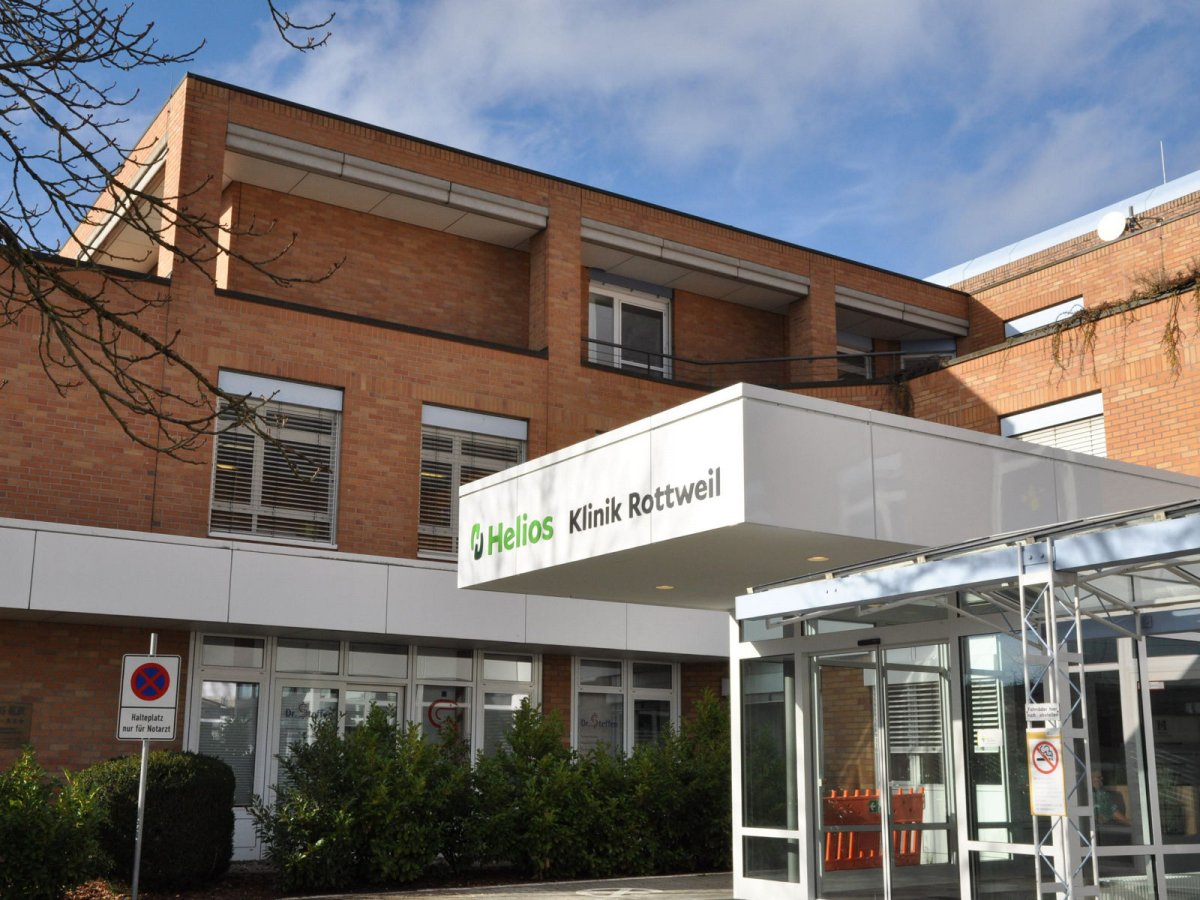



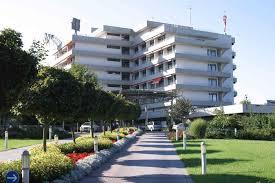
Heart Center Bad Krozingen
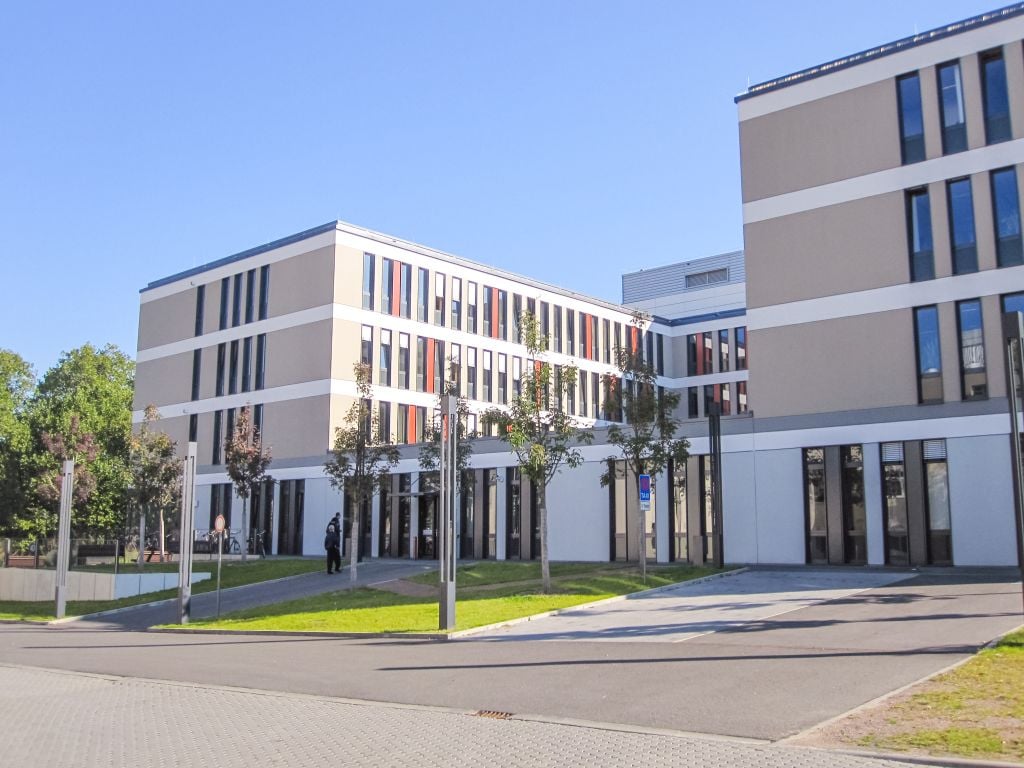

Hannover Medical School

District hospital Burghausen

St. Marienstift Clinic
احصل على تقييم طبي لـ في ألمانيا. استشر الآن 9 أطباء ذوي الخبرة.
عرض جميع الأطباء
Marc Ulrich Becher
يتخصص الدكتور بيشر في التدخلات التاجية المتقدمة في مستشفى مدينة زولينجن، حيث يجري ما بين 3000 إلى 4000 إجراء تشخيصي وعلاجي سنويًا.
- خبير في التصوير داخل الأوعية الدموية باستخدام IVUS و OCT
- يجري عمليات إعادة فتح الانسدادات المزمنة (CTO) المعقدة وتفتيت الحصوات بالموجات التصادمية
- يقود جاهزية مختبر القسطرة على مدار 24 ساعة لمتلازمات الشريان التاجي الحادة
- يتعاون في إجراءات استبدال الصمام الأبهري عبر القسطرة (TAVR) مع المستشفيات الجامعية
Melchior Seyfarth Director Of The Department Of Cardiology
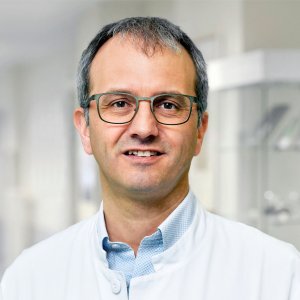
Armin Sause Chief Physician Of Cardiology And Cardiac Electrophysiology
الدكتور (Dr. med.) آرمين زاوزه هو كبير أطباء طب القلب وعلم نظم القلب في مستشفى هيليوس الجامعي في ووبرتال، أحد أبرز مراكز القلب في ألمانيا. وبقيادته أصبح القسم مركزاً متخصصاً في علم نظم القلب والفيزيولوجيا الكهربائية للقلب، ويعتمد الفريق تقنيات حديثة وبروتوكولات علاجية قائمة على الأدلة.
تشمل خبرته علاج الرجفان الأذيني، والاستئصال بالقسطرة وبالترددات الراديوية مع التخطيط ثلاثي الأبعاد، وزراعة أجهزة تنظيم ضربات القلب ومقوِّم نظم القلب ومزيل الرجفان القابل للزرع (ICD)، إضافةً إلى التشخيصات
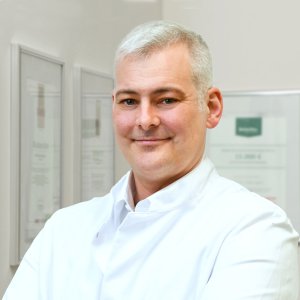
Alexander Wolf
مشاركة المحتوى
قصص فيديو من مرضى Bookimed
 Anna Leonova
أسئلة متكررة حول علاج مرض الشريان التاجي في ألمانيا
ما هي طرق العلاج الأساسية لمرض الشريان التاجي في العيادات الألمانية؟
تعالج العيادات الألمانية مرض الشريان التاجي باستخدام نهج متدرج. تشمل الرعاية القياسية الإدارة الطبية، والتدخل التاجي عن طريق الجلد مع وضع دعامة، والجراحة المتقدمة للطعوم. توفر المراكز المتخصصة تقنيات تجاوز مثل جراحة القلب النابض والمساعدة الروبوتية. تعد برامج إعادة التأهيل بعد الجراحة جزءًا لا يتجزأ من التعافي على المدى الطويل.
- التدخل القائم على القسطرة: تستخدم الإجراءات بالونات مطلية بالدواء ووضع دعامات مع تفتيت الحصى داخل الأوعية الدموية.
- جراحة التجاوز (الباي باص): تشمل الخيارات جراحة تحويل مسار الشريان التاجي طفيفة التوغل والجراحة بدون مضخة للحالات المعقدة.
- التشخيص المتقدم: تستخدم العيادات التصوير المقطعي بالترابط البصري وتخطيط صدى القلب ثلاثي الأبعاد للحصول على تصوير دقيق.
- إعادة تأهيل القلب: تستمر البرامج المكثفة عادةً لمدة أسبوعين لتحسين وظائف القلب.
رؤية خبير Bookimed: تُظهر مراكز القلب الألمانية درجة عالية من التخصص في إدارة التكلسات المعقدة. على سبيل المثال، يحافظ المركز الطبي في سولينغن على جاهزية القسطرة على مدار 24 ساعة للتدخلات الحادة. يدمج فريقهم الموجات فوق الصوتية داخل الأوعية الدموية مع استئصال العصيدة الدوار لتنظيف الشرايين المسدودة بشدة. تسمح هذه البنية التحتية المتخصصة لهذه المستشفيات الأكاديمية بإجراء أكثر من 3000 إجراء قلبي سنويًا.
إجماع المرضى: يقدر المرضى وجود مترجمين متخصصين ويلاحظون أن بدء إعادة تأهيل القلب فورًا يمكن أن يسرع بشكل كبير من عودتهم إلى الحياة اليومية.
ما هي المستشفيات الألمانية المعترف بها دولياً لعلاج أمراض الشرايين التاجية؟
تضم ألمانيا العديد من المراكز المعترف بها دولياً لعلاج أمراض الشرايين التاجية. تشمل المرافق الرائدة مركز القلب الألماني في برلين ومستشفى شاريتيه الجامعي في برلين. تحافظ هذه المؤسسات على تصنيفات عالية في مجال أمراض القلب. كما أن العيادات المتخصصة مثل أسكليبيوس سانت جورج والمركز الطبي في سولينغن معتمدة عالمياً.
- أسكليبيوس سانت جورج: معترف به من قبل مجلة فوكوس كمنشأة ألمانية رائدة في أمراض القلب.
- المركز الطبي في سولينغن: يعالج أكثر من 60,000 مريض سنوياً ويجري أكثر من 4,000 إجراء للشرايين التاجية.
- مستشفى أسكليبيوس بارمبيك: مركز حاصل على شهادة الأيزو ومصنف للتميز من قبل تحالف جودة السفر الطبي.
- مركز القلب الألماني في ميونيخ: مشهور بإجراء حوالي 5,000 تدخل عبر القسطرة كل عام.
رؤية خبير بوكيميد: يعد حجم المرضى مؤشراً رئيسياً للجودة في طب القلب الألماني. يدير أسكليبيوس سانت جورج والمركز الطبي في سولينغن ما بين 60,000 و 87,000 مريض سنوياً. غالباً ما تقدم المراكز ذات الحجم الكبير علاجات متخصصة مثل فصل البروتين الدهني منخفض الكثافة (LDL Apheresis) أو تشخيصات متخصصة. تؤدي هذه الممارسة الواسعة عادةً إلى معدلات نجاح عالية في عمليات تركيب الدعامات المعقدة.
إجماع المرضى: غالباً ما يؤكد المرضى على البيئة المهنية والدقة التشخيصية العالية لأخصائيي القلب الألمان. يلاحظ الكثيرون أن التنسيق الطبي المنظم يساعدهم على التركيز بالكامل على تعافيهم.
هل إعادة التأهيل القلبي المنظم إلزامي بعد رأب الأوعية أو جراحة المجازة في ألمانيا؟
تعد إعادة التأهيل القلبي في ألمانيا حقاً قانونياً وليس متطلباً إلزامياً. يتمتع المرضى بحق مضمون في هذه الخدمات بموجب القانون الألماني منذ عام 1974. توصي الإرشادات الطبية بشدة بالمشاركة بعد جراحة المجازة أو رأب الأوعية المعقد لتحسين معدلات البقاء على قيد الحياة على المدى الطويل.
- الحق القانوني: يضمن القانون الألماني الوصول إلى المرحلة الثانية من إعادة التأهيل بعد أحداث القلب الحادة.
- التغطية التأمينية: يجب على مقدمي الخدمات القانونيين تمويل برامج لمدة 3 أسابيع سواء للمرضى الداخليين أو الخارجيين للمرضى المؤهلين.
- التوصية السريرية: يعطي الجراحون الأولوية لبدء إعادة التأهيل في غضون 10 أيام من الخروج من المستشفى لحالات المجازة.
- اتجاهات المشاركة: يستخدم حوالي 51% من المرضى المؤهلين المصابين بأمراض الشرايين التاجية تدابير إعادة التأهيل هذه.
رؤية خبير Bookimed: تشير البيانات السريرية من مراكز كبرى مثل مجمع عيادات شمال الراين-وستفاليا، الذي يضم أكبر مركز للقلب في ألمانيا، إلى أن إعادة التأهيل غالباً ما يتم دمجها مباشرة في مسار التعافي. على الرغم من أنها ليست مفروضة قانوناً، إلا أن العيادات ذات أحجام المرضى الكبيرة، مثل مستشفى شاريتيه برلين الذي يعالج أكثر من 800,000 مريض سنوياً، تستخدم أقساماً متخصصة لتبسيط الانتقال إلى إعادة التأهيل. هذا التكامل الإداري يجعل العملية تبدو تلقائية، مما يساعد المرضى على تأمين تمديدات الإجازة المرضية اللازمة والدعم التأميني الكامل دون إدارة الخدمات اللوجستية بشكل مستقل.
إجماع المرضى: غالباً ما
ما هي السجلات الطبية التي يجب على المرضى الدوليين إحضارها إلى مراكز القلب الألمانية؟
يجب على المرضى الدوليين تقديم سجلات القلب الخاصة بآخر 6-12 شهرًا باللغة الإنجليزية أو الألمانية. تشمل الملفات الأساسية تصوير الأوعية التاجية (تنسيق DICOM)، ومخططات صدى القلب، وتخطيط كهربية القلب (ECG) الأخير. تحتاج أيضًا إلى قائمة أدوية مطبوعة بأسماء عامة وجرعات لضمان انتقالات سريرية آمنة.
- بيانات التصوير: قدم فحوصات الأشعة المقطعية التاجية أو التصوير بالرنين المغناطيسي عبر USB أو روابط رقمية آمنة.
- نتائج المختبر: قم بتضمين ملفات الدهون، وHbA1c، وعلامات الكيمياء الحيوية التي يقل عمرها عن 3 أشهر.
- سجلات الأجهزة: احمل بطاقات الهوية لأجهزة تنظيم ضربات القلب، أو أجهزة تقويم نظم القلب (ICD)، أو صمامات القلب الاصطناعية إذا كان ذلك منطبقًا.
- إثبات مالي: قدم تأكيد الدفع المسبق بنسبة 100% أو ضمان دفع تأمين دولي.
رؤية خبير Bookimed: تظهر البيانات من مجمع عيادات شمال الراين-وستفاليا أن إحضار سجلات مفصلة عن العلامة التجارية وحجم الدعامة أمر حيوي. تساعد هذه المعلومات أطباء القلب التداخليين مثل الدكتور مارك أولريش بيشر على تخطيط الإجراءات بدقة. غالبًا ما يؤدي فقدان هذه التفاصيل إلى إجراء فحوصات بالموجات فوق الصوتية داخل الأوعية الدموية غير ضرورية مما يزيد من فاتورة المستشفى النهائية.
إجماع المرضى: يشير المرضى إلى أنه من الضروري إحضار نسخ ورقية مادية جنبًا إلى جنب مع محركات أقراص USB. ويؤكدون أن الاعتماد فقط على ملفات PDF المرسلة عبر البريد الإلكتروني يمكن أن يؤدي إلى تأخيرات مرهقة أثناء عملية القبول.
ما هي المدة التي يجب أن يتوقعها المرضى الدوليون للبقاء في ألمانيا لإجراء فحص تشخيصي للقلب وتدخل محتمل؟
عادة ما يبقى المرضى الدوليون في ألمانيا لمدة تتراوح بين 1 إلى 14 يوماً. غالباً ما تستغرق اختبارات القلب التشخيصية من 1 إلى 3 أيام. تتطلب التدخلات طفيفة التوغل مثل تركيب الدعامات من 3 إلى 7 أيام. تتطلب جراحات القلب الكبرى عادةً 14 يوماً أو أكثر في البلاد للتعافي بأمان.
- الفحص التشخيصي: يستغرق تخطيط القلب الأساسي وتخطيط صدى القلب عادةً يوماً واحداً.
- جداول تصوير الأوعية: غالباً ما يتم جدولة تصوير الشرايين التاجية في غضون 48 ساعة من الوصول.
- التدخل طفيف التوغل: يتطلب زرع الدعامة أو رأب الأوعية الدموية من 2 إلى 4 أيام في المستشفى.
- الجراحة الكبرى: تتطلب إجراءات المجازة (CABG) ما لا يقل عن 14 يوماً للمراقبة.
رؤية خبير Bookimed: اختيار المراكز الأكاديمية ذات الحجم الكبير يمكن أن يسرع بشكل كبير من جدولك التشخيصي. على سبيل المثال، يقوم الدكتور مارك أولريش بيشر في المركز الطبي في سولينغن بإجراء ما يصل إلى 4000 إجراء للشرايين التاجية سنوياً. غالباً ما يترجم هذا المستوى من الخبرة إلى انتقالات إجرائية أسرع. يمكن للمرضى في المراكز الكبيرة غالباً الانتقال من التشخيص إلى التدخل في غضون 24 ساعة.
إجماع المرضى: يقترح العديد من المسافرين الوصول مع فحوصات حديثة لتسريع العملية. وغالباً ما يوصون بحجز فندق بالقرب من العيادة لتسهيل زيارات المتابعة قبل العودة إلى الوطن.
ما هي المستشفيات في ألمانيا التي تحظى بأعلى التقييمات في جراحة الأعصاب؟
تضم ألمانيا بعضًا من أرقى أقسام جراحة الأعصاب في العالم، بقيادة مستشفى شاريتيه الجامعي في برلين ومستشفى جامعة هايدلبرغ. وتتميز هذه المراكز بخبرتها الواسعة في علاج أورام الدماغ المعقدة وأمراض الأوعية الدموية الدماغية. ولتحقيق أقصى قدر من الفعالية في عملياتها، تستخدم هذه المراكز أحدث التقنيات، مثل التصوير بالرنين المغناطيسي أثناء الجراحة والتوجيه العصبي بمساعدة الحاسوب.
- مستشفى شاريتيه برلين: يُجري أكثر من 5000 عملية جراحية سنوياً. ويرأس العيادة جراح الأعصاب الشهير الدكتور بيتر فايكوتشي.
- المركز الطبي في سولينجن: أجرى الدكتور رالف بوهل أكثر من 4000 عملية جراحية، بما في ذلك جراحات العمود الفقري طفيفة التوغل.
- عيادة أسكليبيوس نورد: مجهزة بنظام التصوير بالرنين المغناطيسي الثنائي الوحيد في ألمانيا أثناء الجراحة لضمان الدقة الجراحية في الوقت الحقيقي أثناء إزالة الورم.
- عيادة نوردويست: تم الاعتراف بها من قبل مجلة نيوزويك كمستشفى رائد في مجال الابتكار في تكنولوجيا الموجات فوق الصوتية ثلاثية الأبعاد.
رأي خبراء بوكيمد: تشير البيانات إلى أن اختيار المراكز ذات الحجم الجراحي الكبير غالبًا ما يؤدي إلى توصيات علاجية أكثر تحفظًا. ففي مركز سولينجن الطبي، الذي يعالج أكثر من 60,000 مريض
ما هي نسب نجاح العمليات الجراحية العصبية المعقدة في ألمانيا؟
في ألمانيا، تتميز العمليات الجراحية العصبية بالغة التعقيد بمستوى أمان استثنائي. تصل نسبة نجاح عمليات دمج الفقرات إلى 99%، بينما تبلغ نسبة النجاة بعد استئصال أورام الدماغ الأولية 97%. كما يتمتع المرضى بقدرة عالية على الاعتماد على أنفسهم في أداء وظائفهم اليومية، حيث يغادر أكثر من 82% منهم المستشفى مباشرةً بعد العلاج. وتولي المراكز الألمانية اهتماماً بالغاً بالحفاظ على الوظائف العصبية باستخدام أحدث تقنيات التخطيط العصبي.
- استئصال الورم: يحقق الجراحون استئصالًا كاملاً للورم في 87.2% من حالات النقائل الدماغية.
- النجاح في علاج أمراض الأوعية الدموية: أفادت المستشفيات الألمانية بنسبة نجاة بلغت 98.7% لحالات تمدد الأوعية الدموية غير الممزقة.
- تحسن الحالة العصبية: يشهد ما يقرب من 43% من المرضى تحسناً في المعايير الوظيفية بعد عمليات الاستئصال المعقدة.
- سلامة التدخلات الجراحية: في المراكز الجراحية الكبيرة، تتراوح معدلات بقاء المرضى على قيد الحياة بعد جراحة العمود الفقري بين 98-99%.
رأي خبراء بوكيمد: يُجري جراحون ذوو خبرة، مثل الدكتور أوفه كولر من عيادة أسكليبيوس ألتونا، أكثر من 2000 عملية جراحية سنويًا. تُشير البيانات إلى أن هؤلاء المتخصصين يحافظون على معدلات نجاح تصل إلى 90%، حتى
ما هي التقنيات المتقدمة المتوفرة عادةً في عيادات جراحة الأعصاب الألمانية؟
تُدخل عيادات جراحة الأعصاب الألمانية بانتظام أدوات رقمية عالية الدقة وتقنيات تصوير فوري في الممارسة الجراحية. تشمل التقنيات الرئيسية الملاحة العصبية الحاسوبية لجراحات الدماغ والحبل الشوكي. تستخدم مؤسسات مثل عيادة أسكليبيوس نورد التصوير بالرنين المغناطيسي أثناء الجراحة للتحقق من استئصال الورم في الوقت الفعلي. توفر هذه الأنظمة للجراحين نظام ملاحة ثلاثي الأبعاد.
- الملاحة العصبية: توفر تصورًا ثلاثي الأبعاد وتتبعًا فوريًا للأدوات لتحقيق دقة جراحية تصل إلى مستوى أقل من المليمتر.
- التصوير أثناء العملية: تسمح أنظمة مثل التصوير بالرنين المغناطيسي أثناء العملية (iMRI) والتصوير المقطعي المحوسب ذي الذراع O (O-arm CT) بالتأكيد الفوري على نجاح عملية الاستئصال.
- المراقبة العصبية: تراقب الوظائف الحركية والحسية أثناء الجراحة لحماية الجهاز العصبي.
- التشخيص الفلوري: يتم استخدام صبغة 5-ALA لتسليط الضوء على حدود الورم من أجل إزالته بشكل أكثر اكتمالاً.
- المساعدة الروبوتية: تعمل أنظمة مثل نظام دافنشي على تحسين الدقة في الإجراءات المعقدة ذات التدخل الجراحي البسيط.
رأي خبراء بوكيمد: تُجري مراكز طبية كبيرة، مثل مستشفى شاريتيه الج
ما هي التدريبات المتخصصة التي يتلقاها جراحو الأعصاب الممارسون في ألمانيا؟
في ألمانيا، يتعين على جراحي الأعصاب إكمال برنامج إقامة تخصصي لمدة ست سنوات بعد التخرج من كلية الطب. يشمل هذا البرنامج المنظم العناية المركزة، والتدريب السريري، وكتابة مقالات في مجلة جراحية إلزامية. بعد ذلك، يجتاز المرشحون امتحانًا حكوميًا للحصول على لقب طبيب مقيم (Facharzt für Neurochirurgie).
- الإقامة السريرية: تتطلب من 48 إلى 72 شهرًا من الممارسة المتخصصة في جراحة الأعصاب.
- العناية المركزة: تتضمن فترة تدريب إلزامية لمدة 6 أشهر في وحدة العناية المركزة لجراحة الأعصاب.
- المجلة الجراحية: يوثق الجراحون مئات العمليات الجراحية، بما في ذلك عمليات فتح الجمجمة وجراحات العمود الفقري.
- امتحان الترخيص: يجب على المتقدمين اجتياز امتحان طبي شفوي وعملي تديره الدولة.
رأي خبراء بوكيميد: يركز التدريب الألماني في جراحة الأعصاب على الخبرة الجراحية الواسعة. فعلى سبيل المثال، أجرى الدكتور رالف بول من المركز الطبي في سولينجن أكثر من 4000 عملية جراحية. ويتمتع الدكتور يورغن كيويت من مستشفى ميوكلينيك بخبرة تزيد عن 25 عامًا. يضمن هذا النظام الدقيق أن يتعامل المتخصصون في المراكز الكبرى مع الحالات المعقدة بدقة مثبتة.
آراء المرضى: يشع
ما هي متطلبات اللغة والترخيص المطلوبة للجراحين الأجانب الراغبين في التدرب أو مراقبة العمليات الجراحية العصبية في ألمانيا؟
يجب على جراحي الأعصاب الأجانب استيفاء متطلبات لغوية وترخيصية صارمة للالتحاق بالتدريب أو فترة التدريب العملي في ألمانيا. يتطلب التدريب رخصة طبية سارية أو تصريحًا مؤقتًا. أما المتدربون، فيجب عليهم الحصول على إذن من مستشفى محدد. ويتطلب كلا الخيارين إتقانًا عاليًا للغة الألمانية للمشاركة في المناقشات السريرية وإجراء العمليات الجراحية المعقدة بأمان.
- المهارات اللغوية: مطلوب مستوى عام في اللغة الألمانية B2 ومستوى في اللغة الطبية C1 (Fachsprachprüfung) للتدريب السريري.
- الترخيص السريري: يحتاج الجراحون إلى تصريح لممارسة دائمة (Approbation) أو تصريح مهني (Berufserlaubnis) للتدريب الداخلي المؤقت الخاضع للإشراف.
- حالة المراقبة: يسمح دخول المستشفى بمراقبة العمليات الجراحية دون تحمل المسؤولية الطبية أو الحصول على ترخيص رسمي.
- تقييم المؤهلات: غالباً ما يتعين على خريجي الطب من خارج الاتحاد الأوروبي الخضوع لعملية التحقق من صحة الشهادة في غضون 3-6 أشهر.
رأي خبراء بوكيمد: غالبًا ما تُعطي العيادات الألمانية ذات الأعداد الكبيرة من المرضى، مثل عيادة نوردويست أو أسكليبيوس نورد، الأولوية للمرشحين الذين خضعوا بالفعل لتقييم أولي للوثائق. تُظهر بياناتنا أن أساتذة مثل الدكتور أوفه كولر والدكتور