عيادات جراحات إنقاص الوزن في كوريا الجنوبية


تمت مراجعة المقالة طبيا من قبل
فهد مولود
ما هي تكلفة جراحات إنقاص الوزن في كوريا الجنوبية؟ اكتشف الآن
تتراوح تكلفة جراحة إنقاص الوزن في كوريا الجنوبية عادةً ما بين $9,800 و $14,000. تختلف الأسعار بناءً على التقنية الجراحية، ومدة الإقامة في المستشفى، واستخدام المساعدة الروبوتية. غالبًا ما يوفر المرضى الدوليون ما بين 40-50% مقارنة بالولايات المتحدة، مع الاستفادة من باقات الرعاية الشاملة التي تبسط الرحلة العلاجية.
تكاليف جراحة إنقاص الوزن النموذجية في كوريا الجنوبية
- استشارة جراحة السمنة: $50 – $60
- بالون المعدة: $4,100 – $5,000
- تحويل مسار المعدة: $9,300 – $12,000
- استئصال المعدة: من $15,000
- جراحة تكميم المعدة بتقنية دافنشي: السعر عند الطلب
- استئصال المعدة (Gastroectomy): من $15,000
تتم معظم إجراءات جراحة السمنة في سيول، وسيونغنام، وإنتشون. غالبًا ما تكون أسعار الإجراءات الروبوتية في المراكز الطبية في سيول أعلى مقارنة بالمناطق الأخرى. استشر أخصائيًا للحصول على تسعير دقيق لاحتياجاتك الصحية المحددة وخطة علاجك.
| تركيا | تايلاند | كوريا الجنوبية | |
|---|---|---|---|
| عملية حزام المعدة (انظر. حزام المعدة) | من $2,800 | من $7,000 | ≈ $7,200 |
| عملية بالون المعدة | من $1,800 | من $3,800 | من $4,100 |
| طيّ المعدة (انظر. تدبيس المعدة) | من $3,200 | ≈ $8,000 | ≈ $7,500 |
| جراحة تكميم المعدة (تكميم المعدة) | من $3,000 | من $9,000 | ≈ $7,500 |
| جراحة المجازة المعدية | من $3,700 | من $8,700 | من $9,300 |
جميع أمراض جراحات إنقاص الوزن
مزاياك وضماناتك مع Bookimed
أسعار مباشرة
Bookimed لا يضيف رسوماً إضافية على أسعار علاج جراحات إنقاص الوزن. الأسعار مأخوذة من قوائم الأسعار الرسمية للعيادات. تدفع مباشرة في العيادة مقابل علاجك عند وصولك إلى البلد.
عيادات وأطباء معتمدون فقط
Bookimed ملتزم بسلامتك. نحن نعمل فقط مع المؤسسات الطبية التي تحافظ على معايير دولية عالية في علاج جراحات إنقاص الوزن ولديها التراخيص اللازمة لخدمة المرضى الدوليين في جميع أنحاء العالم.
مساعدة مجانية على مدار الساعة
Bookimed يقدم مساعدة خبراء مجانية. منسق طبي شخصي يدعمك قبل وأثناء وبعد العلاج، ويحل أي مشاكل. لن تكون وحيداً أبداً في رحلة علاج جراحات إنقاص الوزن.

منسقك الطبي الشخصي في Bookimed
- يدعمك في كل مرحلة
- المساعدة في اختيار العيادة الطبية المناسبة والطبيب المناسب
- يضمن الوصول السريع والمريح إلى المعلومات
اكتشف أفضل عيادات جراحات إنقاص الوزن: 22 خيارات معتمدة والأسعار










أفضل مراكز جراحات إنقاص الوزن في كوريا الجنوبية
- VG Plastic Surgery, كوريا الجنوبية
- NAEUN HOSPITAL, كوريا الجنوبية
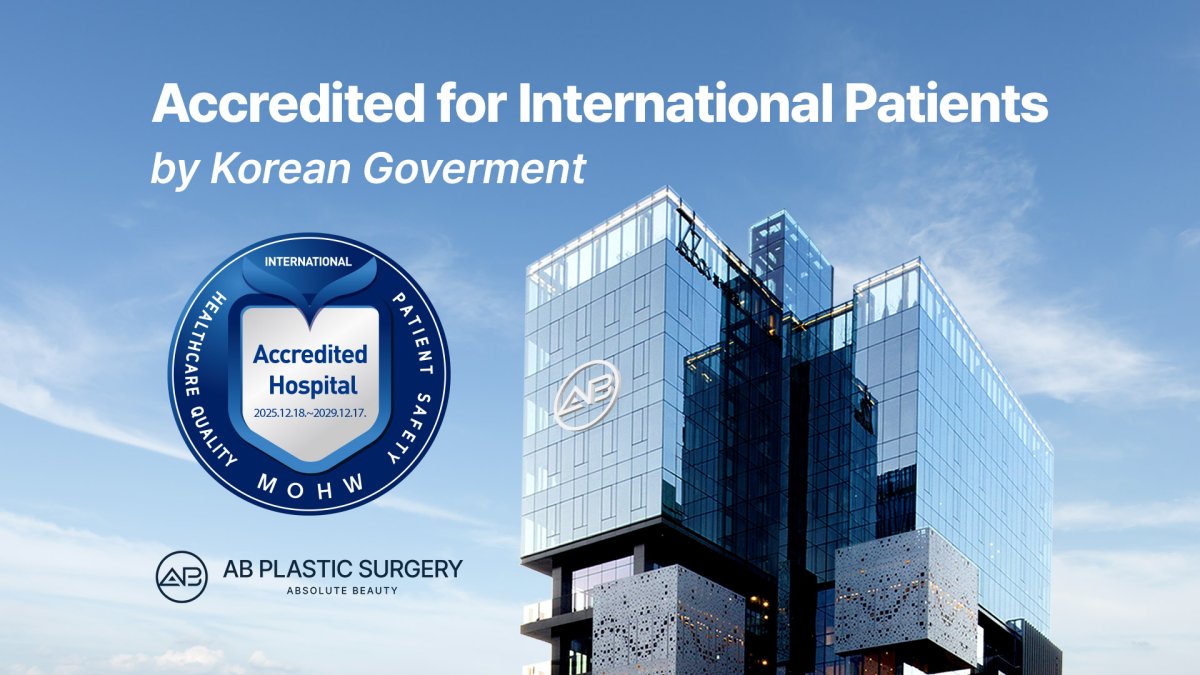
- عيادة AB للجراحة التجميلية, كوريا الجنوبية
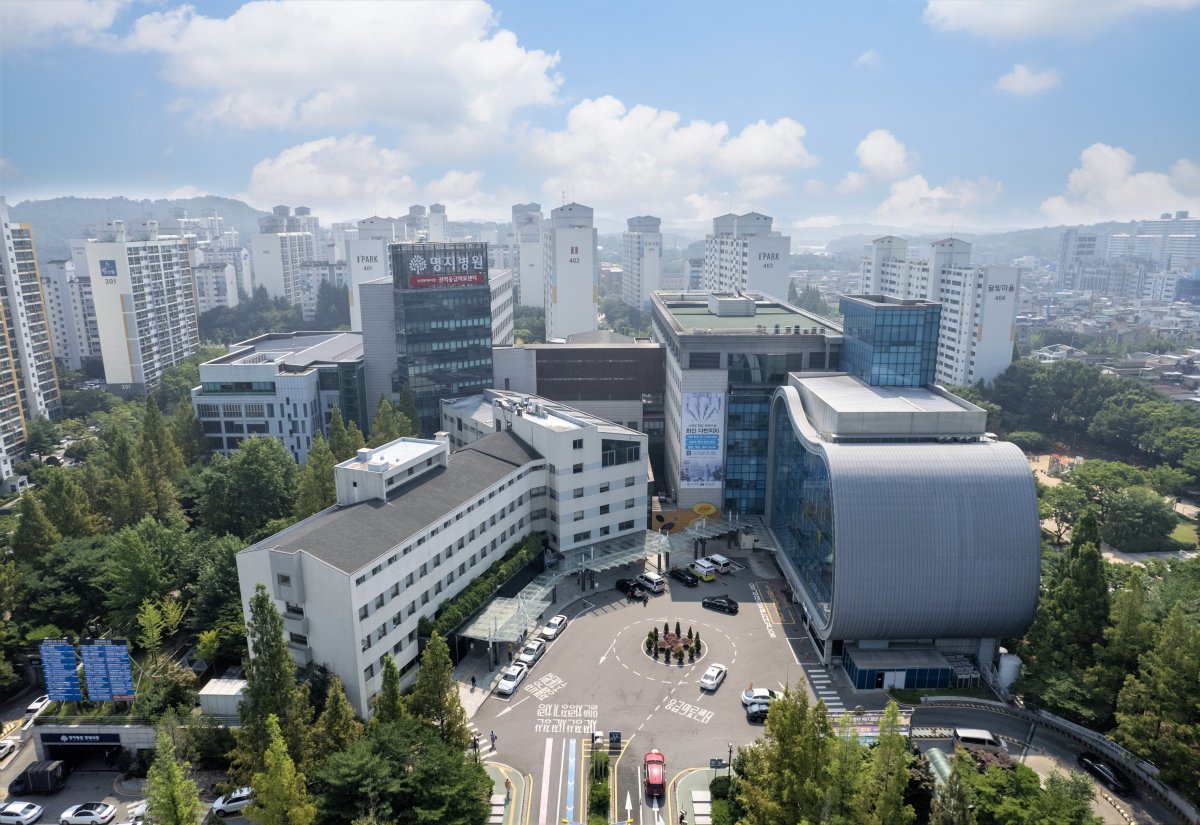
- Myongji Hospital, كوريا الجنوبية
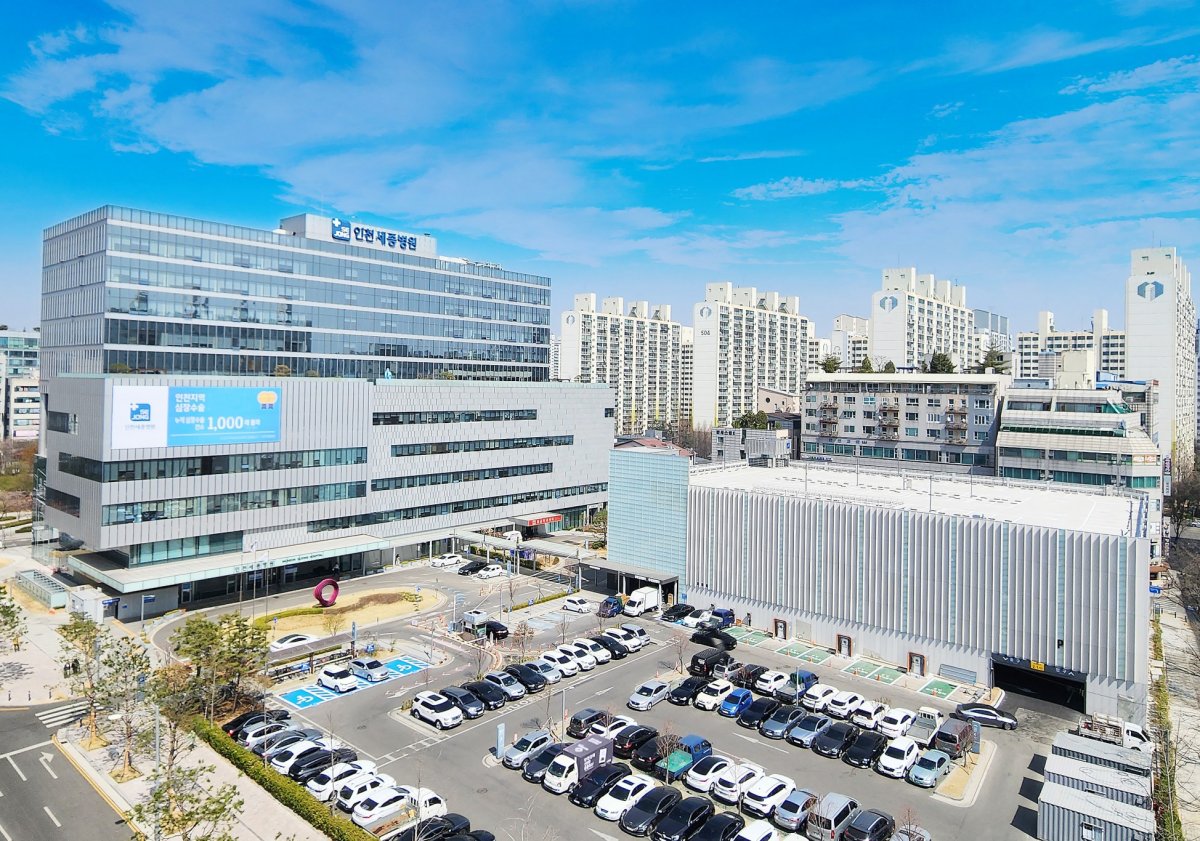
- SEJONG HOSPITAL, كوريا الجنوبية
- Ewha Womans University Medical Center, كوريا الجنوبية
- Asan Medical Center, كوريا الجنوبية
- Seoul National University Bundang Hospital (SNUBH), كوريا الجنوبية
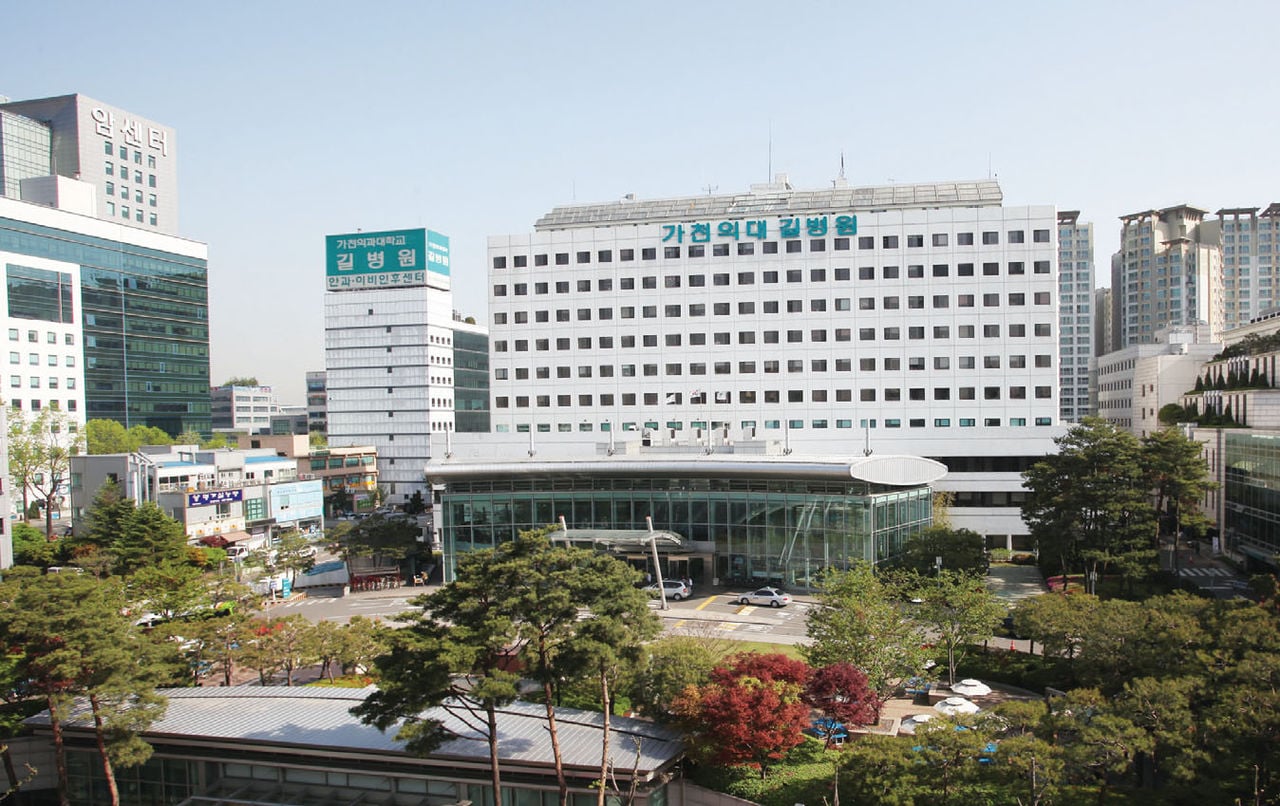
- Gachon University Gil Medical Center, كوريا الجنوبية
- Severance Hospital, كوريا الجنوبية
احصل على تقييم طبي لـ في كوريا الجنوبية: اختر أخصائيك من بين الأفضل في هذا المجال
عرض جميع الأطباء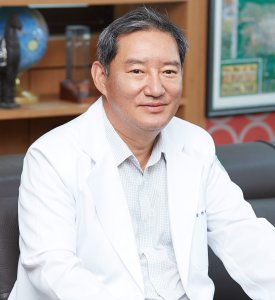
Ha Hunyoung
الدكتور ها هيونيونغ هو مدير مستشفى نايون. وهو اختصاصي طب وقائي يتمتع بـ39 عامًا من الخبرة السريرية.
التعليم: دكتوراه في الطب (MD)، كلية الطب بجامعة هانيانغ. ماجستير ودكتوراه في الطب الوقائي، الدراسات العليا بجامعة هانيانغ.
التركيز السريري: عيادة تساقط الشعر والسمنة للوقاية من تساقط الشعر، إدارة الوزن، شفط الدهون ونقل الدهون. عيادة مكافحة الشيخوخة والعافية للعلاج بالاستخلاب وبرامج مكافحة الشيخوخة. علاج حيوي متقدم باستخدام الجزء الوعائي اللحمي (SVF) لعلاج تساقط الشعر وتعزيز الجهاز
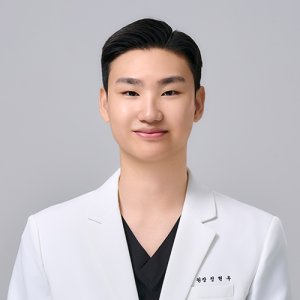
Jung Hyun-woo

Yongjin Kim
أول "جراح رئيسي" (Master Surgeon) في كوريا في جراحة السمنة - أجرى الدكتور كيم أكثر من 2000 عملية لإنقاص الوزن في مستشفى جامعة سون تشون هيانغ.
- متخصص في جراحات المناظير والجهاز الهضمي العلوي
- رئيس مركز جراحة التمثيل الغذائي والسمنة في مستشفى SCH
- حاصل على درجة الدكتوراه وأستاذ في الجراحة العامة
- عضو في العديد من جمعيات جراحة السمنة المرموقة
المراجعات
جميع المراجعاتمواد ذات صلة

ما هي تكلفة علاج السمنة؟
كتب بواسطة Veronika Kazina
جراحة إنقاص الوزن في دبي: الاتجاهات والفرص
كتب بواسطة Ana Hurevska

- 100 كجم بتكلفة ميسورة في تكميم المعدة
كتب بواسطة Ana Hurevska
مشاركة المحتوى
قصص فيديو من مرضى Bookimed
 Anna Leonova
أسئلة متكررة حول جراحات إنقاص الوزن في كوريا الجنوبية
ما هي معايير السلامة لجراحة السمنة في كوريا؟
تتوافق معايير السلامة المعترف بها في الجراحة الباريترية في كوريا مع البروتوكولات الدولية، بما في ذلك اعتماد JCI وKOIHA. تتبع المستشفيات الرائدة إرشادات اللجنة المشتركة الدولية (JCI) لسلامة الجراحة، ومكافحة العدوى، وتحديد هوية المرضى. تستخدم هذه المرافق أنظمة الجراحة بالمنظار المتقدم والجراحة الروبوتية دا فينشي لتقليل مخاطر المرضى.
- الاعتماد: تضمن KOIHA أن المراكز الطبية تفي بمعايير الجودة والسلامة الصارمة.
- شهادة الأخصائي: يحمل الجراحون الرائدون تميز جراح رئيسي من SRC، الولايات المتحدة الأمريكية.
- مراقبة المرضى: تستخدم مستشفيات مثل SNUBH نظام BESTcare لمنع الأخطاء.
- العضوية المهنية: ينتمي الجراحون عادةً إلى الجمعية الكورية للجراحة الأيضية والباريترية.
رأي خبير بوكيميد: تظهر البيانات أن اختيار مستشفى متعدد التخصصات بدلاً من عيادة جراحية تجميلية أمر بالغ الأهمية للسلامة. بينما تتعامل عيادات مثل جراحة التجميل VG مع أعداد كبيرة، تقوم المؤسسات الكبرى مثل مركز أسان الطبي أو SNUBH بأكثر من 30,000 عملية جراحية سنويًا. توفر هذه المراكز الكبرى دعم رعاية حرجة على مدار الساعة وأخصائيين في الموقع، وهو أمر حيوي لإدارة التعافي من الجراحة الباريترية.
إجماع المرضى: يلاحظ المرضى أنه رغم أن التكنولوجيا الجراحية من الدرجة الأولى، يحتاجون غالبًا إلى ممثل ناطق باللغة الكورية في الاستشارات. يشدد الكثيرون على أهمية التحقق مما إذا كان الجراح يمتلك شهادات مجلس السمنة المحددة قبل الحجز.
من هو المرشح المثالي لجراحة إنقاص الوزن في كوريا؟
عادةً ما يكون المرشحون المثاليون لجراحة فقدان الوزن في كوريا لديهم مؤشر كتلة جسم 35 أو أعلى. أولئك الذين لديهم مؤشر كتلة جسم 30 بالإضافة إلى حالات مرتبطة بالسمنة مثل السكري مؤهلون أيضًا. يجب على المرشحين إظهار الاستقرار النفسي. كما ينبغي عليهم الالتزام بتغييرات نمط الحياة طويلة الأمد والرعاية المتابعة للنجاح.
- مؤشر كتلة الجسم: يجب أن يكون 35+ أو 30+ مع أمراض مصاحبة مثل ارتفاع ضغط الدم أو السكري.
- الحالة الصحية: تحدث أفضل النتائج في المرضى الذين تقل أعمارهم عن 50 سنة والذين لا يعانون من مشاكل كبيرة في القلب أو الكبد.
- الالتزام بنمط الحياة: يجب على المرشحين الإقلاع عن التدخين والالتزام بنظام غذائي غني بالبروتين بعد الجراحة.
- الاستعداد النفسي: يستخدم الجراحون المقابلات لتأكيد التوقعات الواقعية وغياب اضطرابات الأكل غير المعالجة.
رؤية خبير في بوكيميد: في حين أن معدلات السمنة المحلية منخفضة عند 5%، إلا أن المستشفيات الكورية مثل مركز أسام الطبي تنفذ أكثر من 65,000 عملية جراحية سنويًا. يتيح هذا الحجم العالي من العمليات الجراحية للعيادات تقديم تكنولوجيا متقدمة مثل نظام دافنشي الروبوتي لعمليات السمنة. يجب على المرضى إعطاء الأولوية للجراحين مثل الدكتور يونجين كيم، الذي أجرى أكثر من 2,000 عملية جراحية للسمنة.
توافق المرضى: يلاحظ المرضى أن الجراحين يقومون بفحص جدي للتحقق من الجاهزية النفسية قبل الموافقة على الجراحة. العديدون يؤكدون على أن تخصيص ميزانية للإقامة لمدة 10–14 يومًا أمر ضروري للتعافي الصحيح والمتابعة الأولية.
ما هي الفحوصات الطبية القياسية قبل جراحة السمنة في كوريا الجنوبية؟
تشمل الفحوصات الطبية قبل الجراحة في جمهورية كوريا عادةً تحليل الدم الشامل، وتقييمات القلب، وتصوير الجهاز الهضمي. يتطلب الجراحون هذه التشخيصات للتأكد من سلامة الجراحة وتحديد الحالات الأساسية مثل نقص التغذية أو انقطاع النفس أثناء النوم. يكمل معظم المرضى جميع الاختبارات المطلوبة في غضون 1 إلى 2 أسبوع.
- تحاليل الدم: تشمل تعداد الدم الكامل، وتحليل الدهون، ووظائف الكبد، ومستويات HbA1c.
- الفحص القلبي: يتطلب إجراء تخطيط كهربية القلب وتخطيط صدى القلب لتقييم الإجهاد القلبي الناتج عن السمنة.
- تصوير الجهاز الهضمي: يتضمن منظار المعدة العلوي والموجات فوق الصوتية للبطن للكشف عن القرح.
- التقييم الغذائي: يركز على وظائف الغدة الدرقية ومستويات الفيتامينات مثل B12 والحديد.
رؤية خبراء Bookimed: بينما يركز العديد من المرضى الدوليين فقط على الجراحة، تستخدم المراكز الكورية الرائدة مثل مستشفى SNUBH ومستشفى أسآن أنظمة رقمية متكاملة لمعالجة ما يصل إلى 10 قوارير دم في أقل من 48 ساعة. هذه الكفاءة تسمح للأطباء مثل الدكتور يونغجين كيم، الذي أجرى أكثر من 2000 عملية جراحية لمعالجة السمنة، بالانتقال من التشخيص إلى غرفة العمليات بسرعة أكبر من المستشفيات الغربية.
إجماع المرضى: يشير المرضى إلى أن العيادات الكورية غالبًا ما تقوم بتجميع إجراء المنظار المعدي مع التخدير كمتطلب قياسي. يشير الكثيرون إلى ضرورة طلب ترجمات إنجليزية لجميع النتائج فورًا لضمان أن أطبائهم في الوطن يمكنهم متابعة تعافيهم بشكل صحيح.
كم من الوقت يجب أن أبقى في كوريا الجنوبية بعد جراحة السمنة؟
يجب على المرضى التخطيط للبقاء لمدة 10-14 يومًا في كوريا الجنوبية بعد جراحة السمنة. هذه المدة الزمنية تضمن التعافي الأولي الآمن والفحوصات الدورية الإلزامية. عادةً ما يطلب الجراحون البقاء في المستشفى لمدة تتراوح بين 3 إلى 5 أيام. وتسمح الأيام المتبقية محليًا بإزالة الدبابيس والحصول على الموافقة الطبية النهائية قبل السفر جواً.
- مدة البقاء في المستشفى: تتطلب معظم الإجراءات المراقبة والرعاية الداخلية لمدة 3 إلى 5 أيام.
- المتابعة الإلزامية: يقوم الجراحون بإجراء الفحوصات الجرح الحاسمة وإزالة الدبابيس حوالي اليوم 7 أو 8.
- سلامة الطيران: يحتاج المرضى غالبًا إلى 10 أيام أو أكثر قبل الحصول على الموافقة الطبية الكتابية للسفر لمسافات طويلة.
- الاحتياطي للتعافي: الإقامة لمدة 14 يومًا تأخذ في الاعتبار التعب المحتمل أو التكيفات البسيطة مع الغثيان بعد الجراحة.
رؤية خبراء Bookimed: تُظهر البيانات السريرية من مراكز ذات حجم كبير مثل مركز أسان الطبي أن كفاءة التعافي تعتمد غالبًا على الأسلوب الجراحي المستخدم. في حين أن جراحة تكميم المعدة التقليدية شائعة، إلا أن الخيارات المدعومة بالروبوت تحظى بقبول متزايد في سيول. تساعد الأنظمة الروبوتية الجراحين على تحقيق دقة أعلى، مما يمكن أن يؤدي إلى مراحل تعافي مبكرة أكثر سلاسة للمرضى الدوليين.
إجماع المرضى: يلاحظ المرضى أن الإقامة لمدة 10 أيام تبدو مناسبة ولكن يُوصى بوجود مرافق للأسبوع الأول. يؤكد الكثيرون على استخدام بيوت الضيافة المحلية القريبة من العيادة لتبسيط السفر من أجل المواعيد المنتظمة للمتاب
متى يمكنني العودة إلى المنزل بعد جراحة إنقاص الوزن في كوريا الجنوبية؟
يمكن لمعظم المرضى العودة إلى منازلهم خلال 3 إلى 7 أيام بعد جراحة فقدان الوزن في كوريا الجنوبية. تعتمد هذه الفترة على الإجراء المحدد وتقدم التعافي. تتيح التقنيات الجراحية الأقل تدخلاً التي تُستخدم في عيادات سيول الشفاء بشكل أسرع. عادةً ما يشترط الجراحون استقرار الوظائف الحيوية قبل الموافقة على السفر الدولي.
- نوع الإجراء: غالبًا ما يعود مرضى تكميم المعدة إلى منازلهم بعد 4 إلى 5 أيام من الجراحة.
- الإفراج السريري: عادةً ما تخرج المستشفيات الكورية الجنوبية المرضى خلال 2 إلى 5 أيام بعد العملية.
- سلامة الطيران: يوصي الخبراء الطبيون بالانتظار لمدة 7 أيام للرحلات الطويلة لتقليل المخاطر الصحية.
- إشراف الخبراء: الدكتور يونججين كيم في مستشفى جامعة سون تشون هانغ أجرى أكثر من 2000 عملية جراحية لعلاج السمنة.
نظرة خبراء Bookimed: تشير البيانات من المراكز ذات الحجم الكبير مثل مركز أسنان الطبي إلى أن الوحدات المتخصصة في علاج السمنة تولي الأولوية للحركية السريعة. يساعد التركيز على المشي خلال ساعات الجراحة بشكل كبير في تسريع الموافقة الرسمية للسفر. غالباً ما يحصل المرضى في المرافق المعتمدة من قبل JCI على شهادات سفر شاملة لتسهيل صعود الطائرة بعد 5 أيام من العملية.
توافق المرضى: يشير المرضى إلى أهمية استخدام جوارب الضغط والحفاظ على الترطيب أثناء الرحلة إلى المنزل. يقترح العديد منهم الإقامة في فندق محلي لمدة يومين بعد الخروج من المستشفى كإجراء احتياطي.
كيف يبدو النظام الغذائي بعد جراحة السمنة في كوريا الجنوبية؟
يتبع تقدم النظام الغذائي بعد الجراحة في كوريا الجنوبية انتقالًا صارمًا مكونًا من أربع مراحل لضمان شفاء آمن. يبدأ المرضى بالسوائل الشفافة لمدة يومين قبل الانتقال إلى السوائل الكاملة. ثم تتقدم العملية إلى الأطعمة اللينة المهروسة وأخيرًا إلى نظام غذائي طويل الأجل خاص بجراحات السمنة. يمنع هذا البروتوكول الجفاف والمضاعفات الجراحية.
- المرحلة 1: تتضمن السوائل الشفافة المياه والمرقات تُشرب في رشفات بين 30-50 مل كل ساعتين.
- المرحلة 2: تبدأ السوائل الكاملة مثل الزبادي والشكولاتة البروتينية حوالي اليوم الثالث بعد الجراحة.
- المرحلة 3: تشمل الأطعمة اللينة التوفو المهروس، السمك المهروس، والأطعمة الأساسية المحلية مثل عصيدة الأرز.
- المرحلة 4: تساعد الوجبات الصغيرة والمتكررة بكمية 2-4 ملاعق كبيرة المرضى على إدارة القدرة الاستيعابية للمعدة التي تقل بصورة آمنة.
نظرة الخبير من Bookimed: تستعين مؤسسات رائدة مثل مستشفى جامعة سون تشون هيانغ بمراكز متخصصة لجراحات السمنة لإدارة عمليات الاستهلاك الغذائي. قام الدكتور يونغجين كيم بإجراء أكثر من 2000 عملية ويؤكد على التغذية المنظمة. غالبًا ما يتلقى المرضى في المراكز ذات الحجم الكبير أوراقًا غذائية تفصيلية لضمان تحقيق أهداف الترطيب اليومي التي تبلغ 1.5 لتر.
إجماع المرضى: يشير المرضى إلى أن ضبط منبهات الهاتف لتناول 8 وجبات صغيرة يوميًا أمر ضروري. ويوصي الكثيرون بإحضار مسحوق البروتين الشخصي لأن الخيارات المتاحة في المستشفى المحلي قد لا تلبي جميع الاحتياجات الغذائية.
كيف تساعد المستشفيات الكورية الجنوبية المرضى الدوليين في التغلب على حواجز اللغة والخدمات اللوجستية؟
توفر المستشفيات الكبرى في كوريا الجنوبية خدمات مترجمين شاملين للغة الإنجليزية ودعم لوجستي من خلال مراكز دولية مخصصة. مثل مركز آسـان الطبي ومستشفى سيفرانس يوظفان منسقين بدوام كامل. يديرون دعوات التأشيرات، والنقل من وإلى المطار، والترجمة الطبية أثناء الاستشارات والعمليات الجراحية لمساعدة المرضى الدوليين.
- المراكز الدولية: المستشفيات المعتمدة من قبل JCI تحتوي على أقسام مخصصة للمرضى الناطقين بالإنجليزية.
- دعم اللغة: يوفر الطاقم الترجمة أثناء الجولات الطبية، والعمليات الجراحية، ورعاية ما بعد الجراحة.
- تنسيق اللوجستيات: تساهم الفرق في حجز الفنادق المحلية وخطط الخروج وترتيبات النقل من وإلى المطار.
- أدوات الاتصال: تستخدم العديد من العيادات تطبيقات المراسلة للحصول على دعم فوري باللغة الإنجليزية قبل الوصول.
نظرة خبراء Bookimed: المراكز ذات الكثافة العالية مثل مستشفى سيفرانس، والذي يخدم أكثر من 1.6 مليون مريض خارجي سنويًا، تدمج الدعم باللغة الإنجليزية مباشرة في نظام BESTcare الرقمي. هذا يضمن ترجمة دقيقة للسجلات الطبية والوصفات. اختيار مستشفى معتمد من قبل JCI يضمن عادة تجربة لوجستية أكثر سلاسة للمتحدثين بالإنجليزية.
إجماع المرضى: يلاحظ المرضى أنه بينما توفر المستشفيات الكبرى مترجمين محترفين، فإن وجود تطبيق ترجمة احتياطي يكون مفيدًا للمحادثات السريعة مع الممرضات في نوبات الليل. يجد معظمهم أن المنسقين المخصصين ضروريون للتعامل مع الصيدليات المحلية وتنظيم النقل للعودة إلى المطار.