عيادات عملية بالون المعدة في كوريا الجنوبية


تمت مراجعة المقالة طبيا من قبل
فهد مولود
ما هي تكلفة عملية بالون المعدة في كوريا الجنوبية؟ اكتشف الآن
تتراوح تكلفة عملية بالون المعدة في جمهورية كوريا بين $4,100 و $5,000. يعتمد السعر الإجمالي على تصنيف العيادة وموقع المدينة ومدة الإقامة في المستشفى. يشمل السعر عادةً جهاز البالون وإجراء الإدخال والتخدير.
- اختلافات الأسعار الإقليمية: تشمل المراكز الرئيسية سيول، وجويانغ، ودايغو، ودايجون.
- تكاليف المراكز الطبية: غالباً ما تكون العيادات في سيول أعلى تكلفة من المرافق في المدن الإقليمية.
- المرافق المتخصصة: تفرض المراكز التابعة للجامعات عادةً أسعاراً أعلى من العيادات الخاصة المتخصصة.
- خدمات الترجمة: قد تؤثر المراكز الدولية التي توفر خدمات ترجمة فورية على مدار الساعة في التكلفة الإجمالية.
رأي خبراء Bookimed: يؤدي اختيار العيادات خارج سيول إلى توفير كبير في النفقات. يقدم مركز صن الطبي في دايجون إجراءات تبدأ من 2,800 $ تقريباً. وهذا أقل بكثير من السعر الابتدائي في مستشفى سيفيرانس في سيول البالغ 10,100 $. تحافظ كلتا المنشأتين على معايير عالية مع توفير طاقم يتحدث الإنجليزية. يمكن للمرضى الحصول على رعاية معتمدة من JCI في مركز جامعة إيوها للإناث الطبي مقابل 13,600 $ تقريباً. تُجري المراكز ذات الكثافة العالية مثل مركز آسان الطبي أكثر من 55,000 عملية سنوياً بأسعار تنافسية تبدأ من 5,000 $ تقريباً.
| تركيا | تايلاند | كوريا الجنوبية | |
|---|---|---|---|
| عملية بالون المعدة | من $1,800 | من $3,800 | من $4,100 |
مزاياك وضماناتك مع Bookimed
أسعار مباشرة
Bookimed لا يضيف رسوماً إضافية على أسعار عملية بالون المعدة. الأسعار مأخوذة من قوائم الأسعار الرسمية للعيادات. تدفع مباشرة في العيادة مقابل عملية بالون المعدة عند وصولك.
عيادات وأطباء معتمدون فقط
Bookimed ملتزم بسلامتك. نحن نعمل فقط مع المؤسسات الطبية التي تحافظ على معايير دولية عالية في عملية بالون المعدة ولديها التراخيص اللازمة لخدمة المرضى الدوليين في جميع أنحاء العالم.
مساعدة مجانية على مدار الساعة
Bookimed يقدم مساعدة خبراء مجانية. منسق طبي شخصي يدعمك قبل وأثناء وبعد العلاج، ويحل أي مشاكل. لن تكون وحيداً أبداً في رحلة عملية بالون المعدة.

منسقك الطبي الشخصي في Bookimed
- يدعمك في كل مرحلة
- المساعدة في اختيار العيادة الطبية المناسبة والطبيب المناسب
- يضمن الوصول السريع والمريح إلى المعلومات
اكتشف أفضل عملية بالون المعدة العيادات في كوريا الجنوبية: 11 خيارات معتمدة والأسعار
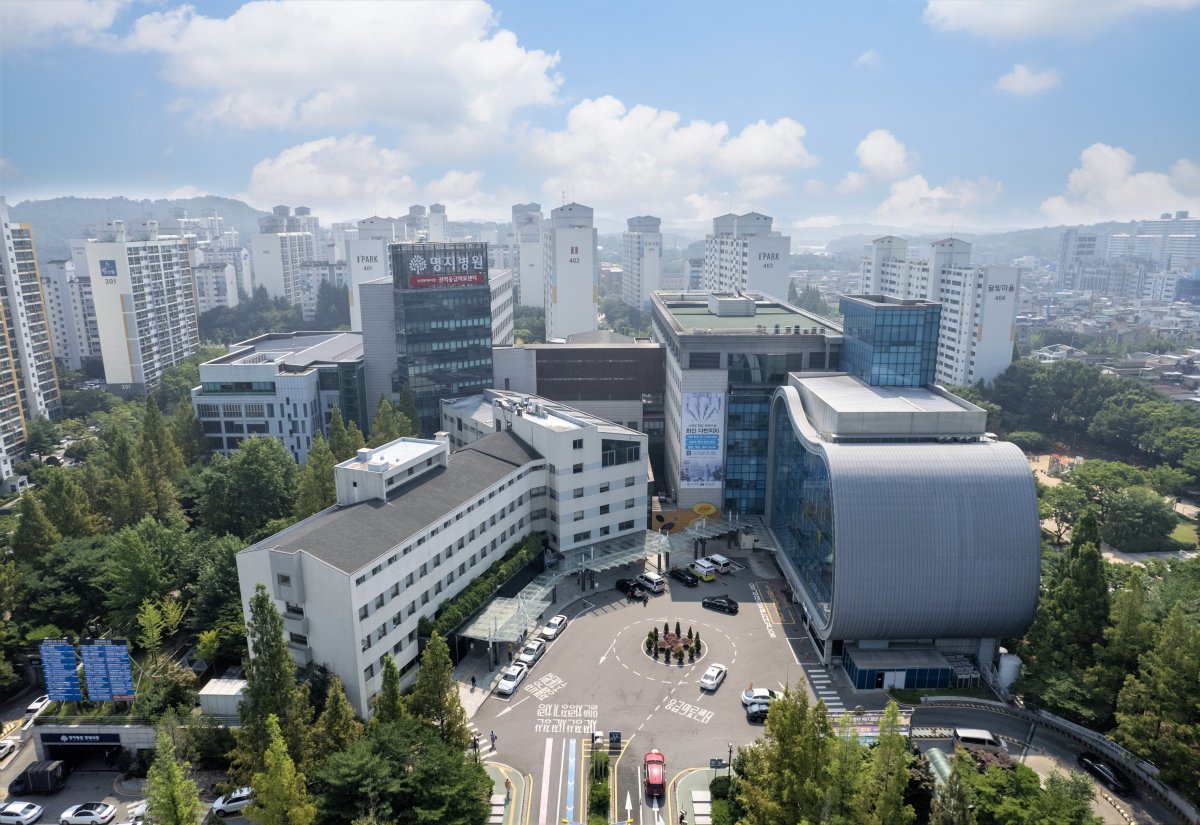














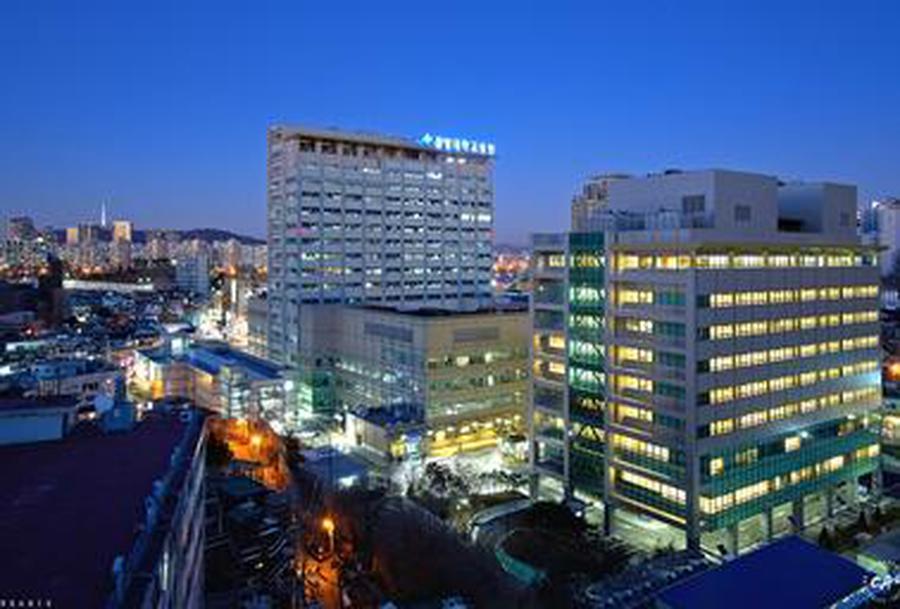
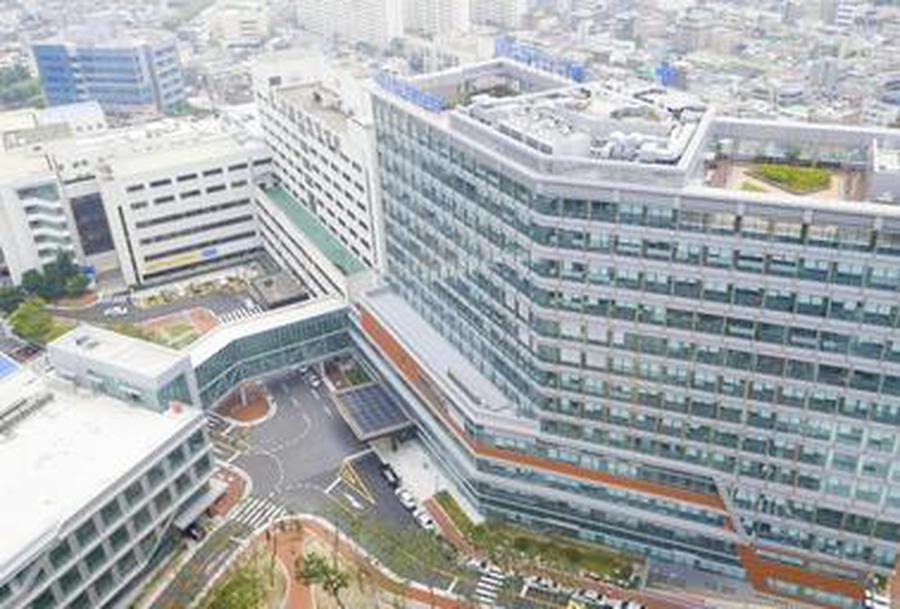
Daegu Catholic University Medical Center

Sun Medical Center
Dongguk University Ilsan Medical Center
نظرة عامة على عملية بالون المعدة في كوريا الجنوبية
- جراحة المجازة المعدية - من $9,300
تساعد هذه العملية على إنقاص الوزن عن طريق تغيير معالجة المعدة والأمعاء الدقيقة للطعام الذي تتناوله.
- عملية بالون المعدة - من $4,100
يتضمن هذا العلاج وضع بالون في معدتك ، مما يساعد على إنقاص الوزن عن طريق الحد من تناول الطعام وتقليل الجوع.
- جراحة الأيض الاستقلابية - من $9,500
هذا الإجراء ، للسمنة ومرض السكري ، يغير القناة الهضمية لتحسين أنظمة التمثيل الغذائي في الجسم وصحته.
- طيّ المعدة (انظر. تدبيس المعدة) - من $7,500
تقوم هذه العملية بتقليص حجم المعدة مما يساعد على إنقاص الوزن. إنه سريع وآمن نسبيًا وفعال بشكل ملحوظ.
- تحويل Biliopancreatic - من $14,000
العملية هي عملية جراحية لإنقاص الوزن تعيد توجيه عملية الهضم وتقلل من امتصاص السعرات الحرارية بشكل كبير.
- جراحة دافنشي لتغيير شرايين المعدة - من $14,000
تعمل هذه الجراحة على تعزيز فقدان الوزن عن طريق تقنية بمساعدة الروبوت ، وتقييد حجم المعدة وتغيير مسار الأمعاء الدقيقة.
- عملية تحويل مسار المعدة - من $13,500
تعمل هذه العملية على تقليل حجم المعدة وتغيير مسار الطعام لفقدان الوزن وتحسين المشكلات الصحية مثل مرض السكري.
- تكميم المعدة بالمنظار (ESG) - من $4,500
تقلل هذه العملية من حجم المعدة من خلال الخيوط الجراحية ، مما يعزز فقدان الوزن دون تدخل جراحي ، ويوفر فوائد التعافي السريع.
اليوم الأول - الوصول
- الوصول إلى البلاد.
- الحصول على تحويل VIP إلى العيادة.
- تحقق في الفندق.
- استرح لهذا اليوم.
اليوم 2 - ما قبل العملية
- لقاء مع جراح السمنة.
- الخضوع للفحوصات الطبية اللازمة.
- تلقي تعليمات ما قبل الجراحة.
اليوم الثالث - يوم العملية
- القبول في العيادة.
- اخضع لعملية بالون المعدة تحت التخدير.
- تستغرق العملية 20-30 دقيقة.
- الخروج من العيادة مساءا.
اليوم 4 - بعد العملية
- استرح في الفندق.
- اتبع خطة النظام الغذائي الموصوفة.
- تناول مسكنات الألم والغثيان إذا لزم الأمر.
اليوم الخامس - المغادرة
- تسجيل الخروج من الفندق.
- نقل VIP إلى المطار.
- مغادرة البلاد.
الأسبوع الأول - إعادة التأهيل
- اتبع حمية غذائية سائلة.
- أدخل الأطعمة الصلبة تدريجيًا.
- تجنب الأنشطة الشاقة.
الأسبوع الثاني وما بعده
- العودة إلى العمل والأنشطة العادية.
- متابعة الاستشارات مع الجراح.
- شاهد النتيجة النهائية بعد ستة أشهر.
يرجى ملاحظة: قد تختلف هذه الخطة اعتمادًا على الظروف الصحية الفردية وتوصيات الجراح.
ماذا يحب المرضى:
- يكلف. تتراوح تكلفة بالون المعدة في جمهورية كوريا من 2000 دولار إلى 3000 دولار. هذا السعر تنافسي للغاية مقارنة بمتوسط التكلفة في البلدان الأخرى ، والذي عادة ما يكون أعلى.
- احتراف الأطباء . يقدر المرضى المستوى العالي من احتراف الأطباء في كوريا. معظم الأطباء أعضاء في منظمات طبية معترف بها وقد أجروا العديد من عمليات بالون المعدة.
- مستوى الخدمة. أشاد المرضى بمستوى الخدمة. يوصف الطاقم الطبي بأنه منتبه ، ورعاية ، ومتجاوب ، مما يجعل العملية برمتها سلسة.
- فعالية بالون المعدة. يشعر المرضى عمومًا بالرضا عن نتائج عملية بالون المعدة. يساهم استخدام التقنيات الحديثة في فعاليتها العالية.
- الخدمات اللوجستية. يتم تنظيم الخدمات اللوجستية ، بما في ذلك خدمات النقل والتسجيل السريع ، بشكل جيد ، مما يضيف إلى التجربة الإيجابية للمرضى.
ما لا يحبه المرضى:
- وقت الانتظار. ذكر بعض المرضى وقت انتظار أطول من المتوقع للإجراء ، مما قد يسبب عدم الراحة.
- دعم ما بعد الإجراء. على الرغم من أن الرعاية الفورية اللاحقة للعملية جيدة ، إلا أن المرضى يشعرون أنه يمكن تحسين دعم المتابعة.
- حاجز اللغة. أبلغ المرضى غير الناطقين باللغة الكورية عن بعض الصعوبات بسبب حواجز اللغة ، على الرغم من أن معظم العيادات تقدم خدمات الترجمة.
- إيداع Bookimed: 200 دولار أو 200 يورو.
- وديعة العيادة: ادفع نسبة محددة مقدمًا.
المراجعات
جميع المراجعاتمشاركة المحتوى
قصص فيديو من مرضى Bookimed
 Anna Leonova
حقائق سريعة عن عملية بالون المعدة
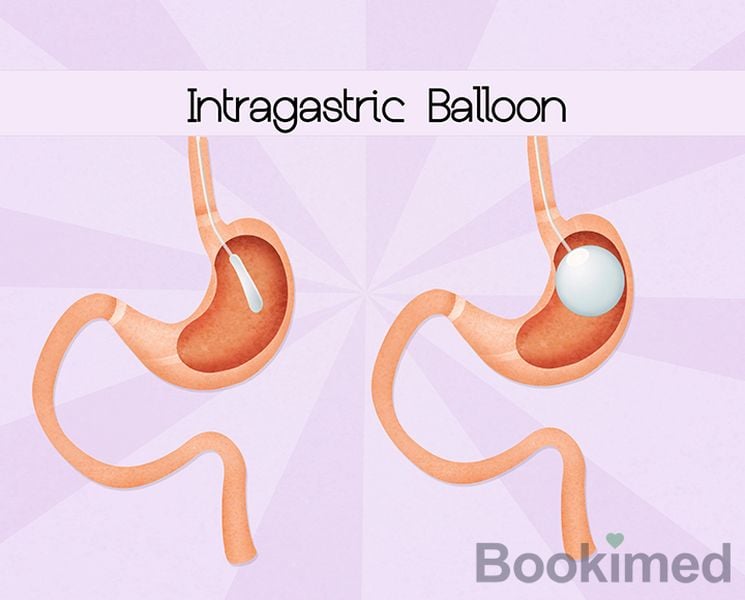
بالون المعدة
بالون المعدة هو خيار لفقدان الوزن غير الجراحي يتضمن إدخال بالون في المعدة لتقليل تناول الطعام.
أسئلة متكررة حول عملية بالون المعدة في كوريا الجنوبية
ما هو بالون المعدة وكيف يعمل؟
بالون المعدة هو جهاز طبي مؤقت غير جراحي يُوضع في المعدة لإنقاص الوزن عن طريق الحد من تناول الطعام. يُصنع عادةً من السيليكون ويُملأ بمحلول ملحي أو هواء، ويشغل حيزًا، مما يُسبب شعورًا مبكرًا بالامتلاء ويُبطئ عملية الهضم لدى المرضى الذين يتراوح مؤشر كتلة الجسم لديهم بين 30 و40.
- طريقة الإعطاء: يستخدم الأطباء إجراءً بالمنظار لمدة 20 دقيقة أو كبسولة يتم ابتلاعها تحت تأثير التخدير الخفيف.
- آلية فقدان الوزن: يقوم الجهاز بملء المعدة بحجم يتراوح بين 400 و700 مل، مما يحد فعلياً من تناول الطعام.
- مدة العلاج: في معظم الحالات، تبقى البالونات في الجسم لمدة 6 أشهر، وبعد ذلك يتم تفريغها بالمنظار وإزالتها عن طريق الفم.
- النتائج السريرية: عادةً ما يفقد المرضى من 10% إلى 15% من إجمالي وزن الجسم أثناء العلاج.
رأي خبراء بوكيمد: غالبًا ما تجمع العيادات في كوريا الجنوبية بين استخدام بالون إليبس القابل للبلع وطرق إنقاص الوزن الدوائية، مثل سيماغلوتيد. وتستخدم المؤسسات الطبية الرائدة في سيول، مثل مستشفى سيفرانس ومستشفى جامعة سيول الوطنية، أنظمة مراقبة رقمية لتتبع تقدم المرضى. ويساعد هذا النهج المزدوج في السيطرة على الجوع الشديد الذي غالبًا ما يُصاحب إزالة البالون.
من هو المرشح المثالي؟
في كوريا الجنوبية، عادةً ما يكون المرشح المثالي لوضع بالون المعدة هو شخص لديه مؤشر كتلة الجسم (BMI) من 27 إلى 35. هذا الإجراء غير الجراحي مناسب للأشخاص الذين فشلوا في إنقاص الوزن من خلال النظام الغذائي وحده والذين يرغبون في إجراء تغييرات كبيرة وطويلة الأمد في نمط حياتهم وتلقي الإشراف الطبي.
- مؤشر كتلة الجسم: الأكثر فعالية للمرضى الذين تتراوح نسبة كتلة الجسم لديهم بين 27 و 35.
- التاريخ الطبي: يجب ألا يكون لدى المرشحين تاريخ من اضطرابات الأكل أو مرض الارتجاع المعدي المريئي الحاد.
- الالتزام بنمط حياة صحي: لكي تنجح، يجب عليك الالتزام بنظام غذائي يحتوي على 1200 سعر حراري وممارسة الرياضة بانتظام بعد إكمال فترة التدريب.
- التحضير للعملية: يجب على المرضى التوقف عن التدخين قبل شهر واحد على الأقل من العملية.
رأي خبراء بوكيمد: على الرغم من شهرة كوريا الجنوبية بمراكزها المتطورة، مثل مركز آسان الطبي، إلا أن نجاح عملية تركيب بالون المعدة فيها يعتمد غالبًا على قدرة كل جنس على تحمل العملية. وتشير البيانات إلى أن الرجال غالبًا ما يحققون نتائج أفضل، نظرًا لقدرتهم الأكبر على تحمل الغثيان بعد العملية واتباع نظام غذائي غني بالبروتين مقارنةً بفئات المرضى الأخرى.
ما هي الآثار الجانبية الأكثر شيوعاً؟
تشمل الآثار الجانبية الشائعة لتركيب بالون المعدة في كوريا الجنوبية الغثيان والقيء وتقلصات البطن المؤقتة خلال الأيام الثلاثة إلى السبعة الأولى. ويعاني معظم المرضى من انتفاخ أو ضغط ملحوظ في المعدة ريثما تتكيف مع الجهاز. وتزول هذه الأعراض عادةً خلال أسبوع واحد تحت إشراف طبي.
- تصحيح الجهاز الهضمي: في جميع المرضى تقريبًا، يصل الغثيان والقيء إلى ذروتهما خلال أول 48 ساعة بعد وضع القسطرة.
- عدم الراحة في البطن: غالباً ما يشكو المرضى من انتفاخ شديد أو ضغط أو تقلصات خفيفة.
- ارتجاع الحمض: غالباً ما يتسبب انخفاض سعة المعدة في حرقة المعدة، والتي عادة ما يتم تخفيفها بالأدوية.
- عدم تحمل الطعام: قد يؤدي العودة إلى تناول الأطعمة الصلبة قبل الأوان إلى الشعور بعدم الراحة الشديدة أو التقيؤ المفاجئ.
رأي خبراء بوكيمد: تُظهر بيانات من مراكز طبية رائدة في سيول، مثل مستشفى سيفرانس، أن فترة التأقلم تتقلص عندما يلتزم المرضى بدقة بانتقال تدريجي لمدة أسبوعين من الأطعمة السائلة إلى الأطعمة اللينة. غالبًا ما تُقدم العيادات المعتمدة من قبل اللجنة الدولية المشتركة (JCI) بروتوكولات وقائية مضادة للغثيان، مما يُحسّن بشكل ملحوظ من حالة المرضى في المراحل المبكرة مقارنةً بالعلاج التقليدي.