علاج السمنة في كوريا الجنوبية — احصل على 3 عيادات مختارة خصيصاً لك


تمت مراجعة المقالة طبيا من قبل
فهد مولود
كيف نعمل؟
ما هي تكلفة السمنة إجراءات التشخيص والعلاج في كوريا الجنوبية؟ اعرف الآن
Obesity treatment cost in Republic of Korea typically starts with a bariatric surgery consultation running from $50 to $60. Primary surgical interventions like gastric sleeve surgery cost $7,500 to $11,500, while a gastric balloon ranges from $4,100 to $5,000. Total expenses depend on the surgical approach, clinic accreditation, and necessary inpatient stay. Patients may find 30-50% savings compared to the US. Top cities include Seoul and Goyang.
Typical Obesity Treatment Costs in Republic of Korea
- Bariatric surgery consultation: $50 – $60
- Gastric sleeve surgery (Sleeve gastrectomy): $7,500 – $11,500
- Gastric balloon: $4,100 – $5,000
- Gastric bypass: $9,300 – $12,000
- Gastric band: $7,200 – $11,500
- Biliopancreatic diversion: $14,000 – $20,000
- Endoscopic sleeve gastroplasty (ESG): $4,500 – $7,200
- Da Vinci gastric bypass surgery: $14,000 – $20,000
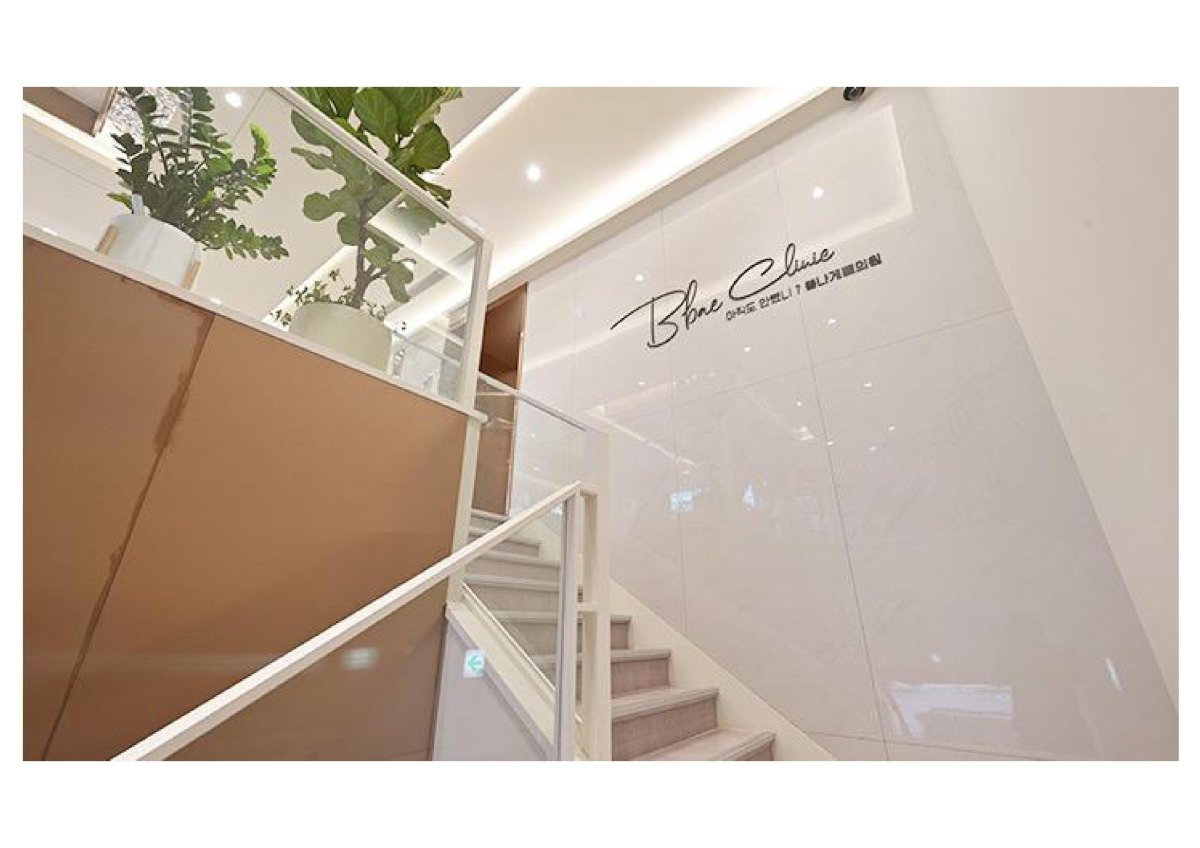
Bookimed Expert Insight: For patients seeking high-precision weight loss surgery, Seoul National University Bundang Hospital (SNUBH) is a premier choice. It utilizes Da Vinci robotic systems and the BESTcare safety system. Patients focusing on body contouring after weight loss should consider Bbae Clinic in Gangnam. For complex cases, Severance Hospital offers multidisciplinary care through its JCI-accredited facilities and affiliation with Yonsei University.
| كوريا الجنوبية | تركيا | إسبانيا | |
|---|---|---|---|
| عملية حزام المعدة (انظر. حزام المعدة) | ≈ $7,200 | من $2,800 | من $5,600 |
| عملية بالون المعدة | من $4,100 | من $1,800 | من $4,500 |
| جراحة دافنشي لتغيير شرايين المعدة | ≈ $14,000 | من $9,700 | ≈ $11,500 |
| جراحة تكميم المعدة (تكميم المعدة) | ≈ $7,500 | من $3,000 | من $15,100 |
| جراحة المجازة المعدية | من $9,300 | من $3,700 | من $14,600 |
اكتشف أفضل السمنة العيادات في كوريا الجنوبية: 7 خيارات معتمدة والأسعار








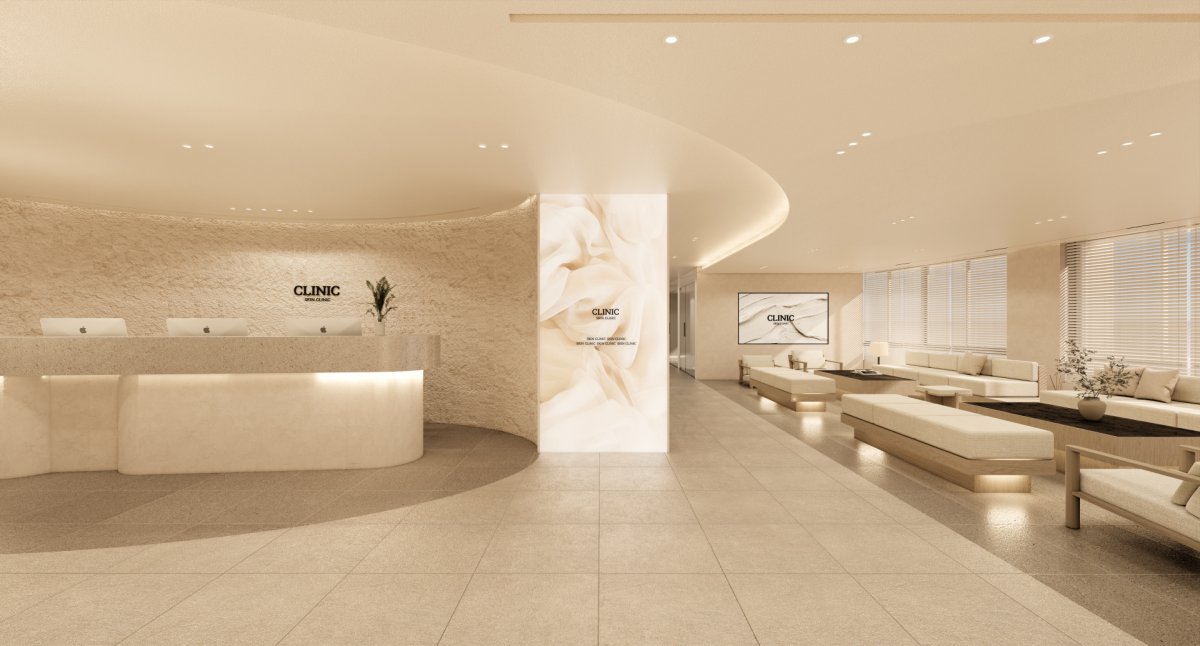
RE:NINE Clinic (리나인의원)
احصلوا على تقييم طبي لـ السمنة في كوريا الجنوبية: استشيروا أطباء ذوي خبرة الآن
عرض جميع الأطباء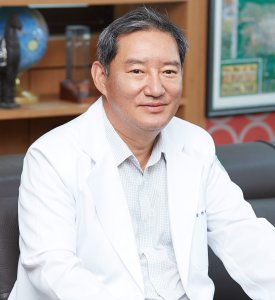
Ha Hunyoung
الدكتور ها هيونيونغ هو مدير مستشفى نايون. وهو اختصاصي طب وقائي يتمتع بـ39 عامًا من الخبرة السريرية.
التعليم: دكتوراه في الطب (MD)، كلية الطب بجامعة هانيانغ. ماجستير ودكتوراه في الطب الوقائي، الدراسات العليا بجامعة هانيانغ.
التركيز السريري: عيادة تساقط الشعر والسمنة للوقاية من تساقط الشعر، إدارة الوزن، شفط الدهون ونقل الدهون. عيادة مكافحة الشيخوخة والعافية للعلاج بالاستخلاب وبرامج مكافحة الشيخوخة. علاج حيوي متقدم باستخدام الجزء الوعائي اللحمي (SVF) لعلاج تساقط الشعر وتعزيز الجهاز
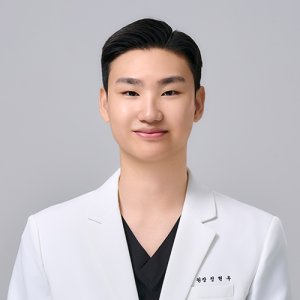
Jung Hyun-woo
مشاركة المحتوى
قصص فيديو من مرضى Bookimed
 Anna Leonova
أسئلة متكررة حول علاج السمنة في كوريا الجنوبية
كيف يتم تشخيص السمنة في كوريا؟
في كوريا الجنوبية، يُشخَّص مرض السمنة باستخدام معايير متخصصة من الجمعية الكورية لدراسة السمنة. يُعرّف الأطباء السمنة بأنها مؤشر كتلة الجسم (BMI) الذي يبلغ 25 كجم/م² أو أعلى. هذه العتبات أقل من المعايير الغربية لمراعاة ارتفاع المخاطر الأيضية لدى سكان شرق آسيا.
- عتبات مؤشر كتلة الجسم: تبدأ السمنة من الدرجة الأولى عند 25، ويشير مؤشر كتلة الجسم الذي يزيد عن 35 إلى السمنة الشديدة من الدرجة الثالثة.
- السمنة البطنية: يبلغ الحد الأقصى لمحيط الخصر 90 سم للرجال و85 سم للنساء.
- المخطط السريري: يشمل التشخيص تحديد المضاعفات مثل داء السكري من النوع الثاني أو ارتفاع ضغط الدم، بغض النظر عن مؤشر كتلة الجسم.
- الاختبارات التشخيصية: تستخدم العيادات تخطيط كهربية القلب، وتحليل هرمونات الدم، والفحص الجيني، واستشارات جراحة السمنة.
رأي خبراء بوكيميد: تعمل مستشفيات كورية رائدة، مثل سيفرانس ومستشفى جامعة سنغافورة الوطنية، على دمج أنظمة الصحة الرقمية في برامج فحص السمنة. تخدم هذه المراكز أكثر من 1.5 مليون مريض سنويًا، مستخدمةً الذكاء الاصطناعي والسجلات الطبية الإلكترونية لتتبع التغيرات الأيضية. يُمكّن هذا الكم الهائل من البيانات من وضع خطط علاجية أكثر دقة وتخصيصًا، سواءً كانت جراحية أو غير جراحي
ما هي أكثر طرق إنقاص الوزن غير الجراحية شيوعاً في كوريا؟
في كوريا، يعتمد إنقاص الوزن غير الجراحي على الأدوية المعتمدة من قبل وزارة الغذاء والدواء الكورية، وتقنيات نحت الجسم المتقدمة القائمة على الطاقة، والطب التقليدي. تشمل العلاجات الشائعة حقن GLP-1، مثل ساكسيندا وويجوفي، بالإضافة إلى تقنيات غير جراحية مثل تجميد الدهون بالموجات فوق الصوتية المركزة عالية الكثافة (HIFU)، في مراكز متخصصة في سيول.
- الحقن الطبية: يصف الأطباء ناهضات مستقبلات GLP-1 لقمع الشهية وتنظيم عملية التمثيل الغذائي.
- نحت الجسم: توفر أجهزة مثل Shurink (HIFU) و CoolSculpting تقليلًا دائمًا للخلايا الدهنية الموضعية.
- الطب التقليدي: تقدم عيادات هانبان علاجات عشبية مصممة خصيصًا لكل فرد، بالإضافة إلى الوخز بالإبر لتعزيز عملية التمثيل الغذائي.
- الإجراءات التنظيرية: توفر بالونات المعدة واستئصال المعدة التكميمي بالمنظار بدائل قابلة للعكس للجراحة.
رأي خبراء بوكيمد: بينما يسعى الكثيرون إلى إنقاص الوزن بشكل عام، يتميز السوق الكوري بتقسيم فريد بين العلاجات الطبية الشاملة ونحت الجسم الموضعي. تعالج المراكز الكبيرة، مثل مستشفى سيفرانس، السمنة المفرطة بفرق متعددة التخصصات. في المقابل، تركز العيادات المتخصصة، مثل عيادة بي باي، التي تُجري أكثر من 3500 عملية جراحية سنويًا، بشك
متى يغطي نظام التأمين الصحي الوطني الكوري جراحة السمنة؟
يُغطي نظام التأمين الصحي الوطني في كوريا الجنوبية جراحة السمنة للمرضى الذين يبلغ مؤشر كتلة الجسم لديهم 35 أو أكثر. كما يشمل التغطية أيضاً أولئك الذين يبلغ مؤشر كتلة الجسم لديهم 30 أو أكثر ويعانون من أمراض مزمنة مرتبطة بالسمنة، مثل داء السكري من النوع الثاني أو ارتفاع ضغط الدم.
- عتبة مؤشر كتلة الجسم: يحصل المرضى الذين لديهم مؤشر كتلة جسم أكبر من 40 على تغطية تأمينية بغض النظر عن وجود حالات طبية أخرى.
- معايير وجود الأمراض المصاحبة: يلزم وجود مؤشر كتلة الجسم من 30 إلى 35، أو انقطاع النفس النومي المؤكد، أو أمراض القلب والأوعية الدموية، أو مرض الكبد الدهني غير الكحولي.
- استثناء مرضى السكري: تتوفر تغطية جزئية لمؤشر كتلة الجسم 27.5-30 ومرض السكري من النوع 2 غير المنضبط.
- اعتماد مقدمي الرعاية الصحية: يجب إجراء العمليات في مرافق مثل مستشفى سيفرانس، وهو معتمد من قبل اللجنة الدولية المشتركة.
رأي خبراء بوكيمد: على الرغم من اعتقاد الكثيرين أن ارتفاع مؤشر كتلة الجسم هو العامل الوحيد، إلا أن الخبرة السريرية ضرورية للحصول على الموافقة. تجري المراكز الرائدة، مثل مستشفى جامعة سيول الوطنية بوندانغ، أكثر من 30,000 عملية جراحية سنويًا. ويُسهّل نظام السجلات الطبية الإلكترونية المتطور لديهم
ما هي المستشفيات في سيول المتخصصة في علاج السمنة؟
تتخصص مستشفيات سيول في علاج السمنة من خلال مراكز جراحة السمنة المعتمدة من قبل اللجنة الدولية المشتركة (JCI) وعيادات شفط الدهون المتخصصة. وتستخدم مؤسسات رائدة، مثل مستشفى سيفرانس ومستشفى جامعة سيول الوطنية بوندانغ، أنظمة روبوتية وفرقًا متعددة التخصصات من أطباء الغدد الصماء والجراحين لعلاج السمنة المفرطة ومتلازمة التمثيل الغذائي بأمان.
- التميز الجراحي على أعلى مستوى: مستشفى سيفرانس معتمد من قبل اللجنة الدولية المشتركة (JCI) لسلامة جراحة التمثيل الغذائي.
- الدقة الرقمية: يستخدم مستشفى جامعة سيول الوطنية بوندانغ أنظمة BESTcare الرقمية لمنع الأخطاء الطبية.
- عبء عمل كبير: لقد أجرى أخصائيو عيادة بي بي إيه إي بنجاح أكثر من 10000 عملية جراحية لتنسيق الجسم وتقليل الدهون.
- البحث الجامعي: يضم مستشفى جامعة سون تشون هيانغ جراحين متميزين معروفين بجراحات السمنة المعقدة التي يقومون بها.
رأي خبراء بوكيمد: في سيول، يُعدّ عدد المرضى أهم مؤشر للسلامة. فبينما تعالج المراكز الجامعية الكبيرة مثل سيفرانس 4 ملايين مريض سنويًا، موفرةً رعاية متعددة التخصصات، تركز العيادات المتخصصة مثل عيادة بي باي حصريًا على إنقاص الوزن. إذا كنت تعاني من أمراض مزمنة مثل السكري، فإن المستشفى الجامعي يُعدّ خيارًا أ