أمراض الروماتيزم في كوريا الجنوبية — التكاليف 2026

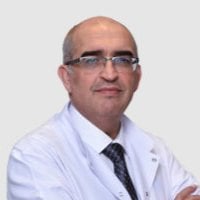
تمت مراجعة المقالة طبيا من قبل
Kayhan Turan
ما هي تكلفة أمراض الروماتيزم في كوريا الجنوبية؟ اكتشف الآن
تتراوح تكلفة علاج الروماتيزم في كوريا الجنوبية عادةً ما بين $2,200 إلى $4,200. تتأثر الأسعار بشكل أساسي بمدى شدة المرض، والاختبارات التشخيصية المطلوبة، وأنواع الأدوية. وغالباً ما يجد المرضى الدوليون أن التكاليف الطبية في كوريا الجنوبية توفر ما بين 40-70% مقارنة بالولايات المتحدة لنفس الرعاية التخصصية والتصوير الطبي.
تكاليف علاج الروماتيزم النموذجية في كوريا الجنوبية
- استشارة طبيب روماتيزم: من $60
- تصوير بالرنين المغناطيسي لكامل الجسم: من $1,500
- تصوير مقطعي للعمود الفقري: السعر عند الطلب
- تصوير بالرنين المغناطيسي للحبل الشوكي: من $950
- مراجعة نتائج التصوير بالرنين المغناطيسي: من $50
- تنظير المفاصل: من $4,000
- استشارة طبيب عظام (جراح إصابات): من $55
تتركز خدمات الروماتيزم المتخصصة في سيول وإنتشون، حيث توجد المستشفيات الجامعية الكبرى. تُعد التكاليف في سيول هي المعيار المرجعي للمنطقة، ونظراً لأن إدارة الحالات المزمنة تتسم بخصوصية عالية، يرجى استشارة أخصائي للحصول على تسعير دقيق لحالتك.
| كوريا الجنوبية | تركيا | إسبانيا | |
|---|---|---|---|
| فصادة البلازما ذات الترشيح المزدوج | ≈ $1,200 | ≈ $1,900 | ≈ $1,100 |
| تبادل البلازما | ≈ $2,500 | ≈ $3,900 | ≈ $2,400 |
| الفصل الانتقائي للدم | ≈ $1,800 | ≈ $1,600 | ≈ $1,800 |
| العلاج الوريدي بالكركمين | ≈ $350 | ≈ $900 | ≈ $450 |
| العلاج الدوائي للذئبة الحمامية الجهازية | ≈ $1,800 | ≈ $900 | ≈ $1,200 |
جميع أمراض أمراض الروماتيزم
مزاياك وضماناتك مع Bookimed
أسعار مباشرة
Bookimed لا يضيف رسوماً إضافية على أسعار علاج أمراض الروماتيزم. الأسعار مأخوذة من قوائم الأسعار الرسمية للعيادات. تدفع مباشرة في العيادة مقابل علاجك عند وصولك إلى البلد.
عيادات وأطباء معتمدون فقط
Bookimed ملتزم بسلامتك. نحن نعمل فقط مع المؤسسات الطبية التي تحافظ على معايير دولية عالية في علاج أمراض الروماتيزم ولديها التراخيص اللازمة لخدمة المرضى الدوليين في جميع أنحاء العالم.
مساعدة مجانية على مدار الساعة
Bookimed يقدم مساعدة خبراء مجانية. منسق طبي شخصي يدعمك قبل وأثناء وبعد العلاج، ويحل أي مشاكل. لن تكون وحيداً أبداً في رحلة علاج أمراض الروماتيزم.

منسقك الطبي الشخصي في Bookimed
- يدعمك في كل مرحلة
- المساعدة في اختيار العيادة الطبية المناسبة والطبيب المناسب
- يضمن الوصول السريع والمريح إلى المعلومات
اكتشف أفضل عيادات أمراض الروماتيزم: 13 خيارات معتمدة والأسعار













Chaum Medical Center
أفضل مراكز أمراض الروماتيزم في كوريا الجنوبية
- Samsung Medical Center, كوريا الجنوبية
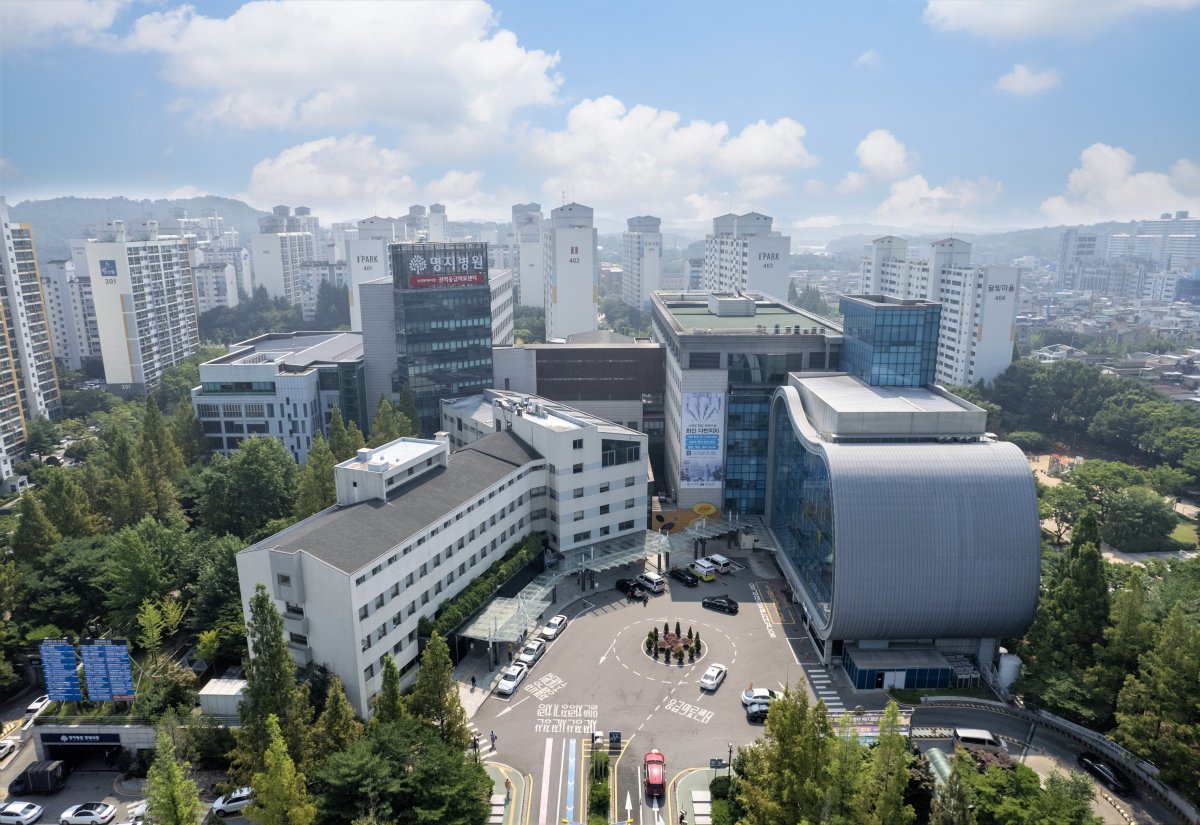
- Myongji Hospital, كوريا الجنوبية
- Asan Medical Center, كوريا الجنوبية
- Seoul National University Bundang Hospital (SNUBH), كوريا الجنوبية
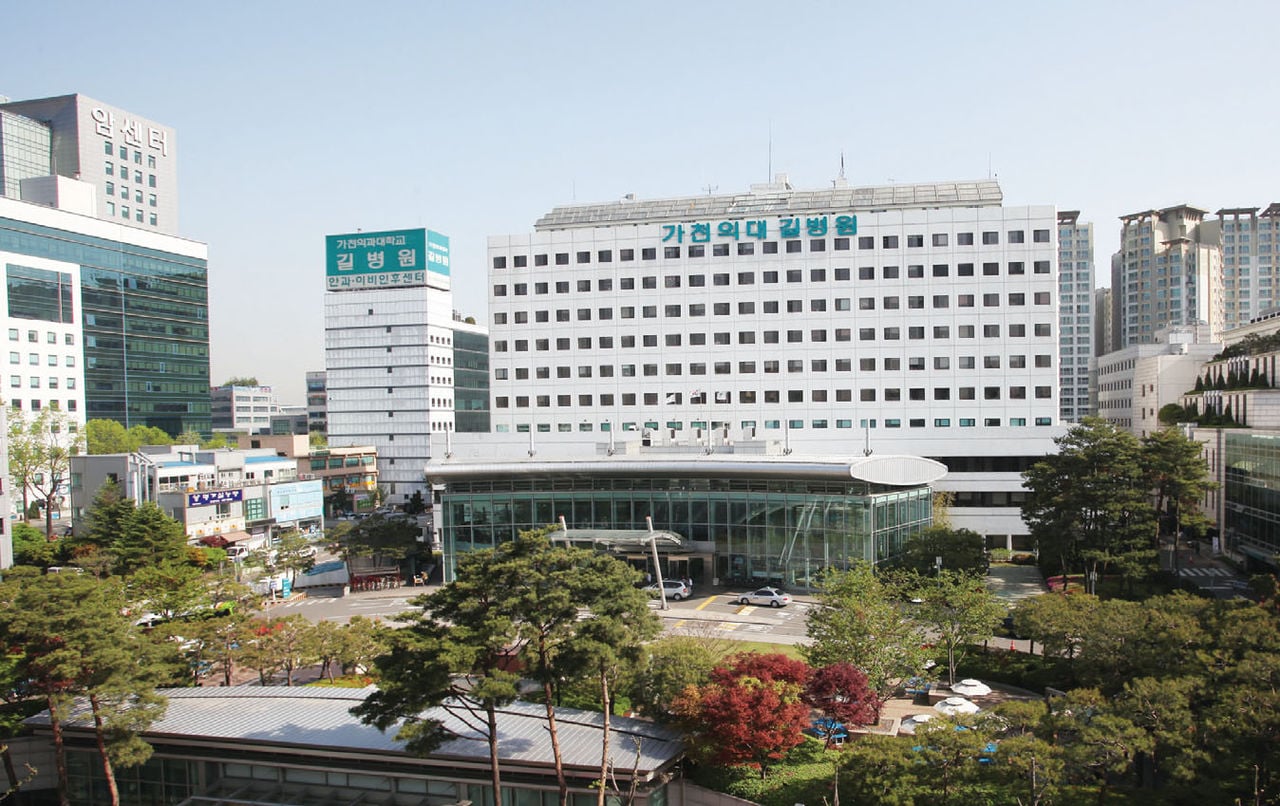
- Gachon University Gil Medical Center, كوريا الجنوبية
- Severance Hospital, كوريا الجنوبية
- Soon Chun Hyang University Hospital , كوريا الجنوبية
- Seoul National University Hospital (SNUH), كوريا الجنوبية
- Jaseng Hospital of Korean Medicine, كوريا الجنوبية
- Chaum Medical Center, كوريا الجنوبية
احصل على تقييم طبي لـ في كوريا الجنوبية: اختر أخصائيك من بين الأفضل في هذا المجال
عرض جميع الأطباء
Seongcheol Moon
رئيس جراحة العظام في مستشفى نانوري، يتخصص الدكتور مون في حالات الكتف والمرفق مع التركيز على التقنيات التنظيرية.
- حاصل على زمالة في جراحة الكتف والمرفق من مستشفى جامعة كيونغ هي
- نشر دراسات متعددة حول إصلاح الكفة المدورة واستقرار المفاصل
- عضو نشط في الجمعية الكورية للكتف والمرفق
- أكثر من 10 سنوات من الخبرة في جراحة العظام
مشاركة المحتوى
قصص فيديو من مرضى Bookimed
 Anna Leonova
أسئلة متكررة حول أمراض الروماتيزم في كوريا الجنوبية
ما هي استراتيجيات العلاج القياسية لأمراض الروماتيزم المستخدمة في كوريا الجنوبية؟
يتبع قسم الروماتيزم في كوريا الجنوبية نموذج "العلاج حسب الهدف" (T2T) للوصول إلى الهدوء السريري. يبدأ العلاج بالأدوية التقليدية المعدلة لطبيعة المرض مثل ميثوتريكسات. إذا لم يتم الوصول إلى الأهداف خلال 3 إلى 6 أشهر، يقوم الأطباء بترقية العلاج إلى البيولوجيات أو مثبطات JAK.
- العلاج الأساسي: يظل ميثوتريكسات هو الدواء الأساسي، وغالبًا ما يتم دمجه مع الستيرويدات منخفضة الجرعة لتوفير التخفيف السريع.
- الخطوة البيولوجية التصاعدية: يتحول المرضى الذين يفشلون في الاستجابة للعلاج csDMARDs إلى مثبطات TNF أو مثبطات JAK مثل توفاسيتينيب.
- الفحوصات قبل العلاج: يجري الأطباء فحوصات مكثفة للسل الكامن والتهاب الكبد B قبل بدء أي علاج بيولوجي.
- بروتوكولات النقرس: يتضمن العلاج عقار كولشيسين لنوبات النقرس واختبار الجينات HLA-B58*01 قبل البدء في استخدام ألوبيورينول.
وجهة نظر خبير Bookimed: تُعد مستشفيات كوريا الجنوبية مثل مستشفى جامعة سيول الوطنية ومستشفى سيفيرانس رائدة عالميًا في اعتماد الأدوية البيولوجية المشابهة. تُظهر بياناتنا أن المرضى غالبًا ما يحصلون على هذه البدائل عالية الجودة لـ Remicade أو Enbrel بسرعة أكبر من المناطق الأخرى. يضمن هذا النهج الاستباقي، بالتزامن مع تسجيل KOBIO، معايير سلامة عالية للغاية للعلاج البيولوجي الطويل الأجل.
اتفاق المرضى: يلاحظ المرضى أن الأطباء يتسمون بالاستباقية الشديدة في التحويل إلى البيولوجيات إذا لم تعمل الأدوية الأولية بسرعة. يؤكدون أن النظام فعال، ويتوقعون إجراء اختبارات دم متكررة وزيارات متابعة لمراق
كيف يتم دمج الطب الكوري التقليدي (KM) مع الرعاية الروماتولوجية الغربية؟
تندمج الطب الكوري التقليدي مع علم الروماتيزم الغربي من خلال نظام طبي مزدوج. يحصل المرضى على رعاية متزامنة تجمع بين الوخز بالإبر والعلاج العشبي مع الأدوية البيولوجية أو الستيرويدات. توفر مؤسسات متخصصة مثل مستشفى سيفرانس ومركز سامسونج الطبي تشخيصات عالية التقنية أثناء التنسيق مع الممارسين التقليديين لإدارة شاملة للأعراض.
- الرعاية التعاونية: يتعاون الأطباء وممارسو الطب التقليدي لعلاج الحالات المزمنة للمفاصل.
- انسجام العلاج: يُستخدم الوخز بالإبر والكي جنبًا إلى جنب مع الأدوية الغربية لتقليل الالتهاب.
- التغطية التأمينية: غالبًا ما يغطي نظام التأمين الصحي الوطني العلاجات التقليدية عندما يتم وصفها طبيًا.
- دقة التشخيص: تستفيد مرافق مثل مركز أسّان الطبي من التصوير بالرنين المغناطيسي لكامل الجسم لتحديد دقيق لمراحل الروماتيزم.
رؤية خبراء Bookimed: غالبًا ما يجد مرضى الألم المزمن نتائج أفضل عند دمج العلاج التقليدي تشونا مع إعادة التأهيل الجسدي الغربية. تُظهر البيانات من مستشفيات سيول الرائدة أن الأقسام المتكاملة تعطي الأولوية لمراقبة إنزيمات الكبد. هذا يضمن ألا تتداخل العلاجات العشبية التقليدية مع فعالية مثبطات المناعة الغربية.
إجماع المرضى: يلاحظ المرضى أن البدء بالوخز بالإبر يساعد في إدارة الهجمات الحادة قبل إدخال الأعشاب. يؤكدون على أهمية إبلاغ كلا النوعين من الأطباء بجميع المكملات لتجنب التفاعلات الخطرة مع مميعات الدم.
ما هي الوثائق الطبية التي يجب علي إحضارها للاستشارة الأولى في عيادة الروماتيزم في كوريا الجنوبية؟
يجب على المرضى إحضار جواز سفر أصلي أو بطاقة تسجيل الأجانب للتحقق من هويتهم في المستشفيات الكورية الجنوبية. يجب تزويدهم بقائمة الأدوية الورقية. تتضمن الجرعات والفترات الزمنية لجميع الوصفات الحالية. تقارير التصوير التفصيلية على قرص مضغوط أو USB مطلوبة أيضًا للاختصاصيين.
- التحقق من الهوية: إحضار جواز سفر أصلي أو بطاقة تسجيل الأجانب لتسجيل المستشفى.
- التصوير الطبي: توفير الأشعة السينية أو الأشعة المقطعية أو الرنين المغناطيسي على قرص مضغوط أو USB محمول.
- نتائج المختبر: تضمين اختبارات الدم الحديثة مع التركيز على علامات الالتهاب ولوحات المناعة الذاتية.
- خطاب الإحالة: تقديم إحالة رسمية للوصول إلى الرعاية التخصصية في المستشفيات الجامعية.
رؤية خبيرة من Bookimed: تُظهر بياناتنا أن المراكز الرئيسية في سيول مثل مستشفى سيفرانس ومركز سامسونغ الطبي محوسبة بالكامل. يعد توفير تفسيرات الطبيب الأولية مكتوبة بجانب الصور الخام أمرًا حيويًا. تفضل الأنظمة الرقمية في كوريا تقارير أطباء الأشعة لدمجها بسرعة في سجلك الصحي الإلكتروني.
إجماع المرضى: يُلاحظ أن الاستشارات تسير بسرعة كبيرة، لذا فإن وجود تسلسل زمني للأعراض يساعد الطبيب على فهم حالتك بسرعة أكبر. كما أنه من المفيد أن تكتب أسماء الأدوية لتجنب اللبس مع الأسماء التجارية المحلية.
ما هي الفحوصات التشخيصية الروتينية أثناء الاستشارة؟
تعطي الاستشارات في أمراض الروماتيزم في كوريا الجنوبية الأولوية لفحوصات الدم الشاملة والفحوصات الجهازية. تشمل الفحوصات الروتينية العد الكامل للدم (CBC)، ومعدل ترسيب الكريات الحمراء (ESR)، والبروتين التفاعلي-C (CRP). يقوم الأخصائيون أيضًا بالتحقق من العلامات المحددة مثل عامل الروماتويد (RF) و Anti-CCP لتأكيد الحالات المناعية الذاتية.
- فحوصات الدم: تقيس CBC و ESR و CRP مستويات الالتهاب.
- فحص الأجسام المضادة الذاتية: تحدد اختبارات RF و Anti-CCP و ANA الأمراض المحددة.
- تحليل البول: يشمل اختبار الشريط أو التحليل الكامل للكشف عن أي تورط كلوي.
- البيومترية: تسجيل ضغط الدم، معدل ضربات القلب، ومؤشر كتلة الجسم.
- الفحص البدني: جسّ المفاصل يدويًا للكشف عن التورم واللطافة.
رأي خبير من بوكيميد: تُظهر البيانات أن المراكز الرائدة في سيول مثل مركز سامسونج الطبي ومستشفى سيفرانس غالبًا ما تستخدم السجلات الصحية الإلكترونية المتكاملة (EHRs). من $1,500. يحصل المرضى الذين يزورون هذه المرافق ذات الحجم العالي غالبًا على نتائج المختبر في غضون ساعات بدلاً من أيام.
إجماع المرضى: يشير المرضى إلى أن سحب الدم هو جزء لا يمكن التفاوض عليه خلال الزيارة الأولى. اقترح أحد المرضى إحضار صور لتورم المفاصل لمساعدة الأطباء على اتخاذ قرار سريع فيما إذا كانت هناك حاجة للتصوير الباهظ الثمن كالرنين المغناطيس
ما هي التعديلات الحياتية التي تؤكد عليها الإرشادات الكورية لمرضى الروماتيزم؟
تولي إرشادات الكلية الكورية لأمراض الروماتيزم (KCR) الأولوية للإقلاع عن التدخين وممارسة التمارين الرياضية بانتظام لإدارة الالتهابات. يجب على المرضى الحفاظ على أوزان صحية وحضور جلسات تعليم رسمي. تشمل الرعاية المتخصصة التعرض لضوء الشمس لمدة 15 دقيقة يوميًا للحصول على فيتامين د وإدارة الإجهاد الصارمة لمنع نوبات المرض.
- عادات التمرين: توصي الإرشادات بالمشي لمدة تزيد عن 150 دقيقة أسبوعيًا وتدريب المقاومة مرتين في الأسبوع.
- القيود الغذائية: يجب على مرضى النقرس الحد من تناول الجعة، والمشروبات الكحولية الثقيلة، والمأكولات البحرية، وشراب الفركتوز العالي.
- حماية المفاصل: يتعلم المرضى استخدام المفاصل الكبيرة وتجنب الأنشطة التي تسبب ضغط متكرر.
- فيتامين د: يؤكد الأطباء على أهمية التعرض لأشعة الشمس لمدة 15 دقيقة يوميًا لصحة العظام.
- سلامة الأدوية: تحذر الإرشادات من تعديل الجرعات أو البدء في تناول المكملات غير المؤكدة دون استشارة أخصائيي الروماتيزم.
رؤية خبير من بوكيميد: تركز مستشفيات سيول الرائدة مثل مستشفى سيفيرانس والمركز الطبي لجامعة سامسونج على الرصد عالي التردد. بينما يفضل البعض اجتياز الفحوصات السنوية، تتطلب البروتوكولات الكورية غالبًا زيارات كل 4-12 أسبوعًا. يتيح هذا النهج الشديد للدخول للأطباء تتبع علامات النوبات المبكرة وتعديل المستحضرات البيولوجية بسرعة.
إجماع المرضى: يلاحظ المرضى أن الأطباء غالباً ما يقترحون تغييرات في نمط الحياة مثل تجنب الهواء البارد من مكيفات الهواء. يجد العديد منهم النجاح في
كم من الوقت يجب أن أخصص للاستشارة الأولية والاختبارات؟
خطط لقضاء 3 إلى 4 ساعات خلال الاستشارة الأولية لأمراض الروماتيزم في جمهورية كوريا. تشمل هذه الفترة الزمنية الاجتماع مع الأخصائي والفحوصات التشخيصية مثل تحاليل الدم أو التصوير. ينصح بالوصول قبل ساعة واحدة لإتمام عملية التسجيل والأوراق المطلوبة للتاريخ الطبي.
- مدة الاستشارة: تستمر لقاءات الأخصائيين عادة بين 45 و60 دقيقة لمراجعة التاريخ الطبي.
- نافذة التشخيص: تستغرق الفحوصات المخبرية والتصوير عادة بين 45 و90 دقيقة بعد الاستشارة.
- وقت التسجيل: الوصول قبل 60 دقيقة يساعد في إدارة الطوابير في المستشفيات الرئيسية في سيول.
- إجمالي البقاء: الحالات المعقدة التي تتطلب التصوير بالرنين المغناطيسي لكامل الجسم قد تمد الزيارة إلى 5 ساعات.
نظرة الخبراء من Bookimed: تُظهر البيانات من المراكز ذات الحجم الكبير مثل مستشفى سيفيرانس ومركز سامسونج الطبي التركيز على النتائج في نفس اليوم. تدمج هذه المرافق بين المختبرات والتصوير في زيارة واحدة لمساعدة المرضى الدوليين. يقلل هذا النهج الحاجة إلى زيارات متابعة متعددة من أجل الفحوصات التشخيصية الأساسية.
إجماع المرضى: يلاحظ المرضى أن المستشفيات الكبرى غالباً ما تشعر بالإسراع بسبب حجم المرضى الكبير. يقترحون استخدام تطبيقات المستشفى لتتبع موقعك في الطابور ويوصون بجلب دفتر أعراض لتسريع الحديث مع الطبيب.