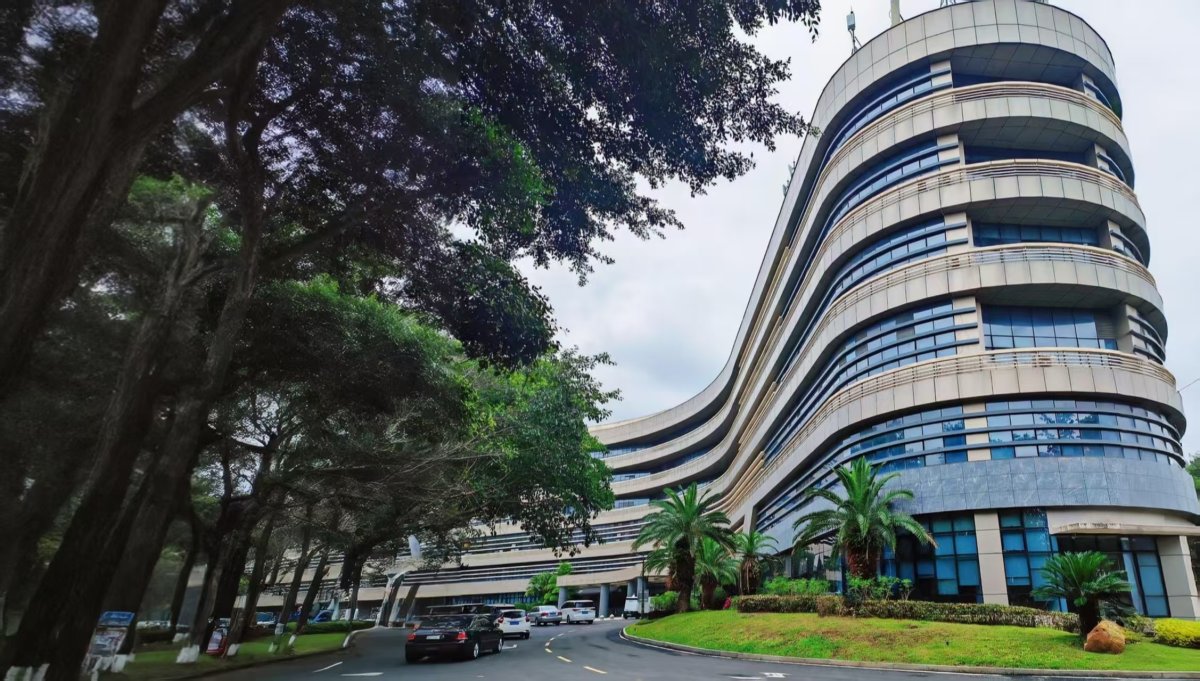
Boao International Medical Center
الصين, تشيونغهاي

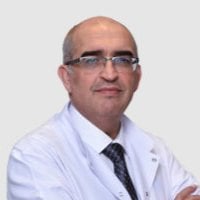
تمت مراجعة المقالة طبيا من قبل
Kayhan Turan
تتراوح تكلفة رعاية أمراض الروماتيزم في الصين عادةً ما بين $3,400 و $13,400. تتقلب الأسعار بناءً على حالة المناعة الذاتية المحددة، والحاجة إلى العلاجات البيولوجية، وما إذا كان الطب الصيني التقليدي مدمجاً في الخطة العلاجية. يمكن للمرضى القادمين من الولايات المتحدة توقع توفير ما يقرب من 40-60% في تكاليف الإدارة طويلة الأمد والإجراءات التشخيصية.
تكاليف الروماتيزم النموذجية في الصين
تشمل المراكز الطبية الرئيسية لأمراض الروماتيزم كلاً من شنغهاي وبكين، حيث تنتشر الأقسام الدولية المتخصصة بشكل أكبر. وعلى الرغم من أن الأسعار في هذه المدن أعلى عموماً منها في المراكز الإقليمية، إلا أنها توفر أكبر تجمع للأخصائيين الذين يتحدثون الإنجليزية. استشر أخصائياً للحصول على تسعير دقيق لحالتك المحددة.
| الصين | تركيا | إسبانيا | |
|---|---|---|---|
| فصادة البلازما ذات الترشيح المزدوج | ≈ $450 | ≈ $1,900 | ≈ $1,100 |
| تبادل البلازما | ≈ $2,400 | ≈ $3,900 | ≈ $2,400 |
| الفصل الانتقائي للدم | ≈ $3,500 | ≈ $1,600 | ≈ $1,800 |
| العلاج الوريدي بالكركمين | ≈ $600 | ≈ $900 | ≈ $450 |
| العلاج الدوائي للذئبة الحمامية الجهازية | ≈ $8,500 | ≈ $900 | ≈ $1,200 |
Bookimed لا يضيف رسوماً إضافية على أسعار علاج أمراض الروماتيزم. الأسعار مأخوذة من قوائم الأسعار الرسمية للعيادات. تدفع مباشرة في العيادة مقابل علاجك عند وصولك إلى البلد.
Bookimed ملتزم بسلامتك. نحن نعمل فقط مع المؤسسات الطبية التي تحافظ على معايير دولية عالية في علاج أمراض الروماتيزم ولديها التراخيص اللازمة لخدمة المرضى الدوليين في جميع أنحاء العالم.
Bookimed يقدم مساعدة خبراء مجانية. منسق طبي شخصي يدعمك قبل وأثناء وبعد العلاج، ويحل أي مشاكل. لن تكون وحيداً أبداً في رحلة علاج أمراض الروماتيزم.

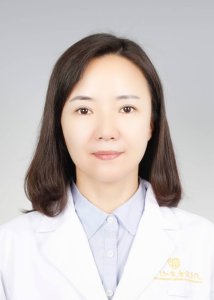
الأستاذة ليانغ شياوشياو مديرة القسم ورئيسة الأطباء في إعادة التأهيل العصبي. تحمل درجة الماجستير في طب الأعصاب. متمرسة في التعديل العصبي لاضطرابات الوعي والإدراك والحركة. يتركز عملها على حالات ناجمة عن أمراض الأوعية الدموية الدماغية، ومرض باركنسون، وحالات ذات صلة. كما تُجري حقن توكسين البوتولينوم بتوجيه الموجات فوق الصوتية لعلاج تشنج الجفن، وتشنج نصف الوجه، وتشنج الأطراف، وفرط سيلان اللعاب، وآلام الأعصاب.
الاعتمادات والمناصب: عضوة في لجان إعادة التأهيل العصبي، وإعادة تأهيل اضطرابات الإد
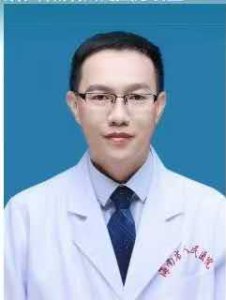
الدكتور لين شوديان، دكتور في الطب، هو الطبيب الرئيس ومدير قسم الروماتيزم والمناعة. يركّز على أمراض المناعة الذاتية، خصوصاً الاعتلالات العضلية الالتهابية. حصل على درجة الدكتوراه في الطب عام 2007 من مستشفى شيانغيا التابع لجامعة وسط الجنوب. أكمل تدريباً متقدماً في الروماتيزم بمستشفى كلية الاتحاد الطبي ببكين عام 2015. يشغل منصب رئيس جمعية الروماتيزم بمقاطعة هاينان، وهو عضو لجنة فرع الروماتيزم في كلٍّ من الجمعية الطبية الصينية وجمعية الأطباء الصينية، ونائب مدير فرع الروماتيزم في جمعية أطباء مقاطعة

يجمع وانغ هي تيان بين الطب الصيني التقليدي ورعاية أمراض الروماتيزم في مستشفى ياندا الدولي، ويقدم نهجاً فريداً للأمراض الالتهابية المزمنة والتنكسية.

الدكتورة تشنغ شو هوا هي أخصائية مناعة ووخز بالإبر في عيادات "بودي آند سول" (Body & Soul) الطبية في شنغهاي. تعالج الدكتورة تشنغ مرض الذئبة الحمراء الجهازية (SLE) باستخدام الطب الصيني التقليدي (TCM). تدربت الدكتورة تشنغ على يد أخصائي المناعة البروفيسور الدكتور شين بي آن. تقدم الدكتورة استشاراتها للمرضى باللغات الإنجليزية واليابانية والماندرين.
 Anna Leonova
ينبغي على المرضى الذين يعانون من آلام المفاصل الجهازية استشارة قسم أمراض الروماتيزم لتشخيص الأمراض الالتهابية أو المناعية الذاتية. أما في حالة الإصابات الميكانيكية أو تلف المفاصل، فينبغي استشارة قسم جراحة العظام. في الصين، يُنصح باختيار منشأة طبية من الفئة (أ) والمستوى (3)، مثل مستشفى ياندا الدولي، الذي يجمع بين البروتوكولات الدولية والطب الصيني التقليدي.
رأي خبراء بوكيمد: يخدم مستشفى ياندا الدولي 2,500,000 مريض سنويًا، وهو معتمد من قبل اللجنة الدولية المشتركة (JCI) لضمان السلامة. ويُعدّ تصنيفه من الفئة أ المستوى 3 الأعلى في الصين، مما يضمن الوصول إلى 28,500 تقنية متطورة. غالبًا ما يتيح اختيار مراكز بهذا الحجم ا
تظهر نتائج العلاج الروماتيزمي في الصين عادةً خلال فترة تتراوح بين أسبوعين و12 أسبوعًا. توفر الأدوية المضادة للالتهابات سريعة المفعول راحةً في غضون ساعات. أما الأدوية المعدلة للمرض، فتحتاج غالبًا إلى فترة تتراوح بين 3 و6 أشهر لتحقيق أقصى تأثير لها. ويمكن للنهج التكاملي الذي يجمع بين الطب الغربي والطب الصيني التقليدي أن يُسرّع من تخفيف الأعراض في المراحل المبكرة.
رأي خبراء بوكيمد: يتمتع مستشفى ياندا الدولي بتصنيف المستوى الثالث من الفئة (أ)، وهو أعلى تصنيف سريري في الصين. ويعني هذا التصنيف عادةً سرعة الوصول إلى التشخيصات المعقدة وفرق متعددة التخصصات من الأخصائيين. ويتل
تُسبب أدوية التهاب المفاصل الروماتويدي آثارًا جانبية تتراوح بين اضطرابات الجهاز الهضمي وزيادة خطر الإصابة بالعدوى. تشمل الآثار الجانبية الشائعة الغثيان والتعب وتساقط الشعر، وهي أعراض نموذجية للأدوية التقليدية المعدلة للمرض. قد تُسبب الأدوية البيولوجية تهيجًا في موضع الحقن، كما أن مثبطات JAK قد تزيد من خطر الإصابة بالهربس النطاقي والجلطات الدموية.
رأي خبراء بوكيمد: غالبًا ما يستفيد المرضى في الصين من نهج شامل في المرافق الطبية من المستوى الثالث، الفئة أ. يجمع مستشفى ياندا الدولي في بكين بين البروتوكولات الدولية والطب الصيني التقليدي. وتتيح عمليات المستشفى الواسعة، التي تخدم 2,500,000 مريض سنويًا، بروتوكولات محسّنة لمراقبة الآثار الجانبية. ويرأس الدكتور وانغ هي تيان أقسامًا متخص
تضمن الزيارات الدورية المنتظمة مع أخصائي أمراض الروماتيزم في الصين شفاءً طويل الأمد، وتكشف عن الالتهابات الخفية. وتتيح هذه الزيارات مراقبة تآكل العظام، وتلف الأعضاء، والآثار الجانبية للأدوية. ويمنع التشخيص المبكر تلف المفاصل المفاجئ أو إجهاد الكلى، كما يسمح للأطباء بتعديل جرعة العلاج المكثف بأمان.
رأي خبراء بوكيميد: تجمع المؤسسات الطبية الصينية الرائدة من الفئة أ 3، مثل مستشفى ياندا الدولي، بين البروتوكولات الدولية والأساليب التقليدية. تُظهر بياناتنا أن هذه المراكز الكبيرة تعالج أكثر من 2,500,000 مريض سنويًا. يُمكّن هذا العدد الكبير من المرضى الأطباء من تشخيص المضاعفات النادرة بسرعة أكبر. يُعد حجز موعد قبل 3 إلى 6 أشهر أمرًا بالغ الأهمية نظرًا للطلب الكبير في المستشفيات المعت
يُعدّ الطب الصيني التقليدي علاجًا فعالًا لأمراض الروماتيزم، حيث يُخفف الالتهاب وتيبس المفاصل، ويُشكّل إضافةً قويةً للطب الغربي. تُظهر النتائج السريرية تحسنًا ملحوظًا في أعراض التهاب المفاصل الروماتويدي والتهاب المفاصل العظمي. تتطلب معظم بروتوكولات العلاج ثلاثة أشهر أو أكثر من العلاج المتواصل.
رأي خبراء بوكيميد: تُظهر بيانات مستشفى ياندا الدولي أن مرافقه الطبية من الفئة أ 3 تخدم 2,500,000 مريض سنويًا. تجمع هذه المراكز الكبيرة بين الأساليب التقليدية و28,500 تقنية حديثة. ويستفيد المرضى من خدمات أخصائيين مثل الدكتور وانغ هي تيان، الذي يشغل منصبًا قياديًا في جمعية بكين للطب الصيني التقليدي.

