علاج التهاب المفاصل الروماتويدي في كوريا الجنوبية: 3 مستشفيات


تمت مراجعة المقالة طبيا من قبل
فهد مولود
ما هي تكلفة التهاب المفاصل الروماتويدي إجراءات التشخيص والعلاج في كوريا الجنوبية؟ اعرف الآن
تتضمن تكلفة علاج التهاب المفاصل الروماتويدي في جمهورية كوريا عادةً تشخيصات متخصصة وإدارة دوائية طويلة الأمد. من $55. تعتمد التكاليف الإجمالية على شدة المرض واستخدام العلاجات البيولوجية. يوفر المرضى الدوليون عادةً ما بين 40-70% مقارنة بالولايات المتحدة. تشمل أفضل المدن لهذا العلاج سيول وإنشيون.
تكاليف علاج التهاب المفاصل الروماتويدي النموذجية في جمهورية كوريا
- استشارة طبيب العظام: من $55
- تحليل موسع للدم: من $200
- استشارة طبيب القلب: $50 – $55
- تخطيط كهربية القلب (ECG): من $30
رؤية خبراء Bookimed: يجب على المرضى الذين يعانون من إصابات متقدمة في المفاصل إعطاء الأولوية للمراكز متعددة التخصصات مثل مستشفى سيفيرانس (Severance Hospital). تدير هذه المنشأة الحاصلة على اعتماد اللجنة الدولية المشتركة (JCI) أكثر من 1.6 مليون مريض خارجي سنوياً. بالنسبة لأولئك الذين يبحثون عن خبرة على مستوى الدولة، فإن مستشفى جامعة سيول الوطنية (SNUH) هو الخيار الأول. يُعد مستشفى SNUH المنشأة المفضلة لرئيس كوريا ويستخدم الرقمنة الكاملة لتنسيق الرعاية. يمكن للمرضى في المراحل المبكرة العثور على خدمات متخصصة عالية القيمة في مركز غاشون الجامعي الطبي (Gachon University Gil Medical Center). يقع قسمهم الدولي في موقع مناسب على بعد ساعة واحدة فقط من مطار إنشيون الدولي.
| كوريا الجنوبية | تركيا | إسبانيا | |
|---|---|---|---|
| فصادة البلازما ذات الترشيح المزدوج | ≈ $1,200 | ≈ $1,900 | ≈ $1,100 |
| الفصل الانتقائي للدم | ≈ $1,800 | ≈ $1,600 | ≈ $1,800 |
| البلازما | ≈ $1,500 | من $3,200 | من $12,300 |
| حقن المفصل | - | من $850 | - |
مزاياك وضماناتك مع Bookimed
أسعار مباشرة
Bookimed لا يضيف رسوماً إضافية على أسعار علاج التهاب المفاصل الروماتويدي. الأسعار مأخوذة من قوائم الأسعار الرسمية للعيادات. تدفع مباشرة في العيادة مقابل علاجك عند وصولك إلى البلد.
عيادات وأطباء معتمدون فقط
Bookimed ملتزم بسلامتك. نحن نعمل فقط مع المؤسسات الطبية التي تحافظ على معايير دولية عالية في علاج التهاب المفاصل الروماتويدي ولديها التراخيص اللازمة لخدمة المرضى الدوليين في جميع أنحاء العالم.
مساعدة مجانية على مدار الساعة
Bookimed يقدم مساعدة خبراء مجانية. منسق طبي شخصي يدعمك قبل وأثناء وبعد العلاج، ويحل أي مشاكل. لن تكون وحيداً أبداً في رحلة علاج التهاب المفاصل الروماتويدي.

منسقك الطبي الشخصي في Bookimed
- يدعمك في كل مرحلة
- المساعدة في اختيار العيادة الطبية المناسبة والطبيب المناسب
- يضمن الوصول السريع والمريح إلى المعلومات
اكتشف أفضل التهاب المفاصل الروماتويدي العيادات في كوريا الجنوبية: 3 خيارات معتمدة والأسعار
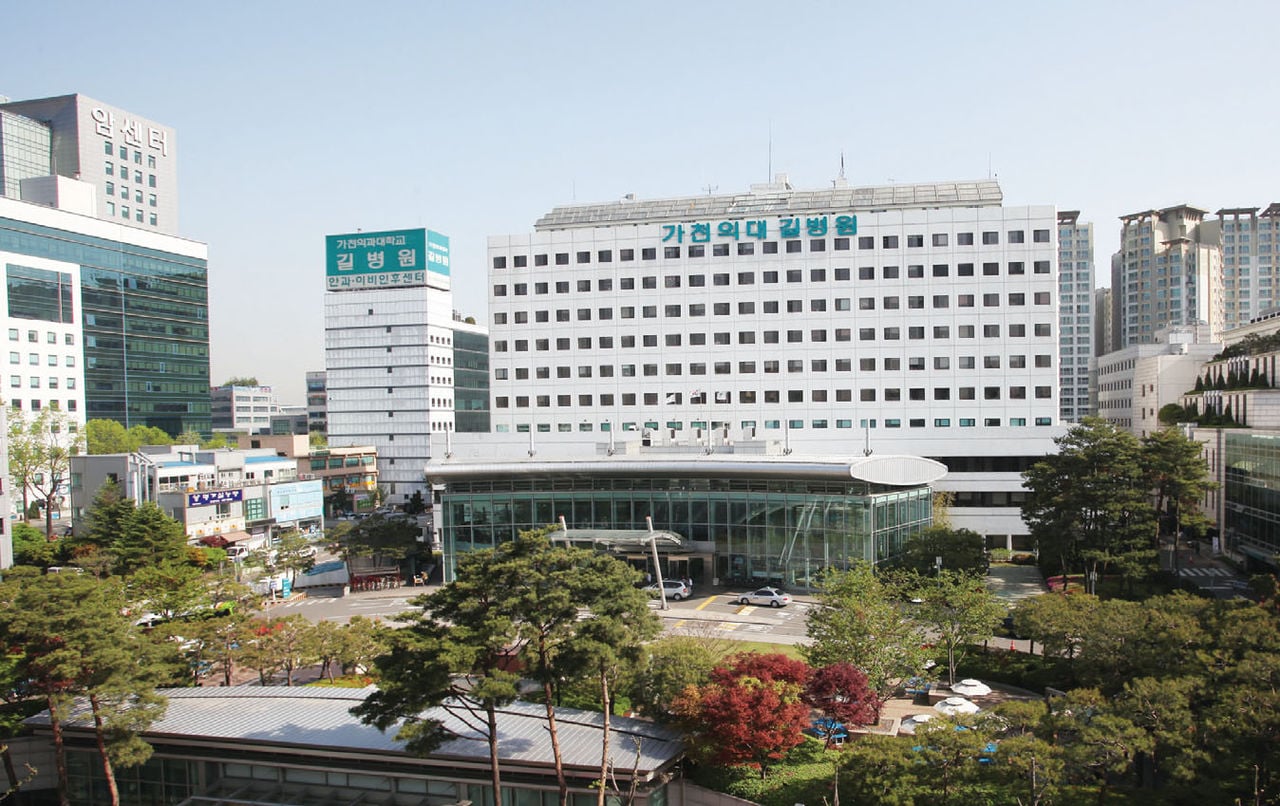



Seoul National University Hospital (SNUH)




مستشفى جامعة سيول الوطنية (SNUH) هي منشأة حكومية متعددة التخصصات رائدة في عاصمة كوريا الجنوبية. هنا يتلقى رئيس الدولة العلاج.
منذ عام 2004 ، تم رقمنة SNUH بالكامل - يتم تخزين جميع البيانات المتعلقة بالمرضى في النظام الإلكتروني.
يُظهر المستشفى أعلى إحصائيات لعلاج السرطان في كوريا الجنوبية . التخصصات الرئيسية الأخرى في SNUH هي جراحة الأعصاب وجراحة القلب والأوعية الدموية وطب الأطفال وزرع الأعضاء.
يخدم مستشفى جامعة سيول 10،700 مريض يوميًا في المتوسط.
مشاركة المحتوى
قصص فيديو من مرضى Bookimed
 Anna Leonova
أسئلة متكررة حول علاج التهاب المفاصل الروماتويدي في كوريا الجنوبية
كيف يتم علاج مرضى التهاب المفاصل الروماتويدي في كوريا؟
يعطي علاج التهاب المفاصل الروماتويدي في كوريا الأولوية للتدخل المبكر والعدواني باستخدام الأدوية المضادة للروماتيزم المعدلة للمرض (DMARDs) لتحقيق الهجوع. تستخدم المراكز الثالثية الكبيرة في سيول وإنتشون علاجات متقدمة بما في ذلك مثبطات إنزيم جانوس كيناز وتقنيات تنقية الدم المتخصصة مثل فصادة البلازما داخل المرافق المعتمدة من قبل اللجنة الدولية المشتركة (JCI).
- العلاج القياسي: يتلقى أكثر من 85% من المرضى أدوية DMARDs تقليدية مجمعة خلال السنة الأولى.
- الإجراءات المتقدمة: تقدم العيادات المتخصصة فصادة انتقائية وفصادة البلازما بالترشيح المزدوج (DFPP) للحالات الشديدة.
- المراقبة التشخيصية: تستخدم العيادات اختبار درجة نشاط المرض (DAS28) وتحليلات الدم الموسعة للمراقبة.
- البنية التحتية المتخصصة: توفر المستشفيات الجامعية الكبيرة رعاية متكاملة من خلال مراكز مخصصة لأمراض الروماتيزم وإعادة التأهيل.
رؤية خبير Bookimed: يعمل حجم المرضى كإشارة جودة رئيسية في نظام الرعاية الصحية في كوريا. تدير مرافق مثل مستشفى سيفيرانس 1.6 مليون مريض خارجي سنوياً. يسمح هذا النطاق الهائل لأطباء الروماتيزم الكوريين بتحسين بروتوكولات العلاجات البيولوجية بشكل أسرع من المراكز ذات الحجم الأقل. تشير البيانات إلى أن المرضى الذين يبحثون عن رعاية معقدة لأمراض المناعة الذاتية يستفيدون من هذه المستشفيات الثالثية ذات الحجم الكبير حيث تتوفر معدات متخصصة مثل DFPP بسهولة.
إجماع المرضى: يشير المرضى إلى أن الرعاية تتسم بالكفاءة العالية وتعتمد على الإجراءات مع فحوصات مخبرية
هل تقدم كوريا علاجات بيولوجية حديثة لالتهاب المفاصل الروماتويدي (RA)؟
توفر كوريا الجنوبية علاجات بيولوجية متقدمة لالتهاب المفاصل الروماتويدي من خلال مستشفيات جامعية معتمدة من قبل اللجنة الدولية المشتركة (JCI). يحصل المرضى على أدوية بيولوجية معدلة لمسار المرض، بما في ذلك مثبطات عامل نخر الورم (TNF)، وحاصرات إنترلوكين-6 (IL-6)، وعوامل مضادة للخلايا البائية. تهدف هذه العلاجات إلى وقف تلف المفاصل وتحفيز الهجوع في الحالات الشديدة.
- العلاجات البيولوجية المتاحة: تشمل أداليموماب، إيتانيرسيبت، إنفليكسيماب، والأدوية الحيوية المشابهة المعتمدة من وكالة الأدوية الأوروبية (EMA).
- التشخيص المتقدم: تستخدم العيادات تحاليل دم موسعة واستشارات تقويم العظام لتحديد مراحل المرض.
- بروتوكولات السلامة: فحوصات الكشف القياسية عن السل والتهاب الكبد إلزامية قبل بدء العلاج.
- المرافق المتخصصة: يتركز العلاج في مراكز رئيسية مثل مستشفى سيفيرانس في سيول.
رؤية خبير Bookimed: تظهر البيانات أن المراكز الثالثية مثل مستشفى جامعة سيول الوطنية تدير أعداداً هائلة من المرضى. يستقبل مستشفى سيفيرانس وحده أكثر من 1.6 مليون مريض خارجي سنوياً عبر الأقسام المتخصصة. يسمح هذا النطاق لأطباء الروماتيزم الكوريين بتحسين البروتوكولات للعلاجات الموجهة الأحدث والأدوية الحيوية المشابهة. يحصل المرضى على إمكانية الوصول إلى متخصصين يديرون حالات عالية التعقيد يومياً.
إجماع المرضى: يفيد المرضى بأن استشارة طبيب روماتيزم متخصص أمر ضروري لبدء العلاجات البيولوجية. يسلط الكثيرون الضوء على عملية الفحص الصارمة والمراقبة المخبرية المنتظمة المطلوبة لضمان السل
أين يمكنني العثور على أطباء روماتيزم يتحدثون الإنجليزية في سيول؟
يتواجد أطباء الروماتيزم الذين يتحدثون الإنجليزية في سيول بشكل أساسي داخل المستشفيات الجامعية المعتمدة من قبل اللجنة الدولية المشتركة (JCI). تحتفظ مرافق مثل مستشفى سيفيرانس ومستشفى جامعة سيول الوطنية (SNUH) بمراكز صحية دولية مخصصة. تضمن هذه المراكز تواصلاً سلساً لتشخيص التهاب المفاصل الروماتويدي وإدارة أمراض المناعة الذاتية على المدى الطويل.
- مستشفى سيفيرانس: يخدم هذا المركز المعتمد من JCI أكثر من 4 ملايين مريض خارجي سنوياً.
- مستشفى جامعة سيول الوطنية (SNUH): مرفق حكومي رقمي رائد يستخدم سجلات صحية إلكترونية متقدمة.
- دعم اللغة: توفر المراكز الدولية منسقين طبيين للمساعدة في الاستشارات باللغة الإنجليزية.
- الخبرة السريرية: تدير الأقسام المتخصصة الحالات المعقدة باستخدام الأدوية البيولوجية وفصادة الدم الانتقائية.
رؤية خبراء Bookimed: غالباً ما يجد المرضى أنه على الرغم من أن العيادات الصغيرة توفر مواعيد أولية أسرع، إلا أن المراكز الكبرى مثل مستشفى سيفيرانس أفضل للرعاية طويلة الأمد. توفر هذه المستشفيات وصولاً متكاملاً إلى أقسام أمراض القلب وجراحة العظام. هذا أمر حيوي لأن التهاب المفاصل الروماتويدي يتطلب غالباً مراقبة متعددة التخصصات ومنسقة.
إجماع المرضى: يشير المرضى إلى أنه من الضروري طلب أخصائي من خلال المركز الدولي بدلاً من حجز زيارة طب عام. إن إحضار السجلات الطبية باللغة الإنجليزية وتاريخ الأدوية يساعد في ضمان استشارة أولى أكثر إنتاجية.
هل يمكنني إجراء عمليات جراحية للمفاصل أثناء وجود التهاب نشط؟
يتم تجنب إجراءات المفاصل المباشرة بشكل عام أثناء الالتهاب النشط في كوريا الجنوبية. يعطي الأطباء الأولوية للسيطرة على نشاط المرض باستخدام الأدوية البيولوجية أو الأدوية المضادة للروماتيزم المعدلة لسير المرض (DMARDs) قبل إجراء العملية. الاستثناء الرئيسي هو الحقن غير الجراحية مثل الكورتيكوستيرويدات. تُستخدم هذه الحقن خصيصًا لتقليل التورم والألم الموضعي داخل المفصل.
- توقيت الجراحة: عادة ما يؤجل الأطباء العمليات الجراحية الاختيارية حتى يتم السيطرة على الالتهاب الجهازي.
- استخدام الحقن: يستخدم الأطباء حقن الكورتيكوستيرويد خصيصًا لعلاج النوبات النشطة.
- العلاج الطبيعي: يقدم المتخصصون علاجًا يدويًا لطيفًا مصممًا للحفاظ على حركة المفاصل.
- تنسيق المتخصصين: يجب على أطباء الروماتيزم والجراحين مزامنة جداول الأدوية لضمان الشفاء الآمن.
رؤية خبير Bookimed: بينما يتم تأجيل العمليات الجراحية الاختيارية، تستخدم المرافق الرائدة في كوريا الجنوبية مثل مستشفى سيفيرانس تصويرًا رقميًا متقدمًا لتتبع التغيرات الالتهابية. تسمح هذه الدقة للجراحين بتحديد النافذة الزمنية الدقيقة التي ينحسر فيها الالتهاب بما يكفي للتدخل الآمن. تستفيد هذه المراكز ذات الحجم الكبير من البروتوكولات المعتمدة من قبل اللجنة الدولية المشتركة (JCI) لتقليل مخاطر التعافي أثناء هذه التحولات.
إجماع المرضى: يشير المرضى إلى أن الجراحين غالبًا ما يؤجلون الإجراءات حتى تؤكد اختبارات الدم تحسن السيطرة على المرض. يؤكد الكثيرون أن التواصل الواضح بين طبيب الروماتيزم والجراح هو العامل الأكث
ما الذي يجب أن أحضره لموعدي الأول في كوريا؟
يجب على المرضى الذين يزورون المستشفيات الكورية لعلاج التهاب المفاصل الروماتويدي إحضار جواز سفرهم، وسجلاتهم الطبية الشاملة، ونتائج التصوير. قم بتضمين تقارير المختبر السابقة لعامل الروماتويد (RF)، ومستويات anti-CCP، وESR. تعد وثائق الأدوية الحالية مع تفاصيل الجرعة ضرورية لتسجيل العيادة وتقييم الطبيب.
- الوثائق الطبية: أحضر ملاحظات التشخيص، ونتائج المختبر، وملخصات الخروج من العلاجات السابقة.
- نتائج التصوير: احمل أقراصاً فعلية أو نسخاً رقمية عالية الجودة لأشعة المفاصل أو التصوير بالرنين المغناطيسي.
- تاريخ الأدوية: قم بتوثيق جميع أدوية التهاب المفاصل الروماتويدي السابقة، والآثار الجانبية، وأسباب التوقف عنها.
- مذكرات الأعراض: سجل مدة التيبس الصباحي وقم بتصوير تورم المفاصل المرئي أثناء النوبات النشطة.
رؤية خبير Bookimed: المرافق الرائدة في كوريا مثل مستشفى سيفيرانس ومركز جاشون الجامعي الطبي جيل رقمية للغاية. غالباً ما يكون إحضار سجلاتك باللغة الإنجليزية كافياً. ومع ذلك، فإن ترجمة أحدث نتائج دم ESR وCRP إلى الكورية قبل الوصول يمكن أن تسرع بشكل كبير من مرحلة التشخيص الأولية.
إجماع المرضى: يشير المرضى إلى أنه من المفيد إحضار قائمة مكتوبة بالأسئلة. كما يقترحون وجود مرافق معك إذا كنت بحاجة إلى مساعدة في تدوين الملاحظات أثناء الاستشارة.
هل يُستخدم الطب الكوري التقليدي (TKM) لعلاج التهاب المفاصل الروماتويدي (RA)؟
يُعد الطب الكوري التقليدي (TKM) علاجاً تكميلياً أساسياً لالتهاب المفاصل الروماتويدي في كوريا الجنوبية. وهو مدمج في النظام الصحي الوطني. يستخدم مقدمو الخدمة الوخز بالإبر ومغلي الأعشاب لتخفيف الأعراض. يجمع معظم المرضى بين هذه الأساليب ورعاية الروماتيزم التقليدية للسيطرة على الالتهاب.
- تقنيات الوخز بالإبر: يعمل الوخز بالإبر القياسي والوخز الدوائي على إدارة الألم المزمن وتحسين وظائف المفاصل.
- وصفات الأعشاب: تساعد مغليات معينة مثل Guizhishaoyaozhimu-tang في تقليل تورم المفاصل والتعب.
- العلاجات الداعمة: يستخدم الكي الحراري (Moxibustion) الحرارة لتحفيز نقاط الوخز بالإبر وتخفيف تيبس الصباح.
- التنظيم المتكامل: تضمن الإرشادات السريرية المتخصصة أن بروتوكولات الطب الكوري التقليدي تلبي معايير السلامة والأدلة الموحدة.
رؤية خبير Bookimed: تُعد كوريا الجنوبية مكاناً فريداً لعلاج التهاب المفاصل الروماتويدي لأن المراكز الكبرى مثل مستشفى سيفيرانس ومستشفى جامعة سيول الوطنية تقدم تشخيصات متقدمة مع دعم الرعاية المتكاملة. في حين تركز هذه المرافق المصنفة من قبل مجلة نيوزويك على التدخلات عالية التقنية مثل الجراحة الروبوتية والذكاء الاصطناعي، فإن قربها من عيادات الطب الكوري التقليدي المتخصصة يسمح للمرضى بالوصول بسهولة إلى كلا العالمين. يستفيد المرضى من استخدام المستشفيات التي تضم 3700 سرير لبروتوكولات تعديل المرض مع استخدام العيادات المحلية لإدارة الألم التكميلية.
إجماع المرضى: يجد المرضى أن الطب الكوري التقليدي مفيد للراحة المؤقتة وتحسين الن