أمراض الروماتيزم في الهند — التكاليف 2026

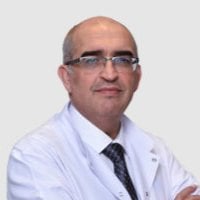
تمت مراجعة المقالة طبيا من قبل
Kayhan Turan
ما هي تكلفة أمراض الروماتيزم في الهند؟ اكتشف الآن
Rheumatology treatment in India typically costs from $1,900 to $5,000. The total expense depends on the specific condition, such as rheumatoid arthritis or lupus, and the choice between conventional medications or advanced biologics. Patients can expect 70-85% savings compared to prices in the US.
Typical Rheumatology Costs in India
- Consultation with creation of treatment plan: السعر عند الطلب
- MRI of the joint: السعر عند الطلب
- Bone and joint screening: السعر عند الطلب
- Medication therapy for Systemic Lupus Erythematosus: $2,800 – $9,200
- Curcumin IV therapy: $900 – $2,000
- Arthroscopy: من $2,000
- 25-Hydroxy vitamin D test: السعر عند الطلب
Major medical hubs for rheumatology include Delhi, Mumbai, and Bangalore. While specialized care is available nationwide, costs in major metropolitan areas can be 20-30% higher than in smaller cities. Consult with a specialist to get accurate pricing for your specific diagnostic needs.
| الهند | تركيا | إسبانيا | |
|---|---|---|---|
| فصادة البلازما ذات الترشيح المزدوج | ≈ $1,400 | ≈ $1,900 | ≈ $1,100 |
| تبادل البلازما | ≈ $1,800 | ≈ $3,900 | ≈ $2,400 |
| الفصل الانتقائي للدم | ≈ $900 | ≈ $1,600 | ≈ $1,800 |
| العلاج الوريدي بالكركمين | ≈ $900 | ≈ $900 | ≈ $450 |
| العلاج الدوائي للذئبة الحمامية الجهازية | ≈ $2,800 | ≈ $900 | ≈ $1,200 |
جميع أمراض أمراض الروماتيزم
مزاياك وضماناتك مع Bookimed
أسعار مباشرة
Bookimed لا يضيف رسوماً إضافية على أسعار علاج أمراض الروماتيزم. الأسعار مأخوذة من قوائم الأسعار الرسمية للعيادات. تدفع مباشرة في العيادة مقابل علاجك عند وصولك إلى البلد.
عيادات وأطباء معتمدون فقط
Bookimed ملتزم بسلامتك. نحن نعمل فقط مع المؤسسات الطبية التي تحافظ على معايير دولية عالية في علاج أمراض الروماتيزم ولديها التراخيص اللازمة لخدمة المرضى الدوليين في جميع أنحاء العالم.
مساعدة مجانية على مدار الساعة
Bookimed يقدم مساعدة خبراء مجانية. منسق طبي شخصي يدعمك قبل وأثناء وبعد العلاج، ويحل أي مشاكل. لن تكون وحيداً أبداً في رحلة علاج أمراض الروماتيزم.

منسقك الطبي الشخصي في Bookimed
- يدعمك في كل مرحلة
- المساعدة في اختيار العيادة الطبية المناسبة والطبيب المناسب
- يضمن الوصول السريع والمريح إلى المعلومات
اكتشف أفضل عيادات أمراض الروماتيزم: 20 خيارات معتمدة والأسعار




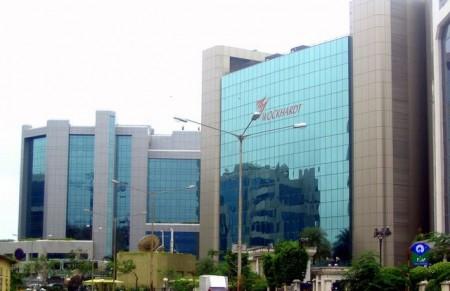
Wockhardt Hospital






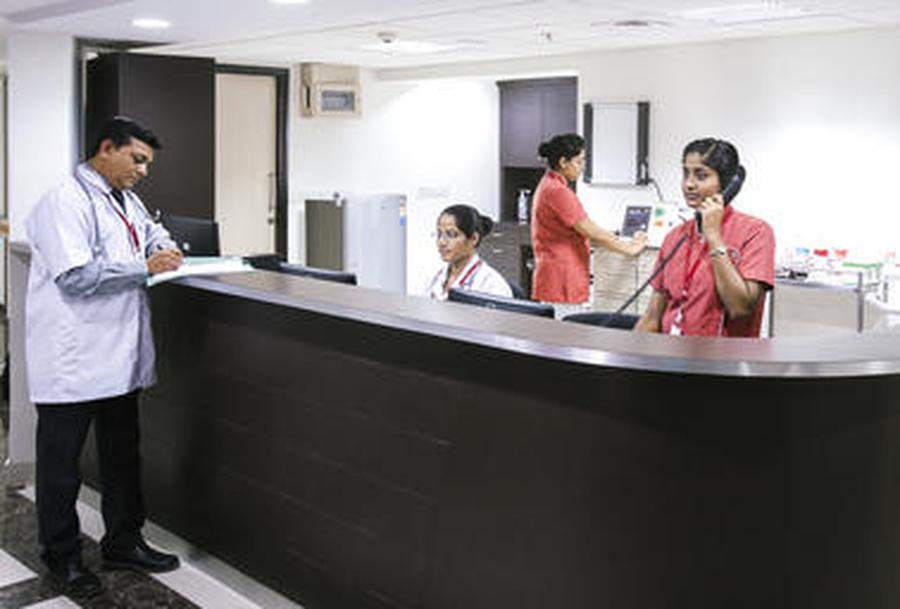



أفضل مراكز أمراض الروماتيزم في الهند
- Artemis Hospitals, الهند
- Wockhardt Hospital, الهند
- Manipal Hospitals, الهند
- Global Hospital Chennai, الهند
- Global Hospital Mumbai, الهند
- Wockhardt Hospital South Mumbai, الهند
- SevenHills Hospital, الهند
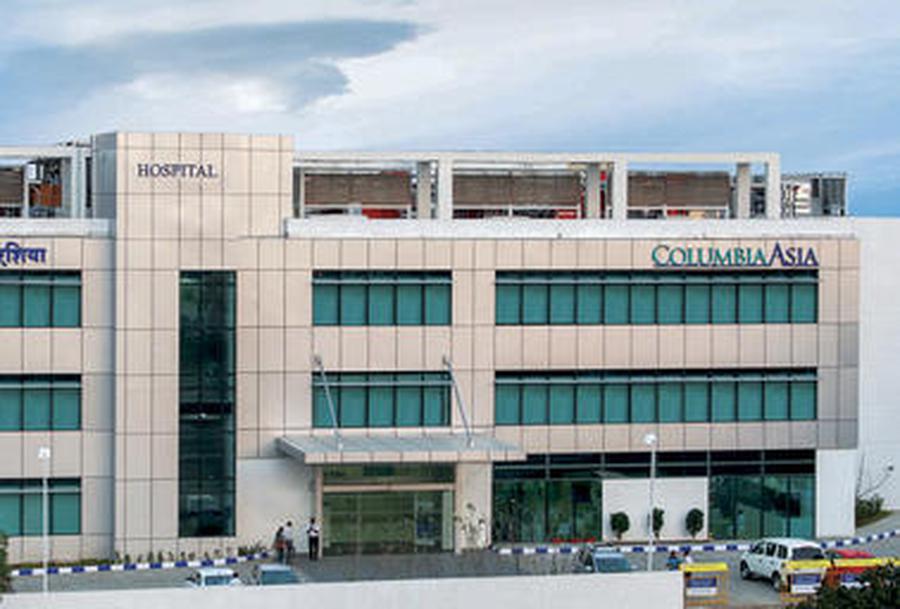
- Columbia Asia Hospital Palam Vihar, الهند
- Columbia Asia Hospital Pune, الهند
- Aster Medcity, الهند
احصل على تقييم طبي لـ في الهند: اختر أخصائيك من بين الأفضل في هذا المجال
عرض جميع الأطباء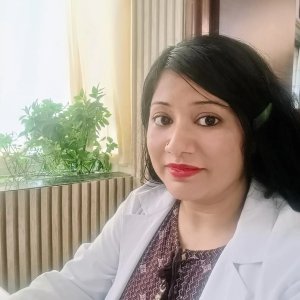
Meenakshi Bisht

Abhas Gupta
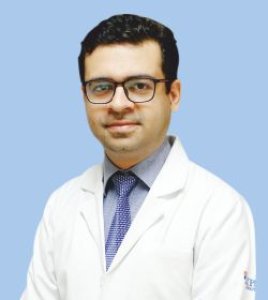
Suvrat Arya
مشاركة المحتوى
قصص فيديو من مرضى Bookimed
 Anna Leonova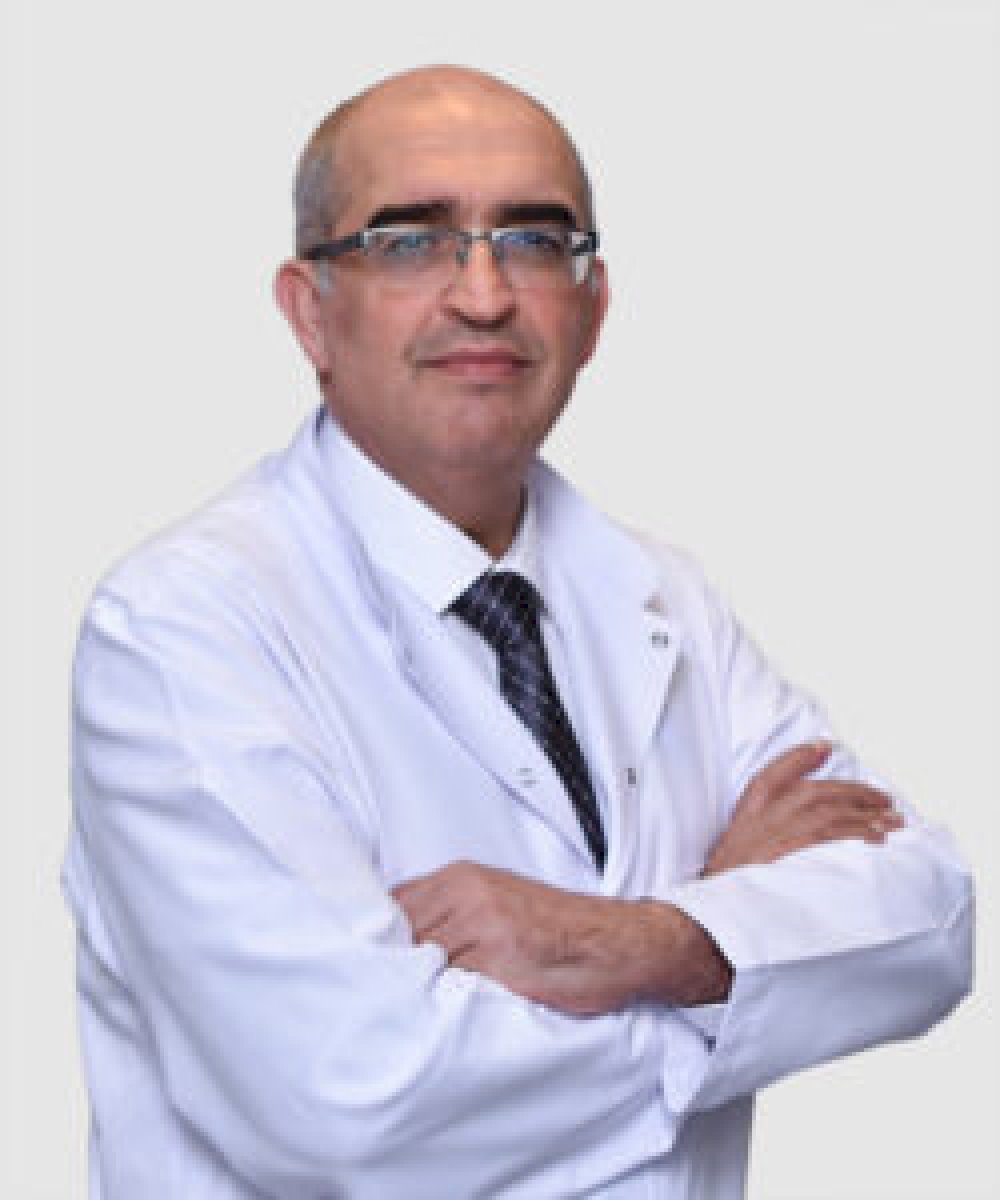
أسئلة متكررة حول أمراض الروماتيزم في الهند
ما الفرق بين أخصائي الروماتيزم وجراح العظام في علاج حالات المفاصل؟
يعالج أخصائيو الروماتيزم حالات المفاصل الالتهابية والمناعية الذاتية الجهازية باستخدام علاجات طبية غير جراحية. يركز جراحو العظام على الإصابات الميكانيكية وتلف العظام الهيكلي الذي يتطلب تدخلاً جراحياً. توفر المراكز الهندية مثل مستشفيات أرتميس ومستشفيات مانيبال كلا التخصصين لإدارة الحالات المعقدة. يستخدم أخصائيو الروماتيزم الأدوية البيولوجية، بينما يقوم الجراحون بعمليات الاستبدال.
- تركيز العلاج: يدير أخصائيو الروماتيزم الالتهاب المزمن باستخدام مثبطات المناعة والأدوية البيولوجية المستهدفة.
- النطاق الجراحي: يقوم جراحو العظام بعمليات استبدال المفاصل، وإصلاح الأربطة، وعلاج كسور العظام.
- أدوات التشخيص: تعطي الروماتيزم الأولوية لعلامات الدم مثل ANA وRF للأمراض الجهازية.
- الرعاية الهيكلية: يستخدم الجراحون التصوير بالرنين المغناطيسي والأشعة المقطعية لتحديد التآكل الميكانيكي أو الصدمات.
رؤية خبير Bookimed: تظهر أنماط التشخيص في الهند أن المراكز ذات الحجم الكبير مثل مستشفى جلوبال تشيناي ومستشفيات مانيبال غالباً ما تدمج هذه الأقسام. تشير البيانات إلى أن المرضى الذين يعانون من تورم مستمر يجب أن يراجعوا أخصائي روماتيزم أولاً. البدء بالإدارة الطبية يمكن أن يمنع تشوهات المفاصل. هذا غالباً ما يلغي الحاجة إلى جراحة كبرى تماماً. التدخل المبكر في الروماتيزم هو مسار فعال من حيث التكلفة في المرافق المعتمدة من JCI.
إجماع المرضى: غالباً ما يلاحظ المرضى أن مراجعة أخصائي روماتيزم بسبب التورم أنقذتهم من جراحات غير ضرورية اقترحها أطباء العظام الع
متى يجب أن أبحث عن أخصائي لآلام المفاصل أثناء السفر في الهند؟
ابحث عن أخصائي في الهند إذا استمر ألم المفاصل لأكثر من 3 أيام أو كان مصحوباً بحمى. الرعاية الفورية ضرورية في حالات التورم المفاجئ أو الاحمرار أو الحرارة في المفصل. قد تشير هذه الأعراض إلى التهابات مثل التهاب المفاصل الإنتاني أو أمراض استوائية مثل حمى الضنك والشيكونغونيا.
- علامات الخطر: اطلب المساعدة في حالات تشوه المفصل، أو عدم القدرة على تحمل الوزن، أو القفل المفاجئ للمفصل.
- الانزعاج المستمر: استشر طبيب روماتيزم إذا استمر الألم لأكثر من 5 أيام رغم استخدام الأدوية.
- تصلب الصباح: حدد موعداً إذا استمر تصلب المفاصل لأكثر من 30 دقيقة يومياً.
- التشخيص المتقدم: توفر المستشفيات الكبرى فحوصات الرنين المغناطيسي وتحاليل الدم في نفس اليوم لتأكيد الحالات الالتهابية.
رؤية خبير Bookimed: تظهر البيانات من المراكز الهندية الكبرى اتجاهاً حيث تقدم مراكز التخصصات المتعددة مثل مستشفى جلوبال مومباي أو مستشفيات أرتميس نتائج أسرع. تضم هذه المرافق أكثر من 40 قسماً تحت سقف واحد. يسمح هذا الإعداد للمرضى باستبعاد العدوى الاستوائية وإصابات العظام في زيارة واحدة. وهذا يقلل بشكل كبير من الوقت الضائع في التنقل بين العيادات المختلفة أثناء السفر.
إجماع المرضى: يشير المرضى إلى أن العيادات الخاصة في المدن الكبرى مثل دلهي أو بنغالورو تقدم خدمة أسرع بكثير من غرف الطوارئ. يقترحون إحضار نتائج المختبر السابقة إلى المواعيد لتجنب تكرار الفحوصات، وينصحون بإعطاء الأولوية للمستشفيات التي لديها موظفون يتحدثون الإنجليزية.
هل يعتبر التهاب المفاصل وأمراض المناعة الذاتية المرتبطة به قابلة للشفاء في الطب الحديث؟
يصنف الطب الحديث التهاب المفاصل وأمراض المناعة الذاتية كحالات مزمنة لا علاج نهائي لها. يظل التركيز العلاجي على تحفيز الهجوع من خلال علاجات مستهدفة. تعطي مراكز الروماتيزم الهندية، مثل مستشفيات أرتميس، الأولوية للتدخل المبكر باستخدام الأدوية المضادة للروماتيزم المعدلة للمرض (DMARDs) لمنع تلف المفاصل الدائم والحفاظ على القدرة على الحركة.
- الهدف الأساسي: تحقيق الهجوع السريري حيث يكون نشاط المرض منخفضًا أو غائبًا.
- نطاق العلاج: تتراوح رعاية الروماتيزم في الهند من _price_from_ إلى _price_to_.
- الأدوية الأساسية: استخدام الأدوية المعدلة للمرض والعلاجات البيولوجية لحجب البروتينات المسببة لالتهاب المفاصل.
- معايير المستشفيات: تحافظ أفضل المرافق مثل مستشفيات مانيبال على اعتمادات JCI و NABH.
- حجم المرضى: تخدم الشبكات الكبيرة مثل مستشفى جلوبال تشيناي أكثر من 80,000 مريض سنويًا.
رؤية خبراء Bookimed: يترجم حجم المرضى المرتفع في الهند في مراكز مثل مستشفيات مانيبال، التي تخدم 2,000,000 شخص سنويًا، إلى خبرة سريرية عميقة. تظهر بياناتنا أن العيادات التي تضم أكثر من 400 طبيب، مثل مستشفيات أرتميس، غالبًا ما توفر وصولًا أسرع إلى العلاجات البيولوجية المتخصصة. هذه السرعة حيوية لأن بدء العلاج في غضون 3 أشهر من ظهور الأعراض يحسن بشكل كبير احتمالات الهجوع على المدى الطويل.
إجماع المرضى: يصف المرضى هذه الحالات بأنها نار مزمنة تتطلب إدارة مستمرة بدلاً من حل لمرة واحدة. يحذر الكثيرون من التوقف عن تناول أدوية مثل الميثوتريكس
ما هي العلاجات المتاحة للمرضى الدوليين في الهند بخلاف الستيرويدات ومسكنات الألم؟
يتمكن المرضى الدوليون في الهند من الوصول إلى علاجات روماتيزمية متنوعة تتجاوز الستيرويدات، بما في ذلك الأدوية البيولوجية المعدلة لسير المرض (DMARDs) ومثبطات JAK. توفر مراكز كبرى مثل مستشفيات مانيبال (Manipal Hospitals) ومستشفى جلوبال مومباي (Global Hospital Mumbai) علاجاً مناعياً متطوراً ورعاية مفاصل بمساعدة الروبوت. تحمل هذه المرافق اعتماد اللجنة الدولية المشتركة (JCI) وتقدم برامج إعادة تأهيل متخصصة.
- العلاج البيولوجي: تكلف مثبطات عامل نخر الورم (TNF) مثل أداليموماب وإيتانيرسيبت أقل بنسبة 60-80% مما هي عليه في الدول الغربية.
- الأدوية المتقدمة: تتوفر مثبطات JAK بما في ذلك باريسيتينيب وتوفاسيتينيب على نطاق واسع مع سهولة أكبر في الوصول إليها.
- الخيارات الشمولية: يتم توفير علاج تجانسي (هوميوباثي) فردي للروماتيزم من قبل متخصصين مثل الدكتور أ. أمين.
- الطب التجديدي: تقدم العيادات حقن البلازما الغنية بالصفائح الدموية (PRP) وحمض الهيالورونيك لصحة المفاصل.
رؤية خبير Bookimed: تستفيد شبكات الرعاية الصحية الكبيرة في الهند، مثل مستشفيات مانيبال بشبكتها المكونة من 15 مستشفى، من أحجام المرضى الهائلة. يسمح هذا النطاق لهذه المراكز بالتفاوض على تكاليف أقل للأدوية البيولوجية المتطورة. غالباً ما يمكن للمرضى بدء العلاج المناعي المتقدم هنا بشكل أسرع بكثير لأن البروتوكولات المحلية تسمح بتدخل مبكر أكثر من العديد من الأنظمة الغربية القائمة على التأمين.
إجماع المرضى: يجد المرضى أن الجمع بين الأدوية التقليدية المعدلة لسير المرض (DMARDs) والعلا
هل من الآمن دمج الأيورفيدا أو المعالجة المثلية أو غيرها من العلاجات البديلة مع الرعاية القياسية؟
يتطلب دمج العلاجات البديلة مثل الأيورفيدا أو الطب المثلي مع رعاية أمراض الروماتيزم في الهند إشرافاً طبياً صارماً. في حين أن اليوغا والتأمل آمنان بشكل عام، إلا أن بعض المركبات العشبية يمكن أن تتفاعل بشكل خطير مع الأدوية القياسية. التوجيه المهني ضروري لمنع تأخير العلاج أو حدوث مضاعفات صحية خطيرة.
- التفاعلات الدوائية: قد تتداخل أعشاب مثل الأشواغاندا أو الجوجل مع مميعات الدم أو المهدئات.
- فعالية العلاج: قد تقلل بعض مضادات الأكسدة من فعالية العلاجات التقليدية المكثفة أو العلاج الكيميائي.
- معايير الجودة: قد تحتوي المنتجات العشبية غير الخاضعة للرقابة على ملوثات غير مدرجة مثل المعادن الثقيلة أو المبيدات الحشرية.
- الرعاية المتخصصة: توفر مرافق مثل مستشفيات مانيبال ومستشفيات أرتميس بيئات معتمدة من اللجنة الدولية المشتركة (JCI) للمراقبة.
رؤية خبير Bookimed: تظهر البيانات من المراكز الهندية الرائدة حجمًا كبيرًا من الحالات المعقدة. تخدم مستشفيات مانيبال 2,000,000 مريض سنويًا، ويتعامل مستشفى جلوبال تشيناي مع 80,000 مريض. تسمح هذه الخبرة الهائلة لأطباء الروماتيزم بتحديد متى قد تتداخل المكملات العشبية مثل الكركم مع بروتوكولات الأدوية القياسية بشكل أفضل.
إجماع المرضى: يشير المرضى إلى أنه على الرغم من أن بعض العلاجات الطبيعية تساعد في تخفيف الألم، إلا أن الاعتماد عليها وحدها قد يؤدي إلى تلف دائم في المفاصل. يندم الكثيرون على تأخير الأدوية القياسية ويقترحون استخدام العلاجات البديلة فقط لتخفيف الأعراض الخفيفة بعد الاستقرار.
هل يمكن للنظام الغذائي والطقس الموسمي أثناء إقامتي في الهند أن يؤثرا على أعراض المفاصل؟
يؤثر النظام الغذائي والطقس الموسمي في الهند بشكل كبير على أعراض المفاصل. فغالبًا ما تزيد الرطوبة خلال موسم الأمطار ودرجات الحرارة الباردة في الشتاء من التيبس. وعلى العكس من ذلك، توفر المكونات الهندية التقليدية مثل الكركم والزنجبيل فوائد طبيعية مضادة للالتهابات. إن إدارة هذه العوامل ضرورية لراحتك أثناء إقامتك.
- تأثير موسم الأمطار: يمكن أن تتسبب الرطوبة العالية وانخفاض الضغط الجوي في تورم أنسجة المفاصل.
- تيبس الشتاء: يؤدي الطقس البارد إلى تقليل الدورة الدموية وشد العضلات في مدن شمال الهند.
- المحفزات الغذائية: قد تؤدي الخضروات الباذنجانية مثل الباذنجان والبطاطس الموجودة في الكاري المحلي إلى تفاقم الأعراض.
- المواد الأساسية المضادة للالتهابات: يساعد الكركمين الموجود في الكركم والزنجبيل في تخفيف الالتهاب والألم بشكل طبيعي.
- فيتامين د: يمكن أن يؤدي انخفاض ضوء الشمس خلال مواسم الأمطار إلى خفض المستويات الأساسية لصحة العظام.
رؤية خبير Bookimed: تُظهر بيانات حجم المرضى أن المراكز الكبرى مثل مستشفيات مانيبال تخدم 2,000,000 مريض سنويًا عبر ولايات متعددة. يسمح هذا النطاق لهذه المؤسسات بإدارة الزيادات الموسمية في حالات الروماتيزم بفعالية. تقدم العيادات في مناخات متنوعة، من جورجاون إلى تشيناي، رعاية متخصصة مصممة خصيصًا للمحفزات الجوية المحلية.
إجماع المرضى: غالبًا ما يجد المرضى أن الرطوبة الشديدة في موسم الأمطار تجعل المفاصل تبدو وكأنها بالونات. يوصي الكثيرون بشرب شاي الكركم والزنجبيل والبقاء رطبًا للتحكم ف
ما هي أفضل المستشفيات في الهند لرعاية أمراض الروماتيزم؟
تستضيف الهند مراكز روماتيزم عالمية المستوى بما في ذلك مستشفيات مانيبال ومستشفيات أرتميس. تتخصص هذه المرافق المعتمدة من قبل JCI في إدارة حالات المناعة الذاتية المعقدة مثل الذئبة والتهاب المفاصل الروماتويدي. وهي توفر تشخيصات متقدمة بما في ذلك الاختبارات الجينية وفحص HLA B27 لضمان علاج دقيق لاضطرابات العضلات والعظام.
- الاعتمادات: تحمل مستشفيات مانيبال وأرتميس شهادات JCI و NABH للسلامة.
- الخبرة السريرية: تخدم مرافق مثل مستشفيات مانيبال أكثر من 2,000,000 مريض سنوياً.
- الرعاية المتخصصة: يجمع مستشفى جلوبال مومباي بين جراحة العظام والروماتيزم لتشوهات العظام.
- حجم الخدمة: يجري مستشفى جلوبال تشيناي 18,000 عملية جراحية سنوياً بفرق متعددة التخصصات.
رؤية خبير Bookimed: تظهر البيانات أن اختيار شبكات كبيرة مثل مستشفيات مانيبال يوفر ميزة لوجستية كبيرة. تعمل هذه المؤسسات كأنظمة صحية متكاملة تضم أكثر من 60 قسماً. بالنسبة لمرضى الروماتيزم، هذا يبسط التنسيق بين علم المناعة وجراحة العظام. غالباً ما تسرع هذه التآزر الداخلي الانتقال من التشخيص إلى العلاج المتخصص.
إجماع المرضى: يشير المرضى إلى أنه على الرغم من أن المراكز الخاصة الكبرى توفر وصولاً أسرع إلى العلاجات البيولوجية والتشخيصات المتقدمة، فمن الضروري تأمين المواعيد قبل أشهر للمؤسسات العامة. يوصي الكثيرون بإجراء استشارة عن بعد وتنظيم جميع التقارير الطبية قبل السفر لتجنب تكرار الاختبارات.
هل يوصى بممارسة التمارين منخفضة التأثير للزوار الذين يعانون من أمراض المفاصل المناعية الذاتية؟
يوصى بشدة بممارسة التمارين منخفضة التأثير للزوار الذين يعانون من أمراض المفاصل المناعية الذاتية في الهند. تعمل أنشطة مثل السباحة والمشي واليوغا على تقوية العضلات دون إجهاد المفاصل الحساسة. تحفز هذه الحركات المسارات المضادة للالتهابات. كما أنها تعزز إنتاج السائل الزليلي لتحسين تزييت المفاصل وتقليل التيبس المزمن.
- حماية المفاصل: تعمل الطفو في الماء على تقليل الضغط على المفاصل المؤلمة أثناء العلاج المائي.
- التحكم في الالتهاب: تساعد الحركة المنتظمة في تحفيز الاستجابات الطبيعية المضادة للالتهابات في الجسم.
- دعم المرونة: تركز اليوغا والتاي تشي على التمدد اللطيف لمنع اندماج المفاصل.
- توجيه الخبراء: غالبًا ما يفرض أطباء الروماتيزم الهنود روتينًا منخفض التأثير للمساعدة في تقليل الاعتماد على الستيرويدات.
رؤية خبراء Bookimed: تُظهر بيانات المرضى من الهند أن المراكز ذات الحجم الكبير مثل مستشفيات مانيبال تعالج أكثر من 2,000,000 مريض سنويًا. غالبًا ما توفر المؤسسات الكبيرة أجنحة إعادة تأهيل متكاملة حيث يتخصص المعالجون الفيزيائيون في تمارين التمدد الخاصة بأمراض المناعة الذاتية. اختيار مستشفى حاصل على اعتماد NABH يضمن أن بروتوكولات التمارين هذه تلبي معايير السلامة الوطنية الصارمة لرعاية المفاصل.
إجماع المرضى: يشير المرضى إلى أن العلاج في المسبح وركوب الدراجات في الأماكن المغلقة ضروريان خلال الطقس الحار لمنع تيبس المفاصل. يؤكد الكثيرون أن البقاء نشطًا بحركات لطيفة يقلل بالفعل من الحاجة إلى مسكنات الألم اليومية.
من هم كبار أطباء الروماتيزم في الهند للمرضى الدوليين؟
من بين كبار أطباء الروماتيزم في الهند الدكتور سوميت أغراوال في مستشفيات أرتميس (Artemis Hospitals) والمتخصصين في المراكز المعتمدة من اللجنة الدولية المشتركة (JCI) مثل مستشفيات مانيبال (Manipal Hospitals) وأستر ميدسيتي (Aster Medcity). يعالج هؤلاء الخبراء الذئبة والتهاب المفاصل باستخدام بروتوكولات دولية. تقع معظم المرافق من الدرجة الأولى في مراكز طبية مثل دلهي وبنغالورو ومومباي.
- الدكتور سوميت أغراوال: متخصص في مستشفيات أرتميس يركز على أمراض المناعة الذاتية المعقدة والحالات الالتهابية.
- الخبرة السريرية: تدير مراكز مثل مستشفيات مانيبال 2,000,000 مريض سنوياً لحالات الروماتيزم المزمنة.
- اعتمادات المستشفيات: تمتلك أفضل المرافق شهادات JCI والمجلس الوطني للمستشفيات (NABH) لضمان السلامة.
- الرعاية المتخصصة: تم الاعتراف بمستشفى جلوبال تشيناي (Global Hospital Chennai) من قبل مجلة نيوزويك لتميزه في الرعاية الطبية متعددة التخصصات.
رؤية خبير Bookimed: تظهر البيانات أن المراكز الموجودة في دلهي مثل مستشفيات أرتميس تعمل كمركز رئيسي لأمراض الروماتيزم. غالباً ما يتم تحويل المرضى الذين يعانون من حالات معقدة إلى هنا من مدن أخرى. غالباً ما تمتلك هذه العيادات أقساماً دولية راسخة تسد الفجوة بين التشخيص المحلي ورعاية المتابعة في بلد المريض.
إجماع المرضى: يشير المرضى إلى أن إدارة الحالات المزمنة مثل الذئبة تتطلب البقاء لعدة مواعيد. يقترحون التنسيق مع المكتب الدولي في وقت مبكر لضمان أن الأطباء يتحدثون الإنجليزية بطلاقة ويفهمون بروتوكولات التأم
هل التهاب المفاصل الروماتويدي قابل للشفاء؟
التهاب المفاصل الروماتويدي هو حالة مناعية ذاتية مزمنة لا يوجد لها علاج نهائي. ومع ذلك، أصبح تحقيق الهجوع السريري هدفاً واقعياً من خلال التدخل المبكر. تظهر النتائج السريرية في الهند أن بدء العلاج في غضون 6 أشهر يمكن أن يؤدي إلى السيطرة على المرض بنسبة 90%.
- أهداف الهجوع: يهدف العلاج إلى الوصول إلى صفر التهاب لمنع تلف المفاصل أو الأعضاء بشكل دائم.
- الإدارة الطبية: يستخدم المتخصصون أدوية معدلة للمرض مثل الميثوتريكسيت لإبطاء تطور المرض.
- العلاجات الموجهة: تعمل العلاجات البيولوجية مثل إيتانيرسيبت على تغيير الحالات الشديدة من خلال استهداف جزيئات التهابية محددة.
- التدخل الجراحي: تعمل جراحة المفاصل في مراكز مثل مستشفى جلوبال مومباي على استعادة وظيفة المفاصل التالفة.
رؤية خبير Bookimed: يعد حجم المرضى مؤشراً رئيسياً للجودة في الهند. تخدم مستشفيات مانيبال 2,000,000 مريض سنوياً عبر شبكتها. يسمح هذا النطاق الهائل لأقسام الروماتيزم لديهم بتقديم بروتوكولات العلاج الثلاثي بتكاليف أقل بسبب شراء الأدوية بكميات كبيرة.
إجماع المرضى: يؤكد المرضى أن البدء بالأدوية التقليدية مبكراً أمر حيوي لتجنب التشوهات التي لا رجعة فيها. يلاحظ الكثيرون أن إضافة اليوغا وتغييرات النظام الغذائي تساعد في تقليل تكرار النوبات المؤلمة إلى النصف.