عيادات أمراض الروماتيزم في إيطاليا

تمت مراجعة المقالة طبيا من قبل
Kayhan Turan
ما هي تكلفة أمراض الروماتيزم في إيطاليا؟ اكتشف الآن
تتراوح تكلفة علاج الروماتيزم في إيطاليا عادةً ما بين $2,700 و $4,500. تعتمد النفقات النهائية على التشخيص المحدد، وما إذا كنت تستخدم النظام العام كمقيم أو تستخدم العيادات الخاصة، وضرورة استخدام الأدوية البيولوجية. يمكن للمرضى القادمين من الولايات المتحدة غالباً تحقيق وفورات تتراوح بين 40-60% في تكاليف الرعاية والتشخيص الروماتيزمي الخاص.
تكاليف الروماتيزم النموذجية في إيطاليا
- استشارة طبيب روماتيزم: $150 – $240
- تصوير المفصل بالرنين المغناطيسي: السعر عند الطلب
- فحص العظام والمفاصل: السعر عند الطلب
- العلاج الدوائي للذئبة الحمراء الجهازية: $1,800 – $3,500
- العلاج الوريدي بالكركمين: $1,400 – $3,200
- تصوير الجسم بالكامل بالرنين المغناطيسي: $750 – $1,500
- استشارة طبيب عظام: $150 – $220
- تصوير الحبل الشوكي بالرنين المغناطيسي: $330 – $500
- تنظير المفاصل: $1,500 – $2,400
تقع المراكز الطبية الرئيسية لعلاج الروماتيزم في ميلانو وروما، حيث يوجد أكبر تجمع للعيادات المتخصصة. وفي حين أن التكاليف موحدة نسبياً عبر المرافق الخاصة، فإن استشارة أخصائي يمكن أن تساعدك في الحصول على عرض سعر دقيق مصمم خصيصاً لتاريخك الطبي.
| إيطاليا | تركيا | إسبانيا | |
|---|---|---|---|
| فصادة البلازما ذات الترشيح المزدوج | ≈ $1,600 | ≈ $1,900 | ≈ $1,100 |
| تبادل البلازما | ≈ $3,200 | ≈ $3,900 | ≈ $2,400 |
| الفصل الانتقائي للدم | ≈ $1,800 | ≈ $1,600 | ≈ $1,800 |
| العلاج الوريدي بالكركمين | ≈ $1,400 | ≈ $900 | ≈ $450 |
| العلاج الدوائي للذئبة الحمامية الجهازية | ≈ $1,800 | ≈ $900 | ≈ $1,200 |
جميع أمراض أمراض الروماتيزم
مزاياك وضماناتك مع Bookimed
أسعار مباشرة
Bookimed لا يضيف رسوماً إضافية على أسعار علاج أمراض الروماتيزم. الأسعار مأخوذة من قوائم الأسعار الرسمية للعيادات. تدفع مباشرة في العيادة مقابل علاجك عند وصولك إلى البلد.
عيادات وأطباء معتمدون فقط
Bookimed ملتزم بسلامتك. نحن نعمل فقط مع المؤسسات الطبية التي تحافظ على معايير دولية عالية في علاج أمراض الروماتيزم ولديها التراخيص اللازمة لخدمة المرضى الدوليين في جميع أنحاء العالم.
مساعدة مجانية على مدار الساعة
Bookimed يقدم مساعدة خبراء مجانية. منسق طبي شخصي يدعمك قبل وأثناء وبعد العلاج، ويحل أي مشاكل. لن تكون وحيداً أبداً في رحلة علاج أمراض الروماتيزم.

منسقك الطبي الشخصي في Bookimed
- يدعمك في كل مرحلة
- المساعدة في اختيار العيادة الطبية المناسبة والطبيب المناسب
- يضمن الوصول السريع والمريح إلى المعلومات
اكتشف أفضل عيادات أمراض الروماتيزم: 4 خيارات معتمدة والأسعار





Clinic Villa Stuart
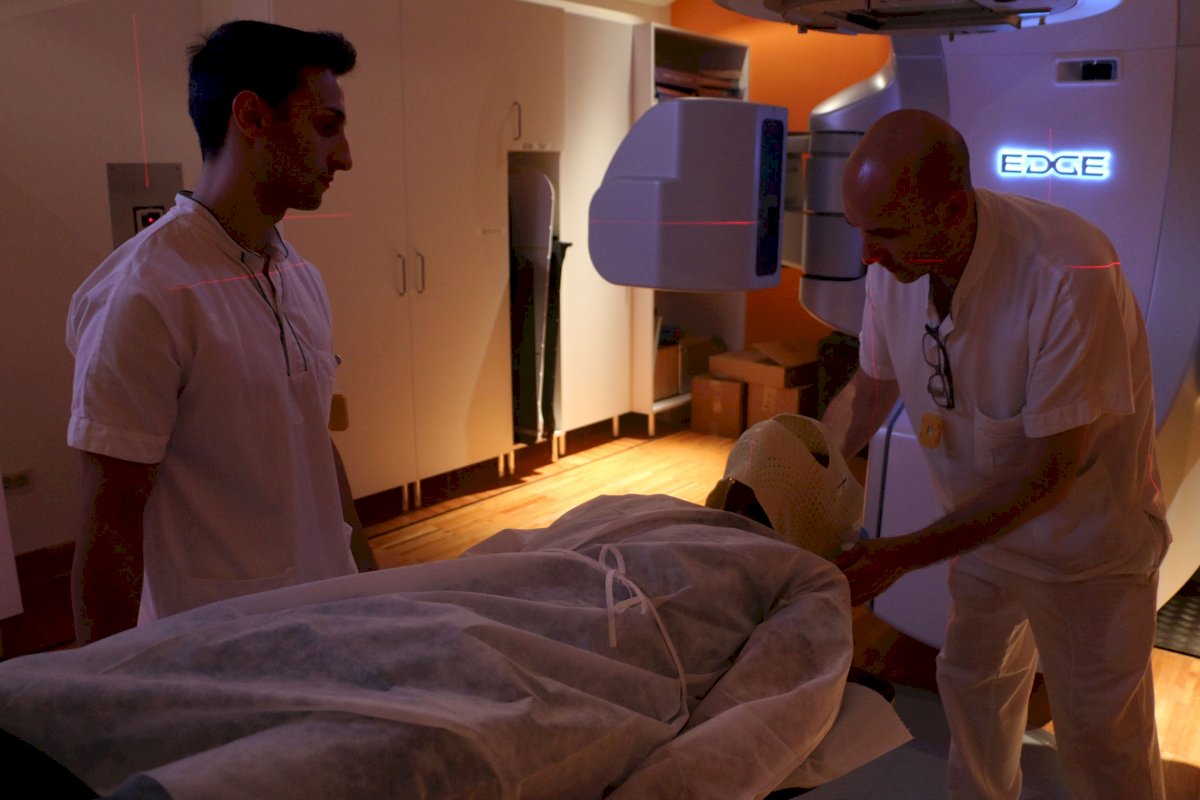

أفضل مراكز أمراض الروماتيزم في إيطاليا
- San Raffaele, إيطاليا
- San Donato Hospital, إيطاليا
- Clinic Villa Stuart, إيطاليا
- Humanitas Research Hospital , إيطاليا
مشاركة المحتوى
قصص فيديو من مرضى Bookimed
 Anna Leonova
أسئلة متكررة حول أمراض الروماتيزم في إيطاليا
هل مراكز الروماتيزم الإيطالية معتمدة وكيف يتم مراقبة نتائج الجودة للمرضى الدوليين؟
تحافظ مراكز الروماتيزم الإيطالية على جودة عالية من خلال الاعتماد المؤسسي الوطني الإلزامي والشهادات الدولية الطوعية. تمتلك مرافق مثل مستشفى هيومانيتاس للأبحاث اعتماد اللجنة الدولية المشتركة (JCI). وتقوم السلطات الإقليمية والوكالة الوطنية للخدمات الصحية الإقليمية (AGENAS) بمراقبة النتائج السريرية وفعالية العلاج في جميع أنحاء البلاد.
- المراقبة الوطنية: تتتبع AGENAS بيانات أداء المستشفيات، مع التركيز على النتائج السريرية والسلامة.
- السجلات المتخصصة: تراقب الجمعية الإيطالية للروماتيزم (SIR) السلامة طويلة المدى للعلاجات البيولوجية المتقدمة.
- حالة البحث: تمتلك المراكز الرائدة مثل سان رافاييل اعتماد IRCCS كمعاهد بحث علمي.
- المعايير الأوروبية: تشارك المستشفيات الرائدة في شبكات المرجعية الأوروبية (ERNs) لتوحيد بروتوكولات العلاج.
رؤية خبير Bookimed: غالبًا ما يرتبط التميز الطبي الإيطالي بحجم الأبحاث وليس فقط بالوضع الخاص. يخدم كل من سان رافاييل ومستشفى سان دوناتو 300,000 مريض سنويًا. يسمح هذا الحجم الكبير لهذه المراكز الموجودة في ميلانو بتحسين بروتوكولات أمراض المناعة النادرة التي نادرًا ما تواجهها العيادات الصغيرة.
إجماع المرضى: يجد المرضى أن الرعاية المتخصصة في إيطاليا تضاهي أعلى المعايير الأوروبية. يوصي الكثيرون بتتبع درجات DAS28 الخاصة بك وإحضار سجلات مترجمة، حيث أن أنظمة المراقبة الدولية الرسمية ليست دائمًا التركيز الأساسي أثناء الاستشارات.
ما هي الأدوية المعدلة للمرض البيولوجية (bDMARDs) والأدوية المعدلة للمرض الاصطناعية الموجهة (tsDMARDs) المتاحة بشكل روتيني للمرضى الدوليين في إيطاليا؟
توفر إيطاليا وصولاً شاملاً إلى الأدوية المعدلة للمرض البيولوجية (bDMARDs) والأدوية المعدلة للمرض الاصطناعية الموجهة (tsDMARDs) للمرضى الدوليين. تشمل العلاجات المتاحة مثبطات عامل نخر الورم (TNF) مثل أداليموماب وإيتانيرسيبت. كما يتم وصف حاصرات الإنترلوكين مثل توسيليزوماب ومثبطات JAK مثل باريسيتينيب أو توفاسيتينيب بشكل روتيني. تدير مراكز التكنولوجيا العالية في ميلانو وروما هذه العلاجات.
- مثبطات TNF: يتوفر أداليموماب وإيتانيرسيبت وإنفليكسيماب على نطاق واسع كأدوية حيوية مماثلة فعالة من حيث التكلفة.
- مثبطات JAK: يتم وصف الأدوية المعدلة للمرض الاصطناعية الموجهة (tsDMARDs) عن طريق الفم بما في ذلك باريسيتينيب وتوفاسيتينيب وأوباداسيتينيب بشكل روتيني.
- حاصرات الإنترلوكين: تعتبر مثبطات IL-6 مثل توسيليزوماب وساريلوماب خيارات سريرية قياسية.
- علاج الخلايا البائية: يُستخدم ريتوكسيماب بشكل متكرر، خاصة في مستشفيات الأبحاث الكبرى مثل سان رافاييل.
رؤية خبير Bookimed: تعمل ميلانو كمركز رئيسي لأمراض الروماتيزم المتقدمة بسبب أحجام الحالات السريرية العالية. يعالج مستشفى سان رافاييل ومستشفى سان دوناتو 300,000 مريض سنوياً لكل منهما. غالباً ما يضمن هذا النطاق الهائل مخزوناً أكثر موثوقية من الأدوية البيولوجية المتخصصة مقارنة بالعيادات الإقليمية الأصغر. يجب على المرضى الدوليين استهداف هذه المراكز ذات الحجم الكبير لتجنب نقص الأدوية المحتمل.
إجماع المرضى: يشير المرضى إلى أنه على الرغم من أن الوصول إلى هذه الأدوية ممتاز، إلا أن الأعمال الورقية قد ت
ما هي معايير الأهلية (التشخيص، نشاط المرض، الفحوصات) قبل بدء العلاج المتقدم أثناء زيارة سياحية؟
يجب على المرضى الذين يسعون للحصول على علاج روماتيزمي متقدم في إيطاليا تقديم تشخيص مؤكد وأدلة على نشاط المرض العالي. يتم تنظيم الأهلية بدقة من قبل وكالة الأدوية الإيطالية (AIFA). تشمل المتطلبات القياسية تاريخاً مدته 6 أشهر من فشل العلاجات التقليدية مثل الميثوتريكسيت قبل التصعيد إلى العلاج البيولوجي.
- التأكيد التشخيصي: يجب أن تتضمن السجلات السريرية رموز ICD محددة لحالات مثل التهاب المفاصل الروماتويدي.
- عتبات النشاط: يحتاج المرضى عموماً إلى درجة DAS28 أعلى من 5.1 للموافقة على العلاج المتقدم.
- الفحص الإلزامي: يجب أن تشمل الفحوصات اختبارات Quantiferon TB، ونتائج فحص التهاب الكبد B/C وفيروس نقص المناعة البشرية.
- بيانات التصوير: يلزم إجراء أشعة سينية أو رنين مغناطيسي حديثة لتحديد الضرر المفصلي الأساسي والنشاط.
- التاريخ السابق: يجب أن تثبت الوثائق فشل الأدوية السابقة لتلبية المبادئ التوجيهية الطبية الوطنية لـ AIFA.
رؤية خبير Bookimed: تتعامل مراكز ميلانو مثل سان رافاييل مع أكثر من 300,000 مريض سنوياً وتعمل كمستشفيات بحثية. تظهر بياناتنا أن العيادات الخاصة في المدن الكبرى غالباً ما توفر مسارات تشخيصية أسرع للزوار الدوليين. وهذا يتجنب فترات الانتظار الطويلة في النظام العام للفحوصات الإلزامية مثل اختبارات السل.
إجماع المرضى: يلاحظ الزوار أن الأطباء المحليين قد يطلبون اختبارات إيطالية محددة حتى لو كانت لديك نتائج من بلدك. من المهم ترجمة جميع السجلات الطبية إلى الإيطالية لتسريع عملية الموافقة.
ما هي مراقبة الآثار الجانبية التي يتم إجراؤها أثناء وبعد الإقامة للمرضى الدوليين الذين يتلقون العلاج البيولوجي؟
تتضمن مراقبة العلاج البيولوجي في إيطاليا مراقبة سريرية مكثفة أثناء الإعطاء وفحوصات سلامة منظمة طويلة الأمد. تتابع الفرق الطبية ردود فعل التسريب، والسلامة الدموية، ومخاطر العدوى. يخضع المرضى الدوليون لتحاليل دم منتظمة ومراجعات متخصصة لإدارة التأثيرات المناعية وضمان فعالية العلاج.
- المراقبة الحادة: يراقب الممرضون العلامات الحيوية كل 15-30 دقيقة خلال الساعة الأولى.
- الوقاية من ردود الفعل: تستخدم الفرق السريرية الباراسيتامول والستيرويدات كبروتوكولات قياسية للتحضير الدوائي.
- السلامة بعد التسريب: يبقى المرضى تحت المراقبة لمدة 1-2 ساعة قبل تأكيد خروجهم.
- تتبع المختبر: تشمل الاختبارات الشهرية تعداد الدم الكامل، ووظائف الكبد، وعلامات الالتهاب.
- فحص العدوى: يجري المتخصصون فحوصات دورية للسل وتنشيط التهاب الكبد من أجل السلامة.
رؤية خبير Bookimed: تدير مستشفيات الأبحاث الإيطالية مثل سان رافاييل وسان دوناتو 300,000 مريض سنوياً. يسمح هذا الحجم الكبير عبر أكثر من 18 قسماً باستشارات سريعة بين التخصصات. إذا أثر العلاج البيولوجي على وظائف الكبد أو القلب، يحصل المرضى على وصول فوري إلى كبار أطباء الكبد أو القلب في نفس المنشأة. هذا النهج المتكامل يعد ميزة أمان كبيرة للمرضى الدوليين ذوي التاريخ الطبي المعقد.
إجماع المرضى: يؤكد المرضى على أهمية تتبع الأعراض اليومية باستخدام سجلات الصور لمراجعات الطبيب عن بُعد. يوصي الكثيرون بطلب ملخص باللغة الإنجليزية لخطة المراقبة ونتائج المختبر قبل مغادرة إيطاليا.
كم تستغرق دورة العلاج الواحدة وكم عدد زيارات المتابعة المطلوبة عادةً خلال 12 شهرًا؟
تستغرق دورات علاج الروماتيزم في إيطاليا عادةً من 3 إلى 4 أسابيع للمراحل النشطة. يحتاج المرضى عادةً إلى 6 إلى 10 زيارات متابعة خلال الأشهر الـ 12 الأولى. غالبًا ما تتضمن مراحل الصيانة للحالات المستقرة مواعيد متابعة كل 8 إلى 12 أسبوعًا.
- المراقبة الأولية: توقع فحوصات شهرية خلال الأشهر الثلاثة الأولى من العلاج.
- مرحلة الاستقرار: تمتد الزيارات عادةً إلى كل 6 إلى 8 أسابيع بعد المعايرة.
- جدول الصيانة: غالبًا ما ينتقل المرضى المستقرون إلى تقييمات سريرية شخصية ربع سنوية.
- تكرار التشخيص: مراقبة الدم الشهرية شائعة حتى بين استشارات الطبيب المجدولة.
رؤية خبير Bookimed: تجمع مستشفيات الأبحاث الإيطالية مثل سان رافاييل وهيومانيتاس بين الرعاية السريرية وأنشطة البحث المكثفة. غالبًا ما تؤدي هذه الازدواجية إلى جداول مراقبة أكثر صرامة لأمراض المناعة النادرة مقارنة بالممارسات العامة. يستفيد المرضى في المرافق الموجودة في ميلانو من المختبرات الموجودة في الموقع والتي تبسط التتبع التشخيصي الشهري المطلوب.
إجماع المرضى: يشير المرضى إلى أن الاختبارات المعملية ومواعيد الطبيب تحدث غالبًا في أيام مختلفة. يؤكد الكثيرون على الحاجة إلى التخطيط للزيارات الشخصية لأن الاستشارات عن بعد نادرة.
ما هي المناطق والمدن الإيطالية الأكثر شهرة بمستشفيات الروماتيزم الناطقة بالإنجليزية والتي لديها خبرة في التعامل مع السياح الطبيين؟
تعد ميلانو وروما المركزين الرئيسيين في إيطاليا لرعاية الروماتيزم باللغة الإنجليزية. تستضيف منطقتا لومبارديا ولاتسيو مرافق معتمدة من اللجنة الدولية المشتركة (JCI) مع أقسام دولية مخصصة. تتخصص هذه المراكز في حالات المناعة الذاتية المعقدة والأمراض الوراثية النادرة. تُفضل ميلانو لبنيتها التحتية البحثية المتقدمة ومستوى إتقان اللغة الإنجليزية العالي.
- ميلانو (لومبارديا): يعالج مستشفى سان رافاييل 300,000 مريض سنوياً ويقدم علاجات متقدمة بالخلايا الجذعية.
- روما (لاتسيو): توفر فيلا ستيوارت إعادة تأهيل للجهاز العضلي الهيكلي معتمدة من الفيفا مع أكثر من 30 عاماً من الخبرة.
- معايير الجودة: يحافظ مستشفى هيومانيتاس للأبحاث على اعتماد JCI ويخدم مجموعات متنوعة من المرضى الدوليين.
- الخبرة الإقليمية: تهيمن المناطق الشمالية مثل لومبارديا على البنية التحتية الدولية والطاقم الطبي الناطق بالإنجليزية.
رؤية خبير Bookimed: تظهر البيانات تركيزاً عالياً للرعاية المتخصصة في ميلانو، حيث تخدم عيادات مثل سان رافاييل وسان دوناتو 300,000 مريض سنوياً لكل منهما. يسمح هذا الحجم الهائل لهذه المراكز بتمويل وحدات متخصصة لأمراض المناعة النادرة التي لا تستطيع المستشفيات الإقليمية الأصغر دعمها. يجب على المرضى الذين يبحثون عن متخصصين يتحدثون الإنجليزية التركيز على المرافق الخاصة المعتمدة من IRCCS في ميلانو للحصول على أكثر وسائل التواصل موثوقية وأحدث التقنيات.
إجماع المرضى: يشير المرضى إلى أنه على الرغم من أن المستشفيات العامة تقدم خبرة طبية ممتازة، إلا أن المراف