أمراض الرئة في كوريا الجنوبية — التكاليف 2026


تمت مراجعة المقالة طبيا من قبل
فهد مولود
ما هي تكلفة أمراض الرئة في كوريا الجنوبية؟ اكتشف الآن
تتراوح تكلفة علاج أمراض الرئة في كوريا الجنوبية عادةً ما بين $8,800 و $22,000. تعتمد النفقات الإجمالية على مدى تعقيد الحالة التنفسية، والتصوير التشخيصي المطلوب، ومدة الإقامة في المستشفى. يمكن للمرضى الذين يزورون كوريا الجنوبية لتلقي الرعاية الرئوية توقع توفير ما بين 40-60% مقارنة بالولايات المتحدة.
تكاليف علاج أمراض الرئة النموذجية في كوريا الجنوبية
- استشارة طبيب أمراض الرئة: من $70
- الأشعة المقطعية للصدر: من $230
- الأشعة السينية للصدر: السعر عند الطلب
- جراحة سرطان الرئة: من $22,000
- استئصال الرئة: من $22,000
- فحص طبي شامل (مميز): $2,200 – $3,200
- فحص طبي للرجال: $930 – $1,200
- التصوير بالرنين المغناطيسي للصدر: من $350
- مراجعة نتائج التصوير بالرنين المغناطيسي: السعر عند الطلب
تتركز الرعاية التنفسية المتخصصة في سيول وبوندانغ وإنشيون. وفي حين تضم سيول أكبر المراكز الطبية، فإن المرافق الموجودة في مقاطعة غيونغي المجاورة غالباً ما تقدم رعاية متقدمة بنفس القدر. استشر أخصائياً للحصول على تسعير دقيق لاحتياجاتك التنفسية المحددة.
| كوريا الجنوبية | تركيا | إسبانيا | |
|---|---|---|---|
| علاج تصفية المسالك الهوائية | ≈ $250 | ≈ $250 | ≈ $450 |
| جراحة سرطان الرئة | من $22,000 | من $8,500 | من $29,900 |
| توسيع القصبات الهوائية بالمنظار البالوني | ≈ $6,500 | من $15,000 | ≈ $6,500 |
| استئصال الرئة | من $22,000 | من $9,800 | من $22,000 |
| إغلاق الناسور القصبي عبر تنظير القصبات | ≈ $6,500 | ≈ $3,800 | ≈ $5,200 |
جميع أمراض أمراض الرئة
مزاياك وضماناتك مع Bookimed
أسعار مباشرة
Bookimed لا يضيف رسوماً إضافية على أسعار علاج أمراض الرئة. الأسعار مأخوذة من قوائم الأسعار الرسمية للعيادات. تدفع مباشرة في العيادة مقابل علاجك عند وصولك إلى البلد.
عيادات وأطباء معتمدون فقط
Bookimed ملتزم بسلامتك. نحن نعمل فقط مع المؤسسات الطبية التي تحافظ على معايير دولية عالية في علاج أمراض الرئة ولديها التراخيص اللازمة لخدمة المرضى الدوليين في جميع أنحاء العالم.
مساعدة مجانية على مدار الساعة
Bookimed يقدم مساعدة خبراء مجانية. منسق طبي شخصي يدعمك قبل وأثناء وبعد العلاج، ويحل أي مشاكل. لن تكون وحيداً أبداً في رحلة علاج أمراض الرئة.

منسقك الطبي الشخصي في Bookimed
- يدعمك في كل مرحلة
- المساعدة في اختيار العيادة الطبية المناسبة والطبيب المناسب
- يضمن الوصول السريع والمريح إلى المعلومات
اكتشف أفضل عيادات أمراض الرئة: 16 خيارات معتمدة والأسعار











أفضل مراكز أمراض الرئة في كوريا الجنوبية
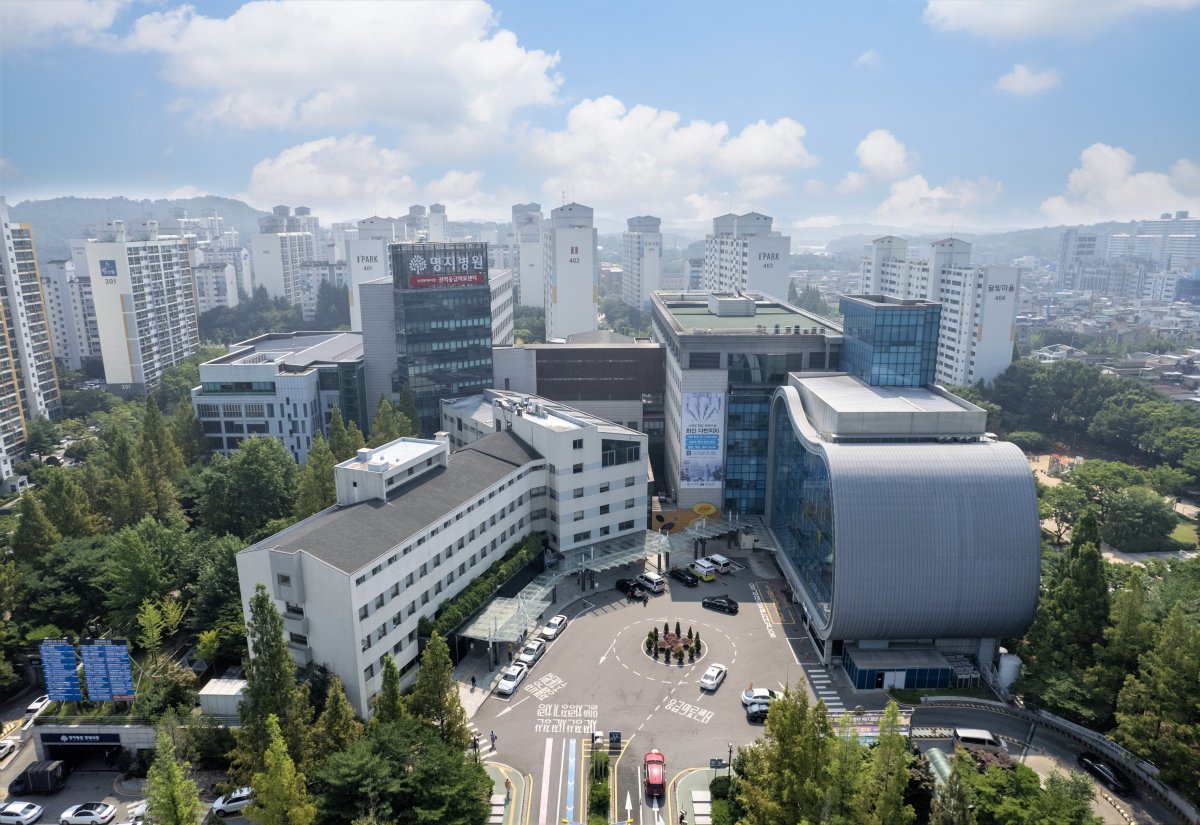
- Myongji Hospital, كوريا الجنوبية
- Samsung Medical Center, كوريا الجنوبية
- NAEUN HOSPITAL, كوريا الجنوبية
- Ewha Womans University Medical Center, كوريا الجنوبية
- Asan Medical Center, كوريا الجنوبية
- Seoul National University Bundang Hospital (SNUBH), كوريا الجنوبية
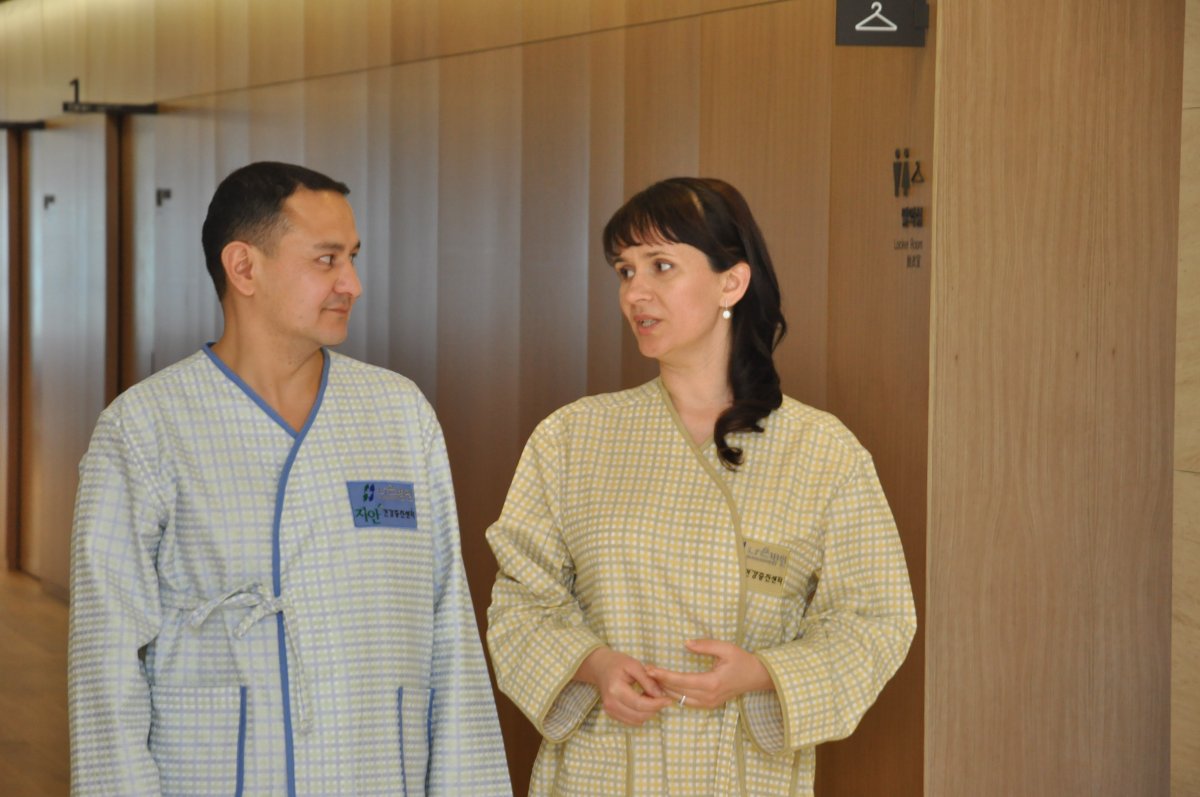
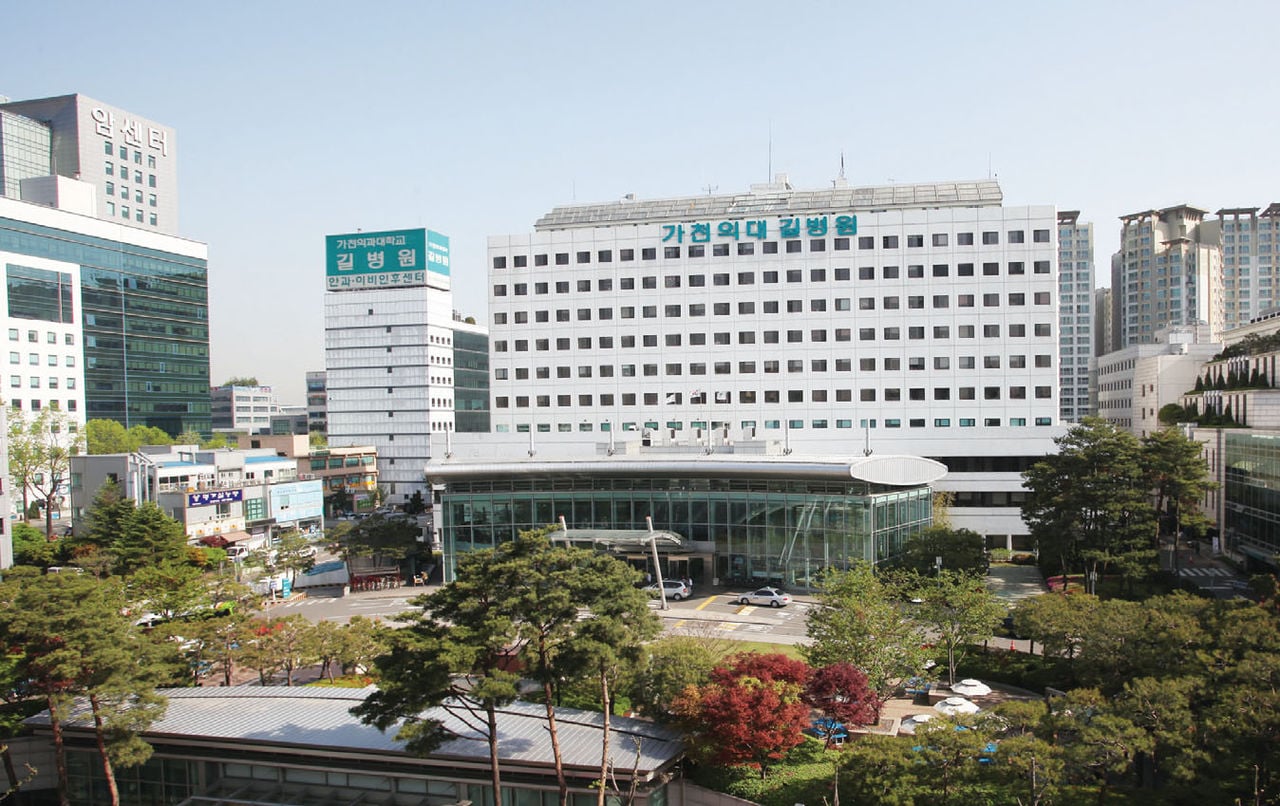
- Gachon University Gil Medical Center, كوريا الجنوبية
- Severance Hospital, كوريا الجنوبية
- Gangnam Severance Hospital, كوريا الجنوبية
- Soon Chun Hyang University Hospital , كوريا الجنوبية
احصل على تقييم طبي لـ في كوريا الجنوبية: اختر أخصائيك من بين الأفضل في هذا المجال
عرض جميع الأطباء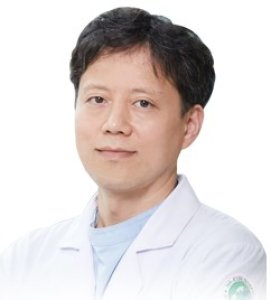
Lee Nagwon
الدكتور لي ناغوون اختصاصي أمراض الرئة والعناية الحرجة. يشغل منصب المدير الطبي لقسم أمراض الرئة في مستشفى نايون. تشمل خبراته الالتهاب الرئوي، والسل الرئوي، والسعال المزمن، وأمراض الرئة المزمنة، والتهاب الأنف التحسسي، والربو، والعناية المركزة الرئوية.
حصل على درجتي دكتوراه الطب (MD) والماجستير في الطب من جامعة يونسي. أكمل سنة الامتياز وبرنامج الإقامة في طب الباطنة وزمالة أمراض الرئة في مستشفى وونجو سيفيرانس المسيحي التابع لجامعة يونسي. شغل منصب أستاذ غير متفرغ في كلية الطب بجامعة يونسي ف
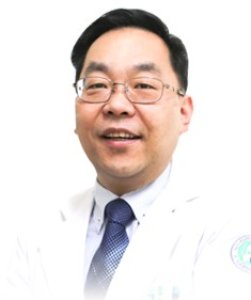
Hwang Dongin
الدكتور هوانغ دونغين اختصاصي أمراض الرئة والعناية الحرجة. تشمل خبرته الالتهاب الرئوي، والسل الرئوي، والسعال المزمن، وأمراض الرئة المزمنة، والتهاب الأنف التحسسي، والربو، والعناية المركزة الرئوية.
في مستشفى دايليم سانت ماري، يشغل منصب رئيس/الرئيس الأعلى لقسم الأمراض الصدرية والطبيب المعالج المعيّن. كما يتولى إدارة التدريب الطبي ومركز التعاون الطبي، ويعمل مديرًا طبيًا (CMO). وهو أستاذ سريري في مستشفى سانت ماري التابع لجامعة كوريا الكاثوليكية، وطبيب منتسب لدى مستشفيات سامسونغ وآسان وسيفيرا
مشاركة المحتوى
قصص فيديو من مرضى Bookimed
 Anna Leonova
أسئلة متكررة حول أمراض الرئة في كوريا الجنوبية
ما هي المستشفيات الأعلى تصنيفاً لأمراض الرئة في كوريا الجنوبية؟
مركز سامسونج الطبي، ومركز آسيا الطبي، ومستشفى جامعة سيول الوطنية (SNUH) هم المراكز الرائدة في أمراض الرئة في كوريا الجنوبية. تهيمن هذه المؤسسات على تصنيفات منطقة آسيا والمحيط الهادئ للرعاية التنفسية. لديهم اعتماد JCI وKOIHA. يستخدمون أنظمة سريرية رقمية وتقنيات روبوتية لعلاج حالات الرئة المعقدة.
- مركز سامسونج الطبي: مُصنّف الأول في آسيا والمحيط الهادئ والـ23 عالميًا في التميز في أمراض الرئة.
- مركز آسيا الطبي: أكبر منشأة متعددة التخصصات، يحقق معدلات نجاح للجراحات الرئوية تصل إلى 90%.
- SNUH: مركز إحالة وطني يعالج 10,700 مريض يوميًا باستخدام أنظمة رقمية متكاملة.
- مستشفى سيفرانس: منشأة معتمدة من JCI تحتوي على مركز إعادة تأهيل متخصص لاستعادة الرئة الطويلة الأمد.
- القاعدة التاريخية في غانغنام سيفرانس: معروفة بإجراء أول عملية زراعة رئة ناجحة في كوريا الجنوبية.
رؤية خبير بوكيميد: في حين أن مركز آسان وسامسونج يتصدران التصنيفات العالمية، فإن مستشفى جامعة سيول الوطنية بوندا (SNUBH) يقدم ميزة سلامة متميزة. يستخدم نظام BESTcare الرقمي المتخصص. هذه التقنية مصممة خصيصًا لمنع الأخطاء التشخيصية في حالات التنفس المعقدة. هذا يجعله الخيار المفضل للمرضى الذين يبحثون عن تحقق تشخيصي دقيق للغاية.
إجماع المرضى: ينصح المرضى بتفضيل المستشفيات الخمسة الكبرى للقضايا الخطيرة لكن يجب الرجوع إلى المراكز الدولية للدعم باللغة الإنجليزية. يلاحظ البعض أنه بينما يصنف مركز آسان عاليًا، يمكن أن يشعر بالازدحام مقارنة بمركز سامسونج ا
هل تتوفر إعادة التأهيل الرئوي والتغطية للمرضى الدوليين؟
برنامج إعادة التأهيل الرئوي متاح بشكل واسع للمرضى الدوليين في جمهورية كوريا. تقدم المراكز الكبرى المعتمدة من JCI في سيول برامج مكثفة لمرضى الانسداد الرئوي المزمن والربو. بينما يغطي النظام الصحي الوطني عادة المقيمين، يمكن للمرضى الدوليين الوصول إلى هذه الخدمات من خلال حزم طبية متخصصة بالدفع الذاتي.
- توفر البرنامج: تقدم مرافق رائدة مثل مستشفى سيفرانس إعادة تأهيل مخصصة للزوار الدوليين.
- الخبرة المتخصصة: يمتلك الدكتور سانغ هيون تشو خبرة تزيد عن 40 عامًا في العلاج المناعي.
- المعايير السريرية: تحافظ المستشفيات مثل مركز أسان الطبي على اعتمادات السلامة العالية كـ JCI وKOIHA.
- نطاق الخدمة: غالبًا ما تشمل البرامج العلاج الطبيعي والتغذية والتعليم لإدارة أمراض الرئة المزمنة.
رؤية خبير بوكيميد: تُظهر بياناتنا أن المؤسسات الكبيرة مثل مركز أسان الطبي تدير أكثر من 1.8 مليون مريض سنويًا. يتيح هذا الحجم الكبير لهم تشغيل أجنحة إعادة تأهيل متخصصة لا تستطيع العيادات الأصغر الحفاظ عليها. غالبًا ما يجد المرضى الذين يختارون هذه المراكز ذات السعة العالية فرقًا متعددة التخصصات تشمل خبراء تغذية متخصصين بالرئة.
إجماع المرضى: يلاحظ المرضى أن برامج إعادة التأهيل الكورية غالبًا ما تكون أكثر كثافة من تلك الموجودة في البلدان الغربية. يقترح الكثيرون التأكد من توفر طاقم يتحدث الإنجليزية قبل السفر لضمان التواصل السلس أثناء جلسات العلاج الفني.
ما هي التقنيات المتقدمة المستخدمة لعلاج سرطان الرئة؟
علاج سرطان الرئة المتقدم في جمهورية كوريا يستخدم الطب الدقيق والتقنيات الروبوتية لتحسين البقاء على قيد الحياة. تستخدم العيادات تقنيات تسلسل الجيل التالي (NGS) والخزعات السائلة مثل Guardant360 لتحديد الطفرات الجينية. يتيح ذلك للأطباء وصف العلاجات المستهدفة والعلاج المناعي بدقة متناهية.
- الأنظمة الروبوتية: يتيح نظام الجراحة دا فينشي إجراء عمليات استئصال الفصوص بطرق طفيفة التوغل من خلال شقوق أقل من 1 سم.
- دقة الإشعاع: تعمل تقنيات مثل Novalis و CyberKnife على تقديم جرعات إشعاع عالية مع الحفاظ على الأنسجة السليمة.
- التشخيصات المتقدمة: الأدوات المدعومة بالذكاء الاصطناعي مثل AI-RadCompanion والتنظير الشعبي الروبوتي تحدد العقيدات الصغيرة في عمق الرئتين.
- العلاج المبتكر: غالبًا ما يتبع العلاج بحزمة البروتون في كوريا بروتوكولات تمتد لخمس جلسات مقارنة بـ 30 جلسة في أماكن أخرى.
رؤى الخبراء من Bookimed: تشير البيانات من المراكز الرائدة في سيول مثل مركز سامسونغ الطبي ومركز أسان الطبي إلى تحول نحو أنظمة المستشفيات الرقمية. تدمج هذه المرافق الذكاء الاصطناعي ونظام BESTcare للقضاء على الأخطاء الطبية في علم الأورام. يسمح هذا النهج الأول من نوعه للتكنولوجيا للجراحين في مستشفى سيفيرنس بإدارة أكثر من 1.6 مليون مريض خارجي سنويًا بكفاءة عالية.
إجماع المرضى: يلاحظ المرضى أن التنظير الشعبي الروبوتي يعمل مثل جهاز GPS للرئتين لتجنب الجراحة المفتوحة. يقدرون أن نتائج الخزعة السائلة غالبًا ما تصل في غضون 48 ساعة لبدء العلاج الفوري.
ما نوع الدعم الذي تقدمه المستشفيات للأجانب؟
توفر المستشفيات الكبرى في كوريا الجنوبية مراكز رعاية صحية دولية متخصصة لمساعدة المرضى الأجانب في الأمور اللوجستية والتواصل. تقدم هذه الأقسام منسقين متعددين اللغات، ورسائل دعوة للحصول على التأشيرة، وتنسيق النقل من وإلى المطار. تتوفر في مرافق مثل مستشفى سيفيرانس ومركز سامسونج الطبي موظفين مخصصين لنقل طبي سلس.
- الدعم اللغوي: يساعد المنسقون المتحدثون باللغة الإنجليزية والمترجمون الطبيون أثناء الاستشارات والاختبارات التشخيصية.
- المساعدة في الحصول على التأشيرة: تقدم المستشفيات رسائل دعوة رسمية مطلوبة للحصول على تأشيرات طبية أو تمديد الإقامة.
- التنسيق اللوجستي: تدير الأقسام الدولية جدولة المواعيد وتساعد في ترتيب الإقامة في الفنادق القريبة.
- الدمج الرقمي: تستخدم المراكز المتقدمة أنظمة رقمية مثل BESTcare للحد من الأخطاء الطبية.
رؤية خبيرة Bookimed: تظهر البيانات ميزة واضحة في اختيار مراكز مرتبطة بالجامعات مثل مستشفى جامعة سيول الوطنية. غالبًا ما تعالج هذه المؤسسات كبار المسؤولين في البلاد وتقدم إحصاءات قوية لعلاج السرطان. يضمن التركيز على هذه المراكز ذات الحجم الكبير الوصول إلى منسقين ذوي خبرة في حالات طب الرئة المعقدة.
إجماع المرضى: يشير المرضى إلى أنه بالرغم من أن المستشفيات البارزة في سيول تقدم دعمًا ممتازًا لمنسقي الاحتياجات الطبية، إلا أن على المسافرين استخدام تطبيقات مثل Papago للتفاعلات اليومية خارج العيادة. من المهم أيضًا طلب السجلات الطبية باللغة الإنجليزية بفترة كافية قبل المغادرة لتجنب التأخير.
هل أحتاج إلى تأشيرة خاصة للعلاج الطبي؟
لا يحتاج معظم المرضى الذين يزورون جمهورية كوريا لأغراض طب الرئة إلى تأشيرة طبية خاصة للإقامات التي تقل عن 90 يومًا. يمكنك عادةً استخدام K-ETA أو وضع الزائر العادي. قد تتطلب العلاجات الأطول، مثل جراحة سرطان الرئة المعقدة، تأشيرة طبية من نوع C-3-1.
- تفويض السفر: قدّم طلب الحصول على K-ETA عبر الإنترنت قبل 72 ساعة على الأقل من رحلتك.
- مدة الإقامة: وضع الزائر العادي يسمح بالعلاج الطبي لمدة تصل إلى 90 يومًا.
- التأشيرة الطبية: تأشيرة C-3-1 مخصصة للمرضى الذين يحتاجون إلى رعاية تنفسية طويلة المدى أو جراحة.
- دعم المستشفى: تقدم مرافق مثل مركز سامسونج الطبي خطابات دعوة رسمية لتمديد التأشيرات.
رؤية خبير بوكيميد: بالرغم من أن K-ETA مريح للتشخيص السريع، فإنه يمكن أن يكون مقيدًا. من $22,000. غالبًا ما يساعد مستشفى جامعة سيول الوطنية ومراكز كبرى أخرى المرضى في الانتقال من وضع السياحة إلى الوضع الطبي إذا استغرق التعافي وقتًا أطول من المتوقع.
إجماع المرضى: يشير المرضى إلى أن الدخول بتأشيرة زائر لمدة 90 يومًا يكون عادةً خاليًا من المتاعب للفحوصات أو الاستشارات المتعلقة بالربو. ومع ذلك، يوضحون أهمية الحصول على خطاب من الطبيب قبل السفر لضمان مرور سلس عبر الجمارك.
هل يمكنني الحصول على رأي ثانٍ عن بُعد قبل السفر؟
يمكن للمرضى الحصول على آراء ثانية عن بُعد في طب الصدر من مؤسسات رائدة في كوريا الجنوبية مثل مركز سامسونغ الطبي ومركز آسان الطبي. تستخدم هذه المرافق الطب عن بعد المتقدم والتصوير الرقمي لمراجعة الحالات التنفسية قبل السفر. عادة ما تتطلب الاستشارات المتخصصة سجلات طبية باللغة الإنجليزية وصور بتنسيق DICOM.
- التشخيصات المتاحة: تكلفة استشارات أطباء التنفس عن بعد تتراوح من $70 للمراجعات الأولية.
- مستويات الخبرة: يقدم الأخصائيون مثل الدكتور سانغ هيون تشو أكثر من 40 عامًا في علاج حالات الربو المعقدة.
- قدرة المستشفيات: يعالج مركز آسان الطبي أكثر من 11,800 مريض خارجي يوميًا في حرمها في سيول.
- البنية التحتية الرقمية: تم الرقمية بالكامل لمستشفى جامعة سيول الوطنية بوندانغ (SNUBH) منذ عام 2004.
نظرة خبير Bookimed: غالبًا ما تخدم مستشفيات كوريا الجنوبية مثل مستشفى جامعة سيول الوطنية (SNUH) كخيار رئيسي لقيادة البلاد. تمتد هذه الرعاية عالية المستوى إلى المرضى الدوليين من خلال البوابات الرقمية. المستشفيات التي تستقبل 1,000,000+ مريض سنويًا عادة ما يكون لديها أقوى أنظمة السجلات الإلكترونية لنقل الملفات عن بعد بسلاسة.
توافق المرضى: يؤكد المرضى على رفع المسح الضوئي على الأقل 72 ساعة قبل المكالمة. يوصون بطلب ملخص مكتوب باللغة الإنجليزية على الفور لتجنب تأخير الترجمة لاحقًا.