أمراض الرئة في النمسا — التكاليف 2026


تمت مراجعة المقالة طبيا من قبل
فهد مولود
ما هي تكلفة أمراض الرئة في النمسا؟ اكتشف الآن
يتراوح متوسط تكاليف طب الرئة في النمسا عادةً بين $12,400 و $50,300. تختلف الأسعار بناءً على التعقيد السريري لحالة الجهاز التنفسي، ونوع التدخل الجراحي، ومدة الإقامة في المستشفى. وعلى الرغم من أن النمسا وجهة متميزة، إلا أنه لا يزال بإمكان المرضى تحقيق وفورات تتراوح بين 15-25% مقارنة بالولايات المتحدة.
تكاليف طب الرئة النموذجية في النمسا
- فحص اضطرابات النوم (Somnological Check-Up): السعر عند الطلب
- اختبار الجهد (Ergometry): من $150
- جراحة سرطان الرئة: $42,000 – $68,000
- استئصال الرئة: $28,000 – $41,000
- علاج توسيع القصبات الهوائية بالبالون لمرض الانسداد الرئوي المزمن (COPD): $4,500 – $7,500
- إغلاق الناسور القصبي عبر تنظير القصبات: $5,000 – $9,000
- العلاج بالخلايا الجذعية لمرض الانسداد الرئوي المزمن (COPD): السعر عند الطلب
تُعد فيينا وغراتس المركزين الرئيسيين للرعاية الرئوية المتقدمة في النمسا. وعادةً ما تضم عيادات فيينا مراكز الأبحاث الأكثر تخصصاً، بينما توفر المرافق في غراتس معايير طبية تنافسية للغاية. استشر أخصائياً للحصول على تسعير دقيق لاحتياجاتك التنفسية المحددة.
| النمسا | تركيا | إسبانيا | |
|---|---|---|---|
| علاج تصفية المسالك الهوائية | ≈ $450 | ≈ $250 | ≈ $450 |
| جراحة سرطان الرئة | ≈ $42,000 | من $8,500 | من $29,900 |
| توسيع القصبات الهوائية بالمنظار البالوني | ≈ $4,500 | من $15,000 | ≈ $6,500 |
| استئصال الرئة | ≈ $28,000 | من $9,800 | من $22,000 |
| إغلاق الناسور القصبي عبر تنظير القصبات | ≈ $5,000 | ≈ $3,800 | ≈ $5,200 |
جميع أمراض أمراض الرئة
مزاياك وضماناتك مع Bookimed
أسعار مباشرة
Bookimed لا يضيف رسوماً إضافية على أسعار علاج أمراض الرئة. الأسعار مأخوذة من قوائم الأسعار الرسمية للعيادات. تدفع مباشرة في العيادة مقابل علاجك عند وصولك إلى البلد.
عيادات وأطباء معتمدون فقط
Bookimed ملتزم بسلامتك. نحن نعمل فقط مع المؤسسات الطبية التي تحافظ على معايير دولية عالية في علاج أمراض الرئة ولديها التراخيص اللازمة لخدمة المرضى الدوليين في جميع أنحاء العالم.
مساعدة مجانية على مدار الساعة
Bookimed يقدم مساعدة خبراء مجانية. منسق طبي شخصي يدعمك قبل وأثناء وبعد العلاج، ويحل أي مشاكل. لن تكون وحيداً أبداً في رحلة علاج أمراض الرئة.

منسقك الطبي الشخصي في Bookimed
- يدعمك في كل مرحلة
- المساعدة في اختيار العيادة الطبية المناسبة والطبيب المناسب
- يضمن الوصول السريع والمريح إلى المعلومات
اكتشف أفضل عيادات أمراض الرئة: 4 خيارات معتمدة والأسعار
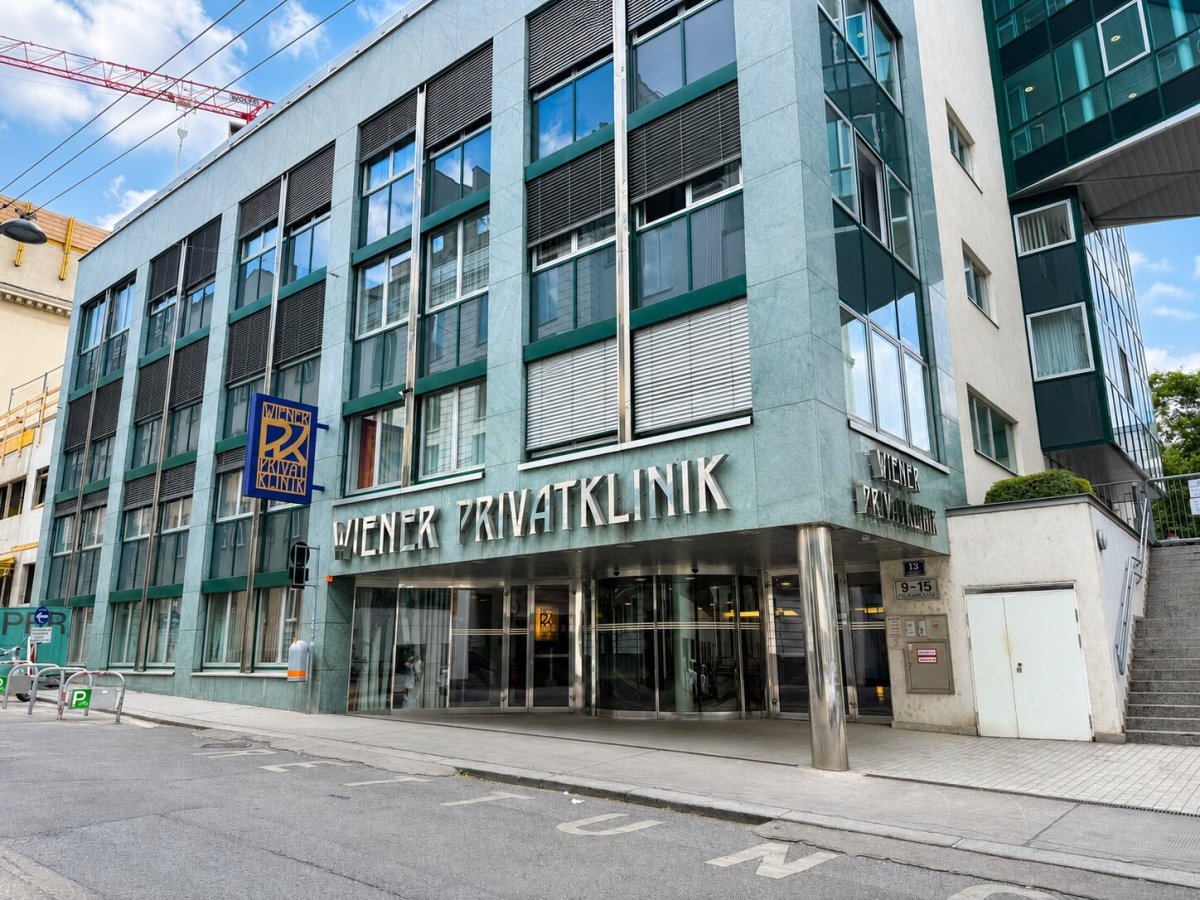


Confraternitaet Private Hospital

أفضل مراكز أمراض الرئة في النمسا
- Wiener Privatklinik, النمسا
- Confraternitaet Private Hospital, النمسا
- Vienna General Hospital (AKH), النمسا
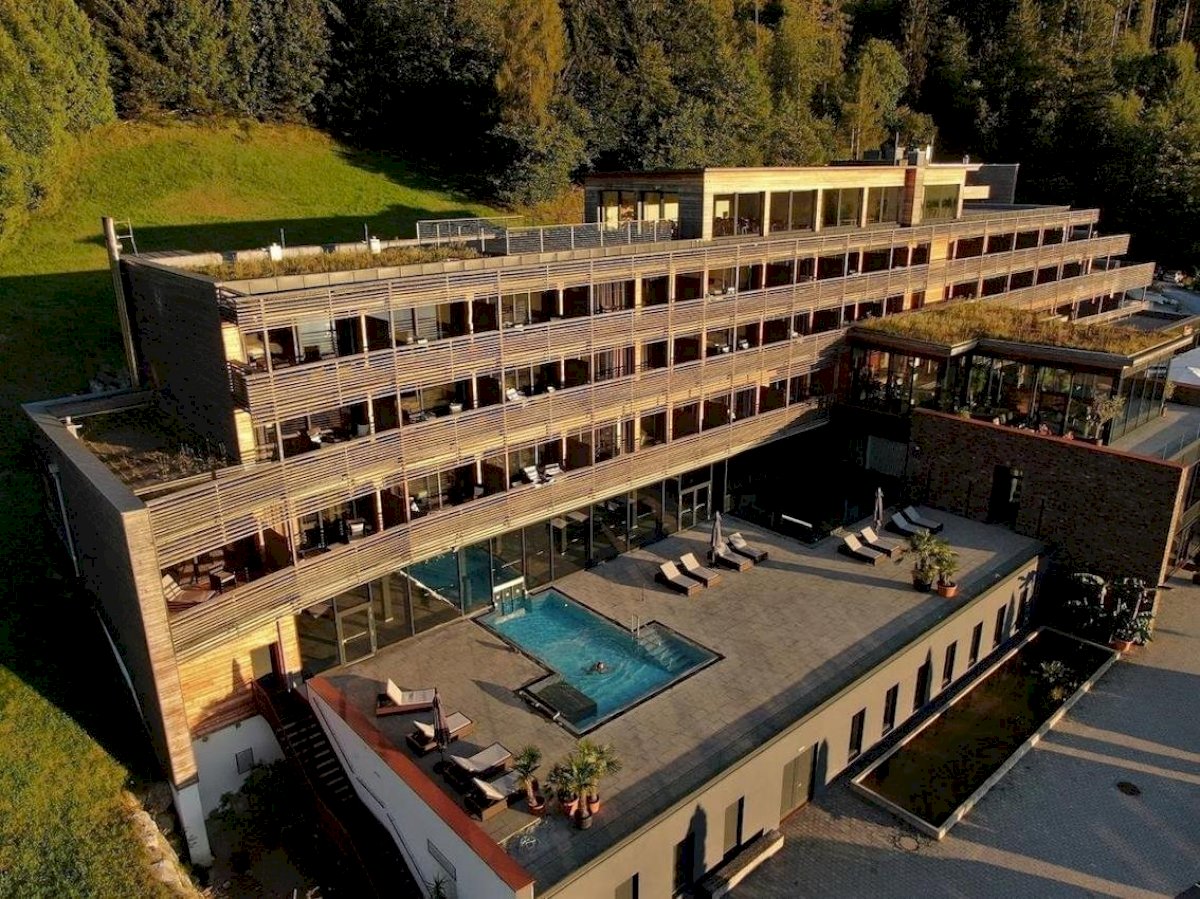
- Armona Medical Alpinresort, النمسا
المراجعات
جميع المراجعاتمشاركة المحتوى
قصص فيديو من مرضى Bookimed
 Anna Leonova
أسئلة متكررة حول أمراض الرئة في النمسا
ما هي الاختبارات التشخيصية الأكثر شيوعًا التي يستخدمها أطباء الرئة النمساويون؟
يستخدم أطباء الرئة النمساويون أساليب متقدمة لاختبار وظائف الرئة وتقنيات تصوير عالية الدقة لتشخيص أمراض الجهاز التنفسي. تشمل التشخيصات القياسية قياس التنفس، وقياس حجم الرئة، والتصوير الشعاعي للصدر. وتقدم مراكز متخصصة، مثل مستشفى فيينا العام (AKH)، خدمات تنظير القصبات، والموجات فوق الصوتية داخل القصبات (EBUS)، والاختبارات الجزيئية للحالات المعقدة من سرطان الرئة أو التليف الرئوي.
- وظائف الرئة: يقيس قياس التنفس وقياس حجم الرئة وسرعة تدفق الهواء ومقاومة مجرى الهواء.
- الفحوصات التصويرية: يمكن للأشعة السينية للصدر والتصوير المقطعي المحوسب عالي الدقة (HRCT) الكشف عن التليف أو الأورام الخبيثة.
- الإجراءات الجراحية الغازية: يسمح تنظير القصبات الهوائية بالموجات فوق الصوتية داخل القصبات (EBUS) بإجراء خزعة دقيقة للعقد الليمفاوية.
- الاختبارات المعملية: يمكن لاختبارات غازات الدم الشرياني (ABG) واختبارات IGÉ في المصل تقييم الأكسجة والكشف عن ردود الفعل التحسسية.
رأي خبراء بوكيمد: يستفيد المرضى الذين يبحثون عن خدمات التشخيص في فيينا من وفرة المرافق الطبية الحاصلة على شهادة الأيزو. يعالج مستشفى فيينا العام (AKH) 595,000 مريض سنويًا. يضمن هذا العدد الهائل من المرضى أن يواجه الأخصائيون حال
هل تُستخدم اللغة الإنجليزية بكثرة في المستشفيات النمساوية؟
في المستشفيات النمساوية الكبيرة، تُستخدم اللغة الإنجليزية على نطاق واسع بين الأطباء والطاقم الطبي. وتحافظ مؤسسات مثل مستشفى فيينا الخاص ومستشفى فيينا العام (AKH) على بيئة متعددة اللغات. وغالبًا ما يُجري المتخصصون أبحاثهم باللغة الإنجليزية. ومع ذلك، لا يزال التواصل بين الموظفين الإداريين وموظفي الدعم في المناطق الريفية غير منتظم.
- نوع العيادة: توفر المستشفيات الخاصة في فيينا عموماً للمرضى فرصة التحدث باللغة الإنجليزية بطلاقة.
- المهن الطبية: يجيد الأطباء عموماً اللغة الإنجليزية بطلاقة نتيجة للتدريب الدولي والأنشطة البحثية.
- الاختلافات الإقليمية: في المناطق الريفية خارج فيينا أو سالزبورغ، غالباً ما يتم العمل باللغة الألمانية حصراً.
- عمر الموظفين: يميل العاملون في مجال الرعاية الصحية الأصغر سناً إلى امتلاك مستويات أعلى من إتقان اللغة الإنجليزية مقارنة بالموظفين الأكبر سناً.
رأي خبراء بوكيميد: تُظهر بياناتنا أن عيادات مثل عيادة فيينا الخاصة توظف أكثر من 400 طبيب، العديد منهم أساتذة جامعيون. هذه المؤهلات الأكاديمية تضمن في الغالب مستوى عالٍ من إتقان اللغة الإنجليزية. أما المراكز الكبيرة مثل مستشفى فيينا العام (AKH) فتعالج 595,000 مريض سنويًا. وهي تعمل كالمدن الصغيرة التي تت
لماذا تعتبر النمسا وجهة مفضلة للسياحة العلاجية في مجال أمراض الرئة؟
تُعدّ النمسا وجهةً مفضلةً لأطباء أمراض الرئة بفضل جراحتها الصدرية المتقدمة وبنيتها التحتية التشخيصية عالية الكفاءة. توفر المراكز الرائدة إمكانية الوصول الفوري إلى إجراءات معقدة، بما في ذلك العلاج الجراحي لسرطان الرئة والعلاج بالخلايا الجذعية لمرض الانسداد الرئوي المزمن. وتجمع البلاد بين البحث العلمي على مستوى الجامعات ومراكز إعادة التأهيل المتخصصة في جبال الألب للتعافي من أمراض الجهاز التنفسي المزمنة.
- التميز الجراحي على أعلى مستوى: يقوم مستشفى فيينا العام (AKK) بإجراء عمليات جراحية معقدة مثل استئصال الرئة وزراعة الرئة.
- التشخيص الحديث: تستخدم العيادات المختبرات الجزيئية والتصوير بالرنين المغناطيسي عالي الدقة لإجراء فحص دقيق للجهاز التنفسي.
- العلاج المتخصص لمرض الانسداد الرئوي المزمن: يتم تقديم علاجات مبتكرة مثل توسيع القصبات الهوائية بالبالون والعلاج بالخلايا الجذعية في المرافق الطبية.
- بيئة علاجية: يوفر منتجع أرمونا الطبي الألبي خدمات إعادة التأهيل الرئوي في بيئة جبلية نقية.
رأي خبراء بوكيميد: تُظهر البيانات تباينًا واضحًا في استراتيجيات علاج المرضى بين فيينا وكوفشتاين. فبينما يخدم مستشفى فيينا العام (AKH) ما يقارب 600,000 مريض ويتخصص في الجراحة الطارئة، تركز مراكز
ما هي متطلبات إعادة التأهيل الرئوي في النمسا؟
يجب على المرضى الراغبين في الخضوع لإعادة تأهيل رئوي في النمسا أن يكونوا مصابين بمرض رئوي مزمن مشخص يؤثر بشكل كبير على حياتهم اليومية. تشمل المتطلبات إحالة من طبيب متخصص في أمراض الرئة، ونتائج حديثة لاختبارات قياس التنفس واختبارات الجهد البدني. كما يجب أن يكون المرضى قادرين بدنياً على المشاركة في برامج يومية مكثفة. وتعتمد الموافقة على التشخيص الطبي الإيجابي.
- الضرورة الطبية: يلزم تأكيد تشخيص مرض الانسداد الرئوي المزمن أو الربو الحاد أو التليف الرئوي.
- الفحص السريري: مطلوب إجراء اختبارات قياس التنفس الحديثة، وتحليل غازات الدم، واختبار المشي لمدة ست دقائق.
- متطلبات المشاركة في البرنامج: يجب أن يكون المرضى مستعدين عقلياً وجسدياً لإكمال عدة ساعات من التمارين الأسبوعية.
- معايير التأمين: للتأهل للحصول على التأمين الاجتماعي (ÖGK)، يجب أن تكون قد عانيت من أعراض تنفسية مستمرة لمدة 3 أشهر أو أكثر.
رأي خبراء بوكيمد: يمكن أن يساهم طلب إعادة التأهيل في مراكز ريفية مثل كوفشتاين في تقليل فترات الانتظار بشكل ملحوظ. تعالج عيادات فيينا، مثل مستشفى فيينا المركزي (AKH)، أكثر من 500,000 مريض سنويًا. غالبًا ما يؤدي هذا العدد الكبير إلى قوائم انتظار تصل إلى ستة أشهر لبرامج العلاج التنفسي الا
ما هي أحدث توصيات السفر الجوي للمرضى المصابين بأمراض الجهاز التنفسي الذين يسافرون إلى النمسا؟
بالنسبة للرحلات الجوية المتجهة إلى النمسا، يجب على المرضى الذين يعانون من أمراض تنفسية حادة الخضوع لفحص طبي قبل الرحلة. تلتزم شركات الطيران بمعايير الطيران الدولية، حيث أن مقصورات الطائرات المضغوطة تقلل من مستويات الأكسجين. ولضمان السلامة، يجب على المرضى تقديم شهادة طبية (MEDIF) قبل 48 إلى 72 ساعة على الأقل من موعد المغادرة.
- الموافقة الطبية: قم بتقديم نموذج MEDIF قبل 48-72 ساعة من موعد حجز رحلتك.
- اختبار تحدي نقص الأكسجين: قبل 4-6 أسابيع من رحلتك، قم بإجراء اختبار تحدي نقص الأكسجين (HCT).
- معدات الأكسجين: استخدم فقط أجهزة تركيز الأكسجين المحمولة المعتمدة من إدارة الطيران الفيدرالية (FAA) ذات سعة البطارية الممتدة.
- الأكسجين على متن الطائرة: رتب مسبقاً للحصول على الأكسجين العلاجي مع شركات الطيران مثل الخطوط الجوية النمساوية مقابل رسوم.
رأي خبراء بوكيمد: تعالج المراكز الكبيرة، مثل مستشفى فيينا العام (AKH)، أكثر من 595,000 مريض سنويًا. وتشير بياناتهم إلى أن المرضى الذين يسعون لإجراء جراحة رئة معقدة يستفيدون من اختيار العيادات التي تضم مراكز تشخيصية داخلية. وهذا يتيح التقييم الفوري بعد السفر ويقلل الوقت اللازم للفحوصات قبل الجراحة.