أمراض الرئة في إسرائيل — التكاليف 2026


تمت مراجعة المقالة طبيا من قبل
فهد مولود
ما هي تكلفة أمراض الرئة في إسرائيل؟ اكتشف الآن
تتراوح تكلفة علاج أمراض الرئة في إسرائيل عادةً ما بين $18,600 و $51,700. تعتمد النفقات الإجمالية على ما إذا كنت تحتاج إلى تشخيصات خارجية، أو جراحة متخصصة في الرئة، أو إقامة طويلة في المستشفى. تصل نسبة التوفير مقارنة بالولايات المتحدة إلى حوالي 40-50%، مما يجعلها وجهة مفضلة لعلاجات الجهاز التنفسي المعقدة وجراحات الصدر المتقدمة.
تكاليف علاج أمراض الرئة النموذجية في إسرائيل
- استشارة طبيب أمراض الرئة: من $750
- تصوير مقطعي للصدر (CT): من $450
- فحص دوري للنساء فوق سن الأربعين: السعر عند الطلب
تقع المراكز الطبية الرئيسية في تل أبيب، ورمات غان، وحيفا. وفي حين أن الأسعار العامة ثابتة، غالباً ما يختار السياح العلاجيون مدينة تل أبيب لتركز الأخصائيين فيها. استشر أخصائي أمراض الرئة للحصول على تسعير دقيق لتشخيصك وخطة علاجك المحددة.
| إسرائيل | تركيا | إسبانيا | |
|---|---|---|---|
| علاج تصفية المسالك الهوائية | ≈ $450 | ≈ $250 | ≈ $450 |
| جراحة سرطان الرئة | ≈ $38,000 | من $8,500 | من $29,900 |
| توسيع القصبات الهوائية بالمنظار البالوني | ≈ $9,500 | من $15,000 | ≈ $6,500 |
| استئصال الرئة | ≈ $42,000 | من $9,800 | من $22,000 |
| إغلاق الناسور القصبي عبر تنظير القصبات | ≈ $7,500 | ≈ $3,800 | ≈ $5,200 |
جميع أمراض أمراض الرئة
مزاياك وضماناتك مع Bookimed
أسعار مباشرة
Bookimed لا يضيف رسوماً إضافية على أسعار علاج أمراض الرئة. الأسعار مأخوذة من قوائم الأسعار الرسمية للعيادات. تدفع مباشرة في العيادة مقابل علاجك عند وصولك إلى البلد.
عيادات وأطباء معتمدون فقط
Bookimed ملتزم بسلامتك. نحن نعمل فقط مع المؤسسات الطبية التي تحافظ على معايير دولية عالية في علاج أمراض الرئة ولديها التراخيص اللازمة لخدمة المرضى الدوليين في جميع أنحاء العالم.
مساعدة مجانية على مدار الساعة
Bookimed يقدم مساعدة خبراء مجانية. منسق طبي شخصي يدعمك قبل وأثناء وبعد العلاج، ويحل أي مشاكل. لن تكون وحيداً أبداً في رحلة علاج أمراض الرئة.

منسقك الطبي الشخصي في Bookimed
- يدعمك في كل مرحلة
- المساعدة في اختيار العيادة الطبية المناسبة والطبيب المناسب
- يضمن الوصول السريع والمريح إلى المعلومات
اكتشف أفضل عيادات أمراض الرئة: 9 خيارات معتمدة والأسعار
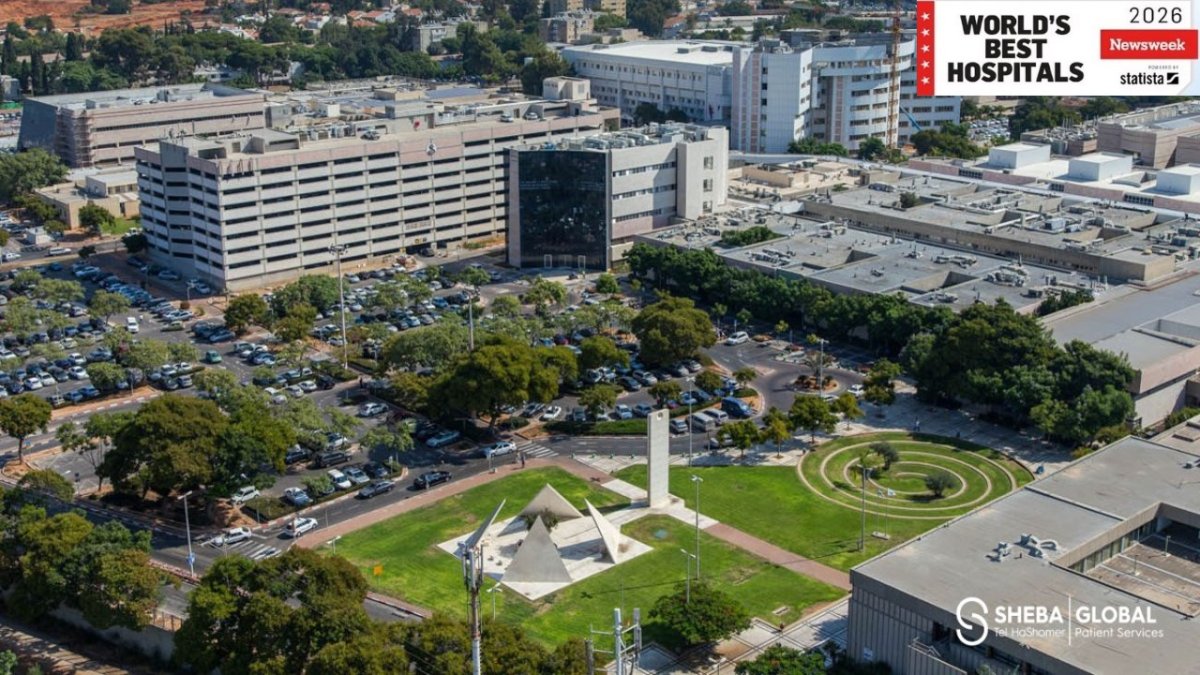














Sheba Tel HaShomer

Dental Clinic Dr. Mark Ratner
أفضل مراكز أمراض الرئة في إسرائيل
- مركز شيبا الطبي, إسرائيل
- Sourasky Medical Center (Ichilov), إسرائيل
- Assuta Medical Center, إسرائيل
- Hadassah Medical Center, إسرائيل
- Rambam Medical Center, إسرائيل
- Schneider Center for Children Medicine, إسرائيل
- Rabin Medical Center, إسرائيل
- Sheba Tel HaShomer, إسرائيل
- Dental Clinic Dr. Mark Ratner, إسرائيل
احصل على تقييم طبي لـ في إسرائيل: اختر أخصائيك من بين الأفضل في هذا المجال
عرض جميع الأطباء
Juda Schwarz
طور الدكتور شفارتز نظام ملاحة لتنظير القصبات يحسن الكشف عن آفات الرئة بنسبة 35% - وهو اختراق في تشخيص الجهاز التنفسي.
- رئيس معهد أمراض الرئة في مركز إيخيلوف-سوراسكي الطبي
- متخصص في أمراض الرئة المعقدة، والربو، ومرض الانسداد الرئوي المزمن (COPD)
- مدير دراسات طب الجهاز التنفسي للدراسات العليا في جامعة تل أبيب
- طبيب رئوي في طب الطيران في مركز شيبا الطبي

Kramer Amir
صُنف الدكتور كرامر أمير من بين أفضل 5 جراحي قلب في إسرائيل من قبل صحيفة معاريف، وهو يتمتع بخبرة تزيد عن 30 عامًا في جراحة القلب المتخصصة.
- خبير في الإجراءات المعقدة مثل استبدال صمام القلب وتحويل مسار الشريان التاجي
- تدرب دوليًا في مؤسسات مرموقة بما في ذلك جامعة أكسفورد
- عضو في جمعية أطباء إسرائيل ومجلس أطباء إسرائيل
- متخصص في التقنيات المتقدمة مثل زراعة الصمامات بدون دعامات
Evgeny Gershman

Avraam Man
يجمع الدكتور أفرام مان بين الخبرة السريرية والأبحاث المستمرة في الأمراض الرئوية في مركز سوراسكي الطبي.
- متخصص في حالات الربو المعقدة، ومرض الانسداد الرئوي المزمن (COPD)، وارتفاع ضغط الدم الرئوي
- تدرب في الطب الرئوي في الولايات المتحدة
- باحث نشط لديه دراسات منشورة حول الحالات الرئوية
- عضو في جمعيات الرئة الإسرائيلية والأمريكية
المراجعات
جميع المراجعاتمشاركة المحتوى
قصص فيديو من مرضى Bookimed
 Anna Leonova
أسئلة متكررة حول أمراض الرئة في إسرائيل
ما هي أفضل عيادات أمراض الرئة تقييماً في إسرائيل للمرضى الدوليين؟
تضم إسرائيل العديد من عيادات أمراض الرئة ذات التصنيف العالي، بما في ذلك مركز شيبا الطبي ومركز سوراسكي الطبي، وكلاهما معترف به من قبل مجلة نيوزويك للتميز. تتخصص هذه المرافق المعتمدة من قبل اللجنة الدولية المشتركة (JCI) في رعاية الجهاز التنفسي المعقدة. وهي تقدم تشخيصات متقدمة مثل تنظير القصبات بالملاحة الكهرومغناطيسية والعلاجات البيولوجية لسرطان الرئة.
- مركز شيبا الطبي: صُنف ضمن أفضل المستشفيات المتخصصة في العالم لعام 2025 في مجال أمراض الرئة.
- مركز سوراسكي الطبي: يتميز بمختبر إحالة وطني ومعدل نجاح في الأورام بنسبة 90%.
- مركز أسوتا الطبي: مرفق خاص يسمح للمرضى باختيار كبار المتخصصين المفضلين لديهم.
- مركز هداسا الطبي: مستشفى جامعي يجري أكثر من 35,000 عملية جراحية سنوياً مع اعتماد JCI.
رؤية خبير Bookimed: غالباً ما تقود مراكز أمراض الرئة الإسرائيلية في براءات الاختراع الطبية التي تفيد المرضى الدوليين بشكل مباشر. على سبيل المثال، طور الدكتور يهودا شوارتز في مركز سوراسكي الطبي نظام ملاحة يزيد من اكتشاف آفات الرئة بنسبة 35%. هذا التركيز على التكنولوجيا العالية في عيادات تل أبيب غالباً ما يؤدي إلى تشخيصات أكثر دقة في المراحل المبكرة مقارنة بالتصوير القياسي.
إجماع المرضى: يجد المرضى أن المراكز الطبية الكبرى تتعامل مع الحالات المعقدة بفعالية، على الرغم من تفضيل المرافق الخاصة لجدولة أسرع. يشير الكثيرون إلى أن وجود موظفين يتحدثون الإنجليزية والمساعدة في الاحتياجات اللوجستية يجعل عملية العلاج أكثر سلاسة بكثير.
ما هي التقنيات المتقدمة المستخدمة لتشخيص أمراض الرئة؟
يستخدم تشخيص أمراض الرئة المتقدم في إسرائيل أنظمة مساعدة روبوتية وذكاء اصطناعي. كان أطباء مثل الدكتور جودا شوارتز في مركز سوراسكي الطبي (إيخيلوف) روادًا في الملاحة عبر القصبات الهوائية للآفات الطرفية. تزيد هذه التقنيات من فعالية الكشف بنسبة 35% مقارنة بالطرق التقليدية. كما تستخدم المرافق التصوير عالي الدقة والتشخيص الجزيئي.
- تنظير القصبات الملاحي: يستخدم خرائط ثلاثية الأبعاد تشبه نظام تحديد المواقع العالمي (GPS) للوصول إلى عقيدات الرئة العميقة بدقة.
- الأنظمة المساعدة الروبوتية: تستخدم قسطرة فائقة الدقة للخزعات، مما يقلل الحاجة إلى الجراحة.
- التصوير المعزز بالذكاء الاصطناعي: تحلل الخوارزميات الأشعة المقطعية للكشف عن العقيدات المليمترية بدقة 90%.
- الخزعة السائلة: تحلل الدم بحثًا عن الحمض النووي للورم المنتشر لمراقبة السرطان بطريقة غير جراحية.
رؤية خبير Bookimed: غالبًا ما تدمج مراكز أمراض الرئة الإسرائيلية طبقات ملاحة متعددة في وقت واحد. على سبيل المثال، يجمع مركز سوراسكي الطبي (إيخيلوف) بين تنظير القصبات الملاحي الكهرومغناطيسي في الوقت الفعلي وصور الأشعة المقطعية المتراكبة. هذا النهج ثنائي الطريقة هو سبب محدد وراء إبلاغ متخصصيهم عن معدل نجاح أعلى بنسبة 35% في تحديد الآفات الطرفية في مراحلها المبكرة مقارنة بتنظير القصبات القياسي.
إجماع المرضى: يشير المرضى إلى أن الملاحة الروبوتية تبدو جراحية ولكنها تغير قواعد اللعبة لتجنب الجراحة المفتوحة. يؤكد العديد من المقيمين أن الأشعة المقطعية المعززة بالذكاء الاصطناعي أسرع بكثير
هل يمكن للمرضى الدوليين الحصول على عمليات زراعة الرئة في إسرائيل؟
يمكن للمرضى الدوليين الوصول إلى تقييمات رئوية متقدمة في إسرائيل في مراكز معتمدة من قبل JCI مثل مركز شيبا الطبي ومركز رابين الطبي. على الرغم من أن هذه المرافق تستخدم تقنيات مثل تروية الرئة خارج الجسم (EVLP)، إلا أن اللوائح الوطنية الصارمة تعطي الأولوية للمواطنين والمقيمين الإسرائيليين لزراعة الأعضاء بسبب نقص المتبرعين.
- أهم المرافق: مركز شيبا الطبي ومركز رابين الطبي هما مركزان رائدان في جراحة القلب والصدر.
- الحجم السريري: أجرى مركز رابين الطبي أكثر من 700 عملية زراعة رئة بمعدلات نجاح عالية.
- جراحون خبراء: يتمتع الدكتور كريمر أمير في مركز سوراسكي الطبي بخبرة تزيد عن 30 عاماً.
- التشخيص المتقدم: تتراوح استشارات أمراض الرئة من $750 لتخطيط العلاج.
رؤية خبير Bookimed: على الرغم من أن إسرائيل وجهة رئيسية لجراحات سرطان الرئة المعقدة، إلا أن الأهلية للزراعة مقيدة للغاية. تقوم المراكز ذات الحجم الكبير مثل مركز شيبا الطبي، الذي يخدم أكثر من 1,500,000 مريض سنوياً، بتخصيص الأعضاء في المقام الأول لأولئك الذين لديهم تأمين محلي أو إقامة. يجب على المرضى تأكيد أهليتهم القانونية قبل السفر لإجراء استشارات خاصة بالزراعة.
إجماع المرضى: يشير المرضى إلى أن قوانين الزراعة صارمة للغاية وعادة ما تتطلب الجنسية أو الإقامة. يؤكد الكثيرون أنه على الرغم من أن الرعاية التشخيصية عالمية المستوى، إلا أن قائمة الانتظار للأعضاء الفعلية محجوزة للسكان المحليين بسبب النقص الحاد.
ما هي خدمات طب الرئة للأطفال الموصى بها للأطفال الدوليين؟
تشمل خدمات طب الرئة للأطفال الموصى بها في إسرائيل تشخيصات شاملة للتليف الكيسي والربو وأمراض الرئة النادرة. توفر المراكز المعتمدة من قبل JCI مثل مركز سوراسكي الطبي ومركز هداسا الطبي رعاية متعددة التخصصات. تتوفر فحوصات الأطفال المتخصصة والملاحة التنظيرية المتقدمة للأطفال الدوليين.
- التشخيص المتخصص: تقدم المراكز اختبارات العرق واختبارات وظائف الرئة وفحوصات الأطفال.
- التكنولوجيا المتقدمة: تستخدم المرافق تنظير القصبات بالملاحة الكهرومغناطيسية في الوقت الفعلي للكشف عن آفات الرئة المحيطية بدقة.
- استشارات الخبراء: يقود الدكتور يهودا شوارتز في مركز سوراسكي الطبي أبحاث طب الرئة المتقدمة.
- الرعاية متعددة التخصصات: تدمج مراكز هداسا وشيبا الطبية أطباء رئة الأطفال مع معالجي الجهاز التنفسي.
رؤية خبير Bookimed: تظهر مراكز الأطفال الإسرائيلية قوة فريدة في الرعاية ذات الحجم الكبير. تدير شيبا وهداسا أكثر من 9,000 إلى 13,000 حالة أطفال سنويًا. غالبًا ما تؤدي هذه الخبرة الواسعة مع حالات متنوعة إلى مسارات تشخيصية أسرع مقارنة بالعيادات الخاصة الأصغر. يجب على العائلات إعطاء الأولوية لهذه المستشفيات الجامعية الكبيرة لحالات الجهاز التنفسي النادرة.
إجماع المرضى: يشير الآباء إلى أن الاتصال بمكتب المرضى الدوليين مبكرًا أمر حيوي لتنسيق الدعم باللغة الإنجليزية. يقترح الكثيرون إعداد السجلات الطبية المترجمة مسبقًا لتبسيط عملية الاستشارة الأولية.
ما هي الاعتمادات ومقاييس حجم الحالات التي يجب أن أتحقق منها قبل اختيار عيادة أمراض الرئة؟
تحقق من اعتماد اللجنة الدولية المشتركة (JCI) وشهادات مجلس الجمعية الطبية الإسرائيلية لضمان السلامة. تعالج المراكز ذات الحجم الكبير مثل مركز سوراسكي الطبي (إيخيلوف) أكثر من 400,000 مريض سنوياً. تأكد من أن الجراحين يجرون أكثر من 30 إجراءً رئوياً معقداً سنوياً لضمان أفضل النتائج وتقليل مدة الإقامة في المستشفى.
- اعتماد المستشفى: اللجنة الدولية المشتركة (JCI) هي المعيار الذهبي للمنشآت الإسرائيلية.
- أوراق اعتماد المتخصصين: تأكد من أن أطباء الرئة حاصلون على شهادة مجلس الجمعية الطبية الإسرائيلية وتدريب الزمالة.
- الحجم الجراحي: تجري المراكز ذات الحجم الكبير عادةً أكثر من 33 جراحة لسرطان الرئة سنوياً.
- القدرة التشخيصية: ابحث عن الأقسام التي تجري أكثر من 500 منظار قصبات سنوياً لتحسين دقة التشخيص.
- تصنيفات الجودة: يتضمن تصنيف نيوزويك لأفضل العيادات المتخصصة في العالم أقسام الرئة الرائدة في إسرائيل.
رؤية خبير Bookimed: غالباً ما يشارك المتخصصون في المراكز الطبية الإسرائيلية عبر الأقسام، مما يعزز الرعاية متعددة التخصصات. على سبيل المثال، طور الدكتور يهودا شوارتز في مركز سوراسكي الطبي نظام ملاحة يعتمد على الذكاء الاصطناعي لتنظير القصبات. تزيد هذه التقنية من الفعالية التشخيصية بنسبة 35% مقارنة بالطرق القياسية المستخدمة في العيادات ذات الحجم الأقل.
إجماع المرضى: يشير المرضى إلى أن ترخيص وزارة الصحة أمر ضروري. يقترح البعض أن المستشفيات متوسطة الحجم قد توفر اهتماماً شخصياً أكثر من العمالقة الكبار المعتمدين من J
لماذا تُعد إسرائيل واحدة من الوجهات الرائدة في جراحة الأعصاب؟
تُعدّ إسرائيل مركزًا رائدًا في جراحة الأعصاب بفضل مزيجها من التطورات الطبية عالية التقنية والخبرات الجراحية المتميزة. وتستخدم مرافق متطورة مثل مركز شيبا الطبي أنظمة ملاحة تعتمد على الذكاء الاصطناعي والتصوير بالرنين المغناطيسي أثناء الجراحة في الوقت الفعلي. وتشير المراكز المتخصصة إلى نسبة نجاح تصل إلى 98% في العمليات الجراحية المعقدة، بما في ذلك جراحة الدماغ مع اليقظة وعلاج اضطرابات الحركة.
- التكنولوجيا المتقدمة: تستخدم العيادات الموجات فوق الصوتية المركزة الموجهة بالرنين المغناطيسي (MRgFUS) والأنظمة الروبوتية لإجراء الشقوق.
- الخبرة الجراحية: يقود جراحون مثل الدكتور تسفي رام جمعيات دولية بخبرة تزيد عن 25 عامًا.
- الوصول السريع: يمكن للمرضى الدوليين عادةً تحديد مواعيد لإجراء عمليات جراحية معقدة في الدماغ أو العمود الفقري في غضون 2-4 أسابيع.
- الرعاية الطبية المعتمدة: المراكز الكبيرة مثل سوراسكي (إيشيلوف) وأسوتا معتمدة من قبل اللجنة الدولية المشتركة، مما يؤكد سلامتها.
رأي خبراء بوكيمد: تُظهر البيانات فرقًا واضحًا بين خيارات العلاج في القطاعين العام والخاص في إسرائيل. تُجري المراكز الخاصة، مثل مركز أسوتا الطبي، أكثر من 92,000 عملية جراحية سنويًا، وتتيح للمرضى اختيار جراح را
ما هي أنواع الأمراض العصبية التي يتم علاجها في إسرائيل؟
يعالج جراحو الأعصاب الإسرائيليون طيفاً واسعاً من الحالات، بدءاً من أورام الدماغ والحبل الشوكي وصولاً إلى الاضطرابات الوظيفية المعقدة. وتستخدم المراكز المتخصصة أحدث التقنيات، مثل جهاز جاما نايف، والتحفيز العميق للدماغ، والتصوير بالرنين المغناطيسي أثناء الجراحة، لتشخيص دقيق للغاية لحالات الصرع، ومرض باركنسون، وأمراض الأوعية الدموية الدماغية.
- الأمراض السرطانية: علاج الأورام الدبقية والأورام السحائية وأورام الغدة النخامية باستخدام استئصال قاعدة الجمجمة.
- الاضطرابات الوظيفية: علاج مرض باركنسون والرعاش الأساسي باستخدام التحفيز العميق للدماغ.
- أمراض العمود الفقري: تصحيح الجنف، وانزلاق الغضروف، وأورام العمود الفقري باستخدام الأنظمة الروبوتية.
- علاج أمراض الأوعية الدموية الدماغية: العلاج الجراحي لتمدد الأوعية الدموية الدماغية والتشوهات الشريانية الوريدية باستخدام التدخلات داخل الأوعية الدموية.
- جراحة الأعصاب للأطفال: رعاية متخصصة لاستسقاء الرأس والتشوهات الخلقية في مراكز طب الأطفال المتخصصة.
رأي خبراء بوكيمد: غالبًا ما تجمع المستشفيات الإسرائيلية بين تخصصات طبية متعددة لمعالجة الحالات المعقدة. ففي مركز سوراسكي ا
ما هي المستشفيات في إسرائيل التي تشتهر بأقسام جراحة الأعصاب فيها؟
تضم إسرائيل مراكز جراحة أعصاب عالمية المستوى، مثل مركز سوراسكي الطبي، ومركز شيبا الطبي، ومركز هداسا الطبي. وتُعدّ هذه المؤسسات رائدة عالميًا في علاج أورام الدماغ المعقدة، وأمراض العمود الفقري، واضطرابات الحركة. وتستخدم أحدث التقنيات، مثل جهاز جاما نايف، والأنظمة الروبوتية، والتصوير بالرنين المغناطيسي أثناء الجراحة.
- سوراسكي (إيخيلوف): يجري أكثر من 2500 عملية جراحية عصبية سنوياً في تل أبيب بنسبة نجاح تبلغ 98%.
- مركز شيبا الطبي: مصنف ضمن أفضل عشرة مستشفيات في العالم، حيث يعالج 1.9 مليون مريض سنوياً.
- مركز هداسا الطبي: مرشح لجائزة نوبل للسلام. رائد في جراحة الأعصاب للأطفال والعلاج الجيني.
- مركز أسوتا الطبي: أكبر منشأة طبية خاصة في إسرائيل. متخصص في جراحات العمود الفقري والدماغ طفيفة التوغل.
- مستشفى شنايدر للأطفال: مركز رائد في جراحة الأعصاب للأطفال، يعالج 275000 طفل سنوياً.
رأي خبراء بوكيمد: تُظهر بياناتنا أنه بينما يلجأ معظم المرضى للعلاج في تل أبيب، يُقدّم مركز رامبام الطبي في حيفا رعايةً فريدةً لإصابات الدماغ. فهو يضم وحدةً متخصصةً للعناية المركزة العصبية تُعالج ما يقارب مليون مريض سنويًا. وهذا ما يجعله
من هم أبرز جراحي الأعصاب في إسرائيل؟
من بين أبرز جراحي الأعصاب الإسرائيليين البروفيسور تسفي رام، والبروفيسور شلومي كونستانتيني، والبروفيسور إسحاق فريد من مركز سوراسكي الطبي. ويشغل هؤلاء المتخصصون مناصب قيادية في الجمعية الأوروبية لجمعيات جراحة الأعصاب (EANS) والجمعية العالمية لجراحة الأعصاب التجسيمية والوظيفية (WSSFN). ويستخدمون تقنيات رسم الخرائط المتقدمة أثناء الجراحة وأنظمة الروبوتات.
- البروفيسور تسفي رام: خبير في جراحة أورام الدماغ طفيفة التوغل والعلاج الجيني للسرطان.
- الأستاذ شلومي كونستانتيني: متخصص في إجراءات التنظير العصبي المعقدة للأطفال والجراحة المجهرية لأورام الدماغ.
- الأستاذ إسحاق فريد: خبير في جراحة الصرع، ورسم خرائط الدماغ الوظيفية، وتحفيز الدماغ العميق.
- الدكتور إيلي أشكينازي: جراح عظام رائد في مستشفى أسوتا، متخصص في نظام TOPS المبتكر.
رأي خبراء بوكيمد: تشير بيانات مركز سوراسكي وشيبا إلى وجود علاقة وثيقة بين ارتفاع عدد العمليات الجراحية وسلامة المرضى. فعلى سبيل المثال، يُجري مركز سوراسكي أكثر من 34,000 عملية جراحية لعلاج الأورام سنويًا بنسبة نجاح تصل إلى 90%. لذا، ينبغي على المرضى الذين يحتاجون إلى استئصال أورام معقدة إعطاء الأولوية لمراكز كهذه، حيث يُجري الجراحون مئات العمليات الجراحية ا
ما هي متطلبات المرضى الدوليين القادمين الذين يسعون للحصول على رعاية جراحية عصبية؟
يجب على المرضى الأجانب الذين يحتاجون إلى علاج جراحي للأعصاب في إسرائيل تقديم وثائق طبية كاملة، بما في ذلك نتائج التصوير بالرنين المغناطيسي أو التصوير المقطعي المحوسب الحديثة، مترجمة إلى اللغة الإنجليزية. يتطلب دخول المستشفى فحصًا سريريًا من قبل أخصائيين للتأكد من ملاءمة المريض للعلاج. غالبًا ما تطلب المستشفيات دفعًا مسبقًا كاملًا أو دفعة مقدمة كبيرة قبل تأكيد مواعيد الجراحة أو إصدار وثائق التأشيرة.
- السجلات الطبية: تقديم تقارير مفصلة ونتائج التصوير مترجمة إلى اللغة الإنجليزية في غضون 48 ساعة للمراجعة السريرية.
- إثبات القدرة المالية: يرجى تقديم إثبات توفر الأموال بمبلغ تقريبي يتراوح بين _price_from_ و _price_to_ لتغطية تكاليف العلاج.
- دعم التأشيرة: تقوم عيادات مثل مركز سوراسكي الطبي (إيخيلوف) بإصدار خطابات رسمية للحصول على تأشيرة طبية من نوع B-2.
- مرحلة الاستشارة: غالبًا ما يتم إجراء التقييم الأولي عبر استشارة عبر الإنترنت مع جراحين مثل الدكتور شتراوس إيدو.
رأي خبراء بوكيمد: تُظهر البيانات أن المؤسسات الطبية الإسرائيلية الرائدة، مثل مركز شيبا الطبي ومركز هداسا الطبي، تستقبل عددًا هائلًا من المرضى، يتجاوز مليون مريض سنويًا. هذا الطلب المرتفع يعني أن العيادات تُعطي الأول