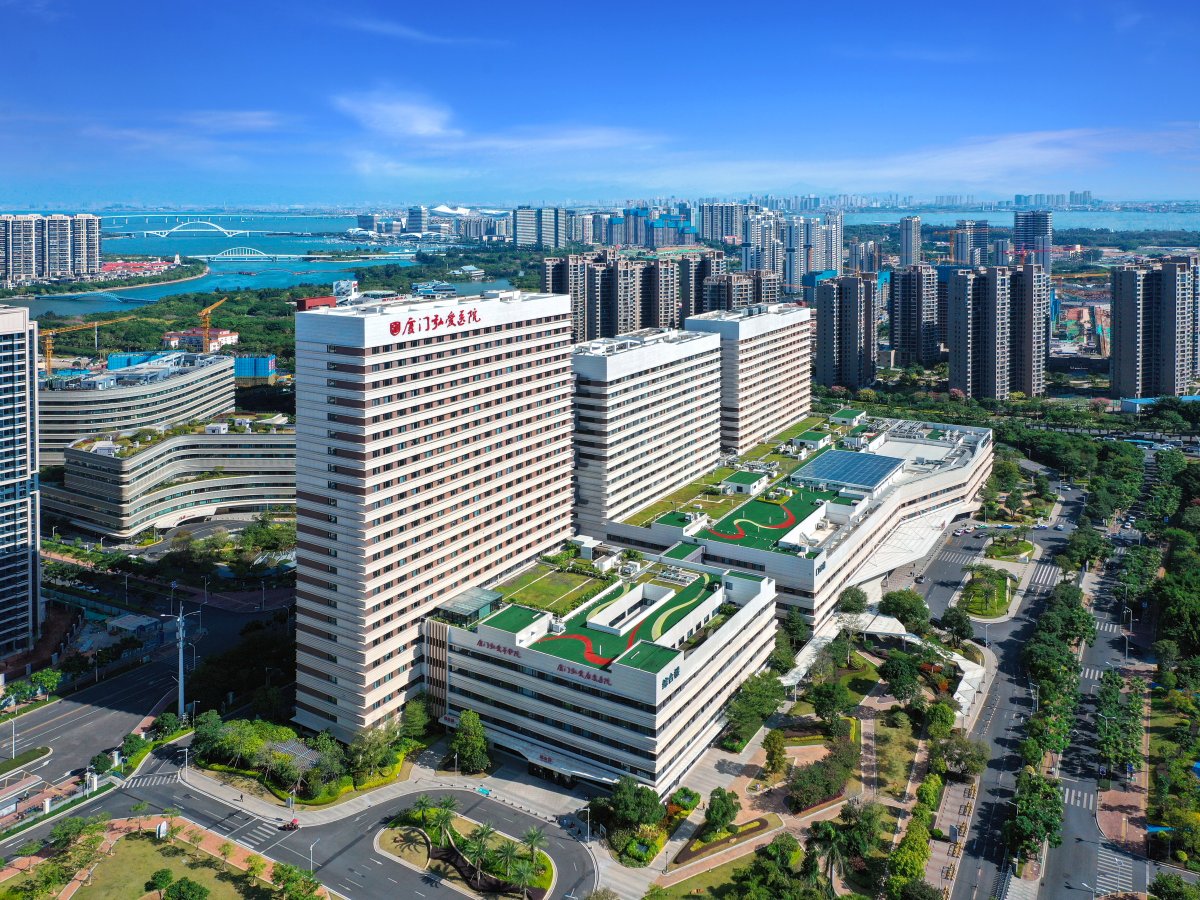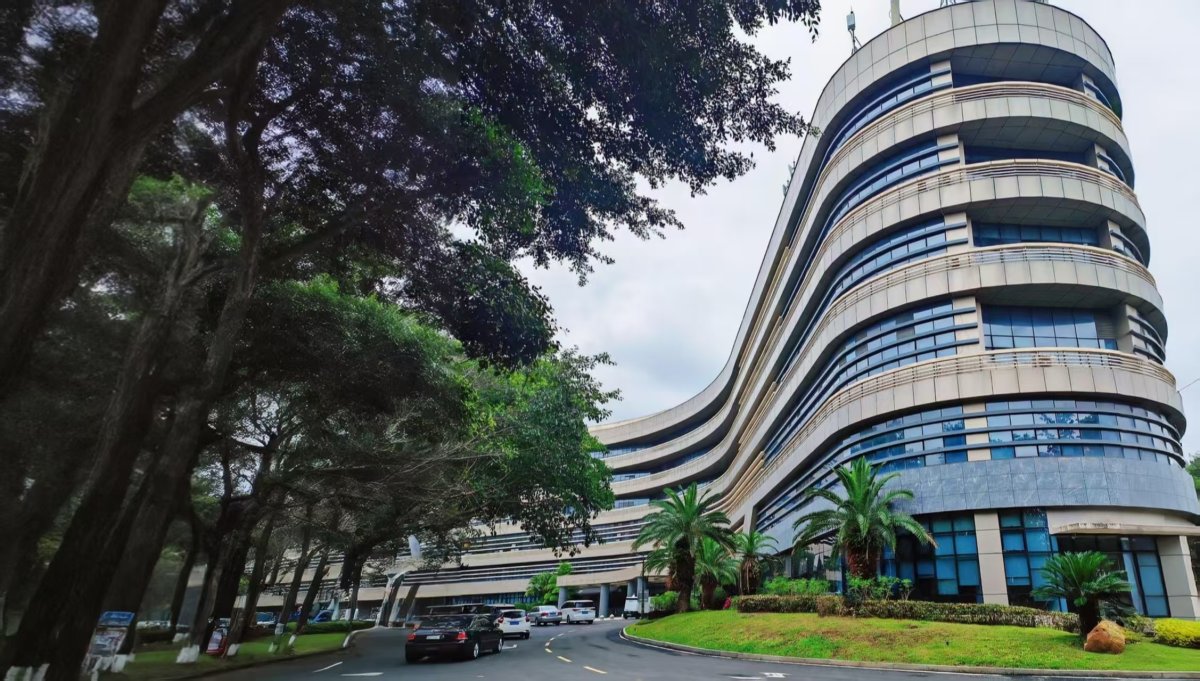
Boao International Medical Center
الصين, تشيونغهاي


تمت مراجعة المقالة طبيا من قبل
فهد مولود
تتراوح تكلفة رعاية أمراض الرئة في الصين عادةً ما بين $9,200 و $38,000. تعتمد النفقات الإجمالية على حالة الرئة المحددة، وما إذا كنت تختار مستشفى عاماً أو عيادة دولية، ومدة الإقامة. غالباً ما يجد المرضى الدوليون وفورات تتراوح بين 40-60% مقارنة بالولايات المتحدة للعلاجات المتقدمة.
تكاليف أمراض الرئة النموذجية في الصين
تقع مراكز أمراض الرئة الرئيسية في بكين وشانغهاي وقوانغتشو. تكون التكاليف في هذه المدن من الدرجة الأولى أعلى عموماً منها في المناطق الأخرى بسبب تركز المرافق الدولية المتخصصة. استشر أخصائي أمراض الرئة للحصول على تسعير دقيق لتشخيصك المحدد.
| الصين | تركيا | إسبانيا | |
|---|---|---|---|
| علاج تصفية المسالك الهوائية | ≈ $250 | ≈ $250 | ≈ $450 |
| جراحة سرطان الرئة | من $14,800 | من $8,500 | من $29,900 |
| توسيع القصبات الهوائية بالمنظار البالوني | ≈ $4,500 | من $15,000 | ≈ $6,500 |
| استئصال الرئة | ≈ $24,000 | من $9,800 | من $22,000 |
| إغلاق الناسور القصبي عبر تنظير القصبات | ≈ $6,500 | ≈ $3,800 | ≈ $5,200 |
Bookimed لا يضيف رسوماً إضافية على أسعار علاج أمراض الرئة. الأسعار مأخوذة من قوائم الأسعار الرسمية للعيادات. تدفع مباشرة في العيادة مقابل علاجك عند وصولك إلى البلد.
Bookimed ملتزم بسلامتك. نحن نعمل فقط مع المؤسسات الطبية التي تحافظ على معايير دولية عالية في علاج أمراض الرئة ولديها التراخيص اللازمة لخدمة المرضى الدوليين في جميع أنحاء العالم.
Bookimed يقدم مساعدة خبراء مجانية. منسق طبي شخصي يدعمك قبل وأثناء وبعد العلاج، ويحل أي مشاكل. لن تكون وحيداً أبداً في رحلة علاج أمراض الرئة.

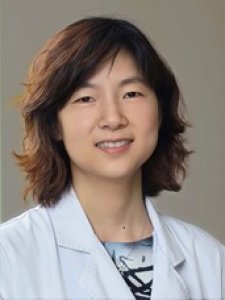
الدكتورة يو لي تشغل منصب رئيسة قسم أمراض الرئة والعناية الحرجة بالإنابة ونائبة مديره في مستشفى تونغجي بشنغهاي. وهي كبيرة الأطباء وأستاذة، ولديها 30 عامًا من الخبرة في طب الجهاز التنفسي. تتخصص في السعال المزمن والربو (بما في ذلك الربو الشديد) ومرض الانسداد الرئوي المزمن. وتقدم تشخيصًا قائمًا على السبب، وعلاجًا دقيقًا، وتقييماً لملاءمة العلاجات البيولوجية، ورعاية للحالات المعقدة والحرجة.
تقود أبحاث السعال والربو بصفتها الباحثة الرئيسة في أكثر من 10 مشاريع ممولة من المؤسسة الوطنية للعلوم
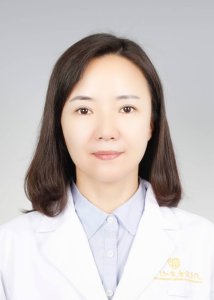
الأستاذة ليانغ شياوشياو مديرة القسم ورئيسة الأطباء في إعادة التأهيل العصبي. تحمل درجة الماجستير في طب الأعصاب. متمرسة في التعديل العصبي لاضطرابات الوعي والإدراك والحركة. يتركز عملها على حالات ناجمة عن أمراض الأوعية الدموية الدماغية، ومرض باركنسون، وحالات ذات صلة. كما تُجري حقن توكسين البوتولينوم بتوجيه الموجات فوق الصوتية لعلاج تشنج الجفن، وتشنج نصف الوجه، وتشنج الأطراف، وفرط سيلان اللعاب، وآلام الأعصاب.
الاعتمادات والمناصب: عضوة في لجان إعادة التأهيل العصبي، وإعادة تأهيل اضطرابات الإد
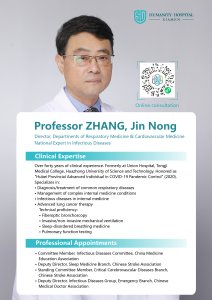
البروفيسور Zhang Jin Nong هو مدير قسم أمراض الجهاز التنفسي والقلب والأوعية الدموية، وخبير وطني في الأمراض المعدية. لديه أكثر من 40 عاماً من الخبرة السريرية. في عام 2020 كُرِّم بصفته شخصية متقدمة على مستوى مقاطعة هوبي في مكافحة كوفيد-19.
تركّز ممارسته السريرية على أمراض الجهاز التنفسي، والحالات الباطنية المعقّدة، والأمراض المعدية، وعلاج سرطان الرئة المتقدّم. يتقن تنظير القصبات بالألياف الضوئية، والتهوية الغازية وغير الغازية، وتدبير اضطرابات التنفس أثناء النوم، واختبارات وظائف الرئة.
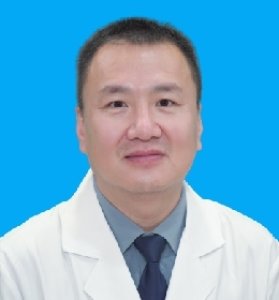
 Anna Leonova
تُعدّ جراحة الرئة في الصين آمنة في المستشفيات الجامعية المعتمدة من قبل اللجنة الدولية المشتركة (JCI) في بكين وقوانغتشو. وتستخدم هذه المؤسسات بروتوكولات متطورة للتنظير القصبي الليفي والتهوية الميكانيكية. وتستقبل المراكز الرئيسية، مثل مستشفى فودا للسرطان، مرضى من أكثر من 100 دولة. ويتمتع الجراحون المتخصصون في كثير من الأحيان بخبرة تزيد عن 40 عامًا.
رأي خبراء بوكيمد: تُظهر البيانات وجود فجوة كبيرة بين مراكز الأورام المتخصصة والمستشفيات العامة. يتخصص مستشفى فودا للسرطان في العلاجات طفيفة التوغل لأكثر من 30,000 مريض دولي. غالبًا ما يؤدي هذا العدد الكبير من الإجراءات المتخصصة إلى نتائج تعافي أفضل مقارنةً بالعيادات العامة الأصغر حجمًا. اختر المرافق التي تضم أقسامًا دولية
يشترط على جراحي الصدر الصينيين الحصول على شهادة طبية وإكمال ما يصل إلى خمس سنوات من التدريب الجراحي المتخصص. وغالبًا ما يحمل كبار المتخصصين شهادات دكتوراه من كليات طبية مرموقة. ويصل العديد منهم إلى رتبة كبير الأطباء بعد أكثر من عشر سنوات من الخبرة عقب فترة الإقامة وإجراء ما يزيد عن 500 عملية جراحية.
رأي خبراء بوكيمد: غالبًا ما يتجاوز حجم الممارسة السريرية في الصين المتوسط الغربي، مما يمنح الجراحين خبرة عملية واسعة. على سبيل المثال، يتمتع الدكتور تشانغ جين نونغ من مستشفى شيامن الإنساني بخبرة تزيد عن 40 عامًا. إن اختيار أستاذ من مؤسسة من الفئة أ - المستوى الثالث، مثل مستشفى ياندا الدولي، يضمن أعلى مستوى من الشهادات الطبية ال
تُعدّ شنغهاي وبكين وغوانزو من أبرز المراكز العالمية لجراحة الصدر واسعة النطاق. وتضم هذه المدن مراكز متخصصة للغاية تُجري أكثر من 10,000 عملية جراحية سنويًا. ويُعتبر مستشفى شنغهاي لأمراض الرئة ومستشفى شنغهاي للصدر من الرواد العالميين في مجال جراحة الصدر التنظيرية أحادية المنفذ بمساعدة الفيديو وجراحات الغدة الزعترية.
رأي خبراء بوكيمد: تُظهر البيانات السريرية وجود علاقة مباشرة بين العدد الهائل من المرضى ومستوى الأمان في الصين. تعالج مؤسسات تعليمية مثل مستشفى ياندا الدولي 2,500,000 مريض سنويًا في 39 قسمًا. يُمكّن هذا الحجم الهائل الجراحين من إتقان تخصصات فرعية محددة، مثل عمليات إعادة بناء مجرى الهواء المعقدة، بسرعة أكبر بكثير مما هو عليه الحال في المراكز الغربية ذات الأعداد الأقل من ا
في الصين، تتطلب عملية استئصال فص الرئة بالمنظار عادةً إقامة في المستشفى لمدة تتراوح بين 7 و14 يومًا. وتستغرق فترة التعافي بعد العملية عادةً من يومين إلى 7 أيام. وفي المراكز الصدرية الكبرى، غالبًا ما يُسمح للمرضى بالخروج من المستشفى في غضون 4 أيام إذا تعافت الرئتان بسرعة وتم إزالة أنابيب الصدر.
رأي خبراء بوكيمد: تُظهر البيانات من مؤسسات طبية متخصصة مثل مستشفى جاندا الدولي أن عيادات الفئة أ 3 تستخدم بروتوكولات شاملة لتسريع الشفاء. على الرغم من أن مدة الإقامة في العيادة قصيرة، إلا أن المرضى الدوليين غالبًا ما يحتاجون إلى البقاء في المدينة لمدة تتراوح بين 10 و14 يومًا. يتيح ذلك إجراء الفحوصات النهائية وإزالة الغرز قبل الرحلات الجوية الطويلة.
ما هي الإجراءات الجراحية البسيطة المتاحة لعلاج أمراض الرئة؟
في الصين، تُستخدم إجراءات جراحية طفيفة التوغل في الرئة باستخدام أنظمة الروبوت والتنظير القصبي الحديث لعلاج أمراض الصدر. تشمل الخيارات الرئيسية جراحة الصدر بمساعدة الروبوت (RATS) باستخدام نظام دافنشي وجراحة الصدر بمساعدة الفيديو (VATS). تتيح هذه التقنيات استئصالًا دقيقًا وأخذ خزعات من عقيدات الرئة من خلال شقوق صغيرة.
رأي خبراء بوكيمد: تعالج المستشفيات الصينية المتخصصة، مثل مستشفى ياندا الدولي، أعدادًا هائلة من المرضى سنويًا، تصل إلى 2,500,000 مريض. غالبًا ما ينتج عن هذا العدد الكبير من العمليات الجراحية مستوى عالٍ جدًا من المهارة الجراحية. وتجمع العديد من المراكز الر
يستغرق التعافي من جراحة الرئة طفيفة التوغل في الصين عادةً من 3 إلى 5 أيام. ويعود المرضى عادةً إلى أعمالهم المكتبية في غضون 4 أسابيع. ويستأنف معظمهم ممارسة التمارين الرياضية الخفيفة بحلول الأسبوع السادس. ويستغرق الاستقرار الكامل لوظائف الرئة ومستويات الطاقة من 3 إلى 12 شهرًا.
رأي خبراء بوكيمد: تجمع المراكز الطبية الرائدة في الصين، مثل مستشفى ياندا الدولي، بين البروتوكولات الدولية المعتمدة والأساليب الصينية التقليدية للتعافي. ويساعد هذا التكامل غالبًا في إدارة الإرهاق ما بعد الجراحة. وتعالج المؤسسات الطبية الكبيرة في بكين وغوانزو أكثر من مليون مريض سنويًا. ويضمن هذا الحجم الكبير من العمل الكفاءة العالية لفرقها الجراحية في تقنيات التدخل الجراحي المحدود.
ملاحظات المرضى: يلاحظ ا
توفر مراكز طب الرئة الصينية خدمات لوجستية شاملة، تشمل الاستقبال من المطار وخدمات الترجمة الطبية. كما تقدم المستشفيات الكبيرة، مثل مستشفى ياندا الدولي، دعماً متخصصاً للمرضى الدوليين. وغالباً ما تشمل المساعدة المتوفرة في الموقع التنسيق على مدار الساعة طوال أيام الأسبوع والمساعدة في التسجيل المحلي. وتساعد هذه الخدمات المرضى على تجاوز متطلبات التأشيرة الطبية المعقدة.
رأي خبراء بوكيمد: تُظهر بيانات مستشفى ياندا الدولي أن المؤسسات التي تخدم 2,500,000 مريض سنويًا تُعطي الأولوية للخدمات اللوجستية الداخلية. عادةً ما تجمع هذه المراكز الكبيرة بين الطب الصيني التقليدي والبروتوكولات الدولية. غالبًا ما يضمن اختيار مستشفى معتمد من اللجنة الدولية المشتركة (JCI) في بكين أو قو