علاج الالتهاب الرئوي في كوريا الجنوبية: 7 مستشفيات


تمت مراجعة المقالة طبيا من قبل
فهد مولود
ما هي تكلفة الالتهاب الرئوي إجراءات التشخيص والعلاج في كوريا الجنوبية؟ اعرف الآن
مزاياك وضماناتك مع Bookimed
أسعار مباشرة
Bookimed لا يضيف رسوماً إضافية على أسعار علاج الالتهاب الرئوي. الأسعار مأخوذة من قوائم الأسعار الرسمية للعيادات. تدفع مباشرة في العيادة مقابل علاجك عند وصولك إلى البلد.
عيادات وأطباء معتمدون فقط
Bookimed ملتزم بسلامتك. نحن نعمل فقط مع المؤسسات الطبية التي تحافظ على معايير دولية عالية في علاج الالتهاب الرئوي ولديها التراخيص اللازمة لخدمة المرضى الدوليين في جميع أنحاء العالم.
مساعدة مجانية على مدار الساعة
Bookimed يقدم مساعدة خبراء مجانية. منسق طبي شخصي يدعمك قبل وأثناء وبعد العلاج، ويحل أي مشاكل. لن تكون وحيداً أبداً في رحلة علاج الالتهاب الرئوي.

منسقك الطبي الشخصي في Bookimed
- يدعمك في كل مرحلة
- المساعدة في اختيار العيادة الطبية المناسبة والطبيب المناسب
- يضمن الوصول السريع والمريح إلى المعلومات
اكتشف أفضل الالتهاب الرئوي العيادات في كوريا الجنوبية: 7 خيارات معتمدة والأسعار












احصلوا على تقييم طبي لـ الالتهاب الرئوي في كوريا الجنوبية: استشيروا أطباء ذوي خبرة الآن
عرض جميع الأطباء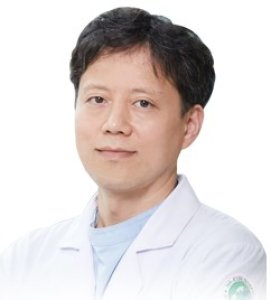
Lee Nagwon
الدكتور لي ناغوون اختصاصي أمراض الرئة والعناية الحرجة. يشغل منصب المدير الطبي لقسم أمراض الرئة في مستشفى نايون. تشمل خبراته الالتهاب الرئوي، والسل الرئوي، والسعال المزمن، وأمراض الرئة المزمنة، والتهاب الأنف التحسسي، والربو، والعناية المركزة الرئوية.
حصل على درجتي دكتوراه الطب (MD) والماجستير في الطب من جامعة يونسي. أكمل سنة الامتياز وبرنامج الإقامة في طب الباطنة وزمالة أمراض الرئة في مستشفى وونجو سيفيرانس المسيحي التابع لجامعة يونسي. شغل منصب أستاذ غير متفرغ في كلية الطب بجامعة يونسي ف
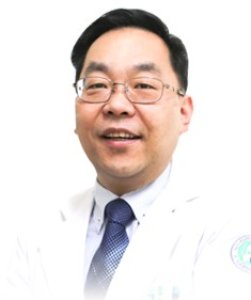
Hwang Dongin
الدكتور هوانغ دونغين اختصاصي أمراض الرئة والعناية الحرجة. تشمل خبرته الالتهاب الرئوي، والسل الرئوي، والسعال المزمن، وأمراض الرئة المزمنة، والتهاب الأنف التحسسي، والربو، والعناية المركزة الرئوية.
في مستشفى دايليم سانت ماري، يشغل منصب رئيس/الرئيس الأعلى لقسم الأمراض الصدرية والطبيب المعالج المعيّن. كما يتولى إدارة التدريب الطبي ومركز التعاون الطبي، ويعمل مديرًا طبيًا (CMO). وهو أستاذ سريري في مستشفى سانت ماري التابع لجامعة كوريا الكاثوليكية، وطبيب منتسب لدى مستشفيات سامسونغ وآسان وسيفيرا
مشاركة المحتوى
قصص فيديو من مرضى Bookimed
 Anna Leonova
أسئلة متكررة حول علاج الالتهاب الرئوي في كوريا الجنوبية
ما هي المضادات الحيوية المستخدمة لعلاج الالتهاب الرئوي المكتسب من المجتمع في كوريا؟
يعالج الأطباء في كوريا الجنوبية الالتهاب الرئوي المكتسب من المجتمع باستخدام العلاج التجريبي القائم على أنماط المقاومة المحلية. تُعد السيفالوسبورينات من الجيل الثالث وفلوروكينولونات الجهاز التنفسي مثل ليفوفلوكساسين هي الخيارات الأساسية. غالبًا ما يتضمن العلاج بيتا لاكتام مع ماكروليدات مثل أزيثروميسين لمعالجة مسببات الأمراض غير النمطية بفعالية في البيئات السريرية.
- العلاج الأحادي من الخط الأول: تُعد فلوروكينولونات الجهاز التنفسي أو بيتا لاكتام هي المعيار للحالات الخفيفة.
- العلاج المركب: تتبع تركيبات بيتا لاكتام مع الماكروليدات المبادئ التوجيهية للممارسة السريرية الكورية لعام 2017.
- الحالات الشديدة: تستخدم بروتوكولات العناية المركزة بيتا لاكتام المضادة للزائفة مع الفلوروكينولونات للمضاعفات.
- الأهداف الممرضة: يعالج الأموكسيسيلين بجرعات عالية بكتيريا العقدية، بينما تستهدف الماكروليدات عدوى الميكوبلازما.
رؤية خبير Bookimed: تعد كوريا الجنوبية رائدة في الطب الرقمي، حيث أصبح مستشفى جامعة سيول الوطني رقميًا بالكامل منذ عام 2004. وهذا يسمح للعيادات بتتبع بيانات المقاومة المحلية في الوقت الفعلي. يفسر هذا الرصد المتطور سبب قيام الأطباء الكوريين غالبًا بوصف دورات مضادات حيوية أقصر مقارنة بالبروتوكولات الغربية. يظل التركيز على البروتوكولات المستهدفة بدلاً من الإفراط في الوصف.
إجماع المرضى: يلاحظ المرضى أن الأطباء غالبًا ما يجمعون بين المضادات الحيوية ومقشعات البلغم لتسريع التعافي. ويؤكدون على أهمية طلب اختبارات البلغم مبكرًا إذا ل
ما الذي يجب على المسافرين البالغين فعله لعلاج الالتهاب الرئوي في كوريا؟
يجب على المسافرين البالغين في كوريا طلب رعاية الالتهاب الرئوي في المستشفيات الجامعية التي تضم مراكز رعاية صحية دولية. توفر هذه المرافق من الدرجة الثالثة موظفين يتحدثون الإنجليزية وتشخيصات أساسية. يحتاج المرضى إلى فحوصات التصوير المقطعي المحوسب عالية الدقة أو الأشعة السينية للصدر. توفر المراكز الكبرى مثل مستشفى جامعة سيول الوطنية في بوندانغ وحدات رئوية متخصصة.
- جهة اتصال الطوارئ: اتصل بالرقم 119 للحصول على خدمات الإسعاف المجانية مع توفر مترجمين للغة الإنجليزية.
- اختيار المستشفى: استخدم المستشفيات من الدرجة الثالثة للتشخيصات التنفسية المتقدمة والرعاية الرئوية.
- التكامل الرقمي: يستخدم مستشفى SNUBH نظام BESTcare لتقليل الأخطاء الطبية السريرية.
- سلامة السفر: قم بتأجيل الرحلات الجوية حتى تختفي الأعراض لتجنب الحاجة إلى أكسجين إضافي.
رؤية خبير Bookimed: تقود كوريا الطريق في تكامل الرعاية الصحية الرقمية لسلامة المرضى. كان مستشفى جامعة سيول الوطنية في بوندانغ أول مستشفى رقمي في كوريا. يتتبع نظام BESTcare الخاص بهم جميع العلاجات إلكترونيًا. وهذا يقلل من الأخطاء للمسافرين الدوليين الذين لديهم تاريخ دوائي معقد. تضمن أحجام المرضى العالية التي تبلغ 1,500,000 مريض سنويًا في المراكز الكبرى خبرة سريرية واسعة.
كم من الوقت سأبقى في المستشفى أو أحتاج إلى زيارات متابعة لعلاج الالتهاب الرئوي في كوريا؟
عادةً ما يبقى مرضى الالتهاب الرئوي في كوريا في المستشفى لمدة تتراوح بين 8 إلى 12 يومًا. يتضمن التعافي زيارة متابعة واحدة على الأقل بعد أسبوع من إكمال المضادات الحيوية. يستغرق التعافي السريري الكامل عدة أسابيع. غالبًا ما يحدد الأطباء موعدًا للمراجعة النهائية بعد 6 أسابيع من الخروج من المستشفى.
- متوسط إقامة البالغين: يتعافى معظم البالغين في غضون 8 إلى 9 أيام من الرعاية الداخلية.
- مدة إقامة المرضى المسنين: غالبًا ما يحتاج البالغون الذين تزيد أعمارهم عن 65 عامًا إلى 10 إلى 14 يومًا من أجل السلامة.
- وقت تعافي الأطفال: عادةً ما يستوفي الأطفال معايير الخروج في غضون 4 إلى 7 أيام.
- مؤشرات استقرار الخروج: يجب أن يكون المرضى خاليين من الحمى لمدة 12 إلى 24 ساعة قبل المغادرة.
- تصوير المتابعة: تعد الأشعة السينية المتكررة على الصدر معيارًا بعد أسبوع واحد من إنهاء الأدوية الفموية.
رؤية خبير Bookimed: تتفوق كوريا في رعاية الجهاز التنفسي من خلال مراكز ذات حجم كبير ورقمنة متقدمة. يعالج مركز أسون الطبي أكثر من 2500 مريض داخلي يوميًا. يستخدم مستشفى جامعة سيول الوطنية الرقمنة الكاملة منذ عام 2004. وهذا يسمح لأطباء مثل الدكتور سانغ هيون تشو بتتبع تعافي الرئة بدقة متناهية. نرى أن اختيار منشأة معتمدة من JCI مثل Gangnam Severance يوفر الوصول إلى متخصصين أجروا أول عملية زراعة رئة في كوريا.
هل المستشفيات الكورية مجهزة للتعامل مع الالتهاب الرئوي الحاد أو المكتسب عن طريق أجهزة التنفس الصناعي؟
المستشفيات التخصصية (الثالثية) في كوريا الجنوبية مجهزة بالكامل لإدارة الالتهاب الرئوي الحاد والحالات المكتسبة عن طريق أجهزة التنفس الصناعي بمعدات متخصصة. تستخدم هذه المرافق الأكسجة الغشائية خارج الجسم (ECMO) وتنظير القصبات العلاجي لدعم الجهاز التنفسي المتقدم. تعمل المبادئ التوجيهية الوطنية على توحيد الرعاية عبر المراكز الجامعية لضمان معدلات بقاء عالية.
- معدات متخصصة: تستخدم المراكز التخصصية أجهزة ECMO وأجهزة تحليل غازات الدم الشرياني.
- بروتوكولات السلامة: يستخدم مستشفى جامعة سيول الوطنية (SNUBH) نظام BESTcare الرقمي لتقليل الأخطاء الطبية.
- المعايير السريرية: تتبع المستشفيات المبادئ التوجيهية الوطنية للالتهاب الرئوي المكتسب في المستشفيات والمرتبط بأجهزة التنفس الصناعي.
- معدلات النجاح: تبلغ المراكز الكبرى عن أداء يقارب 100% في تقييمات أكسجة الالتهاب الرئوي.
رؤية خبير Bookimed: تظهر البيانات فجوة كبيرة في الأداء بين مستويات المستشفيات في الرعاية الحرجة. يعالج مركز أسان الطبي أكثر من 2500 مريض داخلي يومياً بنهج متعدد التخصصات. يجب على المرضى إعطاء الأولوية للمراكز التخصصية المعتمدة من JCI في سيول مثل مستشفى سيفيرانس. تحافظ هذه المرافق على فرق عناية مركزة متخصصة قد تفتقر إليها المستشفيات العامة الأصغر.
إجماع المرضى: يؤكد المرضى على أهمية النقل المبكر إلى المستشفيات الجامعية من الدرجة الأولى لرعاية العناية المركزة. ويشيرون إلى أن الفرق المتخصصة في المراكز الكبرى تنسق بسرعة لإدارة حزم أجهزة التنفس الصناعي وتقليل المضاعفات.<
هل أحتاج إلى أي لقاحات أو اختبارات خاصة قبل علاج الالتهاب الرئوي في كوريا؟
لا توجد لقاحات إلزامية أو اختبارات قبل السفر مطلوبة لعلاج الالتهاب الرئوي في كوريا. تستخدم المستشفيات بروتوكولات تشخيصية في الموقع بما في ذلك الأشعة السينية للصدر، وتحاليل الدم، ومزارع البلغم. تستخدم المرافق المحلية مثل مستشفى جامعة سيول الوطنية أنظمة رقمية لتقديم تقييمات سريعة ودقيقة للمرضى الدوليين.
- التصوير التشخيصي: تؤكد الأشعة السينية للصدر أو الأشعة المقطعية وجود العدوى.
- تحديد مسببات الأمراض: تحدد مزارع البلغم وتحاليل الدم الأسباب البكتيرية أو الفيروسية.
- تقييم الخطورة: يستخدم الأطباء درجات CURB-65 أو PSI لتحديد الحاجة إلى القبول في المستشفى.
- فحص العدوى: تقوم المستشفيات بشكل روتيني بإجراء اختبارات كوفيد-19 والسل أثناء القبول.
رؤية خبير Bookimed: كوريا هي رائدة عالمية في الرعاية الصحية الرقمية، حيث يعمل مستشفى جامعة سيول الوطنية بنظام إلكتروني بالكامل منذ عام 2004. وهذا يسمح بالمشاركة السريعة لنتائج التشخيص بين الأقسام. يجب على المرضى إعطاء الأولوية للمستشفيات مثل Gangnam Severance، التي أجرت أول عملية زراعة رئة في كوريا، إذا كانوا يعانون من مضاعفات تنفسية كامنة تتطلب خبرة جراحية متقدمة.
إجماع المرضى: يشير المرضى إلى أن أقسام الطوارئ توفر قبولاً فورياً للمضادات الحيوية الوريدية دون الحاجة إلى سجلات التطعيم. يؤكد الكثيرون على أهمية الإفصاح عن تاريخ السفر فوراً لمساعدة الأطباء في التمييز بين الالتهاب الرئوي القياسي والمخاطر التنفسية الإقليمية.