العودة إلى الصفحة الرئيسية
820К+ مريضًا حصلوا على المساعدة منذ عام 2014
50 دول
1,500 عيادات
6K+ تقييمات
3K+ طبيب مؤهل

ما هي تكلفة مرض الانسداد الرئوي المزمن إجراءات التشخيص والعلاج في كوريا الجنوبية؟ اعرف الآن

السعر يقدم بعد الطلب
كوريا الجنوبيةتركياإسبانيا
توسيع القصبات الهوائية بالمنظار البالوني-من $3,500من $3,500
العلاج بالخلايا الجذعية لمرض الانسداد الرئوي المزمن-من $12,000من $20,000
تم التحقق من البيانات بواسطة Bookimed اعتبارًا من August 2026، استنادًا إلى طلبات المرضى والعروض الرسمية من 13 عيادة حول العالم. تستند التكاليف المتوسطة إلى الفواتير الحقيقية (2025–2026) ويتم تحديثها شهريًا. قد تختلف الأسعار الفعلية.

مزاياك وضماناتك مع Bookimed

أسعار مباشرة

Bookimed لا يضيف رسوماً إضافية على أسعار علاج مرض الانسداد الرئوي المزمن. الأسعار مأخوذة من قوائم الأسعار الرسمية للعيادات. تدفع مباشرة في العيادة مقابل علاجك عند وصولك إلى البلد.

عيادات وأطباء معتمدون فقط

Bookimed ملتزم بسلامتك. نحن نعمل فقط مع المؤسسات الطبية التي تحافظ على معايير دولية عالية في علاج مرض الانسداد الرئوي المزمن ولديها التراخيص اللازمة لخدمة المرضى الدوليين في جميع أنحاء العالم.

مساعدة مجانية على مدار الساعة

Bookimed يقدم مساعدة خبراء مجانية. منسق طبي شخصي يدعمك قبل وأثناء وبعد العلاج، ويحل أي مشاكل. لن تكون وحيداً أبداً في رحلة علاج مرض الانسداد الرئوي المزمن.

لماذا نحن؟

منسقك الطبي الشخصي في Bookimed

  • يدعمك في كل مرحلة
  • المساعدة في اختيار العيادة الطبية المناسبة والطبيب المناسب
  • يضمن الوصول السريع والمريح إلى المعلومات

اكتشف أفضل مرض الانسداد الرئوي المزمن العيادات في كوريا الجنوبية: 1 خيار معتمدة والأسعار
تم تصنيف العيادات بواسطة نظام Bookimed الذكي، باستخدام تحليل علوم البيانات عبر 5 معايير رئيسية.

احصلوا على تقييم طبي لـ مرض الانسداد الرئوي المزمن في كوريا الجنوبية: استشيروا أطباء ذوي خبرة الآن

عرض جميع الأطباء
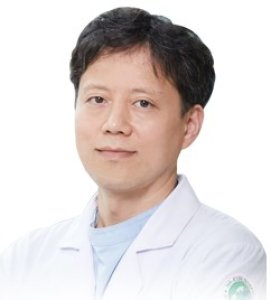
يؤكد

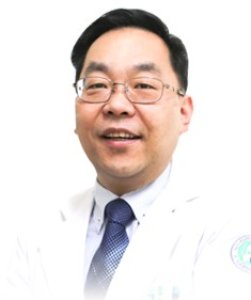
Hwang Dongin

32سنة خبره ١٦ سنة

الدكتور هوانغ دونغين اختصاصي أمراض الرئة والعناية الحرجة. تشمل خبرته الالتهاب الرئوي، والسل الرئوي، والسعال المزمن، وأمراض الرئة المزمنة، والتهاب الأنف التحسسي، والربو، والعناية المركزة الرئوية.

في مستشفى دايليم سانت ماري، يشغل منصب رئيس/الرئيس الأعلى لقسم الأمراض الصدرية والطبيب المعالج المعيّن. كما يتولى إدارة التدريب الطبي ومركز التعاون الطبي، ويعمل مديرًا طبيًا (CMO). وهو أستاذ سريري في مستشفى سانت ماري التابع لجامعة كوريا الكاثوليكية، وطبيب منتسب لدى مستشفيات سامسونغ وآسان وسيفيرانس وجامعة تشونغ-أنغ. وهو عضو في اللجنة الاستشارية لـ KMA، وعضو مدى الحياة في الأكاديمية الكورية للسل وأمراض الجهاز التنفسي، وعضو كامل العضوية في KASLC وKAAACI. وهو محكّم خاص للمخطوطات لدى الجمعية الكورية لأمراض القلب، وعضو في مجموعات أبحاث الربو ومرض الانسداد الرئوي المزمن.

يؤكد

Lee Nagwon

25سنة خبره ١٦ سنة

الدكتور لي ناغوون اختصاصي أمراض الرئة والعناية الحرجة. يشغل منصب المدير الطبي لقسم أمراض الرئة في مستشفى نايون. تشمل خبراته الالتهاب الرئوي، والسل الرئوي، والسعال المزمن، وأمراض الرئة المزمنة، والتهاب الأنف التحسسي، والربو، والعناية المركزة الرئوية.

حصل على درجتي دكتوراه الطب (MD) والماجستير في الطب من جامعة يونسي. أكمل سنة الامتياز وبرنامج الإقامة في طب الباطنة وزمالة أمراض الرئة في مستشفى وونجو سيفيرانس المسيحي التابع لجامعة يونسي. شغل منصب أستاذ غير متفرغ في كلية الطب بجامعة يونسي في وونجو، كما عمل أستاذاً سريرياً في كلية الطب بجامعة غاتشون وكلية الطب بجامعة إنها. وهو عضو عامل في الجمعية الكورية لطب الباطنة والأكاديمية الكورية للسل وأمراض الجهاز التنفسي. ألّف «تأثير قطر منظار القصبات في العائد التشخيصي لخزعة الرئة عبر القصبات للعقيدات الرئوية».

مشاركة المحتوى

Twitter XLinkedinFacebookWhatsAppEmail
أحصل على الرابط

قصص فيديو من مرضى Bookimed

Dayana
جمعت بين إجازتي في أنطاليا والفحص الطبي.
إجراء: فحص صحة الإناث (انظر فحص النساء)
Igor
كان رائعاً! التنقلات والإقامة والعلاج - كل شيء مشمول.
إجراء: زرع الأسنان
مستشفى: WestDent Clinic
Marina
قام Bookimed بكل شيء من أجلي. لم أضطر للقلق بشأن أي شيء.
إجراء: فحص صحة الإناث (انظر فحص النساء)
مستشفى: Severance Hospital
محدث: 06/30/2026
تأليف
Anna Leonova
Anna Leonova
رئيس فريق تسويق المحتوى
محررة طبية معتمدة لديها خبرة تزيد عن 10 سنوات، طوّرت محتوى Bookimed الموثوق، مدعومة بماجستير في علم اللغة ومقابلات مع خبراء طبيين من جميع أنحاء العالم.
تمت المراجعة من قبل المستشار الطبي في Bookimed
فهد مولود
محرر طبي وعالم بيانات
طبيب عام. حاصل على 4 جوائز علمية. خدم في غرب آسيا. رئيس الفريق الطبي الناطق بالعربية سابقا ومسؤول عن معالجة البيانات ودقة المحتوى الطبي حاليا.
فهد مولود Linkedin
قد تحتوي هذه الصفحة على معلومات تتعلق بمختلف الحالات الطبية والعلاجات وخدمات الرعاية الصحية المتوفرة في بلدان مختلفة. يرجى العلم أن المحتوى مقدم لأغراض إعلامية فقط ولا ينبغي تفسيره على أنه نصيحة أو إرشادات طبية. يرجى استشارة طبيبك أو أخصائي طبي مؤهل قبل البدء أو تغيير العلاج الطبي.

أسئلة متكررة حول علاج مرض الانسداد الرئوي المزمن في كوريا الجنوبية

هذه الأسئلة الشائعة مأخوذة من مرضى حقيقيين يبحثون عن رعاية طبية عبر Bookimed. يتم تقديم الإجابات من قبل منسقين طبيين ذوي خبرة وممثلين موثوقين من العيادات.

What is the primary approach to COPD treatment in South Korea?

South Korean clinics prioritise inhaled bronchodilators such as LABA and LAMA as the primary treatment for COPD. Specialists commonly use a stepwise approach to manage symptoms and prevent flare-ups. Modern techniques are available at KOIHA-accredited institutions like Naeun Hospital. These include stem cell therapy and biological immunotherapy.

  • Primary medications: Doctors prescribe inhaled bronchodilators such as LAMA/LABA to open airways effectively.
  • Advanced therapy: Government-designated centres offer regenerative treatments including stem cell and gene therapies.
  • Diagnostic tools: Specialists use pulmonary function tests to monitor lung capacity and treatment response.
  • Clinical expertise: Leading pulmonologists like Dr Lee Nagwon specialise in managing chronic lung diseases.

Bookimed Expert Insight: South Korea blends traditional internal medicine with regenerative research. Local clinics handle routine inhaler prescriptions. Meanwhile, institutions like Naeun Hospital are government-designated for regenerative medicine. This gives patients access to stem cell treatments alongside standard bronchodilators. It is a rare combination in most respiratory departments.

Patient Consensus: Patients find COPD care in South Korea highly efficient. They note that local internal medicine clinics provide quick assessments and affordable inhalers. For complex cases, moving to major hospitals is common. However, exercise and smoking cessation remain central to daily management.

How do I get diagnosed with COPD in Korea?

COPD diagnosis in Korea requires a pulmonary function test at a specialist respiratory clinic. Specialist pulmonologists use spirometry to measure airflow after a bronchodilator. Diagnosis follows GOLD criteria. A ratio under 0.7 confirms airflow limitation. Testing is most frequent for adults over 40.

  • Specialist consultation: Visit internal medicine clinics for initial assessment and pulmonology referrals.
  • Spirometry testing: Use pulmonary function tests to measure exhalation volume and capacity.
  • Clinical criteria: Doctors apply Global Initiative for Chronic Obstructive Lung Disease (GOLD) standards.
  • Imaging scans: Providers use chest X-rays or CT scans to eliminate other conditions.

Bookimed Expert Insight: Korean respiratory care is highly centralised. Leading doctors like Dr Sang Heon Cho and Dr Lee Nagwon operate within major university-affiliated networks. Seeking treatment at accredited centres like NAEUN Hospital gives access to regenerative medicine and clinical research protocols not available in smaller primary clinics.

Patient Consensus: Patients emphasise that spirometry results are more definitive than X-rays. They advise waiting six weeks after a respiratory infection to ensure test accuracy. Bringing previous inhaler records and imaging results to original appointments in Korea helps doctors compare lung function trends immediately.

What medicines are commonly prescribed for COPD in South Korea?

Specialists in South Korea commonly prescribe inhaled LABA–LAMA combinations as the first-choice treatment. These long-acting bronchodilators account for over 30% of local prescriptions. Hospitals also use triple therapies like Breztri Aerosphere for moderate-to-severe cases. Korean guidelines now focus on increasing inhaler use.

  • Inhaled bronchodilators: LABA–LAMA blends with indacaterol or glycopyrronium are frequently used.
  • Combination therapies: ICS–LABA inhalers help patients with asthma-like symptoms or eosinophilia.
  • Triple therapy: Breztri Aerosphere combines budesonide, glycopyrronium, and formoterol for advanced cases.
  • Oral medications: Doxofylline and systemic beta-agonists are still prescribed more than elsewhere.

Bookimed Expert Insight: Patients in Seoul benefit from rapid access to newly launched triple therapies. Major clinics like Asan Medical Center often participate in global respiratory trials. Large university hospitals serve over 100,000 patients annually. This volume ensures specialists are highly experienced with complex pharmaceutical adjustments.

Patient Consensus: Travellers find Korean specialists very thorough during initial lung function tests. Patients in South Korea appreciate the detailed inhaler training clinics provide. They are taught how to use new devices correctly.

Are there specialised programs for pulmonary rehabilitation in Korea?

Specialised pulmonary rehabilitation (PR) programs in Korea operate primarily within major university hospitals. These structured programs include breathing retraining, inspiratory muscle exercises, and aerobic training. Facilities like Gangnam Severance Hospital offer pioneering centres. Leading pulmonologists such as Dr Sang Heon Cho provide specialist care for chronic obstructive pulmonary disease (COPD).

  • Certified facilities: NAEUN Hospital holds KOIHA accreditation. This means international standards for quality and safety.
  • Expert leadership: Dr Lee Nagwon leads pulmonology in Incheon. He specialises in chronic lung diseases.
  • Specialist research: Dr Hwang Dongin joins the COPD Research Group. He focuses on pulmonary intensive care.
  • Regenerative medicine: Some Korean centres hold government designations. They conduct treatments in gene therapies.

Bookimed Expert Insight: University hospitals in Seoul, like Yonsei Severance, are pioneers. NAEUN Hospital in Incheon, however, offers a high-capacity alternative. It serves 500,000 patients annually and holds specific government designations for regenerative medicine. This suggests patients can find research-backed care outside the capital. They do not sacrifice quality-certified safety standards.

Patient Consensus: Patients with chronic lung conditions find structured hospital-based programs transformative for daily function. They suggest looking at large tertiary hospitals. That is because smaller clinics rarely offer the necessary specialised respiratory equipment.

Does National Health Insurance cover COPD treatment in South Korea?

South Korea National Health Insurance Service (NHIS) covers essential COPD treatment. Coverage includes outpatient visits, hospitalisations, pulmonary function tests, and rehabilitation. Specialists at centres like NAEUN Hospital provide these services. Patients typically pay co-payments ranging from 30% to 60% of total costs.

  • Medication coverage: NHIS reimburses standard bronchodilators based on lung function test results.
  • Oxygen therapy: Insurance covers both home and portable oxygen for eligible patients.
  • Rehabilitation services: Personalised exercise programs have been included in national coverage since 2017.
  • Quality oversight: Government bodies audit clinics regularly to maintain appropriate respiratory care standards.

Bookimed Expert Insight: While NHIS covers standard care, patients often choose private clinics for specialised pulmonary intensive care. Senior pulmonologists like Dr Lee Nagwon and Dr Hwang Dongin at NAEUN Hospital lead these departments. This hospital also holds a government designation for advanced regenerative therapies. This allows them to offer treatments beyond standard protocols. However, these may fall outside basic NHIS coverage.

Patient Consensus: Patients find standard COPD care costs manageable under the co-pay system in South Korea. They note that costs vary between small clinics and large hospitals. They recommend the NHIS English centre to confirm coverage for specific inhalers or imaging tests.

How can I find a good pulmonologist for COPD in South Korea?

South Korean pulmonology specialists are found at major university hospitals in Seoul and Incheon. Leading experts include Dr Sang Heon Cho and Dr Lee Nagwon. These specialists hold international certifications. They effectively manage chronic lung conditions with diagnostics like low-dose chest CT and bronchial endoscopy.

  • Expert specialists: Dr Sang Heon Cho has over 40 years of respiratory medicine experience.
  • Clinical excellence: Gwangdong Hospital holds a World Allergy Organization Center of Excellence designation.
  • Credentialed care: Dr Lee Nagwon is a full member of the Korean Academy of Tuberculosis.
  • Specialised treatments: Clinics offer bronchoscopic balloon dilatation and regenerative medicine for COPD.

Bookimed Expert Insight: While top-tier university hospitals provide high-level care, NAEUN HOSPITAL in Incheon serves 500,000 patients annually. It holds government designation for regenerative medicine. This suggests that patients can access sophisticated gene and stem cell therapies for COPD outside the busiest Seoul centres. They often experience shorter wait times for diagnostic testing.

Patient Consensus: Patients recommend visiting a major hospital for serious respiratory issues rather than local clinics. They suggest requesting both pulmonary function tests and CT scans to confirm diagnoses. They also recommend using international clinics for English-speaking support.

احصل على استشارة مجانية

حدد أفضل طريقة للاتصال بك