علاج تشوه الأروح في بولندا — احصل على 3 عيادات مختارة خصيصاً لك


تمت مراجعة المقالة طبيا من قبل
فهد مولود
كيف نعمل؟
ما هي تكلفة تشوه الأروح إجراءات التشخيص والعلاج في بولندا؟ اعرف الآن
من $84. يوفر المرضى عادةً ما بين 40-60% مقارنة بالولايات المتحدة أو أوروبا الغربية. تعتمد التكاليف على شدة الورم وما إذا كان التصحيح الثنائي مطلوباً. تشمل أفضل المدن لهذا الإجراء وارسو، وجيلينيا غورا، وكراكوف.
تكاليف علاج تشوه إبهام القدم الأروح النموذجية في بولندا
- استشارة مع طبيب العظام (جراح الإصابات): من $84
- تحليل دم شامل: من $650
- تخطيط كهربائية القلب (ECG): من $28
رؤية خبير Bookimed: بالنسبة لعمليات إعادة بناء القدم المعقدة، توفر المراكز الأكاديمية مثل المستشفى الجامعي في كراكوف خبرة واسعة. يجب على الرياضيين والمرضى النشطين التفكير في مستشفى كارولينا في وارسو، فهو مركز طبي متميز معتمد من الفيفا ومتخصص في تصحيحات العظام المتعلقة بالرياضة. يتمتع الدكتور جاسيك لاسكوفسكي في مستشفى كارولينا بخبرة تزيد عن 20 عاماً في تصحيح التشوهات. وتعد عيادة KCM الأفضل للمرضى الدوليين الذين يبحثون عن باقات تشخيصية وجراحية مبسطة.
اكتشف أفضل تشوه الأروح العيادات في بولندا: 9 خيارات معتمدة والأسعار






University Hospital in Krakow

Health Clinic “Pod Tezniami”

Medical Centre ENEL-MED

John Paul II Western Hospital
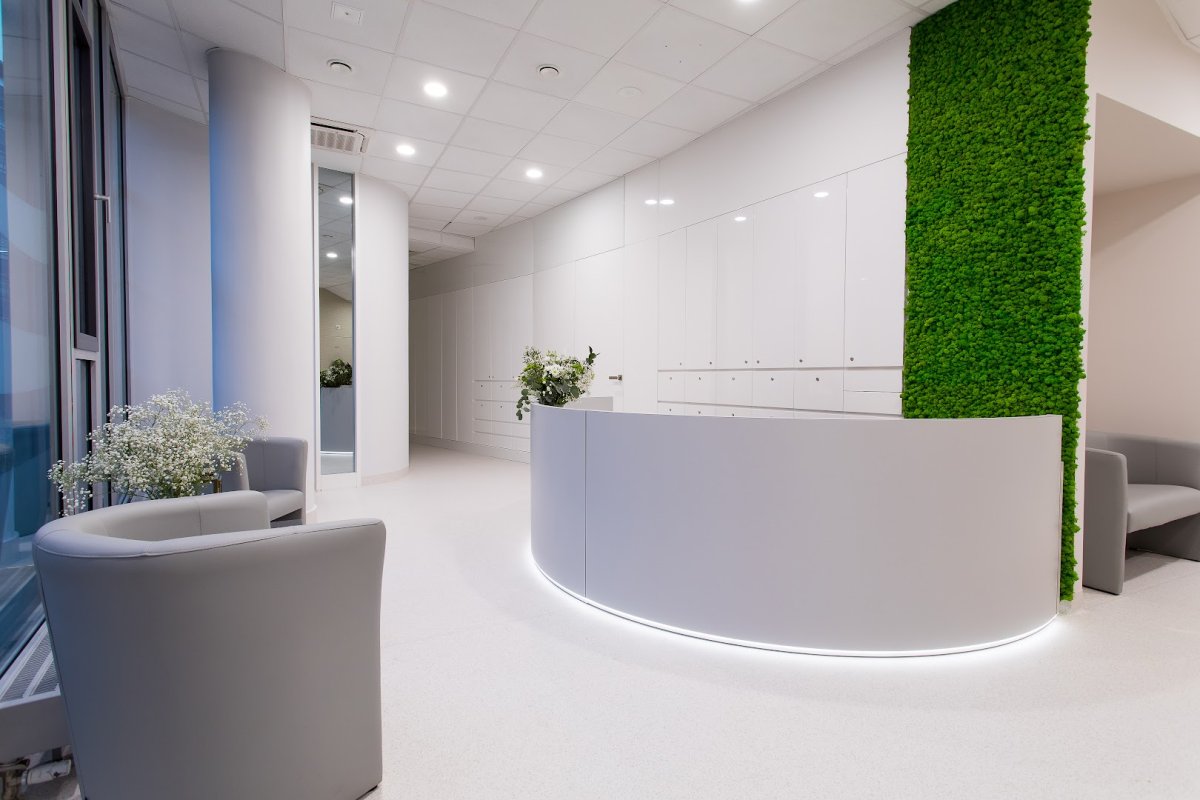
Medi Horizon Clinic
احصل على تقييم طبي لـ في بولندا. استشر الآن 15 أطباء ذوي الخبرة.
عرض جميع الأطباء
Marcin Sibinski
الأستاذ الدكتور مارسين سيبينسكي اختصاصي في جراحة العظام وإصابات الجهاز العضلي الهيكلي. تخرّج في أكاديمية الطب في وودج عام 1999، ونال الدكتوراه عام 2004، ودرجة دكتور التأهيل (habilitation) عام 2010، وحصل على لقب أستاذ عام 2014. أتمّ زمالات طبية دولية، منها في المملكة المتحدة.
يعالج البالغين والأطفال بالعلاج غير الجراحي والعمليات الحديثة. تشمل جراحاته استبدال مفصل الورك، ومنظار الركبة والكاحل، وإجراءات متخصصة لليد والقدم مثل تصحيح إبهام القدم الأروح وتشوه أصابع المطرقة، وجراحات وتر العرق
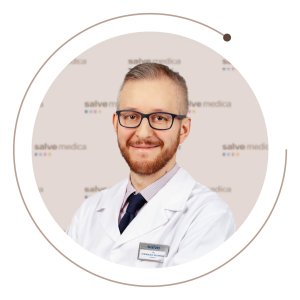
Stanislaw Klosinski
الدكتور ستانيسواف كلوسينسكي متخصص في جراحة العظام وطبّ إصابات الجهاز العضلي الهيكلي. تخرّج من جامعة بوزنان للعلوم الطبية عام 2013، ونال درجة الدكتوراه في العلوم الطبية عام 2021. أتمّ إقامته الطبية في جامعة لودز الطبية. يعمل جرّاحًا ضمن الطاقم ومحاضرًا في المستشفى التعليمي المركزي (CSK CKD)، ويجري عمليات متقدمة.
يعالج البالغين والأطفال، ويقدّم رعاية غير جراحية وأساليب جراحية حديثة، واستشارات بلغتين. تشمل اهتماماته السريرية تشوّهات القدم والكاحل، والفُصال العظمي في الركبة والورك، وإصابات
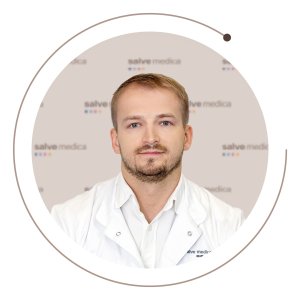
Marek Aleksander Synder
الدكتور Marek Aleksander Synder اختصاصي في جراحة العظام وطب إصابات الجهاز العضلي الهيكلي. يركز على استعادة الحركة عبر الرعاية غير الجراحية والجراحات طفيفة التوغل أو بالمنظار المفصلي. نال درجة الدكتوراه عام 2020 عن أبحاثه حول مرض بيرثس.
هو ضمن الفريق الطبي في المستشفى التعليمي المركزي (CKD) في Łódź. يجري العمليات في مركز Księży Młyn الطبي، ومستشفى Salve، ومستشفى Brzeziny.
يشمل نطاقه السريري آلام الكتف والورك والركبة والحوض والأربية. يعالج التهاب المفاصل العظمي وأمراض المفاصل التن
Marek Zbigniew Synder
الأستاذ الدكتور Marek Zbigniew Synder استشاري في جراحة العظام وإصابات الجهاز العضلي الهيكلي، وله عقود من الخبرة السريرية والبحثية والأكاديمية. نال الدكتوراه عام 1982، وأتم دكتوراه العلوم (التأهيل للأستاذية) عام 1993، وأصبح أستاذاً في الطب عام 1998. شغل منصب المستشار الإقليمي في جراحة العظام والرضوض بإقليم لودز.
التركيز السريري: طب عظام الأطفال، إطالة الأطراف، استبدال المفاصل (رأب المفصل)، وجراحة الأوتار. كما يجري في العيادة تصويراً بالموجات فوق الصوتية عالية الدقة للجهاز العضلي الهيكلي
مشاركة المحتوى
قصص فيديو من مرضى Bookimed
 Anna Leonova
أسئلة متكررة حول علاج تشوه الأروح في بولندا
ما هي الأساليب الجراحية التي يستخدمها أخصائيو العظام البولنديون لعلاج إبهام القدم الأروح (الوكعة)؟
يعالج أخصائيو العظام البولنديون الوكعات باستخدام تقنيات قطع العظم المشطي المتقدمة والتقنيات طفيفة التوغل المصممة خصيصًا لشدة التشوه. تستخدم عيادات مثل مستشفى كارولينا وعيادة KCM طرق Scarf و Chevron لإعادة محاذاة العظام بدقة. غالبًا ما تستخدم هذه الإجراءات براغي تيتانيوم منخفضة البروز لضمان الاستقرار الفوري والتحميل المبكر.
- قطع العظم Scarf: قطع على شكل حرف Z يعالج الحالات المتوسطة إلى الشديدة عن طريق تدوير شظايا العظام.
- طريقة Chevron: قطع على شكل حرف V يصحح التشوهات الخفيفة إلى المتوسطة بالقرب من مفصل إصبع القدم الكبير.
- إجراء Akin: يقوم الجراحون بإزالة إسفين عظمي من السلامية لمحاذاة إصبع القدم.
- إجراء Lapidus: هذا الاندماج بين العظام الرصغية والمشطية يصحح السبب الجذري الدوراني في الحالات الشديدة.
- الجراحة طفيفة التوغل: تسمح التقنيات الجلدية بإعادة المحاذاة من خلال بوابات صغيرة تحت توجيه الأشعة السينية في الوقت الفعلي.
رؤية خبير Bookimed: تظهر البيانات كثافة عالية من الخبرة في عيادات وارسو مثل مستشفى كارولينا. يتمتع الجراحون هناك مثل الدكتور أندريه كومور بأكثر من 30 عامًا من الخبرة. غالبًا ما يجمعون بين جراحة العظام التقليدية والعلاجات البيولوجية مثل الخلايا الجذعية. يهدف هذا النهج المزدوج إلى تسريع التئام أنسجة المفاصل بعد إعادة المحاذاة الهيكلية.
إجماع المرضى: يشير المرضى إلى أن الجراحين قد يغيرون الخطة الجراحية بمجرد مراجعة الأشعة السينية أثناء التحميل. أولئك الذين اختاروا دمج العظام يذكر
كيف أتحقق من جودة واعتمادات عيادة في بولندا؟
تحقق من العيادات البولندية عن طريق مراجعة سجل النشاط الطبي (RPWDL) والغرفة الطبية العليا (NIL) للحصول على تراخيص الأطباء. ابحث عن شهادات ISO 9001:2015 والاعتمادات المتخصصة مثل مركز التميز الطبي التابع للفيفا (FIFA Medical Centre of Excellence). تأكد من أن المنشأة مستشفى معتمد وليست عيادة خاصة.
- التسجيل الوطني: تأكد من الحالة النشطة في قاعدة بيانات RPWDL التي تديرها وزارة الصحة.
- اعتمادات الطبيب: ابحث في سجل NIL للتحقق من ألقاب التخصص في جراحة العظام والكسور.
- معايير الجودة: أعط الأولوية للمنشآت الحاصلة على شهادات ISO 9001:2015 أو تقييم الجودة الوطني CMJ.
- الخبرة السريرية: اختر مراكز مثل مستشفى كارولينا التي تعمل كشركاء للفرق الأولمبية الوطنية.
رؤية خبير Bookimed: تظهر البيانات تمييزًا واضحًا بين العمالقة متعددي التخصصات ومراكز جراحة العظام المتخصصة. بينما يدير المستشفى الجامعي في كراكوف 455,000 مريض سنويًا، تركز العيادات المتخصصة مثل مستشفى كارولينا على طب الرياضة للنخبة. بالنسبة لتشوه الأروح (Valgus)، اختر جراحين مثل الدكتور جاسيك لاسكوفسكي الذين يجمعون بين البحث وأكثر من 900 تدخل جراحي للعظام.
إجماع المرضى: يؤكد المرضى على ضرورة النظر إلى ما هو أبعد من التسويق البراق للتحقق من عدد عمليات تصحيح التشوه التي يجريها الجراح شهريًا. ويشيرون إلى أنه من الضروري التأكد من أن الجراحة تتم في مستشفى معتمد وليس في مساحة مكتبية مستأجرة.
كم من الوقت يجب أن أبقى في بولندا قبل أن يكون من الآمن السفر جوًا إلى المنزل؟
يجب على المرضى التخطيط للبقاء في بولندا لمدة 10 إلى 14 يومًا بعد جراحة تشوه الأروح (valgus). تسمح هذه الفترة بإجراء فحوصات حاسمة للجروح بعد الجراحة ومراقبة تجلط الأوردة العميقة (DVT). السفر جوًا في وقت مبكر جدًا يزيد من مخاطر التورم الشديد وتجلط الدم بسبب تغيرات ضغط المقصورة.
- الإقامة في المستشفى: توقع قضاء ليلة إلى ليلتين من الرعاية الداخلية للتعافي الأولي.
- العناية بالجروح: تضمن الإقامة لمدة 10 أيام أو أكثر استقرار الشقوق الجراحية قبل السفر الدولي.
- الوقاية من تجلط الأوردة العميقة: غالبًا ما يصف الجراحون مضادات التخثر وجوارب الضغط لرحلة العودة.
- عامل الحركة: يجب أن يكون المرضى قادرين على إدارة الألم بدون مخدرات قبل السماح لهم بالسفر.
رؤية خبير Bookimed: تُظهر البيانات من مستشفى كارولينا أن كبار الجراحين البولنديين يستخدمون أطرافًا صناعية مصممة خصيصًا وتقنيات متقدمة في قطع العظم. في حين أن نافذة الأمان الطبي للسفر جوًا تبلغ حوالي أسبوعين، فإن التحدي اللوجستي غالبًا ما يكون التنقل في المطار. نوصي المرضى بحجز مساعدة الكرسي المتحرك مسبقًا لمطار شوبان أو مطار كراكوف. هذا يتجنب الضغط المفرط على التصحيح الجديد خلال فترة المتابعة الإلزامية التي تبلغ 10 أيام.
إجماع المرضى: يؤكد المرضى أن التورم هو العقبة الأكبر أثناء السفر. يقترح الكثيرون البقاء بالقرب من العيادة حتى المتابعة الأولى لضمان معالجة أي مشاكل شفاء مبكرة من قبل الجراح الأصلي.
كيف يبدو الجدول الزمني للتعافي بعد الجراحة؟
يتبع التعافي من تشوه الأروح في بولندا جدولاً زمنياً منظماً يركز على التئام العظام واستقرار المفاصل. تستمر الإقامة الأولية في المستشفى من 1 إلى 3 أيام للتحكم في الألم. يستعيد المرضى عادةً استقلاليتهم الوظيفية في غضون 8 أسابيع. يستغرق إعادة تشكيل الأنسجة العميقة والندبات بالكامل من 6 إلى 12 شهراً للحصول على النتائج النهائية.
- المرحلة الفورية: تركز الأيام 1-3 على التثبيت والتحكم في ذروة التورم في عيادات وارسو.
- التئام الجروح: يقوم الجراحون عادةً بإزالة الغرز غير القابلة للامتصاص حوالي اليوم 10 إلى 14 بعد الجراحة.
- التعافي المتوسط: تتضمن الأسابيع 4-8 إعادة تأهيل مكثفة لاستعادة نطاق الحركة والقوة.
- تثبيت العظام: ينتقل معظم المرضى من استخدام العكازات إلى المشي بثقة بحلول الأسبوع 12.
رؤية خبير Bookimed: تظهر البيانات من المراكز الرائدة في وارسو مثل مستشفى كارولينا أن الجراحين بما في ذلك الدكتور جاسيك لاسكوفسكي يؤكدون على إعادة التأهيل المخصصة. في حين يتوقع الكثيرون ارتداداً سريعاً، تشير السجلات السريرية إلى أن ضعف العضلات غالباً ما يبطئ التقدم أكثر من العظم نفسه. اختيار عيادة ذات خبرة متخصصة في الطب الرياضي يمكن أن يسرع بشكل كبير عودتك إلى مستويات النشاط الطبيعية.
إجماع المرضى: يشير المرضى إلى أن الأسبوع الأول غالباً ما يكون أكثر إرهاقاً مما كان متوقعاً بسبب التعب والاعتماد الكبير على أدوات المساعدة على المشي. ويسلطون الضوء على أن التورم المستمر هو الإزعاج طويل الأمد الأكثر شيوعاً، والذي يستمر حتى الشهر الثالث بعد الجراحة.<
هل يمكن علاج تشوه الأروح (valgus) بشكل دائم دون الخضوع لعملية جراحية؟
لا يمكن للبالغين علاج تشوه الأروح الهيكلي بشكل دائم دون جراحة بمجرد انغلاق صفائح النمو. تدير الطرق غير الجراحية الألم بفعالية وتبطئ التطور، لكنها لا تعيد محاذاة العظام المندمجة. توجد إمكانية التصحيح الحقيقية فقط في الحالات الوظيفية أو عند الأطفال من خلال عملية تسمى تعديل النمو الموجه.
- الحد الهيكلي: يمتلك البالغون هياكل عظمية ثابتة لا يمكن للعلاجات غير الجراحية إعادة تشكيلها تشريحياً.
- الأروح الوظيفي: يمكن أن يتحسن عدم المحاذاة الناتج عن العضلات بشكل دائم من خلال العلاج الطبيعي المستهدف والتقوية.
- خيارات الأطفال: يستخدم الأطباء تعديل النمو الموجه لتوجيه نمو العظام في صفائح النمو النشطة.
- إدارة الأعراض: تعيد الدعامات وتقويم العظام توزيع أحمال المفاصل لمنع تآكل الغضاريف الثانوي.
رؤية خبير Bookimed: تعد بولندا مركزاً ذا حجم كبير لجراحات العظام المعقدة، حيث تحتل المرتبة الثالثة عالمياً في شبكتنا. تدمج المراكز المتخصصة مثل مستشفى كارولينا النمذجة الرياضية في تخطيط قطع العظم. غالباً ما تعني هذه الدقة أنه حتى لو فشلت الخيارات غير الجراحية، فإن التصحيحات الجراحية أصبحت فردية بشكل متزايد مع أطراف صناعية وإعادة بناء مصممة خصيصاً.
إجماع المرضى: يذكر العديد من المرضى أن تقويم العظام عالي الجودة يوفر الراحة، لكنهم يحذرون من الخلط بين الراحة الأفضل والاستقامة الفعلية للعظام. من الشائع التركيز في البداية على تقوية العضلات قبل قبول أن الجراحة ضرورية للمحاذاة الدائمة.
ما مدى جودة جراحة الأعصاب في بولندا؟
تُقدم جراحة الأعصاب في بولندا رعاية عالية الجودة في مرافق معتمدة من قبل اللجنة الدولية المشتركة (JCI) والمنظمة الدولية للمعايير (ISO). يلتزم جراحو الأعصاب البولنديون بمعايير تدريب صارمة معتمدة من قبل الاتحاد الأوروبي. وقد أكمل العديد منهم زمالات في الولايات المتحدة أو ألمانيا. وتتوفر التقنيات المتقدمة، مثل جهاز سايبر نايف وجهاز جاما نايف والأنظمة الروبوتية، على نطاق واسع في المراكز الخاصة.
- المؤهلات التخصصية: غالباً ما يكون الأطباء أعضاء في الرابطة الأوروبية لجمعيات جراحة الأعصاب.
- التقنيات المتقدمة: تستخدم العيادات أنظمة CyberKnife والموجات فوق الصوتية المركزة الموجهة بالرنين المغناطيسي لعلاج الدماغ غير الجراحي.
- الحجم السريري: تعالج المراكز الرائدة مثل مستشفى الجامعة في كراكوف أكثر من 455000 مريض سنوياً.
- جراحون ذوو خبرة: أجرى الدكتور ماسيج بوجكو من مستشفى كارولينا أكثر من 2500 عملية جراحية بمفرده.
رأي خبراء بوكيمد: تُظهر البيانات وجود علاقة وثيقة بين تخصص العيادة وأصول مرضاها. تعالج عيادة KCM أكثر من 700 مريض دولي سنويًا، وهي متخصصة في جراحة العمود الفقري طفيفة التوغل. يُمكّنها هذا الحجم من العمل من تقديم باقات خدمات متخصصة، تشمل غالبًا حواجز تشخيصية وزرعات محددة،
ما هي مؤهلات جراحي الأعصاب البولنديين؟
يُعدّ جراحو الأعصاب البولنديون متخصصين ذوي كفاءة عالية، إذ أتموا ما لا يقل عن 13 عامًا من التدريب الطبي المكثف. يشمل ذلك ست سنوات من الدراسة في كلية الطب، و13 شهرًا من التدريب العملي، وست سنوات من الإقامة. ويجب عليهم اجتياز امتحان التخصص الحكومي (PES)، وغالبًا ما يحصلون على شهادة من الجمعية الأوروبية لجمعيات جراحة الأعصاب (EANS).
- التعليم: يتلقى الأطباء تعليمهم الطبي (الطب) بعد 6 سنوات من الدراسة في الجامعة.
- التخصص: تشمل الإقامة 6 سنوات من التدريب المعياري في جراحة الأعصاب السريرية وعلم الأشعة العصبية.
- حجم العمليات الجراحية: غالبًا ما يقوم الأطباء المقيمون بإجراء أكثر من 1000 عملية جراحية، وهو ما يتجاوز متوسط حجم التدريب في المناطق الأخرى.
- الشهادات: العديد من المتخصصين أعضاء في منظمة AO Spine أو الجمعية البولندية لجراحة العمود الفقري.
رأي خبراء بوكيميد: تشير البيانات إلى أن جراحي الأعصاب البولنديين غالبًا ما يتخصصون في تقنيات بالغة التخصص، مثل نظام ApiFix أو نظام SED-YESS لتنظير الفقرات القطنية. ويجمع أخصائيون مثل الدكتور ستانيسواف كويك من عيادة KCM بين أبحاث ما بعد الدكتوراه والممارسة الجراحية النشطة. هذا المزيج من المعرفة الأكاديمية المتعمقة والخبرة الجراحية الوا
ما هي أفضل عيادات جراحة الأعصاب في بولندا؟
من بين أفضل عيادات جراحة الأعصاب في بولندا مستشفى كارولينا، وعيادة KCM، ومراكز أكاديمية رائدة مثل مستشفى جامعة كراكوف. تقدم هذه المؤسسات علاجات متطورة لأمراض العمود الفقري والدماغ، مطابقة لمعايير الجودة ISO، وتضم أخصائيين أعضاء في منظمات دولية مثل AO Spine.
- مستشفى كارولينا: مركز التميز الطبي التابع للفيفا، والمتخصص في جراحات العمود الفقري المعقدة ذات التدخل الجراحي المحدود.
- عيادة KCM: معترف بها دوليًا لجودة إجراءات تنظير العمود الفقري، وتخدم أكثر من 700 مريض دولي سنويًا.
- مستشفى جامعة كراكوف: مركز متعدد التخصصات كبير يقوم بإجراء أكثر من 800 عملية جراحية عصبية سنوياً منذ عام 1788.
- لوكسميد: مركز طبي خاص مرموق في وارسو متخصص في جراحة العمود الفقري المتقدمة للمرضى الدوليين.
رأي خبراء بوكيمد: بينما يتجه الكثيرون إلى أكبر المستشفيات، تُظهر البيانات أن عيادات مثل مستشفى كارولينا تُقدم كفاءة أعلى في العمليات الجراحية الاختيارية. فمع وجود أكثر من 40 طبيباً متخصصاً في هذه المنشأة التي تضم 30 سريراً، تكون نسبة الأطباء إلى المرضى أعلى بكثير مما هي عليه في المراكز الجامعية الحكومية. وهذا يعني رعاية ما بعد الجراحة أكثر عناية، وجدولة أسرع بكثير لإجراءات مثل علاج الانزلاق الغضروفي
ما هي أكثر العمليات الجراحية العصبية شيوعاً في بولندا؟
في بولندا، يركز طب جراحة الأعصاب بشكل أساسي على جراحات العمود الفقري واستئصال أورام الدماغ. وتُجري المستشفيات بشكل متكرر عمليات استئصال القرص المجهرية، ودمج الفقرات، وتحفيز الدماغ العميق. وتستخدم مراكز مثل مستشفى كارولينا وعيادة كي سي إم تقنيات طفيفة التوغل لعلاج الانزلاق الغضروفي، وإصابات العمود الفقري، والاضطرابات العصبية المعقدة.
- جراحة العمود الفقري: يعتبر استئصال القرص واستئصال الصفيحة الفقرية من العلاجات الشائعة لانزلاق القرص.
- علم الأورام العصبية: يقوم الأخصائيون بإجراء عمليات جراحية لإزالة أورام الدماغ باستخدام معدات حديثة مثل تقنية سايبر نايف.
- جراحة الأعصاب الوظيفية: يستخدم التحفيز العميق للدماغ (DBS) على نطاق واسع لعلاج اضطرابات الحركة.
- التقنيات طفيفة التوغل: يستخدم الجراحون تقنيات التنظير الداخلي لتخفيف الضغط عن العمود الفقري وعلاج أورام الغدة النخامية.
رأي خبراء بوكيميد: أصبحت بولندا مركزًا متخصصًا في تثبيت العمود الفقري. تتعاون عيادات مثل مستشفى كارولينا مع الفرق الرياضية الوطنية، مما يعكس خبرتها العالية في علاج إصابات العمود الفقري المعقدة. تُظهر بياناتنا أن هذه المؤسسات غالبًا ما تُدمج إعادة التأهيل مباشرةً في العلاج الجراحي. هذا الدمج يقلل من خطر الم
هل تتوفر خدمات إعادة التأهيل العصبي؟
تتوفر خدمات إعادة التأهيل العصبي على نطاق واسع في بولندا من خلال مراكز متخصصة ومستشفيات متعددة التخصصات. وتشمل هذه البرامج التعافي بعد السكتة الدماغية، وإصابات الحبل الشوكي، والأمراض التنكسية. وتقدم مؤسسات مثل مستشفى كارولينا في وارسو وعيادة KCM علاجًا تحت إشراف طبي. وتتضمن معظم برامج جراحة الأعصاب تقييمًا أوليًا لإعادة التأهيل بعد العملية.
- العلاجات المتاحة: تشمل البرامج العلاج الطبيعي العصبي، والعلاج الوظيفي، وعلاج النطق.
- المؤسسات الرائدة: يقدم مستشفى كارولينا والمركز الطبي ENEL-MED في وارسو خدمات إعادة التأهيل.
- طاقم مؤهل: يعمل أخصائيو العلاج الطبيعي العصبي المتخصصون مع جراحي الأعصاب لوضع خطط علاج فردية.
- النطاق: تهدف إعادة التأهيل إلى استعادة الحركة والتوازن والوظائف الإدراكية بعد التدخلات الجراحية المعقدة.
رأي خبراء بوكيمد: تشير البيانات إلى أن العيادات التي تستقبل أعدادًا كبيرة من المرضى الدوليين، مثل عيادة KCM، غالبًا ما تُدرج إعادة التأهيل الأساسية ضمن برامجها الجراحية. تُعد هذه ميزة هامة، إذ قد يكون تنسيق إعادة التأهيل العصبي بشكل مستقل في بولندا أمرًا صعبًا. يضمن اختيار عيادة تضم أخصائي إعادة تأهيل متواجدًا فيها بدء التعافي في غضون 24 ساعة بعد الجراحة، وهو