علاج تشوه الأروح في تايلاند — احصل على 3 عيادات مختارة خصيصاً لك


تمت مراجعة المقالة طبيا من قبل
فهد مولود
كيف نعمل؟
ما هي تكلفة تشوه الأروح إجراءات التشخيص والعلاج في تايلاند؟ اعرف الآن
من $100 / 3,400฿. تعتمد النفقات الإجمالية على ما إذا كانت الحالة تؤثر على القدمين أو الركبتين، ومدى تعقيد الجراحة، ومستوى العيادة المختارة. غالباً ما يوفر المرضى ما بين 50 إلى 70% مقارنة بالتكاليف في الولايات المتحدة. تشمل أفضل المدن لهذه الإجراءات بانكوك، وباتايا، وفوكيت.
تكاليف علاج تشوه القدم الروحاء النموذجية في تايلاند
- استشارة مع طبيب عظام (جراح إصابات): من $100 / 3,400฿
- تحليل شامل للدم: من $100 / 3,400฿
- تحليل تخثر الدم (Coagulogram): $30 / 1,000฿ – $50 / 1,700฿
- تخطيط كهربائية القلب (ECG): $19 / 650฿ – $50 / 1,700฿
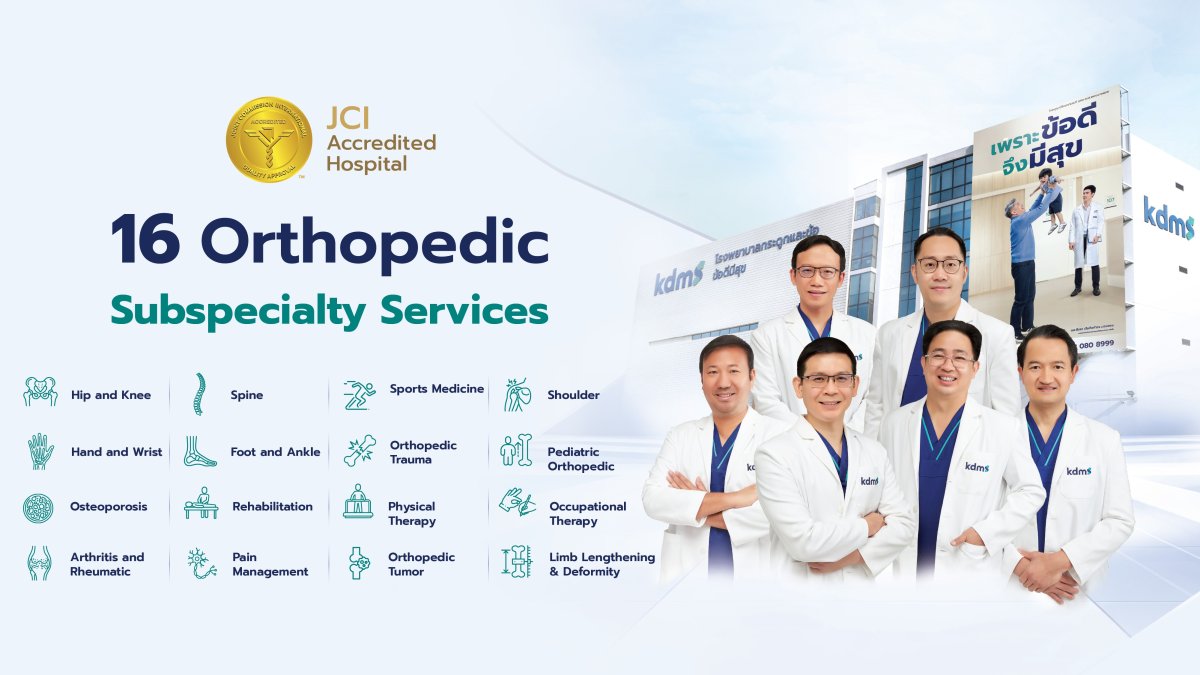
رؤية خبير Bookimed: يجب على المرضى الذين يبحثون عن رعاية متخصصة للغاية إعطاء الأولوية لمراكز العظام المتخصصة بدلاً من العيادات العامة. يخدم مستشفى KDMS التخصصي للعظام 1000 مريض عظام سنوياً كأول منشأة في تايلاند مخصصة حصرياً لصحة الجهاز العضلي الهيكلي. بالنسبة للحالات المعقدة التي تتطلب تقنية متقدمة، يوفر مستشفى بامرونجراد الدولي جراحة بمساعدة الروبوت ومعتمدة من اللجنة الدولية المشتركة (JCI). وبدلاً من ذلك، يوفر مستشفى سيكارين رعاية عالية القيمة موجهة خصيصاً نحو معايير المرضى الدوليين والدعم متعدد التخصصات.
اكتشف أفضل تشوه الأروح العيادات في تايلاند: 6 خيارات معتمدة والأسعار




LUX KOR Hospital

MedConsult Bangkok Medical Clinic


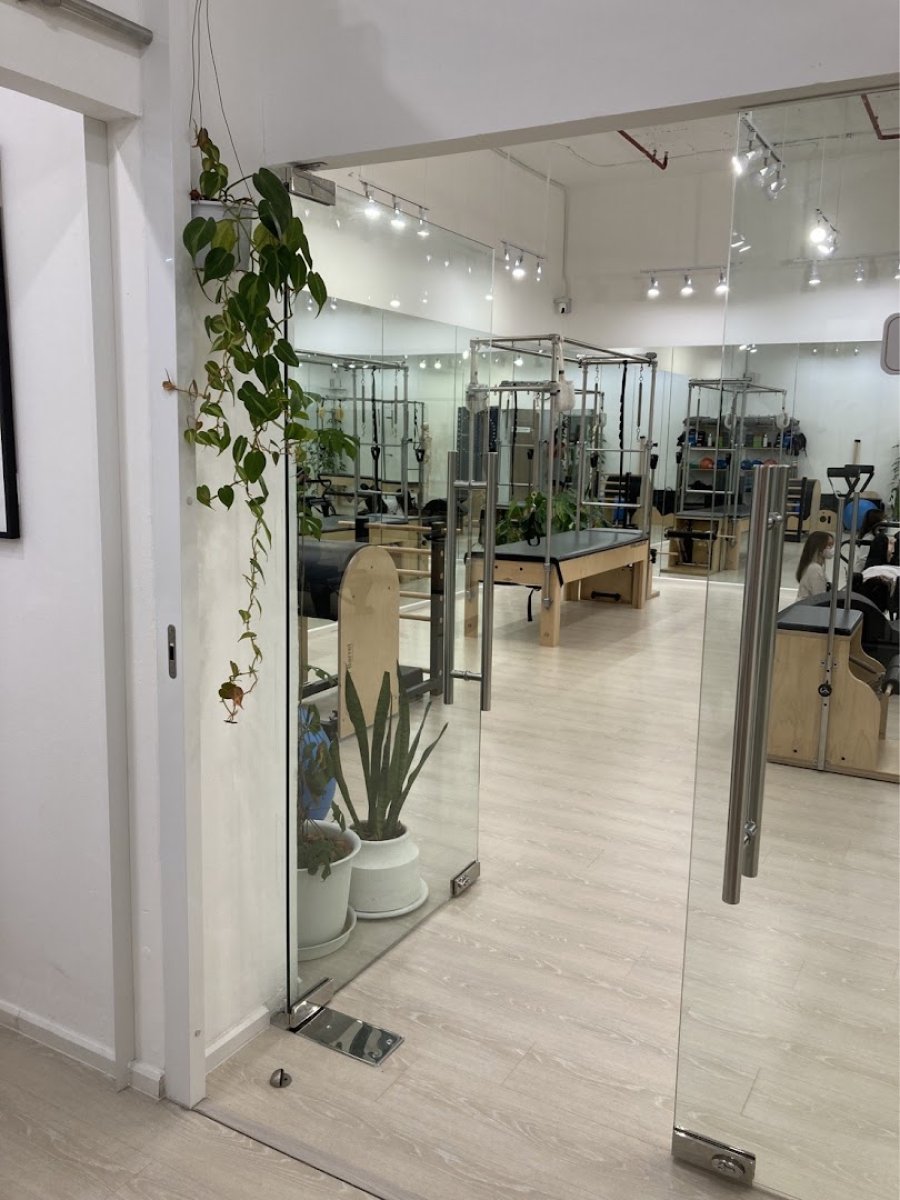
Le Physio Clinic
احصلوا على تقييم طبي لـ تشوه الأروح في تايلاند: استشيروا أطباء ذوي خبرة الآن
عرض جميع الأطباء
Dr Piya Assawaboonyadej
يتخصص الدكتور بيا أساوابونيادج في جراحة الأورام العظمية والترميم، حيث ينقل خبرته المكتسبة من زمالات في تايلاند والولايات المتحدة الأمريكية إلى مستشفى إنتارارات.
- أكثر من _doctor_8776_ سنوات من الخبرة في جراحة العظام
- حاصل على زمالة في جراحة الأورام العظمية من جامعة أيوا
- عضو الجمعية التايلاندية لأورام الجهاز العضلي الهيكلي
- أبحاث منشورة حول ساركوما العظام وجراحة الأورام
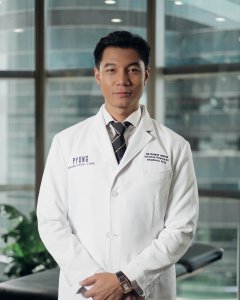
Kantaphong Thongrong
الدكتور كانتافونغ ثونغرونغ، طبيب فيزيائي معتمد، متخصص في دمج الروبوتات المتقدمة والتقنيات غير الجراحية لتحسين نتائج إعادة التأهيل.
- رئيس قسم إعادة التأهيل في مستشفى الملك مونغكوت تشاوخونثاهان
- مؤسس مجموعة PYONG لإعادة التأهيل في بانكوك
- خبير في التدخلات الموجهة بالموجات فوق الصوتية والعلاج بالليزر
- محاضر في معهد الملك مونغكوت للتكنولوجيا في لادكرابانغ
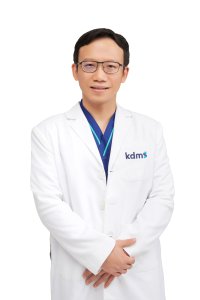
Rapeepat Narkbunnam
متخصص في جراحة استبدال الركبة والورك بمساعدة الروبوت – تدرب في المركز الطبي بجامعة ستانفورد.
- حاصل على شهادة البورد في جراحة العظام مع خبرة في جراحة إعادة البناء للبالغين
- يجري عمليات استبدال الركبة الجزئي وجراحات تقويم المفاصل المراجعة المعقدة
- تخرج بمرتبة الشرف من كلية الطب بجامعة شولالونغكورن
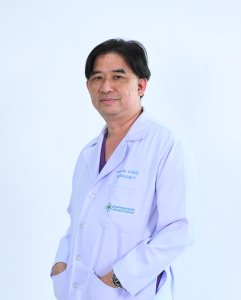
Pradab Pradasuk
الدكتور براداب براداسوك جرّاح عظام يتمتّع بـ24 عاماً من الخبرة في مستشفى نافامين 9 في بانكوك. يقدّم الاستشارات بالإنجليزية والتايلندية.
يركّز عمله على تنظير المفاصل وإعادة بناء الركبة. يشمل ذلك جراحة الرباط الصليبي الأمامي، واستئصال الغضروف الهلالي، ورأب المفصل، واستبدال المفصل. يعالج اضطرابات الكتف، بما في ذلك تمزقات الكفّة المدورة. يعالج حالات الكاحل والقدم، بما في ذلك إيثاق المفصل، واستبدال المفصل، وإصلاح وتر أخيل، وإعادة بناء أصابع القدم أو القدم. يجري جراحات الكسور للساعد والحوض و
مشاركة المحتوى
قصص فيديو من مرضى Bookimed
 Anna Leonova
أسئلة متكررة حول علاج تشوه الأروح في تايلاند
هل المستشفيات التايلاندية مجهزة بتكنولوجيا حديثة لتصحيح انحراف الركبة (Valgus)؟
تستخدم المستشفيات التايلاندية مساعدين روبوتيين من الجيل الرابع وتقنيات طفيفة التوغل لتصحيح انحراف الركبة. تستخدم المرافق المعتمدة مثل مستشفى KDMS لجراحة العظام التخصصي ومستشفى بومرونجراد الدولي التخطيط ثلاثي الأبعاد. غالباً ما يكون لدى الجراحين زمالات من الولايات المتحدة أو المملكة المتحدة. هذا يضمن الدقة في إعادة محاذاة العظام المعقدة وإعادة بناء المفاصل.
- الأنظمة الروبوتية: تستخدم المرافق مساعدين روبوتيين متقدمين لإعادة محاذاة الركبة والورك بدقة عالية.
- الجراحة طفيفة التوغل: يستخدم الجراحون شقوقاً صغيرة لتقليل الألم وتسريع التعافي بعد الجراحة.
- التصوير المتقدم: توفر العيادات الرنين المغناطيسي والأشعة المقطعية والأشعة السينية الرقمية في الموقع لتخطيط جراحي دقيق.
- مراكز متخصصة: KDMS هو أول مستشفى في تايلاند مخصص حصرياً لجراحة العظام، مع التركيز على رعاية الجهاز العضلي الهيكلي.
رؤية خبير Bookimed: انتقلت رعاية العظام التايلاندية نحو تخصص متطرف. بينما تخدم المراكز الكبيرة مثل بومرونجراد 1,000,000 مريض سنوياً، تركز المرافق الأحدث مثل KDMS حصرياً على جراحة العظام. توفر هذه المراكز المتخصصة غالباً وصولاً أسرع للجراحة بمساعدة الروبوت والتخطيط ثلاثي الأبعاد مقارنة بالمستشفيات العامة. قد تعمل هذه البيئة المركزة على تحسين النتائج في إعادة محاذاة الأطراف المعقدة.
إجماع المرضى: يؤكد المرضى أن النجاح يعتمد على التدريب الدولي للجراح أكثر من اعتماده على آلات محددة. يشيرون إلى أن أفضل المستشفيات الخاصة في بانكوك تقدم رعاية عالية ال
هل إجراء جراحة القدم في تايلاند آمن؟
تعد جراحة القدم في تايلاند آمنة وتتبع المعايير الدولية في المستشفيات المعتمدة. تمتلك مرافق مثل مستشفى بومرونجراد الدولي ومستشفى KDMS لجراحة العظام التخصصي شهادات JCI وAACI. يستخدم الجراحون المتخصصون التكنولوجيا المساعدة بالروبوت والتقنيات ذات الحد الأدنى من التدخل الجراحي لتحقيق معدلات نجاح تتراوح بين 90% و95%.
- الاعتماد الدولي: تمتلك المرافق شهادات JCI وISO وGHA لضمان السلامة.
- معدلات نجاح عالية: تبلغ مراكز العظام الكبرى عن نجاح بنسبة 90% إلى 95% في الإجراءات.
- التكنولوجيا المتخصصة: تستخدم العيادات الجراحة بمساعدة الروبوت والتصوير الرقمي ثلاثي الأبعاد لتحقيق الدقة.
- جراحو عظام خبراء: يتمتع أطباء مثل الدكتور براداب براداسوك بخبرة تزيد عن 20 عاماً.
رؤية خبير Bookimed: توفر تايلاند ميزة أمان فريدة مع مستشفيات عمودية متخصصة مثل KDMS، وهي أول منشأة في البلاد مخصصة حصرياً لجراحة العظام. تركز هذه المراكز حصرياً على صحة الجهاز العضلي الهيكلي بدلاً من الطب العام. يقلل هذا التخصص من مخاطر العدوى المتبادلة الموجودة في المستشفيات العامة ويضمن أن جميع الموظفين خبراء في تعافي العظام.
إجماع المرضى: يشير المرضى إلى أن إدارة التعافي بعد العملية هي أكبر تحدٍ عملي. يعتمد النجاح على ترتيب دعم الحركة المناسب، مثل الكراسي المتحركة للتنقل في المطار، واتباع تعليمات عدم تحميل الوزن بدقة خلال الأسابيع الأولى.
ما الذي يتم تضمينه عادةً في حزمة علاج إبهام القدم الأروح في تايلاند؟
تغطي حزم علاج إبهام القدم الأروح في تايلاند عادةً رسوم جراح العظام، والتخدير، وإقامة لمدة ليلة أو ليلتين في مستشفى خاص. تشمل الخدمات القياسية صور الأشعة السينية قبل الجراحة، وتحاليل الدم، وتصاريح التخدير. توفر المنشآت المعتمدة من اللجنة الدولية المشتركة (JCI) مثل مستشفى بامرونجراد رعاية جراحية شاملة بما في ذلك معدات غرفة العمليات وإدارة الألم بعد الجراحة.
- الفحوصات الطبية: تشمل تخطيط القلب (ECG)، واختبار التجلط، وتحليل دم موسع لضمان السلامة الجراحية.
- سيرة الجراح: يقدم متخصصون مثل الدكتور براداب براداسوك أكثر من 20 عاماً من الخبرة.
- الإقامة في المستشفى: توفر الحزم عادةً ليلة أو ليلتين في غرف خاصة للمرضى الداخليين.
- التكنولوجيا المتقدمة: الوصول إلى الجراحة بمساعدة الروبوت والتقنيات طفيفة التوغل في بانكوك.
رؤية خبير Bookimed: بينما تتعامل المستشفيات العامة مثل سيكارين مع أحجام ضخمة من المرضى، توفر المراكز المتخصصة خبرة أعمق. يركز مستشفى KDMS التخصصي للعظام حصرياً على رعاية الجهاز العضلي الهيكلي مع 50 طبيباً متفرغاً. غالباً ما يؤدي هذا التخصص الضيق إلى بروتوكولات تعافي أكثر تخصيصاً من تلك الموجودة في المؤسسات متعددة التخصصات الأكبر.
إجماع المرضى: يشير المرضى إلى أنه من الضروري توضيح ما إذا كانت الغرسات والأدوات مشمولة. ويؤكد الكثيرون أن الدعامات بعد الجراحة أو جلسات العلاج الطبيعي الممتدة تتطلب غالباً مدفوعات منفصلة.
ما هو وقت التعافي المتوقع بعد جراحة إبهام القدم الأروح (hallux valgus) في العيادات التايلاندية؟
يتراوح التعافي بعد جراحة إبهام القدم الأروح في تايلاند عادةً ما بين 6 إلى 12 أسبوعاً لالتئام العظام. يبدأ المرضى غالباً بالمشي الخفيف في غضون أيام باستخدام أحذية خاصة بعد الجراحة. يحدث التعافي الكامل وتقليل التورم بشكل ملحوظ عادةً بين 6 و 9 أشهر بعد الإجراء.
- إزالة الغرز: يقوم الجراحون عادةً بإزالة الغرز بعد حوالي أسبوعين من الإجراء الجراحي.
- التئام العظام: يتطلب التئام العظام الكامل عموماً فترة تتراوح من 6 إلى 12 أسبوعاً.
- الأنشطة اليومية: يستأنف معظم المرضى المشي الطبيعي والروتين البدني اليومي في غضون 3 أشهر.
- التورم المتبقي: قد يستمر تورم طفيف لمدة تصل إلى 9 أشهر بعد الجراحة.
رؤية خبير Bookimed: في حين تقدم العديد من العيادات العامة تصحيح الورم الملتهب (bunion)، فإن اختيار منشأة متخصصة مثل مستشفى KDMS التخصصي للعظام في بانكوك يوفر الوصول إلى 50 متخصصاً. يعد هذا التركيز في الخبرة أمراً بالغ الأهمية لإجراء عمليات إعادة البناء المعقدة حيث تؤثر الدقة على الحركة على المدى الطويل. غالباً ما تستخدم هذه المراكز التصوير بمساعدة الروبوت لضمان محاذاة العظام بدقة.
إجماع المرضى: يلاحظ المرضى أن السيطرة على التورم هي التحدي الأكثر استمراراً أثناء التعافي. غالباً ما يوصون بتخصيص أيام إضافية في تايلاند للمتابعة الأولى قبل العودة إلى الوطن.
ما هي المستشفيات أو العيادات الموصى بها لعلاج التقوس (Valgus) في بانكوك؟
تشمل العيادات الموصى بها لعلاج التقوس في بانكوك مستشفى KDMS التخصصي للعظام ومستشفى بامرونجراد الدولي. توفر هذه المرافق جراحة بمساعدة الروبوت وتقنيات طفيفة التوغل لتصحيح الركبة والقدم. توفر المراكز المتخصصة تصويرًا طبيًا متقدمًا مثل الأشعة السينية للساقين كاملتين في وضع الوقوف لتخطيط دقيق لمحاذاة العظام.
- مستشفى KDMS للعظام: أول مرفق في تايلاند مخصص حصريًا للعظام ومتخصص في تصحيح تقوس الركبة بمساعدة الروبوت.
- مستشفى بامرونجراد الدولي: مركز معتمد من اللجنة الدولية المشتركة (JCI) يقدم علاجات لتشوهات المفاصل المعقدة وتقنيات التصوير الرقمي.
- تقنيات جراحية متخصصة: يستخدم الجراحون إجراءات طفيفة التوغل لتقليل وقت التعافي والألم.
- المتطلبات التشخيصية: توفر المستشفيات الرائدة تشخيصات ما قبل الجراحة الضرورية بما في ذلك اختبارات تخطيط القلب وتجلط الدم.
رؤية خبراء Bookimed: بينما يختار الكثيرون المستشفيات العامة الكبيرة، يقدم مستشفى KDMS التخصصي للعظام مركزًا فريدًا مخصصًا فقط لمشاكل العضلات والعظام. تظهر بياناتنا أنهم يعالجون حوالي 1000 مريض عظام سنويًا بطاقم عمل يضم 50 طبيبًا متخصصًا. يسمح هذا التركيز بمساحات علاج متكاملة وأكثر كفاءة تفتقر إليها المستشفيات العامة غالبًا.
إجماع المرضى: يؤكد المرضى على أهمية اختيار جراح محدد لديه سجل حافل في إعادة محاذاة المفاصل بدلاً من اختيار اسم المستشفى فقط. كما يشيرون إلى أن إعادة التأهيل النوعية بعد الجراحة لا تقل أهمية عن الجراحة نفسها لضمان التعافي الناجح.