علاج تشوه الأروح في ألمانيا — احصل على 3 عيادات مختارة خصيصاً لك


تمت مراجعة المقالة طبيا من قبل
فهد مولود
كيف نعمل؟
ما هي تكلفة تشوه الأروح إجراءات التشخيص والعلاج في ألمانيا؟ اعرف الآن
من $330. يُعد التصحيح الجراحي للوكعة هو العلاج الأساسي، وتتأثر الأسعار بالتقنية الجراحية المختارة، ومدى تعقيد التشوه، ومستوى العيادة. وغالبًا ما يوفر المرضى ما يقرب من 30-50% مقارنة بتكاليف الرعاية الصحية في الولايات المتحدة. تشمل أهم المراكز الطبية لهذه الإجراءات سولينغن، وفرانكفورت أم ماين، وهامبورغ.
تكاليف علاج تشوه إبهام القدم الأروح النموذجية في ألمانيا
- استشارة مع أخصائي تقويم العظام (جراح العظام): من $330
- تحليل دم شامل: من $150
- اختبار تخثر الدم (Coagulogram): من $40
- تخطيط كهربائية القلب (ECG): $50 – $60
رؤية خبير Bookimed: يجب على المرضى الذين يبحثون عن رعاية متخصصة التفكير في عيادة نوردويست (Nordwest Clinic)، حيث يقدم الدكتور سفين روجمانز خبرة تزيد عن 28 عامًا في تقويم العظام. بالنسبة لأولئك الذين يعطون الأولوية للابتكار وحجم العمليات الكبير، يستقبل مجمع عيادات نوردراين فيستفالن أكثر من 100,000 مريض خارجي سنويًا مع توفر خيارات الجراحة بمساعدة الروبوت. وتُعد المراكز التابعة للجامعات، مثل تلك الموجودة في هامبورغ أو هايدلبرغ، الأفضل للحالات المعقدة التي تتطلب نهجًا متعدد التخصصات مدعومًا بالأبحاث وتقنيات تشخيصية متقدمة.
اكتشف أفضل تشوه الأروح العيادات في ألمانيا: 25 خيارات معتمدة والأسعار






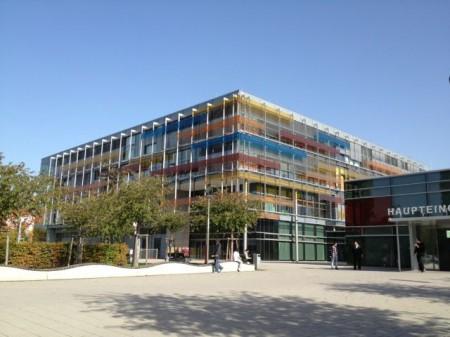
University Hospital in Haydelberge

Hannover Medical School

St. Marienstift Clinic

Elbland Clinic

St. Josefs Hospital Wiesbaden

Bavaria in Kreischa
احصلوا على تقييم طبي لـ تشوه الأروح في ألمانيا: استشيروا أطباء ذوي خبرة الآن
عرض جميع الأطباء
Markus Graf

Sven Rogmans
يتخصص الدكتور روجمانز في علاجات المفاصل طفيفة التوغل مع خبرة 26 سنة، ويجري إجراءات متقدمة في عيادة نوردويست.
- خبير في علاجات هشاشة العظام التحفظية والجراحية
- يركز على تقويم مفاصل الورك طفيف التوغل
- ماهر في علاج كسور ما حول الأطراف الاصطناعية للأطراف السفلية
- خبرة واسعة في جراحة تنظير المفاصل للإصابات الرياضية
- نشر العديد من الدراسات الوطنية والدولية
مشاركة المحتوى
قصص فيديو من مرضى Bookimed
 Anna Leonova
أسئلة متكررة حول علاج تشوه الأروح في ألمانيا
ما هي التقنيات الجراحية المستخدمة في ألمانيا لعلاج تشوه الأروح (Valgus Deformity)؟
تعالج مراكز العظام الألمانية تشوه الأروح باستخدام أكثر من 150 تقنية جراحية متخصصة. يعطي الجراحون الأولوية لعمليات قطع العظم للحفاظ على المفاصل مثل Scarf أو Chevron لتصحيحات القدم. بالنسبة لمحاذاة الركبة، يستخدمون قطع عظم الفخذ البعيد أو استبدال المفصل بالكامل. تتبع العيادات عالية التخصص إرشادات AWMF S2e الصارمة القائمة على الأدلة.
- الجراحة طفيفة التوغل: يستخدم الجراحون ثقوبًا بحجم 2-3 مم للورم الملتهب (bunion) الخفيف إلى المتوسط.
- قطع العظم Scarf: تسمح القطع على شكل حرف Z بإعادة التموضع ثلاثي الأبعاد لتشوهات القدم المتوسطة إلى الشديدة.
- قطع عظم الفخذ البعيد: تعيد هذه التقنية محاذاة محور الركبة لدى المرضى الأصغر سنًا والنشطين.
- التثبيت المتخصص: توفر ألواح ومسامير التيتانيوم عالية الجودة ثباتًا ميكانيكيًا فوريًا.
رؤية خبير Bookimed: تحتل ألمانيا المرتبة الثانية عالميًا في طلبات العظام على منصتنا. هذه الشعبية مدفوعة بالمراكز الأكاديمية الضخمة مثل مستشفى جامعة هايدلبرغ. تتعامل هذه المؤسسات مع أكثر من 312,000 مريض سنويًا. في حين تقدم العيادات الصغيرة رعاية شخصية، توفر هذه المراكز ذات الحجم الكبير وصولًا نادرًا لتشخيصات الموجات فوق الصوتية ثلاثية الأبعاد. هذه التكنولوجيا حيوية لتخطيط تصحيحات الورم ثلاثية الأبعاد المعقدة مثل دمج Lapidus.
إجماع المرضى: يؤكد المرضى على ضرورة إجراء أشعة سينية كاملة الطول أثناء الوقوف للحصول على محاذاة دقيقة. يلاحظ الكثيرون أن الجراحين الألمان يعطون الأولوية للحفاظ على المفصل الأصلي من خلال قطع
ما هو معدل النجاح الموثق والنتائج السريرية لجراحة تشوه الأروح (Valgus) في ألمانيا؟
تُظهر جراحة تشوه الأروح في ألمانيا معدلات نجاح موثقة تتراوح بين 85% و95%. تشير النتائج السريرية إلى تحسن وظيفي كبير. يلاحظ المرضى عادةً زيادة متوسطة قدرها 33.8 نقطة في درجات تقييم العظام القياسية. يحقق معظمهم محاذاة شبه محايدة. هذه النتائج مدعومة من قبل مراكز العظام ذات الحجم الكبير.
- التحسن الوظيفي: غالبًا ما تتضاعف درجات وظيفة المفاصل بعد الجراحة.
- تصحيح القدم: يبلغ حوالي 92% من المرضى عن انخفاض طويل الأمد في الألم.
- محاذاة الركبة: تؤخر إجراءات قطع العظم بنجاح استبدال المفاصل لمدة 12 عامًا.
- النجاح الجمالي: يعبر حوالي 94% من المرضى عن رضاهم عن المظهر النهائي.
رؤية خبراء Bookimed: بينما يختار الكثيرون المراكز الجامعية الكبيرة، تحافظ المؤسسات المتخصصة الأصغر مثل عيادة St. Marienstift على أحجام جراحية عالية تصل إلى 13,000 عملية سنويًا. يشير هذا التركيز في الحالات إلى أن العيادات الألمانية المتخصصة غالبًا ما توفر خبرة أكثر تركيزًا من المستشفيات العامة. يجب على المرضى إعطاء الأولوية للمرافق ذات الأعداد العالية من العمليات الجراحية الخاصة بالقسم للحصول على نتائج أكثر قابلية للتنبؤ.
إجماع المرضى: يلاحظ المرضى أنه على الرغم من تحسن المحاذاة بسرعة، فإن مرحلة العلاج الطبيعي أكثر تطلبًا مما كان متوقعًا. عادة ما يتم قياس النجاح من خلال القدرة على العودة إلى الأنشطة اليومية دون ألم بدلاً من مجرد التصحيح البصري.
ما هي فترة التعافي بعد جراحة تشوه الأروح (Valgus Deformity) في ألمانيا ومتى يمكنني استئناف المشي والأنشطة العادية؟
عادة ما يستغرق التعافي من جراحة تشوه الأروح في ألمانيا من 6 إلى 12 أسبوعًا للشفاء الأولي. يمكن للمرضى المشي فورًا بعد الإجراء باستخدام حذاء تقويمي ألماني متخصص لمقدمة القدم. غالبًا ما يتطلب إعادة تشكيل العظام بالكامل وتطبيع الأنشطة من 6 إلى 12 شهرًا للحصول على النتائج النهائية.
- الجدول الزمني للمشي: المشي فورًا باستخدام حذاء إسفيني متخصص لحماية مقدمة القدم.
- الحذاء الطبي: ارتداء تقويم مقدمة القدم حصريًا خلال الأسابيع الستة الأولى.
- استئناف النشاط: العودة إلى العمل المكتبي بعد أسبوع إلى أسبوعين من الجراحة.
- سلامة السفر: البقاء في ألمانيا لمدة 10 إلى 14 يومًا قبل العودة إلى الوطن.
رؤية خبراء Bookimed: تعطي العيادات الألمانية مثل Nordwest وSolingen الأولوية للحركة المبكرة من خلال بروتوكولات صارمة للأحذية المتخصصة بدلاً من التثبيت الكامل. في حين يستخدم جراحون مثل الدكتور سفين روجمانز تقنيات طفيفة التوغل لتسريع التعافي، تشير بيانات حجم المرضى من المراكز الأعلى تصنيفًا إلى أن الإقامة في المستشفى لمدة 3 أيام هي المعيار لضمان إدارة الألم المناسبة واستقرار المحاذاة الأولي قبل الخروج.
إجماع المرضى: يشير المرضى إلى أنه على الرغم من تشجيع الحركة المبكرة، فإن التيبس والتورم المستمرين يمكن أن يجعلا المهام الروتينية مثل صعود السلالم أو الوقوف لفترات طويلة صعبة لعدة أشهر. يؤكد الكثيرون أن عدم الشعور بالألم لا يعني أن القدم جاهزة للأحذية العادية، حيث غالبًا ما تتأخر الوظيفة عن الراحة.
كيف يتم إدارة الألم بعد الجراحة بعد جراحة تشوه الأروح (Valgus) في العيادات الألمانية؟
تتبع إدارة الألم بعد الجراحة في العيادات الألمانية بروتوكولاً متعدد الوسائط يقلل من استخدام المواد الأفيونية. يعطي الجراحون الأولوية لكتل الأعصاب الإقليمية، مثل كتل الكاحل أو العصب الوركي، إلى جانب الأدوية غير الأفيونية مثل ميتاميزول. تضمن هذه الطرق التعبئة المبكرة مع الحفاظ على مستويات ألم مريحة من خلال معايير جودة منظمة للغاية مثل سجل QUIPS.
- التخدير الإقليمي: توفر كتل الأعصاب الموجهة بالموجات فوق الصوتية تخديرًا موضعيًا لتخفيف الألم فورًا بعد الجراحة.
- النظام الدوائي: الاستخدام المجدول للميتاميزول والأدوية المضادة للالتهابات غير الستيرويدية يقلل من التورم الجهازي.
- العناية الميكانيكية: أحذية تفريغ الضغط المتخصصة تنقل الضغط إلى الكعب لحماية مواقع الجراحة.
- بروتوكول RICE (PECH): الالتزام الصارم بالراحة، والثلج، والضغط، والرفع يخفف من الألم النابض.
رؤية خبير Bookimed: تخدم العيادات الألمانية مثل عيادة نوردويست أو المركز الطبي في سولينغن أكثر من 60,000 مريض سنويًا. يسمح هذا الحجم لهم بتحسين بروتوكولات التخدير التي تعطي الأولوية للخيارات غير الأفيونية. يتخصص الدكتور سفين روجمانز في فرانكفورت في جراحة الأطراف السفلية طفيفة التوغل. غالبًا ما تقلل هذه التقنيات من صدمة الأنسجة الأولية. تساعد هذه الخبرة في الحفاظ على معدلات نجاح عالية في إدارة التورم الذي يصل عادةً إلى ذروته حوالي اليوم الثالث.
إجماع المرضى: يشير المرضى إلى أن الألم غالبًا ما يصل إلى ذروته عندما يزول مفعول كتل الأعصاب. ويؤكدون على أهمية البدء في تناول الأدو
هل جراحة إبهام القدم الأروح (Bunion) طفيفة التوغل أو عن طريق الجلد متاحة على نطاق واسع في ألمانيا؟
تتوفر جراحة إبهام القدم الأروح (Bunion) طفيفة التوغل وعن طريق الجلد على نطاق واسع في ألمانيا. تعد البلاد وجهة رائدة لجراحة القدم المتخصصة. تستخدم العديد من المراكز تقنيات متقدمة من الجيل الثالث. وتشمل هذه التقنيات بضع العظم تحت الرأس عن طريق الجلد وإجراء شيفرون-أكين طفيف التوغل (MICA).
- تقنيات متخصصة: يستخدم الجراحون مثاقب دقيقة ومسامير ضغط من التيتانيوم للتصحيح.
- خيارات طفيفة التوغل: تتطلب جراحة بضع العظم المشطي البعيد الأقل توغلاً (LIDO) شقوقاً بحجم 1 سم.
- مراكز ذات حجم كبير: يعالج المركز الطبي في سولينغن أكثر من 60,000 مريض كل عام.
- شهادات الخبراء: يتم إجراء العمليات من قبل جراحين معتمدين من قبل DAF أو GFFC.
رؤية خبير Bookimed: تحتل ألمانيا مرتبة عالمية عالية في الطلبات المتعلقة بجراحة العظام. تظهر البيانات أن مراكز مثل مجمع عيادات شمال الراين-وستفاليا تتعامل مع 145,000 مريض سنوياً. على الرغم من وجود عيادات أصغر، إلا أن هذه المجمعات الطبية الضخمة تقدم بدائل روبوتية ومبتكرة. يضمن هذا الحجم الكبير حفاظ الجراحين على الدقة في التقنيات طفيفة التوغل.
إجماع المرضى: يشير المرضى إلى أن هذه الإجراءات تتطلب العثور على جراح قدم متخصص. ويؤكدون أنه على الرغم من أن الشقوق أصغر، إلا أن التعافي لا يزال يتضمن عدة أسابيع من التورم وقيود المشي.
هل يمكن للمرضى الدوليين الحصول على استشارة عن بعد قبل السفر إلى ألمانيا؟
يمكن للمرضى الدوليين الحصول على استشارات عن بعد قبل السفر إلى ألمانيا لعلاج تشوه الأروح (valgus deformity). تستخدم المراكز المتخصصة مكالمات الفيديو أو المراجعات المكتوبة لتقييم فحوصات التشخيص والتاريخ الطبي. توضح هذه العملية الأهلية للجراحة وخطط العلاج مع منع السفر غير الضروري للتقييمات الأولية.
- التنسيقات المتاحة: تقدم المراكز المتخصصة اجتماعات فيديو مباشرة أو آراء ثانية من خبراء مكتوبة.
- المستندات المطلوبة: يجب على المرضى عادةً تقديم صور الأشعة السينية أثناء الوقوف، وفحوصات الرنين المغناطيسي، والتاريخ الطبي.
- الوصول إلى الخبرة: يقدم الدكتور سفين روجمانز في عيادة نوردويست استشارات بخبرة تزيد عن 30 عامًا.
- حماية البيانات: تتبع جميع التقييمات الافتراضية معايير الخصوصية الصارمة للائحة العامة لحماية البيانات (GDPR).
رؤية خبير Bookimed: تدير العيادات الألمانية مثل عيادة نوردويست أو مجمع نوردراين فيستفالن أعدادًا كبيرة من المرضى تتجاوز 60,000 سنويًا. تظهر البيانات أن المراكز الأكاديمية الأكبر تعطي الأولوية للفرز عن بعد بكفاءة أكبر من العيادات الخاصة الصغيرة. بالنسبة لتشوه الأروح، اطلب دائمًا استشارة فيديو خصيصًا مع جراح العظام لتأكيد الأهلية للجراحة.
إجماع المرضى: يشير المرضى إلى أنه من المهم تأكيد متطلبات التصوير في وقت مبكر. يؤكد الكثيرون أن المراجعة عن بعد تساعد في تحديد ما إذا كان الفحص الشخصي لا يزال ضروريًا.
ما هي المستشفيات في ألمانيا التي تحظى بأعلى التقييمات في جراحة الأعصاب؟
تضم ألمانيا بعضًا من أرقى أقسام جراحة الأعصاب في العالم، بقيادة مستشفى شاريتيه الجامعي في برلين ومستشفى جامعة هايدلبرغ. وتتميز هذه المراكز بخبرتها الواسعة في علاج أورام الدماغ المعقدة وأمراض الأوعية الدموية الدماغية. ولتحقيق أقصى قدر من الفعالية في عملياتها، تستخدم هذه المراكز أحدث التقنيات، مثل التصوير بالرنين المغناطيسي أثناء الجراحة والتوجيه العصبي بمساعدة الحاسوب.
- مستشفى شاريتيه برلين: يُجري أكثر من 5000 عملية جراحية سنوياً. ويرأس العيادة جراح الأعصاب الشهير الدكتور بيتر فايكوتشي.
- المركز الطبي في سولينجن: أجرى الدكتور رالف بوهل أكثر من 4000 عملية جراحية، بما في ذلك جراحات العمود الفقري طفيفة التوغل.
- عيادة أسكليبيوس نورد: مجهزة بنظام التصوير بالرنين المغناطيسي الثنائي الوحيد في ألمانيا أثناء الجراحة لضمان الدقة الجراحية في الوقت الحقيقي أثناء إزالة الورم.
- عيادة نوردويست: تم الاعتراف بها من قبل مجلة نيوزويك كمستشفى رائد في مجال الابتكار في تكنولوجيا الموجات فوق الصوتية ثلاثية الأبعاد.
رأي خبراء بوكيمد: تشير البيانات إلى أن اختيار المراكز ذات الحجم الجراحي الكبير غالبًا ما يؤدي إلى توصيات علاجية أكثر تحفظًا. ففي مركز سولينجن الطبي، الذي يعالج أكثر من 60,000 مريض
ما هي نسب نجاح العمليات الجراحية العصبية المعقدة في ألمانيا؟
في ألمانيا، تتميز العمليات الجراحية العصبية بالغة التعقيد بمستوى أمان استثنائي. تصل نسبة نجاح عمليات دمج الفقرات إلى 99%، بينما تبلغ نسبة النجاة بعد استئصال أورام الدماغ الأولية 97%. كما يتمتع المرضى بقدرة عالية على الاعتماد على أنفسهم في أداء وظائفهم اليومية، حيث يغادر أكثر من 82% منهم المستشفى مباشرةً بعد العلاج. وتولي المراكز الألمانية اهتماماً بالغاً بالحفاظ على الوظائف العصبية باستخدام أحدث تقنيات التخطيط العصبي.
- استئصال الورم: يحقق الجراحون استئصالًا كاملاً للورم في 87.2% من حالات النقائل الدماغية.
- النجاح في علاج أمراض الأوعية الدموية: أفادت المستشفيات الألمانية بنسبة نجاة بلغت 98.7% لحالات تمدد الأوعية الدموية غير الممزقة.
- تحسن الحالة العصبية: يشهد ما يقرب من 43% من المرضى تحسناً في المعايير الوظيفية بعد عمليات الاستئصال المعقدة.
- سلامة التدخلات الجراحية: في المراكز الجراحية الكبيرة، تتراوح معدلات بقاء المرضى على قيد الحياة بعد جراحة العمود الفقري بين 98-99%.
رأي خبراء بوكيمد: يُجري جراحون ذوو خبرة، مثل الدكتور أوفه كولر من عيادة أسكليبيوس ألتونا، أكثر من 2000 عملية جراحية سنويًا. تُشير البيانات إلى أن هؤلاء المتخصصين يحافظون على معدلات نجاح تصل إلى 90%، حتى
ما هي التقنيات المتقدمة المتوفرة عادةً في عيادات جراحة الأعصاب الألمانية؟
تُدخل عيادات جراحة الأعصاب الألمانية بانتظام أدوات رقمية عالية الدقة وتقنيات تصوير فوري في الممارسة الجراحية. تشمل التقنيات الرئيسية الملاحة العصبية الحاسوبية لجراحات الدماغ والحبل الشوكي. تستخدم مؤسسات مثل عيادة أسكليبيوس نورد التصوير بالرنين المغناطيسي أثناء الجراحة للتحقق من استئصال الورم في الوقت الفعلي. توفر هذه الأنظمة للجراحين نظام ملاحة ثلاثي الأبعاد.
- الملاحة العصبية: توفر تصورًا ثلاثي الأبعاد وتتبعًا فوريًا للأدوات لتحقيق دقة جراحية تصل إلى مستوى أقل من المليمتر.
- التصوير أثناء العملية: تسمح أنظمة مثل التصوير بالرنين المغناطيسي أثناء العملية (iMRI) والتصوير المقطعي المحوسب ذي الذراع O (O-arm CT) بالتأكيد الفوري على نجاح عملية الاستئصال.
- المراقبة العصبية: تراقب الوظائف الحركية والحسية أثناء الجراحة لحماية الجهاز العصبي.
- التشخيص الفلوري: يتم استخدام صبغة 5-ALA لتسليط الضوء على حدود الورم من أجل إزالته بشكل أكثر اكتمالاً.
- المساعدة الروبوتية: تعمل أنظمة مثل نظام دافنشي على تحسين الدقة في الإجراءات المعقدة ذات التدخل الجراحي البسيط.
رأي خبراء بوكيمد: تُجري مراكز طبية كبيرة، مثل مستشفى شاريتيه الج
ما هي التدريبات المتخصصة التي يتلقاها جراحو الأعصاب الممارسون في ألمانيا؟
في ألمانيا، يتعين على جراحي الأعصاب إكمال برنامج إقامة تخصصي لمدة ست سنوات بعد التخرج من كلية الطب. يشمل هذا البرنامج المنظم العناية المركزة، والتدريب السريري، وكتابة مقالات في مجلة جراحية إلزامية. بعد ذلك، يجتاز المرشحون امتحانًا حكوميًا للحصول على لقب طبيب مقيم (Facharzt für Neurochirurgie).
- الإقامة السريرية: تتطلب من 48 إلى 72 شهرًا من الممارسة المتخصصة في جراحة الأعصاب.
- العناية المركزة: تتضمن فترة تدريب إلزامية لمدة 6 أشهر في وحدة العناية المركزة لجراحة الأعصاب.
- المجلة الجراحية: يوثق الجراحون مئات العمليات الجراحية، بما في ذلك عمليات فتح الجمجمة وجراحات العمود الفقري.
- امتحان الترخيص: يجب على المتقدمين اجتياز امتحان طبي شفوي وعملي تديره الدولة.
رأي خبراء بوكيميد: يركز التدريب الألماني في جراحة الأعصاب على الخبرة الجراحية الواسعة. فعلى سبيل المثال، أجرى الدكتور رالف بول من المركز الطبي في سولينجن أكثر من 4000 عملية جراحية. ويتمتع الدكتور يورغن كيويت من مستشفى ميوكلينيك بخبرة تزيد عن 25 عامًا. يضمن هذا النظام الدقيق أن يتعامل المتخصصون في المراكز الكبرى مع الحالات المعقدة بدقة مثبتة.
آراء المرضى: يشع