تشوه الأروح العلاج في ليتوانيا - التكاليف 2026


تمت مراجعة المقالة طبيا من قبل
فهد مولود
ما هي تكلفة تشوه الأروح إجراءات التشخيص والعلاج في ليتوانيا؟ اعرف الآن
مزاياك وضماناتك مع Bookimed
أسعار مباشرة
Bookimed لا يضيف رسوماً إضافية على أسعار علاج تشوه الأروح. الأسعار مأخوذة من قوائم الأسعار الرسمية للعيادات. تدفع مباشرة في العيادة مقابل علاجك عند وصولك إلى البلد.
عيادات وأطباء معتمدون فقط
Bookimed ملتزم بسلامتك. نحن نعمل فقط مع المؤسسات الطبية التي تحافظ على معايير دولية عالية في علاج تشوه الأروح ولديها التراخيص اللازمة لخدمة المرضى الدوليين في جميع أنحاء العالم.
مساعدة مجانية على مدار الساعة
Bookimed يقدم مساعدة خبراء مجانية. منسق طبي شخصي يدعمك قبل وأثناء وبعد العلاج، ويحل أي مشاكل. لن تكون وحيداً أبداً في رحلة علاج تشوه الأروح.

منسقك الطبي الشخصي في Bookimed
- يدعمك في كل مرحلة
- المساعدة في اختيار العيادة الطبية المناسبة والطبيب المناسب
- يضمن الوصول السريع والمريح إلى المعلومات
اكتشف أفضل تشوه الأروح العيادات في ليتوانيا: 2 خيارات معتمدة والأسعار



مشاركة المحتوى
قصص فيديو من مرضى Bookimed
 Anna Leonova
أسئلة متكررة حول علاج تشوه الأروح في ليتوانيا
ما مدى أمان إجراء جراحة العظام في ليتوانيا؟
تعد جراحة العظام في ليتوانيا آمنة وتتبع لوائح الرعاية الصحية الصارمة للاتحاد الأوروبي. تحافظ المرافق الخاصة على معايير سريرية عالية من خلال اعتمادات JCI و Temos. غالبًا ما يحمل الجراحون الليتوانيون شهادات دولية. تستخدم العيادات الحديثة غرسات عالية الجودة. تقدم المراكز الطبية في فيلنيوس رعاية تقويم عظام متخصصة لآلاف المرضى الدوليين سنويًا.
- المعايير التنظيمية: تتبع العيادات بروتوكولات النظافة والسلامة الخاصة بالاتحاد الأوروبي.
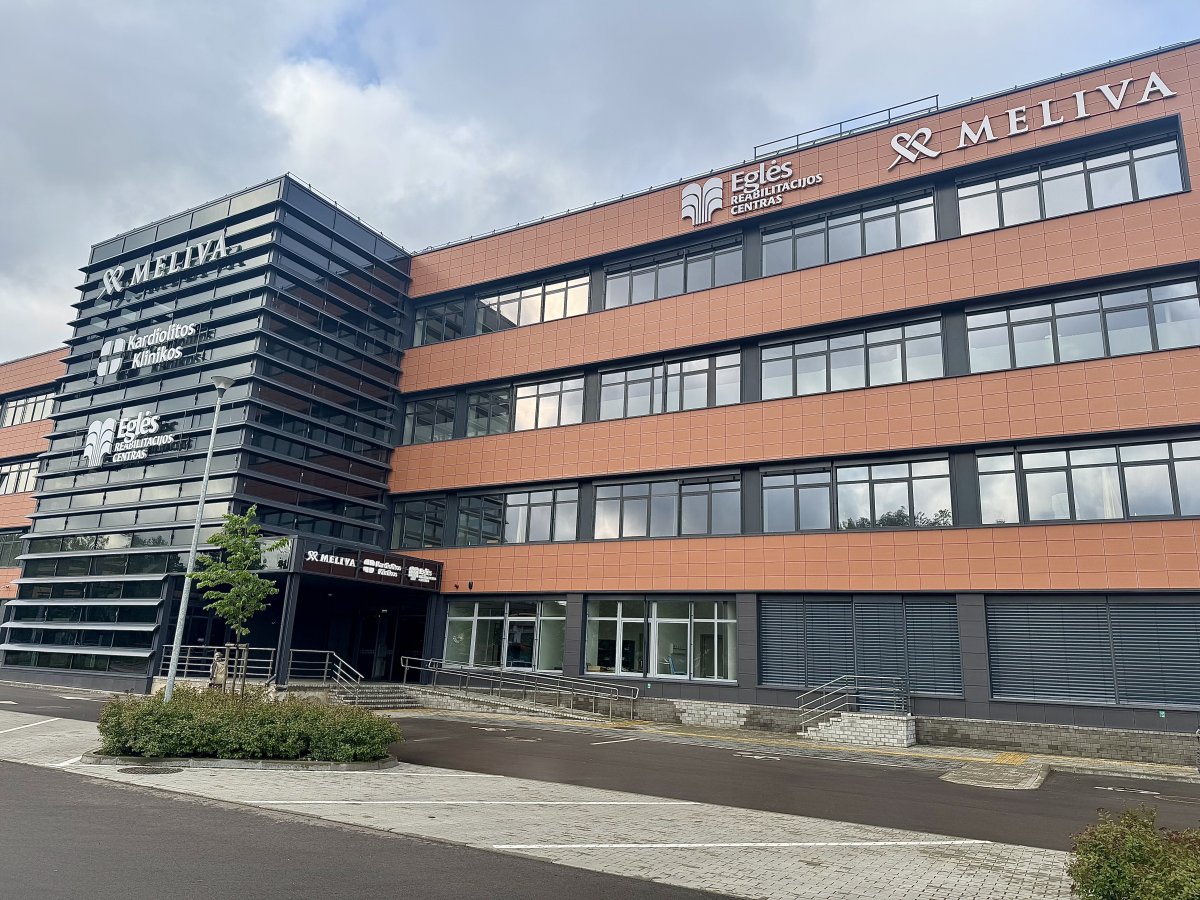
- حالة الاعتماد: تمتلك مرافق مثل مستشفى Meliva Kardiolita اعتماد JCI.
- التشخيص المتخصص: تركز مراكز مثل MDTC على التصوير الدقيق وإعادة التأهيل.
- خبرة الجراح: يخضع الأطباء لتدريب صارم لمدة ست سنوات وإقامات تخصصية.
رؤية خبير Bookimed: تعتمد السلامة في جراحة العظام الليتوانية على أحجام المرضى الكبيرة والتخصص. يخدم مستشفى Meliva Kardiolita وحده 298,000 مريض سنويًا مع 510 طبيب. يضمن هذا التردد العالي عبر 33 قسمًا أن الفرق الطبية بارعة للغاية في عمليات إعادة محاذاة العظام المعقدة. يستفيد المرضى الذين يبحثون عن علاج لتشوه الأروح من هذه الخبرة الجراحية المركزة.
إجماع المرضى: يؤكد المرضى أن نجاح التعافي يعتمد على تعليمات إعادة التأهيل الواضحة والبقاء محليًا لفترة كافية لفحوصات الجروح. يوصون باختيار العيادات التي تحافظ على تواصل استباقي لإدارة التورم بعد الجراحة أو مخاوف الحركة بعد العودة إلى المنزل.
هل جراحو العظام الليتوانيون مؤهلون بشكل جيد؟
جراحو العظام الليتوانيون هم متخصصون مؤهلون تأهيلاً عالياً يعملون وفقاً للمعايير الطبية الصارمة للاتحاد الأوروبي. يكمل معظم المتخصصين تدريباً مكثفاً في مؤسسات من الدرجة الأولى مثل جامعة فيلنيوس. يحمل الكثير منهم شهادات دولية ولديهم خبرة في العيادات ذات الحجم الكبير من المرضى. تبلغ هذه المراكز عن معدلات نجاح تصل إلى 91% في إجراءات المفاصل المعقدة.
- المعايير الأوروبية: يتبع الجراحون بروتوكولات صارمة للتعليم الطبي والترخيص في الاتحاد الأوروبي.
- الاعتماد الدولي: تمتلك مرافق مثل مستشفى ميليفا كارديوليتا اعتماد اللجنة الدولية المشتركة (JCI).
- الخبرة السريرية: غالباً ما يمتلك كبار المتخصصين أكثر من 20 عاماً من الخبرة الجراحية العملية.
- التشخيص المتخصص: تستخدم مراكز مثل المركز الطبي للتشخيص والعلاج تقييم الجودة المعتمد من Temos.
رؤية خبراء Bookimed: ترتبط مؤشرات الجودة في ليتوانيا بأحجام المرضى الكبيرة في المراكز المركزية. يعالج مستشفى ميليفا كارديوليتا وحده 298,000 مريض سنوياً مع أكثر من 500 طبيب نشط. هذا التركيز في الحالات يعني أن الجراحين يحافظون على مستويات كفاءة أعلى من أقرانهم في البلدان ذات شبكات المستشفيات الأكثر تشتتاً. بالنسبة لتشوه الأروح، يضمن هذا الحجم أن المتخصصين على دراية تامة بتحديات المحاذاة الميكانيكية المختلفة.
إجماع المرضى: يؤكد المرضى أن كبار الجراحين الليتوانيين يركزون على المحاذاة الميكانيكية الكاملة للساق بدلاً من مجرد إصلاح تشوه القدم المرئي. وغالباً ما يوصون بالبحث عن متخصصين يقدمون خطة إعادة تأهيل
متى تكون الجراحة ضرورية لتشوه الأروح (valgus)؟
تكون الجراحة لتشوه الأروح ضرورية عندما يستمر الألم المزمن، أو عدم استقرار المفصل، أو القيود الوظيفية على الرغم من العلاج التحفظي. يوصي جراحو العظام بالتدخل في حالات انحراف الركبة الشديد الذي يتجاوز 15 درجة أو تشوهات إصبع القدم الكبير التي تسبب مشاكل ثانوية مثل تداخل أصابع القدم أو التهاب الجراب المزمن.
- الضعف الوظيفي: صعوبة في المشي أو الوقوف أو ارتداء الأحذية على الرغم من استخدام الدعامات التقويمية.
- فشل العلاج: ألم مستمر لا يستجيب للعلاج الطبيعي أو الدعامات.
- الحفاظ على المفصل: تقدم الحالة مما يسبب تلفًا جانبيًا متقدمًا في المفصل، أو فقدان الغضروف، أو التهاب المفاصل المبكر.
- الاستقرار الميكانيكي: خلع متكرر في الرضفة أو ارتخاء شديد في المفصل في منطقة الركبة.
رؤية خبير Bookimed: غالبًا ما يستفيد المرضى الذين يبحثون عن العلاج في ليتوانيا من مراكز ذات قدرة عالية مثل مستشفى Meliva Kardiolita، الذي يعالج 298,000 مريض سنويًا. في حين يفترض الكثيرون أن الجراحة تعتمد على الزوايا البصرية، تعطي العيادات المعتمدة من JCI في فيلنيوس الأولوية للوظيفة الميكانيكية. تشير البيانات إلى أن حوالي 1 من كل 10 مرضى يسافرون إلى هذه المراكز يفعلون ذلك خصيصًا للحصول على دقة تشخيصية متقدمة قبل اختيار الجراحة.
إجماع المرضى: يجد العديد من المرضى أن الانتظار لفترة طويلة جدًا لإجراء الجراحة يؤدي إلى مشاكل ثانوية في الكاحلين والركبتين. يؤكد معظم الناس أن الجراحة تصبح حيوية فقط عندما يمنع الألم المشي اليومي أو ممارسة التمارين البسيطة.
ما هي أنواع الإجراءات الجراحية التي يتم إجراؤها في العيادات الليتوانية لتشوه الأروح (Valgus)؟
تقوم مراكز العظام الليتوانية بإجراء تصحيحات جراحية متنوعة لتشوهات الأروح. يستخدم المتخصصون جراحة القدم طفيفة التوغل (MIS) وعمليات قطع العظم المفتوحة المعقدة مثل تقنيات Scarf أو Chevron. توفر المستشفيات المعتمدة من قبل اللجنة الدولية المشتركة (JCI) في فيلنيوس هذه العلاجات. غالبًا ما يبدأ التعافي الوظيفي بأحذية تقويم العظام المتخصصة.
- الجراحة طفيفة التوغل: تسمح الشقوق الدقيقة بإعادة محاذاة العظام مع الحد الأدنى من اضطراب الأنسجة الرخوة وشفاء أسرع.
- قطع العظم بتقنية Scarf و Chevron: تعمل قطع العظام الدقيقة على تصحيح زوايا ودوران إبهام القدم الأروح من المتوسطة إلى الشديدة.
- إجراء Lapidus: يعالج دمج المفصل الرصغي المشطي السبب الهيكلي الجذري للوكعات الشديدة أو المتكررة.
- محاذاة الركبة: يعمل قطع عظم الفخذ البعيد على تغيير محور تحمل الوزن لتصحيح الركبة الروحاء (genu valgum).
رؤية خبير Bookimed: تشير البيانات إلى أن ليتوانيا هي خيار ممتاز للمرضى الذين يبحثون عن تركيز تقويمي محدد. يعمل في مستشفى Meliva Kardiolita وحده 510 أطباء عبر 33 قسماً. تضمن هذه النسبة العالية من الموظفين إلى المرضى بقاء جراحي القدم والكاحل المتخصصين متاحين. يركز هؤلاء الجراحون على رعاية البالغين لإدارة عمليات إعادة بناء العظام الهيكلية المعقدة.
إجماع المرضى: يشير المرضى إلى أن التعافي يتضمن عدة أسابيع من التورم واستخدام حذاء طبي. ويؤكدون على ضرورة السؤال عن اسم العملية المحدد لضمان معالجة مشاكل العظام والمفاصل معاً.
ما هو الجدول الزمني النموذجي للتعافي بعد جراحة تصحيح الأروح (Valgus)؟
يتطلب التعافي من جراحة تصحيح الأروح 6 أسابيع لالتئام العظام الأولي. يحقق المرضى تعافياً وظيفياً كاملاً في غضون 6 إلى 12 شهراً. يعود معظم الأفراد إلى المشي الخفيف بأحذية متخصصة بحلول الأسبوع الثاني. تعتمد النتائج السريرية على استخدام تقنيات طفيفة التوغل أو مفتوحة.
- الحركة الأولية: يستخدم المرضى أحذية متخصصة بعد الجراحة لمدة تتراوح بين 2 إلى 6 أسابيع.
- إزالة الغرز: يقوم الجراحون عادةً بإزالة الغرز بين 10 و 14 يوماً بعد الجراحة.
- تثبيت العظام: تؤكد صور الأشعة السينية اندماج العظام المستقر عند علامة 6 أسابيع.
- العلاج الطبيعي: يبدأ التأهيل حوالي الأسبوع السادس لاستعادة نطاق حركة المفصل.
رؤية خبير Bookimed: تخدم المستشفيات الكبرى في ليتوانيا مثل مستشفى Meliva Kardiolita ومركز التشخيص والعلاج الطبي أكثر من 350,000 مريض سنوياً بشكل جماعي. تحافظ هذه المرافق المعتمدة من قبل JCI على أحجام جراحية عالية، وهو ما يرتبط عادةً ببروتوكولات تعافي موحدة وفعالة. غالباً ما يستفيد المرضى الذين ينتقلون من هذه المراكز ذات الحجم الكبير من أقسام التأهيل الراسخة المدمجة مباشرة في إعدادات المستشفيات الخاصة.
إجماع المرضى: يذكر العديد من المرضى أن الأسبوعين الأولين هما الأكثر تحدياً بسبب التورم. يعد التحضير العملي في المنزل مثل تحضير الوجبات مسبقاً وتجهيز مساحة للتعافي في الطابق الأرضي أمراً ضرورياً لانتقال أكثر سلاسة.
كم من الوقت يحتاج المرضى الدوليون للبقاء في ليتوانيا؟
يبقى المرضى الدوليون عادةً في ليتوانيا لمدة تتراوح بين 7 إلى 10 أيام لعلاج تشوه الأروح (valgus deformity). تغطي هذه الفترة الإجراء الجراحي والمراقبة الأساسية بعد العملية. يتطلب معظم أخصائيي العظام ما لا يقل عن 5 أيام من المراقبة المحلية. وهذا يضمن التئام الشقوق بشكل صحيح وأن التنقل آمن للسفر.
- فترة الاستشفاء: يقضي معظم مرضى العظام من يوم إلى يومين كمرضى داخليين.
- المراقبة بعد العملية: يقترح الجراحون البقاء في مكان قريب لمدة 5 أيام للسيطرة على التورم الأولي.
- إزالة الغرز: يقوم الفرق الطبية بفحص الجروح أو إزالة الغرز في غضون 7 إلى 10 أيام.
- تصريح السفر: يحصل المرضى عادةً على تصريح بالطيران بمجرد السيطرة على الألم بشكل جيد.
رؤية خبير Bookimed: تُظهر البيانات الواردة من عيادات فيلنيوس مثل مستشفى Meliva Kardiolita ومركز التشخيص والعلاج الطبي أن طول الإقامة يعتمد غالبًا على التقنية الجراحية. في حين تخدم هذه المراكز أكثر من 340,000 مريض سنويًا بشكل جماعي، فإن تصحيحات العظام المعقدة التي تتطلب أجهزة واسعة النطاق قد تمدد الإقامة إلى 14 يومًا. إذا كان إجراءك طفيف التوغل، فقد تنتقل من المستشفى إلى فندق محلي في غضون 24 ساعة.
إجماع المرضى: يشير المسافرون إلى أن الأسبوع الأول حيوي للتحكم في الألم والتنقل قبل التنقل في المطارات. ويوصون بالبقاء بالقرب من العيادة لتبسيط زيارات المتابعة وتجنب رحلات السيارة الطويلة بينما تكون هناك حاجة لرفع القدم.