تشوه الأروح العلاج في كوريا الجنوبية - التكاليف 2026


تمت مراجعة المقالة طبيا من قبل
فهد مولود
ما هي تكلفة تشوه الأروح إجراءات التشخيص والعلاج في كوريا الجنوبية؟ اعرف الآن
من $55
تكاليف علاج تشوه إبهام القدم الأروح النموذجية في جمهورية كوريا
- استشارة مع طبيب عظام (جراح إصابات): من $55
- تحليل دم شامل: من $200
- تخطيط كهربية القلب (ECG): من $30
رؤية خبراء Bookimed: بالنسبة لتصحيحات القدم المعقدة، توفر المراكز المتخصصة مثل مستشفى Naeun رعاية متخصصة تحت إشراف أخصائيين متمرسين مثل الدكتور يانغ يونغ-جون. يستفيد المرضى الذين يبحثون عن إعادة تأهيل عالية التقنية من النهج المتعدد الجوانب الفريد لمستشفى Kang Dong في تقويم العظام. تستخدم المراكز الكبرى متعددة التخصصات مثل مستشفى جامعة سيول الوطنية في بوندانغ (SNUBH) الذكاء الاصطناعي والأنظمة الرقمية لضمان الدقة الجراحية لحالات إبهام القدم الأروح المتقدمة.
مزاياك وضماناتك مع Bookimed
أسعار مباشرة
Bookimed لا يضيف رسوماً إضافية على أسعار علاج تشوه الأروح. الأسعار مأخوذة من قوائم الأسعار الرسمية للعيادات. تدفع مباشرة في العيادة مقابل علاجك عند وصولك إلى البلد.
عيادات وأطباء معتمدون فقط
Bookimed ملتزم بسلامتك. نحن نعمل فقط مع المؤسسات الطبية التي تحافظ على معايير دولية عالية في علاج تشوه الأروح ولديها التراخيص اللازمة لخدمة المرضى الدوليين في جميع أنحاء العالم.
مساعدة مجانية على مدار الساعة
Bookimed يقدم مساعدة خبراء مجانية. منسق طبي شخصي يدعمك قبل وأثناء وبعد العلاج، ويحل أي مشاكل. لن تكون وحيداً أبداً في رحلة علاج تشوه الأروح.

منسقك الطبي الشخصي في Bookimed
- يدعمك في كل مرحلة
- المساعدة في اختيار العيادة الطبية المناسبة والطبيب المناسب
- يضمن الوصول السريع والمريح إلى المعلومات
اكتشف أفضل تشوه الأروح العيادات في كوريا الجنوبية: 13 خيارات معتمدة والأسعار









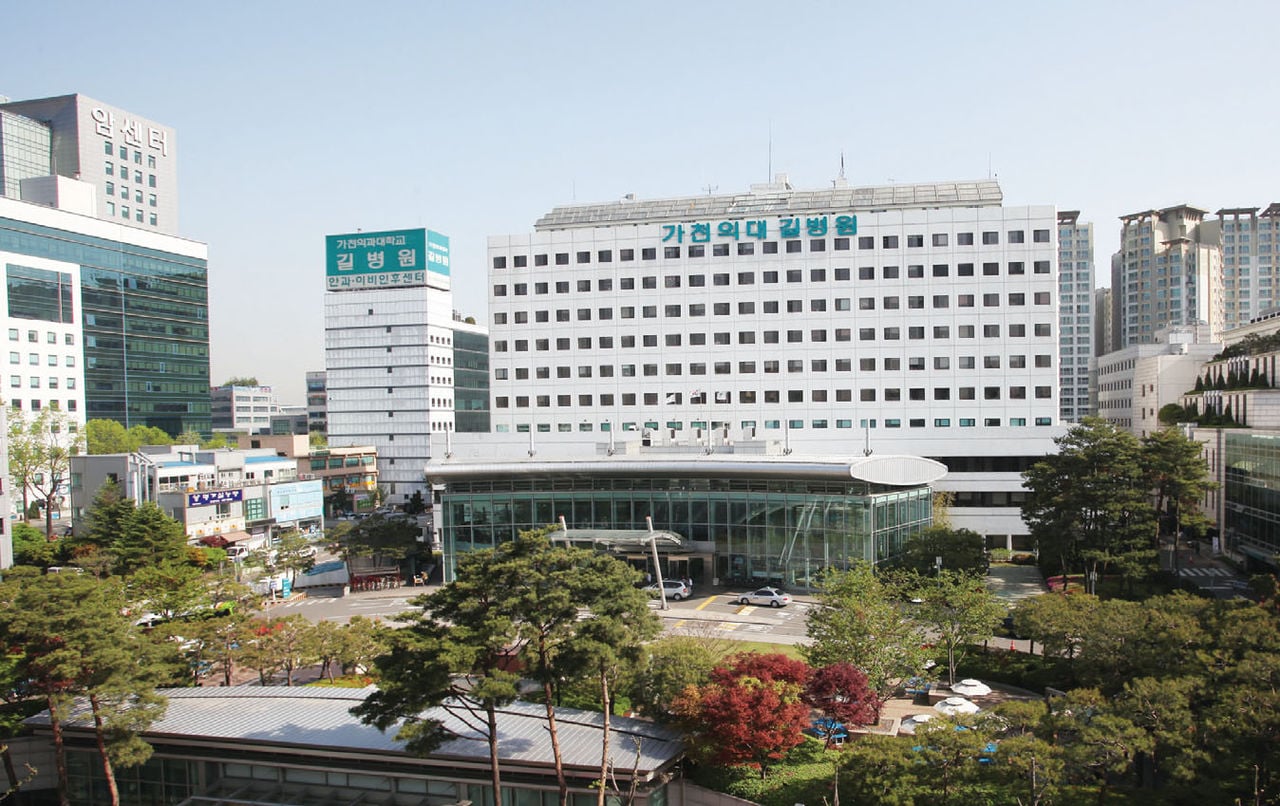




Bumin Hospital Seoul
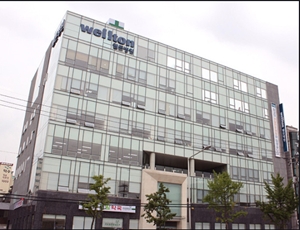
Wellton Hospital

Wiltse Memorial Hospital

احصلوا على تقييم طبي لـ تشوه الأروح في كوريا الجنوبية: استشيروا أطباء ذوي خبرة الآن
عرض جميع الأطباء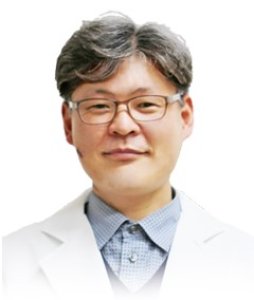
Yang Yeongjun
الدكتور يانغ يونغجون جرّاح عظام متخصص في رعاية المفاصل وتنظيرها. يعالج اضطرابات الركبة والكتف، ويُجري الجراحة التنظيرية للمفاصل واستبدال المفاصل (رأب المفصل). كما يعالج الرضوض والحالات المرتبطة بالرياضة، بما في ذلك إصابات الرياضيين، ومشكلات القدم والكاحل، ومتلازمة النفق الرسغي، والكسور.
أكمل برنامج الإقامة في جراحة العظام بالمركز الطبي الكاثوليكي، ثم زمالة في مستشفى سانت بول التابع للمركز نفسه. وهو عضو عامل في جمعية التنظير المفصلي الكورية، وجمعية الركبة الكورية، وجمعية الكتف والمرفق ا
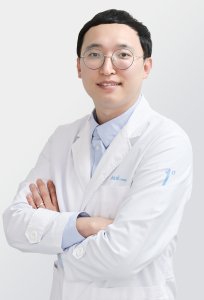
Woo Kyung Kwak
الدكتور وو كيونغ كواك جرّاح عظام يختص بجراحات القدم والكاحل طفيفة التوغل (MICA لعلاج إبهام القدم الأروح). يعالج أيضًا إصابات الرياضيين ويُجري الاستبدال الكلي لمفصل الركبة، إضافةً إلى التنظير المفصلي المتقدّم للكتف والركبة.
حصل على درجتي الطب (MD) والماجستير (MS) من جامعة تشونّام الوطنية، وأكمل زمالة في مستشفى جامعة تشونّام الوطنية. شغل منصب رئيس قسم جراحة العظام في مستشفى القوات المسلحة بدايجون، وكان عضوًا رفيعًا في لجنة التحقيق الطبي بوزارة الدفاع الوطني.
هو عضو عامل في الجمعيا
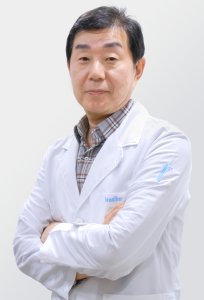
Jang Hyo Kim
الدكتور جانغ هيو كيم جرّاح عظام يركّز على الحفاظ على المفاصل وإعادة البناء المعقّدة. يختص بمناظير المفاصل للكتف والركبة والكاحل والمرفق والمعصم. يُجري استبدال مفاصل الكتف والركبة والكاحل والمرفق والورك. يشمل عمله في العمود الفقري تثبيت ودمج الفقرات العنقية والقطنية. كما يُجري استئصال القرص، واستئصال الصفيحة الفقرية، وترميم الأعصاب، ورأب الفقرة. وتشمل ممارسته علاج الكسور وإصلاح العضلات والأربطة.
هو أستاذ منتسب في جامعة كيونغ هي، ويشغل منصب مدير مركز المفاصل في مستشفى فيري غود. وشغل سابق

Seongcheol Moon
رئيس قسم جراحة العظام في مستشفى نانوري – متخصص في حالات المفاصل المعقدة بما في ذلك تشوه الأروح.
- حاصل على زمالة في جراحة الكتف والمرفق من مستشفى جامعة كيونغ هي
- نشر العديد من الدراسات حول ميكانيكا المفاصل والنتائج الجراحية
- عضو نشط في الجمعية الكورية للركبة والجمعية التقويمية للطب الرياضي
- أكثر من 18 سنة من الخبرة الجراحية في جراحة العظام
مشاركة المحتوى
قصص فيديو من مرضى Bookimed
 Anna Leonova
أسئلة متكررة حول علاج تشوه الأروح في كوريا الجنوبية
ما هو الجدول الزمني للتعافي بعد جراحة إبهام القدم الأروح (الورم الملتهب)، ومتى يمكنني المشي والعودة إلى العمل؟
يستغرق التعافي الكامل عادةً 3 أشهر. يبدأ المشي الأولي فوراً أو في غضون أيام باستخدام حذاء جراحي واقٍ. يعود العديد من المرضى إلى العمل المكتبي في غضون أسبوع إلى أسبوعين. أما العمل اليدوي الذي يتطلب الوقوف أو المشي فيتطلب غالباً من 6 إلى 8 أسابيع لضمان السلامة.
- الجدول الزمني للمشي: غالباً ما يُسمح بتحميل الوزن الجزئي فوراً باستخدام أحذية طبية محددة.
- العناية بالجروح: يقوم الجراحون عادةً بإزالة الغرز بعد حوالي 14 يوماً من الإجراء.
- الانتقال إلى الأحذية العادية: ينتقل المرضى عموماً من الأحذية الجراحية إلى أحذية رياضية داعمة بحلول الأسبوع السادس.
- الشفاء التام: يكتمل إعادة تشكيل العظام بحلول الشهر الثالث، مما يسمح بممارسة الرياضات عالية التأثير.
رؤية خبير Bookimed: يركز المتخصصون الكوريون الجنوبيون مثل الدكتور وو كيونغ كواك في مستشفى ليدهيل على جراحة MICA. تستخدم هذه التقنية طفيفة التوغل شقوقاً صغيرة لتسريع الحركة. تُظهر البيانات أن هذه الإجراءات المتقدمة غالباً ما تقلل من متطلبات الرفع بنسبة 80% التي تظهر في الجراحات التقليدية. وهذا يسمح للمرضى بالعودة إلى النشاط الخفيف بشكل أسرع من طرق قطع العظم المفتوحة.
إجماع المرضى: يشير المرضى إلى أنه على الرغم من إمكانية المشي المبكر، إلا أن التورم غالباً ما يستمر لعدة أشهر. يوصي الكثيرون بإبقاء سكوتر الركبة أو عصا المشي جاهزة خلال الأسابيع الستة الأولى للتعامل مع التعب.
كيف يتم إجراء التقنيات الجراحية لتشوه الأروح (valgus) في كوريا، وما الذي يجعلها متقدمة؟
تستخدم التقنيات الجراحية لتشوه الأروح في كوريا أنظمة مساعدة روبوتية ونهجاً طفيف التوغل مثل MICA. يحقق الجراحون دقة دون المليمتر في قطع العظام وموازنة الأنسجة الرخوة لاستعادة المحاذاة الميكانيكية. تدمج هذه المراكز ذات الحجم الكبير التصوير الرقمي والتخطيط ثلاثي الأبعاد للحصول على نتائج مخصصة.
- الجراحة بمساعدة الروبوت: تستخدم المراكز الروبوتات لتحقيق توازن دقيق للأربطة وقطع دقيق لعظم الفخذ.
- تقنية MICA: تصحيح متخصص طفيف التوغل لإبهام القدم الأروح من خلال شقوق صغيرة جداً.
- تثبيت إليزاروف: يتوفر تثبيت خارجي متقدم للمحاذاة الهيكلية المعقدة للأطراف وتصحيحها.
- السلامة الرقمية: تساعد الأنظمة الرقمية مثل BESTcare في منع الأخطاء الطبية أثناء جراحات المفاصل المعقدة.
رؤية خبير Bookimed: تعمل البنية التحتية للرعاية الصحية الرقمية في كوريا على تحسين سلامة العظام بشكل مباشر. تظهر بياناتنا أن المؤسسات الكبرى مثل مستشفى جامعة سيول الوطنية في بوندانغ تستخدم أنظمة رقمية متخصصة للقضاء على الأخطاء اليدوية. حتى أن جراحين مثل الدكتور جانغ هيو كيم يحملون شهادات متقدمة في تقنيات إليزاروف الروسية المحددة، مما يظهر التزاماً بالخبرة العالمية في تصحيح العظام. هذا المزيج من الدقة الرقمية والتدريب المتنوع يفسر معدلات النجاح العالية في حالات الأروح المعقدة.
متى تكون جراحة تصحيح تشوه الأروح ضرورية حقاً بدلاً من الاستمرار في الرعاية التحفظية؟
يوصي أخصائيو العظام في كوريا الجنوبية بجراحة تشوه الأروح عندما تفشل الطرق التحفظية في وقف فقدان الغضاريف أو آلام المفاصل. الجراحة ضرورية للاختلالات الهيكلية الكبيرة. ويشمل ذلك انحراف المحور الميكانيكي بمقدار 10 مليمترات أو أكثر. كما يتطلب عدم الاستقرار الشديد أو تلف الأربطة تدخلاً جراحياً.
- فشل الرعاية التحفظية: الجراحة ضرورية عندما يستمر الألم بعد العلاج الطبيعي واستخدام تقويم العظام.
- الانحراف الهيكلي: يتطلب التحول بمقدار 10 مليمترات نحو الجانب الجانبي تصحيحاً.
- تلف المفاصل التدريجي: يمنع الإجراء فقدان الغضاريف السريع في حجرة الركبة.
- الضعف الوظيفي: يشير عدم الاستقرار الكبير أو السقوط المتكرر إلى أن استخدام الدعامة غير كافٍ.
رؤية خبير Bookimed: تستخدم العيادات الكورية الجنوبية مثل مستشفى جامعة سيول الوطنية في بوندانغ أنظمة أمان رقمية وتصوير بالذكاء الاصطناعي لتخطيط التشوهات. بينما تركز الرعاية العامة على الألم، غالباً ما يستخدم الأخصائيون الكوريون تقنيات MICA طفيفة التوغل أو تثبيت إليزاروف الخارجي. يستهدف هذا النهج التصحيح الهيكلي مع الحد الأدنى من الندوب. يجب أن يلاحظ المرضى أن مراكز مثل مستشفى سيفيرانس تدير أكثر من مليون مريض خارجي سنوياً. غالباً ما يؤدي هذا الحجم الكبير إلى نتائج جراحية أكثر دقة لإعادة المحاذاة الميكانيكية المعقدة.
إجماع المرضى: يؤكد المرضى أن صعوبة المشي وعدم استقرار المفاصل هي محفزات للجراحة أكثر أهمية من مظهر الساق. يقترح الكثيرون التصرف قبل تفاقم التشوه لتجنب عملية تعافٍ أكثر صعوبة لاحقاً.
ما هي العوامل التي تحدد ما إذا كنت مرشحاً جيداً لجراحة إبهام القدم الأروح طفيفة التوغل في كوريا؟
عادةً ما يعاني المرشحون الجيدون لجراحة إبهام القدم الأروح طفيفة التوغل في كوريا من تشوه أروح خفيف إلى متوسط. تعتمد الأهلية على كثافة العظام ومرونة المفاصل وغياب التهاب المفاصل الشديد. تقوم المراكز المعتمدة من قبل JCI في سيول بتقييم هذه العوامل باستخدام أشعة سينية رقمية متخصصة لضمان إعادة المحاذاة بدقة.
- شدة التشوه: مثالية للحالات الخفيفة إلى المتوسطة دون تداخل كبير في إصبع القدم الكبير.
- صحة المفاصل: تحدث أفضل النتائج عندما لا يعاني المرضى من التهاب مفاصل شديد أو تلف في الغضاريف.
- جودة العظام: يجب أن يتمتع المرشحون بكثافة عظام كافية لدعم التثبيت بالبراغي المتخصصة.
- المرونة: تعتبر أورام القدم المرنة جزئياً أكثر ملاءمة لتقنيات الشق الصغير من التشوهات الصلبة.
رؤية خبير Bookimed: في حين أن العديد من المستشفيات الكورية تسوق لخيارات طفيفة التوغل، فإن جراحين مثل الدكتور وو كيونغ كواك في مستشفى Leadheal متخصصون تحديداً في جراحة MICA. تستخدم هذه التقنية من الجيل الثالث مثاقب وطرق تثبيت متميزة. يجب على المرضى إعطاء الأولوية للأطباء الحاصلين على تدريب تخصصي في MICA بدلاً من الخبرة في جراحة العظام العامة.
إجماع المرضى: يشير المرضى إلى أن الأهلية تعتمد بشكل كبير على التدريب المحدد للجراح. ويؤكدون على الحصول على شرح واضح لعدد قطع العظام المطلوبة قبل الالتزام.
هل توجد بدائل غير جراحية فعالة، ومتى تكون كافية؟
تشمل الخيارات غير الجراحية الفعالة لتشوه الأروح (valgus) استخدام التقويم، والدعامات، والعلاج الطبيعي للتحكم في الألم وتحسين الحركة. تكون هذه العلاجات كافية عندما يكون التشوه خفيفاً ومستقراً ولا يسبب ضعفاً كبيراً في المشي. فهي تعالج الأعراض ولكنها لا تصحح تشريحياً اختلال محاذاة العظام الهيكلية.
- الأدوات التحفظية: تعمل التقويمات المخصصة وتعديلات الأحذية على تقليل حمل المفاصل وتحسين القدرة على المشي.
- العلاج الوظيفي: تدعم تمارين التقوية استقرار المفاصل وتساعد في الحفاظ على النشاط البدني اليومي.
- إدارة الأعراض: يؤدي تعديل الوزن وتعديل النشاط إلى تأخير الجراحة عن طريق تقليل الإجهاد الميكانيكي على المفصل.
- المعايير السريرية: تكون الرعاية غير الجراحية كافية فقط للحالات الخفيفة والمرنة دون تدهور وظيفي مستمر.
رؤية خبير Bookimed: غالباً ما يستخدم جراحو العظام في كوريا الجنوبية التمييز بين التشوهات المرنة والثابتة لتحديد العلاج. بينما تركز العديد من المراكز العامة على الدعامات القياسية، تقدم العيادات المتخصصة مثل مستشفى Leadheal جراحة MICA. يسد هذا النهج طفيف التوغل الفجوة للمرضى الذين يرغبون في شقوق أصغر عندما تفشل الرعاية التحفظية. تظهر بياناتنا أن كبار المتخصصين مثل الدكتور سيونغ هيون كيم غالباً ما يعالجون حالات معقدة حيث انتظر المرضى طويلاً للتدخل الجراحي.
إجماع المرضى: يلاحظ المرضى أنه على الرغم من أن الدعامات تساعد في تخفيف الألم اليومي، إلا أنها لا تقوم فعلياً بتقويم الطرف بمجرد أن يصبح التشوه هيكلياً. يؤكد الكثيرون على
كيف تسير الرعاية ما بعد الجراحة والعلاج الطبيعي في كوريا للسياح الطبيين؟
تتضمن الرعاية الكورية ما بعد الجراحة لتشوه الأروح (valgus deformity) تعبئة منظمة وتصويرًا متقدمًا داخل مرافق معتمدة من قبل اللجنة الدولية المشتركة (JCI). يبدأ المرضى عادةً بتمارين الحركة المبكرة في غضون 24 إلى 48 ساعة. توفر الأقسام الدولية المخصصة تعليمات دوائية مترجمة وبروتوكولات متابعة عن بُعد لضمان تعافٍ آمن بعد الخروج من المستشفى.
- التعبئة المبكرة: يبدأ العلاج الطبيعي بحركات أساسية ومساعدة في المشي في غضون أيام.
- المراقبة الرقمية: تستخدم مستشفيات مثل مستشفى جامعة سيول الوطنية في بوندانغ أنظمة BESTcare الرقمية للمراقبة.
- إدارة الجروح: تشمل البروتوكولات المتخصصة فحوصات سريرية منتظمة وتغيير الضمادات بشكل احترافي قبل الخروج.
- تنسيق الخروج: توفر المراكز الدولية خطط إعادة تأهيل مكتوبة وصريحة للرعاية المستمرة في المنزل.
رؤية خبير Bookimed: تظهر البيانات من أكثر من 70 عيادة كورية اتجاهًا قويًا نحو التعافي الرقمي أولاً. تستخدم مستشفيات مثل مركز أسوان الطبي ومستشفى سيفيرانس الذكاء الاصطناعي والطب عن بُعد لسد الفجوة للمرضى الدوليين. بينما يركز الكثيرون على الجراحة نفسها، فإن اختيار عيادة ذات تصنيفات عالمية عالية، مثل أفضل 5 أنظمة سريرية في كوريا، يضمن الوصول إلى أدوات المراقبة عن بُعد هذه التي تعتبر حاسمة لمرضى العظام الذين يسافرون لمسافات طويلة.
إجماع المرضى: يشير المرضى إلى أنه على الرغم من أن النظام الطبي منظم للغاية وسريع، إلا أن جلسات العلاج الطبيعي الفعلية في المستشفى قد تبدو موحدة. من الضروري ترتيب النقل من المطار وا