علاج سرطان الخصية في إسرائيل — احصل على 3 عيادات مختارة خصيصاً لك


تمت مراجعة المقالة طبيا من قبل
فهد مولود
كيف نعمل؟
ما هي تكلفة سرطان الخصية إجراءات التشخيص والعلاج في إسرائيل؟ اعرف الآن
من $1,500
تكاليف علاج سرطان الخصية النموذجية في إسرائيل
- فحص PET-CT: من $1,500
- استشارة طبيب أورام: من $700
- مراجعة الأنسجة المرضية: من $500
- فحص الأشعة المقطعية (CT): من $550
رؤية خبراء Bookimed: يجب على المرضى الذين يبحثون عن رعاية عالية الدقة التفكير في مركز سوراسكي الطبي، الذي يسجل معدل نجاح في علاج الأورام بنسبة 90%. بالنسبة لحالات المسالك البولية المعقدة، يقدم خبراء مثل الدكتور ديفيد ساريد خبرة متخصصة في جراحة المسالك البولية السرطانية مدعومة بتدريب في المملكة المتحدة. توفر الخيارات الخاصة مثل مركز أسوتا الطبي أعلى درجات المرونة لجدولة العمليات الجراحية. يستفيد المرضى في المراحل المبكرة بشكل أكبر من مسارات التشخيص السريع المتاحة في هذه المرافق المعتمدة من قبل اللجنة الدولية المشتركة (JCI).
| إسرائيل | تركيا | إسبانيا | |
|---|---|---|---|
| بدلة الخصية | ≈ $3,200 | من $5,300 | من $5,000 |
| العلاج الكيميائي لسرطان الخصية | ≈ $9,000 | ≈ $3,500 | ≈ $6,500 |
| العلاج الكيميائي لسرطان الثدي | ≈ $22,500 | من $3,000 | من $1,700 |
| العلاج الإشعاعي لسرطان القولون والمستقيم | ≈ $14,000 | من $5,000 | من $7,500 |
| العلاج الإشعاعي لسرطان الخصية | ≈ $9,000 | ≈ $4,500 | من $4,000 |
اكتشف أفضل سرطان الخصية العيادات في إسرائيل: 13 خيارات معتمدة والأسعار







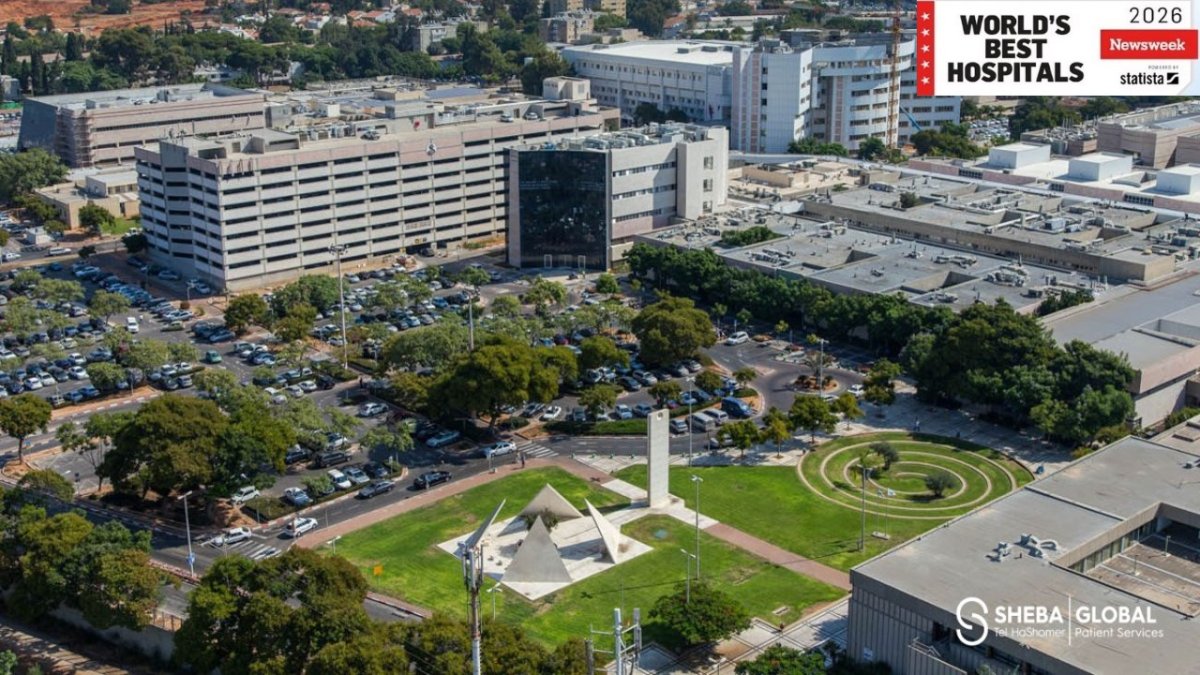





Soroka Medical Center


Herzliya Medical Center
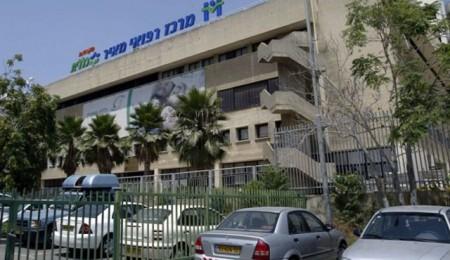
Meir Medical Center

Kaplan Medical Center
احصل على تقييم طبي لـ في إسرائيل. استشر الآن 12 أطباء ذوي الخبرة.
عرض جميع الأطباء
David Sarid
يرأس الدكتور ساريد قسم الأورام والمسالك البولية والعلاج الإشعاعي في مركز إيخيلوف الطبي، ويتمتع بخبرة واسعة في علاج سرطان الخصية.
- متخصص في طب المسالك البولية السرطانية في جامعة أكسفورد
- باحث رئيسي في التجارب السريرية لعلاجات السرطان
- نشر أكثر من 30 مقالاً حول علاج السرطان
- عضو في جمعيات الأورام الأوروبية والأمريكية

Ofer Merimsky
يرأس البروفيسور ميريمسكي وحدة أورام الأنسجة الرخوة والعظام في مركز سوراسكي الطبي مع تركيز متخصص على السرطانات النادرة.
- 41 سنة مكرسة لأورام الساركوما والأورام النادرة
- تدرب في معهد غوستاف روسي - المركز الرائد في أوروبا لعلاج الساركوما
- عضو في هيئة تدريس الساركوما التابعة لـ ESMO ومجموعات بحثية دولية
- نشر العديد من الأبحاث حول علاجات الساركوما الجديدة

Amit Tirosh
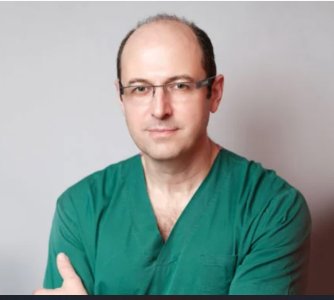
البروفيسور أميت تيروش استشاري أول في الغدد الصماء ورئيس وحدة الأورام العصبية الصمّاوية في مركز شيبا الطبي. يختصّ في الأورام العصبية الصمّاوية (NETs).
يركّز عمله على متلازمات الأورام العصبية الصمّاوية الوراثية. له ارتباط بحثي بالمعاهد الوطنية للصحة (NIH) في أبحاث متلازمة الأورام الصمّاوية المتعددة من النوع الأول (MEN1). وهو عضو في لجنة خبراء دولية لمتلازمة فون هيبل–ليندو (VHL) وأسهم في إعداد إرشادات تدبيرها. وهو جهة الاتصال الرئيسية في العيادة متعددة التخصصات لمتلازمة VHL في شيبا.
<
Yuri Goldes
الدكتور يوري غولدس جرّاح عام يتمتع بأكثر من 20 عامًا من الخبرة السريرية. يختص بجراحات الجهاز الهضمي العلوي وجراحة الأورام. يشغل منصب نائب مدير قسم الجراحة العامة وزراعة الأعضاء في مركز شيبا الطبي بتل أبيب، ويرأس وحدة جراحة الجهاز الهضمي العلوي. أُدرِج ضمن قائمة أفضل أطباء فوربس إسرائيل لعام 2025، ومُصنّف ضمن أفضل جراحي الجهاز الهضمي في إسرائيل بحسب فوربس. في 2019، نال جائزة «طبيب العام» من وزارة الصحة الإسرائيلية.
خبير في الجراحة طفيفة التوغل والمتقدمة والروبوتية. يعالج فتق الحجاب الحا
مواد ذات صلة

دليل تكلفة علاج سرطان الخصية: الأسعار وأفضل المستشفيات
كتب بواسطة Anna Leonova
مشاركة المحتوى
قصص فيديو من مرضى Bookimed
 Anna Leonova
أسئلة متكررة حول علاج سرطان الخصية في إسرائيل
ما هي طرق العلاج الأساسية المستخدمة في إسرائيل لسرطان الخصية؟
تعالج إسرائيل سرطان الخصية باستخدام استئصال الخصية الإربي الجذري كمعيار جراحي أساسي. وتُبلغ مراكز متخصصة مثل مركز سوراسكي الطبي عن معدلات بقاء على قيد الحياة تتراوح بين 90% و95%. تشمل البروتوكولات المتقدمة استئصال العقد الليمفاوية خلف الصفاق بمساعدة الروبوت والعلاج الكيميائي بجرعات عالية مع دعم الخلايا الجذعية.
- التدخل الجراحي: يقوم استئصال الخصية الإربي بإزالة الورم مع منع انتشار السرطان محلياً.
- العلاج الكيميائي المتقدم: يستخدم المتخصصون بروتوكول BEP الذي يضم بليوميسين، إيتوبوسيد، وسيسبلاتين.
- استئصال العقد الليمفاوية الروبوتي (RPLND): يستخدم الجراحون أنظمة دافنشي لإزالة العقد الليمفاوية بدقة.
- الحفاظ على الخصوبة: توفر العيادات بشكل روتيني بنوك الحيوانات المنوية قبل بدء العلاجات الجهازية المكثفة.
رؤية خبير Bookimed: تتعامل مراكز الأورام الإسرائيلية مثل شيبا وسوراسكي مع أعداد هائلة من المرضى، حيث يعالج مركز شيبا 1.9 مليون مريض سنوياً. يسمح هذا النطاق للجراحين بالتخصص الدقيق في سرطانات المسالك البولية النادرة. في حين يركز العديد من المرضى على الجراحة الأولية، فإن الفائدة طويلة المدى في إسرائيل هي دمج التنميط الجيني وتقنية CAR-T المتاحة في مواقع مثل شيبا للحالات المقاومة.
إجماع المرضى: غالباً ما يؤكد المرضى على الارتياح لوجود فريق متعدد التخصصات يدير كل شيء بدءاً من الغرسات التعويضية وصولاً إلى إعادة التأهيل بعد السرطان. يشير الكثيرون إلى أن سرعة فحوصات PET-CT التشخيصية في تل أبيب والقدس كانت حاسمة لراحة بالهم.
هل سيؤثر العلاج على خصوبتي؟
علاجات سرطان الخصية مثل استئصال الخصية تحافظ عادةً على الخصوبة إذا بقيت خصية واحدة سليمة. ومع ذلك، فإن العلاج الكيميائي والإشعاعي والجراحات الموسعة مثل استئصال العقد اللمفاوية مع الحفاظ على الأعصاب قد تؤثر على إنتاج الحيوانات المنوية أو قذفها. يوصي الخبراء بتجميد الحيوانات المنوية قبل بدء هذه العلاجات الجهازية أو الحوضية لضمان خيارات إنجابية مستقبلية.
- بنك الحيوانات المنوية: قم بتجميد العينات فور التشخيص لتقليل المخاطر الناتجة عن العلاجات اللاحقة.
- تأثير استئصال الخصية: إزالة خصية واحدة تسمح عادةً للخصية المتبقية بالحفاظ على الخصوبة.
- مخاطر العلاج الكيميائي: قد تسبب الأدوية الجهازية فقدان النطاف المؤقت أو الدائم في 50% من الحالات.
- جراحة الحفاظ على الأعصاب: يستخدم الجراحون في مراكز مثل مركز شيبا الطبي تقنيات لتجنب خلل القذف.
رؤية خبير Bookimed: بينما يركز معظم المرضى على الجراحة، تشير بياناتنا من مركز سوراسكي الطبي إلى أن نافذة التعافي الأكثر أهمية هي أول 18 شهرًا بعد العلاج الكيميائي. اختيار متخصص مثل الدكتور زوهار دوتان، الذي يرأس الجمعية الإسرائيلية لأورام المسالك البولية، يضمن الوصول إلى بروتوكولات الحفاظ على الأعصاب التي تحمي القدرة الجسدية على الإنجاب بشكل طبيعي أثناء علاج الورم الأولي.
إجماع المرضى: يؤكد المرضى على أهمية تجميد الحيوانات المنوية حتى لو بدا طبيب الأورام متفائلًا. ويشيرون إلى أن الحمل الطبيعي شائع بعد الجراحة وحدها، ولكن تحليل السائل المنوي على فترات 6 أشهر أمر حيوي بعد العلاج الكيميائي.
كيف ستؤثر الجراحة على مظهري الجسدي ووظيفتي الجنسية؟
تحافظ جراحة سرطان الخصية في إسرائيل على المظهر الجسدي والوظيفة الجنسية من خلال تقنيات متقدمة للحفاظ على الأعصاب وإعادة البناء التجميلي. يحافظ معظم المرضى على الانتصاب والإحساس الطبيعي بعد استئصال الخصية من جانب واحد. تساعد خيارات مثل الأطراف الصناعية للخصية والإجراءات الروبوتية طفيفة التوغل في ضمان نتائج تجميلية متناظرة وتعافي جسدي أسرع.
- المظهر الجسدي: يستخدم الجراحون شقوقاً صغيرة تتراوح بين 1 إلى 2 بوصة (2.5-5 سم) والتي تتلاشى عادةً في غضون أشهر.
- الترميم التجميلي: تقدم عيادات مثل أسوتا (Assuta) أطرافاً صناعية للخصية للحفاظ على التناظر الطبيعي لكيس الصفن.
- الوظيفة الجنسية: تقلل تقنيات الحفاظ على الأعصاب في مركز سوراسكي الطبي (Sourasky Medical Center) من مخاطر القذف الجاف.
- التوازن الهرموني: تعوض الخصية المتبقية عادةً إنتاج هرمون التستوستيرون في غضون بضعة أسابيع.
رؤية خبير Bookimed: تعطي مراكز الأورام الإسرائيلية مثل شيبا (Sheba) وسوراسكي الأولوية لنهج الحفاظ على الأعضاء والأعصاب لحماية الخصوبة والصحة الجنسية في المستقبل. يتخصص الدكتور زوهار دوتان والدكتور جاك بانييل في جراحة المسالك البولية الروبوتية، مما يقلل من صدمة الأنسجة مقارنة بالجراحة التقليدية. تظهر البيانات أن اختيار جراح يقوم بعدد كبير من هذه الإجراءات الدقيقة يزيد بشكل كبير من احتمالية الحفاظ على وظيفة القذف الطبيعية.
إجماع المرضى: يشير المرضى إلى أن ندبة الجراحة تصبح غير مرئية تقريباً بمرور الوقت ولا تظهر تحت ملابس السباحة. يؤكد الكثيرون أنه على الرغم م
هل جراحة الحفاظ على الأعضاء خيار بديل لاستئصال الخصية؟
تعد جراحة الحفاظ على الأعضاء خياراً متاحاً في إسرائيل لحالات معينة من سرطان الخصية. هذا الإجراء، المعروف باسم استئصال الخصية الجزئي، يعطي الأولوية للوظيفة الهرمونية والإنجابية. يتم النظر فيه بشكل أساسي للكتل الصغيرة غير المحسوسة أو المرضى الذين لديهم خصية واحدة وظيفية.
- أهلية المريض: غالباً ما يكون لدى المرشحين أورام صغيرة أو كتل خصوية ثنائية.
- الحفاظ على الوظيفة: يتم الحفاظ على إنتاج التستوستيرون الطبيعي في 80% إلى 90% من الحالات.
- السلامة الجراحية: يستخدم الجراحون الفحص المجهري المجمد أثناء الجراحة (FSE) للتحقق من حالة حواف الورم.
- الأداء الأورامي: تبلغ المراكز الرائدة مثل سوراسكي عن معدل نجاح متوسط في علاج الأورام بنسبة 90%.
رؤية خبير Bookimed: تخدم مراكز الأورام الإسرائيلية مثل سوراسكي ومركز شيبا الطبي أكثر من 1.8 مليون مريض سنوياً. يسمح حجم العمليات الجراحية الكبير لديهم بمراجعة متخصصة لعلم الأنسجة للخزعات السابقة. غالباً ما يحدد هذا الرأي الثاني ما إذا كان نهج الحفاظ على الأعضاء آمناً قبل بدء الجراحة. إنها خطوة حاسمة للمرضى الذين يسعون لتجنب العلاج بالهرمونات البديلة مدى الحياة.
إجماع المرضى: يقدر المرضى مستوى الاهتمام العالي في المراكز الخاصة مثل مركز أسوتا الطبي. ويشيرون إلى أن اختيار جراحهم المعالج يوفر راحة بال كبيرة أثناء الإجراءات المعقدة.
ما هي الأسئلة التي يجب أن أطرحها في استشارتي الأولى في إسرائيل؟
خلال استشارتك الأولى في إسرائيل، اسأل عن التقنيات الجراحية للحفاظ على الأعصاب وخبرة طبيب المسالك البولية والأورام الخاص بك. وضح علامات الورم المحددة لديك مثل AFP و HCG. أكد مرحلة المرض وناقش خيارات الحفاظ على الخصوبة. غالبًا ما تستخدم المراكز الإسرائيلية طرقًا بمساعدة الروبوت للإجراءات المعقدة.
- الحفاظ على الخصوبة: اسأل عما إذا كان تجميد الحيوانات المنوية ضروريًا قبل العلاج الكيميائي أو الإشعاعي.
- النهج الجراحي: استفسر عما إذا كان استئصال العقد الليمفاوية خلف الصفاق (RPLND) بمساعدة الروبوت خيارًا قابلاً للتطبيق.
- علامات الورم: اطلب تفسيرًا مفصلاً لمستويات AFP و HCG و LDH.
- خبرة الطبيب: تأكد مما إذا كان جراحك قد أجرى أكثر من 1000 عملية جراحية في مجال المسالك البولية والأورام.
رؤية خبير Bookimed: تظهر بياناتنا أن مراكز الأورام الإسرائيلية مثل شيبا وسوراسكي تعمل بأحجام كبيرة من المرضى، وغالبًا ما تتجاوز مليون مريض سنويًا. يسمح هذا الحجم الكبير لأطباء مثل الدكتور زوهار دوتان بالتخصص في جراحات الروبوت المتخصصة التي تحافظ على الأعضاء. عند حجز زيارتك، تحقق مما إذا كانت العيادة حاصلة على اعتماد JCI. وهذا يضمن أن المنشأة تلبي معايير السلامة العالمية الصارمة لإجراءات السرطان المعقدة.
إجماع المرضى: يؤكد المرضى على ضرورة مناقشة الآثار طويلة المدى على هرمون التستوستيرون والوظيفة الجنسية في وقت مبكر. يقترح الكثيرون إحضار مرافق للمساعدة في تتبع التفاصيل أثناء المناقشات الطبية السريعة.
ما مدى سرعة بدء العلاج في المستشفيات الخاصة مقارنة بالمستشفيات الحكومية في إسرائيل؟
تبدأ المستشفيات الخاصة في إسرائيل عادةً في تشخيص سرطان الخصية في غضون 4 إلى 5 أيام عمل. وغالباً ما تواجه المستشفيات الحكومية طوابير انتظار أطول. قد تستغرق استشارات المتخصصين في القطاع العام من 24 إلى 40 يوماً. يسمح اختيار المرافق الخاصة للمرضى بجدولة العمليات الجراحية فور التشخيص.
- سرعة التشخيص: تكمل المراكز الخاصة الفحوصات في غضون أسبوع واحد من الوصول.
- أوقات الانتظار العامة: يستغرق المتخصصون في المجتمع ما متوسطه 24 يوماً للحصول على موعد أولي.
- نوع المستشفى: توفر المرافق غير الربحية أوقات انتظار أقصر بنسبة 32% من المتوسط الوطني.
- الاختلاف الإقليمي: توفر تل أبيب وحيفا وصولاً أسرع من المناطق الطرفية.
رؤية خبير Bookimed: تُظهر البيانات أن المراكز ذات الحجم الكبير مثل مركز أسوتا الطبي تجري 92,000 عملية جراحية سنوياً. يسمح هذا النطاق الهائل للمرافق الخاصة بتجاوز فترات الانتظار التي تبلغ 40 يوماً في القطاع العام في تل أبيب. غالباً ما يختار المرضى هذه المراكز تحديداً لاختيار الجراح ونوع الغرفة بأنفسهم.
إجماع المرضى: يلاحظ المرضى أن سرعة الرعاية الخاصة تقلل من قلق الانتظار. ويؤكد الكثيرون أن وجود برنامج منظم مسبقاً يساعد في إدارة الخدمات اللوجستية بسلاسة أثناء العلاجات العاجلة.
لماذا تُعد إسرائيل واحدة من الوجهات الرائدة في جراحة الأعصاب؟
تُعدّ إسرائيل مركزًا رائدًا في جراحة الأعصاب بفضل مزيجها من التطورات الطبية عالية التقنية والخبرات الجراحية المتميزة. وتستخدم مرافق متطورة مثل مركز شيبا الطبي أنظمة ملاحة تعتمد على الذكاء الاصطناعي والتصوير بالرنين المغناطيسي أثناء الجراحة في الوقت الفعلي. وتشير المراكز المتخصصة إلى نسبة نجاح تصل إلى 98% في العمليات الجراحية المعقدة، بما في ذلك جراحة الدماغ مع اليقظة وعلاج اضطرابات الحركة.
- التكنولوجيا المتقدمة: تستخدم العيادات الموجات فوق الصوتية المركزة الموجهة بالرنين المغناطيسي (MRgFUS) والأنظمة الروبوتية لإجراء الشقوق.
- الخبرة الجراحية: يقود جراحون مثل الدكتور تسفي رام جمعيات دولية بخبرة تزيد عن 25 عامًا.
- الوصول السريع: يمكن للمرضى الدوليين عادةً تحديد مواعيد لإجراء عمليات جراحية معقدة في الدماغ أو العمود الفقري في غضون 2-4 أسابيع.
- الرعاية الطبية المعتمدة: المراكز الكبيرة مثل سوراسكي (إيشيلوف) وأسوتا معتمدة من قبل اللجنة الدولية المشتركة، مما يؤكد سلامتها.
رأي خبراء بوكيمد: تُظهر البيانات فرقًا واضحًا بين خيارات العلاج في القطاعين العام والخاص في إسرائيل. تُجري المراكز الخاصة، مثل مركز أسوتا الطبي، أكثر من 92,000 عملية جراحية سنويًا، وتتيح للمرضى اختيار جراح را
ما هي أنواع الأمراض العصبية التي يتم علاجها في إسرائيل؟
يعالج جراحو الأعصاب الإسرائيليون طيفاً واسعاً من الحالات، بدءاً من أورام الدماغ والحبل الشوكي وصولاً إلى الاضطرابات الوظيفية المعقدة. وتستخدم المراكز المتخصصة أحدث التقنيات، مثل جهاز جاما نايف، والتحفيز العميق للدماغ، والتصوير بالرنين المغناطيسي أثناء الجراحة، لتشخيص دقيق للغاية لحالات الصرع، ومرض باركنسون، وأمراض الأوعية الدموية الدماغية.
- الأمراض السرطانية: علاج الأورام الدبقية والأورام السحائية وأورام الغدة النخامية باستخدام استئصال قاعدة الجمجمة.
- الاضطرابات الوظيفية: علاج مرض باركنسون والرعاش الأساسي باستخدام التحفيز العميق للدماغ.
- أمراض العمود الفقري: تصحيح الجنف، وانزلاق الغضروف، وأورام العمود الفقري باستخدام الأنظمة الروبوتية.
- علاج أمراض الأوعية الدموية الدماغية: العلاج الجراحي لتمدد الأوعية الدموية الدماغية والتشوهات الشريانية الوريدية باستخدام التدخلات داخل الأوعية الدموية.
- جراحة الأعصاب للأطفال: رعاية متخصصة لاستسقاء الرأس والتشوهات الخلقية في مراكز طب الأطفال المتخصصة.
رأي خبراء بوكيمد: غالبًا ما تجمع المستشفيات الإسرائيلية بين تخصصات طبية متعددة لمعالجة الحالات المعقدة. ففي مركز سوراسكي ا
ما هي المستشفيات في إسرائيل التي تشتهر بأقسام جراحة الأعصاب فيها؟
تضم إسرائيل مراكز جراحة أعصاب عالمية المستوى، مثل مركز سوراسكي الطبي، ومركز شيبا الطبي، ومركز هداسا الطبي. وتُعدّ هذه المؤسسات رائدة عالميًا في علاج أورام الدماغ المعقدة، وأمراض العمود الفقري، واضطرابات الحركة. وتستخدم أحدث التقنيات، مثل جهاز جاما نايف، والأنظمة الروبوتية، والتصوير بالرنين المغناطيسي أثناء الجراحة.
- سوراسكي (إيخيلوف): يجري أكثر من 2500 عملية جراحية عصبية سنوياً في تل أبيب بنسبة نجاح تبلغ 98%.
- مركز شيبا الطبي: مصنف ضمن أفضل عشرة مستشفيات في العالم، حيث يعالج 1.9 مليون مريض سنوياً.
- مركز هداسا الطبي: مرشح لجائزة نوبل للسلام. رائد في جراحة الأعصاب للأطفال والعلاج الجيني.
- مركز أسوتا الطبي: أكبر منشأة طبية خاصة في إسرائيل. متخصص في جراحات العمود الفقري والدماغ طفيفة التوغل.
- مستشفى شنايدر للأطفال: مركز رائد في جراحة الأعصاب للأطفال، يعالج 275000 طفل سنوياً.
رأي خبراء بوكيمد: تُظهر بياناتنا أنه بينما يلجأ معظم المرضى للعلاج في تل أبيب، يُقدّم مركز رامبام الطبي في حيفا رعايةً فريدةً لإصابات الدماغ. فهو يضم وحدةً متخصصةً للعناية المركزة العصبية تُعالج ما يقارب مليون مريض سنويًا. وهذا ما يجعله
من هم أبرز جراحي الأعصاب في إسرائيل؟
من بين أبرز جراحي الأعصاب الإسرائيليين البروفيسور تسفي رام، والبروفيسور شلومي كونستانتيني، والبروفيسور إسحاق فريد من مركز سوراسكي الطبي. ويشغل هؤلاء المتخصصون مناصب قيادية في الجمعية الأوروبية لجمعيات جراحة الأعصاب (EANS) والجمعية العالمية لجراحة الأعصاب التجسيمية والوظيفية (WSSFN). ويستخدمون تقنيات رسم الخرائط المتقدمة أثناء الجراحة وأنظمة الروبوتات.
- البروفيسور تسفي رام: خبير في جراحة أورام الدماغ طفيفة التوغل والعلاج الجيني للسرطان.
- الأستاذ شلومي كونستانتيني: متخصص في إجراءات التنظير العصبي المعقدة للأطفال والجراحة المجهرية لأورام الدماغ.
- الأستاذ إسحاق فريد: خبير في جراحة الصرع، ورسم خرائط الدماغ الوظيفية، وتحفيز الدماغ العميق.
- الدكتور إيلي أشكينازي: جراح عظام رائد في مستشفى أسوتا، متخصص في نظام TOPS المبتكر.
رأي خبراء بوكيمد: تشير بيانات مركز سوراسكي وشيبا إلى وجود علاقة وثيقة بين ارتفاع عدد العمليات الجراحية وسلامة المرضى. فعلى سبيل المثال، يُجري مركز سوراسكي أكثر من 34,000 عملية جراحية لعلاج الأورام سنويًا بنسبة نجاح تصل إلى 90%. لذا، ينبغي على المرضى الذين يحتاجون إلى استئصال أورام معقدة إعطاء الأولوية لمراكز كهذه، حيث يُجري الجراحون مئات العمليات الجراحية ا