علاج سرطان الخصية في النمسا — احصل على 3 عيادات مختارة خصيصاً لك


تمت مراجعة المقالة طبيا من قبل
فهد مولود
كيف نعمل؟
ما هي تكلفة سرطان الخصية إجراءات التشخيص والعلاج في النمسا؟ اعرف الآن
من $260. تتراوح تكلفة التدخلات الجراحية الأولية مثل استئصال الخصية من $9,000 إلى $15,000، بينما تبلغ تكلفة استئصال العقد اللمفاوية الأكثر تعقيداً من $7,500 إلى $12,500. تعتمد النفقات الإجمالية على بروتوكول العلاج ومستوى العيادة. غالباً ما يوفر المرضى 20-30% مقارنة بالولايات المتحدة. وتتركز معظم الرعاية المتخصصة في فيينا.
تكاليف علاج سرطان الخصية النموذجية في النمسا
- استشارة طبيب الأورام: من $260
- استئصال الخصية: $9,000 – $15,000
- إزالة ورم الخصية: $7,800 – $12,500
- استئصال العقد اللمفاوية: $7,500 – $12,500
- طرف اصطناعي للخصية: $3,600 – $5,600
- العلاج الإشعاعي: من $6,700
- العلاج الكيميائي: $9,500 – $18,000
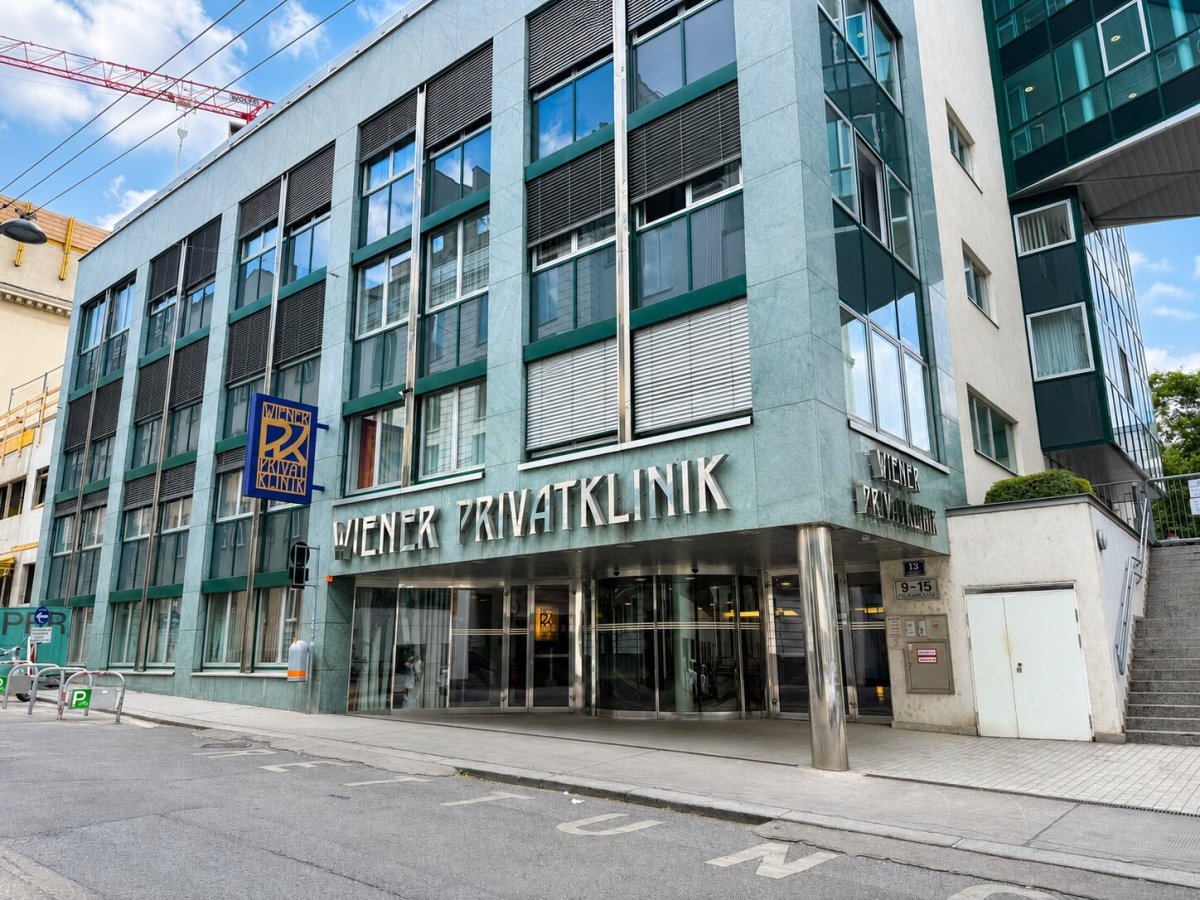
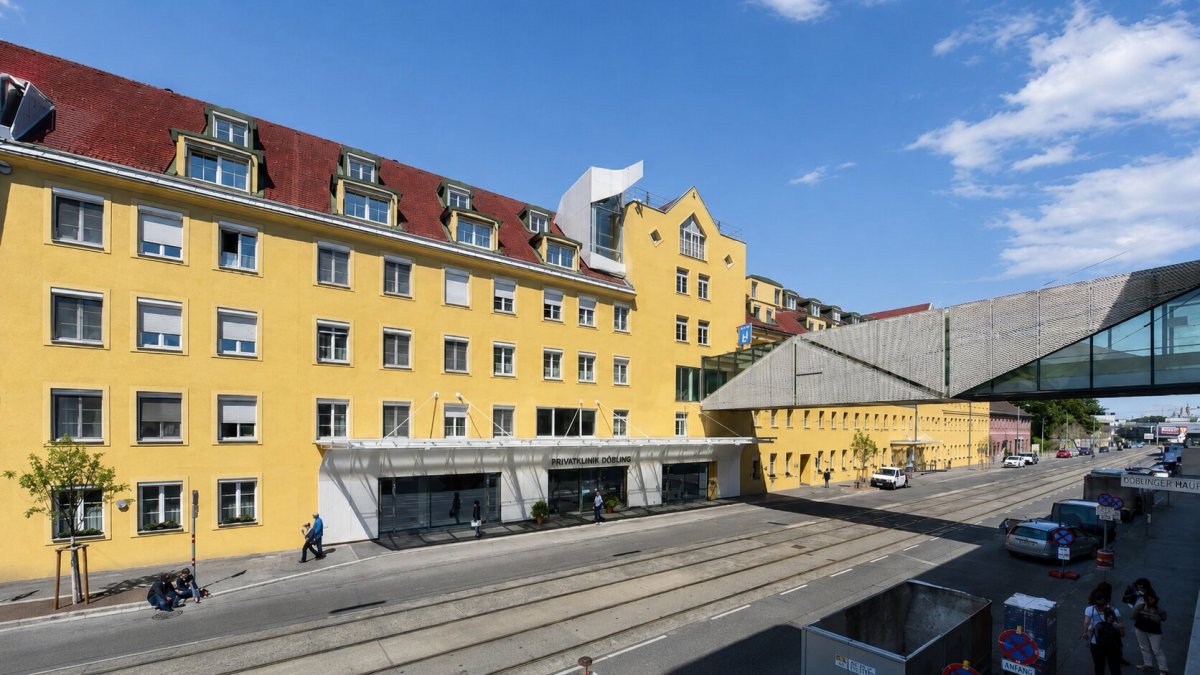
رؤية خبراء Bookimed: يستفيد المرضى الذين يبحثون عن طب شخصي من عيادة فيينا الخاصة (Wiener Privatklinik)، حيث يطبق البروفيسور فولفغانغ كوستلر خبرته المكتسبة من مركز ميموريال سلون كيترينج في العلاجات الموجهة. وبالنسبة لأولئك الذين يعطون الأولوية للسلامة، تُبلغ مستشفى دوبلينج الخاص عن معدلات مضاعفات أقل بكثير من القيم الاسمية. الحالات المتقدمة التي تتطلب رعاية متعددة التخصصات يتم التعامل معها بشكل أفضل في فيينا، حيث يقدم المتخصصون من جامعة فيينا الطبية علاجاً عالي الكفاءة في بيئات خاصة مرموقة.
| النمسا | تركيا | إسبانيا | |
|---|---|---|---|
| بدلة الخصية | ≈ $3,600 | من $4,900 | من $5,000 |
| العلاج الكيميائي لسرطان الخصية | ≈ $9,000 | ≈ $3,500 | ≈ $6,500 |
| العلاج الكيميائي لسرطان الثدي | ≈ $9,500 | من $3,000 | من $1,700 |
| العلاج الإشعاعي لسرطان القولون والمستقيم | من $6,700 | من $5,000 | من $7,500 |
| العلاج الإشعاعي لسرطان الخصية | من $6,700 | ≈ $4,500 | من $4,000 |
اكتشف أفضل سرطان الخصية العيادات في النمسا: 4 خيارات معتمدة والأسعار





احصلوا على تقييم طبي لـ سرطان الخصية في النمسا: استشيروا أطباء ذوي خبرة الآن
عرض جميع الأطباء
Wolfgang Köstler
أخصائي أورام معترف به دوليًا يتمتع بخبرة تزيد عن _doctor_1748_ عامًا في قيادة الأقسام السريرية والأبحاث في علاجات السرطان الموجهة. يمارس الطب الشخصي في عيادة فيينا الخاصة (Wiener Privatklinik).
- خبير في أورام الأورام الصلبة، وخاصة سرطان الثدي والأورام النسائية
- أستاذ مشارك في جامعة فيينا الطبية، يساهم في استراتيجيات علاجية جديدة
- نائب رئيس القسم السريري للأورام، ويعمل على تطوير أبحاث السرطان الانتقالية
- متخصص في تطوير المؤشرات الحيوية والعلاج الجهازي الفردي
مواد ذات صلة

دليل تكلفة علاج سرطان الخصية: الأسعار وأفضل المستشفيات
كتب بواسطة Anna Leonova
مشاركة المحتوى
قصص فيديو من مرضى Bookimed
 Anna Leonova
أسئلة متكررة حول علاج سرطان الخصية في النمسا
ما هي الإرشادات الطبية التي تتبعها المستشفيات النمساوية لعلاج سرطان الخصية؟
في المستشفيات النمساوية، يُجرى علاج سرطان الخصية وفقًا للإرشادات السريرية للجمعية الأوروبية لجراحة المسالك البولية. وتوصي هذه المعايير باستئصال الخصية الأربي الجذري كتدخل جراحي أولي. ويستخدم الأخصائيون بروتوكولات الجمعية الأوروبية للأورام الطبية للعلاج الكيميائي لأورام الخلايا الجرثومية المتقدمة.
- المعيار الجراحي: يقوم الجراحون بإجراء استئصال الخصية الأربي الجذري من خلال شق أربي.
- تحديد مراحل التشخيص: تتطلب البروتوكولات مراقبة إلزامية لعلامات AFP و hCG و LDH.
- العلاج الجهازي: في الحالات المتقدمة، يتم استخدام أنظمة العلاج القائمة على السيسبلاتين مثل BEP أو VIP.
- البحث التعاوني: تشارك النمسا في دراسة المجموعة السويسرية النمساوية الألمانية حول سرطان الخصية.
رأي خبراء بوكيميد: ترتبط مؤشرات جودة علاج سرطان الخصية في فيينا بحجم العمل في المنشأة. تحافظ عيادات مثل عيادة فيينا الخاصة ومستشفى دوبلينغ الخاص على معايير سلامة عالية من خلال شهادة الأيزو. تُظهر البيانات أن المراكز المتخصصة التي تضم أقسامًا مخصصة للأورام تُسجل معدلات مضاعفات أقل. وهذا أمر بالغ الأهمية، إذ يُحدد التشخيص الدقيق لمرحلة المرض ما إذا كان المريض مناسبًا للمراقبة النشطة أو يحتاج إلى علاج كيميائي مكثف.
ما نوع الجراحة المستخدمة لتشخيص وعلاج الورم الأولي؟
يُعدّ استئصال الخصية الأربي الجذري الإجراء الجراحي الأساسي المُستخدم لتشخيص وعلاج سرطان الخصية. يتضمن هذا الإجراء، ذو الغرض المزدوج، إزالة الخصية المشتبه بها بالكامل من خلال شق في منطقة الأربية. ثم يُرسل الجراحون النسيج إلى المختبر لإجراء فحص نسيجي مرضي لتأكيد مدى انتشار السرطان ومرحلته.
- نوع الإجراء: استئصال الخصية الأربي الجذري هو المعيار الذهبي للتشخيص.
- النهج الجراحي: يستخدم الجراحون شقًا في منطقة الفخذ لمنع انتشار السرطان.
- الدور التشخيصي: يقوم أخصائيو علم الأمراض بتحليل الأنسجة المستأصلة لتحديد نوعها النهائي.
- هدف العلاج: بالنسبة للأورام في مراحلها المبكرة، غالباً ما يوفر استئصال الخصية شفاءً تاماً.
رأي خبراء بوكيمد: يُعدّ التنسيق بين فريقي علم الأمراض والجراحة في فيينا أمرًا بالغ الأهمية لتحديد مرحلة المرض بسرعة. في عيادة فيينا الخاصة، يُقدّم العلاج أطباء أورام مرموقون مثل الدكتور فولفغانغ كوستلر، وتُحدّد نتائج علم الأمراض على الفور العلاج المُخصّص، سواءً كان جهازيًا أو مُوجّهًا. نوصي بطلب زراعة خصية اصطناعية قبل الجراحة الأولية لتحقيق أفضل نتيجة تجميلية.
آراء المرضى: يؤكد المرضى على أهمية استخدام
هل سيتم تنفيذ علاجي بواسطة فريق متعدد التخصصات؟
يُجرى علاج سرطان الخصية في النمسا وفق نهج متعدد التخصصات. وتعتمد العيادات الرائدة في فيينا على استشارات الأورام، التي تجمع بين أطباء المسالك البولية وأطباء الأورام وأخصائيي الأشعة. وتضمن هذه الخبرة المشتركة تحديد مرحلة المرض بدقة وتوفير علاج مُخصّص لكل مريض. وتُنسّق المراكز المتخصصة التدخلات الجراحية والعلاج الكيميائي وبروتوكولات المتابعة طويلة الأمد.
- مراجعة مجلس الأورام: يقوم العديد من المتخصصين بمراجعة نتائج التصوير وعلم الأمراض قبل اتخاذ قرار العلاج النهائي.
- الخبرة الجراحية: يقوم أطباء المسالك البولية في مستشفى دوبلينغ الخاص بإجراء عمليات استئصال الخصية واستئصال العقد اللمفاوية بدقة عالية.
- تنسيق علاجات الأورام: يتولى أخصائيون مثل الدكتور فولفغانغ كوستلر إدارة العلاج الجهازي والعلاج المناعي.
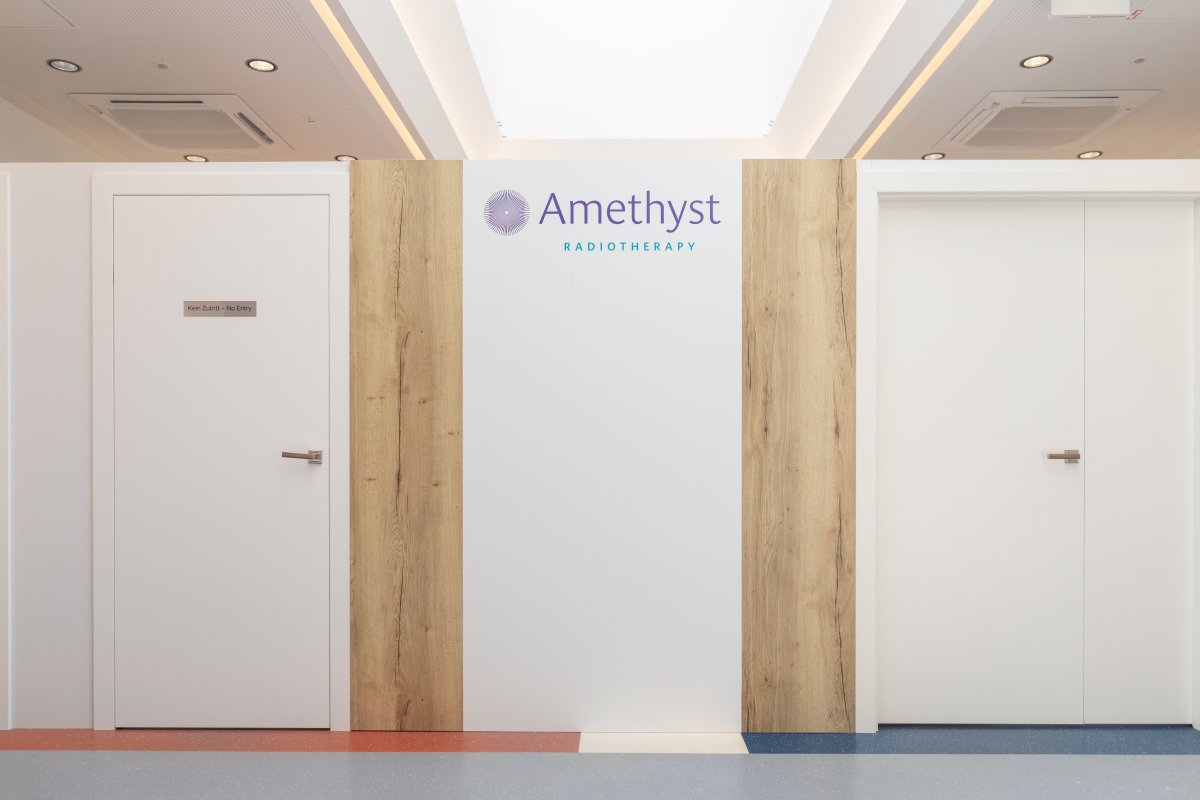
- تخطيط العلاج الإشعاعي: تقوم مرافق مثل مركز أميثيست للعلاج الإشعاعي في النمسا بدمج تقنيات العلاج الإشعاعي المتقدمة في خطط العلاج الخاصة بها.
رأي خبراء بوكيمد: على الرغم من أن العديد من العيادات تقدم خدمات الأورام العامة، إلا أن اختيار منشأة تضم أكثر من 25 قسمًا متخصصًا، مثل عيادة فيينا الخاصة، يوفر ميزة واضحة. إذ يعمل بها حوالي 400 طبيب، العديد منهم أساتذة جامعيون. هذا التركي
هل يمكن أن يؤثر العلاج على خصوبتي؟
قد تؤثر علاجات سرطان الخصية في النمسا، كالعلاج الكيميائي أو استئصال الخصية، بشكل كبير على الخصوبة. ورغم أن استئصال إحدى الخصيتين غالباً ما يحافظ على الأخرى، إلا أن العلاج الإشعاعي والكيميائي قد يُعطّل إنتاج الحيوانات المنوية مؤقتاً أو دائماً. وينصح الأخصائيون في فيينا بتجميد الحيوانات المنوية قبل أي إجراءات علاجية للأورام.
- آثار الجراحة: استئصال الخصية يزيل خصية واحدة ولكنه غالباً ما يحافظ على الخصوبة من خلال الخصية المتبقية.
- مخاطر العلاج الكيميائي: يمكن أن تتسبب أنظمة العلاج الشائعة، مثل BEP، في انخفاضات مؤقتة أو طويلة المدى في عدد الحيوانات المنوية.
- العلاج الإشعاعي: يمكن أن يؤدي الإشعاع في منطقة الحوض إلى تلف الخلايا المنتجة للحيوانات المنوية إذا لم تتم حماية الأنسجة السليمة بشكل كافٍ.
- فترة التعافي: غالباً ما يكون تعافي إنتاج الحيوانات المنوية بطيئاً، وقد يستغرق التعافي الكامل من سنة إلى سنتين.
رأي خبراء بوكيميد: تُظهر البيانات من مؤسسات طبية فييناوية رائدة، مثل مستشفى فيينا الخاص ومستشفى دوبلينغ الخاص، تركيزها الشديد على اتباع نهج متعدد التخصصات في العلاج. ويؤكد العديد من أطباء الأورام، بمن فيهم أعضاء هيئة التدريس في جامعة فيينا الطبية، على أهمية الحفاظ على الخص
هل تتوفر خدمات الحفاظ على الخصوبة في النمسا قبل العلاج؟
يُعدّ الحفاظ على الخصوبة إجراءً قانونياً في النمسا، ويُمارس على نطاق واسع قبل علاج سرطان الخصية. وبموجب قانون الطب التناسلي النمساوي، يحق للمرضى الذين يخضعون لعلاج أو جراحة تؤثر على الغدد التناسلية تجميد الحيوانات المنوية. ويتطلب هذا الإجراء وجود مؤشرات طبية محددة.
- الحق في الإفراج القانوني: للمرضى الذين يخضعون للعلاج الكيميائي أو الجراحة الحق الصريح في تجميد الأمشاج الخاصة بهم.
- طرق التخزين: تقدم مراكز متخصصة في فيينا خدمات تخزين الحيوانات المنوية وحفظ الأجنة بالتجميد.
- الجوانب المالية: عادةً لا يغطي التأمين تكاليف التخزين؛ يدفع المرضى تكاليف التخزين من جيوبهم الخاصة.
- العلاجات المتاحة: توفر مراكز مثل عيادة فيينا الخاصة رعاية الأورام التي تنسق إدارة السرطان.
رأي خبراء بوكيمد: على الرغم من محدودية عمليات تجميد الدهون الاختيارية، فإن العيادات النمساوية الخاصة، مثل عيادة فينر الخاصة ومستشفى دوبلينغ الخاص، تُدمج شبكاتها الخاصة بالأورام والتلقيح الصناعي بشكل وثيق. تُظهر بياناتنا أن هذه المستشفيات تُعطي الأولوية للتشخيصات السريعة، مثل التصوير المقطعي بالإصدار البوزيتروني/التصوير المقطعي المحوسب والخزعة. تُعد هذه الكفاءة بالغة الأهمية، إذ يجب إتمام عملية الحفاظ على الخصوبة
هل المراقبة النشطة بديل للعلاج الكيميائي الفوري؟
يُعدّ الترصد النشط بديلاً قياسياً للعلاج الكيميائي الفوري لسرطان الخصية في المرحلة الأولى في النمسا. تُستخدم هذه الاستراتيجية بعد استئصال الخصية لإزالة الورم، وهي تتجنب الآثار الجانبية الجهازية مع الحفاظ على معدلات بقاء عالية بفضل المراقبة الدقيقة باستخدام المؤشرات الحيوية في الدم وتقنيات التصوير الحديثة.
- معايير الاختيار: في المقام الأول حالات الورم المنوي من المرحلة الأولى وحالات الورم غير المنوي منخفضة الخطورة.
- تشمل أدوات المراقبة إجراء فحوصات التصوير المقطعي المحوسب للبطن بشكل متكرر، وفحوصات التصوير بالرنين المغناطيسي للدماغ مع استخدام مادة التباين.
- مؤشرات الأورام: يمكن لفحوصات الدم المنتظمة مراقبة مستويات البروتينات AFP و hCG و LDH.
- جودة العيادة: توفر مؤسسات مثل عيادة فيينا الخاصة مراكز متخصصة في علم الأورام للمراقبة.
- الوصول إلى الخبراء: يستشير المرضى أساتذة من جامعة فيينا الطبية لتحديد مرحلة مرضهم.
رأي خبراء بوكيمد: تُظهر البيانات من عيادات فيينا الكبرى أن أخصائيين مثل الدكتور فولفغانغ كوستلر يُركزون على بروتوكولات العلاج الجهازي المُخصصة لكل مريض. ورغم أن الكثيرين يعتبرون العلاج الكيميائي إلزا