المريء باريت العلاج في ألمانيا - التكاليف 2026


تمت مراجعة المقالة طبيا من قبل
فهد مولود
ما هي تكلفة المريء باريت إجراءات التشخيص والعلاج في ألمانيا؟ اعرف الآن
مزاياك وضماناتك مع Bookimed
أسعار مباشرة
Bookimed لا يضيف رسوماً إضافية على أسعار علاج المريء باريت. الأسعار مأخوذة من قوائم الأسعار الرسمية للعيادات. تدفع مباشرة في العيادة مقابل علاجك عند وصولك إلى البلد.
عيادات وأطباء معتمدون فقط
Bookimed ملتزم بسلامتك. نحن نعمل فقط مع المؤسسات الطبية التي تحافظ على معايير دولية عالية في علاج المريء باريت ولديها التراخيص اللازمة لخدمة المرضى الدوليين في جميع أنحاء العالم.
مساعدة مجانية على مدار الساعة
Bookimed يقدم مساعدة خبراء مجانية. منسق طبي شخصي يدعمك قبل وأثناء وبعد العلاج، ويحل أي مشاكل. لن تكون وحيداً أبداً في رحلة علاج المريء باريت.

منسقك الطبي الشخصي في Bookimed
- يدعمك في كل مرحلة
- المساعدة في اختيار العيادة الطبية المناسبة والطبيب المناسب
- يضمن الوصول السريع والمريح إلى المعلومات
اكتشف أفضل المريء باريت العيادات في ألمانيا: 4 خيارات معتمدة والأسعار




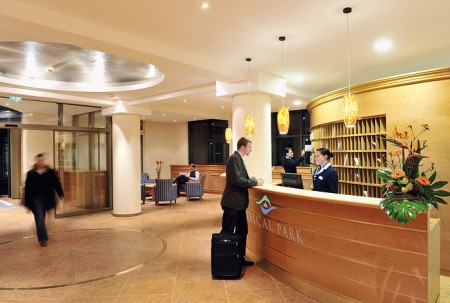
Medical Park AG
احصلوا على تقييم طبي لـ المريء باريت في ألمانيا: استشيروا أطباء ذوي خبرة الآن
عرض جميع الأطباء
Peter Schenker
يتخصص البروفيسور شينكر في جراحة أورام الجهاز الهضمي، ويرأس قسماً مشهوراً بتقنيات الجراحة طفيفة التوغل في مستشفى سولينجن الأكاديمي.
- عُين استشارياً أول في جراحة البنكرياس وزراعة الأعضاء منذ عام 2008
- كبير الجراحين في أول مركز معتمد لسرطان القولون والمستقيم في ألمانيا
- أدخل أساليب جراحية حديثة وحسّن التعافي بعد العمليات الجراحية
- باحث ومحاضر نشط في مجال الأورام والجراحة طفيفة التوغل

Viktor Alexander Krol
يترأس الدكتور فيكتور ألكسندر كرول قسم أمراض الجهاز الهضمي في مستشفى سانت مارتينوس في دوسلدورف، وهو متخصص في العلاجات المتقدمة لمريء باريت.
- رئيس قسم أمراض الجهاز الهضمي والطب الباطني ذو خبرة واسعة
- مدير مركز معتمد لعلاج السمنة
- يستخدم أحدث التقنيات التنظيرية والتشخيصية
- يوفر علاجاً شاملاً لأمراض الجهاز الهضمي

Siegbert Rossol
خبير بارز يتمتع بخبرة تزيد عن _doctor_505_ عاماً في مجال أمراض الجهاز الهضمي، يتميز الدكتور روسول بمهارات استثنائية في العلاجات التنظيرية المتقدمة لمريء باريت.
- متخصص في تقنيات الاستئصال التنظيري (EMR/ESD) لإزالة الأنسجة ما قبل السرطانية
- زميل المجلس الأوروبي لأمراض الجهاز الهضمي، وهو اعتماد أوروبي مرموق
- عضو في جمعيات الكبد الرائدة، مما يظهر خبرة عميقة في صحة الجهاز الهضمي
- تدرب في كلية كينجز في لندن وحاصل على درجة الماجستير في إدارة الرعاية الصحية
- نشر أبحاثاً في مجلات طبية وطنية ودولية
مشاركة المحتوى
قصص فيديو من مرضى Bookimed
 Anna Leonova
أسئلة متكررة حول علاج المريء باريت في ألمانيا
كيف تؤكد العيادات الألمانية تشخيص مريء باريت؟
تؤكد العيادات الألمانية إصابة مريء باريت باستخدام التنظير العلوي عالي الدقة جنبًا إلى جنب مع تحليل نسيجي مرضي شامل. يتبع المتخصصون إرشادات صارمة تتطلب أدلة مرئية وحؤولًا معويًا تم التحقق منه مخبريًا. تضمن عملية التحقق المزدوج هذه تحديد مرحلة التشخيص بدقة داخل المرافق المعتمدة من قبل اللجنة الدولية المشتركة (JCI) وأقسام أمراض الجهاز الهضمي المتخصصة في جميع أنحاء ألمانيا.
- التصنيف المرئي: يطبق الأطباء معايير براغ C و M لقياس البطانة المتغيرة.
- التصوير المتقدم: يعمل التنظير بالفيديو عالي الدقة والمرشحات الرقمية على تحسين أنماط الخلايا والأوعية الدموية غير الطبيعية.
- بروتوكول الخزعة: يقوم الجراحون بإجراء خزعات من أربعة أرباع كل 1-2 سم على طول الجزء المشتبه به من المريء.
- مراجعة علم الأمراض: يجب على أخصائي علم الأمراض المرجعي إجراء قراءة ثانية للعينات في حالة الاشتباه في وجود طفرات خلوية سرطانية.
رؤية خبير Bookimed: تنبع دقة التشخيص الألماني من التخصص العالي للأطباء وليس فقط من المعدات. يحمل كل من الدكتور سيغبرت روسول في عيادة نوردويست والدكتور توماس برونك في برلين شهادات واسعة النطاق في التنظير التداخلي. تُظهر بياناتنا أن المراكز الألمانية الكبرى مثل مجمع عيادات شمال الراين-وستفاليا تتعامل مع أكثر من 145,000 مريض سنويًا. يسمح هذا الحجم الكبير لأخصائيي علم الأمراض بتحديد التغيرات الخلوية الدقيقة التي قد تعيد المرافق الأصغر تصنيفها على أنها ارتجاع قياسي.
إجماع المرضى: يلاحظ المرضى أنه على الرغم من أن الطبيب قد يذكر أن المر
ما هي العلاجات المتقدمة طفيفة التوغل المتاحة في ألمانيا لمرض مريء باريت؟
توفر العيادات الألمانية علاجات متقدمة طفيفة التوغل لمرض مريء باريت، بما في ذلك استئصال الغشاء المخاطي بالمنظار والاستئصال بالترددات الراديوية. تدمر هذه الإجراءات التي تحافظ على الأعضاء الخلايا ما قبل السرطانية دون الحاجة إلى جراحة كبرى. يستخدم المتخصصون في مراكز مثل عيادة نوردويست (Nordwest Clinic) التصوير عالي الدقة لتوجيه هذه التدخلات الدقيقة.
- استئصال الغشاء المخاطي بالمنظار: يقوم الجراحون بإزالة الأنسجة غير الطبيعية المرتفعة من خلال منظار متخصص.
- الاستئصال بالترددات الراديوية: تدمر الطاقة الحرارية طبقات الغشاء المخاطي المريضة المسطحة باستخدام أجهزة البالون أو القسطرة.
- العلاج بالتبريد: يقوم النيتروجين السائل بتجميد الأجزاء المستعصية عندما لا تكون العلاجات القائمة على الحرارة مناسبة.
- بلازما الأرجون الهجينة: تجمع بين حقن الماء والاستئصال الحراري لحماية طبقات الأنسجة العميقة.
- التشريح تحت المخاطي: يقوم المتخصصون بإزالة الآفات الأكبر في قطعة واحدة للحصول على تشخيص مرضي أكثر دقة.
رؤية خبير Bookimed: يتميز مشهد علاج مريء باريت في ألمانيا بتخصص دقيق للغاية. يتمتع الدكتور سيغبرت روسول في عيادة نوردويست بأكثر من 30 عاماً من الخبرة في التنظير التداخلي. هذا العمق في الخبرة شائع في المراكز الكبيرة مثل مجمع شمال الراين-وستفاليا. تعالج هذه المؤسسات أكثر من 140,000 مريض سنوياً. وغالباً ما تحتوي على مراكز أورام معتمدة مرتبطة مباشرة بمعاهد البحوث السريرية لتبني التكنولوجيا بشكل أسرع.
إجماع المرضى: يشير ا
في أي ظروف يوصى باستئصال المريء في ألمانيا؟
يوصى باستئصال المريء في ألمانيا عندما يخترق سرطان المريء الطبقة المخاطية أو عندما لا يمكن إدارة خلل التنسج عالي الدرجة بالمنظار. باتباع إرشادات S3، يقوم الجراحون بإجراء هذا الاستئصال الرئيسي للأورام الخبيثة المتقدمة، أو تعذر الارتخاء المريئي في المرحلة النهائية، أو الإصابات التآكلية الشديدة التي تجعل المريء غير وظيفي.
- المعايير الأورام: الجراحة هي المعيار للأورام المصنفة من cT1b إلى T2 بدون نقائل بعيدة.
- الحالات ما قبل الخبيثة: يوصى به لمريء باريت مع خلل تنسج عالي الدرجة يقاوم العلاج بالمنظار.
- الحالات الحميدة: يشار إليه في حالات تعذر الارتخاء المريئي في المرحلة النهائية أو الأورام الحميدة الكبيرة التي تتجاوز 8 سنتيمترات.
- النهج الجراحي: تعطي المراكز الألمانية الأولوية للتقنيات المساعدة بالروبوت أو طفيفة التوغل لتقليل المخاطر الرئوية.
رؤية خبير Bookimed: تؤكد العيادات الألمانية مثل Nordwest و Nordrhein-Westfalen على التخصص عالي الحجم، حيث تعالج غالبًا أكثر من 45,000 مريض داخلي سنويًا. تظهر بياناتنا أن كبار جراحي الأحشاء مثل الدكتور بيتر شنكر يدمجون التكنولوجيا الروبوتية خصيصًا للحالات الأورام المعقدة للحفاظ على الأنسجة السليمة المحيطة. يعد هذا الحجم الجراحي المرتفع في مراكز السرطان المعتمدة مؤشرًا موثوقًا لنتائج تعافي أفضل على المدى الطويل للمرضى.
إجماع المرضى: يشير المرضى إلى أن الأطباء غالبًا ما يتعاملون مع الجراحة كخطوة أخيرة بعد تجربة الاستئصال بالمنظار أولاً. يؤكد الكثيرون أن الحصول على رأي ثانٍ في مركز مريئي أل
ما هي الاستراتيجيات الدوائية التي توجه إدارة مريء باريت في ألمانيا؟
تُعطي الاستراتيجيات الدوائية في ألمانيا الأولوية لقمع الحمض المكثف من خلال مثبطات مضخة البروتون (PPIs) لمنع تطور الأنسجة. تستخدم البروتوكولات القياسية البانتوبرازول أو الإيسوميبرازول للسيطرة على الالتهاب. يقوم المتخصصون بمواءمة العلاجات مع إرشادات S2k ومعايير الجمعية الأوروبية للتنظير الهضمي لضمان السلامة على المدى الطويل.
- علم الأدوية الأساسي: يظل علاج PPI اليومي هو المعيار العالمي لشفاء الغشاء المخاطي.
- بروتوكول الجرعات: تتطلب الحالات الشديدة جرعات مضاعفة لمدة 8 أسابيع على الأقل.
- نهج الوقاية الكيميائية: لا يُوصف الأسبرين إلا إذا كان لدى المرضى مخاطر قلبية وعائية مستقلة.
- إدارة الحالات المستعصية: تعمل حاصرات الحمض التنافسية مع البوتاسيوم كبدائل للحالات المقاومة لـ PPI.
رؤية خبير Bookimed: تُظهر مراكز الجهاز الهضمي الألمانية مستوى عالٍ من التخصص، حيث تُجري عيادات مثل عيادة نوردويست أكثر من 60,000 إجراء سنويًا. تُظهر البيانات أن المتخصصين ذوي الخبرة، مثل الدكتور سيغبرت روسول الذي يتمتع بخبرة تزيد عن 30 عامًا، غالبًا ما ينقلون المرضى إلى التنظير التدخلي إذا لم يمنع الدواء وحده التغيرات الخلوية. يضمن هذا الحجم الكبير من الحالات في المرافق المعتمدة أن تعديلات الأدوية تستند إلى ملاحظات تنظيرية دقيقة وعالية الدقة بدلاً من الأعراض وحدها.
إجماع المرضى: يلاحظ المرضى أن البانتوبرازول هو الوصفة الأكثر شيوعًا في ألمانيا. يؤكد الكثيرون أن تناول الدواء قبل الإفطار بـ 30 دقيقة أكثر فعالية من تغيير العلامات التجارية للسيطرة على الا
ما هي التعديلات الغذائية ونمط الحياة طويلة المدى التي يُنصح بها للمرضى بعد العلاج؟
يركز التعافي طويل المدى بعد علاج مريء باريت في ألمانيا على الإدارة الصارمة للارتجاع والانضباط الغذائي. يجب على المرضى الحفاظ على تثبيط الحمض لمنع التكرار. تشمل تغييرات نمط الحياة التحكم في الوزن، وتحديداً تقليل دهون البطن. كما أن رفع رأس السرير يحسن حماية المريء أثناء النوم.
- توقيت الوجبات: توقف عن الأكل قبل 3 ساعات على الأقل من الاستلقاء أو النوم.
- المحفزات الغذائية: تجنب القهوة والشوكولاتة والنعناع والمشروبات الغازية والأطعمة المقلية الغنية بالدهون.
- التحكم في الوزن: استهدف فقدان 5% إلى 10% من الوزن لتقليل الضغط داخل البطن.
- النشاط البدني: أكمل 150 دقيقة من التمارين الهوائية المعتدلة أسبوعياً مثل المشي أو ركوب الدراجات.
رؤية خبير Bookimed: تكشف بياناتنا من 82 عيادة ألمانية أن كبار أطباء الجهاز الهضمي، مثل الدكتور سيغبرت روسول، يؤكدون على المراقبة السريرية بدلاً من المراقبة القائمة على الأعراض. تتعامل المراكز المتخصصة مثل عيادة نوردويست أو مجمع عيادات شمال الراين-وستفاليا مع أكثر من 100,000 مريض سنوياً. إنهم ينصحون بأن الشعور بالتحسن لا يغني عن الحاجة إلى إجراء تنظير متابعة منتظم لضمان بقاء بطانة المريء صحية.
إجماع المرضى: يلاحظ المرضى أن الاحتفاظ بمذكرات شخصية للأعراض أمر ضروري لأن المحفزات تختلف. يؤكد الكثيرون أن رفع رأس السرير بالكامل يعمل بشكل أفضل من استخدام وسائد إضافية.
ما هي المستشفيات في ألمانيا التي تحظى بأعلى التقييمات في جراحة الأعصاب؟
تضم ألمانيا بعضًا من أرقى أقسام جراحة الأعصاب في العالم، بقيادة مستشفى شاريتيه الجامعي في برلين ومستشفى جامعة هايدلبرغ. وتتميز هذه المراكز بخبرتها الواسعة في علاج أورام الدماغ المعقدة وأمراض الأوعية الدموية الدماغية. ولتحقيق أقصى قدر من الفعالية في عملياتها، تستخدم هذه المراكز أحدث التقنيات، مثل التصوير بالرنين المغناطيسي أثناء الجراحة والتوجيه العصبي بمساعدة الحاسوب.
- مستشفى شاريتيه برلين: يُجري أكثر من 5000 عملية جراحية سنوياً. ويرأس العيادة جراح الأعصاب الشهير الدكتور بيتر فايكوتشي.
- المركز الطبي في سولينجن: أجرى الدكتور رالف بوهل أكثر من 4000 عملية جراحية، بما في ذلك جراحات العمود الفقري طفيفة التوغل.
- عيادة أسكليبيوس نورد: مجهزة بنظام التصوير بالرنين المغناطيسي الثنائي الوحيد في ألمانيا أثناء الجراحة لضمان الدقة الجراحية في الوقت الحقيقي أثناء إزالة الورم.
- عيادة نوردويست: تم الاعتراف بها من قبل مجلة نيوزويك كمستشفى رائد في مجال الابتكار في تكنولوجيا الموجات فوق الصوتية ثلاثية الأبعاد.
رأي خبراء بوكيمد: تشير البيانات إلى أن اختيار المراكز ذات الحجم الجراحي الكبير غالبًا ما يؤدي إلى توصيات علاجية أكثر تحفظًا. ففي مركز سولينجن الطبي، الذي يعالج أكثر من 60,000 مريض
ما هي نسب نجاح العمليات الجراحية العصبية المعقدة في ألمانيا؟
في ألمانيا، تتميز العمليات الجراحية العصبية بالغة التعقيد بمستوى أمان استثنائي. تصل نسبة نجاح عمليات دمج الفقرات إلى 99%، بينما تبلغ نسبة النجاة بعد استئصال أورام الدماغ الأولية 97%. كما يتمتع المرضى بقدرة عالية على الاعتماد على أنفسهم في أداء وظائفهم اليومية، حيث يغادر أكثر من 82% منهم المستشفى مباشرةً بعد العلاج. وتولي المراكز الألمانية اهتماماً بالغاً بالحفاظ على الوظائف العصبية باستخدام أحدث تقنيات التخطيط العصبي.
- استئصال الورم: يحقق الجراحون استئصالًا كاملاً للورم في 87.2% من حالات النقائل الدماغية.
- النجاح في علاج أمراض الأوعية الدموية: أفادت المستشفيات الألمانية بنسبة نجاة بلغت 98.7% لحالات تمدد الأوعية الدموية غير الممزقة.
- تحسن الحالة العصبية: يشهد ما يقرب من 43% من المرضى تحسناً في المعايير الوظيفية بعد عمليات الاستئصال المعقدة.
- سلامة التدخلات الجراحية: في المراكز الجراحية الكبيرة، تتراوح معدلات بقاء المرضى على قيد الحياة بعد جراحة العمود الفقري بين 98-99%.
رأي خبراء بوكيمد: يُجري جراحون ذوو خبرة، مثل الدكتور أوفه كولر من عيادة أسكليبيوس ألتونا، أكثر من 2000 عملية جراحية سنويًا. تُشير البيانات إلى أن هؤلاء المتخصصين يحافظون على معدلات نجاح تصل إلى 90%، حتى
ما هي التقنيات المتقدمة المتوفرة عادةً في عيادات جراحة الأعصاب الألمانية؟
تُدخل عيادات جراحة الأعصاب الألمانية بانتظام أدوات رقمية عالية الدقة وتقنيات تصوير فوري في الممارسة الجراحية. تشمل التقنيات الرئيسية الملاحة العصبية الحاسوبية لجراحات الدماغ والحبل الشوكي. تستخدم مؤسسات مثل عيادة أسكليبيوس نورد التصوير بالرنين المغناطيسي أثناء الجراحة للتحقق من استئصال الورم في الوقت الفعلي. توفر هذه الأنظمة للجراحين نظام ملاحة ثلاثي الأبعاد.
- الملاحة العصبية: توفر تصورًا ثلاثي الأبعاد وتتبعًا فوريًا للأدوات لتحقيق دقة جراحية تصل إلى مستوى أقل من المليمتر.
- التصوير أثناء العملية: تسمح أنظمة مثل التصوير بالرنين المغناطيسي أثناء العملية (iMRI) والتصوير المقطعي المحوسب ذي الذراع O (O-arm CT) بالتأكيد الفوري على نجاح عملية الاستئصال.
- المراقبة العصبية: تراقب الوظائف الحركية والحسية أثناء الجراحة لحماية الجهاز العصبي.
- التشخيص الفلوري: يتم استخدام صبغة 5-ALA لتسليط الضوء على حدود الورم من أجل إزالته بشكل أكثر اكتمالاً.
- المساعدة الروبوتية: تعمل أنظمة مثل نظام دافنشي على تحسين الدقة في الإجراءات المعقدة ذات التدخل الجراحي البسيط.
رأي خبراء بوكيمد: تُجري مراكز طبية كبيرة، مثل مستشفى شاريتيه الج
ما هي التدريبات المتخصصة التي يتلقاها جراحو الأعصاب الممارسون في ألمانيا؟
في ألمانيا، يتعين على جراحي الأعصاب إكمال برنامج إقامة تخصصي لمدة ست سنوات بعد التخرج من كلية الطب. يشمل هذا البرنامج المنظم العناية المركزة، والتدريب السريري، وكتابة مقالات في مجلة جراحية إلزامية. بعد ذلك، يجتاز المرشحون امتحانًا حكوميًا للحصول على لقب طبيب مقيم (Facharzt für Neurochirurgie).
- الإقامة السريرية: تتطلب من 48 إلى 72 شهرًا من الممارسة المتخصصة في جراحة الأعصاب.
- العناية المركزة: تتضمن فترة تدريب إلزامية لمدة 6 أشهر في وحدة العناية المركزة لجراحة الأعصاب.
- المجلة الجراحية: يوثق الجراحون مئات العمليات الجراحية، بما في ذلك عمليات فتح الجمجمة وجراحات العمود الفقري.
- امتحان الترخيص: يجب على المتقدمين اجتياز امتحان طبي شفوي وعملي تديره الدولة.
رأي خبراء بوكيميد: يركز التدريب الألماني في جراحة الأعصاب على الخبرة الجراحية الواسعة. فعلى سبيل المثال، أجرى الدكتور رالف بول من المركز الطبي في سولينجن أكثر من 4000 عملية جراحية. ويتمتع الدكتور يورغن كيويت من مستشفى ميوكلينيك بخبرة تزيد عن 25 عامًا. يضمن هذا النظام الدقيق أن يتعامل المتخصصون في المراكز الكبرى مع الحالات المعقدة بدقة مثبتة.
آراء المرضى: يشع
ما هي متطلبات اللغة والترخيص المطلوبة للجراحين الأجانب الراغبين في التدرب أو مراقبة العمليات الجراحية العصبية في ألمانيا؟
يجب على جراحي الأعصاب الأجانب استيفاء متطلبات لغوية وترخيصية صارمة للالتحاق بالتدريب أو فترة التدريب العملي في ألمانيا. يتطلب التدريب رخصة طبية سارية أو تصريحًا مؤقتًا. أما المتدربون، فيجب عليهم الحصول على إذن من مستشفى محدد. ويتطلب كلا الخيارين إتقانًا عاليًا للغة الألمانية للمشاركة في المناقشات السريرية وإجراء العمليات الجراحية المعقدة بأمان.
- المهارات اللغوية: مطلوب مستوى عام في اللغة الألمانية B2 ومستوى في اللغة الطبية C1 (Fachsprachprüfung) للتدريب السريري.
- الترخيص السريري: يحتاج الجراحون إلى تصريح لممارسة دائمة (Approbation) أو تصريح مهني (Berufserlaubnis) للتدريب الداخلي المؤقت الخاضع للإشراف.
- حالة المراقبة: يسمح دخول المستشفى بمراقبة العمليات الجراحية دون تحمل المسؤولية الطبية أو الحصول على ترخيص رسمي.
- تقييم المؤهلات: غالباً ما يتعين على خريجي الطب من خارج الاتحاد الأوروبي الخضوع لعملية التحقق من صحة الشهادة في غضون 3-6 أشهر.
رأي خبراء بوكيمد: غالبًا ما تُعطي العيادات الألمانية ذات الأعداد الكبيرة من المرضى، مثل عيادة نوردويست أو أسكليبيوس نورد، الأولوية للمرشحين الذين خضعوا بالفعل لتقييم أولي للوثائق. تُظهر بياناتنا أن أساتذة مثل الدكتور أوفه كولر والدكتور