فقر الدم اللاتنسجي العلاج في تايلاند - التكاليف 2026


تمت مراجعة المقالة طبيا من قبل
فهد مولود
ما هي تكلفة فقر الدم اللاتنسجي إجراءات التشخيص والعلاج في تايلاند؟ اعرف الآن
تعتمد تكلفة علاج فقر الدم اللاتنسجي في تايلاند عادةً على النهج العلاجي المختار، مثل الأدوية المكثفة أو زراعة النخاع. من $70,000 / 2,380,000฿. تتأثر النفقات بنوع المتبرع ومستوى العيادة. وغالباً ما يوفر المرضى ما بين 40-70% مقارنة بالولايات المتحدة. تقع أفضل مراكز العلاج في بانكوك.
تكاليف علاج فقر الدم اللاتنسجي النموذجية في تايلاند
- التشخيص الشامل لفقر الدم اللاتنسجي: السعر عند الطلب
- خزعة نخاع العظم: $550 / 18,700฿ – $1,300 / 44,200฿
- استشارة طبيب أورام الدم: السعر عند الطلب
- دراسة خلوية وراثية لنخاع العظم: $250 / 8,500฿ – $500 / 17,000฿
- الفحص الجيني: من $400 / 13,600฿
- تعداد الدم الكامل: من $25 / 850฿
- زراعة نخاع العظم: من $70,000 / 2,380,000฿
- زراعة نخاع العظم الخيفي من متبرع قريب: $95,000 / 3,230,000฿ – $135,000 / 4,590,000฿
- زراعة نخاع العظم الخيفي من متبرع غير قريب: $70,000 / 2,380,000฿ – $100,000 / 3,400,000฿
رؤية خبراء Bookimed: يجد المرضى الباحثون عن رعاية أمراض الدم ذات المستوى العالمي أفضل قيمة في المؤسسات المعتمدة من اللجنة الدولية المشتركة (JCI) في بانكوك. يُعد مستشفى بامرونجراد الدولي خياراً من الدرجة الأولى للحالات المعقدة التي تتطلب خبرة متعددة التخصصات. وهو يصنف ضمن العيادات الأكثر تقدماً من الناحية التكنولوجية في العالم ويخدم مليون مريض سنوياً. يقدم متخصصون مثل الدكتور سوراسيت صالح إيساراتشاي بروتوكولات متخصصة لزراعة نخاع العظم داخل هذه المراكز ذات الكثافة العالية. وبالنسبة لأولئك الذين يعطون الأولوية للمؤهلات الأكاديمية، تقدم الدكتورة كودشانوت ليتليونجديج خبرة متخصصة في أمراض الدم والأورام. هذه المرافق المتميزة مثالية للمرضى الدوليين الذين يحتاجون إلى خدمات تشخيص وزراعة متكاملة.
| تايلاند | تركيا | إسبانيا | |
|---|---|---|---|
| زرع نخاع العظم | من $70,000 / 2,380,000฿ | من $30,000 / 1,020,000฿ | من $100,900 / 3,430,600฿ |
| زراعة النخاع العظمي من متبرع قريب | ≈ $95,000 / 3,230,000฿ | من $55,000 / 1,870,000฿ | من $130,000 / 4,420,000฿ |
| زراعة النخاع العظمي من متبرع غير قريب | ≈ $70,000 / 2,380,000฿ | من $65,000 / 2,210,000฿ | من $170,000 / 5,780,000฿ |
مزاياك وضماناتك مع Bookimed
أسعار مباشرة
Bookimed لا يضيف رسوماً إضافية على أسعار علاج فقر الدم اللاتنسجي. الأسعار مأخوذة من قوائم الأسعار الرسمية للعيادات. تدفع مباشرة في العيادة مقابل علاجك عند وصولك إلى البلد.
عيادات وأطباء معتمدون فقط
Bookimed ملتزم بسلامتك. نحن نعمل فقط مع المؤسسات الطبية التي تحافظ على معايير دولية عالية في علاج فقر الدم اللاتنسجي ولديها التراخيص اللازمة لخدمة المرضى الدوليين في جميع أنحاء العالم.
مساعدة مجانية على مدار الساعة
Bookimed يقدم مساعدة خبراء مجانية. منسق طبي شخصي يدعمك قبل وأثناء وبعد العلاج، ويحل أي مشاكل. لن تكون وحيداً أبداً في رحلة علاج فقر الدم اللاتنسجي.

منسقك الطبي الشخصي في Bookimed
- يدعمك في كل مرحلة
- المساعدة في اختيار العيادة الطبية المناسبة والطبيب المناسب
- يضمن الوصول السريع والمريح إلى المعلومات
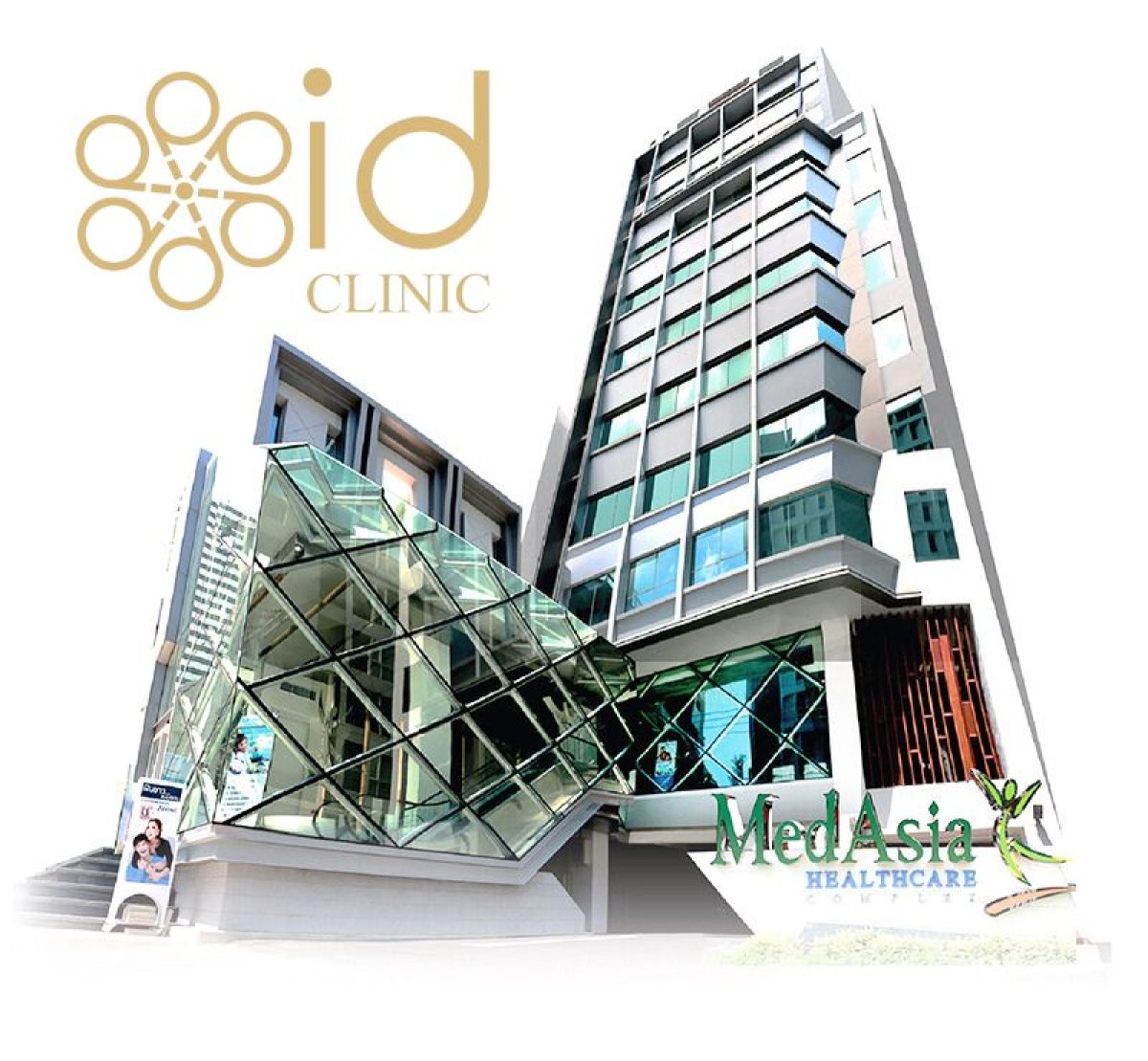
اكتشف أفضل فقر الدم اللاتنسجي العيادات في تايلاند: 2 خيارات معتمدة والأسعار




احصلوا على تقييم طبي لـ فقر الدم اللاتنسجي في تايلاند: استشيروا أطباء ذوي خبرة الآن
عرض جميع الأطباء
Kodchanut Litleaungdej Md
الدكتور ليتلياونغديج هو أخصائي أمراض دم متخصص في فقر الدم اللاتنسجي، وتدرب في مستشفى جامعة تاماسات - إحدى المؤسسات الطبية الرائدة في تايلاند.
- حاصل على شهادة البورد في أمراض الدم مع تدريب مكثف في اضطرابات الدم
- أخصائي أمراض دم رائد في مستشفى هواهين منذ عام 2020
- مؤلف مشارك لأبحاث حول الانصمام الخثاري الوريدي المرتبط بالسرطان
- عضو لجنة الصيدلة والعلاجات

Surasit Saleh Issarachai
متخصص في فقر الدم اللاتنسجي مع خبرة في عمليات زرع نخاع العظم – وهي وسيلة أساسية لعلاج الحالات الشديدة.
- أكثر من _doctor_1279_ سنوات من الخبرة في طب الأورام وأمراض الدم
- أخصائي في إجراءات زرع نخاع العظم
- يعمل في مستشفى بامرونجراد الدولي – منشأة طبية من الطراز الأول
مشاركة المحتوى
قصص فيديو من مرضى Bookimed
 Anna Leonova
أسئلة متكررة حول علاج فقر الدم اللاتنسجي في تايلاند
ما هي خيارات العلاج الرئيسية المتاحة في تايلاند؟
تقدم تايلاند علاجات علاجية وداعمة متقدمة لفقر الدم اللاتنسجي في مرافق معتمدة من قبل اللجنة الدولية المشتركة (JCI). تشمل التدخلات الأولية زراعة نخاع العظم الخيفي من متبرع قريب أو غير قريب والعلاج المناعي القائم على الأدوية. يستخدم أطباء أمراض الدم المتخصصون في بانكوك دراسات خلوية وراثية واسعة النطاق لتوجيه القرارات السريرية الدقيقة.
- زراعة نخاع العظم: تعد عمليات الزرع الخيفي من متبرعين أقارب أو غير أقارب خيارات علاجية قياسية.
- التشخيص المتقدم: تجري العيادات خزعات نخاع العظم وتحليلات خلوية وراثية لتحديد المرحلة بدقة.
- الخبرة المتخصصة: يحمل أطباء أمراض الدم مثل الدكتور كودشانوت ليتليونغديج شهادة المجلس التايلاندي لأمراض الدم.
- مراكز أمراض الدم: تعالج مرافق مثل بامرونجراد أكثر من مليون مريض سنويًا، 50% منهم دوليون.
رؤية خبير Bookimed: تظهر البيانات تركيزًا للخبرة في أمراض الدم في القطاع الخاص في بانكوك. يقود الدكتور سوراسيت صالح إيساراتشاي في مستشفى بامرونجراد الدولي الأبحاث حول معدلات البقاء على قيد الحياة بعد الزرع. تظل هذه العيادة رائدة عالميًا، حيث تحمل العديد من تصنيفات Newsweek لأفضل المستشفيات في العالم بفضل تقنيتها. اختيار مركز حاصل على شهادات ISO و GHA يضمن معايير السلامة الدولية لإجراءات نخاع العظم المعقدة.
إجماع المرضى: يشير المرضى إلى أن ترتيب البحث عن متبرع من خلال السجلات الدولية يستغرق وقتًا ويجب أن يبدأ مبكرًا. يجدون أن الرعاية الداعمة في المستشفيات التايلاندية المعتمدة من JCI موثوقة للغاية خلال مرحلة الت
ما هي المستشفيات في تايلاند المتخصصة في فقر الدم اللاتنسجي؟
يُعد مستشفى بامرونجراد الدولي ومستشفى ساميتيفيج سوخومفيت من المراكز التايلاندية الرائدة المتخصصة في فقر الدم اللاتنسجي. تقدم هذه المرافق المعتمدة من قبل اللجنة الدولية المشتركة (JCI) خدمات أمراض الدم الشاملة. تشمل العلاجات الرئيسية زراعة نخاع العظم الخيفي والعلاج المثبط للمناعة. يدير أخصائيو أمراض الدم الخبراء الحالات المعقدة باستخدام أدوات تشخيصية متقدمة مثل تحليل الخلايا الوراثية لنخاع العظم.
- الأقسام المتخصصة: يضم بامرونجراد مركزاً مخصصاً لزراعة نخاع العظم يعمل على مدار الساعة طوال أيام الأسبوع.
- التشخيص المتقدم: تستخدم المرافق الفحص الجيني وخزعات نخاع العظم للتشخيص.
- الأخصائيون الخبراء: الدكتور سوراسيت صالح إيساراتشاي هو خبير بارز في زراعة نخاع العظم.
- وحدات عالية التقنية: توفر مراكز العلاج غرفاً مزودة بمرشحات HEPA لمنع العدوى أثناء التعافي.
رؤية خبير Bookimed: تجذب أفضل المستشفيات في تايلاند عدداً كبيراً من المرضى الدوليين، حيث يشير بامرونجراد إلى أن 50% منهم يأتون من الخارج. ينعكس هذا التركيز العالمي في التوافر العالي لعمليات الزراعة من متبرعين غير أقارب. في حين أن العديد من المراكز تقدم خزعات نخاع العظم، فإن اختيار البرامج التي تقودها الأكاديميات مثل تلك الموجودة في بانكوك يوفر الوصول إلى فحص تشخيصي أوسع.
إجماع المرضى: يسلط المرضى الضوء على قيمة التواصل مع مجموعات الدعم الدولية للعثور على إحالات محددة. وغالباً ما يلاحظون أن مستشفيات بانكوك تقدم توجيهاً مفصلاً من خلال أقسامها الدولية.
ما هو معدل نجاح علاج فقر الدم اللاتنسجي في تايلاند؟
يوفر علاج فقر الدم اللاتنسجي في تايلاند معدل بقاء على قيد الحياة لمدة عامين يبلغ حوالي 48% للمرضى البالغين. يتحسن النجاح بشكل ملحوظ مع علاجات محددة. تستخدم المراكز ذات الحجم الكبير مثل مستشفى بامرونجراد الدولي عمليات زرع نخاع العظم والعلاج المثبط للمناعة لتحقيق معدل استجابة لمدة 24 شهرًا يقارب 89%.
- البقاء على قيد الحياة بشكل عام: يبلغ المرضى البالغون عن معدل بقاء على قيد الحياة لمدة عامين بنسبة 48% في جميع المراحل.
- العلاج المثبط للمناعة: تصل معدلات الاستجابة إلى 89% للحالات الشديدة بعد 24 شهرًا.
- البقاء على قيد الحياة حسب الشدة: تظهر الحالات غير الشديدة معدل بقاء بنسبة 65% على مدى عامين.
- الخبرة المتخصصة: يركز الدكتور سوراسيت صالح إيساراتشاي في بامرونجراد على عمليات زرع نخاع العظم.
رؤية خبير Bookimed: يرتبط النجاح في تايلاند بحجم الحالات المتخصصة. يعالج مستشفى بامرونجراد الدولي أكثر من مليون مريض سنويًا. تظهر بياناتنا أن المراكز التايلاندية الرائدة غالبًا ما تدمج تشخيصات متقدمة مثل الدراسات الوراثية الخلوية قبل بدء العلاج. يساعد هذا التخطيط الدقيق الأطباء على الاختيار بفعالية أكبر بين عمليات زرع المتبرعين المرتبطين أو البروتوكولات القائمة على الأدوية.
هل يتوفر دعم لوجستي للمرضى الدوليين؟
توفر المستشفيات التايلاندية دعمًا لوجستيًا واسع النطاق للمرضى الدوليين الذين يعالجون من فقر الدم اللاتنسجي. تقوم أقسام متخصصة بتنسيق التأشيرات الطبية، وخدمات النقل من وإلى المطار، والترجمة اللغوية. تخدم المرافق الرائدة مثل مستشفى بامرونجراد الدولي 1,000,000 مريض سنويًا. وهي توفر موجهين مخصصين وخدمات ترجمة طبية على مدار الساعة طوال أيام الأسبوع.
- دعم السفر: توفر العيادات خطابات دعوة رسمية لطلبات التأشيرة في السفارات.
- الخدمات اللغوية: يساعد مترجمون معتمدون في التعامل مع السجلات الطبية والاستشارات.
- تنسيق الرعاية: يقوم الموظفون بجدولة الاختبارات التشخيصية مثل خزعات نخاع العظم مسبقًا.
- توجيه المرضى: يقوم مرافقون مخصصون بتوجيه الزوار الدوليين عبر مجمعات المستشفيات الكبيرة.
رؤية خبير Bookimed: تظهر البيانات أن المستشفيات التايلاندية تعطي الأولوية للحجم الدولي، حيث يأتي 50% من المرضى من 190 دولة. تحتفظ مرافق مثل مستشفى بامرونجراد الدولي باعتماد الرعاية الصحية العالمي (GHA). يؤكد هذا الختم المحدد أن بنيتها التحتية مصممة لتلبية احتياجات الأجانب. يجب عليك التأكد من أن أي مستشفى تختاره يحمل هذا الاعتماد لضمان تجربة أكثر سلاسة.
إجماع المرضى: يشير المرضى إلى أن المنسقين يقدمون مساعدة أساسية في حجوزات الفنادق والنقل من الفندق إلى العيادة. كما يسلطون الضوء على أن العديد من المراكز تستخدم تطبيق LINE للخدمات اللوجستية في الوقت الفعلي وتوصيل البقالة أثناء الإقامات الطويلة.