علاج فقر الدم اللاتنسجي في ألمانيا — احصل على 3 عيادات مختارة خصيصاً لك


تمت مراجعة المقالة طبيا من قبل
فهد مولود
كيف نعمل؟
ما هي تكلفة فقر الدم اللاتنسجي إجراءات التشخيص والعلاج في ألمانيا؟ اعرف الآن
يمكن أن يختلف تكلفة علاج فقر الدم اللاتنسجي في ألمانيا اعتمادًا على خطة العلاج. تكلف الفحوصات الأولية والاستشارات مع المتخصصين، بما في ذلك الفحص الدموي وتقييم زراعة الخلايا الجذعية، حوالي 36,000 دولار. يتم تحديد برنامج العلاج النهائي بعد تقييم مفصل من قبل الفريق الطبي.
| تركيا | إسبانيا | ألمانيا | |
|---|---|---|---|
| زرع نخاع العظم | من $30,000 | من $100,900 | ≈ $120,000 |
| زراعة النخاع العظمي من متبرع قريب | من $55,000 | من $130,000 | ≈ $130,000 |
| زراعة النخاع العظمي من متبرع غير قريب | من $65,000 | من $170,000 | ≈ $120,000 |
اكتشف أفضل فقر الدم اللاتنسجي العيادات في ألمانيا: 7 خيارات معتمدة والأسعار


CDT-WEST Center of Diagnostics and Therapy





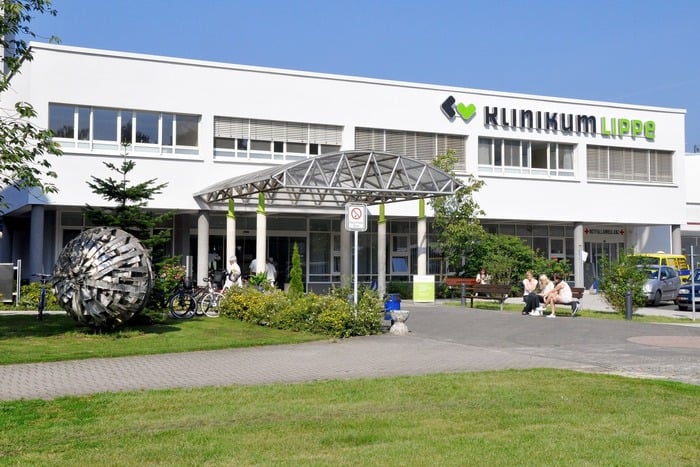
Lippe Lemgo Clinic

Hospital in the Pfeiffer`s foundations
احصلوا على تقييم طبي لـ فقر الدم اللاتنسجي في ألمانيا: استشيروا أطباء ذوي خبرة الآن
عرض جميع الأطباء
Viola Fox
تقود الدكتورة فيولا فوكس عيادة أمراض الدم والأورام والرعاية التلطيفية في BKZ Solingen، وهي متخصصة في العلاجات المبتكرة لفقر الدم اللاتنسجي.
- خبيرة في العلاج الكيميائي والمناعي والموجه لاضطرابات الدم
- أخصائية معتمدة في أمراض الدم والأورام والمناعة مع أكثر من _doctor_6587_سنوات_ من الخبرة
- باحثة نشطة في البيولوجيا الجزيئية لأمراض الدم والأورام
- رئيسة مركز سرطان متعدد التخصصات معتمد

Elke Jaeger
البروفيسورة إلكه ييغر هي رئيسة قسم الأورام وأمراض الدم في مستشفى نوردويست، وهي أخصائية بارزة في علاج الساركوما ومعترف بها في تصنيف مجلة فوكوس.
- _doctor_502_عاماً_ من الممارسة المتخصصة في طب الأورام وأمراض الدم
- مصنفة كواحدة من أفضل أطباء الأورام في ألمانيا
- خبرة خاصة في علاج اضطرابات الدم النادرة

Eckhart Weidmann
يترأس الدكتور إيكهارت وايدمان قطاع أمراض الدم في عيادة نوردويست، وهو متخصص في علاج اضطرابات الدم مع أكثر من _doctor_501_عاماً_ من الخبرة العملية.
- خبير في ليمفوما اللاهودجكين وفقر الدم اللاتنسجي
- أستاذ يتمتع بخبرة أكاديمية وسريرية واسعة
- يقود فريقاً متخصصاً لعلاجات اضطرابات الدم

Bernd Hertenstein
الدكتور بيرند هيرتنشتاين هو طبيب أورام سريري مشهور يتمتع بخبرة في العلاج الكيميائي والإشعاعي، ومتخصص في عمليات زراعة نخاع العظم.
- يجري عمليات زراعة نخاع العظم الذاتية والخيفية
- متخصص في زراعة الخلايا الجذعية
- مساهم في العديد من المنشورات العلمية في مجال الأورام
مشاركة المحتوى
قصص فيديو من مرضى Bookimed
 Anna Leonova
أسئلة متكررة حول علاج فقر الدم اللاتنسجي في ألمانيا
هل يتم إجراء زراعة نخاع العظم في ألمانيا لعلاج فقر الدم اللاتنسجي بأمان؟
تعد ألمانيا مركزاً عالمياً رائداً لعلاج فقر الدم اللاتنسجي بأمان. تحافظ العيادات على معدلات فعالية تتراوح بين 70% و90% لزراعة نخاع العظم الخيفي. تلتزم المرافق بمعايير ISO وKTQ الصارمة. تقلل البروتوكولات المتقدمة مثل استنفاد الخلايا التائية بشكل كبير من مخاطر مرض الطعم حيال الثوي.
- معدلات النجاح: تحقق عمليات الزرع من متبرعين أقارب فعالية تتراوح بين 70% إلى 90% في المراكز الألمانية.
- بروتوكولات السلامة: يستخدم المتخصصون استنفاد الخلايا التائية لتقليل المضاعفات المناعية الحادة بعد الزرع.
- الاعتماد: تمتلك المستشفيات الرائدة شهادات ISO وKTQ لضمان سلامة المرضى بشكل صارم.
- مطابقة المتبرعين: يعمل تحديد النمط الجيني HLA والوصول إلى سجل DKMS على تسريع العثور على متبرعين غير أقارب متوافقين.
رؤية خبير Bookimed: توفر المستشفيات الجامعية الألمانية ميزة أمان من خلال دمج التجارب السريرية النشطة في الرعاية. تخدم مراكز مثل مستشفى جامعة إيسن أو مستشفى جامعة دوسلدورف أكثر من 350,000 مريض سنوياً. يضمن هذا الحجم الهائل أن يقوم أطباء أمراض الدم بإدارة الحالات المعقدة ببروتوكولات مراقبة يومية دقيقة.
إجماع المرضى: غالباً ما يشير المرضى إلى أن المستشفيات الألمانية دقيقة للغاية في المراقبة اليومية لمنع العدوى. يؤكد الكثيرون أن الالتزام بالمستشفيات الجامعية يوفر أماناً أعلى وتعافياً أكثر سلاسة مع الحد الأدنى من المضاعفات.
من هو المؤهل فعلياً لزراعة نخاع العظم في ألمانيا؟
تتطلب الأهلية لزراعة نخاع العظم في ألمانيا تشخيصاً مؤكداً لفقر الدم اللاتنسجي الشديد. يجب أن يتمتع المرضى بوظائف أعضاء كافية وأن يجدوا متبرعاً مطابقاً. المرشحون الأصحاء حتى سن 75 عاماً مؤهلون لعلاجات ذات كثافة مخفضة. تظل معدلات البقاء على قيد الحياة لهذا الإجراء مرتفعة في المراكز الألمانية المتخصصة.
- التشخيص الطبي: يجب أن يكون لدى المريض فقر دم لاتنسجي شديد أو اضطرابات دم خبيثة عالية الخطورة.
- صحة الأعضاء: يحتاج المرضى إلى وظائف قلب وكلى وكبد سليمة لضمان سلامة الزراعة.
- حالة الأداء: يستخدم الأطباء مقاييس متخصصة لضمان أن المرضى نشيطون بدنياً بما يكفي.
- توافر المتبرعين: يحتاج المرشحون إلى متبرع مطابق من الأقارب أو الوصول إلى سجل المتبرعين العالمي.
رؤية خبير Bookimed: تعالج المراكز الألمانية مثل مستشفى أسكليبيوس بارمبيك أكثر من 110,000 مريض كل عام. تظهر بياناتنا معدلات نجاح أعلى عندما يستخدم المرضى مراكز ذات مختبرات معتمدة من ISO. تستخدم هذه المرافق السجل المركزي لمتبرعي نخاع العظم للعثور على مطابقات في جميع أنحاء العالم. اختيار مستشفى حاصل على اعتماد JCI يضمن بروتوكولات السلامة خلال مرحلة التعافي الحرجة.
إجماع المرضى: يشير المرضى إلى الارتياح الناتج عن العثور على مطابقات من خلال قاعدة بيانات المتبرعين الألمانية الواسعة. ويؤكدون أن الاختبار المبكر للأشقاء يسرع العملية برمتها بشكل كبير.
ما هي معدلات البقاء على قيد الحياة والنجاح لزراعة نخاع العظم لفقر الدم اللاتنسجي في ألمانيا؟
تحقق المراكز الطبية الألمانية معدلات بقاء عالية لفقر الدم اللاتنسجي من خلال زراعة نخاع العظم. يرى المرضى الصغار الذين يستخدمون متبرعين أشقاء مطابقين معدل بقاء لمدة 5 سنوات يتراوح بين 85% و90%. يحدث نمو ناجح لخلايا المتبرع في 97% من الحالات. تظل النتائج من بين الأعلى عالمياً بسبب بروتوكولات العلاج الأوروبية الصارمة.
- معدل النجاح: يصل نجاح التطعيم إلى 97% مع التعافي خلال 11 إلى 22 يوماً.
- المتبرعون الأشقاء: توفر عمليات زراعة الأشقاء المطابقين معدلات بقاء لمدة 10 سنوات تتراوح بين 73% و80%.
- المتبرعون غير الأقارب: تظهر المجموعات الأصغر سناً التي تستخدم متبرعين غير أقارب مطابقين معدل بقاء لمدة 3 سنوات يصل إلى 89%.
- الأداء حسب العمر: يحافظ المرضى الذين تقل أعمارهم عن 20 عاماً على أعلى معدل بقاء لمدة 5 سنوات بنسبة تقارب 85%.
رؤية خبير Bookimed: غالباً ما تخدم المستشفيات الجامعية الألمانية مثل مستشفيات إيسن أو دوسلدورف أكثر من 350,000 مريض سنوياً. يسمح هذا الحجم الكبير للمراكز بالتخصص في الأنواع الفرعية المعقدة لزراعة نخاع العظم. توفر العيادات الأكاديمية بشكل متكرر الوصول إلى بروتوكولات أحدث للمرضى الذين تزيد أعمارهم عن 40 عاماً. تساعد هذه البروتوكولات في تحسين البقاء على قيد الحياة بما يتجاوز علامة 60% القياسية التي تظهر في المرافق الأصغر.
إجماع المرضى: غالباً ما يؤكد المرضى أن التنسيق المبكر أمر حيوي. ويشيرون إلى أن العثور على متبرع مطابق بسرعة يحسن بشكل كبير عملية التعافي العاطفي والجسدي.
هل توجد خيارات غير زراعية لفقر الدم اللاتنسجي الشديد في ألمانيا؟
توفر ألمانيا علاجات متقدمة غير زراعية لفقر الدم اللاتنسجي الشديد، باستخدام العلاج المثبط للمناعة المكثف بشكل أساسي. تساعد هذه البروتوكولات في استعادة إنتاج خلايا الدم دون الحاجة إلى متبرع. تشمل الخيارات القياسية العلاج الثلاثي الذي يجمع بين الغلوبولين المضاد للخلايا التوتية، والسيكلوسبورين، وإلتومبوباغ. عادة ما يرى المرضى معدلات استجابة تتراوح بين 60% و70%.
- العلاج المثبط للمناعة (IST): يستخدم الغلوبولين المضاد للخلايا التوتية المشتق من الخيول للحصول على استجابة فائقة لخلايا الدم.
- الأدوية الموجهة: يحفز إلتومبوباغ إنتاج الصفائح الدموية وخلايا الدم البيضاء في نخاع العظم.
- مراكز الخبراء: توفر المرافق المعتمدة مثل مستشفى أسكليبيوس بارمبيك رعاية متخصصة في أمراض الدم والأورام.
- الدقة التشخيصية: تجري العيادات دراسات خلوية وخزعات نخاع العظم لتحديد المرحلة بدقة.
- الرعاية الداعمة: يحافظ دعم نقل الدم الشامل وإدارة العدوى على صحة المريض أثناء العلاج.
رؤية خبير Bookimed: بينما يبحث الكثيرون عن أحدث الأدوية، فإن الميزة الحقيقية في ألمانيا هي كثافة المتخصصين ذوي الخبرة الطويلة للغاية. في عيادة نوردويست، تم تصنيف البروفيسورة إلكه ييغر ضمن أفضل أطباء الأورام لمدة 20 عاماً. غالباً ما يضمن اختيار مركز يتمتع بمثل هذه القيادة المستقرة وصولاً أفضل إلى بروتوكولات المتابعة طويلة الأمد، والتي تعد حاسمة لمراقبة نجاح العلاج المثبط للمناعة.
إجماع المرضى: يشير المرضى إلى أنه من المهم طلب الرعاية في المستشفيات التابعة لل
ما هي المدة التي يحتاجها مريض زراعة نخاع العظم للبقاء في ألمانيا؟
يبقى المرضى عادةً في ألمانيا لمدة تتراوح بين ثلاثة إلى خمسة أشهر لإجراء عملية زراعة نخاع العظم. يتضمن الجدول الزمني من أربعة إلى ستة أسابيع من العزل في المستشفى. غالبًا ما يحتاج مرضى فقر الدم اللاتنسجي إلى مراقبة إضافية في العيادات الخارجية لضمان استقرار تعداد الدم وإدارة المضاعفات المحتملة لخلايا المتبرع.
- مرحلة التنويم: يقضي معظم المرضى من 28 إلى 42 يومًا في أجنحة مستشفيات متخصصة عالية التعقيم.
- مراقبة التطعيم: يتابع الأطباء نمو الخلايا الجديدة خلال فترة حرجة تتراوح بين 21 إلى 28 يومًا.
- المراقبة في العيادات الخارجية: يتطلب التعافي البقاء بالقرب من العيادة لمدة شهرين إلى ثلاثة أشهر بعد الخروج.
- التحقق من النجاح: يتم إجراء تحليل نهائي لنخاع العظم بعد حوالي 30 يومًا من الزراعة قبل السفر.
رؤية خبير Bookimed: تظهر البيانات من مراكز كبرى مثل مستشفى جامعة إيسن أن بروتوكولات الخروج المحافظة في ألمانيا تساعد في منع إعادة الإدخال إلى المستشفى. بينما تضغط بعض الدول من أجل إقامات لمدة شهرين، غالبًا ما يصر المتخصصون الألمان على 100 يوم أو أكثر من أجل السلامة. هذه الاستراتيجية فعالة بشكل خاص لفقر الدم اللاتنسجي حيث تحمل عمليات الزراعة الخيفية مخاطر أعلى من الإجراءات الذاتية.
إجماع المرضى: يؤكد المرضى على الحاجة إلى تخصيص ميزانية لسكن متخصص في غضون ساعة واحدة من العيادة لأشهر من المتابعة. يلاحظ الكثيرون أن البقاء لفترة أطول في ألمانيا يوفر شبكة أمان ضرورية خلال مرحلة قلة العدلات الضعيفة.
ما هي معايير الجودة المطلوبة من مراكز زراعة الخلايا المكونة للدم في ألمانيا؟
يجب أن تحمل مراكز زراعة الخلايا المكونة للدم في ألمانيا اعتماد JACIE وتراخيص تصنيع محددة بموجب قانون الأدوية الألماني. تلتزم المرافق بقانون الأنسجة الألماني للحصول على الخلايا. يجب عليهم الإبلاغ عن جميع بيانات نتائج الزراعة إلى السجل الألماني لزراعة الخلايا الجذعية.
- حالة الاعتماد: يمثل JACIE معيار الجودة الدولي الأساسي لبرامج الزراعة الألمانية.
- الترخيص القانوني: تتطلب المراكز تراخيص §13 أو §20b/c لمعالجة الخلايا الجذعية البشرية.
- المعايير الفنية: يجب أن تحافظ الطعوم المحصودة على حيوية خلوية تزيد عن 70% بعد عملية الذوبان.
- الامتثال للسجل: مراقبة بقاء المريض على قيد الحياة على المدى الطويل من خلال تقديم البيانات الإلزامي إلى سجل EBMT.
رؤية خبير Bookimed: بينما يبحث الكثيرون عن أكبر المستشفيات، توفر الوحدات المتخصصة الأصغر مثل المركز الطبي في سولينجن جودة فريدة كمستشفيات أكاديمية تابعة لجامعة كولونيا. غالبًا ما تحافظ هذه المراكز على خبرة عالية الكثافة، مثل الدكتورة فيولا فوكس التي تحمل تخصصًا ثلاثيًا في أمراض الدم والأورام وعلم الوراثة. هذه المعرفة المشتركة حيوية لعلاج حالات فقر الدم اللاتنسجي المعقدة حيث يحدد الفحص الجيني بروتوكول الزراعة.
إجماع المرضى: يؤكد المرضى أن المعايير الألمانية الصارمة توفر مستوى عالٍ من الطمأنينة خلال فترة العزل الطويلة. يلاحظ الكثيرون أن فرق الرعاية متعددة التخصصات، بما في ذلك أخصائيو التغذية المتخصصون والمعالجون الفيزيائيون، ضرورية للتعافي السلس.
أين تقع مراكز زراعة نخاع العظم الرائدة لعلاج فقر الدم اللاتنسجي في ألمانيا؟
تضم ألمانيا مراكز رائدة لزراعة نخاع العظم لعلاج فقر الدم اللاتنسجي في مستشفى جامعة إيسن، ومستشفى جامعة دوسلدورف، ومستشفى أسكليبيوس بارمبيك. تحافظ هذه المرافق على معايير عالية من خلال شهادات الجمعية الألمانية للسرطان (DKG). وهي متخصصة في عمليات الزرع الخيفي من متبرعين أقارب وغير أقارب.
- مستشفى جامعة إيسن: مركز متخصص في أمراض الدم والأورام بقيادة خبير زراعة الأعضاء الدكتور ديتريش دبليو بيلين.
- مستشفى جامعة دوسلدورف: مرفق مكثف الأبحاث يخدم أكثر من 350,000 مريض سنوياً مع تشخيصات متقدمة.
- المركز الطبي في سولينغن: يتميز بمركز سرطان متعدد التخصصات معتمد ومعترف به من قبل مجلة Focus.
- مستشفى أسكليبيوس بارمبيك: مصنف كأفضل وجهة للمرضى الدوليين مع أنظمة إدارة الجودة والسلامة المعتمدة من ISO.
رؤية خبير Bookimed: تظهر مراكز زراعة الأعضاء الألمانية درجة عالية من التخصص الإقليمي. في حين أن إيسن هي مركز رئيسي، فإن مواقع مثل سولينغن أو هامبورغ تقدم مراكز سرطان معتمدة ذات أحجام مرضى أقل. غالباً ما يؤدي هذا إلى رعاية أكثر تخصيصاً لخزعات نخاع العظم المعقدة والدراسات الوراثية الخلوية.
إجماع المرضى: يؤكد المرضى على اختيار مراكز مثل دوسلدورف لحالات البالغين بسبب خبرتهم في إدارة عدوى ما بعد الزرع. ينصح الكثيرون بالاستفسار عن خيارات الزرع الفوري مقابل تجارب العلاج المثبط للمناعة لضمان أفضل النتائج على المدى الطويل.
ما هي المستشفيات في ألمانيا التي تحظى بأعلى التقييمات في جراحة الأعصاب؟
تضم ألمانيا بعضًا من أرقى أقسام جراحة الأعصاب في العالم، بقيادة مستشفى شاريتيه الجامعي في برلين ومستشفى جامعة هايدلبرغ. وتتميز هذه المراكز بخبرتها الواسعة في علاج أورام الدماغ المعقدة وأمراض الأوعية الدموية الدماغية. ولتحقيق أقصى قدر من الفعالية في عملياتها، تستخدم هذه المراكز أحدث التقنيات، مثل التصوير بالرنين المغناطيسي أثناء الجراحة والتوجيه العصبي بمساعدة الحاسوب.
- مستشفى شاريتيه برلين: يُجري أكثر من 5000 عملية جراحية سنوياً. ويرأس العيادة جراح الأعصاب الشهير الدكتور بيتر فايكوتشي.
- المركز الطبي في سولينجن: أجرى الدكتور رالف بوهل أكثر من 4000 عملية جراحية، بما في ذلك جراحات العمود الفقري طفيفة التوغل.
- عيادة أسكليبيوس نورد: مجهزة بنظام التصوير بالرنين المغناطيسي الثنائي الوحيد في ألمانيا أثناء الجراحة لضمان الدقة الجراحية في الوقت الحقيقي أثناء إزالة الورم.
- عيادة نوردويست: تم الاعتراف بها من قبل مجلة نيوزويك كمستشفى رائد في مجال الابتكار في تكنولوجيا الموجات فوق الصوتية ثلاثية الأبعاد.
رأي خبراء بوكيمد: تشير البيانات إلى أن اختيار المراكز ذات الحجم الجراحي الكبير غالبًا ما يؤدي إلى توصيات علاجية أكثر تحفظًا. ففي مركز سولينجن الطبي، الذي يعالج أكثر من 60,000 مريض
ما هي نسب نجاح العمليات الجراحية العصبية المعقدة في ألمانيا؟
في ألمانيا، تتميز العمليات الجراحية العصبية بالغة التعقيد بمستوى أمان استثنائي. تصل نسبة نجاح عمليات دمج الفقرات إلى 99%، بينما تبلغ نسبة النجاة بعد استئصال أورام الدماغ الأولية 97%. كما يتمتع المرضى بقدرة عالية على الاعتماد على أنفسهم في أداء وظائفهم اليومية، حيث يغادر أكثر من 82% منهم المستشفى مباشرةً بعد العلاج. وتولي المراكز الألمانية اهتماماً بالغاً بالحفاظ على الوظائف العصبية باستخدام أحدث تقنيات التخطيط العصبي.
- استئصال الورم: يحقق الجراحون استئصالًا كاملاً للورم في 87.2% من حالات النقائل الدماغية.
- النجاح في علاج أمراض الأوعية الدموية: أفادت المستشفيات الألمانية بنسبة نجاة بلغت 98.7% لحالات تمدد الأوعية الدموية غير الممزقة.
- تحسن الحالة العصبية: يشهد ما يقرب من 43% من المرضى تحسناً في المعايير الوظيفية بعد عمليات الاستئصال المعقدة.
- سلامة التدخلات الجراحية: في المراكز الجراحية الكبيرة، تتراوح معدلات بقاء المرضى على قيد الحياة بعد جراحة العمود الفقري بين 98-99%.
رأي خبراء بوكيمد: يُجري جراحون ذوو خبرة، مثل الدكتور أوفه كولر من عيادة أسكليبيوس ألتونا، أكثر من 2000 عملية جراحية سنويًا. تُشير البيانات إلى أن هؤلاء المتخصصين يحافظون على معدلات نجاح تصل إلى 90%، حتى
ما هي التقنيات المتقدمة المتوفرة عادةً في عيادات جراحة الأعصاب الألمانية؟
تُدخل عيادات جراحة الأعصاب الألمانية بانتظام أدوات رقمية عالية الدقة وتقنيات تصوير فوري في الممارسة الجراحية. تشمل التقنيات الرئيسية الملاحة العصبية الحاسوبية لجراحات الدماغ والحبل الشوكي. تستخدم مؤسسات مثل عيادة أسكليبيوس نورد التصوير بالرنين المغناطيسي أثناء الجراحة للتحقق من استئصال الورم في الوقت الفعلي. توفر هذه الأنظمة للجراحين نظام ملاحة ثلاثي الأبعاد.
- الملاحة العصبية: توفر تصورًا ثلاثي الأبعاد وتتبعًا فوريًا للأدوات لتحقيق دقة جراحية تصل إلى مستوى أقل من المليمتر.
- التصوير أثناء العملية: تسمح أنظمة مثل التصوير بالرنين المغناطيسي أثناء العملية (iMRI) والتصوير المقطعي المحوسب ذي الذراع O (O-arm CT) بالتأكيد الفوري على نجاح عملية الاستئصال.
- المراقبة العصبية: تراقب الوظائف الحركية والحسية أثناء الجراحة لحماية الجهاز العصبي.
- التشخيص الفلوري: يتم استخدام صبغة 5-ALA لتسليط الضوء على حدود الورم من أجل إزالته بشكل أكثر اكتمالاً.
- المساعدة الروبوتية: تعمل أنظمة مثل نظام دافنشي على تحسين الدقة في الإجراءات المعقدة ذات التدخل الجراحي البسيط.
رأي خبراء بوكيمد: تُجري مراكز طبية كبيرة، مثل مستشفى شاريتيه الج