علاج مرض الثدي الكيسي الليفي في إسرائيل — احصل على 3 عيادات مختارة خصيصاً لك


تمت مراجعة المقالة طبيا من قبل
فهد مولود
كيف نعمل؟
ما هي تكلفة مرض الثدي الكيسي الليفي إجراءات التشخيص والعلاج في إسرائيل؟ اعرف الآن
اكتشف أفضل مرض الثدي الكيسي الليفي العيادات في إسرائيل: 3 خيارات معتمدة والأسعار









احصلوا على تقييم طبي لـ مرض الثدي الكيسي الليفي في إسرائيل: استشيروا أطباء ذوي خبرة الآن
عرض جميع الأطباء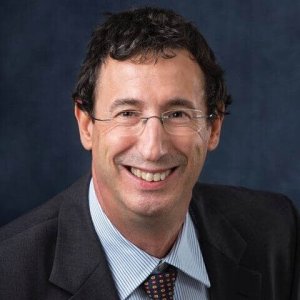
Dov Zippel
البروفيسور دوف زيبل جراح عام وجراح أورام، يختص بأمراض الثدي والميلانوما. يرأس مركز ميراف للثدي في مركز شيبا الطبي، ويعمل أيضاً في معهد إيلا ليملباوم لعلم الأورام المناعي. في عام 2025 أدرجته فوربس إسرائيل ضمن قائمة أفضل الأطباء.
الخبرة: رعاية متقدمة للأورام الحميدة والخبيثة في الثدي. جراحات طفيفة التوغل والجراحة المحافظة على الثدي. العلاج الجراحي للميلانوما وسرطانات الجلد الأخرى.
المؤهلات والاعتمادات: دكتوراه في الطب من جامعة تل أبيب. إقامة في الجراحة العامة بمركز شيبا الطبي. زما

Oscar Aballay
حاصل على شهادة البورد في الطب الباطني وأمراض القلب، مع أكثر من _doctor_3429_ عاماً من الخبرة السريرية. يقدم الدكتور أبالاي رعاية شاملة في مركز سوراسكي الطبي.
- يعالج مجموعة واسعة من الأمراض والحالات الطبية
- متخصص في أمراض القلب، وأمراض الرئة، وطب العناية المركزة
- يقدم استشارات للمرضى باللغتين الإسبانية والإنجليزية
مشاركة المحتوى
قصص فيديو من مرضى Bookimed
 Anna Leonova
أسئلة متكررة حول علاج مرض الثدي الكيسي الليفي في إسرائيل
هل يعتبر مرض الثدي الكيسي الليفي مرضاً خطيراً؟
مرض الثدي الكيسي الليفي ليس مرضاً خطيراً. يصنفه الأطباء الآن على أنه تباين طبيعي يسمى تغيرات الثدي الكيسية الليفية. تؤثر هذه التعديلات الحميدة على أكثر من 50% من النساء قبل انقطاع الطمث. على الرغم من أنها لا تهدد الحياة، إلا أن هذه التغيرات تتطلب مراقبة منتظمة لضمان والتأكد من أن أي نمو جديد للأنسجة ليس سرطانياً.
- خطر الإصابة بالسرطان: التغيرات الكيسية الليفية القياسية لا تزيد من خطر إصابتك العام بالسرطان.
- المحفزات الهرمونية: عادة ما تصل الأعراض إلى ذروتها قبل الحيض بسبب التقلبات الطبيعية في هرموني الإستروجين والبروجسترون.
- كثافة الأنسجة: قد تجعل الأنسجة الكثيفة قراءة تصوير الثدي بالأشعة السينية (الماموجرام) أكثر صعوبة. التصوير الرقمي المتقدم ضروري.
- تغيرات ما بعد انقطاع الطمث: عادة ما تهدأ الأعراض بعد انقطاع الطمث ما لم تستخدم المريضة العلاج بالهرمونات البديلة.
رؤية خبير Bookimed: تعطي المراكز الطبية الإسرائيلية مثل أسوتا وسوراسكي الأولوية للمراقبة متعددة التخصصات. يسمح مركز أسوتا الطبي للمرضى باختيار طبيبهم المعالج. هذا الاختيار الشخصي حيوي لإدارة الحالات الحميدة المزمنة. غالباً ما يستفيد المرضى من استشارة جراحين مثل الدكتور دوف زيبيل. وهو متخصص معتمد في أورام الثدي الحميدة والخبيثة. تتعامل المراكز ذات الحجم الكبير مثل سوراسكي مع 34,000 عملية جراحية سنوياً. تضمن هذه الخبرة الواسعة دقة تشخيصية عالية لحالات أنسجة الثدي المعقدة.
إجماع المرضى: يجد المرضى أن الحالة مزعجة أكثر من كونها مخيفة. يوصون بتتبع التغيرات الشهري
هل يجعل وجود أثداء ليفية كيسية اكتشاف سرطان الثدي أكثر صعوبة؟
تجعل الأثداء الليفية الكيسية اكتشاف السرطان أكثر صعوبة بسبب التغطية الجسدية والإشعاعية. تظهر الأنسجة الليفية الكثيفة والأورام السرطانية باللون الأبيض في تصوير الثدي بالأشعة السينية (الماموجرام). تساعد تقنيات التصوير المتخصصة مثل الماموجرام ثلاثي الأبعاد أو التصوير بالرنين المغناطيسي للثدي الأطباء في المراكز الطبية الإسرائيلية على تمييز الأكياس الحميدة عن الكتل الخبيثة الصلبة.
- التغطية الجسدية: يخفي قوام الأنسجة المتكتلة الأورام الجديدة أثناء الفحوصات السريرية والفحص الذاتي للثدي.
- الحدود الإشعاعية: تقلل أنسجة الثدي الكثيفة من حساسية الماموجرام من خلال خلق خلفية بيضاء.
- فائدة الموجات فوق الصوتية: تحدد موجات الموجات فوق الصوتية بفعالية الأكياس المملوءة بالسوائل مقابل آفات الثدي الصلبة والمشبوهة.
- التصوير المتقدم: يوفر التصوير المقطعي الرقمي رؤية ثلاثية الأبعاد للرؤية عبر الهياكل الليفية الكيسية المتداخلة.
رؤية خبير Bookimed: تستخدم المراكز الإسرائيلية مثل مركز سوراسكي الطبي تصويرًا رقميًا متقدمًا للتغلب على عقبات الاكتشاف. يستخدم أخصائيوهم تشخيصات مدمجة بالذكاء الاصطناعي لتحليل أنماط الأنسجة الكثيفة. تساعد هذه التقنية في التمييز بين التقلبات الهرمونية الطبيعية والأورام الخبيثة المحتملة في مراحلها المبكرة بدقة أكبر من الفحوصات القياسية.
إجماع المرضى: يشير المرضى إلى أنه من الضروري تتبع الكتل التي تتغير مع دورتهم الشهرية. غالبًا ما يشعرون بثقة أكبر بعد الجمع بين الماموجرام والموجات فوق الصوتية للحصول على صورة تشخيصية أوض
ما هي الإجراءات السريرية التي يتم إجراؤها في إسرائيل إذا أصبح الكيس كبيراً أو مؤلماً للغاية؟
تقوم المراكز الطبية الإسرائيلية بإجراء تصريف طفيف التوغل أو استئصال جراحي للأكياس الكبيرة أو المؤلمة. يعطي الأطباء الأولوية للشفط بالإبرة الدقيقة لتخفيف الألم فوراً. تستخدم الحالات المتقدمة استئصال الكيس بالمنظار أو الجراحة بمساعدة الروبوت في مرافق معتمدة من JCI مثل مركز سوراسكي الطبي للحفاظ على الأنسجة السليمة.
- الشفط بالإبرة: يعمل التصريف الموجه بالموجات فوق الصوتية على إزالة السوائل لتخفيف الألم في العيادات الخارجية.
- جراحة المنظار: يستخدم الجراحون شقوقاً بحجم 5 ملم لاستئصال الكيس مع حماية الأعضاء المحيطة.
- الإزالة بمساعدة الروبوت: توفر أنظمة دافنشي في مراكز مثل سوراسكي دقة عالية بالقرب من الأعصاب.
- الاستئصال الجراحي: الإزالة النهائية لكيس الكيس تمنع تجدد امتلاء التجويف.
رؤية خبير Bookimed: بينما يبحث الكثيرون عن جراحين عامين، فإن البحث عن متخصصين مثل الدكتور دوف زيبيل في مركز شيبا الطبي يوفر ميزة كبيرة. غالباً ما يستخدم متخصصو الأورام الجراحية أو أورام الثدي تقنيات مثل استئصال الآفة سليمة. يضمن هذا النهج إزالة جدار الكيس بالكامل. وهو يقلل بشكل كبير من احتمالية عودة الكيس مقارنة بالتصريف البسيط.
إجماع المرضى: يرى المرضى أن إجراء فحص بالموجات فوق الصوتية بسرعة هو الخطوة الأولى الأكثر أهمية. وغالباً ما يوصون بتتبع مستويات الألم لمساعدة الأطباء في اتخاذ القرار بين التصريف البسيط أو الإزالة الجراحية الكاملة.
ما هي المراكز الإسرائيلية الأكثر شهرة في مجال تشخيص وعلاج الثدي المتقدم؟
تشمل أفضل المراكز الإسرائيلية لرعاية الثدي المتقدمة مركز شيبا الطبي، ومركز سوراسكي الطبي، ومركز أسوتا الطبي. تستخدم هذه المرافق تشخيصات تعتمد على الذكاء الاصطناعي، ومسح MIRA ثلاثي الأبعاد، وتصوير عالي الدقة لإدارة صحة الثدي. وهي معترف بها من قبل مجلة نيوزويك واللجنة الدولية المشتركة (JCI)، وتتخصص في التمييز بين الحالات الحميدة والخبيثة.
- أدوات تشخيص متخصصة: تستخدم المرافق التصوير الشعاعي للثدي ثلاثي الأبعاد (توموسينثيسيس) والتصوير المعزز بالذكاء الاصطناعي للدقة.
- خبراء الأورام الرائدون: يقود الدكتور دوف زيبيل في شيبا قسم جراحة أورام الثدي المتخصص.
- معدلات نجاح عالية: يبلغ مركز سوراسكي الطبي عن معدل نجاح متوسط قدره 90% في علاج الأورام.
- خيارات الرعاية الخاصة: يقدم مركز أسوتا الطبي رعاية جراحية معتمدة من JCI مع إمكانية اختيار الطبيب الخاص.
رؤية خبير Bookimed: تُظهر المراكز الطبية الإسرائيلية مستوى عالٍ من تكامل الأبحاث. يضم مركز سوراسكي الطبي أكثر من 240 قسماً ويركز بشكل كبير على الاكتشافات العلمية. غالباً ما يجد المرضى أن مراكز مثل رامبام وسوراسكي تعمل على نطاق واسع، حيث تخدم ما يقرب من 1,000,000 و 1,800,000 مريض سنوياً على التوالي. يضمن هذا الحجم الكبير جداً أن الأطباء يتعاملون مع حالات تشخيصية معقدة يومياً عبر عشرات الأقسام المتخصصة.
إجماع المرضى: يلاحظ المرضى أن الجمع بين تصوير الثدي بالأشعة السينية والموجات فوق الصوتية في البداية يساعد في اكتشاف أنماط أنسجة معينة. يوصي الكثيرون بالمراكز الخاصة مثل أسوتا عندما يكون
هل الجراحة مطلوبة في أي وقت لعلاج التغيرات الليفية الكيسية في الثدي في العيادات الإسرائيلية؟
تعتبر الجراحة لعلاج التغيرات الليفية الكيسية في الثدي في إسرائيل نادرة لأن الحالة حميدة. تعطي العيادات الإسرائيلية الأولوية للإدارة غير الجراحية والمراقبة النشطة. تتبع المراكز المتخصصة مثل مركز ميراف لسرطان الثدي في مركز شيبا الطبي معايير قائمة على الأدلة. ولا يفكرون في الجراحة إلا في حالة وجود كتل مشبوهة أو ألم لا يمكن علاجه.
- الاشتباه في وجود ورم خبيث: يتم إجراء الجراحة إذا أظهرت التصوير الطبي درجات BI-RADS عالية تتطلب خزعة نهائية.
- الأكياس المستمرة: يتدخل الجراحون إذا امتلأت الأكياس المملوءة بالسوائل مرة أخرى بعد عمليات شفط متعددة موجهة بالموجات فوق الصوتية.
- الخلايا غير النمطية: قد تتطلب التغيرات التكاثرية مثل تضخم القنوات غير النمطي هوامش جراحية واضحة.
- إدارة الألم: الاستئصال الموضعي هو خيار أخير للألم الشديد الذي لا يستجيب للعلاج الهرموني.
رؤية خبير Bookimed: يستخدم المتخصصون الإسرائيليون مثل الدكتور دوف زيبيل نظام استئصال آفات الثدي Intact. تسمح هذه التقنية بإزالة الآفات الحميدة من خلال شق صغير. وغالبًا ما يتم إجراؤها كإجراء خارجي في مراكز مثل مركز شيبا أو مركز أسوتا الطبي. يسد هذا النهج الفجوة بين الخزعة التقليدية والجراحة الكبرى.
إجماع المرضى: يلاحظ المرضى أن الجراحين الإسرائيليين يفضلون بشدة الانتظار اليقظ والتصوير على التدخل الفوري. ويؤكدون أنه على الرغم من أن الجداول الزمنية المحافظة تتطلب الصبر، فإن التشخيص الحميد المؤكد يلغي عادةً الحاجة إلى أي جراحة.
هل تُستخدم العلاجات الهرمونية في إسرائيل لعلاج التغيرات الليفية الكيسية؟
يستخدم الأخصائيون الإسرائيليون العلاجات الهرمونية لعلاج مرض الثدي الليفي الكيسي فقط في حالات الأعراض الشديدة أو المستمرة. يعطي الأطباء الأولوية للإدارة التحفظية لمعظم المرضى. تستخدم المرافق المتخصصة مثل مركز سوراسكي الطبي (Sourasky Medical Center) مواد هلامية (جل) موضعية من البروجسترون لتقليل الآثار الجانبية. قد تتطلب الحالات التي تعاني من ألم مستعصٍ أدوية حاصرة للإستروجين.
- العلاج الموضعي: تستهدف مواد هلامية من البروجسترون أنسجة مؤلمة محددة مع تقليل الآثار الجانبية الجهازية.
- الاستقرار الهرموني: يمكن استخدام موانع الحمل الفموية بجرعات منخفضة لتنظيم تقلبات الهرمونات الشهرية.
- الأولوية التحفظية: تركز البروتوكولات الأولية على معدات الدعم والأدوية المضادة للالتهابات غير الستيرويدية.
- إشراف الخبراء: يراقب أخصائيو الثدي في المراكز المعتمدة من اللجنة الدولية المشتركة (JCI) استخدام مضادات الهرمونات بدقة.
رؤية خبير Bookimed: تُظهر المراكز الطبية الإسرائيلية اتجاهاً نحو أقسام الأورام وأمراض الثدي المتكاملة. على سبيل المثال، يدير مركز سوراسكي الطبي أكثر من 1,800,000 مريض سنوياً عبر 240 قسماً. يسمح هذا الحجم الكبير للأطباء بالتمييز بين التقلبات الفسيولوجية والمرض التقدمي. يستفيد المرضى من أخصائيين مثل الدكتور دوف زيبيل. وهو حاصل على شهادات في جراحة الأورام ويعالج أورام الثدي الحميدة. تضمن هذه الخبرة متعددة التخصصات تطبيق العلاج الهرموني فقط عند الضرورة السريرية.
إجماع المرضى: يلاحظ المرضى أن توثيق الأعراض الدورية يساعد الأطباء
لماذا تُعد إسرائيل واحدة من الوجهات الرائدة في جراحة الأعصاب؟
تُعدّ إسرائيل مركزًا رائدًا في جراحة الأعصاب بفضل مزيجها من التطورات الطبية عالية التقنية والخبرات الجراحية المتميزة. وتستخدم مرافق متطورة مثل مركز شيبا الطبي أنظمة ملاحة تعتمد على الذكاء الاصطناعي والتصوير بالرنين المغناطيسي أثناء الجراحة في الوقت الفعلي. وتشير المراكز المتخصصة إلى نسبة نجاح تصل إلى 98% في العمليات الجراحية المعقدة، بما في ذلك جراحة الدماغ مع اليقظة وعلاج اضطرابات الحركة.
- التكنولوجيا المتقدمة: تستخدم العيادات الموجات فوق الصوتية المركزة الموجهة بالرنين المغناطيسي (MRgFUS) والأنظمة الروبوتية لإجراء الشقوق.
- الخبرة الجراحية: يقود جراحون مثل الدكتور تسفي رام جمعيات دولية بخبرة تزيد عن 25 عامًا.
- الوصول السريع: يمكن للمرضى الدوليين عادةً تحديد مواعيد لإجراء عمليات جراحية معقدة في الدماغ أو العمود الفقري في غضون 2-4 أسابيع.
- الرعاية الطبية المعتمدة: المراكز الكبيرة مثل سوراسكي (إيشيلوف) وأسوتا معتمدة من قبل اللجنة الدولية المشتركة، مما يؤكد سلامتها.
رأي خبراء بوكيمد: تُظهر البيانات فرقًا واضحًا بين خيارات العلاج في القطاعين العام والخاص في إسرائيل. تُجري المراكز الخاصة، مثل مركز أسوتا الطبي، أكثر من 92,000 عملية جراحية سنويًا، وتتيح للمرضى اختيار جراح را
ما هي أنواع الأمراض العصبية التي يتم علاجها في إسرائيل؟
يعالج جراحو الأعصاب الإسرائيليون طيفاً واسعاً من الحالات، بدءاً من أورام الدماغ والحبل الشوكي وصولاً إلى الاضطرابات الوظيفية المعقدة. وتستخدم المراكز المتخصصة أحدث التقنيات، مثل جهاز جاما نايف، والتحفيز العميق للدماغ، والتصوير بالرنين المغناطيسي أثناء الجراحة، لتشخيص دقيق للغاية لحالات الصرع، ومرض باركنسون، وأمراض الأوعية الدموية الدماغية.
- الأمراض السرطانية: علاج الأورام الدبقية والأورام السحائية وأورام الغدة النخامية باستخدام استئصال قاعدة الجمجمة.
- الاضطرابات الوظيفية: علاج مرض باركنسون والرعاش الأساسي باستخدام التحفيز العميق للدماغ.
- أمراض العمود الفقري: تصحيح الجنف، وانزلاق الغضروف، وأورام العمود الفقري باستخدام الأنظمة الروبوتية.
- علاج أمراض الأوعية الدموية الدماغية: العلاج الجراحي لتمدد الأوعية الدموية الدماغية والتشوهات الشريانية الوريدية باستخدام التدخلات داخل الأوعية الدموية.
- جراحة الأعصاب للأطفال: رعاية متخصصة لاستسقاء الرأس والتشوهات الخلقية في مراكز طب الأطفال المتخصصة.
رأي خبراء بوكيمد: غالبًا ما تجمع المستشفيات الإسرائيلية بين تخصصات طبية متعددة لمعالجة الحالات المعقدة. ففي مركز سوراسكي ا
ما هي المستشفيات في إسرائيل التي تشتهر بأقسام جراحة الأعصاب فيها؟
تضم إسرائيل مراكز جراحة أعصاب عالمية المستوى، مثل مركز سوراسكي الطبي، ومركز شيبا الطبي، ومركز هداسا الطبي. وتُعدّ هذه المؤسسات رائدة عالميًا في علاج أورام الدماغ المعقدة، وأمراض العمود الفقري، واضطرابات الحركة. وتستخدم أحدث التقنيات، مثل جهاز جاما نايف، والأنظمة الروبوتية، والتصوير بالرنين المغناطيسي أثناء الجراحة.
- سوراسكي (إيخيلوف): يجري أكثر من 2500 عملية جراحية عصبية سنوياً في تل أبيب بنسبة نجاح تبلغ 98%.
- مركز شيبا الطبي: مصنف ضمن أفضل عشرة مستشفيات في العالم، حيث يعالج 1.9 مليون مريض سنوياً.
- مركز هداسا الطبي: مرشح لجائزة نوبل للسلام. رائد في جراحة الأعصاب للأطفال والعلاج الجيني.
- مركز أسوتا الطبي: أكبر منشأة طبية خاصة في إسرائيل. متخصص في جراحات العمود الفقري والدماغ طفيفة التوغل.
- مستشفى شنايدر للأطفال: مركز رائد في جراحة الأعصاب للأطفال، يعالج 275000 طفل سنوياً.
رأي خبراء بوكيمد: تُظهر بياناتنا أنه بينما يلجأ معظم المرضى للعلاج في تل أبيب، يُقدّم مركز رامبام الطبي في حيفا رعايةً فريدةً لإصابات الدماغ. فهو يضم وحدةً متخصصةً للعناية المركزة العصبية تُعالج ما يقارب مليون مريض سنويًا. وهذا ما يجعله
من هم أبرز جراحي الأعصاب في إسرائيل؟
من بين أبرز جراحي الأعصاب الإسرائيليين البروفيسور تسفي رام، والبروفيسور شلومي كونستانتيني، والبروفيسور إسحاق فريد من مركز سوراسكي الطبي. ويشغل هؤلاء المتخصصون مناصب قيادية في الجمعية الأوروبية لجمعيات جراحة الأعصاب (EANS) والجمعية العالمية لجراحة الأعصاب التجسيمية والوظيفية (WSSFN). ويستخدمون تقنيات رسم الخرائط المتقدمة أثناء الجراحة وأنظمة الروبوتات.
- البروفيسور تسفي رام: خبير في جراحة أورام الدماغ طفيفة التوغل والعلاج الجيني للسرطان.
- الأستاذ شلومي كونستانتيني: متخصص في إجراءات التنظير العصبي المعقدة للأطفال والجراحة المجهرية لأورام الدماغ.
- الأستاذ إسحاق فريد: خبير في جراحة الصرع، ورسم خرائط الدماغ الوظيفية، وتحفيز الدماغ العميق.
- الدكتور إيلي أشكينازي: جراح عظام رائد في مستشفى أسوتا، متخصص في نظام TOPS المبتكر.
رأي خبراء بوكيمد: تشير بيانات مركز سوراسكي وشيبا إلى وجود علاقة وثيقة بين ارتفاع عدد العمليات الجراحية وسلامة المرضى. فعلى سبيل المثال، يُجري مركز سوراسكي أكثر من 34,000 عملية جراحية لعلاج الأورام سنويًا بنسبة نجاح تصل إلى 90%. لذا، ينبغي على المرضى الذين يحتاجون إلى استئصال أورام معقدة إعطاء الأولوية لمراكز كهذه، حيث يُجري الجراحون مئات العمليات الجراحية ا