علاج التهاب الأوعية الدموية في ألمانيا: 3 مستشفيات


تمت مراجعة المقالة طبيا من قبل
فهد مولود
ما هي تكلفة التهاب الأوعية الدموية إجراءات التشخيص والعلاج في ألمانيا؟ اعرف الآن
| تركيا | إسبانيا | ألمانيا | |
|---|---|---|---|
| تبادل البلازما | ≈ $3,900 | ≈ $2,400 | ≈ $3,800 |
| الفصل العلاجي للدم | من $4,500 | ≈ $1,400 | ≈ $1,400 |
| الفصل الانتقائي للدم | ≈ $1,600 | ≈ $1,800 | ≈ $2,800 |
| البلازما | من $3,200 | من $12,300 | ≈ $2,200 |
مزاياك وضماناتك مع Bookimed
أسعار مباشرة
Bookimed لا يضيف رسوماً إضافية على أسعار علاج التهاب الأوعية الدموية. الأسعار مأخوذة من قوائم الأسعار الرسمية للعيادات. تدفع مباشرة في العيادة مقابل علاجك عند وصولك إلى البلد.
عيادات وأطباء معتمدون فقط
Bookimed ملتزم بسلامتك. نحن نعمل فقط مع المؤسسات الطبية التي تحافظ على معايير دولية عالية في علاج التهاب الأوعية الدموية ولديها التراخيص اللازمة لخدمة المرضى الدوليين في جميع أنحاء العالم.
مساعدة مجانية على مدار الساعة
Bookimed يقدم مساعدة خبراء مجانية. منسق طبي شخصي يدعمك قبل وأثناء وبعد العلاج، ويحل أي مشاكل. لن تكون وحيداً أبداً في رحلة علاج التهاب الأوعية الدموية.

منسقك الطبي الشخصي في Bookimed
- يدعمك في كل مرحلة
- المساعدة في اختيار العيادة الطبية المناسبة والطبيب المناسب
- يضمن الوصول السريع والمريح إلى المعلومات
اكتشف أفضل التهاب الأوعية الدموية العيادات في ألمانيا: 3 خيارات معتمدة والأسعار






احصلوا على تقييم طبي لـ التهاب الأوعية الدموية في ألمانيا: استشيروا أطباء ذوي خبرة الآن
عرض جميع الأطباء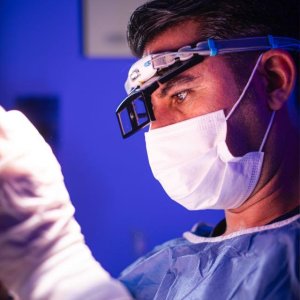
bilal Elbey
الدكتور بلال إلبي يحمل ترخيصاً طبياً ألمانياً (Approbation). تلقى تدريباً سريرياً في طب الأعصاب والطب النفسي في مستشفى كلينيكوم فاهرندورف والجامعة الطبية في هانوفر (MHH) بهانوفر.
يوظّف هذه الخبرة في استعادة الشعر. يقدّم خططاً فردية مبنية على تقييم شامل، مع تركيز واضح على السلامة والنتائج.
شارك في عدة مشاريع أبحاث سريرية. أعماله العلمية مُدرجة على PubMed وGoogle Scholar. يلتزم بالمعايير الطبية الحديثة في علاجاته.
يمارس عمله في ألمانيا ملتزماً بأعلى معايير السلامة والنظافة
مشاركة المحتوى
قصص فيديو من مرضى Bookimed
 Anna Leonova
أسئلة متكررة حول علاج التهاب الأوعية الدموية في ألمانيا
ما هي المستشفيات في ألمانيا الأعلى تقييماً لعلاج التهاب الأوعية الدموية؟
تشمل المستشفيات الألمانية الأعلى تقييماً لالتهاب الأوعية الدموية مستشفى شاريتيه – جامعة برلين الطبية، ومستشفى جامعة شليسفيغ هولشتاين، ومستشفى جامعة إيسن. تستخدم هذه المراكز الأكاديمية فرقاً متعددة التخصصات وتشخيصات متقدمة. توفر مرافق مثل مجمع عيادات شمال الراين-وستفاليا علاجاً مناعياً مخصصاً وبروتوكولات دوائية مستهدفة للحالات المعقدة.
- التشخيص المتخصص: تقدم المراكز تبادل البلازما وفصادة الدم العلاجية لالتهاب الأوعية الدموية الجهازي الحاد.
- التميز الأكاديمي: يدمج مستشفى جامعة إيسن أبحاث الالتهاب العصبي مع تقنيات التصوير الرقمي الحديثة.
- حجم الخدمة: يعالج مجمع عيادات شمال الراين-وستفاليا أكثر من 145,000 مريض سنوياً عبر 27 قسماً.
- تقدير المرضى: تم تصنيف مستشفى أسكليبيوس بارمبيك كعيادة رائدة للمرضى الدوليين.
رؤية خبير Bookimed: تظهر البيانات ميزة واضحة في اختيار المراكز التابعة للجامعات مثل إيسن أو عيادة نوردويست. تجمع هذه المؤسسات بين معاهد الأبحاث والمراكز المتخصصة للأمراض الالتهابية النادرة. وغالباً ما توفر وصولاً أسرع إلى أحدث العلاجات البيولوجية التي لا تزال في مراحلها السريرية. هذا أمر حيوي للمرضى الذين يعانون من متغيرات نادرة مثل التهاب الأوعية الدموية الناخر.
إجماع المرضى: يشير المرضى إلى أن التوجه مباشرة إلى أقسام الروماتيزم الجامعية يسرع العملية. يوصي الكثيرون باستخدام تطبيقات الترجمة للتنقل في العيادات المتخصصة بشكل أكثر فعالية أثناء الاستشارات.
ما هي العلاجات المتقدمة أو المبتكرة المقدمة في ألمانيا لالتهاب الأوعية الدموية؟
تقدم ألمانيا علاجات مبتكرة لالتهاب الأوعية الدموية بما في ذلك مثبطات المتممة الانتقائية مثل أفاكوبان وفيلوبيليماب. تستخدم المراكز المتخصصة علاجات بيولوجية متقدمة مثل ريتوكسيماب وتوسيليزوماب لتحقيق الهجوع. تعطي هذه العلاجات الأولوية للأنظمة التي تقلل من استخدام الستيرويد. تستكشف مرافق الأبحاث أيضًا علاج الخلايا التائية CAR-T وتطبيقات الخلايا الجذعية الوسيطة للحالات المستعصية.
- فصادة علاجية: تعمل فصادة البلازما على إزالة الأجسام المضادة الضارة من الدم في الحالات الشديدة التي تهدد الحياة.
- تثبيط المتممة: يستهدف أفاكوبان مستقبلات C5a لاستبدال الجلوكوكورتيكويدات عالية الجرعة في التهاب الأوعية الدموية المرتبط بـ ANCA.
- العلاجات البيولوجية الموجهة: تستخدم البروتوكولات الألمانية توسيليزوماب خصيصًا لحالات التهاب الشرايين ذو الخلايا العملاقة.
- اختبار المؤشرات الحيوية: يساعد التشخيص الجيني الجزيئي المفصل الأطباء على اختيار علاجات موجهة دقيقة بسرعة.
رؤية خبير Bookimed: تستخدم المستشفيات الجامعية الألمانية مثل مستشفيات إيسن وشمال الراين-وستفاليا نموذج بحث عالي الحجم لتسريع العلاج. يخدم مستشفى جامعة إيسن 370,000 مريض سنويًا. تسمح هذه المجموعة الضخمة من البيانات للأطباء بتنفيذ التصوير الرقمي والذكاء الاصطناعي في وقت أبكر من العيادات الإقليمية الأصغر. يستفيد المرضى من هذا التكامل لأن بروتوكولات التشخيص غالبًا ما تتضمن اختبارات جزيئية متقدمة قد تتجاهلها العيادات القياسية.
إجماع المرضى: يشير المرضى إلى أن المتخصصين الألمان غالبًا ما ي
ما هي النقاط الرئيسية التي يجب أن أناقشها مع طبيبي قبل بدء العلاج؟
يجب على المرضى مناقشة النوع الفرعي المحدد لالتهاب الأوعية الدموية لديهم والأساس المنطقي السريري وراء نظام كبت المناعة المختار. من الضروري معالجة الآثار الجانبية طويلة المدى مثل فقدان كثافة العظام ومخاطر العدوى. تأكد مما إذا كانت العلاجات المتقدمة مثل فصادة الدم الانتقائية أو تبادل البلازما ضرورية لحالتك.
- طرق العلاج: ناقش ضرورة فصادة البلازما أو الفصادة العلاجية في حالات إصابة الأعضاء الشديدة.
- الحفاظ على الخصوبة: اسأل عن تجميد البويضات أو الحيوانات المنوية قبل البدء في أدوية مثل سيكلوفوسفاميد.
- بروتوكولات المراقبة: اطلب خطة تحاليل دم أساسية لتتبع علامات الالتهاب ووظائف الأعضاء.
- الرعاية الوقائية: حدد موعداً للتطعيمات المطلوبة قبل البدء في أي علاج مثبط للمناعة قوي أو علاج بيولوجي.
رؤية خبير Bookimed: توفر ألمانيا كثافة عالية من المراكز الأكاديمية المتخصصة. على سبيل المثال، يخدم مستشفى جامعة إيسن 370,000 مريض سنوياً ويقود التجارب السريرية. غالباً ما يجد المرضى أن هذه المستشفيات الكبيرة التابعة للجامعات توفر وصولاً أسرع إلى العلاجات المبتكرة غير المتوفرة بعد في العيادات الخاصة الصغيرة. اختيار منشأة تضم أكثر من 20 قسماً يضمن رعاية منسقة إذا كان التهاب الأوعية الدموية يؤثر على أعضاء متعددة مثل القلب أو الكلى.
إجماع المرضى: يؤكد المرضى على الحاجة إلى مناقشة زيادة الوزن ومخاطر مرض السكري الناتجة عن الاستخدام طويل الأمد للبريدنيزون. يشير الكثيرون إلى أنه من المفيد السؤال عن خيارات التسريب المنزلي للأدوية البيولوجية للحفاظ ع
ما هي المستشفيات في ألمانيا التي تحظى بأعلى التقييمات في جراحة الأعصاب؟
تضم ألمانيا بعضًا من أرقى أقسام جراحة الأعصاب في العالم، بقيادة مستشفى شاريتيه الجامعي في برلين ومستشفى جامعة هايدلبرغ. وتتميز هذه المراكز بخبرتها الواسعة في علاج أورام الدماغ المعقدة وأمراض الأوعية الدموية الدماغية. ولتحقيق أقصى قدر من الفعالية في عملياتها، تستخدم هذه المراكز أحدث التقنيات، مثل التصوير بالرنين المغناطيسي أثناء الجراحة والتوجيه العصبي بمساعدة الحاسوب.
- مستشفى شاريتيه برلين: يُجري أكثر من 5000 عملية جراحية سنوياً. ويرأس العيادة جراح الأعصاب الشهير الدكتور بيتر فايكوتشي.
- المركز الطبي في سولينجن: أجرى الدكتور رالف بوهل أكثر من 4000 عملية جراحية، بما في ذلك جراحات العمود الفقري طفيفة التوغل.
- عيادة أسكليبيوس نورد: مجهزة بنظام التصوير بالرنين المغناطيسي الثنائي الوحيد في ألمانيا أثناء الجراحة لضمان الدقة الجراحية في الوقت الحقيقي أثناء إزالة الورم.
- عيادة نوردويست: تم الاعتراف بها من قبل مجلة نيوزويك كمستشفى رائد في مجال الابتكار في تكنولوجيا الموجات فوق الصوتية ثلاثية الأبعاد.
رأي خبراء بوكيمد: تشير البيانات إلى أن اختيار المراكز ذات الحجم الجراحي الكبير غالبًا ما يؤدي إلى توصيات علاجية أكثر تحفظًا. ففي مركز سولينجن الطبي، الذي يعالج أكثر من 60,000 مريض
ما هي نسب نجاح العمليات الجراحية العصبية المعقدة في ألمانيا؟
في ألمانيا، تتميز العمليات الجراحية العصبية بالغة التعقيد بمستوى أمان استثنائي. تصل نسبة نجاح عمليات دمج الفقرات إلى 99%، بينما تبلغ نسبة النجاة بعد استئصال أورام الدماغ الأولية 97%. كما يتمتع المرضى بقدرة عالية على الاعتماد على أنفسهم في أداء وظائفهم اليومية، حيث يغادر أكثر من 82% منهم المستشفى مباشرةً بعد العلاج. وتولي المراكز الألمانية اهتماماً بالغاً بالحفاظ على الوظائف العصبية باستخدام أحدث تقنيات التخطيط العصبي.
- استئصال الورم: يحقق الجراحون استئصالًا كاملاً للورم في 87.2% من حالات النقائل الدماغية.
- النجاح في علاج أمراض الأوعية الدموية: أفادت المستشفيات الألمانية بنسبة نجاة بلغت 98.7% لحالات تمدد الأوعية الدموية غير الممزقة.
- تحسن الحالة العصبية: يشهد ما يقرب من 43% من المرضى تحسناً في المعايير الوظيفية بعد عمليات الاستئصال المعقدة.
- سلامة التدخلات الجراحية: في المراكز الجراحية الكبيرة، تتراوح معدلات بقاء المرضى على قيد الحياة بعد جراحة العمود الفقري بين 98-99%.
رأي خبراء بوكيمد: يُجري جراحون ذوو خبرة، مثل الدكتور أوفه كولر من عيادة أسكليبيوس ألتونا، أكثر من 2000 عملية جراحية سنويًا. تُشير البيانات إلى أن هؤلاء المتخصصين يحافظون على معدلات نجاح تصل إلى 90%، حتى
ما هي التقنيات المتقدمة المتوفرة عادةً في عيادات جراحة الأعصاب الألمانية؟
تُدخل عيادات جراحة الأعصاب الألمانية بانتظام أدوات رقمية عالية الدقة وتقنيات تصوير فوري في الممارسة الجراحية. تشمل التقنيات الرئيسية الملاحة العصبية الحاسوبية لجراحات الدماغ والحبل الشوكي. تستخدم مؤسسات مثل عيادة أسكليبيوس نورد التصوير بالرنين المغناطيسي أثناء الجراحة للتحقق من استئصال الورم في الوقت الفعلي. توفر هذه الأنظمة للجراحين نظام ملاحة ثلاثي الأبعاد.
- الملاحة العصبية: توفر تصورًا ثلاثي الأبعاد وتتبعًا فوريًا للأدوات لتحقيق دقة جراحية تصل إلى مستوى أقل من المليمتر.
- التصوير أثناء العملية: تسمح أنظمة مثل التصوير بالرنين المغناطيسي أثناء العملية (iMRI) والتصوير المقطعي المحوسب ذي الذراع O (O-arm CT) بالتأكيد الفوري على نجاح عملية الاستئصال.
- المراقبة العصبية: تراقب الوظائف الحركية والحسية أثناء الجراحة لحماية الجهاز العصبي.
- التشخيص الفلوري: يتم استخدام صبغة 5-ALA لتسليط الضوء على حدود الورم من أجل إزالته بشكل أكثر اكتمالاً.
- المساعدة الروبوتية: تعمل أنظمة مثل نظام دافنشي على تحسين الدقة في الإجراءات المعقدة ذات التدخل الجراحي البسيط.
رأي خبراء بوكيمد: تُجري مراكز طبية كبيرة، مثل مستشفى شاريتيه الج
ما هي التدريبات المتخصصة التي يتلقاها جراحو الأعصاب الممارسون في ألمانيا؟
في ألمانيا، يتعين على جراحي الأعصاب إكمال برنامج إقامة تخصصي لمدة ست سنوات بعد التخرج من كلية الطب. يشمل هذا البرنامج المنظم العناية المركزة، والتدريب السريري، وكتابة مقالات في مجلة جراحية إلزامية. بعد ذلك، يجتاز المرشحون امتحانًا حكوميًا للحصول على لقب طبيب مقيم (Facharzt für Neurochirurgie).
- الإقامة السريرية: تتطلب من 48 إلى 72 شهرًا من الممارسة المتخصصة في جراحة الأعصاب.
- العناية المركزة: تتضمن فترة تدريب إلزامية لمدة 6 أشهر في وحدة العناية المركزة لجراحة الأعصاب.
- المجلة الجراحية: يوثق الجراحون مئات العمليات الجراحية، بما في ذلك عمليات فتح الجمجمة وجراحات العمود الفقري.
- امتحان الترخيص: يجب على المتقدمين اجتياز امتحان طبي شفوي وعملي تديره الدولة.
رأي خبراء بوكيميد: يركز التدريب الألماني في جراحة الأعصاب على الخبرة الجراحية الواسعة. فعلى سبيل المثال، أجرى الدكتور رالف بول من المركز الطبي في سولينجن أكثر من 4000 عملية جراحية. ويتمتع الدكتور يورغن كيويت من مستشفى ميوكلينيك بخبرة تزيد عن 25 عامًا. يضمن هذا النظام الدقيق أن يتعامل المتخصصون في المراكز الكبرى مع الحالات المعقدة بدقة مثبتة.
آراء المرضى: يشع
ما هي متطلبات اللغة والترخيص المطلوبة للجراحين الأجانب الراغبين في التدرب أو مراقبة العمليات الجراحية العصبية في ألمانيا؟
يجب على جراحي الأعصاب الأجانب استيفاء متطلبات لغوية وترخيصية صارمة للالتحاق بالتدريب أو فترة التدريب العملي في ألمانيا. يتطلب التدريب رخصة طبية سارية أو تصريحًا مؤقتًا. أما المتدربون، فيجب عليهم الحصول على إذن من مستشفى محدد. ويتطلب كلا الخيارين إتقانًا عاليًا للغة الألمانية للمشاركة في المناقشات السريرية وإجراء العمليات الجراحية المعقدة بأمان.
- المهارات اللغوية: مطلوب مستوى عام في اللغة الألمانية B2 ومستوى في اللغة الطبية C1 (Fachsprachprüfung) للتدريب السريري.
- الترخيص السريري: يحتاج الجراحون إلى تصريح لممارسة دائمة (Approbation) أو تصريح مهني (Berufserlaubnis) للتدريب الداخلي المؤقت الخاضع للإشراف.
- حالة المراقبة: يسمح دخول المستشفى بمراقبة العمليات الجراحية دون تحمل المسؤولية الطبية أو الحصول على ترخيص رسمي.
- تقييم المؤهلات: غالباً ما يتعين على خريجي الطب من خارج الاتحاد الأوروبي الخضوع لعملية التحقق من صحة الشهادة في غضون 3-6 أشهر.
رأي خبراء بوكيمد: غالبًا ما تُعطي العيادات الألمانية ذات الأعداد الكبيرة من المرضى، مثل عيادة نوردويست أو أسكليبيوس نورد، الأولوية للمرشحين الذين خضعوا بالفعل لتقييم أولي للوثائق. تُظهر بياناتنا أن أساتذة مثل الدكتور أوفه كولر والدكتور
هل يوجد عدد كافٍ من جراحي الأعصاب في ألمانيا لعلاج المرضى المحليين والدوليين على حد سواء؟
تضم ألمانيا أعلى نسبة من جراحي الأعصاب في أوروبا، حيث يبلغ عددهم 2.94 متخصصًا لكل 100,000 نسمة. وبفضل 184 قسمًا متخصصًا، تستطيع هذه الكفاءات المتميزة التعامل بسهولة مع تدفق المرضى الدوليين. وتُجري مراكز طبية رئيسية، مثل مستشفى شاريتيه برلين، أكثر من 4,000 عملية جراحية سنويًا. ويُوفر هذا العدد الكبير من المتخصصين قدرة إضافية على التعامل مع الحالات الدولية المعقدة.
- الكثافة التخصصية: يوجد في ألمانيا 2.94 جراح أعصاب لكل 100000 شخص، وهو ضعف المتوسط الأوروبي.
- البنية التحتية السريرية: أكثر من 182 قسمًا متخصصًا في جراحة الأعصاب تضمن سهولة الوصول الجغرافي على نطاق واسع في جميع أنحاء ألمانيا.
- الخبرة الجراحية: يقوم البروفيسور الدكتور بيتر فايكوتشي من مستشفى شاريتيه برلين بإجراء أكثر من 4000 عملية جراحية سنوياً.
- التكنولوجيا المتطورة: تستخدم عيادات مثل عيادة أسكليبيوس نورد التصوير بالرنين المغناطيسي أثناء الجراحة والتوجيه العصبي الحاسوبي.
رأي خبراء بوكيمد: على الرغم من وجود العديد من المتخصصين ذوي الكفاءة العالية في ألمانيا، إلا أن أساتذةً مثل الدكتور رالف بول أو الدكتور أوفه كولر يتركزون غالبًا في مراكز طبية كبيرة مثل هامبورغ أو سولينغن. تُظهر بياناتنا أن هذه المراكز الكبيرة