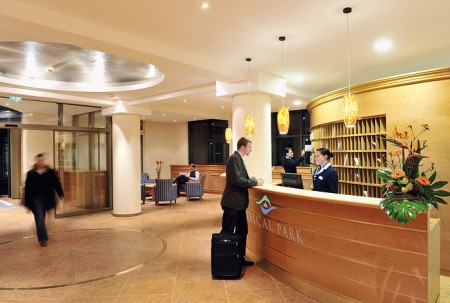
CDT-WEST Center of Diagnostics and Therapy
ألمانيا, كولونيا


تمت مراجعة المقالة طبيا من قبل
فهد مولود
من $510
تكاليف علاج سرطان الكبد في المرحلة الرابعة المعتادة في ألمانيا
رؤية خبراء Bookimed: بالنسبة للحالات المتقدمة التي تتطلب خبرة جراحية، يعد مستشفى أسكليبيوس بارمبيك (Asklepios Hospital Barmbek) في هامبورغ خياراً أولاً. يتخصص البروفيسور كارل ج. أولدهافر هناك في جراحة الكبد الموجهة بالحاسوب وإزالة النقائل. يجب على المرضى الذين يبحثون عن خيارات مبتكرة التفكير في عيادة نوردويست (Nordwest Clinic) في فرانكفورت. تقوم البروفيسورة إلكه ييغر في نوردويست بتطوير لقاحات مضادة للأورام بشكل فردي لحالات الأورام المعقدة. توفر الرعاية على المستوى الجامعي في مستشفى شاريتيه برلين (Charité Berlin) أو المركز الطبي في سولينغن (Medical Center Solingen) فرقاً متعددة التخصصات لإدارة المرحلة الرابعة. توفر المراكز التي تركز على الأبحاث مثل نوردويست إمكانية الوصول إلى العلاجات الموجهة وتشخيصات الموجات فوق الصوتية ثلاثية الأبعاد. هذه المرافق مثالية للمرضى الذين يحتاجون إلى بروتوكولات جراحية وكيميائية متكاملة تحت إشراف متخصصين مصنفين ضمن قائمة Focus.
| تركيا | إسبانيا | ألمانيا | |
|---|---|---|---|
| العلاج الكيميائي لسرطان الثدي | من $3,000 | من $1,700 | من $2,200 |

يترأس البروفيسور فافنباخ قسم أمراض الجهاز الهضمي والأورام والطب الباطني في مستشفى سولينجن الأكاديمي، وهو متخصص في أورام الكبد وحالات الجهاز الهضمي المعقدة.

تقود الدكتورة فيولا فوكس عيادة أمراض الدم والأورام والرعاية التلطيفية في BKZ Solingen، وهي متخصصة في علاجات سرطان الكبد المتقدمة.

يتخصص البروفيسور كايل في التصوير المتقدم والتدخلات لعلاج سرطان الكبد، باستخدام التصوير بالرنين المغناطيسي والأشعة المقطعية والموجات فوق الصوتية في مستشفى زولينغن الأكاديمي.
 Anna Leonova
توفر ألمانيا علاجات متقدمة لسرطان الكبد في المرحلة الرابعة من خلال مراكز معتمدة من DKG تركز على العلاج متعدد الوسائط. يحصل المرضى على بروتوكولات مبتكرة مثل الانصمام الإشعاعي SIRT، والتجديد الجراحي ALPPS، ولقاحات مكافحة السرطان الشخصية. تهدف هذه التدخلات المتخصصة إلى السيطرة على انتشار الورم مع الحفاظ على وظائف الكبد الحيوية.
رؤية خبير Bookimed: تكشف البيانات من المراكز الألمانية الرائدة عن تحول نحو الجمع بين الأشعة التداخلية والتشخيص الجزيئي. على سبيل المثال، يتخصص البروفيسور الدكتور توماس دبليو كراوس في عيادة Nordwest في جراحة الكبد والقنوات الصفراوية المعقدة وإدارة النقائل. غالبًا ما يستخدم فريقه مجالس أورام متعددة التخصصات لدمج الخيارات الجراحية مع ابتكارات رائدة مثل الموجات فوق الصوتية ثلاثية الأبعاد. يساعد هذا النهج التعاوني في العيادات ذات الحجم الكبير في تحديد المرضى الذين قد لا يزالون يستفيدون من الجراحة الموضعية حتى في المراحل المتقدمة.
إجماع المرضى: يقدر المرضى التنسيق السريع بين أقسام التصوير وعلم الأمر
يتم خفض مرحلة سرطان الكبد من المرحلة الرابعة ليصبح قابلاً للجراحة في ألمانيا من خلال الأشعة التداخلية المتقدمة وبروتوكولات مثل ALPPS. يستخدم المتخصصون في مراكز مثل عيادة نوردويست لقاحات مستهدفة وتقنية TACE لتقليص الأورام. يعتمد النجاح على وظائف الكبد والاستجابة للعلاج الجهازي أثناء عملية خفض المرحلة.
رؤية خبير Bookimed: تُظهر المستشفيات الجامعية الألمانية نمطاً متميزاً حيث ترتبط أحجام المرضى الضخمة بمراكز الأبحاث المتخصصة. على سبيل المثال، تعالج مستشفى شاريتيه برلين أكثر من 800,000 مريض سنوياً وتدمج الذكاء الاصطناعي مع التصوير الرقمي لمجالس الأورام المعقدة. يسمح هذا النطاق للأطباء بتحديد المرشحين النادرين لخفض المرحلة الذين قد تصنفهم المرافق الأصغر على أنهم حالات تلطيفية فقط. يجب على المرضى البحث عن عيادات مثل نوردويست، التي تجمع بين 5 معاهد بحثية لتقديم لقاحات مضادة للسرطان إلى جانب التدخلات الجراحية التقليدية.
إجماع المرضى: يلاحظ المرضى أن خفض المرحلة ليس تلقائياً أبداً ويتطلب تص
يحدد أطباء الأورام الألمان خطط العلاج من خلال مجالس الأورام متعددة التخصصات والالتزام الصارم بإرشادات S3 القائمة على الأدلة. يجمع هذا النهج المنظم بين التشخيص الجزيئي، وتقييم وظائف الكبد، والتخطيط التعاوني. يضمن المتخصصون في المراكز المعتمدة من قبل الجمعية الألمانية للسرطان أن كل استراتيجية للمرحلة الرابعة تقلل من المخاطر مع تحسين متوسط العمر المتوقع.
رؤية خبير Bookimed: توفر ألمانيا ميزة فريدة لحالات الكبد في المرحلة الرابعة من خلال معاهد بحثية متكاملة. على سبيل المثال، تدير عيادة Nordwest خمسة مراكز بحثية متخصصة. تسمح هذه المراكز لأطباء مثل البروفيسورة الدكتورة إلكه ييغر بتقديم خيارات مبتكرة مثل لقاحات مكافحة السرطان. غالبًا ما يوفر هذا المستوى من التخصص مسارات قد لا تتضمنها البروتوكولات القياسية في المستشفيات الأصغر.
إجماع المرضى: يؤكد المرضى أن نتائج علم الأمراض الدقيقة ضرورية قبل الانتهاء من الخطة. ويشيرون إلى أن الأطباء يعطون الأولوية للعلاج الجهازي وصحة الكبد على الجراحة العدوانية في المرحلة الرابعة.
غالباً ما ينتقل المرضى الذين يعتبرون ضعفاء جداً للخضوع للعلاج الكيميائي القياسي في ألمانيا إلى بدائل دقيقة ذات سمية أقل. تستخدم مراكز الأورام الألمانية العلاجات الموجهة، والعلاج المناعي، والتدخلات الموضعية مثل SIRT أو TACE. تركز هذه الخيارات على السيطرة على الورم مع الحفاظ على وظائف الأعضاء الحيوية وجودة الحياة العامة.
رؤية خبير Bookimed: تشير البيانات الواردة من عيادات ألمانية رائدة مثل المركز الطبي في سولينغن وعيادة نوردويست إلى أن حالة الأداء ديناميكية. قد يصبح المريض الذي يعتبر ضعيفاً جداً في منشأة واحدة مؤهلاً للعلاج في مكان آخر بعد تدخلات محددة. على سبيل المثال، يتخصص البروفيسور الدكتور بوريس فافنباخ في تطوير الأنظمة الغذائية العلاجية والعلاجات التحفظية. تركز هذه على حل اليرقان أو سوء التغذية. غالباً ما يمكن لتحسين هذه العوامل الأساسية نقل المريض من الرعاية التلطيفية إلى أهلية العلاج النشط.
إجماع المرضى: يلاحظ المرضى أن الضعف غالباً ما يتم تقييمه من خلال اختبارات وظائف الكبد بدلاً من مجرد شعورهم. يؤكد ال
تحظى المستشفيات الجامعية والمراكز المتخصصة الألمانية باعتراف عالمي في علاج سرطان الكبد المتقدم. تمتلك مرافق مثل مستشفى شاريتيه برلين، وعيادة نوردويست، والمركز الطبي في سولينغن شهادات من الجمعية الألمانية للسرطان. تستخدم هذه المؤسسات مجالس أورام متعددة التخصصات لتنسيق العلاجات الموجهة، والعلاج المناعي، والأشعة التداخلية المعقدة.
رؤية خبير Bookimed: بينما توفر المستشفيات الجامعية مثل شاريتيه برلين بنية تحتية بحثية ضخمة، فإنها غالبًا ما يكون لديها فترات انتظار أطول للمرضى الدوليين. تظهر البيانات أن العيادات الأكاديمية الكبيرة مثل المركز الطبي في سولينغن أو عيادة نوردويست توفر خبرة مماثلة ومعتمدة من DKG، ولكنها عادةً ما تعالج طلبات الرأي الثاني وبدء العلاج بشكل أسرع. هذا أمر بالغ الأهمية لمرضى المرحلة الرابعة حيث تؤثر تأخيرات العلاج بشكل مباشر على النتائج.
إجماع المرضى: يؤكد المرضى على أهمية العثور على مركز تعمل فيه الأشعة التداخلية والأورام تحت سقف واحد. ينصح الكثيرون بإرسال الفحوصات
تضم ألمانيا بعضًا من أرقى أقسام جراحة الأعصاب في العالم، بقيادة مستشفى شاريتيه الجامعي في برلين ومستشفى جامعة هايدلبرغ. وتتميز هذه المراكز بخبرتها الواسعة في علاج أورام الدماغ المعقدة وأمراض الأوعية الدموية الدماغية. ولتحقيق أقصى قدر من الفعالية في عملياتها، تستخدم هذه المراكز أحدث التقنيات، مثل التصوير بالرنين المغناطيسي أثناء الجراحة والتوجيه العصبي بمساعدة الحاسوب.
رأي خبراء بوكيمد: تشير البيانات إلى أن اختيار المراكز ذات الحجم الجراحي الكبير غالبًا ما يؤدي إلى توصيات علاجية أكثر تحفظًا. ففي مركز سولينجن الطبي، الذي يعالج أكثر من 60,000 مريض
في ألمانيا، تتميز العمليات الجراحية العصبية بالغة التعقيد بمستوى أمان استثنائي. تصل نسبة نجاح عمليات دمج الفقرات إلى 99%، بينما تبلغ نسبة النجاة بعد استئصال أورام الدماغ الأولية 97%. كما يتمتع المرضى بقدرة عالية على الاعتماد على أنفسهم في أداء وظائفهم اليومية، حيث يغادر أكثر من 82% منهم المستشفى مباشرةً بعد العلاج. وتولي المراكز الألمانية اهتماماً بالغاً بالحفاظ على الوظائف العصبية باستخدام أحدث تقنيات التخطيط العصبي.
رأي خبراء بوكيمد: يُجري جراحون ذوو خبرة، مثل الدكتور أوفه كولر من عيادة أسكليبيوس ألتونا، أكثر من 2000 عملية جراحية سنويًا. تُشير البيانات إلى أن هؤلاء المتخصصين يحافظون على معدلات نجاح تصل إلى 90%، حتى
تُدخل عيادات جراحة الأعصاب الألمانية بانتظام أدوات رقمية عالية الدقة وتقنيات تصوير فوري في الممارسة الجراحية. تشمل التقنيات الرئيسية الملاحة العصبية الحاسوبية لجراحات الدماغ والحبل الشوكي. تستخدم مؤسسات مثل عيادة أسكليبيوس نورد التصوير بالرنين المغناطيسي أثناء الجراحة للتحقق من استئصال الورم في الوقت الفعلي. توفر هذه الأنظمة للجراحين نظام ملاحة ثلاثي الأبعاد.
رأي خبراء بوكيمد: تُجري مراكز طبية كبيرة، مثل مستشفى شاريتيه الج
في ألمانيا، يتعين على جراحي الأعصاب إكمال برنامج إقامة تخصصي لمدة ست سنوات بعد التخرج من كلية الطب. يشمل هذا البرنامج المنظم العناية المركزة، والتدريب السريري، وكتابة مقالات في مجلة جراحية إلزامية. بعد ذلك، يجتاز المرشحون امتحانًا حكوميًا للحصول على لقب طبيب مقيم (Facharzt für Neurochirurgie).
رأي خبراء بوكيميد: يركز التدريب الألماني في جراحة الأعصاب على الخبرة الجراحية الواسعة. فعلى سبيل المثال، أجرى الدكتور رالف بول من المركز الطبي في سولينجن أكثر من 4000 عملية جراحية. ويتمتع الدكتور يورغن كيويت من مستشفى ميوكلينيك بخبرة تزيد عن 25 عامًا. يضمن هذا النظام الدقيق أن يتعامل المتخصصون في المراكز الكبرى مع الحالات المعقدة بدقة مثبتة.
آراء المرضى: يشع
يجب على جراحي الأعصاب الأجانب استيفاء متطلبات لغوية وترخيصية صارمة للالتحاق بالتدريب أو فترة التدريب العملي في ألمانيا. يتطلب التدريب رخصة طبية سارية أو تصريحًا مؤقتًا. أما المتدربون، فيجب عليهم الحصول على إذن من مستشفى محدد. ويتطلب كلا الخيارين إتقانًا عاليًا للغة الألمانية للمشاركة في المناقشات السريرية وإجراء العمليات الجراحية المعقدة بأمان.
رأي خبراء بوكيمد: غالبًا ما تُعطي العيادات الألمانية ذات الأعداد الكبيرة من المرضى، مثل عيادة نوردويست أو أسكليبيوس نورد، الأولوية للمرشحين الذين خضعوا بالفعل لتقييم أولي للوثائق. تُظهر بياناتنا أن أساتذة مثل الدكتور أوفه كولر والدكتور