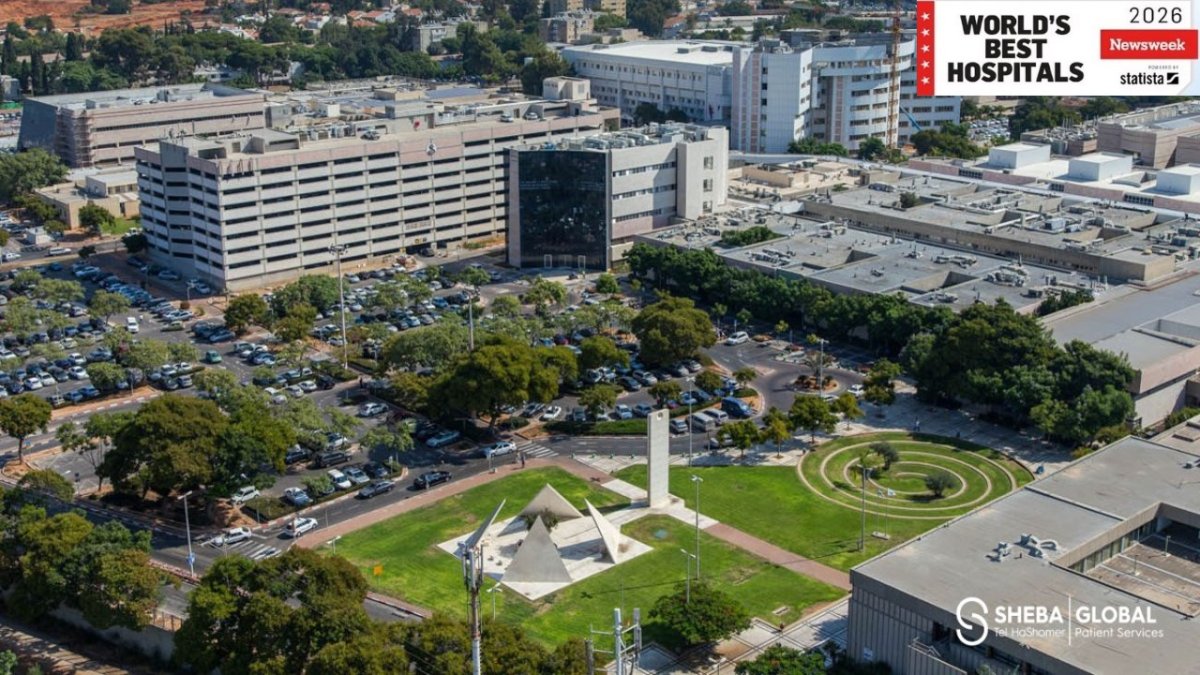
Sourasky Medical Center (Ichilov)
إسرائيل, Tel Aviv
Ofer Merimsky
41سنة خبره ١٦ سنة

الاعتمادات : 
العيادة معتمدة من قبل : 





تمت مراجعة المقالة طبيا من قبل
فهد مولود
يرأس البروفيسور عوفر ميريمسكي قسم الأورام في مركز تل أبيب الطبي، ويتمتع بخبرة تزيد عن 41 سنة في علاج السرطانات المتقدمة.

تتخصص الدكتورة بيليس شارون في علاجات سرطان الكبد المتقدمة في مركز سوراسكي الطبي، بما في ذلك العلاجات المبتكرة مثل SIRT وHIPEC.

44 سنة متخصص في سرطانات الكبد والجهاز الهضمي – يرأس مركز الوقاية من السرطان في مركز سوراسكي الطبي في تل أبيب.
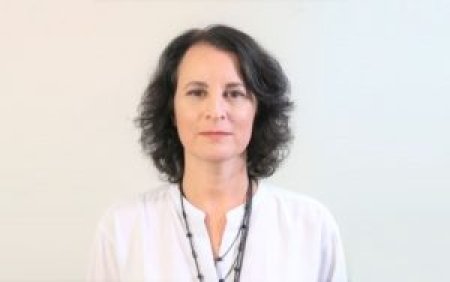
الدكتورة عينات شاحام‑شموئيلي استشارية أورام طبية في عيادة الجهاز الهضمي، مركز السرطان، مركز شيبا الطبي. تعالج سرطانات القولون والمعدة والبنكرياس، وتدير حالات المرض النقيلي. تستخدم التشخيص الدقيق والواسمات الحيوية، والعلاجات الجهازية، والعلاج الإشعاعي. تُقدَّم الرعاية ضمن فريق متعدد التخصصات.
نشرت أكثر من 25 مقالة مُحكَّمة حول أورام الجهاز الهضمي وبيولوجيا الأورام والعلاجات الجديدة، ويشمل عملها دراسات عن وضع الدعامات لعلاج الانسداد الخبيث في القولون. تعمل باحثة في برامج دولية، منها المع
 Anna Leonova
يتضمن العلاج الأساسي لسرطان الكبد في المرحلة الرابعة في إسرائيل العلاج المناعي الجهازي والأدوية البيولوجية الموجهة. تركز المراكز المتخصصة على السيطرة على النقائل مع إدارة الأورام داخل الكبد. تُستخدم تقنيات الأورام التداخلية المتقدمة مثل SIRT و TACE بشكل متكرر جنبًا إلى جنب مع البروتوكولات الجهازية لإطالة فترة البقاء على قيد الحياة.
رؤية خبير Bookimed: تتمتع مراكز الأورام الإسرائيلية مثل مركز شيبا الطبي ومركز سوراسكي الطبي بميزة كبيرة من حيث الحجم. يخدم مركز شيبا أكثر من 2 مليون مريض سنويًا ويحتل المرتبة السابعة عالميًا. يسمح هذا الحجم الكبير للجراحين مثل الدكتور يوري غولدس بأن يكونوا روادًا في عمليات الاستئصال الروبوتية. يستخدم الأطباء المتخصصون مثل البروفيسور الدكتور عوفر ميريمسكي أكثر من 30 عامًا من الخبرة لإدارة سرطانات الجهاز الهضمي المعقدة. يستفيد المرضى من هذه الخبرة المركزة في المستشفيات الجامعية التي تحمل تصنيفات متعددة من مجلة نيوزويك.
إجماع المرضى:
توفر إسرائيل علاجات متقدمة أو تجريبية لسرطان الكبد من خلال مراكز الأورام المصنفة عالمياً. تشمل البروتوكولات المتخصصة عقار Namodenoson لسرطان الخلايا الكبدية المتقدم واستئصال الكبد خارج الجسم (ex vivo) في مركز شيبا الطبي. تبلغ مراكز مثل مركز سوراسكي الطبي عن معدل نجاح أورام متوسط قدره 90٪.
رؤية خبير Bookimed: تعمل مراكز الأورام الإسرائيلية مثل شيبا وسوراسكي بكثافة أطباء عالية بشكل استثنائي. يدير مركز شيبا الطبي أكثر من 2 مليون مريض سنوياً مع 2300 طبيب. يسمح هذا الحجم الكبير لجراحين مثل الدكتور يوري غولدس بالريادة في عمليات الاستئصال الروبوتية. غالباً ما تؤدي هذه الخبرة العميقة إلى معدلات نجاح أعلى في الإجراءات التي لا تزال تجريبية في أماكن أخرى.
إجماع المرضى: يشير المرضى إلى أنه من المهم مقارنة تكاليف العلاجات التجريبية الإسرائيلية بمراكز الولايات المتحدة أو أوروبا. بينما يجد البعض أن الوصول إلى تجارب المرحلة الثانية المحددة أسهل في أوروبا، يقدر البعض الآخر الخبرة المشتركة للأساتذة الإسرائيليين الذين يشغلون أيضاً مناصب رفيعة المستوى في جمعيات الأورام الأمريكية.
نادراً ما يتم علاج سرطان الكبد في المرحلة الرابعة. ومع ذلك، يحقق المتخصصون الإسرائيليون هدوءاً طويل الأمد من خلال علاجات متقدمة. يستخدم أطباء مثل الدكتورة بيليس شارون تقنية SIRT والعلاج المناعي بـ Keytruda. توقف هذه البروتوكولات نمو الورم. وهي تزيد بشكل كبير من معدل البقاء على قيد الحياة للمرضى الذين يعانون من مرض نقائلي.
رؤية خبير Bookimed: تعمل مراكز الأورام الإسرائيلية مثل شيبا وسوراسكي على نطاق واسع. يخدم مركز شيبا مليوني مريض سنوياً. تظهر بياناتنا ميزة واضحة في الرعاية متعددة التخصصات. يعتبر أطباء مثل الدكتور يوري غولدس رواداً في عمليات الاستئصال الروبوتية. يسمح هذا الحجم الكبير للجراحين بإتقان الإجراءات المعقدة. لا تستطيع معظم المستشفيات العامة في الخارج مضاهاة هذه الخبرة المتخصصة.
إجماع المرضى: يؤكد المرضى على التركيز على جودة الحياة أثناء العلاج. يلاحظ الكثيرون أن ارتفاع مستويات البيليروبين هو علامة حرجة يجب مراقبتها عن كثب.
يمكنك الحصول على خطة علاج شاملة عن بُعد من المؤسسات الطبية الإسرائيلية قبل السفر. يستخدم المتخصصون الطب عن بُعد ومراجعة السجلات الرقمية لتقييم الحالات الدولية. تؤكد هذه العملية تشخيصك وتضع بروتوكولاً للحالات المتقدمة مثل سرطان الكبد.
رؤية خبير Bookimed: تعطي مراكز الأورام الإسرائيلية مثل مركز شيبا الطبي الأولوية للحالات عالية القيمة. تظهر بياناتنا أنهم يصدرون بشكل متكرر خططاً عن بُعد لسرطان الكبد في المرحلة الرابعة في غضون أسبوعين. غالباً ما تسلط هذه الخطط الضوء على خيارات متقدمة مثل العلاجات المناعية TIL أو SIRT. تساعد هذه الاستجابة السريعة المرضى في الحصول على تأشيرات طبية بشكل أسرع بكثير من القنوات القياسية.
إجماع المرضى: يشير المرضى إلى أنه من المهم تحميل السجلات الكاملة بما في ذلك درجات Child-Pugh للحصول على ردود فعل أسرع. غالباً ما يتلقون الضوء الأخضر عن بُعد قبل السفر، لكن يجب أن يتوقعوا تغير 20% من الخطط بعد الفحوصات في الموقع.
يتضمن علاج سرطان الكبد في المرحلة الرابعة في إسرائيل دورات علاجية جهازية تمتد لعدة أسابيع. تستغرق التقييمات التشخيصية الأولية عادةً من 3 إلى 7 أيام. تتكرر الجولات العلاجية مثل الانصمام الكيميائي أو العلاج الموجه عادةً كل 4 إلى 8 أسابيع. وغالبًا ما يستمر العلاج الصيانى طويل الأمد باستخدام العلاج المناعي إلى أجل غير مسمى للسيطرة على نمو الورم.
رؤية خبير Bookimed: يعطي المتخصصون الإسرائيليون مثل الدكتورة بيليس شارون الأولوية لنتائج وظائف الكبد على حجم الورم عند تحديد الجداول الزمنية. تشير البيانات إلى أن عيادات مثل مركز سوراسكي الطبي تحافظ على معدل نجاح في الأورام بنسبة 90% من خلال تعديل فترات الدورات بناءً على هذه النتائج. غالبًا ما يؤدي هذا النهج الشخصي إلى تمديد فترات العلاج القياسية بنسبة 20% لضمان سلامة المريض.
إجماع المرضى: يشير المرضى إلى أن العلاج يظل نشطًا طالما ظلت وظائف الكبد مستقرة. يؤكد الكثيرون على الحاجة إلى التخطيط لمدة لا تقل عن 6 إلى 12 شهرًا عند بدء العلاجات الجهازية.
لاستشارتك الأولى في إسرائيل، أحضر ملفك الطبي الكامل بما في ذلك تقارير علم الأمراض وجميع الصور الأصلية على قرص أو وحدة تخزين USB. يجب عليك أيضًا حمل جواز سفر ساري المفعول، ونتائج حديثة لوظائف الكبد، وقائمة مفصلة بالأدوية الحالية.
رؤية خبير Bookimed: غالبًا ما تتطلب مراكز الأورام الإسرائيلية مثل Sourasky أو Sheba مراجعة جديدة لشرائح الخزعة المادية. إن إحضار الشرائح أو الكتل الفعلية الخاصة بك يسمح لأخصائيي الأمراض لديهم بتأكيد النوع الفرعي على الفور. يمكن أن يوفر لك هذا 10 أيام من الانتظار للحصول على خزعة جديدة. يمكن للمتخصصين ذوي الخبرة مثل الدكتور مناحيم بن حاييم بعد ذلك البدء في تخطيط العلاج خلال زيارتك الأولى.
إجماع المرضى: يشير المرضى إلى أنه من المهم إحضار أحد أفراد الأسرة لتدوين الملاحظات. غالبًا ما تستمر الاستشارات لحالات المرحلة الرابعة لعدة ساعات وتتضمن تفاصيل معقدة حول التجارب السريرية.
يجب على المرضى السؤال عن الوصول إلى الطب الدقيق مثل SIRT والعلاج الإشعاعي الداخلي الانتقائي. استفسر عما إذا كان طبيب الأورام يدمج التنميط الجيني لتخصيص بروتوكولات العلاج الكيميائي. تأكد مما إذا كانت سجلاتك الطبية الإلكترونية تتم مزامنتها بين المراكز العامة والمرافق الخاصة مثل مركز أسوتا الطبي لضمان رعاية سلسة.
رؤية خبير Bookimed: تعمل مراكز الأورام الإسرائيلية مثل شيبا وسوراسكي (إيخيلوف) كمراكز بحثية ضخمة. يخدم مركز شيبا الطبي وحده أكثر من 1,900,000 مريض كل عام. يسمح هذا الحجم للأطباء بتقديم تقنيات متخصصة مثل استئصال الأورام الروبوتي وعلاج SIRT. عند اختيار متخصص، ابحث عن أولئك الذين يشغلون أدوارًا قيادية وطنية. على سبيل المثال، يرأس الدكتور إيدو وولف المجلس الوطني للأمراض الخبيثة. غالبًا ما يتمتع هؤلاء الأطباء بوصول مبكر إلى أحدث بروتوكولات العلاج قبل أن تصبح معيارًا في أماكن أخرى.
تُعدّ إسرائيل مركزًا رائدًا في جراحة الأعصاب بفضل مزيجها من التطورات الطبية عالية التقنية والخبرات الجراحية المتميزة. وتستخدم مرافق متطورة مثل مركز شيبا الطبي أنظمة ملاحة تعتمد على الذكاء الاصطناعي والتصوير بالرنين المغناطيسي أثناء الجراحة في الوقت الفعلي. وتشير المراكز المتخصصة إلى نسبة نجاح تصل إلى 98% في العمليات الجراحية المعقدة، بما في ذلك جراحة الدماغ مع اليقظة وعلاج اضطرابات الحركة.
رأي خبراء بوكيمد: تُظهر البيانات فرقًا واضحًا بين خيارات العلاج في القطاعين العام والخاص في إسرائيل. تُجري المراكز الخاصة، مثل مركز أسوتا الطبي، أكثر من 92,000 عملية جراحية سنويًا، وتتيح للمرضى اختيار جراح را
يعالج جراحو الأعصاب الإسرائيليون طيفاً واسعاً من الحالات، بدءاً من أورام الدماغ والحبل الشوكي وصولاً إلى الاضطرابات الوظيفية المعقدة. وتستخدم المراكز المتخصصة أحدث التقنيات، مثل جهاز جاما نايف، والتحفيز العميق للدماغ، والتصوير بالرنين المغناطيسي أثناء الجراحة، لتشخيص دقيق للغاية لحالات الصرع، ومرض باركنسون، وأمراض الأوعية الدموية الدماغية.
رأي خبراء بوكيمد: غالبًا ما تجمع المستشفيات الإسرائيلية بين تخصصات طبية متعددة لمعالجة الحالات المعقدة. ففي مركز سوراسكي ا
تضم إسرائيل مراكز جراحة أعصاب عالمية المستوى، مثل مركز سوراسكي الطبي، ومركز شيبا الطبي، ومركز هداسا الطبي. وتُعدّ هذه المؤسسات رائدة عالميًا في علاج أورام الدماغ المعقدة، وأمراض العمود الفقري، واضطرابات الحركة. وتستخدم أحدث التقنيات، مثل جهاز جاما نايف، والأنظمة الروبوتية، والتصوير بالرنين المغناطيسي أثناء الجراحة.
رأي خبراء بوكيمد: تُظهر بياناتنا أنه بينما يلجأ معظم المرضى للعلاج في تل أبيب، يُقدّم مركز رامبام الطبي في حيفا رعايةً فريدةً لإصابات الدماغ. فهو يضم وحدةً متخصصةً للعناية المركزة العصبية تُعالج ما يقارب مليون مريض سنويًا. وهذا ما يجعله