العودة إلى الصفحة الرئيسية

كيف نعمل؟

لقد قمنا بتحويل عملية البحث عن العيادة، وجعلناها بسيطة وسريعة وشخصية.
أجب عن بعض الأسئلةقم بإجراء اختبار قصير لمشاركة أهدافك استئصال القرص الخاصة بك.
احصل على عروض مخصصة٣ عيادات تم اختيارها بعناية بناءً على إجاباتك، ستقدّم خطط علاج وتقديرات تكلفة مخصصة لك.
اختر الخيار الأفضلقارن بين العروض واختر العيادة الأنسب لك.
يمكنك أيضًا تصفح 3 عيادة أدناه.
820К+ مريضًا حصلوا على المساعدة منذ عام 2014
50 دول
1,500 عيادات
6K+ تقييمات
3K+ طبيب مؤهل

ما هي تكلفة استئصال القرص في الصين؟ اكتشف الآن

تتراوح تكلفة استئصال القرص في الصين من $8,700 إلى $15,200 حسب التقنية الجراحية ومستوى العيادة والمدينة. تبلغ تكلفة الإجراءات المماثلة في المملكة العربية السعودية متوسط _price_compare_SA_average_ . يمكن للمرضى تحقيق وفورات تبلغ حوالي _price_percent_discount_% مقارنة بالأسعار السعودية. تشمل التكلفة عادةً العملية الجراحية والتخدير وعدة أيام من الإقامة بالمستشفى.

  • جراحة الانزلاق الغضروفي: من $10,500 إلى $18,800 لإجراءات التخفيف التقليدية.
  • برامج علاجية شاملة: من $8,500 إلى $16,500 بما في ذلك جميع الفحوصات التشخيصية الضرورية قبل الجراحة.
  • تكلفة التقنيات المتقدمة: تضيف الأساليب طفيفة التوغل أو التنظيرية عادةً 20-30 % إلى التكلفة الأساسية للجراحة.
  • التفاوت الجغرافي: تشمل المراكز الطبية الكبرى بكين وغوانزو وتيانجين، وغالباً ما تكون أسعار بكين أعلى.

رأي خبراء Bookimed: يضمن اختيار مرافق معتمدة من JCI مثل مستشفى ياندا الدولي أو مستشفى فودا للسرطان رعاية بمعايير غربية. تبدأ أسعار بكين عادةً من 14,000 $، بينما تقدم عيادات غوانزو جودة مماثلة بحوالي 7,800 $. يختار المرضى المطلعون أطباء مثل سيي كاي الذين تدربوا في مستشفى الجراحة الخاصة بنيويورك. تتوفر هذه الخبرة النخبوية في الصين بجزء بسيط من التكاليف في المملكة العربية السعودية.

الصينتركياإسبانيا
استئصال القرصمن $8,700من $4,510من $8,000
علاج الانزلاق الغضروفي مع تشخيص ما قبل العمليةمن $8,500من $1,053من $9,000
جراحة الانزلاق الغضروفيمن $10,500من $3,492من $10,000
تم التحقق من البيانات بواسطة Bookimed اعتبارًا من May 2026، استنادًا إلى طلبات المرضى والعروض الرسمية من 173 عيادة حول العالم. تستند التكاليف المتوسطة إلى الفواتير الحقيقية (2025–2026) ويتم تحديثها شهريًا. قد تختلف الأسعار الفعلية.

اكتشف أفضل استئصال القرص العيادات في الصين: 3 خيارات معتمدة والأسعار

تم تصنيف العيادات بواسطة نظام Bookimed الذكي، باستخدام تحليل علوم البيانات عبر 5 معايير رئيسية.
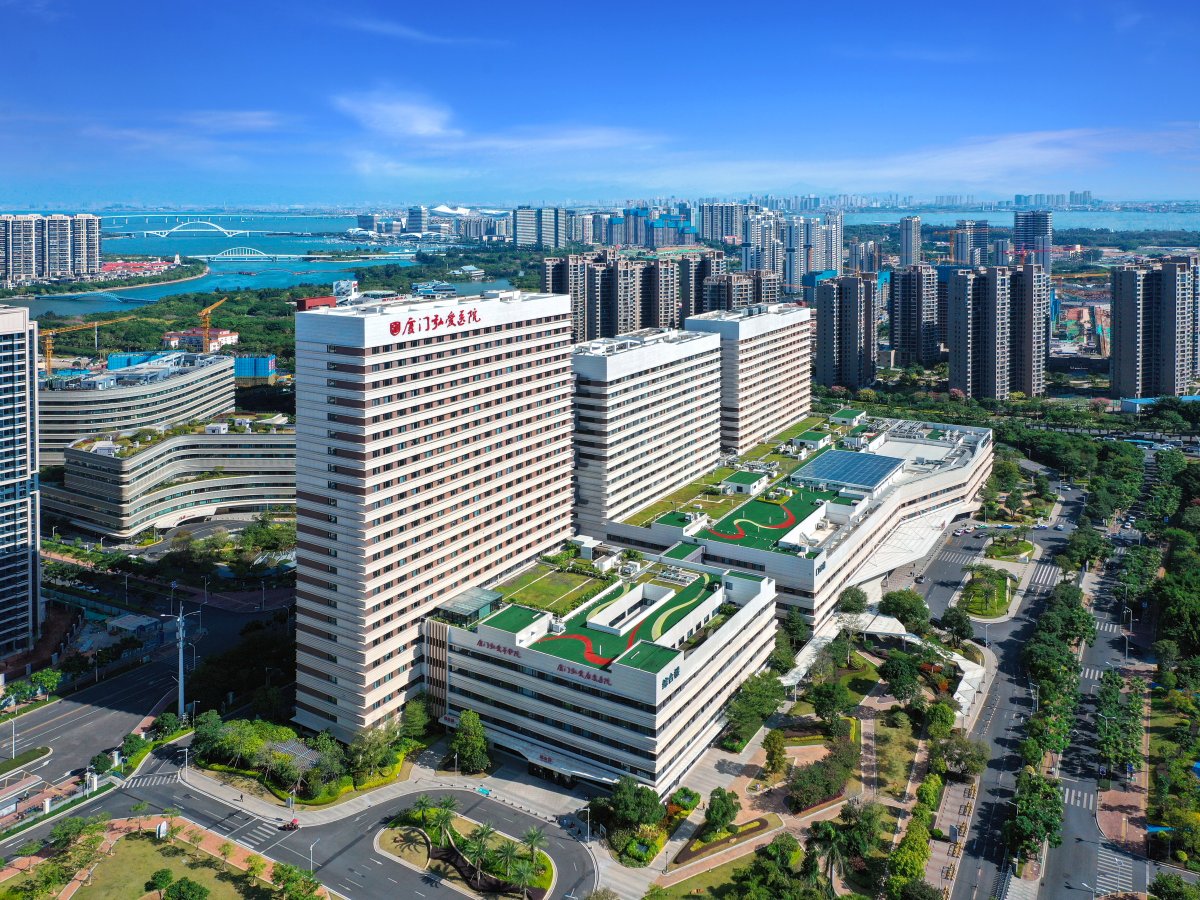
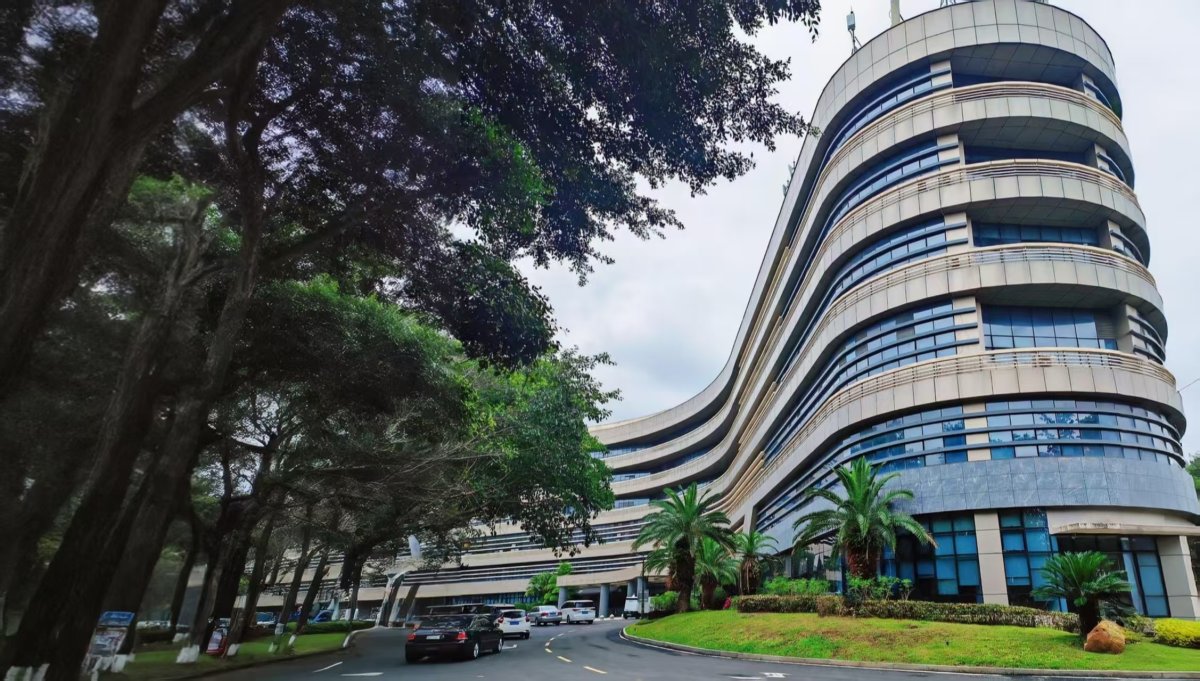
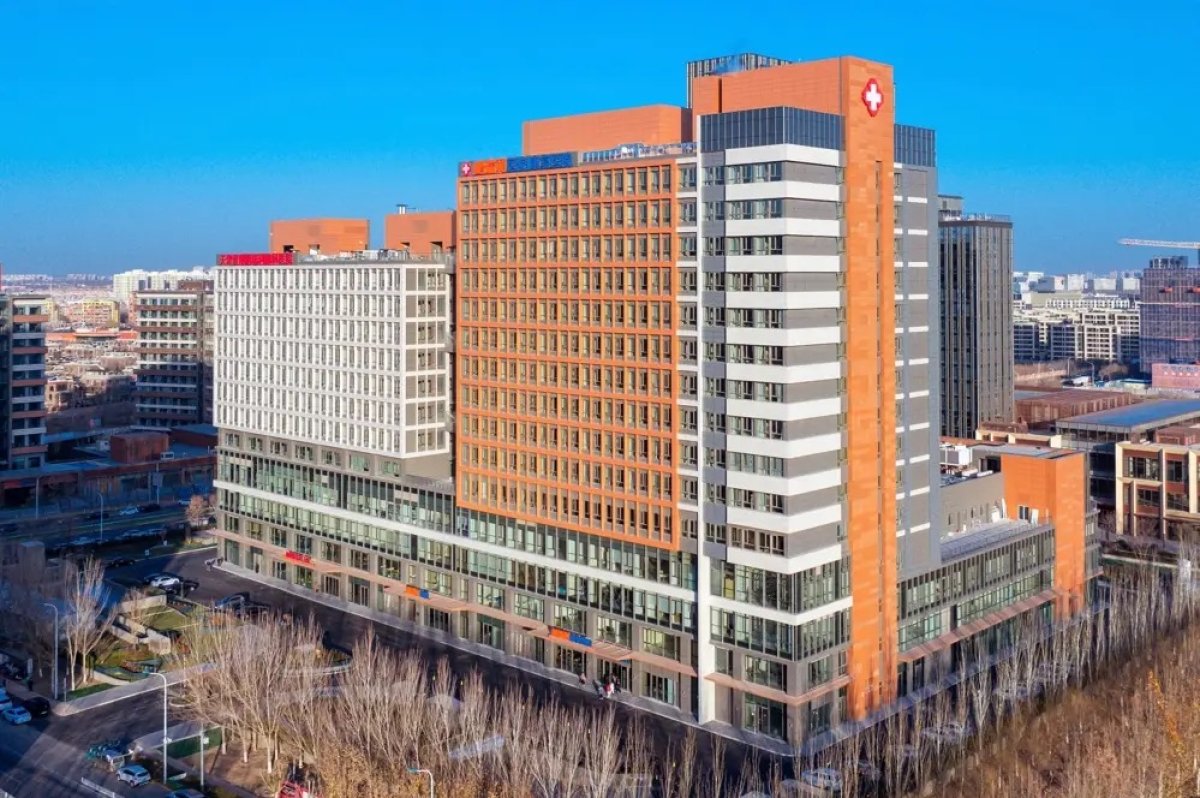
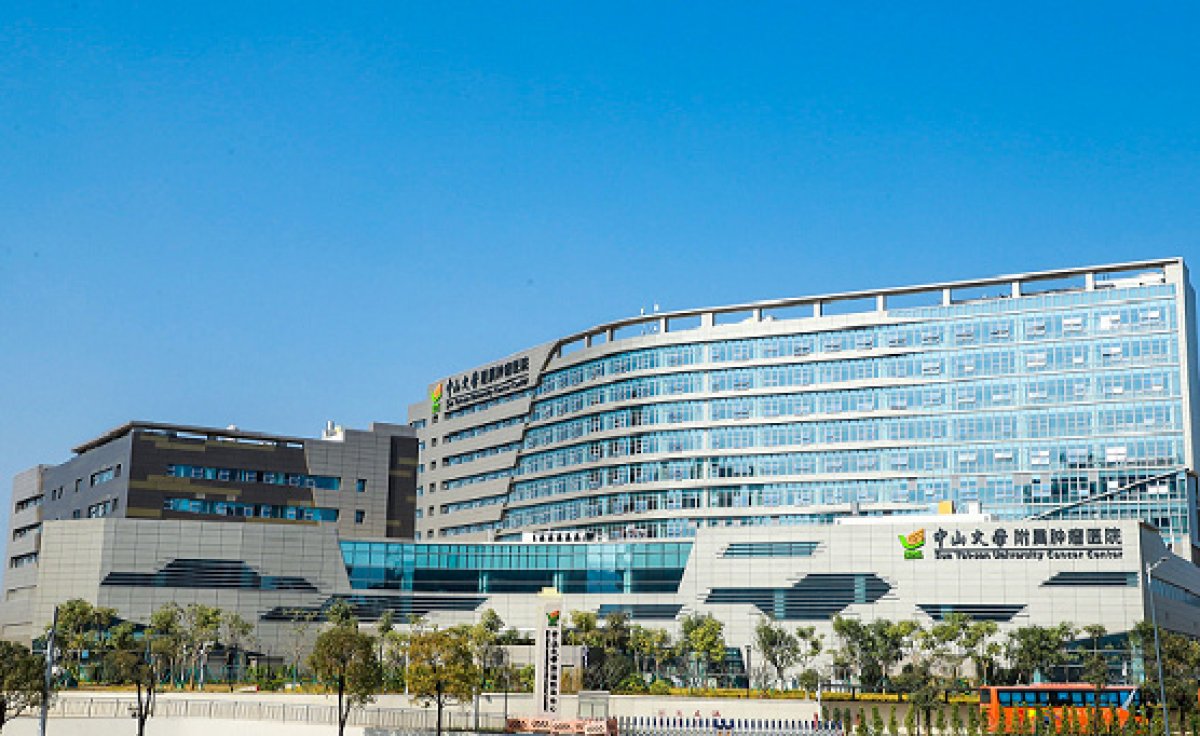
Dr. Eber Brain Hospital
Yanda International Hospital
Fuda Hospital

نظرة عامة على استئصال القرص في الصين

الوجبات الجاهزة
الإجراءات والتكاليف ذات الصلة
كيف نعمل؟
ماذا تتوقع
المزايا
دفع
مرضى يوصي -
85%
وقت الجراحة - 2 ساعتين
البقاء في البلاد - 7 ايام
إعادة تأهيل - 4 ايام
تخدير - تخدير عام
تمت معالجة الطلبات - 21657
رسوم الحجز - $0

قصص فيديو من مرضى Bookimed

Elissa
إنه بالتأكيد مسار طويل، لكنني متحمس لرؤية النتائج تظهر!
إجراء: جراحة الأنف (انظر عملية تجميل الأنف)

مشاركة المحتوى

Twitter XLinkedinFacebookWhatsAppEmail
أحصل على الرابط
محدث: 10/23/2024
تأليف
Anna Leonova
Anna Leonova
رئيس فريق تسويق المحتوى
محررة طبية معتمدة لديها خبرة تزيد عن 10 سنوات، طوّرت محتوى Bookimed الموثوق، مدعومة بماجستير في علم اللغة ومقابلات مع خبراء طبيين من جميع أنحاء العالم.
تمت المراجعة من قبل المستشار الطبي في Bookimed
فهد مولود
محرر طبي وعالم بيانات
طبيب عام. حاصل على 4 جوائز علمية. خدم في غرب آسيا. رئيس الفريق الطبي الناطق بالعربية سابقا ومسؤول عن معالجة البيانات ودقة المحتوى الطبي حاليا.
فهد مولود Linkedin
قد تحتوي هذه الصفحة على معلومات تتعلق بمختلف الحالات الطبية والعلاجات وخدمات الرعاية الصحية المتوفرة في بلدان مختلفة. يرجى العلم أن المحتوى مقدم لأغراض إعلامية فقط ولا ينبغي تفسيره على أنه نصيحة أو إرشادات طبية. يرجى استشارة طبيبك أو أخصائي طبي مؤهل قبل البدء أو تغيير العلاج الطبي.

أسئلة متكررة حول استئصال القرص في الصين

هذه الأسئلة الشائعة مأخوذة من مرضى حقيقيين يبحثون عن رعاية طبية عبر Bookimed. يتم تقديم الإجابات من قبل منسقين طبيين ذوي خبرة وممثلين موثوقين من العيادات.

What is the success rate of a discectomy performed in China?

Discectomy success rates in China range from 70% to 94%, matching global standards for spinal care. Specialized techniques like microendoscopic discectomy show success rates between 91.6% and 93.7%. Outcomes remain highest in tertiary-level facilities like Yanda International Hospital, which maintains Joint Commission International accreditation.

  • Minimally invasive success: Percutaneous endoscopic techniques report long-term success rates between 78% and 91%.
  • Small incision outcomes: Satisfaction rates reach 93.8% with a low recurrence rate of 2.1%.
  • Microdiscectomy expertise: Surgeons like Siyi Cai at Beijing Amcare Hospital apply international training for microsurgery.
  • Surgical volume: China leads globally, performing 50,000 to 60,000 endoscopic spine procedures annually.

Bookimed Expert Insight: Patient volume is a major quality signal in China. Top-tier surgeons like Prof Yu Wang perform up to 1,000 operations annually. This high repetition often leads to refined technical precision that supports the country's 90%+ success rates in specialized spinal sections.

Patient Consensus: Many patients emphasize that long-term success depends on post-operative lifestyle changes. They recommend exhausting physical therapy first and choosing surgeons with international training to ensure clear communication during recovery.

Are Chinese hospitals safe and internationally accredited for spinal surgery?

Top-tier Chinese hospitals are highly safe for spinal surgery when holding Joint Commission International (JCI) accreditation. Elite centers utilize advanced technology like AI-assisted diagnostics and robotic surgical navigation. These institutions feature dual certification, meeting strict China Grade III-A standards alongside international safety protocols.

  • Accreditation standards: Premium hospitals maintain JCI status and China Grade III-A clinical excellence ratings.
  • Surgical expertise: Surgeons like Prof Yu Wang perform over 5,000 procedures using advanced techniques.
  • Minimally invasive focus: Specialized centers prioritize microdiscectomy and endoscopic surgeries to reduce infection risks.
  • Facility capacity: Major hospitals like Yanda International feature 3,000 beds and perform 9,000 operations annually.

Bookimed Expert Insight: While tier-1 cities offer world-class care, safety hinges on surgeon-specific volume data. Prof Yu Wang at AMCare performs up to 1,000 spinal operations annually. This massive clinical volume is characteristic of Chinas elite specialists. It ensures a level of practical experience rarely found in Western hospitals.

Patient Consensus: International patients emphasize that JCI accreditation is a rare but vital safety signal. They recommend securing English-speaking medical teams and planning for extended post-operative stays before flying.

Which hospitals in China are best known for discectomy procedures?

Beijing Jishuitan Hospital and Peking Union Medical College Hospital (PUMCH) are premier institutions for discectomy in China. These national orthopedic centers specialize in robotic-assisted spine surgery and microdiscectomy. JCI-accredited facilities like Yanda International Hospital serve global patients with advanced endoscopic techniques and English-speaking staff.

  • Surgeon expertise: Dr. Siyi Cai at PUMCH specializes in minimally invasive microdiscectomy and spinal reconstruction.
  • High volume: Yanda International Hospital maintains Class A level III status, serving 2,500,000 patients annually.
  • Advanced technology: Top centers integrate AI-driven orthopedics, 3D printing, and robotic assistants for spinal decompression.
  • Specialized care: Peking University Third Hospital is globally recognized for complex cervical and lumbar disc removals.

Bookimed Expert Insight: While public giants like Jishuitan lead in technology, high-volume centers often prioritize speed. Patient data suggests choosing JCI-accredited private wings or hospitals like Yanda. These facilities bridge the gap by offering Western-standard post-operative care and rehabilitation protocols often missing in local public wards.

Patient Consensus: Patients value the advanced endoscopic technology available in major hubs but frequently advise hiring private translators. Success depends heavily on verifying a surgeon’s specific spine caseload before arrival to ensure recovery expectations align with results.

How will language barriers affect my care during a discectomy in China?

Language barriers in China can delay acute pain management and compromise informed consent during a discectomy. While top surgeons in JCI-accredited facilities often speak English, nursing staff and floor teams frequently do not. This can lead to critical misunderstandings regarding post-operative mobility instructions or medication adjustments.

  • Facility selection: Class A Level III hospitals like Yanda International prioritize international safety protocols.
  • Surgeon credentials: Seek surgeons like Dr. Siyi Cai with international fellowships in English-speaking countries.
  • Post-op safety: Miscommunication during log-rolling or movement instructions can risk spinal surgical site integrity.
  • Consent process: Translation apps often fail with complex medical jargon like numbness or nerve compression.

Bookimed Expert Insight: While public hospitals offer lower costs, JCI-accredited clinics in Beijing and Guangzhou significantly reduce risks. Centers like Yanda International Hospital manage over 2,500,000 patients annually and maintain high-level Class A status. Choosing a surgeon with a United States or European fellowship ensures technical alignment and clearer pre-operative consultations.

Patient Consensus: Patients often report that consultations feel rushed and recommend hiring a private medical translator. Many advise bringing their own pain medications and using WeChat groups to maintain contact with the surgical team.

What is the typical recovery timeline after a discectomy in China?

Recovery after discectomy in China typically allows for light activities within 2 to 4 weeks, with full functional recovery taking 3 to 6 months. Patients often stay hospitalized for 3 to 7 days for observation, following Enhanced Recovery Protocols and sometimes integrating Traditional Chinese Medicine for swelling.

  • Hospital stay: Expect 3 to 7 days inpatient for monitoring and acute care.
  • Surgical healing: Incision stitches are generally removed between day 10 and day 14.
  • Early activity: Walking begins within 24 hours to promote circulation and prevent stiffness.
  • Work return: Desk-bound professionals typically return to light duties within 3 to 4 weeks.
  • Full mobility: Pain-free movement and recreational sports usually resume after 12 weeks of recovery.

Bookimed Expert Insight: While Western clinics favor outpatient surgery, top-tier Chinese Class A Level III hospitals like Yanda International Hospital prioritize multi-day inpatient monitoring. This longer stay often includes immediate access to sophisticated rehabilitation equipment. Choosing a surgeon like Dr. Siyi Cai, who trained at New York's Hospital for Special Surgery, ensures global standards within this supportive hospital environment.

Patient Consensus: Many find immediate relief from nerve pain but struggle with sitting or bending before the 4-week mark. Patients emphasize following the strict no-bending rules and anticipate lingering tingling for up to 8 weeks.

احصل على استشارة مجانية

حدد أفضل طريقة للاتصال بك