علاج سرطان الرحم في ألمانيا — احصل على 3 عيادات مختارة خصيصاً لك


تمت مراجعة المقالة طبيا من قبل
فهد مولود
كيف نعمل؟
ما هي تكلفة سرطان الرحم إجراءات التشخيص والعلاج في ألمانيا؟ اعرف الآن
تختلف تكلفة علاج سرطان الرحم في ألمانيا حسب خطة العلاج والإجراءات المتبعة. تتراوح تكلفة الإجراءات التشخيصية، بما في ذلك التاريخ الطبي، والفحص البدني، والتشخيصات المخبرية، والتصوير (الموجات فوق الصوتية/الرنين المغناطيسي)، والدراسات النسيجية، بين $3,800 و $7,700. تتراوح تكلفة التدخلات الجراحية بين $16,000 و $22,000. قد تشمل هذه التدخلات استخدام عوامل العلاج الكيميائي مثل باكليتاكسيل وكاربوبلاتين، وربما بيفاسيزوماب أو تراستوزوماب للحالات الإيجابية لـ Her2. كما أن العلاج الهرموني يعد خيارًا للحالات الإيجابية لمستقبلات الإستروجين. يتم تخصيص خطة العلاج بعد تقييم دقيق من قبل أخصائي.
| تركيا | إسبانيا | ألمانيا | |
|---|---|---|---|
| العلاج بالهرمونات | من $1,100 | من $600 | ≈ $1,800 |
| العلاج الكيميائي لسرطان الرحم | من $3,000 | من $2,800 | من $1,900 |
| العلاج الإشعاعي لسرطان الرحم | من $6,500 | من $13,500 | من $9,000 |
| العلاج الإشعاعي الموضعي لسرطان الرحم | ≈ $3,800 | من $6,000 | من $6,000 |
| استئصال الرحم بواسطة روبوت دا فنشي | من $14,600 | من $21,600 | ≈ $25,000 |
اكتشف أفضل سرطان الرحم العيادات في ألمانيا: 34 خيارات معتمدة والأسعار


CDT-WEST Center of Diagnostics and Therapy









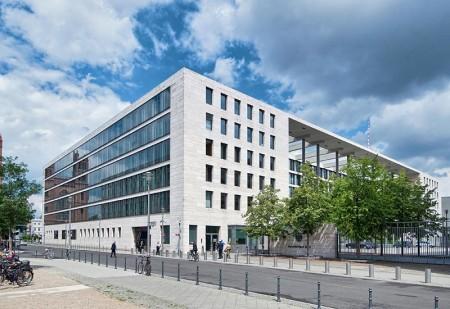
University Hospital Magdeburg

St. Marienstift Clinic
احصل على تقييم طبي لـ في ألمانيا. استشر الآن 7 أطباء ذوي الخبرة.
عرض جميع الأطباء
Viola Fox
تقود الدكتورة فيولا فوكس عيادة أمراض الدم والأورام والرعاية التلطيفية في BKZ Solingen، وهي متخصصة في العلاجات المتقدمة لسرطان الرحم.
- أخصائية أمراض دم وأورام ومناعة معتمدة ولديها 14 سنة من الخبرة
- خبيرة في العلاج الكيميائي والمناعي والعلاجات الموجهة
- أخصائية مؤهلة في علم الوراثة لوضع خطط علاجية مخصصة
- نشطة في أبحاث البيولوجيا الجزيئية لعلاجات السرطان المبتكرة
- عضو في جمعيات الأورام الألمانية والأمريكية

Sebastian Keil
يتخصص البروفيسور كايل في تقنيات التصوير المتقدمة لسرطان الرحم، مستفيداً من تدريبه المكثف في أفضل المستشفيات الألمانية.
- تخرج بمرتبة الشرف من جامعة يوليوس ماكسيميليان في فورتسبورغ
- خبير في التصوير بالرنين المغناطيسي (MRI)، والأشعة المقطعية (CT)، والموجات فوق الصوتية للتدخلات المعقدة
- كبير الأطباء في مستشفى زولينجن الأكاديمي منذ عام 2022
- طبيب رائد سابق في مستشفى جامعة آخن

Elke Jaeger
تُصنف البروفيسورة إلكه ييغر ضمن أفضل أطباء الأورام في ألمانيا لمدة 20 عاماً متتالية، وهي ترأس مركز الأورام وأمراض الدم في عيادة نوردويست.
- أكثر من 1100 حالة علاج للسرطان
- متخصصة في الساركوما واللقاحات المضادة للأورام المخصصة
- أستاذة في جامعة غوته مع أكثر من 7000 استشهاد علمي
- عضو في اللجنة الخبيرة لـ EORTC

Michael Van Kampen
أخصائي في العلاج الإشعاعي للسرطان – يعالج الدكتور فان كامبين المرضى باستخدام هذه الطريقة الأساسية في عيادة نوردويست.
- يركز خبرته على علاج الأورام بالإشعاع
- يعمل ضمن بيئة مستشفى كبير ومتعدد التخصصات
- يوفر نهجاً مستهدفاً لعلاج الأورام
مشاركة المحتوى
قصص فيديو من مرضى Bookimed
 Anna Leonova
أسئلة متكررة حول علاج سرطان الرحم في ألمانيا
ما هي الخيارات الجراحية القياسية لسرطان الرحم في العيادات الألمانية؟
تتضمن الجراحة القياسية لسرطان الرحم في ألمانيا استئصال الرحم الكلي، وغالبًا ما يتم دمجها مع استئصال البوق والمبيض الثنائي. تتبع العيادات إرشادات الجمعية الألمانية للسرطان (DKG) الصارمة. يعطي الجراحون الأولوية لتنظير البطن طفيف التوغل أو التقنيات المساعدة بالروبوت لضمان إزالة الورم بدقة. تهدف هذه الأساليب إلى زيادة فرص البقاء على قيد الحياة مع تقليل أوقات التعافي.
- الوصول الجراحي: تعد جراحات تنظير البطن والجراحات المساعدة بالروبوت معيارًا لسرطان الرحم في مراحله المبكرة.
- مستوى الجذرية: استئصال الرحم الكلي هو الأساس، ويشمل إزالة عنق الرحم والرحم.
- التصنيف اللمفاوي: يقوم رسم خرائط العقدة الليمفاوية الخافرة أو تشريح الأبهر للتحقق من الانتشار المجهري.
- إزالة الملحقات: تعد إزالة قناتي فالوب والمبيضين أمرًا شائعًا لمنع التكرار.
رؤية خبير Bookimed: غالبًا ما توفر المستشفيات الجامعية الألمانية مثل شاريتيه برلين وجامعة لودفيغ ماكسيميليان في ميونيخ التصنيف الأكثر شمولاً. تدير هذه المراكز أكثر من 800,000 مريض سنويًا وتستخدم مجالس أورام متعددة التخصصات. تظهر البيانات أن المراكز ذات الحجم الكبير تدمج الذكاء الاصطناعي والتصوير الرقمي لتحسين الحدود الجراحية. غالبًا ما يؤدي هذا المستوى من الخبرة المؤسسية إلى قرارات أكثر تحفظًا ومحافظة على الأعضاء للمرضى الأصغر سنًا عندما يكون ذلك آمنًا سريريًا.
إجماع المرضى: يلاحظ المرضى أن الخطة الجراحية غالبًا ما تتضمن قائمة من الاحتمالات. ويؤكدون على أهمية السؤال عما إذا كان سيتم الحفاظ على المبيض
كيف تضمن المستشفيات الألمانية دقة تشخيص سرطان الرحم؟
تضمن المستشفيات الألمانية دقة تشخيص سرطان الرحم من خلال اتباع المبادئ التوجيهية الوطنية للممارسة السريرية S3. يستخدم المتخصصون الكشط الجزئي مع تنظير الرحم للتحقق من الأنسجة. يوفر هذا النهج الجراحي عينات قوية لعلم الأمراض. ثم تقوم مجالس الأورام متعددة التخصصات الإلزامية بالتحقق من كل درجة ومرحلة نسيجية.
- التحقق الجراحي: يقلل تنظير الرحم مع الكشط من النتائج السلبية الكاذبة الموجودة في خزعات pipelle.
- التنميط الجزيئي: يقوم أخصائيو علم الأمراض بإجراء الكيمياء المناعية لتحديد متلازمة لينش والأنواع الفرعية الجينومية.
- التصوير المتقدم: يحدد التصوير بالرنين المغناطيسي للحوض ومسح PET-CT الغزو العضلي العميق والانبثاث.
- مجلس الأورام: يؤكد متخصصون في الأورام وعلم الأمراض والأشعة كل تشخيص بشكل جماعي.
رؤية خبير Bookimed: تعتمد الدقة في ألمانيا على تركيز الخبرة في المراكز الجامعية مثل مستشفى شاريتيه برلين وعيادة نوردويست. تتعامل هذه المؤسسات مع أكثر من 60,000 مريض سنوياً. تظهر بياناتنا أن كبار أطباء الأورام الألمان، مثل الدكتورة إلكه ييغر والدكتورة فيولا فوكس، غالباً ما يحملون مؤهلات متخصصة في علم الوراثة الجزيئي. وهذا يضمن أن التشخيص يتجاوز علم الأمراض التقليدي ليشمل الكيمياء المناعية والعلامات الجزيئية. اختيار مركز سرطان معتمد يضمن خضوع حالتك لهذا المستوى من التدقيق المتكامل.
إجماع المرضى: يلاحظ المرضى أن المتخصصين الألمان محافظون للغاية. وغالباً ما يصرون على مراجعة ثانية لعلم الأمراض أو تكرار الخزعة إذا كانت عينة الأنسجة الأصلية
من يتخذ قرارات العلاج لسرطان الرحم في ألمانيا؟
في ألمانيا، تتخذ مجالس الأورام متعددة التخصصات المتخصصة قرارات العلاج لسرطان الرحم. تضم هذه المجالس أطباء أورام نسائية، وأطباء أمراض، وأخصائيي إشعاع في مراكز معتمدة من DKG. يتبعون الإرشادات السريرية الوطنية S3 لضمان رعاية موضوعية قائمة على الأدلة. تتخذ المريضة القرار القانوني النهائي من خلال اتخاذ القرار المشترك.
- مجالس الأورام: يراجع الخبراء التصوير التشخيصي وعلم الأمراض قبل اقتراح أي علاج.
- المراكز المتخصصة: يتلقى معظم المرضى الرعاية في مؤسسات معتمدة من الجمعية الألمانية للسرطان (DKG).
- أدوار المتخصصين: يحدد أطباء الأمراض الملف الجزيئي لتحديد العلاج المناعي الموجه أو العلاجات الهرمونية.
- إرشادات S3: يجب أن تتماشى مسارات العلاج بدقة مع المعايير الوطنية للأورام لكل مرحلة.
رؤية خبير Bookimed: توفر المستشفيات الجامعية الألمانية مثل Charite Berlin أو Nordwest Clinic شفافية أعلى في اتخاذ القرار بسبب مجالس الأورام الأسبوعية الإلزامية. غالبًا ما تدمج المراكز الكبيرة التي تخدم أكثر من 60,000 مريض سنويًا باحثين في هذه المجالس. يسمح هذا للمرضى بالوصول إلى لقاحات مبتكرة مضادة للسرطان أو تقنيات الموجات فوق الصوتية ثلاثية الأبعاد التي قد تفتقر إليها العيادات الأصغر. تحقق دائمًا مما إذا كانت حالتك ستُعرض على مجلس كامل يضم أخصائي أمراض جزيئية.
إجماع المرضى: يلاحظ المرضى أنه على الرغم من أن الجراحين يقودون المحادثة، فإن الخطة النهائية تعتمد بشكل كبير على نتائج علم الأمراض التي تم التحقق منها بعد الخزعة الأولية. من الشائع والمشجع طل
ما هي العلاجات المتقدمة المتاحة لسرطان الرحم المتقدم أو المتكرر (المرحلة 4)؟
تركز العلاجات المتقدمة لسرطان الرحم في المرحلة 4 في ألمانيا على الطب الدقيق القائم على المؤشرات الحيوية. تستخدم مراكز الأورام الألمانية مجموعات العلاج المناعي، والعلاجات الموجهة للأورام إيجابية HER2، ولقاحات مضادة للسرطان مبتكرة. يعتمد اختيار العلاج على حالة إصلاح عدم التطابق (MMR) والملفات الجزيئية المحددة التي يتم تحديدها من خلال التصوير المقطعي بالإصدار البوزيتروني (PET-CT) والخزعة.
- مجموعات العلاج المناعي: يُستخدم بيمبروليزوماب أو دوستارليماب-gxly مع العلاج الكيميائي للحالات المتقدمة أو المتكررة.
- حصار المسار الموجه: يعالج بيمبروليزوماب المدمج مع لينفاتينيب الأورام التي تتمتع بكفاءة إصلاح عدم التطابق (pMMR) بعد العلاج الجهازي.
- العلاج الموجه لـ HER2: يستهدف تراستوزوماب ومتقارنات الأجسام المضادة والأدوية مثل Enhertu سرطانات الرحم المتكررة إيجابية HER2 بشكل خاص.
- العلاج الإشعاعي المتقدم: تستخدم المراكز الألمانية تقنيات IMRT و IGRT لعلاج الأورام القريبة من الأعضاء الحيوية بأمان.
رؤية خبير Bookimed: تُظهر البيانات من المؤسسات الألمانية الرائدة تحولاً كبيراً نحو التشخيص الجزيئي المتكامل. تركز عيادات مثل Nordwest و Solingen على الجمع بين العلاج الدوائي الخاص بالجينات وتقنيات الإشعاع المتخصصة. على سبيل المثال، الدكتورة فيولا فوكس في سولينجن حاصلة على شهادة البورد في كل من الأورام وعلم الوراثة. تسمح هذه الخبرة المزدوجة بمطابقة أكثر دقة لعوامل العلاج المناعي مع طفرات الورم المحددة للمريض.
إجماع المرضى: يؤكد المرضى أن اختب
ما هي المستشفيات في ألمانيا التي تحظى بأعلى التقييمات في جراحة الأعصاب؟
تضم ألمانيا بعضًا من أرقى أقسام جراحة الأعصاب في العالم، بقيادة مستشفى شاريتيه الجامعي في برلين ومستشفى جامعة هايدلبرغ. وتتميز هذه المراكز بخبرتها الواسعة في علاج أورام الدماغ المعقدة وأمراض الأوعية الدموية الدماغية. ولتحقيق أقصى قدر من الفعالية في عملياتها، تستخدم هذه المراكز أحدث التقنيات، مثل التصوير بالرنين المغناطيسي أثناء الجراحة والتوجيه العصبي بمساعدة الحاسوب.
- مستشفى شاريتيه برلين: يُجري أكثر من 5000 عملية جراحية سنوياً. ويرأس العيادة جراح الأعصاب الشهير الدكتور بيتر فايكوتشي.
- المركز الطبي في سولينجن: أجرى الدكتور رالف بوهل أكثر من 4000 عملية جراحية، بما في ذلك جراحات العمود الفقري طفيفة التوغل.
- عيادة أسكليبيوس نورد: مجهزة بنظام التصوير بالرنين المغناطيسي الثنائي الوحيد في ألمانيا أثناء الجراحة لضمان الدقة الجراحية في الوقت الحقيقي أثناء إزالة الورم.
- عيادة نوردويست: تم الاعتراف بها من قبل مجلة نيوزويك كمستشفى رائد في مجال الابتكار في تكنولوجيا الموجات فوق الصوتية ثلاثية الأبعاد.
رأي خبراء بوكيمد: تشير البيانات إلى أن اختيار المراكز ذات الحجم الجراحي الكبير غالبًا ما يؤدي إلى توصيات علاجية أكثر تحفظًا. ففي مركز سولينجن الطبي، الذي يعالج أكثر من 60,000 مريض
ما هي نسب نجاح العمليات الجراحية العصبية المعقدة في ألمانيا؟
في ألمانيا، تتميز العمليات الجراحية العصبية بالغة التعقيد بمستوى أمان استثنائي. تصل نسبة نجاح عمليات دمج الفقرات إلى 99%، بينما تبلغ نسبة النجاة بعد استئصال أورام الدماغ الأولية 97%. كما يتمتع المرضى بقدرة عالية على الاعتماد على أنفسهم في أداء وظائفهم اليومية، حيث يغادر أكثر من 82% منهم المستشفى مباشرةً بعد العلاج. وتولي المراكز الألمانية اهتماماً بالغاً بالحفاظ على الوظائف العصبية باستخدام أحدث تقنيات التخطيط العصبي.
- استئصال الورم: يحقق الجراحون استئصالًا كاملاً للورم في 87.2% من حالات النقائل الدماغية.
- النجاح في علاج أمراض الأوعية الدموية: أفادت المستشفيات الألمانية بنسبة نجاة بلغت 98.7% لحالات تمدد الأوعية الدموية غير الممزقة.
- تحسن الحالة العصبية: يشهد ما يقرب من 43% من المرضى تحسناً في المعايير الوظيفية بعد عمليات الاستئصال المعقدة.
- سلامة التدخلات الجراحية: في المراكز الجراحية الكبيرة، تتراوح معدلات بقاء المرضى على قيد الحياة بعد جراحة العمود الفقري بين 98-99%.
رأي خبراء بوكيمد: يُجري جراحون ذوو خبرة، مثل الدكتور أوفه كولر من عيادة أسكليبيوس ألتونا، أكثر من 2000 عملية جراحية سنويًا. تُشير البيانات إلى أن هؤلاء المتخصصين يحافظون على معدلات نجاح تصل إلى 90%، حتى
ما هي التقنيات المتقدمة المتوفرة عادةً في عيادات جراحة الأعصاب الألمانية؟
تُدخل عيادات جراحة الأعصاب الألمانية بانتظام أدوات رقمية عالية الدقة وتقنيات تصوير فوري في الممارسة الجراحية. تشمل التقنيات الرئيسية الملاحة العصبية الحاسوبية لجراحات الدماغ والحبل الشوكي. تستخدم مؤسسات مثل عيادة أسكليبيوس نورد التصوير بالرنين المغناطيسي أثناء الجراحة للتحقق من استئصال الورم في الوقت الفعلي. توفر هذه الأنظمة للجراحين نظام ملاحة ثلاثي الأبعاد.
- الملاحة العصبية: توفر تصورًا ثلاثي الأبعاد وتتبعًا فوريًا للأدوات لتحقيق دقة جراحية تصل إلى مستوى أقل من المليمتر.
- التصوير أثناء العملية: تسمح أنظمة مثل التصوير بالرنين المغناطيسي أثناء العملية (iMRI) والتصوير المقطعي المحوسب ذي الذراع O (O-arm CT) بالتأكيد الفوري على نجاح عملية الاستئصال.
- المراقبة العصبية: تراقب الوظائف الحركية والحسية أثناء الجراحة لحماية الجهاز العصبي.
- التشخيص الفلوري: يتم استخدام صبغة 5-ALA لتسليط الضوء على حدود الورم من أجل إزالته بشكل أكثر اكتمالاً.
- المساعدة الروبوتية: تعمل أنظمة مثل نظام دافنشي على تحسين الدقة في الإجراءات المعقدة ذات التدخل الجراحي البسيط.
رأي خبراء بوكيمد: تُجري مراكز طبية كبيرة، مثل مستشفى شاريتيه الج
ما هي التدريبات المتخصصة التي يتلقاها جراحو الأعصاب الممارسون في ألمانيا؟
في ألمانيا، يتعين على جراحي الأعصاب إكمال برنامج إقامة تخصصي لمدة ست سنوات بعد التخرج من كلية الطب. يشمل هذا البرنامج المنظم العناية المركزة، والتدريب السريري، وكتابة مقالات في مجلة جراحية إلزامية. بعد ذلك، يجتاز المرشحون امتحانًا حكوميًا للحصول على لقب طبيب مقيم (Facharzt für Neurochirurgie).
- الإقامة السريرية: تتطلب من 48 إلى 72 شهرًا من الممارسة المتخصصة في جراحة الأعصاب.
- العناية المركزة: تتضمن فترة تدريب إلزامية لمدة 6 أشهر في وحدة العناية المركزة لجراحة الأعصاب.
- المجلة الجراحية: يوثق الجراحون مئات العمليات الجراحية، بما في ذلك عمليات فتح الجمجمة وجراحات العمود الفقري.
- امتحان الترخيص: يجب على المتقدمين اجتياز امتحان طبي شفوي وعملي تديره الدولة.
رأي خبراء بوكيميد: يركز التدريب الألماني في جراحة الأعصاب على الخبرة الجراحية الواسعة. فعلى سبيل المثال، أجرى الدكتور رالف بول من المركز الطبي في سولينجن أكثر من 4000 عملية جراحية. ويتمتع الدكتور يورغن كيويت من مستشفى ميوكلينيك بخبرة تزيد عن 25 عامًا. يضمن هذا النظام الدقيق أن يتعامل المتخصصون في المراكز الكبرى مع الحالات المعقدة بدقة مثبتة.
آراء المرضى: يشع
ما هي متطلبات اللغة والترخيص المطلوبة للجراحين الأجانب الراغبين في التدرب أو مراقبة العمليات الجراحية العصبية في ألمانيا؟
يجب على جراحي الأعصاب الأجانب استيفاء متطلبات لغوية وترخيصية صارمة للالتحاق بالتدريب أو فترة التدريب العملي في ألمانيا. يتطلب التدريب رخصة طبية سارية أو تصريحًا مؤقتًا. أما المتدربون، فيجب عليهم الحصول على إذن من مستشفى محدد. ويتطلب كلا الخيارين إتقانًا عاليًا للغة الألمانية للمشاركة في المناقشات السريرية وإجراء العمليات الجراحية المعقدة بأمان.
- المهارات اللغوية: مطلوب مستوى عام في اللغة الألمانية B2 ومستوى في اللغة الطبية C1 (Fachsprachprüfung) للتدريب السريري.
- الترخيص السريري: يحتاج الجراحون إلى تصريح لممارسة دائمة (Approbation) أو تصريح مهني (Berufserlaubnis) للتدريب الداخلي المؤقت الخاضع للإشراف.
- حالة المراقبة: يسمح دخول المستشفى بمراقبة العمليات الجراحية دون تحمل المسؤولية الطبية أو الحصول على ترخيص رسمي.
- تقييم المؤهلات: غالباً ما يتعين على خريجي الطب من خارج الاتحاد الأوروبي الخضوع لعملية التحقق من صحة الشهادة في غضون 3-6 أشهر.
رأي خبراء بوكيمد: غالبًا ما تُعطي العيادات الألمانية ذات الأعداد الكبيرة من المرضى، مثل عيادة نوردويست أو أسكليبيوس نورد، الأولوية للمرشحين الذين خضعوا بالفعل لتقييم أولي للوثائق. تُظهر بياناتنا أن أساتذة مثل الدكتور أوفه كولر والدكتور
هل يوجد عدد كافٍ من جراحي الأعصاب في ألمانيا لعلاج المرضى المحليين والدوليين على حد سواء؟
تضم ألمانيا أعلى نسبة من جراحي الأعصاب في أوروبا، حيث يبلغ عددهم 2.94 متخصصًا لكل 100,000 نسمة. وبفضل 184 قسمًا متخصصًا، تستطيع هذه الكفاءات المتميزة التعامل بسهولة مع تدفق المرضى الدوليين. وتُجري مراكز طبية رئيسية، مثل مستشفى شاريتيه برلين، أكثر من 4,000 عملية جراحية سنويًا. ويُوفر هذا العدد الكبير من المتخصصين قدرة إضافية على التعامل مع الحالات الدولية المعقدة.
- الكثافة التخصصية: يوجد في ألمانيا 2.94 جراح أعصاب لكل 100000 شخص، وهو ضعف المتوسط الأوروبي.
- البنية التحتية السريرية: أكثر من 182 قسمًا متخصصًا في جراحة الأعصاب تضمن سهولة الوصول الجغرافي على نطاق واسع في جميع أنحاء ألمانيا.
- الخبرة الجراحية: يقوم البروفيسور الدكتور بيتر فايكوتشي من مستشفى شاريتيه برلين بإجراء أكثر من 4000 عملية جراحية سنوياً.
- التكنولوجيا المتطورة: تستخدم عيادات مثل عيادة أسكليبيوس نورد التصوير بالرنين المغناطيسي أثناء الجراحة والتوجيه العصبي الحاسوبي.
رأي خبراء بوكيمد: على الرغم من وجود العديد من المتخصصين ذوي الكفاءة العالية في ألمانيا، إلا أن أساتذةً مثل الدكتور رالف بول أو الدكتور أوفه كولر يتركزون غالبًا في مراكز طبية كبيرة مثل هامبورغ أو سولينغن. تُظهر بياناتنا أن هذه المراكز الكبيرة